Tag Archives: Holocaust

Roma Resistance

Published by:

Roma Resistance

The Historical Institute of the Resistance and the Contemporary Age of Forlì-Cesena, in collaboration with the Municipality of Forlì, is organizing the presentation of the book “Vittoriosi al fin liberi siam. Roma e Sinti nella Resistenza italiana” by Chiara Nencioni, on Tuesday, January 13, in the Sala Randi, Forlì Municipality. Ines Briganti will be present at the event, alongside the author.

Opera Yes, Documentation Centre No

Published by:

Opera Yes, Documentation Centre No

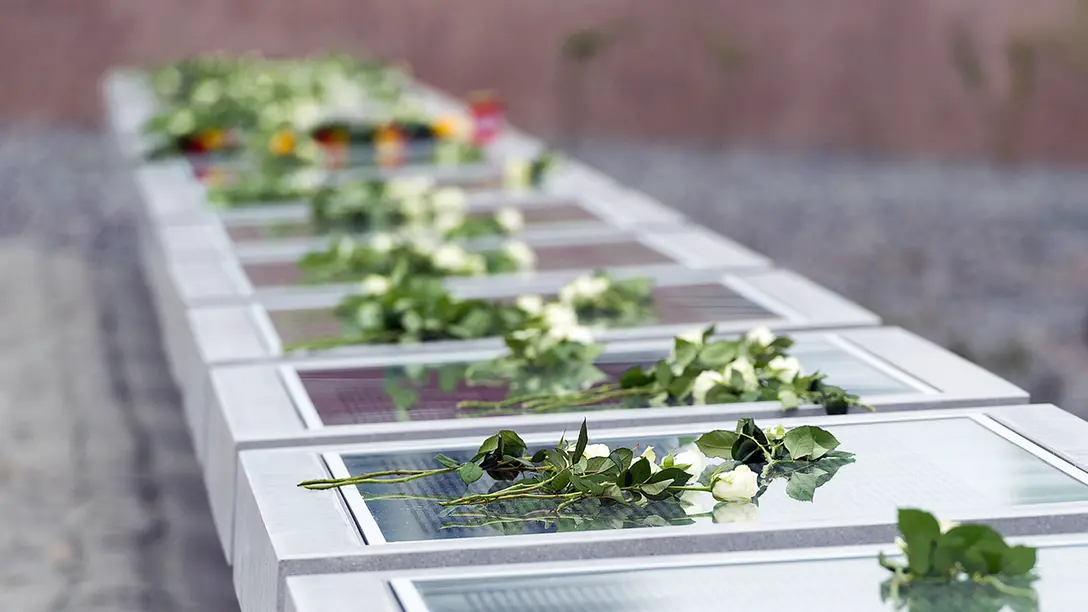
Those arriving in Hamburg by ICE train from the south pass directly by the former “Hanoverian Station,” from whose tracks 8,000 Jews, Sinti, and Roma were deported to Nazi extermination camps in the east starting in 1940. A memorial with desk-like concrete tables lists all the names from the transport lists of that time.

Just a few hundred meters away, directly in line of sight to the deportation site, a new opera house is to be built on Hamburg’s Baakenhöft. It is being sponsored with 340 million euros by Klaus-Michael Kühne, 88 years old. The same man who, to this day, refuses to allow his company’s Nazi past to be publicly investigated. His opera house, his gift to the city, therefore carries a deeply troubling connotation.

Meanwhile, a planned documentation centre on the deprotations is still in planning, without any date of completion.

Antigypsyism

Published by:

Antigypsyism

Antigypsyism is ethnic hatred of Roma throughout centuries. It is a specific form of racism, an ideology based on racial superiority, as a form of dehumanization and institutional racism that perpetuates historical discrimination. This is expressed, among other things, through violence, hate speech, exploitation and stigmatization.

Just as we cannot avoid the interwar samudaripen (the Roma genocide during the Holocaust) and the partisan massacre of Roma, we cannot get rid of antigypsyism. Therefore, our common concern is to create conditions for coexistence and respect for diversity. While respecting the rule of law or legislation that applies to everyone. No exceptions!

The starting point for this article in the context of preserving the historical memory of the genocide of Jews and Roma during World War II was the editorial by Dr. Alija Žerdin in the Saturday supplement of Delo after the tragic event in Novo mesto. He very sensibly pointed out that the Holocaust against the Roma, especially those from Dolenjska in the years 1941–1945, ended eight decades ago. It is still very close and can be more proof of where hatred of those who are different can lead.

Commemoration

Published by:

Commemoration

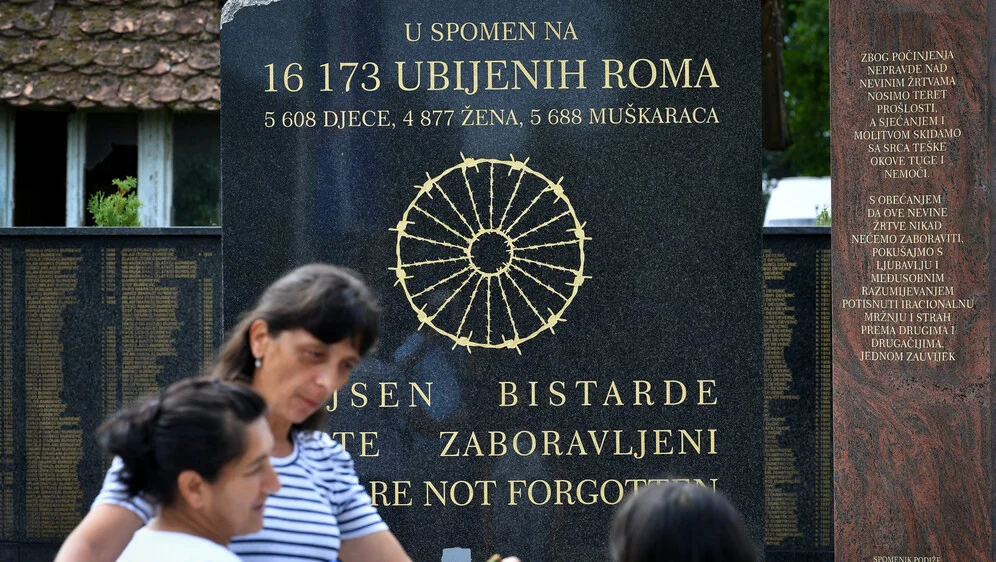
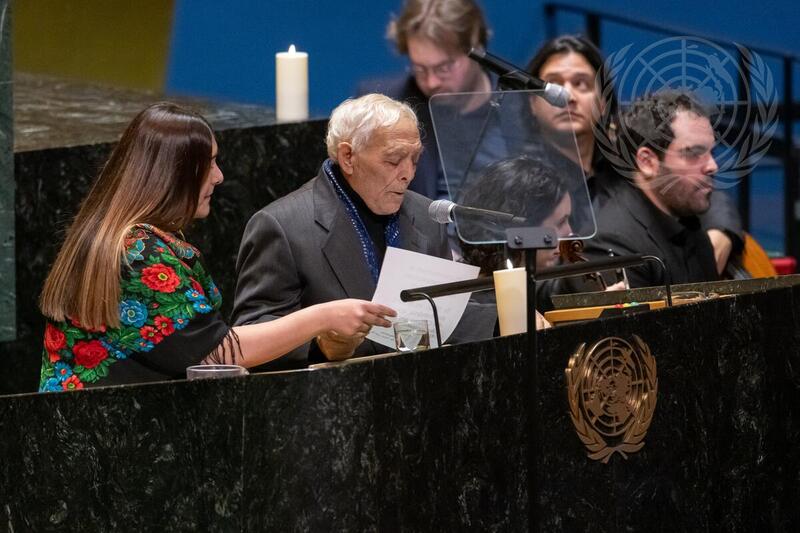
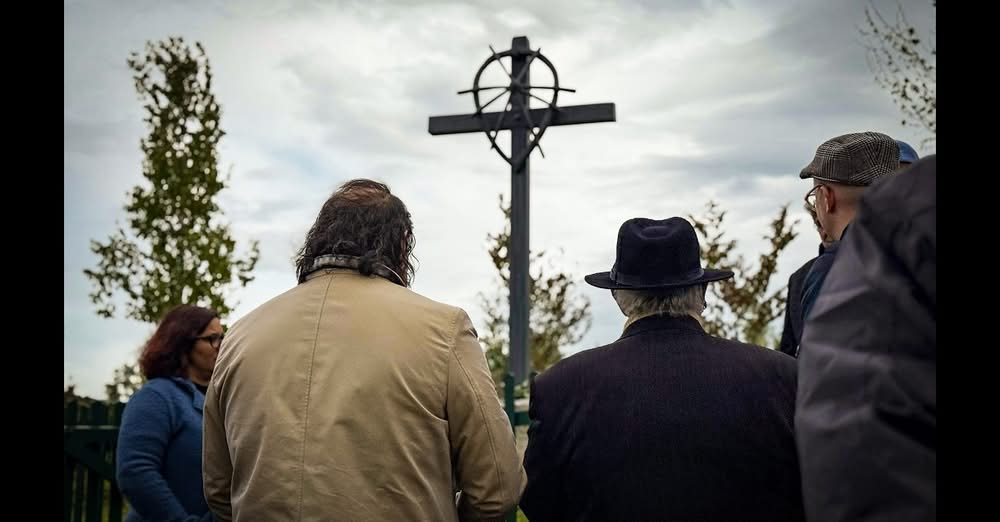
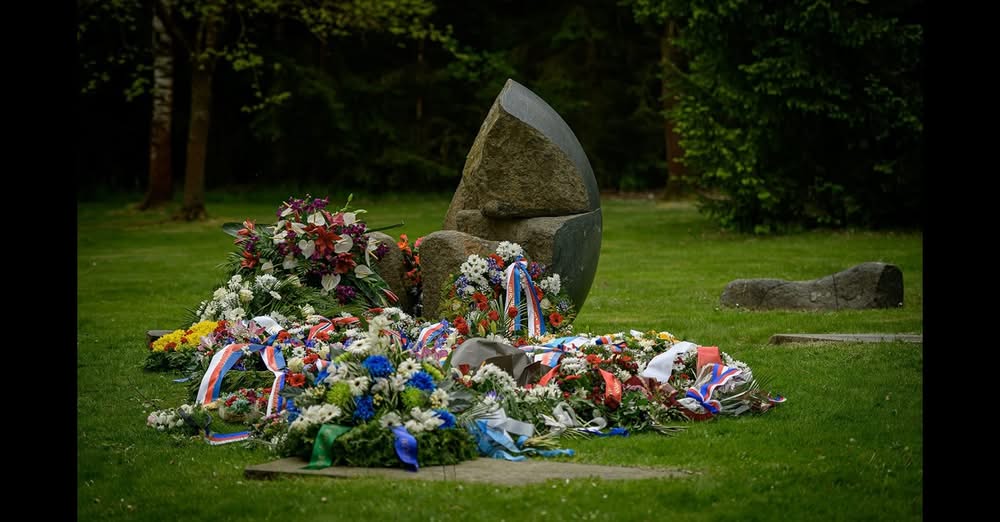
A memorial event was held in Podpoľanie at the Jewish cemetery in Zvolen on Tuesday, December 9, as part of the Ma bisteren! project dedicated to commemorating the Roma genocide during the Holocaust on the occasion of International Human Rights Day. It commemorates the fate of Roma murdered during World War II.

Concert

Published by:

Concert

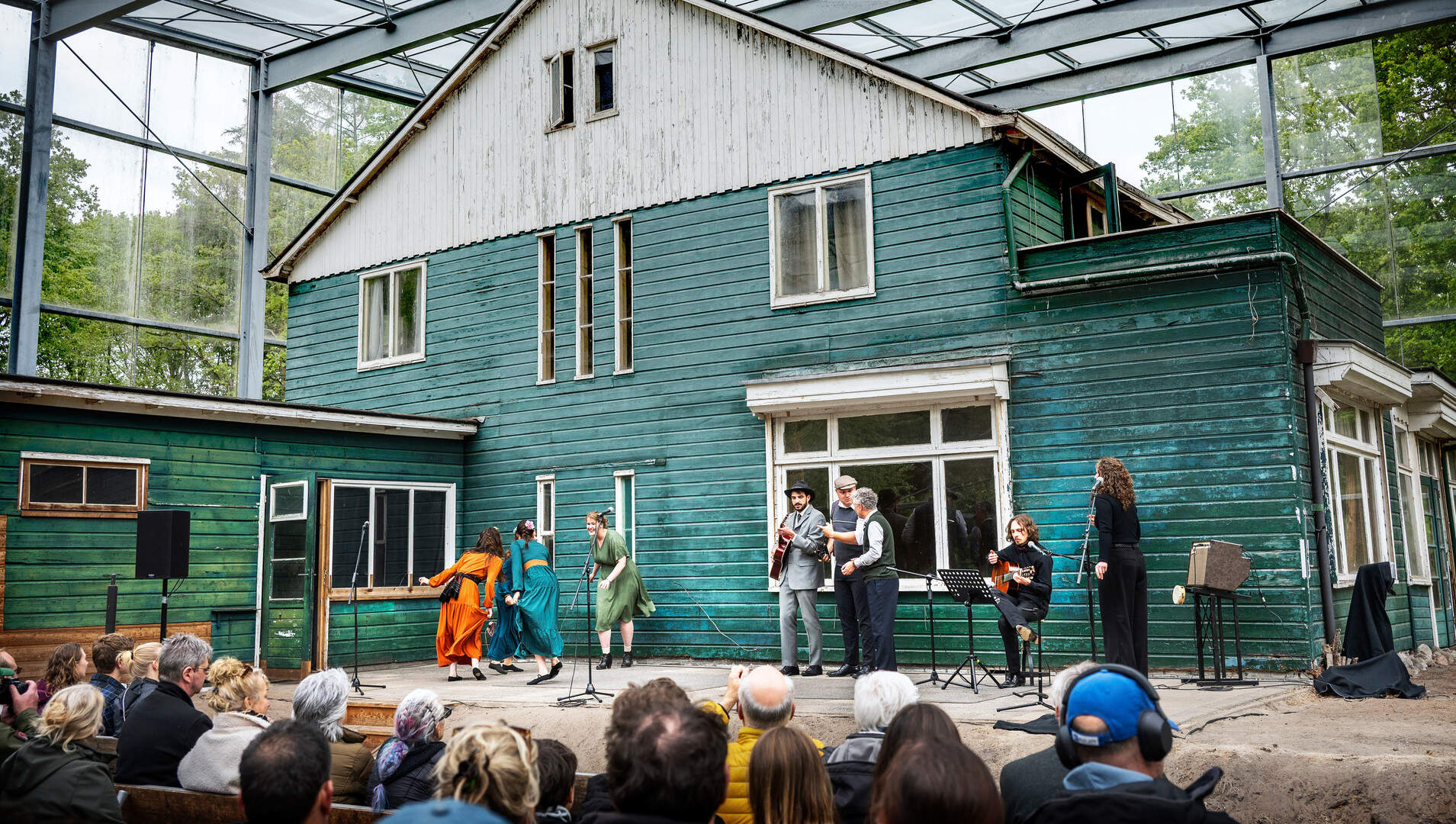
Frankfurt marked the 80th anniversary of the liberation of Auschwitz with a concert by the Roma and Sinti Philharmonic. The event was dedicated to the victims of the Holocaust and carries a strong message: memory is not the past, but the responsibility to prevent hatred and war. Representatives of German institutions emphasized the importance of the culture of remembrance and its transmission to young generations. Music has become a bridge between peoples and a reminder that forgetting leads to repetition.

Documentary

Published by:

Documentary

The impressive film by Melanie Spitta and Katrin Seybold sheds light on the persecution of the German Sinti during National Socialism, as well as the challenges and resistance associated with coming to terms with this dark chapter.

Croatian Revisionism

Published by:

Croatian Revisionism

Last month, a roundtable was held in the Croatian parliament on the Jasenovac camp which was organized by the DOMiNO and Croatian Sovereigns parties. It was attended by historical revisionists Igor Vukić and Nikola Banić, as well as of Milorad Pupovac (SDSS).

“According to credible sources, Jasenovac was not a death camp, during the roundtable. He and his interlocutors denied the official number of victims cited by the Jasenovac Memorial Site Public Institution (JUSP) citing 83,145 people killed there, among which more than 20’000 children. According to these revisionists, there were only children from neighbouring regions attending vocational schools.

The question arises as to who allowed revisionists and deniers of the crimes in Jasenovac to hold a debate and how is it possible that for denying the Holocaust in other European Union countries you end up in prison, but in Croatia you get a hall in the Croatian Parliament.

Exhibition in Germany

Published by:

Exhibition in Germany

Diepholz’ district museum is dedicating a special exhibition to Mariechen Franz, a sintiza who died shortly before her 17th birthday in 1944 in Ravensbrück. The exhibition will open next Saturday. The exhibition thematises the persecution of Sinti and Roma under the Nazi based on the example of Mariechen Franz.

Austrian Memorial

Published by:

Austrian Memorial

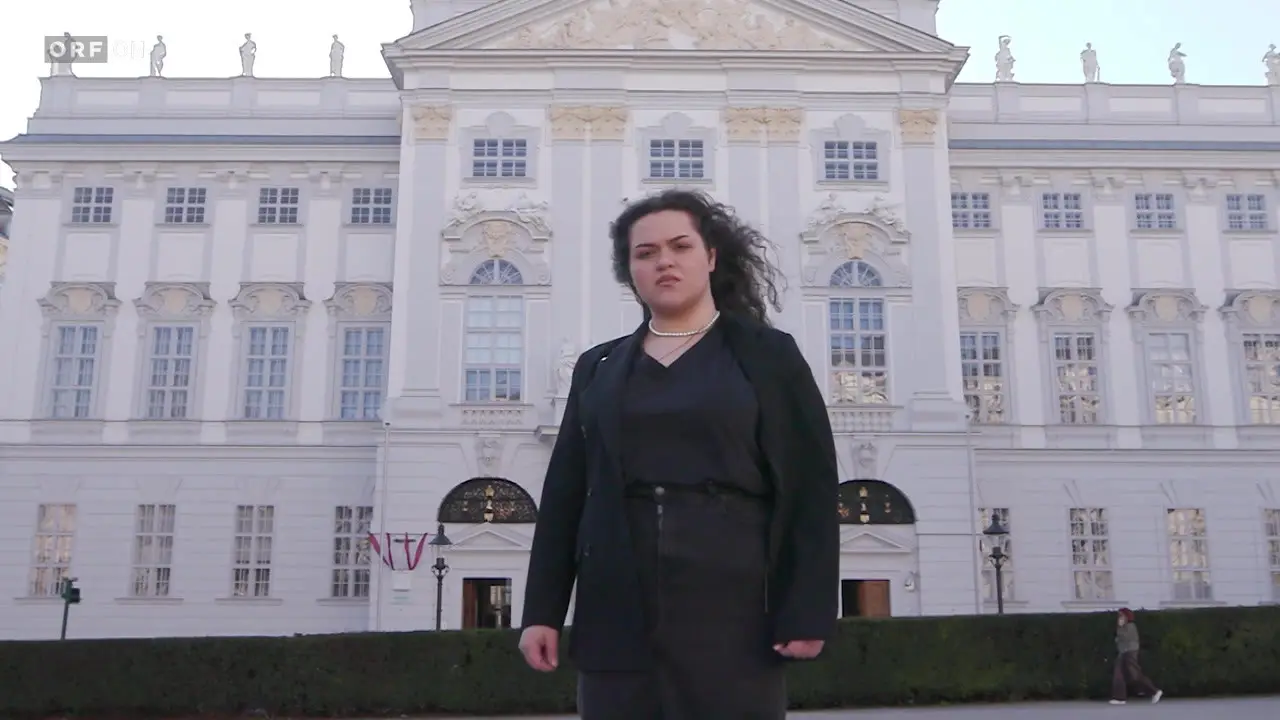
The musician and activist Harri Stojka is calling for the swift construction of a memorial for Roma and Sinti in Austria at Schmerlingplatz in Vienna. “There, at a historically significant location in the heart of Vienna, a visible symbol of remembrance and recognition should be erected.”

Lackenbach

Published by:

Lackenbach

On Saturday, the Roma and Sinti who were murdered during the National Socialist regime were commemorated in Lackenbach. Along with numerous state politicians, the Minister of Justice, Anna Sporrer (SPÖ), participated. Of the 4,000 Roma and Sinti who were interned in the Lackenbach camp since the summer of 1940, only 300 to 400 survived the liberation of the camp in the summer of 1945.

French Chronicle …

Published by:

French Chronicle …

Almost no news about Roma this week in France. An expulsion, five days before the winter expulsion truce in France. And a testimony of a Romni who was deported to the French camp of Rivesaltes and who says the French were worse than the German.

Slovenia: Massacre

Published by:

Slovenia: Massacre

On July 19, 1942, partisans went to the Roma settlement in Kanižarica near Črnomelj all kidnapped all Roma, from children to old people, and burned their homes. 62 Roma, perhaps more, were driven to the deserted nomadic village of Mavrlen on the slopes of Kočevski Rog. There, in the following days, they were all systematically murdered, probably cruelly, with cold steel.

Germany and Memorial Sites

Published by:

Germany and Memorial Sites

The German Federal Cabinet has adopted a new concept for memorial sites commemorating the crimes of National Socialism and the injustices committed in the GDR. Since there are fewer and fewer living witnesses, younger generations are to be informed using digitization, for example, with holograms of eyewitnesses. The concept also focuses on preserving historical sites and promoting education and research through new exhibition formats.

Conference on the Genocide

Published by:

Conference on the Genocide

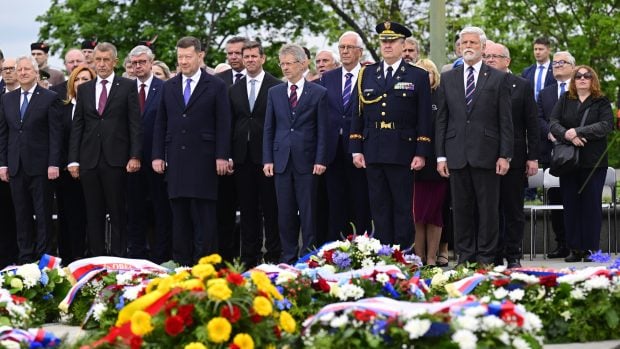
Preserving the memories of the survivors and survivors of the genocide of the Roma during Holocaust and passing them on to future generations was the main topic of the three-day Czech-German conference, which took place at the Straka Academy and was dedicated to the memory of the murdered Roma and Sinti during World War II. The conference was organized by the Institute for Contemporary History of the Academy of Sciences of the Czech Republic on the occasion of the 80th anniversary of the end of the war.

World War Two Murder

Published by:

World War Two Murder

Towards the end of the war, at least 47 people including at least 37 Roma were brutally murdered by Hungarian Nyilas soldiers near Dunajská Streda on the Klátovský branch of the Little Danube at the end of World War II. They do not have their own grave.

Slovenia and the Genocide

Published by:

Slovenia and the Genocide

More than forty years ago, Dr. Spomenka Hribar warned the public about the post-war massacres of people and secret graves in Slovenia and about the urgent burials of these deceased.

The article whitewashes this issue saying that in other countries, much worse massacres were committed, and anyhow, Roma were killed by Partisans as they collaborated with Germans…

Leni Riefenstahl

Published by:

Leni Riefenstahl

Andres Veiel’s rich investigative documentary “Riefenstahl” states the obvious: The infamous German filmmaker Leni Riefenstahl was an outright Nazi. But as with any good film, the key isn’t what it’s about but how it’s about it. Given full access to the personal archive of the director who made “Olympia” and “Triumph of the Will,” Veiel builds an overwhelming, indisputable case that not only was Riefenstahl a Nazi, but you also can’t separate the art from this artist’s politics.

rroma.org
en_GBEN