Tag Archives: Housing

Housing Discrimination?

Published by:

Housing Discrimination?

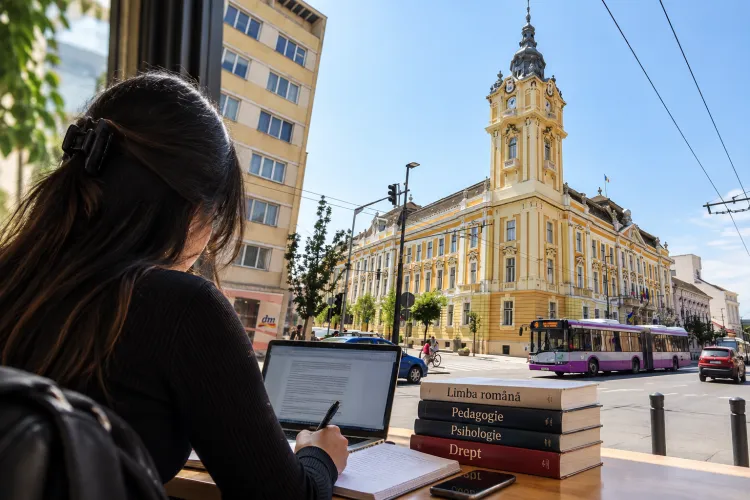
A young Romni, B.R., raised in child protection, has written an open letter to the mayor of Cluj, Emil Boc, questioning why she and others like her do not receive social housing despite being educated and employed.

B.R. shares her experiences of discrimination and emphasizes that not all Roma should be judged based on the actions of a few, advocating for a more nuanced understanding of her community.

She highlights the need for social housing criteria to be reconsidered, suggesting that those who work and contribute to society should be prioritized over those who perpetuate negative stereotypes.

Cluj and Roma

Published by:

Cluj and Roma

Local councilor Dragoș Roșianu criticized fellow councilor Daniel Meze for generalizing about relocated Roma families after a fire incident, urging him to verify facts directly with affected families.

The fire, which affected 16 apartments, was attributed to an electrical issue, not the ethnicity of the residents, highlighting the need for responsible administration and fact-based discussions.

Roșianu emphasized the importance of integration and support for Roma families, rejecting stigmatization and calling for constructive dialogue to address any issues within the community.

Flop

Published by:

Flop

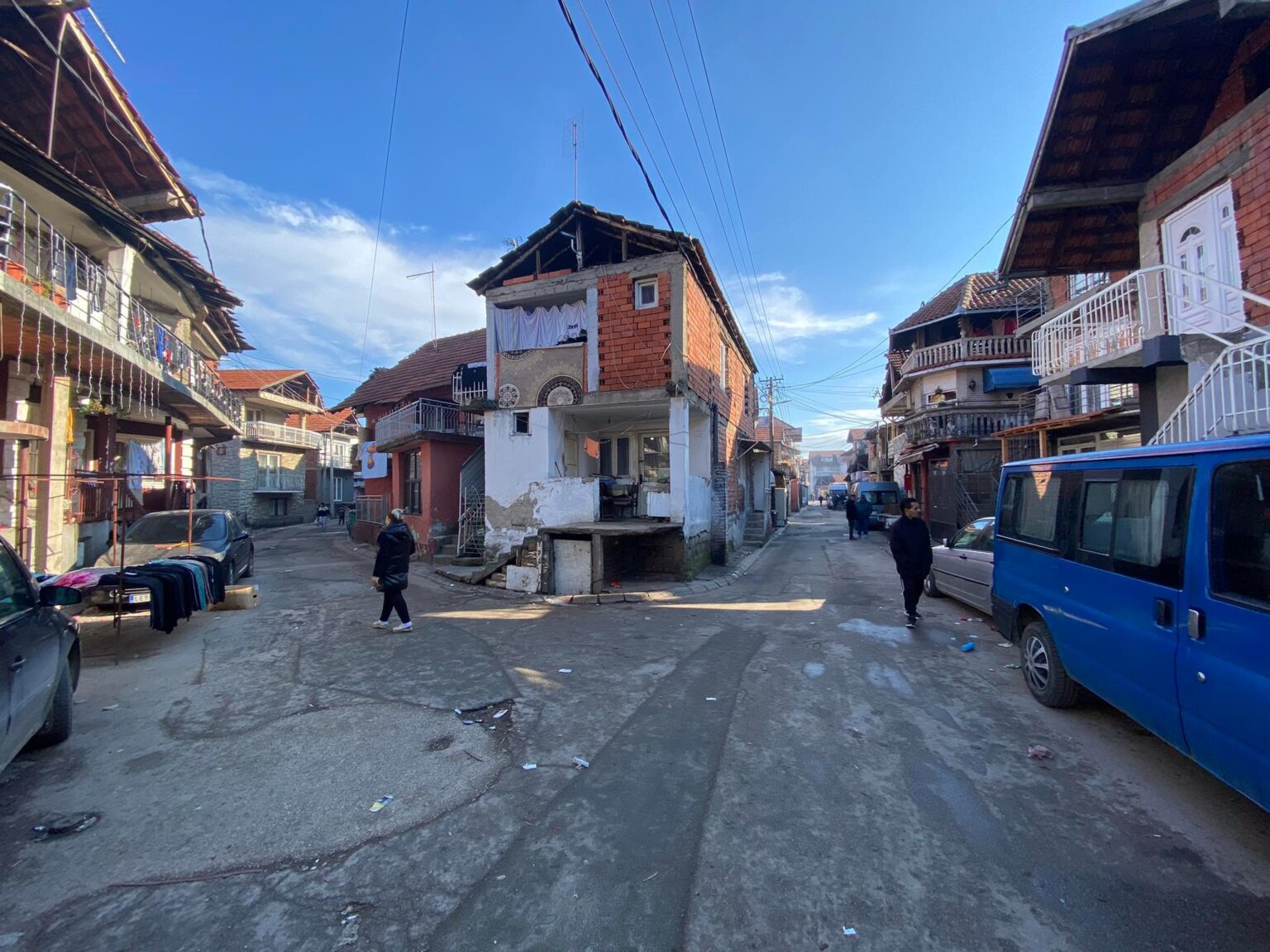
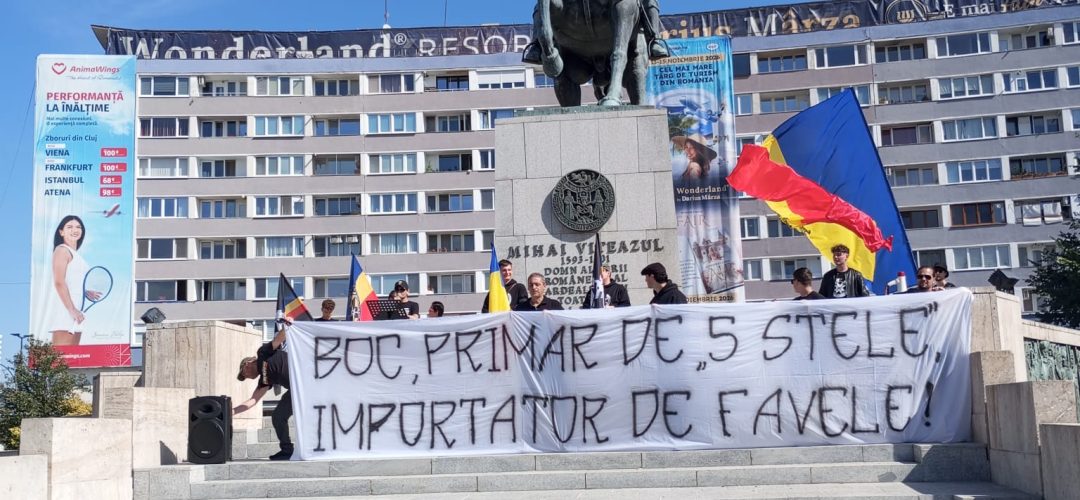
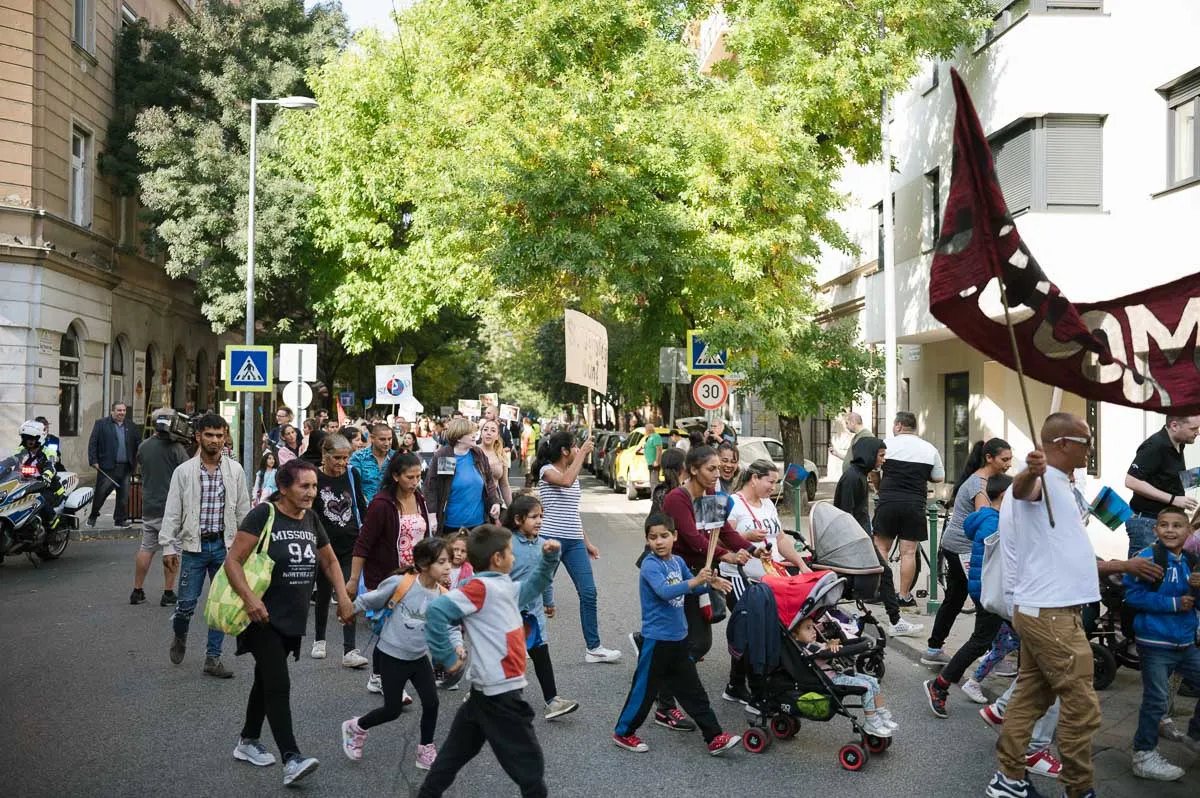
A protest in Cluj-Napoca against the relocation of families from the Pata Rât landfill attracted fewer than 20 participants, mostly young people under 35, and was organized by a group known for anti-LGBTQ and anti-abortion actions.

Protesters expressed hateful sentiments towards the Roma community and criticized local authorities, claiming that the relocation project unfairly benefits homeless individuals at the expense of hardworking citizens.

The local government clarified that only 50 apartments were purchased for relocation, funded primarily by external grants, and that the project aims to gradually relocate families from Pata Rât by 2030.

Sinti in Duisburg

Published by:

Sinti in Duisburg

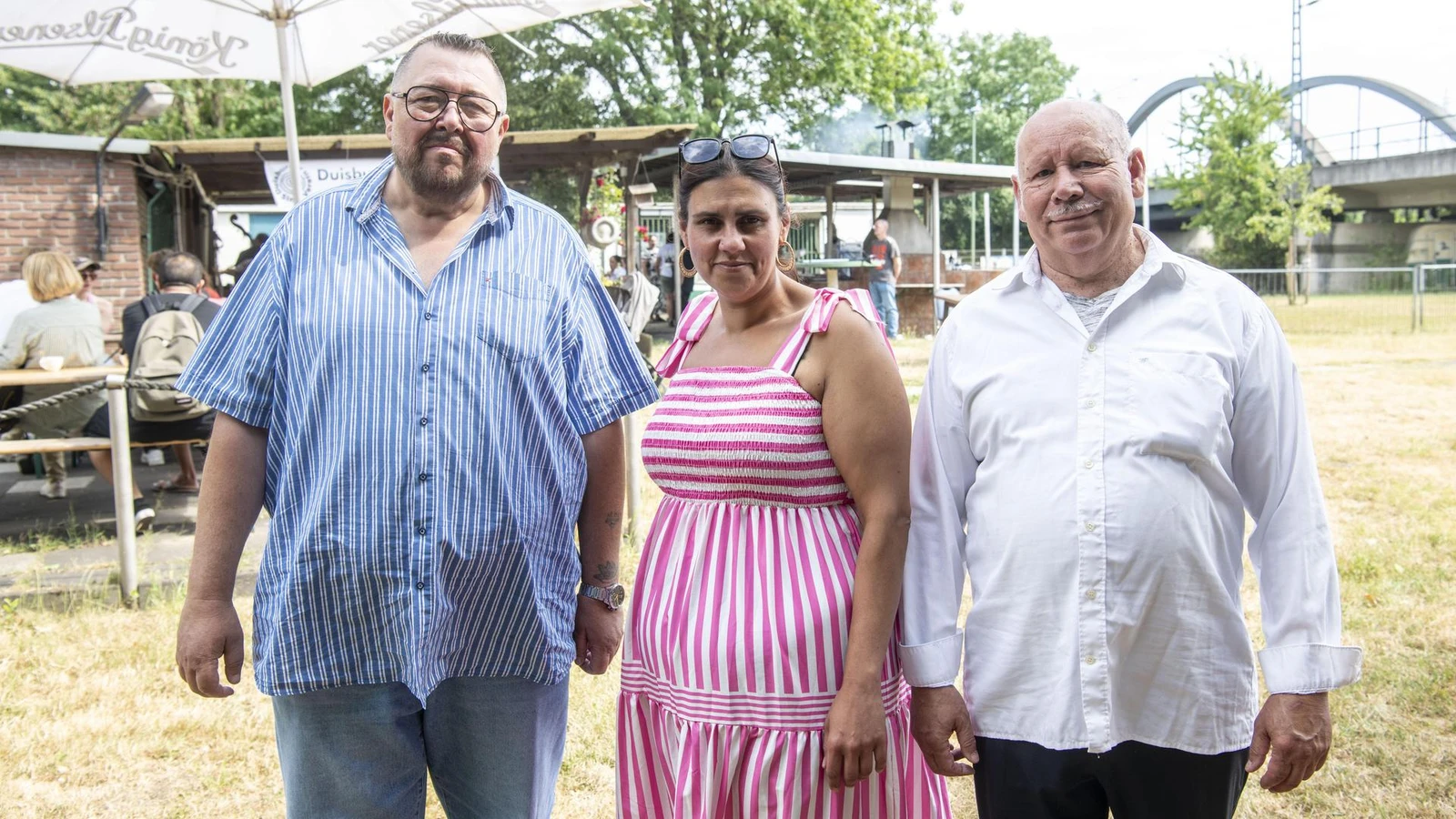
Sinti families have been residing in Duisburg since the 1970s, living in container homes.

They are currently facing fears of being displaced from their homes.

The situation has led to increasing desperation among the Sinti community.

Some SMARK Results …

Published by:

Some SMARK Results …

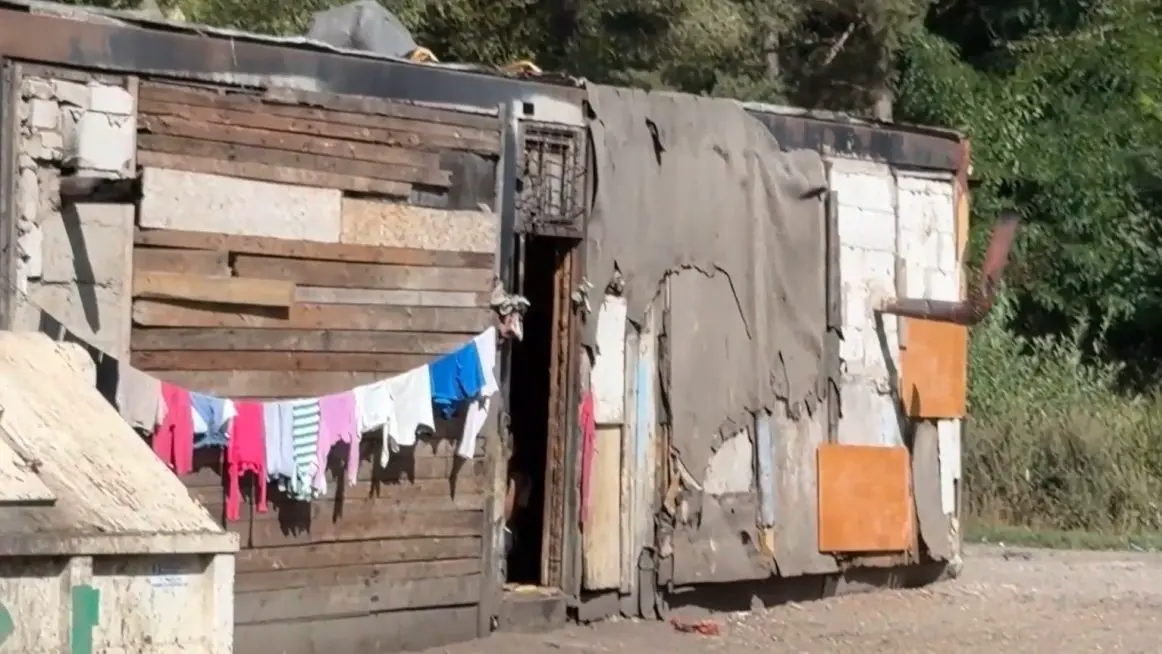
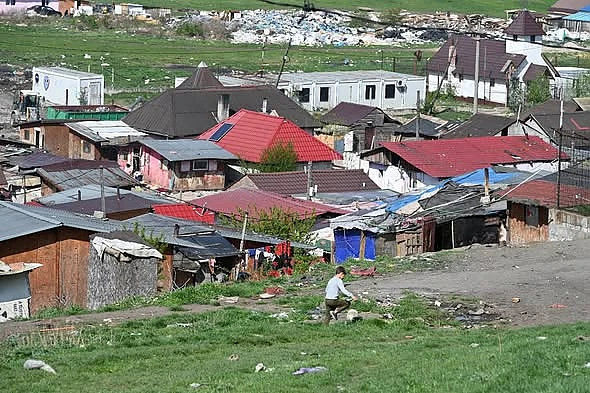
The report reveals that 51% of Roma communities in Slovakia lack sidewalks, with many also facing barriers like rivers or railways separating them from the rest of the municipality. While the Sociographic Mapping of Roma Communities (SMARK 2025) indicates improvements in technical infrastructure since 2019, particularly in water supply, sewage, electricity, and public lighting,

significant disparities remain between Roma localities and surrounding municipalities, particularly in access to gas and other utilities.

SMARK

Published by:

SMARK

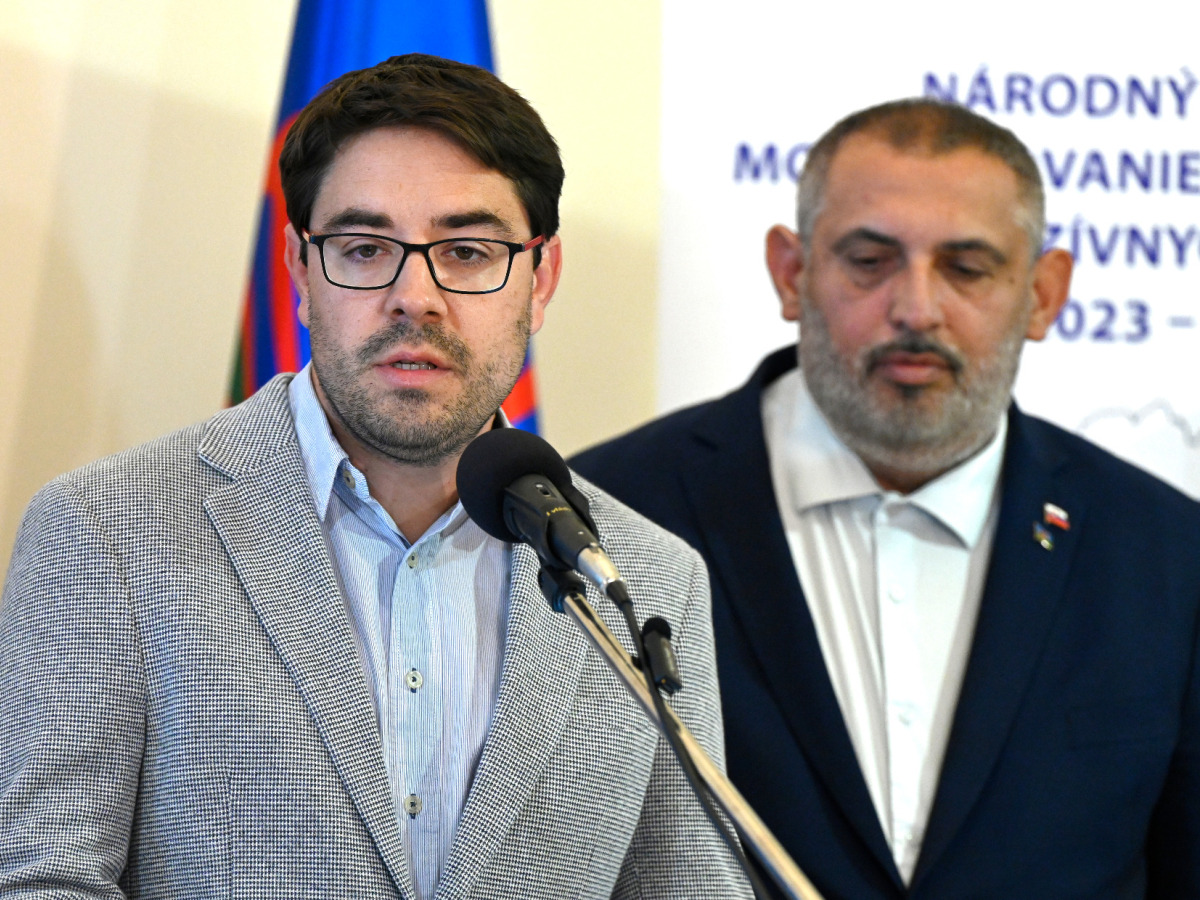
The SMARK initiative aims to provide updated data on the living conditions of people in Roma communities, helping to identify and address specific issues.

The mapping shows an increase in the Roma population since 2019, with changes in the municipalities providing data, including the largest Roma community now being Jarovnice instead of Košice-Luník IX.

Positive developments in integration efforts are noted in Nové Zámky, where principles of desegregation and destigmatization have led to significant progress.

Bulgaria – Improvement?

Published by:

Bulgaria – Improvement?

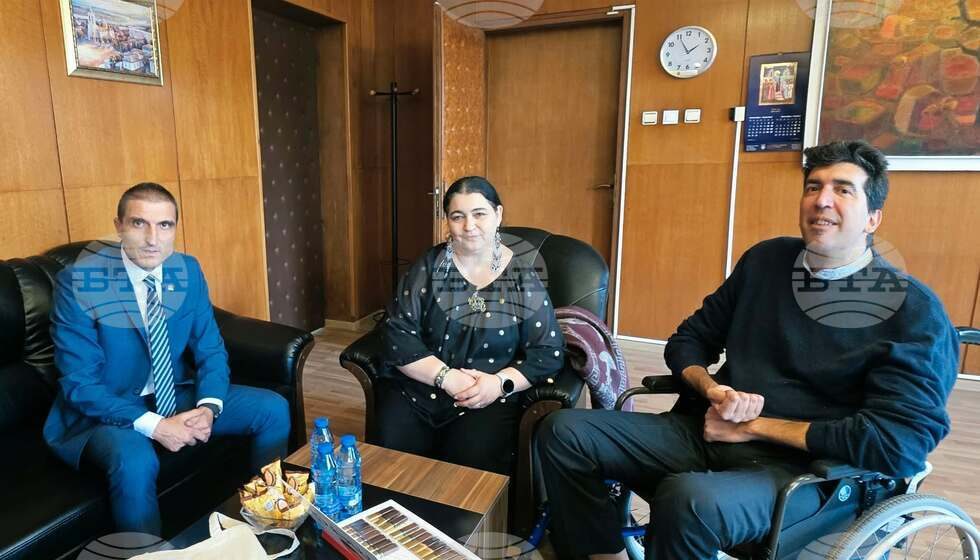
Bulgarian Ombudsman Velislava Delcheva visited Kyustendil to discuss improvements in living conditions, infrastructure, education, and access to services in the “East” neighborhood, highlighting local government and community engagement.

The visit included meetings with local officials and community members, focusing on the importance of housing status and the role of Roma mediators in facilitating access to education and services.

Delcheva emphasized the need for sustainable urban planning initiated in 2017, which aims to improve living conditions for over 1,000 households and ensure better access to essential services.

Education

Published by:

Education

Gabriela Gáborová, a Roma mayor in Slovakia, emphasizes the importance of education for Roma children and has prioritized building a kindergarten in her village, Vtáčkovce, while addressing illegal housing issues.

She faces discrimination as a Roma woman in her role, having received extremist threats since taking office, but remains committed to her work and believes in judging individuals by their actions rather than their ethnicity or gender.

Gáborová highlights the ongoing challenges of illegal constructions and land ownership disputes in her community, advocating for legal housing solutions and integration of Roma families into society.

Cluj Project

Published by:

Cluj Project

The article discusses a social experiment initiated by Cluj’s mayor, Emil Boc, involving the distribution of apartments to low-income Roma families, funded by Norwegian grants which the author dismissively qualifies as ‘Soros-Type’ grants.

Critics argue that this initiative is ineffective and raises questions about the financial sustainability and integration of these families into the community, especially given the high cost of living in Cluj.

The author expresses concerns about potential discrimination against other disadvantaged groups in Cluj, suggesting that the focus on Roma families overlooks the needs of other citizens struggling with housing and financial issues.

Housing in Slovakia

Published by:

Housing in Slovakia

The Slovak government has launched a €35.3 million initiative to support the construction, extension, and renovation of social rental housing aimed at increasing housing availability for young families, seniors, people with disabilities, and marginalized Roma communities.

Municipalities are required to maintain the rental nature of these apartments for at least 20 years and offer them at regulated rents, with a minimum percentage of units allocated for Roma communities based on their representation in the municipality.

Additional conditions include reserving 15% of the apartments for people with disabilities and establishing a maintenance fund of at least 0.5% of the acquisition costs to ensure long-term sustainability.

Stara Zagora

Published by:

Stara Zagora

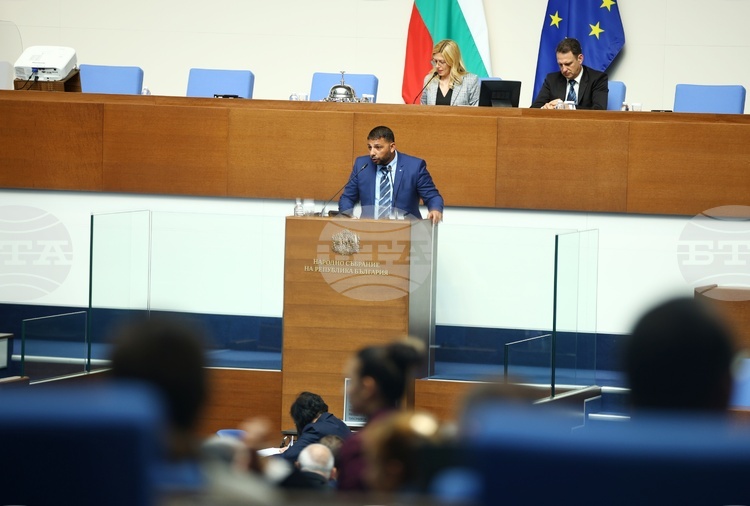
Marin Tihomirov, a member of the Bulgarian parliament, called for assistance from relevant institutions regarding the demolition of Roma homes in Stara Zagora, affecting over 30 families.

He emphasized the need for a clear plan for the relocation of these families and criticized the lack of a humane solution, urging the government to respect human rights.

Tihomirov appealed to all parliamentary groups to responsibly address the issue and highlighted the historical neglect of Roma communities despite previous integration efforts and funding.

Housing in Romania

Published by:

Housing in Romania

The Cluj-Napoca Local Council approved a program worth over 400 million lei to purchase 350 homes for Roma and other vulnerable communities, aiming for social integration rather than segregation.

Mayor Emil Boc emphasized that the initiative will use the SIEG mechanism to legally facilitate the purchase of homes and provide social services to the relocated families.

The program aims to eliminate informal settlements like Pata Rât by 2030, with over 500 individuals already relocated to decent housing through previous projects.

This is a drop of water on a hot stone …

Greece and Settlements

Published by:

Greece and Settlements

Two articles in the Greek press on Roma settlements. The first one, descriubes the living conditions of the Roma community in Heraklion which are dire, with as rodents, harmful insects, and inadequate sanitation being reported by residents.

The president of the Roma Association “Elpida” will address these concerns at the upcoming municipal council meeting, advocating for a clean and safe environment for families.

The second one states that the European Court of Human Rights is reviewing a case involving the threatened eviction of Roma community members in Thessaloniki, Greece, without alternative housing provisions.

The case highlights broader issues of housing, forced evictions, and discrimination against Roma communities, emphasizing the need for adequate housing solutions.

The Commissioner for Human Rights, Michael O’Flaherty, argues that the eviction threat violates the right to respect for private and family life, and the case could set a precedent for protecting vulnerable communities from forced evictions.

Housing in Slovakia

Published by:

Housing in Slovakia

The Slovak government has launched a call for proposals aimed at improving housing for marginalized Roma communities, with a budget of 30 million euros from EU funds.

The initiative focuses on socio-economic inclusion, particularly for low-income households and disadvantaged groups, emphasizing the need for accessible housing and services.

New requirements include the necessity of a valid building permit at the time of application and specific benchmarks for technical equipment and accessibility in housing projects.

The latter point will prevent this being implemented in most Roma settlements…

Roma in Budapest

Published by:

Roma in Budapest

A research commissioned by the Józsefváros Municipality aims to explore the challenges and needs of the Roma community in Józsefváros, focusing on issues like housing, education, healthcare, employment, culture, and women’s status.

The study will utilize a combination of focus group discussions, surveys, and professional interviews, targeting around 300 participants who identify as Roma and are over 18 years old.

The research contract was awarded to TÁRKI and Uccu through an open tender, evaluated on methodological soundness, prior experience, research elements, and cost.

Really?

Published by:

Really?

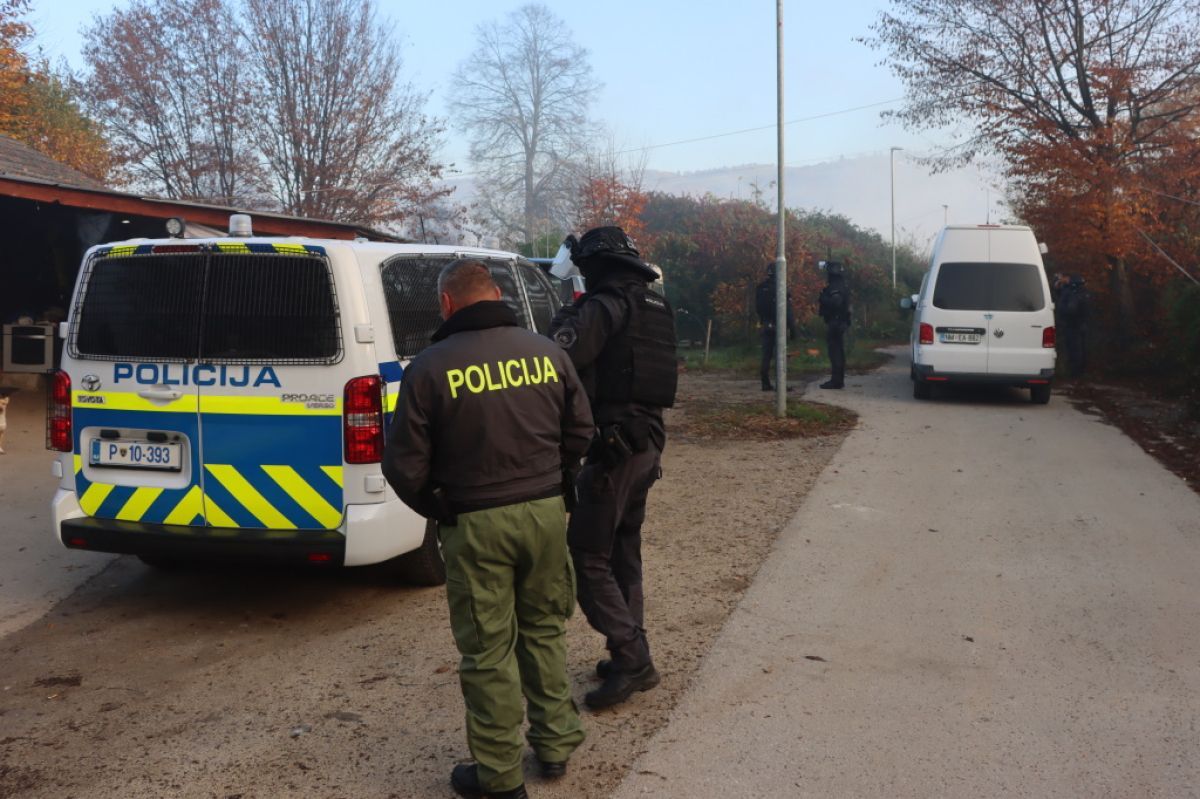
A Slovenian Roma community representative in Brezje–Žabjak claims that a 19-year-old pregnant woman was left homeless after her residence was demolished without prior notice from authorities.

The representative is urging the mayor and local government to provide temporary housing for the woman and to clarify the legal basis for the demolition. The community seeks to legalize their homes and is willing to purchase land, emphasizing the need for cooperation and respect from local authorities.

Discrimination in Montenegro

Published by:

Discrimination in Montenegro

Roma in Montenegro face ongoing challenges, including housing conditions, education access, employment opportunities, and societal prejudices.

Activist Shejla Pepić highlights the discrimination faced by women in the Roma community and emphasizes the importance of education and activism.

Minister Fatmir Đeka notes improvements in the status of the Roma population, including reduced unemployment rates and increased educational enrollment among Roma children.

Croatia and Housing

Published by:

Croatia and Housing

The Ministry of Spatial Planning, Construction, and State Property has announced a public call for financial support for spatial planning in areas inhabited by Roma for the year 2026. The total planned value of the public call is €79,634, aimed at creating spatial plans and technical documentation for construction permits in these areas.

Eligible applicants are local government units with over 1% of the Roma national minority, as per the 2021 census, with a minimum of 20 Roma residents.

Housing in Slovakia

Published by:

Housing in Slovakia

The city of Rožňava, Slovakia, has received 3.1 million euros for a transitional housing project that is intended to improve the conditions of the marginalized Roma community (MRK). As part of the plan, the municipality will reconstruct rental apartments in the Rožňavská Baňa district and build a new apartment building with ten apartments on Krátká Street. TASR was informed about this by the city’s PR manager Martina Beshirová.

There are currently 26 rental apartments in Rožňavská Bana, of which more than 20 do not have their own sanitary facilities. The residents of the apartment building, a total of 19 Roma families, use shared toilets and showers, which are located at the end of the corridor.

Michalovce, Slovakia

Published by:

Michalovce, Slovakia

In Michalovce, there is a significant Roma community facing several issues, with housing being the most serious problem.

The city plans to build rental apartments in the settlement, offering hope for change.

Many Roma students choose the Alexander Dubček Secondary Vocational School in Vranov nad Topľou for better opportunities, but not all manage to complete their education; a new scholarship program could help improve this situation.

rroma.org
en_GBEN