Tag Archives: Integration

Moldova and Roma

Published by:

Moldova and Roma

President of the Republic of Moldova Maia Sandu today participated in the conference “Roma and the Future of Work: A Social Rights Perspective” with Council of Europe Secretary General Alain Berset, where she discussed the challenges and achievements in integrating the Roma community.

The head of state noted that discrimination against Roma remains a widespread problem in many European countries, including the Republic of Moldova, as confirmed by the Council of Europe Secretary General’s 2025 report. In this context, the President emphasized the need for concrete and more targeted actions to integrate Roma into the labor market, as well as measures dedicated to youth and supporting entrepreneurship. The head of state also noted that the green and digital transitions must be inclusive, and all citizens, regardless of their origin, must be able to enjoy the full benefits of European integration.

Citizen Patrols

Published by:

Citizen Patrols

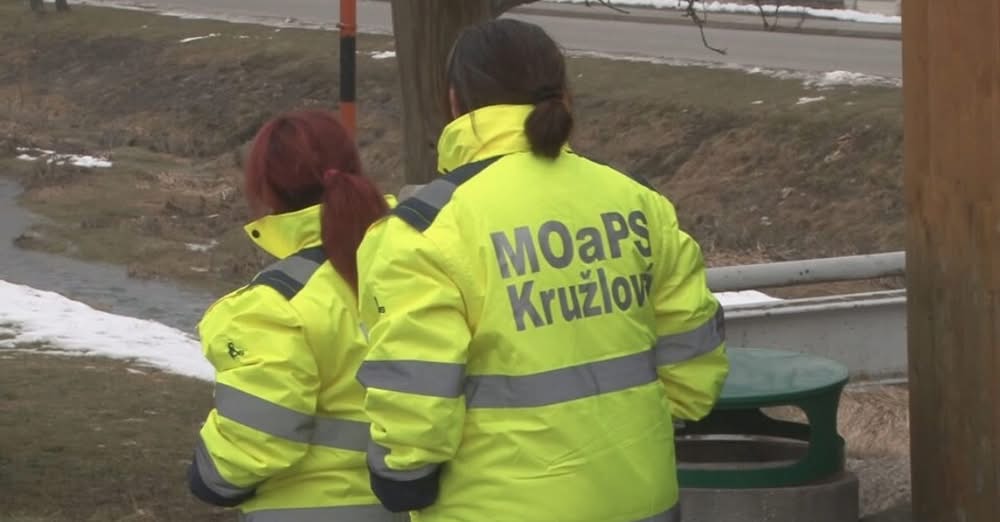
A Slovak project, “Citizen Patrols” which covered hundred and thirty-one cities and municipalities, 2,349 employees, 2,015 of whom are Roma, providing oversight in the municipalities and mediation, is being effectively shut down.

Bad.

Roma Inclusion

Published by:

Roma Inclusion

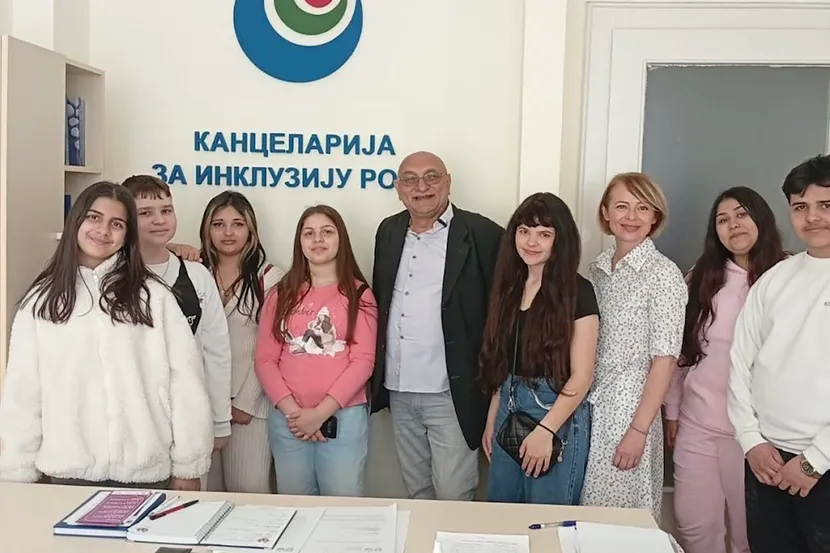
Students from the sixth to eighth grades of the “22. oktobar” Elementary School from Bački Monoštor, who attend the elective subject Romani language with elements of national culture, visited the Roma Inclusion Office in Novi Sad.

Accompanied by teacher Ivan Petrović, during this educational visit the students had the opportunity to learn firsthand about the work of this institution and the activities carried out to improve the position of the Roma community.

Social Inclusion in Czechia

Published by:

Social Inclusion in Czechia

The Ministry of Regional Development is preparing organizational changes that, according to information from the Seznam Zprávy server, could actually mean the end of the Social Inclusion Agency. Since 2008, it has been helping municipalities solve problems in socially excluded localities.

According to information from Seznam Zpráv, the current Department of Social Inclusion is to be merged with the Department of Housing Policy. In practice, this could mean a fundamental limitation of the activities of the Agency for Social Inclusion, which currently employs around a hundred employees and operates directly in the regions, where it helps municipalities prevent social exclusion.

Roma and Politics

Published by:

Roma and Politics

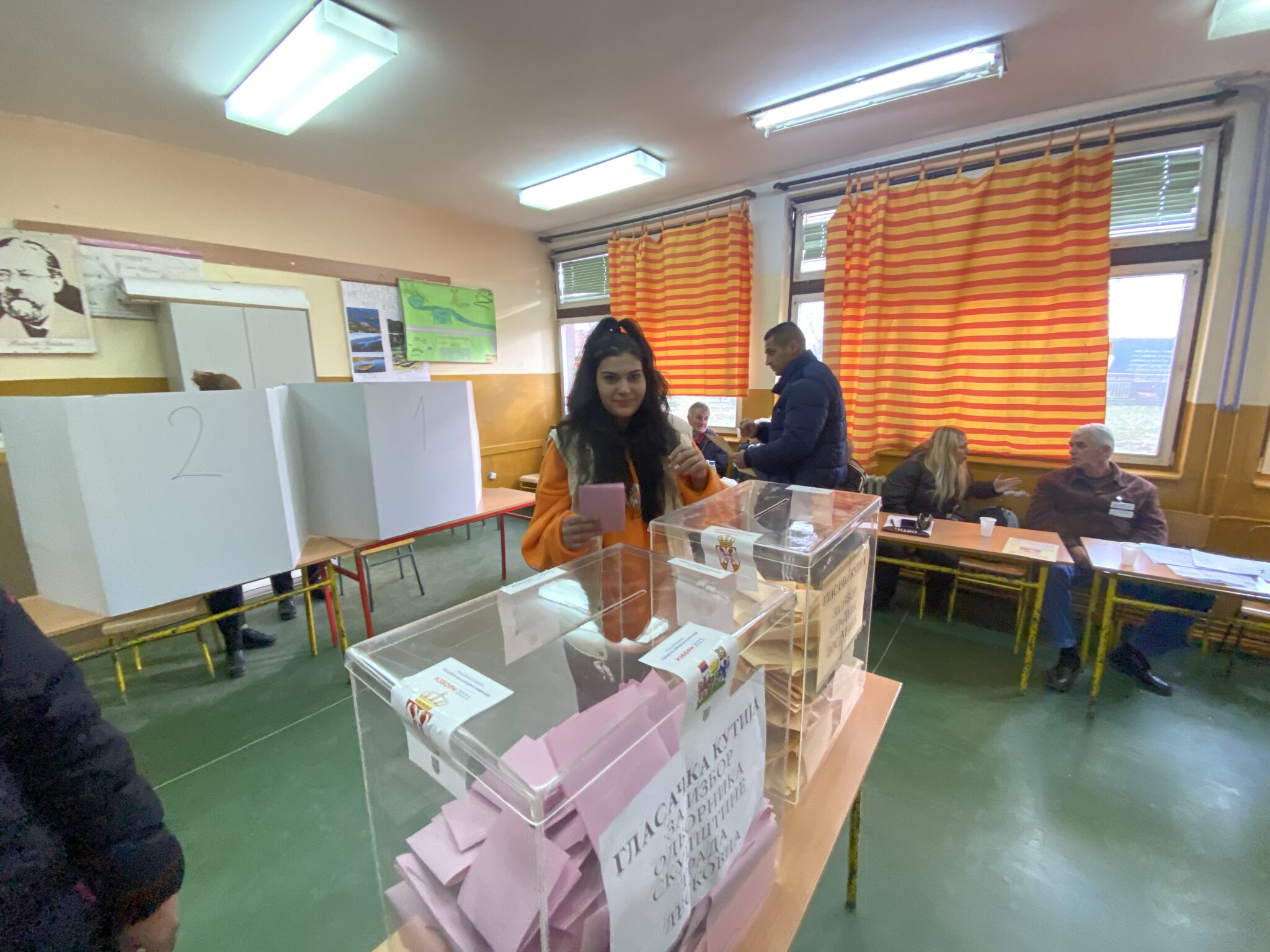
The Roma community in Serbia, which is estimated to number between 400,000 and 500,000 people, continues to face numerous challenges when it comes to political representation and real influence in public life. Although there are formal mechanisms for Roma political participation, many experts and activists believe that their political power is still limited.

In Serbia, Roma have certain institutional mechanisms for political action. One of the key ones is the National Council of the Roma National Minority, which represents the central institution of the Roma community in the areas of education, culture, information and official use of the language.

Well, those mechanisms have little influence, and can be called alibi excercises.

Slovakia and Roma

Published by:

Slovakia and Roma

There are approximately 450,000 Roma living in Slovakia, yet we often know little about their everyday experiences. Discussions about Roma communities are often full of stereotypes, emotions, and simplifications that obscure the complex reality of the life of the Roma minority. This new episode of the SAS Scientific Podcast, welcomed social psychologist Barbara Lášticová from the Institute of Social Communication Research of the SAS, v. v. i., and anthropologist Andrej Belák from the Institute of Ethnology and Social Anthropology of the SAS, v. v. i. In an interview with Peter Boháč, they talk about anti-Roma racism, the everyday experiences of Roma in Slovakia, and why the integration of Roma communities is so difficult.

Serbia and Roma

Published by:

Serbia and Roma

The 11th session of the Assembly of the National Council of the Roma National Minority in Belgrade, the results of the work in the previous year and plans for the coming period were discussed, aimed at strengthening the institutional role of the Council and improving the position of the Roma community.

Well, frankly, not much was done …

The Church and Roma

Published by:

The Church and Roma

The village of Lomnička in the Stará Ľubovňa district will probably make it into the news. The church works with the Roma community there to a significant extent. It achieves almost miraculous results.

Over 90 percent of Roma live in Lomnička, which is one of the highest proportions in Slovakia. A thousand children attend the local school. The two-shift operation here will not be eliminated anytime soon. Many residents of Lomnička live below the poverty line. The church often helps them. The local priest is also a teacher, a construction worker and has a tractor driving license. “When necessary, he will build a road. He also built a playground. He does everything for us,” says Lomnička resident Karol Mirga.

Roma Mayors

Published by:

Roma Mayors

On March 5, Roma mayors and representatives of third sector organizations from the Slovak Gemer region met in the village of Barca in the Rimavská Sobota district. The aim of the meeting was to renew the cooperation that had worked in the region in the past, and to create a common platform for solving current problems and supporting the further development of the region.

EU Help

Published by:

EU Help

A very critical report on the current office of the plenipotentiary for Roma communities and on how they use the rather large funds (ca. 200 Mio euros) received from the EU for the integration of Roma communities. It contrasts this current era with the work that was done by previous plenipotentiaries.

Italy: Integration

Published by:

Italy: Integration

The first co-planning session for regional interventions to improve the integration of Roma, Sinti, and Caminanti (RSC) communities in Puglia was held at the Puglia Regional President’s Office. The objective is to gain a deeper understanding of the nomadic and sedentary presence of RSC communities in Puglia, thus avoiding the risk of marginalization through measures that strengthen social integration policies. The meeting was attended by the regional councilor for Culture and Knowledge, Silvia Miglietta, and the Social Territorial Areas that responded to the expression of interest, which closed on February 13th. “This meeting,” the councilor said, “will be followed by others.

Ida Kelarova

Published by:

Ida Kelarova

At the end of last year, a new children’s choir was created in Ostrava, which arose from the efforts of singer and choirmaster Ida Kelarová to find new talents for her ensemble known as Čhavorenge (Romani for “Child”). The children who did not succeed in the audition wanted to continue singing together, and so, thanks to cooperation with local organizations Vzájemné soužití, Ostravská nota, Velká náruč and with Milan Bindatsch from the Ibsenova Elementary School, a new ensemble was born. Its creation brought with it an unexpected effect among the residents of excluded localities – a strong emancipatory and activating effect.

Mediators

Published by:

Mediators

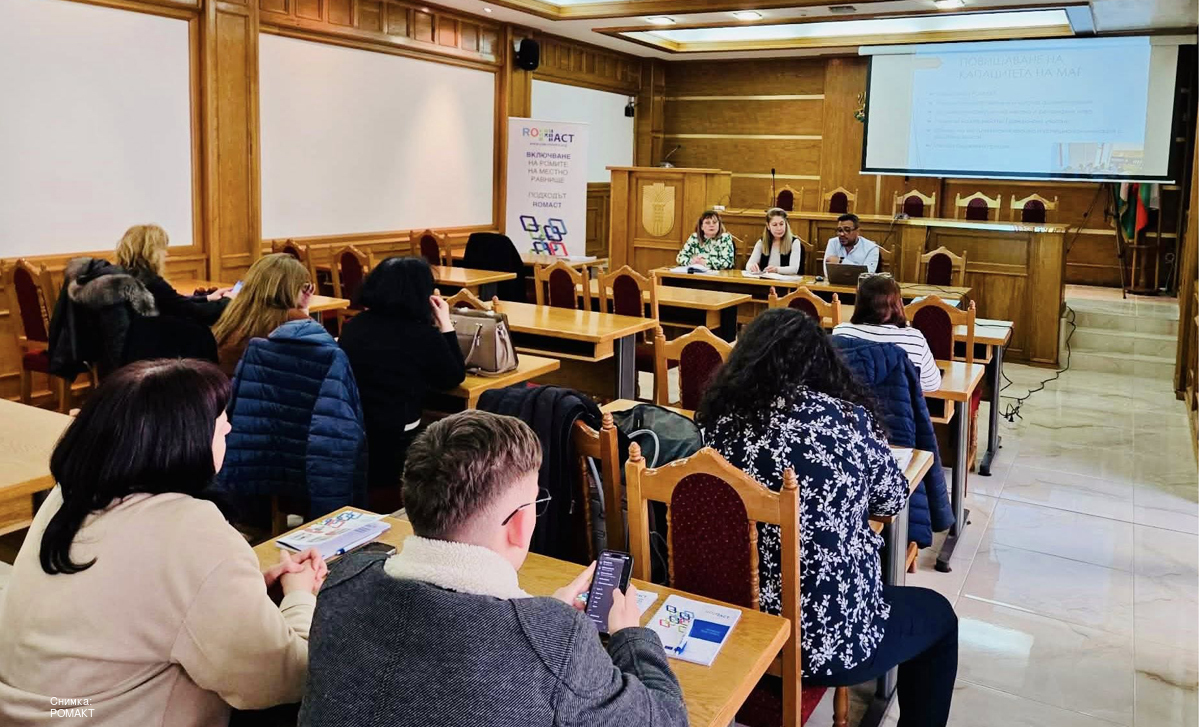
Seven young Roma from Kotel and the villages in the municipality have been selected to train as mediators between the community and institutions. Four girls and three boys aged 16 to 24 will explain to people their rights will direct them to whom to turn in a specific case, explained Maria Hristova, chairwoman of the Association “Local Active Group – Kotel” under whose project the young Roma have been selected and will be trained.

“We have also planned mobile days, which we call “compass days” and will be field work, so young people will be able to meet people, work on real cases and guide, help and cooperate. They will act as mediators between the institutions and the community. If a person from a given settlement in the Kotel municipality does not know where to go to submit documents for social assistance, for example, or wants to learn more about a certain type of service, these young people will assist. They will also accompany elderly people to the institutions,” said Maria Hristova.

Slovakia Roma Program

Published by:

Slovakia Roma Program

People are protesting against the proposed governmental Roma proram, to which 17 mio. Euros are allocated.

Former MEP Peter Pollák Sr. pointed out that after conversion, the project comes out to approximately 85 thousand euros per participant, while the result is only a certificate without real benefits. He says that up to nine million euros are to be directed to project management and trainers. He also criticizes the method of preparing the project, which, according to him, was created without expert discussion, involvement of local governments and people from the field.

Slovakia and Roma

Published by:

Slovakia and Roma

The Association of Municipalities and Cities of Slovakia (ZMOS)  and the Freedom and Solidarity party (SaS)  reject the National Employment Project for 17 million euros. This is a government project aimed at marginalized Roma communities. Both ZMOS and SaS believe that it is too much money considering how many people this project will employ.

The project is to be implemented in 140 municipalities and employ 200 members of Roma communities over 30 months, who will complete 39 hours of training in soft skills during these 30 months.

This would amount to almost 3’000 euros per employed person per month. Way over the average salaries in Slovakia.

Slovenia, Roma, and Unemployment

Published by:

Slovenia, Roma, and Unemployment

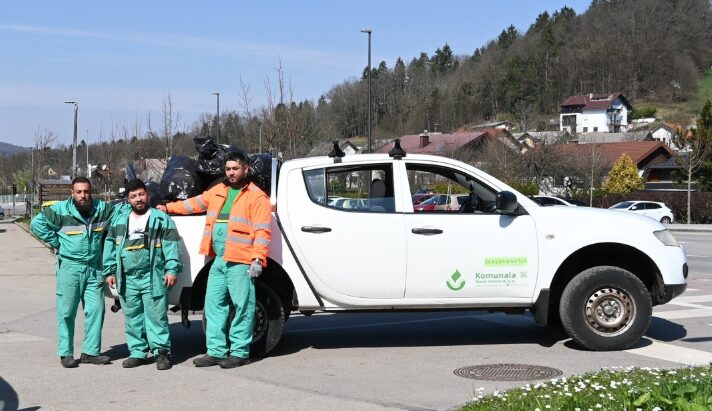
The Municipality of Kočevje in Slovenia is investing extensive and long-term efforts in Roma integration, especially in the field of preschool education, but Mayor Gregor Košir warns that without changes at the state level there will be no real breakthrough. He says “As long as it is not worth it for people to work, we can forget about Roma integration”.

He is putting the carriage in front of the ox. As long as there is no prospect of work, there is no integration …

Slovenia and Roma

Published by:

Slovenia and Roma

On Wednesday, 14 January 2026, the Inaugural event of the National Platform for Roma (SIFOROMA 7) project took place in Lendava.

The event was attended by representatives of the judiciary, ministries, social work centres, Roma associations, non-governmental organisations, local primary schools and folk high schools, municipal officials, police representatives and a local member of the National Assembly.

The project is a continuation of the SIFOROMA 6 project, in which we strengthened the national consultation process on the situation of Roma and, together with various institutions, developed responses to challenges in the field. The SIFOROMA 7 project will build on these foundations with new partnerships and measures, with a special emphasis on identifying and preventing early and forced marriages in the Roma community.

Roma “Problem”

Published by:

Roma “Problem”

Protests against the so-called Roma “Problem” are starting again in Slovenia. “The holiday peace is over!” This is how the public message signed by the People’s Initiative of Dolenjska and its coordinator Silvo Mesojedec begins sharply and without embellishment. According to them, the period of patiently waiting for dialogue with the government has finally ended.

They say the government is not doing anything angains Roma criminality and that they are too lenient towards them. They advocate stricter and disceriminatory measures.

rroma.org
en_GBEN