Tag Archives: Media

Podgorica Summit

Published by:

Podgorica Summit

The 2nd European Roma Summit in Podgorica focused on the position of Roma in Europe, media roles, education, youth participation, and collaboration between institutions and civil society organizations.

Discussions included improving human rights, combating discrimination, preserving Roma identity, and increasing Roma representation in decision-making processes.

A panel on digital journalism highlighted the importance of media in empowering the Roma community and breaking stereotypes, emphasizing the need for more Roma voices in media and digital platforms.

Podgorica Summit

Politics and Roma

Published by:

Politics and Roma

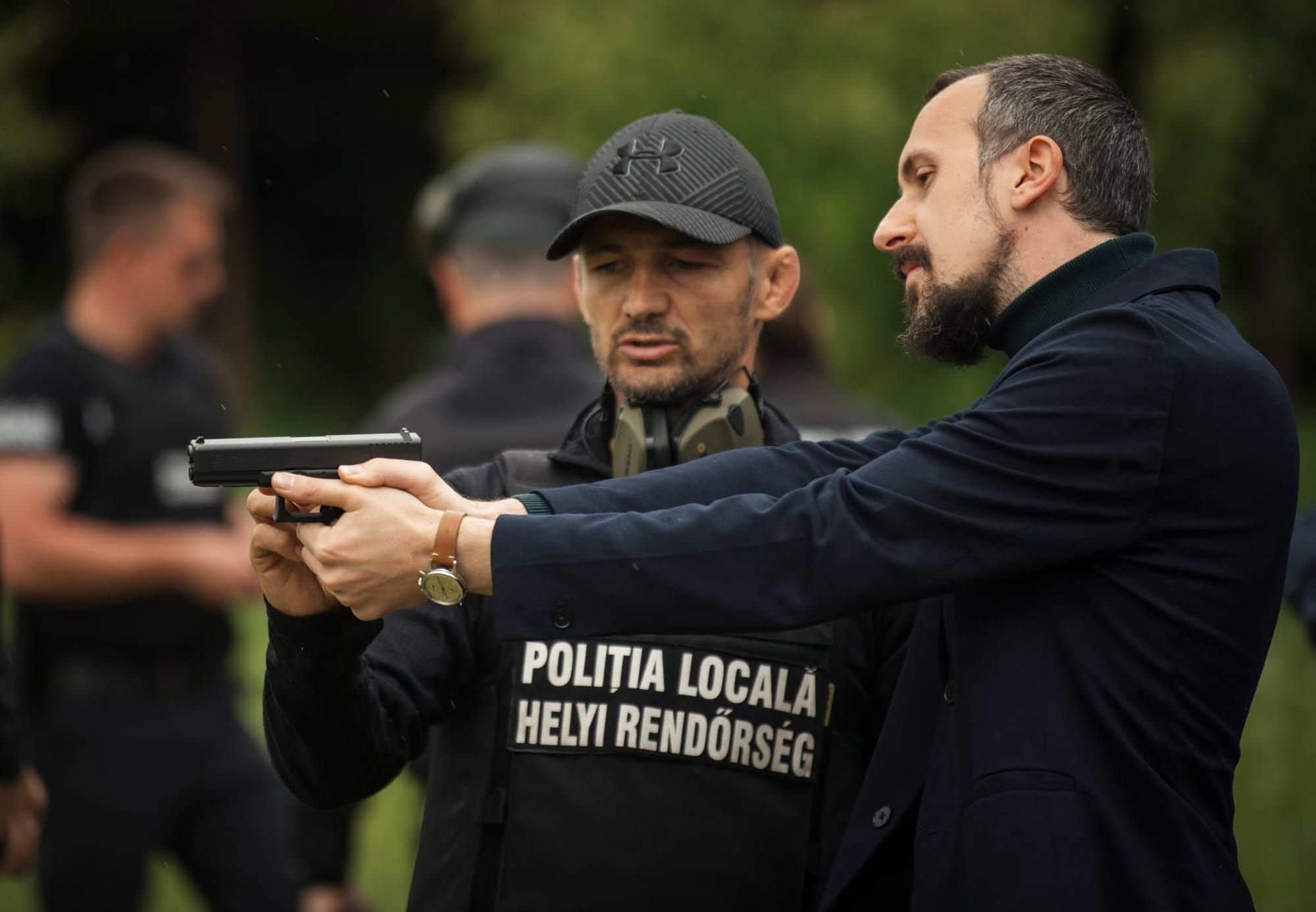
The article critiques the political style of Dávid Endre, the deputy mayor of Székelyudvarhely, Romania, highlighting his use of enemy-focused politics that perpetuates social tensions rather than addressing underlying issues.

It discusses the problematic representation of the Roma community in media and film, particularly criticizing a documentary that portrays them solely through the lens of suffering without addressing structural causes of their poverty.

The author argues for the need for more nuanced and responsible media portrayals that include Roma voices and stories beyond stereotypes of crime and poverty.

Journalism Award

Published by:

Journalism Award

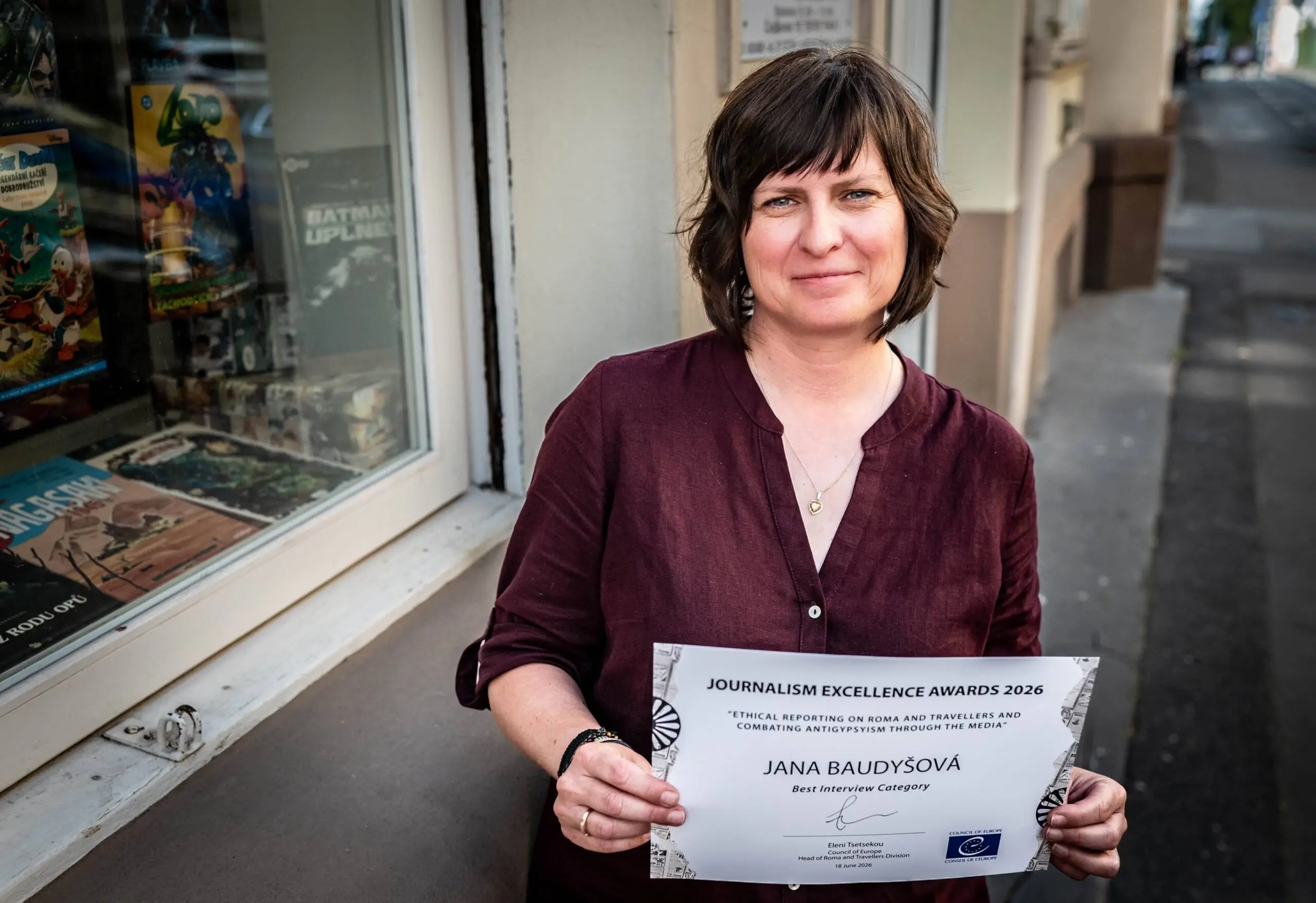
The Council of Europe awarded several journalists for their ethical reporting on Roma and Travellers during a ceremony on June 18, 2026, in Strasbourg, France, coinciding with No Hate Speech Week.

Gwendolyn Albert accepted the award on behalf of Jana Baudyšová, highlighting the recognition of the entire editorial team of the magazine Romano voďi and their contributions to human rights and the Romani movement.

Other awardees included Adam Charlton, Paula Szewczyk, Višnja Višnjić Milić, and Eftychia Soufleri, with the awards emphasizing the importance of addressing prejudices and promoting dignity for the Romani community.

Romano Dikipe

Published by:

Romano Dikipe

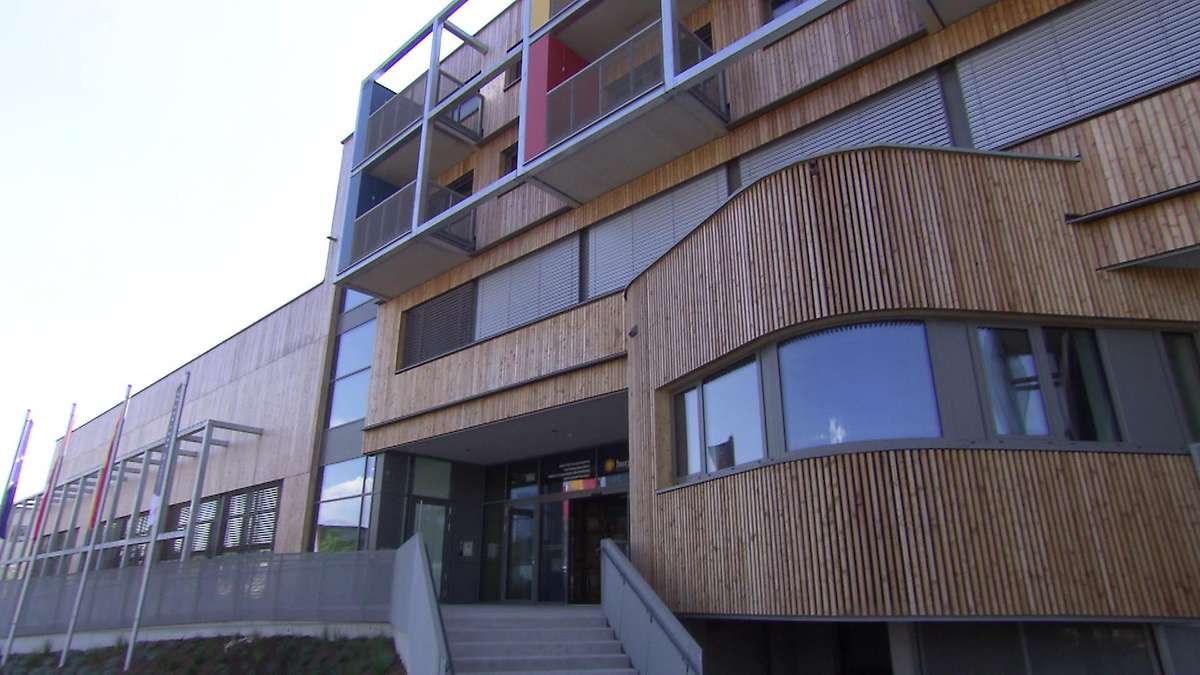
In this issue, Romano Dikipe accompanies the Roma-Service association during their move to the new House of Ethnic Groups in Oberwart; report on the new book by Herbert Brettl; as well as on the planned location for the central memorial for Roma and Sinti in Vienna; attended the event “Literature on the Ring” and is once again in search of traces of vanished Roma settlements in Burgenland.

Czechia Podcast

Published by:

Czechia Podcast

In the twenty-second review episode of the SODAcast podcast, its authors Zdeněk Ryšavý and Patrik Banga return to this year’s celebrations of International Roma Day, the reception of Roma personalities at Prague Castle, and the debate on changes in the Agency for Social Inclusion. They also address the case of Václav Sivák, who wore a sweatshirt with a Russian flag at a press conference, the police crackdown on children in Most, and other events of recent weeks.

Romani Media

Published by:

Romani Media

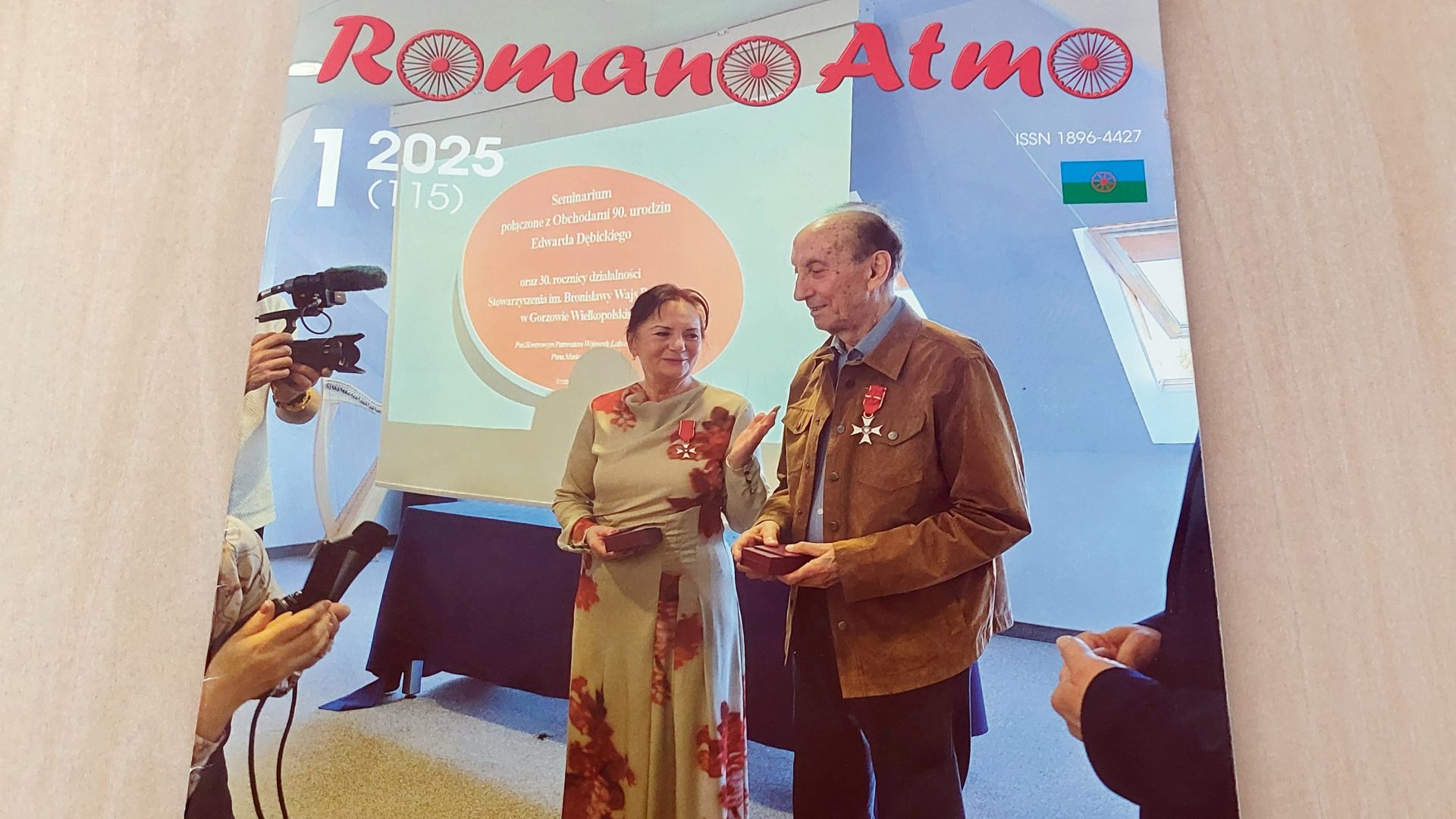
Grzegorz Szczepański, assistant editor-in-chief of Romano Atmo, the Roma minority newspaper published by the Polish Roma Union in Szczecinek, discusses the most important events of the last year and what is happening now in the latest issue of “Roma Magazine.”

Another one of those …

Published by:

Another one of those …

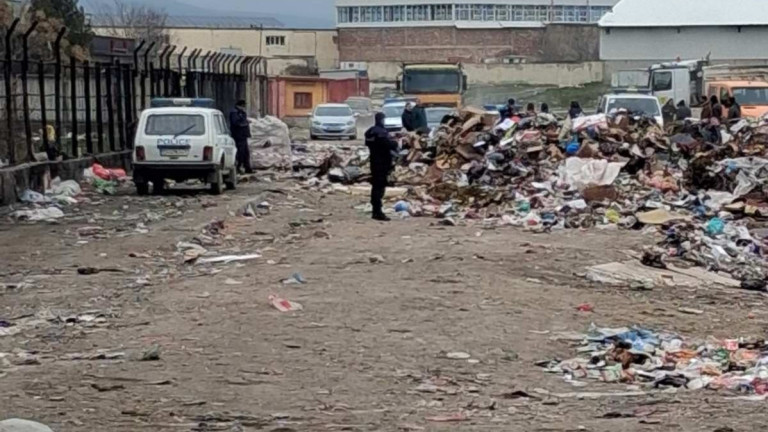
The body of a newborn was found in a landfill in Sliven, Bulgaria. Unfortunately, the landfill is in a Roma neighbourhood.

The police confirmed that they are working on the case. The District Prosecutor’s Office in Sliven reported to bTV that a pre-trial investigation for intentional murder has been initiated and an investigation is underway. At the moment, the state prosecution cannot say whether there are traces of violence on the child’s body. However, according to witnesses, he had visible injuries. They say that they saw the body of the newborn being thrown out of a car.

Romano Them

Published by:

Romano Them

The Romano Them Radio show on the Belgrade Radio features Professor Husein Kicuk talks about the forced name change of Roma in Bulgaria during communism and the consequences that this policy had on the identity and Romani language. Young Roma football players in the Czech Republic faced racist insults, and local authorities and sports clubs responded with the “No to Racism” campaign and support for the community. We present the work of the Commissioner for Roma Issues in the Government of the Czech Republic, Lucie Fukova, and her contribution to the inclusion of Roma in public life.

No Media House

Published by:

No Media House

The Roma media house will not be built in the near future. The project, which was part of the action plans for the Strategy for Equality, Inclusion and Participation of Roma by 2030 for the years 2025-2027, no longer appears in the draft of the updated document. Changes to action plans were approved by government on Wednesday.

Swiss Media and Roma

Published by:

Swiss Media and Roma

The Swiss Press Council decided in two cases we brought to their attention that Journalists of the Neue Zürcher Zeitung and on 20 Minuten.

The «Neue Zürcher Zeitung» violated points 3 (sources) and 8 (prohibition of discrimination) of the «Declaration of the Duties and Rights of Journalists» with the article «North Africans have little to fear» and the corresponding online article. In that article, the journalist said about North African criminals: “contrary to Roma, they are not organised in criminal clans”.

With its article “Protection status S: Resentment over abuse by Roma grows” of February 12, 2024, «20 Minuten» violated points 1 (truth), 3 (withholding important information) and 8 (discrimination) of the «Declaration of the Duties and Rights of Journalists».  This article pretty much was stating that Roma refugees from the Ukraine abused the Swiss Asylum, and that many were not even Ukraininas or had false papers.

Serbia, Journalists, and Roma

Published by:

Serbia, Journalists, and Roma

In light of recent developments in media, when it comes to insulting and belittling the Roma community, journalists and Roma activists in Serbia have initiated a meeting that would open a space for discussion with the most important institutions. The idea is to jointly review the current situation and find effective mechanisms for responding to the increasingly frequent cases of hate speech and discrimination.

Roma Media House

Published by:

Roma Media House

“The activity entitled ‘Creation and Functioning of the Roma Media House as a Means of Improving the Media Image of Roma’ was excluded from the action plan for the priority area of ​​combating anti-Roma racism and supporting participation, whose indicative budget for the years 2025-2026 was 20,000,000 euros,” the Government Office of the Slovak Republic, confirmed in the explanatory report to the plan.

Croatia: Integration

Published by:

Croatia: Integration

Međimurje County invited citizens to vote online to support the story of the Međimurje Sports Network about Vjeran Balog from Parag, which has entered the competition for the best journalistic work on the topic of inclusion and tolerance in the community.

The story follows Vjeran Balog, a football coach dedicated to working with young people, who last week became the first Roma to hold a coaching diploma from the Croatian Football Federation (HNS). His example shows how motivation and focus can overcome great obstacles.

Romano Them

Published by:

Romano Them

The show brings the most important news from the country and the world every day in Romanes and Serbian. It deals with topics from Roma life, showing the efforts and measures that are being taken for the emancipation and integration of this, the largest European minority community.

Here, the guest is Luan Coco, director of the Centre for Education of Roma and Ethnic Communities.

Germany, Politics, and TV

Published by:

Germany, Politics, and TV

Paul Ziemiak (40), member of the CDU Federal Executive Board and Secretary General of the NRW CDU, during a TV Talk Show hosted by Maybrit Illner addressed the criticism of many voters regarding the “massive” immigration of Sinti and Roma from Romania and Bulgaria in the debate on social abuse.

Apart from the fact that there are no Sinti in either Bulgaria and Romania, highlighting the ignorance of both the politician and the journalist, this immigration is not massive, and is not the main problem faced by social care in most western countries: Single mothers, elederly are often poor and consume a very large part of the money. But this doesn’t win votes …

Racism in Czechia

Published by:

Racism in Czechia

An editorial against a racist article in the Czech press. This is unfortunately still too common in the country, where stereotypes and clichés dominate the view about Roma.

Serbia, Media, and Roma

Published by:

Serbia, Media, and Roma

In the past few years, there has been a worrying increase in anti-Roma narratives across the. Discrimination against Roma is now taking on new forms and intensities, especially in periods of political and economic instability. The security situation of the Roma community is not only reflected in physical vulnerability, but also in a constant sense of insecurity caused by hate speech, systemic discrimination and media stereotypes.

Roma are often discussed without Roma, and problems are solved without the participation of Roma experts, who come from the community and know the essential issues, but also the ways in which they can be solved and how to improve the life and position of the most vulnerable and poorest community. Which, despite various programs, measures and experiments, still faces institutional discrimination: difficult access to education, health services, the labour market and housing.

Slovenia and Roma

Published by:

Slovenia and Roma

The editorial office of Moja Dolenjske received a letter from the Roma Association Vstani, Roma Child, which is based in Murska Sobota. In it, they threatened the portal with criminal charges if, when reporting on criminal acts involving individual Roma, they do not stop stating that the criminal acts were committed by Roma.

The association is convinced that when writing, they should keep silent about the fact that the criminal acts were committed by Roma, as this would unjustifiably stigmatize the entire Roma community, but at the same time they believe that reporting should be based on the act and not on emphasizing that it was committed by Roma. They also state what proper reporting should be like, and suggest some titles such as: Police handle case of theft and violence, Police investigate morning attack and Three men suspected of attacking utility workers.

Well, they are right …

rroma.org
en_GBEN