Tag Archives: Minorities

Roma Minority in Serbia

Published by:

Roma Minority in Serbia

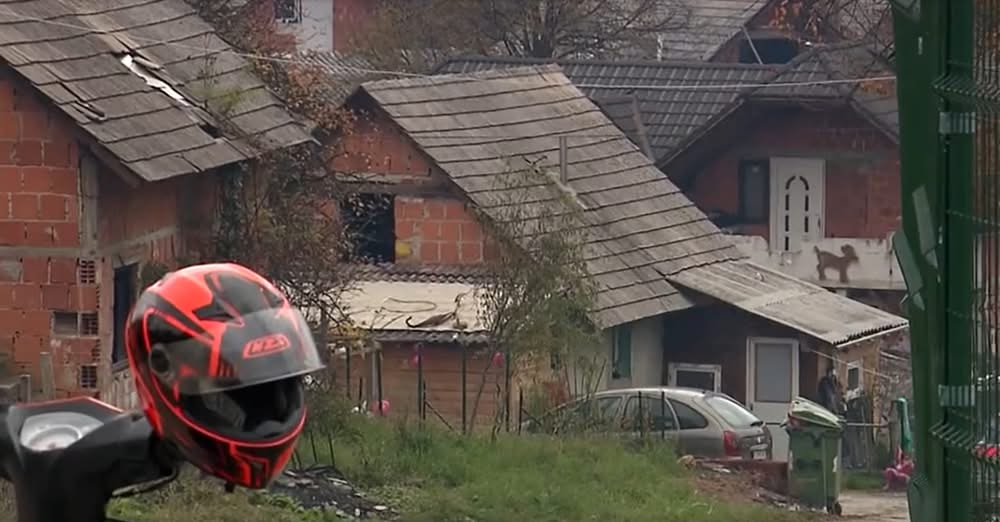
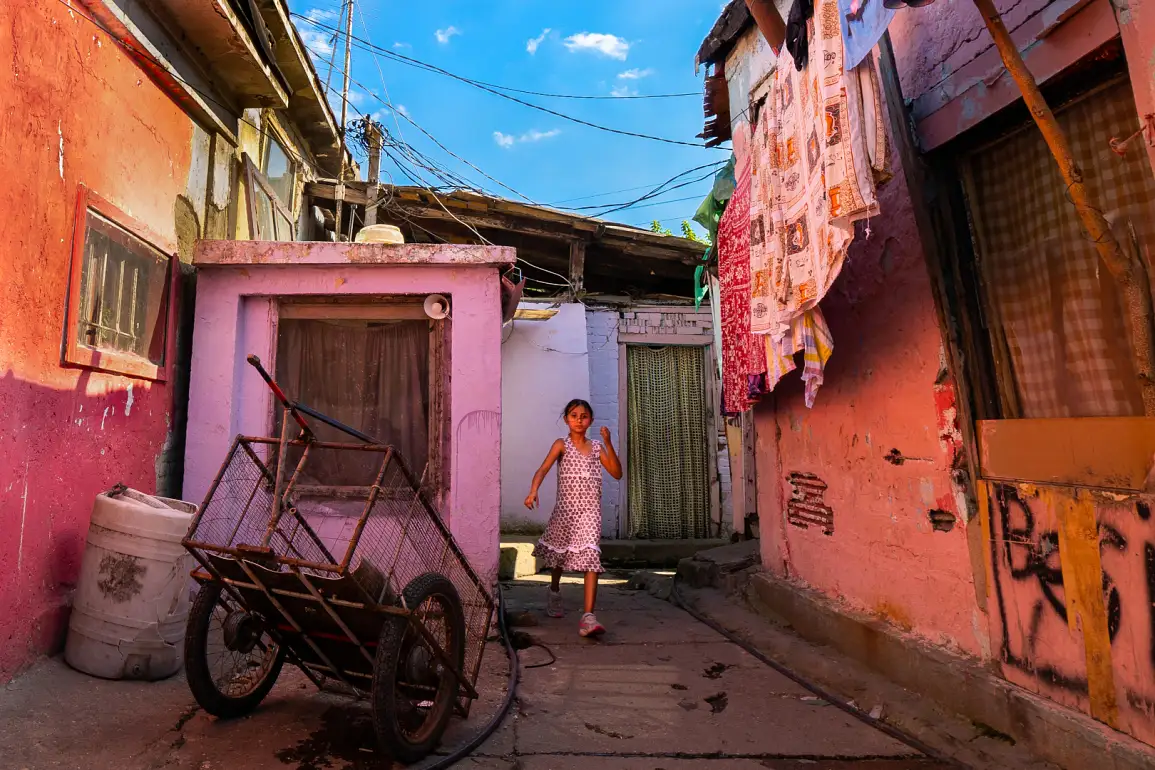
Roma are officially the third largest minority in Serbia, yet they face significant challenges in their daily lives.

In recent decades, there has been a gradual improvement in their social standing, with efforts to move away from marginalization.

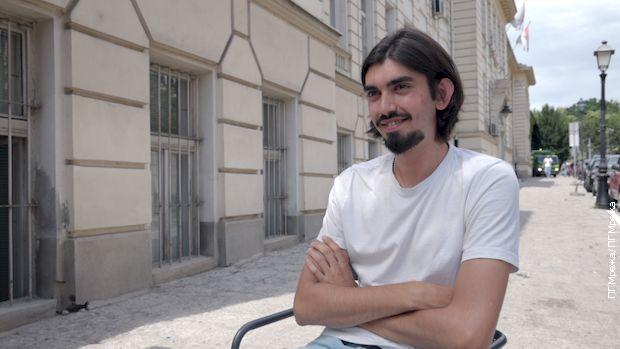
Young graphic designer Veselj Saliji exemplifies this progress through his award-winning work, showcasing the potential and talent within the Roma community.

Romano Dikipe

Published by:

Romano Dikipe

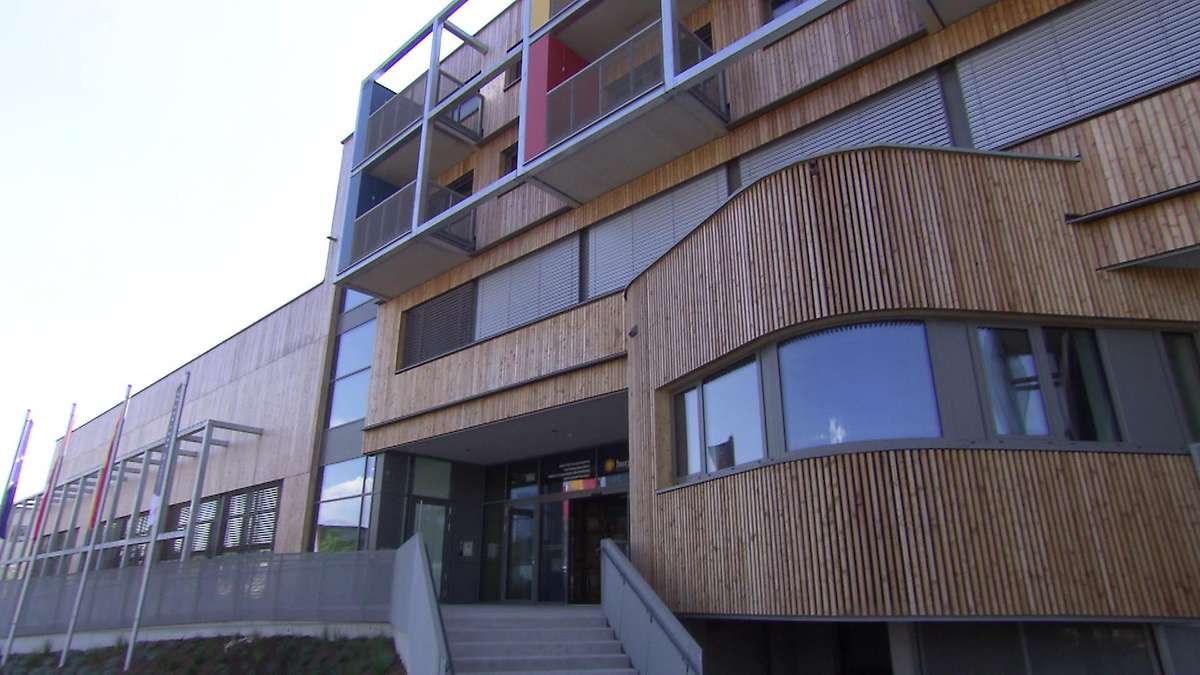
In this issue, Romano Dikipe accompanies the Roma-Service association during their move to the new House of Ethnic Groups in Oberwart; report on the new book by Herbert Brettl; as well as on the planned location for the central memorial for Roma and Sinti in Vienna; attended the event “Literature on the Ring” and is once again in search of traces of vanished Roma settlements in Burgenland.

Odessa: Exhibition

Published by:

Odessa: Exhibition

The exhibition “Invisible. Resilience: The Past and Present of the Roma” explores the history and culture of the Roma people and highlights the Roma community’s contribution to modern society.

The exhibition consists of two thematic sections, each focusing on the past and present of the Roma people. Particular attention is paid to identity as a form of resistance and the preservation of cultural heritage.

The event was organized by the ARKA Youth Agency for Roma Culture Advocacy in partnership with the Babyn Yar National Historical and Memorial Reserve, the Odesa Holocaust Research Center, and the Ukrainian Holocaust Research Center. The project was implemented with the support of the German Embassy in Ukraine and the Ukrainian Institute of National Remembrance.

Czechia and Roma

Published by:

Czechia and Roma

The Czech government is transfering the Romani agenda from the Office of the Government of the Czech Republic to the Labor and Social Affairs Ministry. Czech Government Commissioner for Roma Minority Affairs Lucie Fuková said that she does not yet want to give an opinion on the specific impacts this entails.

Montenegro and Roma Representation

Published by:

Montenegro and Roma Representation

The Montenegrin Roma Council is asking for electoral reform in Montenegro to guarantee the representation of Roma in the parliament. The article here is very critical of this, stating that the Roma Council is acting as a satellite of the Democratic Socialist Party (DPS).

In any case, reserved seats fro minorities are not a solution.

Bosnia and Hercegovina

Published by:

Bosnia and Hercegovina

An interesting article stating that the younger generation in Bosnia and Hercegovina is asking for a change in the country, and for stopping the ethnic divide. This ethnic divide is particularly bad for minorities, Roma, Jews, Turks, who de-facto are not represented and are nowhere at home.

Roma in Slovenia

Published by:

Roma in Slovenia

Slovenia is estimating that there are 7,620 Roma residents in 25 municipalities with 80 Roma settlements. Among the municipalities in Dolenjska and Posavje, according to the above estimates, the largest number of Roma is in the municipality of Novo mesto, where approximately 1,180 live in Roma settlements.

When there are so few Roma, why are there so many articles about them being a “threat”?

Czechia and Minorities

Published by:

Czechia and Minorities

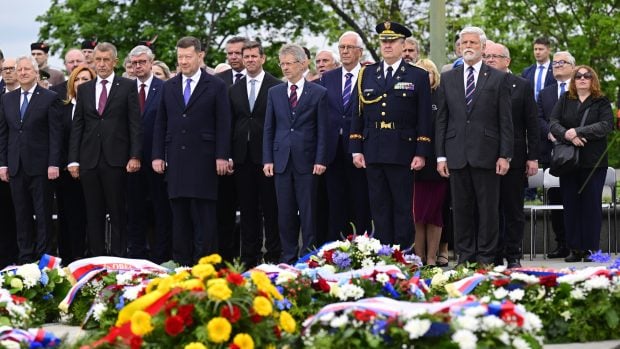
The Czech Constitution rejects calling any group of people “parasites” or considering somebody “inferior”, Senate President Miloš Vystrčil (Civic Democratic Party – ODS) explained at the commemorative ceremony for the Romani and Sinti victims of the Holocaust in Lety u Písku, referring to the recent words of Foreign Minister Petr Macinka and Government Commissioner for Climate Policy and the Green Deal, Filip Turek, both of the Motorists for Themselves party. The gathering honored the memory of the victims of the concentration camp for Roma and Sinti that was established in Lety in 1942.

Slovakia and Roma

Published by:

Slovakia and Roma

There are approximately 450,000 Roma living in Slovakia, yet we often know little about their everyday experiences. Discussions about Roma communities are often full of stereotypes, emotions, and simplifications that obscure the complex reality of the life of the Roma minority. This new episode of the SAS Scientific Podcast, welcomed social psychologist Barbara Lášticová from the Institute of Social Communication Research of the SAS, v. v. i., and anthropologist Andrej Belák from the Institute of Ethnology and Social Anthropology of the SAS, v. v. i. In an interview with Peter Boháč, they talk about anti-Roma racism, the everyday experiences of Roma in Slovakia, and why the integration of Roma communities is so difficult.

National Minorities

Published by:

National Minorities

20% of Serbia’s inhabitants do not declare themselves to be Serbs, but Albanians, Bosnians, Hungarians, Roma or Ruthenians… 23 National Councils are supposed to defend the interests of these communities, but they have been brought to heel by the ruling SNS.

The Roma community, one of the 23 officially recognized ethnic minorities in Serbia, has its own National Council where its political representatives sit. The National Councils of ethnic minorities are involved in education and culture. Srđan Šajn, president of the Roma Party (RP), believes that political pressure and legal changes have paralyzed the work of the National Council of Roma. “The National Councils are blocked because the elections are rigged and the ruling parties have installed their cronies,” he asserts, noting that previous governments also exerted pressure, but to a lesser extent. “President Vučić and his regime have dismantled all control systems; the National Councils have been completely paralyzed since 2015. They are ensuring that the National Council elections are a sham, just like all other elections.”

Minority Policies in Sweden

Published by:

Minority Policies in Sweden

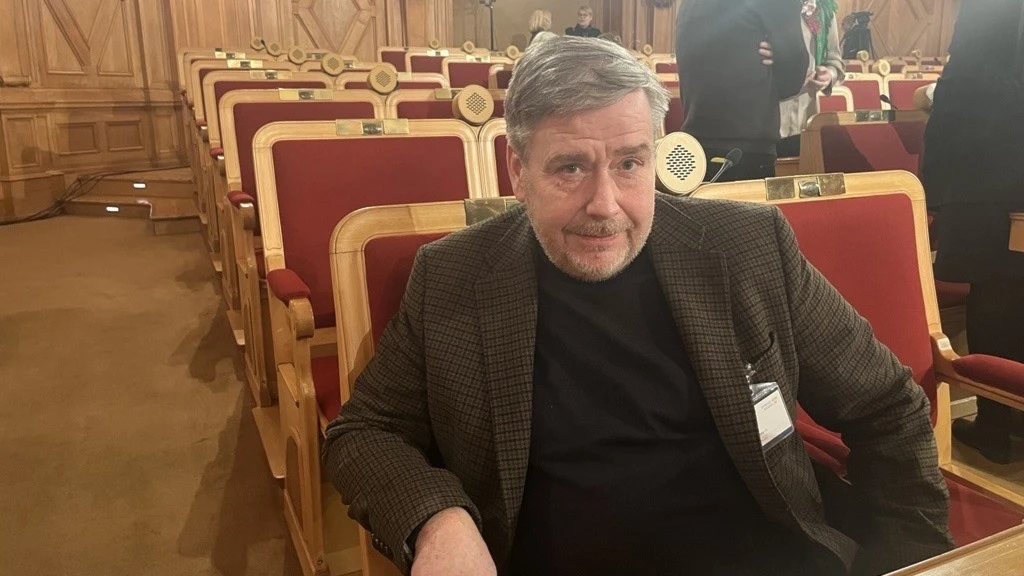
Minority policy has now existed in Sweden for 25 years. A seminar was held in the Riksdag that both looked back on the development and pointed out what is needed going forward. Lars Lindgren, a Swedish Rom “Reisende” from DO tells how he views these 25 years and what challenges still remain.

Roma in Cyprus

Published by:

Roma in Cyprus

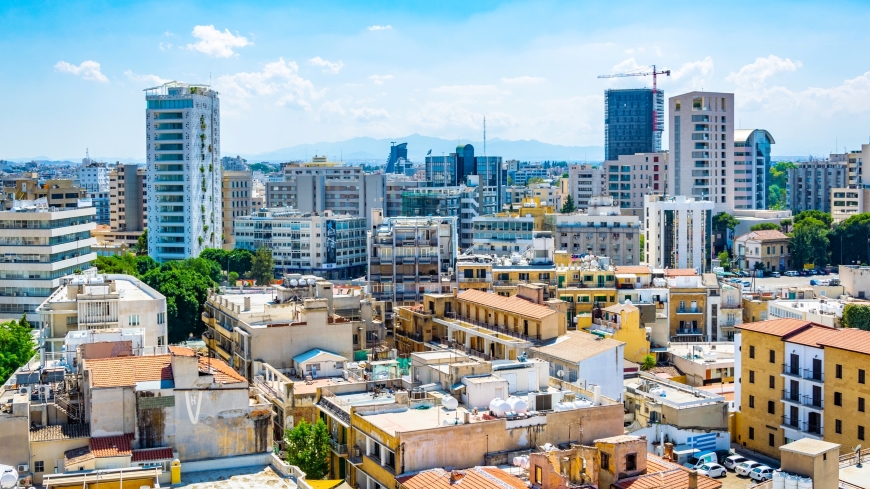
The council of Europe is raising concerns about Roma in Cyprus, where they are not recognised as a minority. Many of them originally came from Bulgaria after the split of the island.

Slovenia and Minorities

Published by:

Slovenia and Minorities

An editorial on Slovenian minorities policies. Slovenia is friendly to constitutionally recognized national communities and allocates a lot of money for them. But there are no big results anywhere. Hungarians in Prekmurje are at war with each other, Italians on the Coast as well, and the sense of belonging is crumbling everywhere. Roma are even worse off.

Poland and Minorities

Published by:

Poland and Minorities

President Andrzej Duda has signed the amendment to the Act on National and Ethnic Minorities and on Regional Language, his office announced on Friday.

The purpose of the amendment to the Act on National and Ethnic Minorities and on Regional Language is for the Chancellery of the Sejm to provide substantive and administrative support to representatives of minorities and communities whose members speak a regional language on the Joint Committee of the Government and National and Ethnic Minorities (Joint Committee). The costs will be covered by the state budget – funds at the disposal of the Head of the Chancellery of the Sejm.

Montenegro and Romanes

Published by:

Montenegro and Romanes

Two more articles on the concerns of the Committee of Experts of the Council of Europe warnings that Romanes is still not part of formal education, although there is a dictionary and several projects. It also states that there is no strategy for training Romanes teachers and that the lack of qualified personnel remains an obstacle. It also warned that it has not been introduced into official use in any municipality, despite previous recommendations.

Montenegro and Minorities

Published by:

Montenegro and Minorities

The Committee of Experts of the European Charter for Regional or Minority Languages ​​has welcomed some policy measures implemented by Montenegro in the field of the protection of minority languages, but expresses serious concern about the lack of progress when it comes to Romanes, in particular in the areas of education, institutional use and teacher training.

Czechia and Minorities

Published by:

Czechia and Minorities

Martin Kanaloš has been writing since childhood, but only recently introduced himself with his debut novel. The book Me, Tran and Everything Else tells the story of two teenagers, half Roma and half Vietnamese, from a housing estate.

“They experience various troubles on the outskirts of the city, in a housing estate,” added Kanaloš. They feel that life is slipping through their fingers, unlike their classmates from a small-town high school, until they show up at a fancy party as uninvited guests. They also have a diverse ethnic background in common: Dezi is half Romani and Tran is half Vietnamese. Kanaloš talks about what it’s like not to fit in in the Czech Republic, mixing social realism with black humour. “I have Romani, Hungarian, Ukrainian ancestors. And because I’ve been focusing on Romani issues for the past few years, I chose the Romani theme for this book as well,” the writer explained. The character of Tran is said to be loosely inspired by his friend.

rroma.org
en_GBEN