Another article on the new proposed Slovenian Roma Community Act, that is criticised by the Roma community.
- Romski svet kritičen do predloga novele zakona. In: Pomurec. 05.05.2025. https://www.pomurec.com/vsebina/87857/
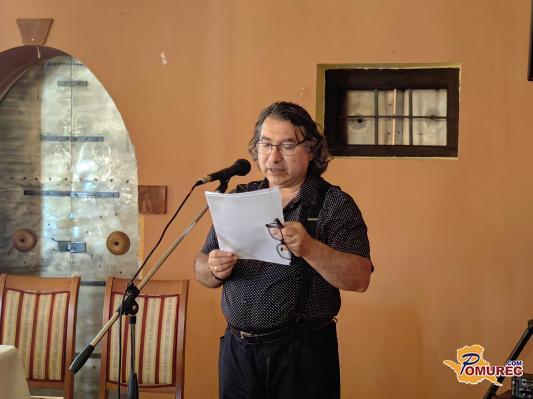
Another article on the new proposed Slovenian Roma Community Act, that is criticised by the Roma community.

The Roma Community Council of the Republic of Slovenia does not support the draft amendment to the Roma Community Act, they concluded at Friday’s extraordinary session. They believe that the draft contains numerous shortcomings that must be eliminated in order for it to be in line with the constitution. They propose that it be withdrawn from further procedure due to its failure to observe fundamental legal principles.
In their position on the draft amendment, they wrote that the proposer, the Office of the Government of the Republic of Slovenia for Nationalities, did not take into account key normative and constitutional aspects when preparing the draft. “In addition, the draft contains numerous shortcomings that must be eliminated in order for the law to be in line with the constitution and to provide an appropriate legal basis for the operation of the Roma Community Council and the implementation of its tasks,” they are convinced.
Among other things, they believe that the state would interfere too much with the competences of local communities by determining the tasks of municipal coordinators introduced by the amendment, explained the president of the Roma Association of Slovenia, Jožek Horvat Muc.

The Roma Community Council of the Republic of Slovenia does not support the proposal to amend the Roma Community Act, they concluded at Friday’s extraordinary session. They believe that the proposal contains numerous shortcomings that must be eliminated in order to be in line with the constitution.

Ethnologist and Roma expert – Arne Mann (72) has worked at the Institute of Ethnology of the Slovak Academy of Sciences since 1983. He has been working near the settlements for approximately 40 years, thanks to which he is intimately familiar not only with Roma crafts and traditions, but also with the real causes of the ongoing problem.
In an interview with Aktuality.sk, he explained why the state’s treatment of non-profit organizations (which coincidentally were chosen by the current government of Robert Fico as an easy target to distract attention from the real difficulties of the people) is perhaps the worst mistake of all, and reminded that ethnic differences are not at all the most serious cause of the ongoing situation.

Today, at a press conference on pre-primary education, the Minister of Education presented a plan to introduce kindergarten from the age of three for all children, with the option to start as early as two. This step could help, but instead of truly integrating children from excluded communities, it risks separating them even more, said Progressive Slovakia MP Ingrid Kosová.
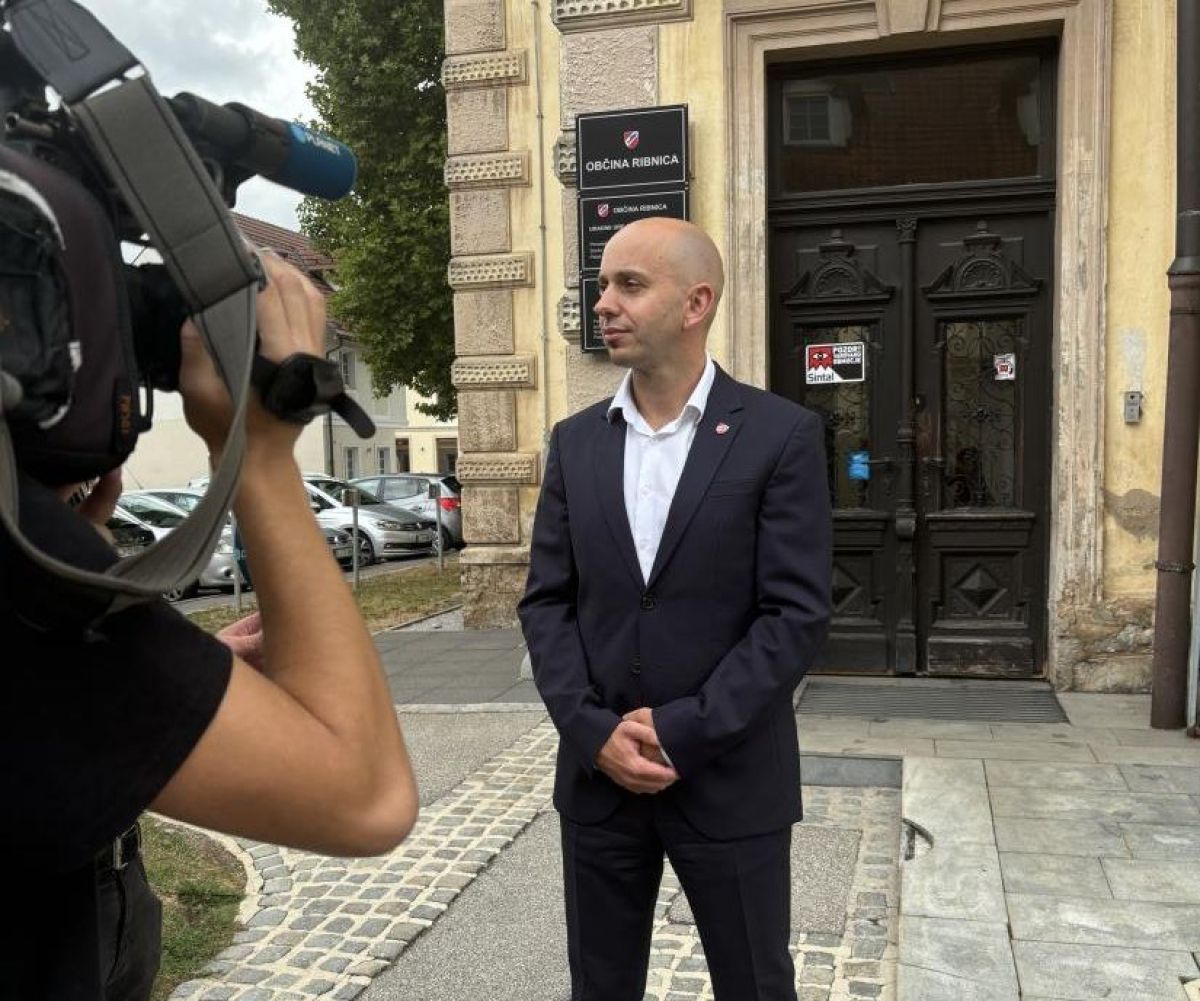
After conducting individual investigative actions, the Ljubljana District Prosecutor’s Office has filed an indictment with the Kočevje District Court for threats to Ribnica Mayor Sam Pogorelec. Pogorelec had hosted representatives of the Ribnica Roma, with whom they discussed providing water to the Roma settlements of Otavice and Goriča vas. Following this, he was threatened by a Rom who objected to the mayor’s view that water would only be provided if Roma show “good behaviour”.
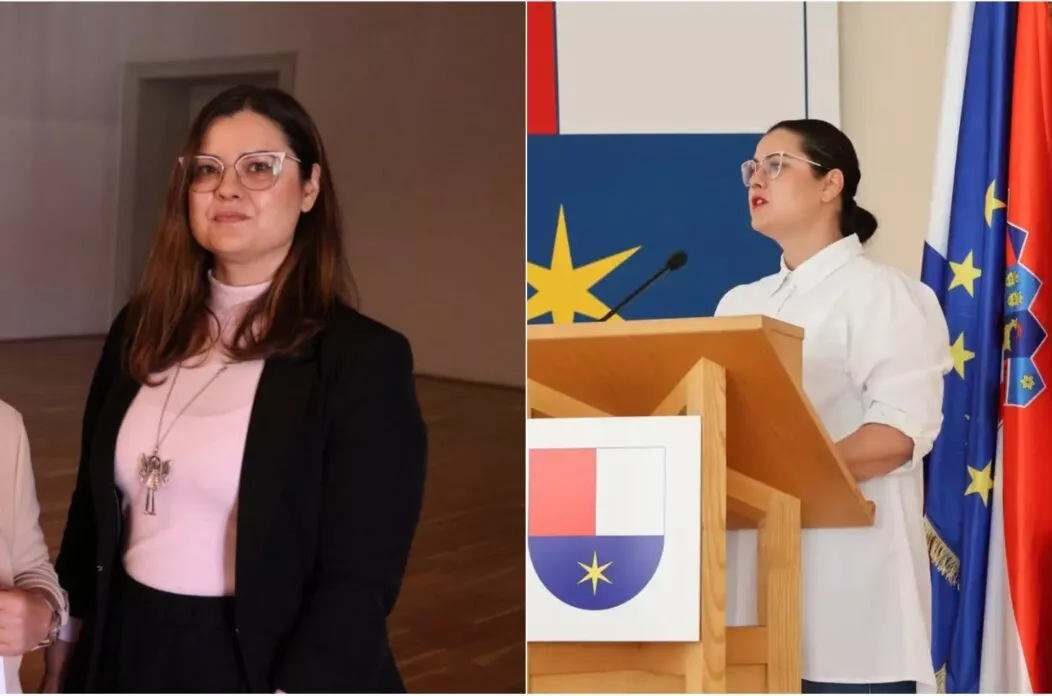
Maja Odrčić Mikulić, a long-time civil servant and director of the People’s University, is known for her work in the fields of social and education. The surprise came when she ran for the position of representative of the Roma minority, as it was the first time she had publicly identified herself as Roma – without any prior public mentions or connections to this community.
According to Croatian law, changing one’s ethnicity does not require proof – a personal statement is sufficient. Thus, she gained the right to run with one signature.
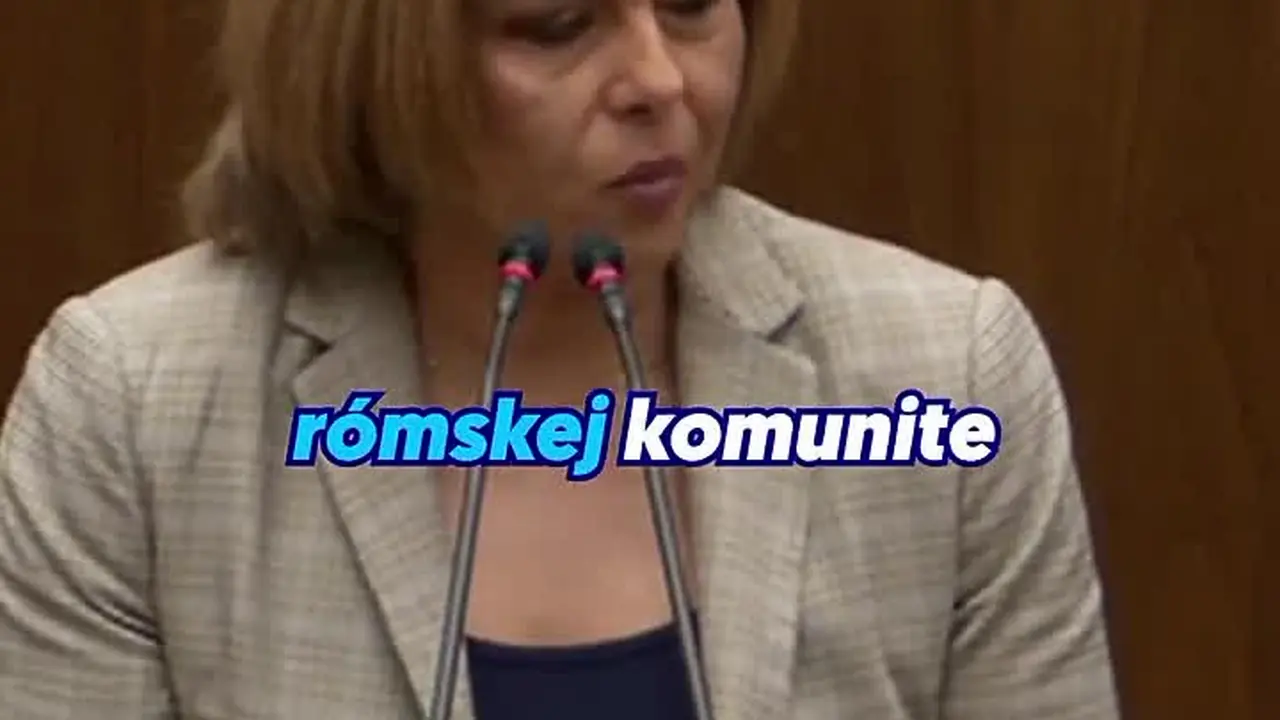
A draft resolution in the Slovak parliament to apologize to Roma for being isolated by the state in settlements during the COVID-19 pandemic divided the parliament and provoked one of the harshest exchanges of opinions in recent years. The main protagonists were Progressive Slovakia MP Ingrid Kosová – of Roma origin – and the former mayor of Humenné, long-time MP for Smer Jana Vaľová.
Kosova stated: “It is a shame for Slovakia and a shame for all mayors and mayors who have not yet put a serious end to this situation”. Vaľová defended herself, stating how much she had done for the Roma community, but also saying “they do not pay their bills”.
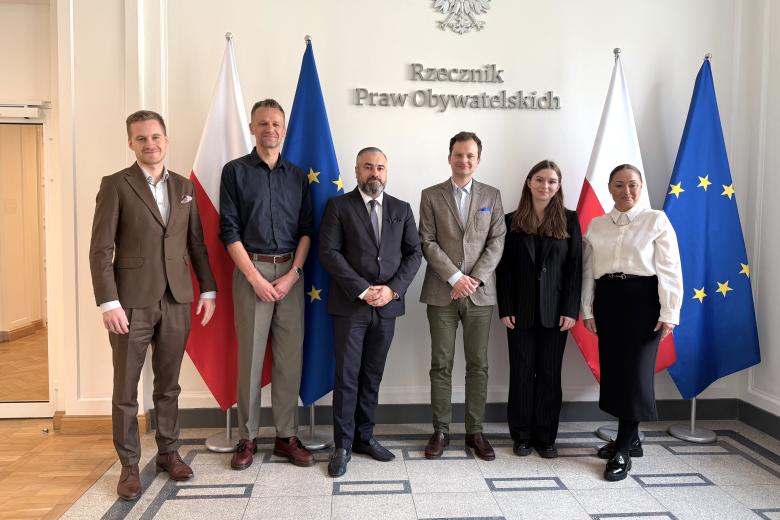
On 16 April 2025, a meeting was held at the Office of the Commissioner for Human Rights between the Deputy Commissioner for Human Rights Adam Krzywoń and the Vice-President of the Central Roma Council Karol Kwiatkowski and the Director for Communication and Cooperation at the Central Roma Council Karolina Kwiatkowska.
Representatives of the Central Roma Council presented information on the organization’s activities, its initiatives to date and actions taken to support the Roma community in Poland. During the talks, the following issues were raised, among others: issues of difficult social and living conditions in Roma settlements in Małopolska and barriers faced by Roma refugees from Ukraine. The meeting was an opportunity to exchange knowledge and experiences and discuss possible directions for further cooperation.

Roma must be given a chance in politics for elective positions, says Irena Biháriová, MP and the first Roma woman to lead a major political party.
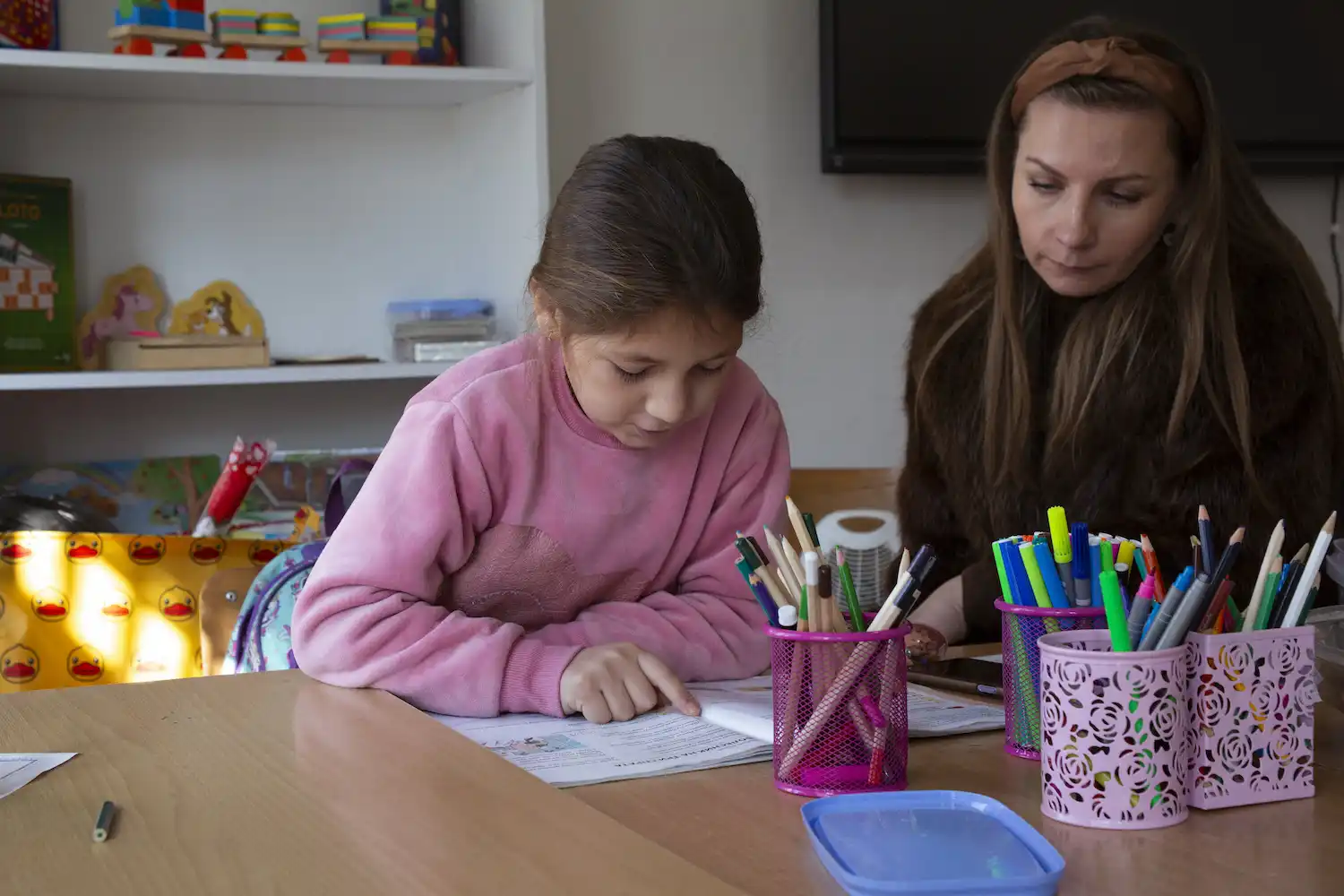
Despite efforts, numerous obstacles remain to Roma inclusion in Mitrovica, exacerbated by the divisions between Kosovo and Serbia. At a learning centre, students from the community are bearing the brunt of these ambivalent policies.

Kiril Petkov, a former Bulgarian prime minister and candidate in the upcoming elections is defending the rights of a Mahala (a Roma neighbourhood) in Sofia. He is not alone in defending the “Zaharna Fabrika” which has who has called for manifestations in front of the parliament.
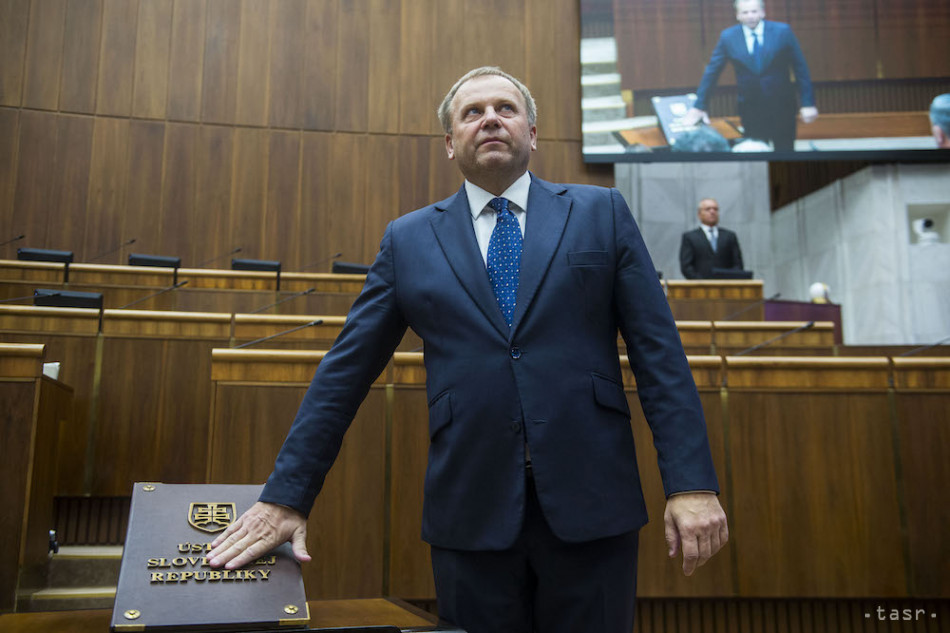
Slovak opposition Vladimír Ledecký (SaS) calls for reconsideration and revision of the action plans for the Strategy for Equality, Inclusion and Participation of the Roma until 2030 for the years 2025-2027, which were approved by the government in December 2024. As a Member of the National Council (NR) of the Slovak Republic, he submitted a resolution in which he warns that, based on the action plan, millions of euros are to be spent on “meaningless projects whose real contribution to improving the living and economic situation of the Roma is zero”.
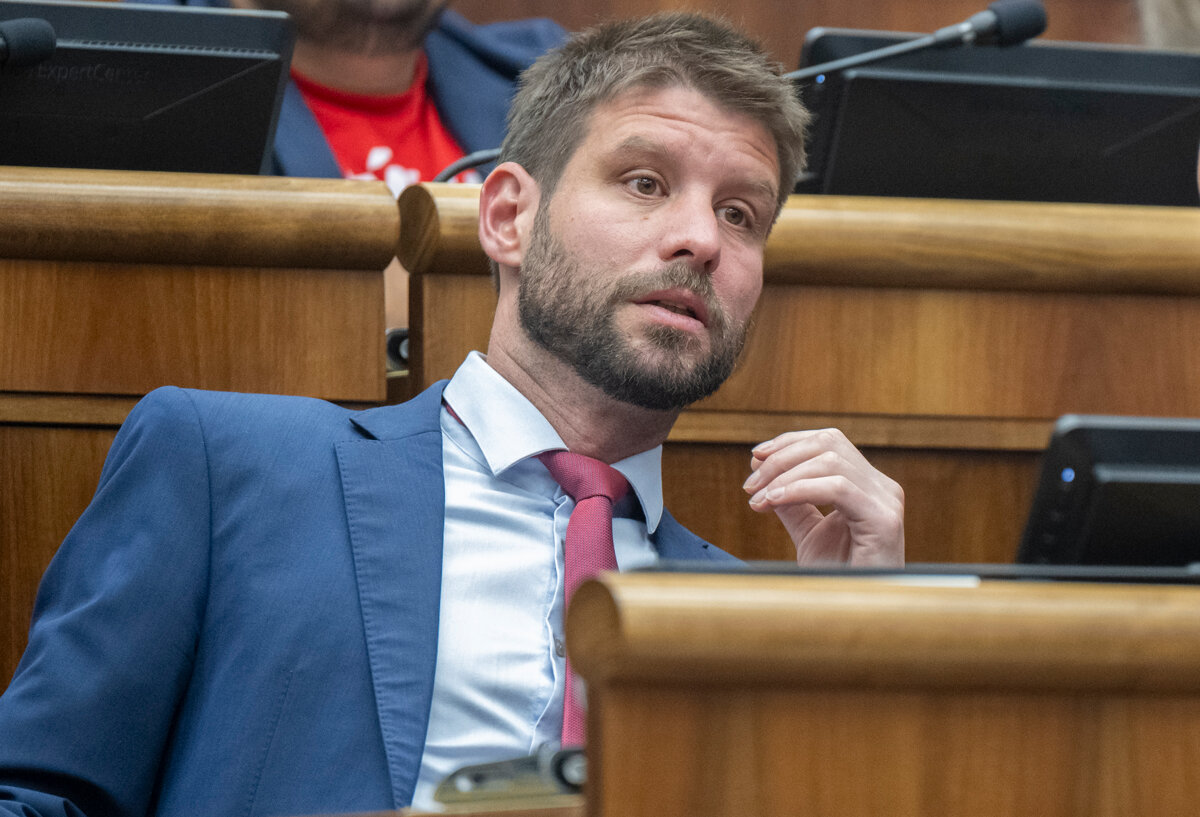
The chairman of the political party “Progressive Slovakia”, Michal Šimečka, said: “Approximately 440,000 Roma live in Slovakia. A huge number of them face discrimination, open or hidden hatred or violence every day. And I am not just talking about the thousands of them who live in settlements without sewage and drinking water.”
According to the chairman of the Progressive Slovakia, by excluding them, we are unnecessarily losing the potential, wasting the talent and job opportunities of tens of thousands of people who could be an enrichment for our society – humanly, culturally and economically.
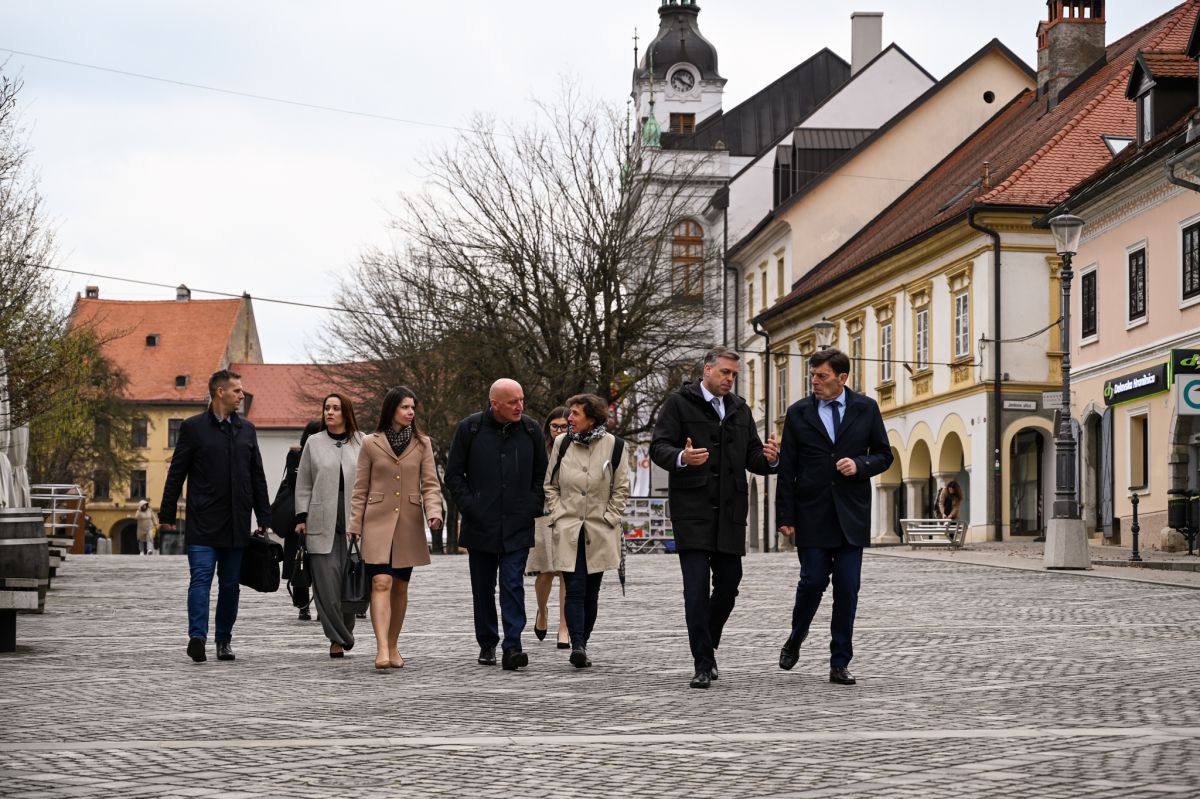
Novo Mesto Mayor Gregor Macedoni hosted Minister of Education Vinko Logaj on a working visit today, with whom they discussed, among other things, the issue of non-attendance at primary school, mostly of Roma, and safety at schools. Logaj stressed the need for joint action by several ministries, “since measures taken by one ministry alone will not be sufficient”.
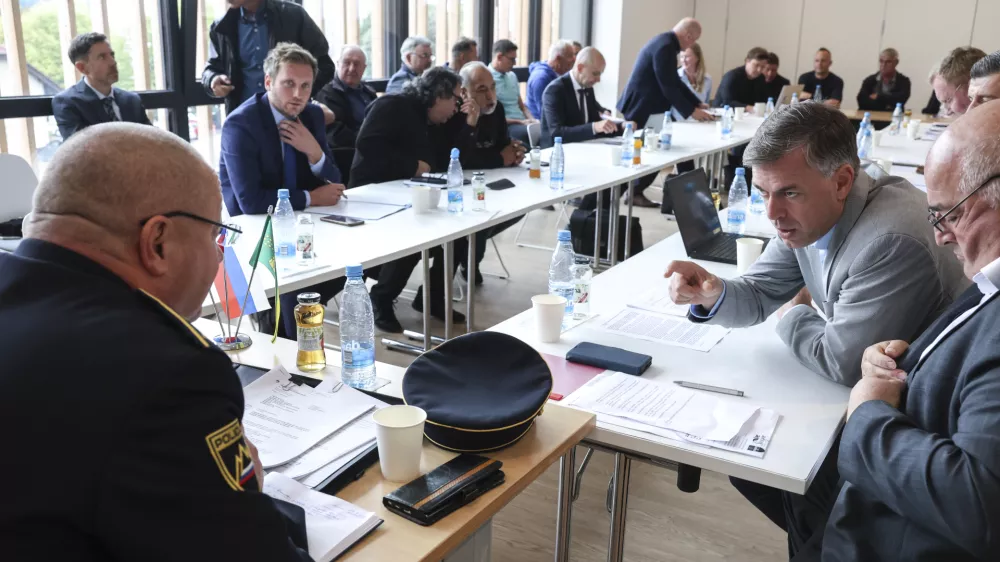
The President of the Roma Community Council, Jožek Horvat Muc, has called on Slovenian Prime Minister Robert Golob to abolish the working group for addressing Roma issues and establish a new commission for Roma issues. He accuses the current working group of doing too little and of being directed mainly by the mayors of southeastern municipalities. These municipalities clamour that the roma “problem” is getting worse.

A critique at the current Slovenian government’s new plans for Roma inclusion. Basically, they say here that Roma are not interested in working as unemployment benefits are almost equal to the minimum wage, and say that the situation and criminality has deteriorated.
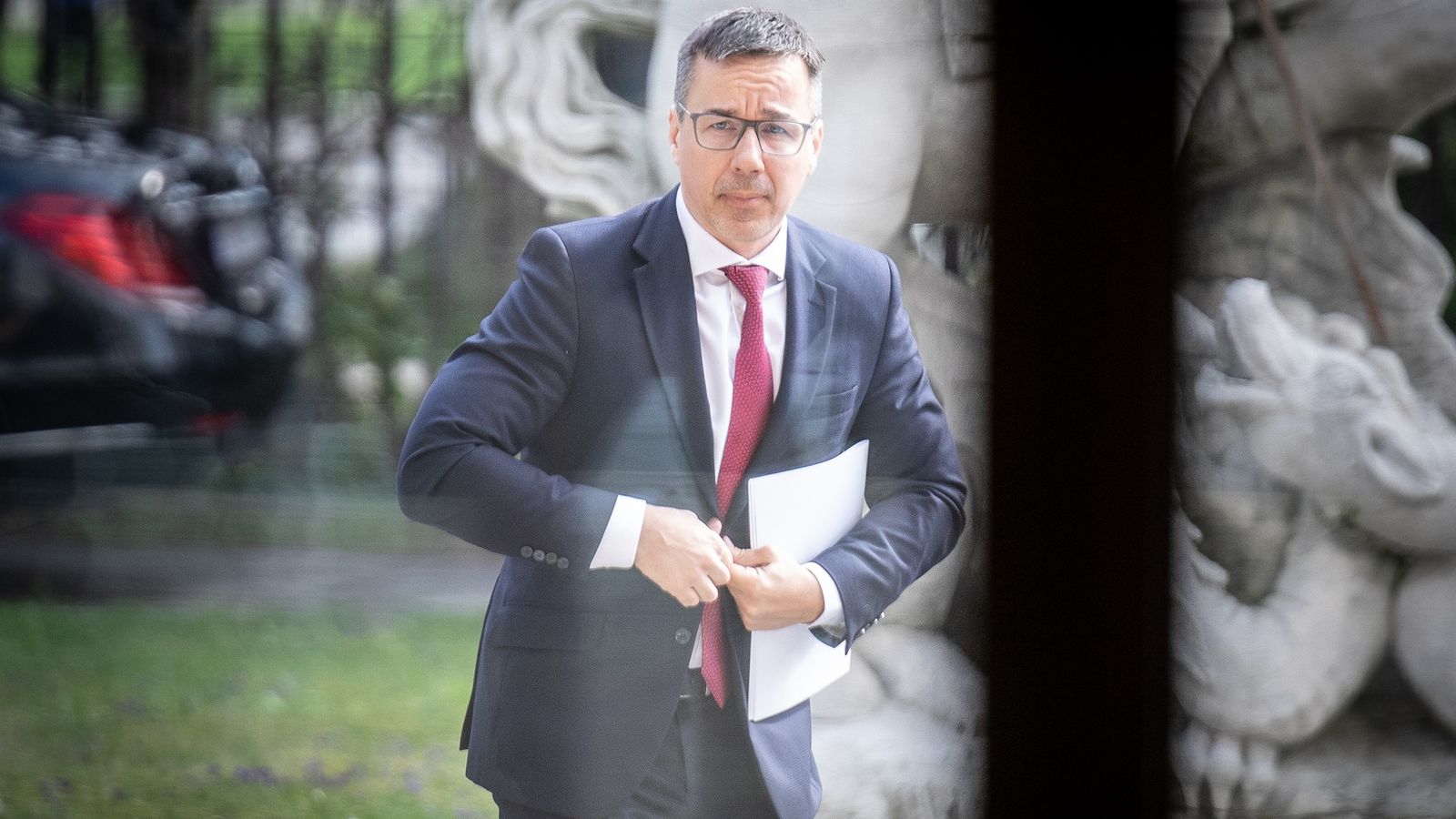
Minister Erik Tomáš came up with a catchy name “work instead of benefits”. In reality, it is a populist farce aimed against Roma that will not resolve the issues faced by Roma in Slovakia. The obstacles on the labor market are much more complex than the minister would be willing to admit. Many employers refuse to hire Roma. If you have a Roma surname, even education will not help you.
The minister chose the easiest victims. He painted a picture of a threatening army of people who sit at home all day, take money from the state and refuse to work. To make it sound even more dramatic, he did not forget to mention that this mainly concerns long-term unemployed Roma from marginalized communities.

Apparently, only 40 millions euros (out of the billion) of the Roma fund granted to Slovakia by the EU will be used for building houses for poor Roma. This is a ridiculously low sum of money.
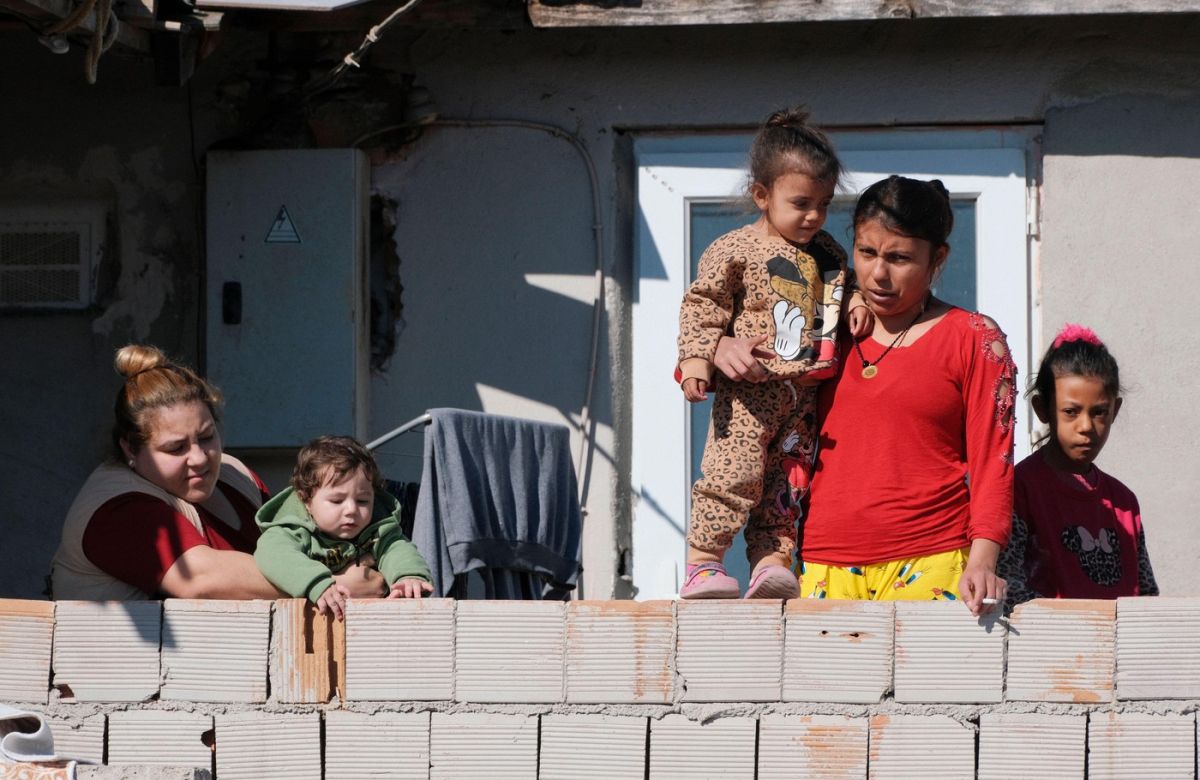
The Government Office for Nationalities has published a proposal for an amendment to the Roma Community Act on the e-Democracy portal. The deadline for comments is 22 April. The proposal envisages the introduction of a new institute of municipal coordinator to improve the situation of the Roma community as a new link between local communities and the state level. They would be introduced in municipalities with registered Roma settlements, currently in 25 municipalities.
Not sure this will really work …
 English (UK) English (UK)
  Deutsch
 Français