Tag Archives: Politics

Serbian Politics

Published by:

Serbian Politics

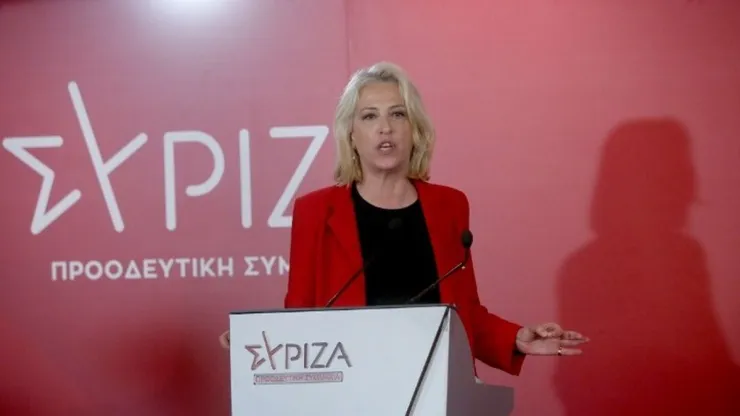
Srđan Šajn, president of the Roma Party, criticized the government’s approach towards Roma and vulnerable groups, particularly regarding financial incentives for attending a political rally. He highlighted concerns about efforts to suppress opposition within the Roma community, suggesting that local criminals are involved in manipulating attendance for political appearances.

The statement reflects a broader issue of how marginalized groups are treated in political contexts, emphasizing the need for genuine representation rather than tokenism.

Roma in Portugal

Published by:

Roma in Portugal

Portugal lacks a new national strategy for the integration of Roma communities, endangering the survival of many organizations due to funding shortages.

Roma representatives criticize government delays and the impact on local projects, particularly in education and community mediation. The absence of a strategy has led to the closure of several associations, highlighting the need for stronger state support and engagement with Roma organizations.

Serbian Elections

Published by:

Serbian Elections

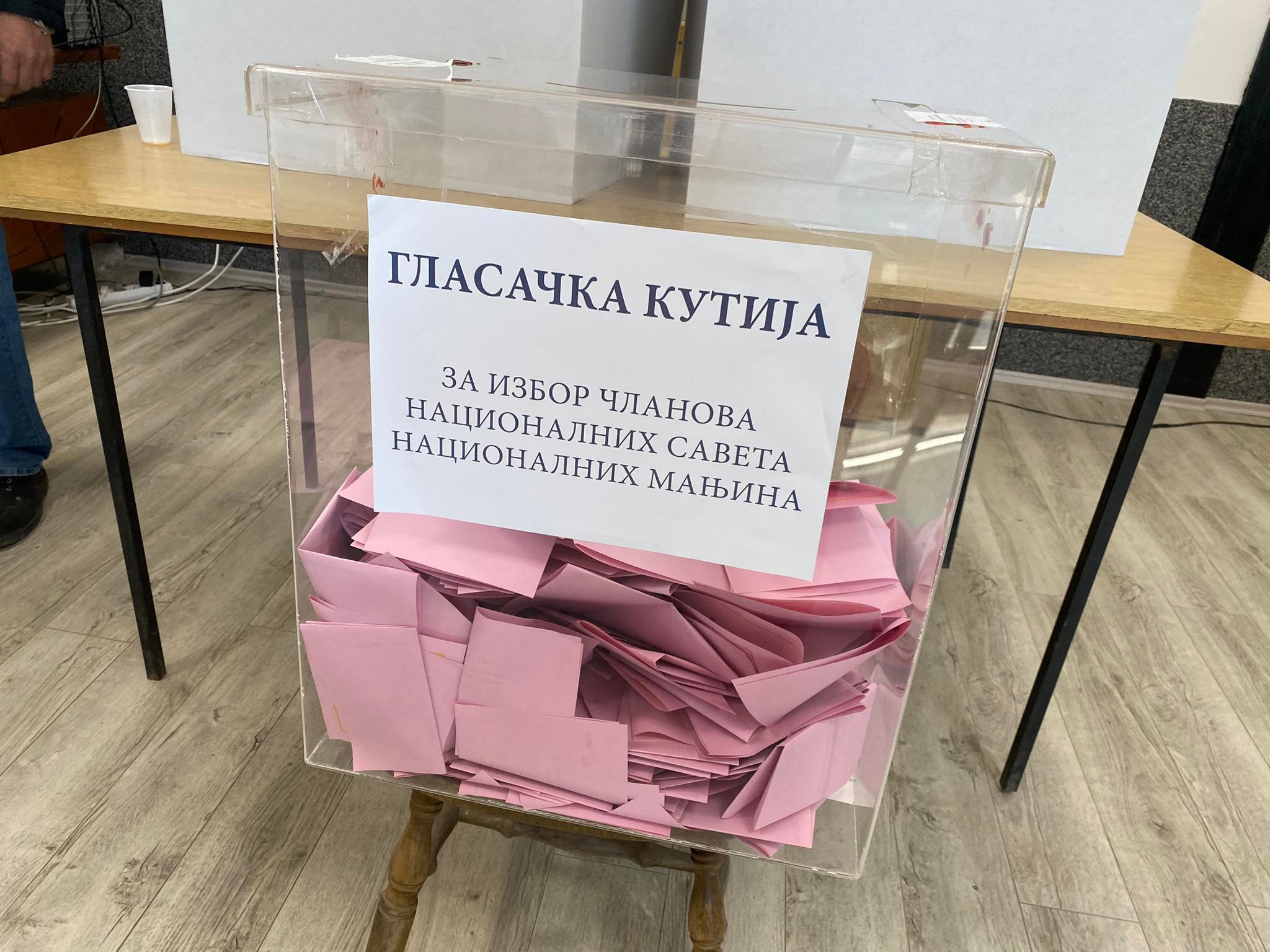
Upcoming elections in Serbia raise concerns about the political participation of national minorities, particularly the Roma community, which lacks political influence despite its size and significance. Roma in Serbia face numerous challenges, including unemployment, poverty, and inadequate representation in decision-making processes.

Despite these issues being highlighted during election campaigns, post-election results often fail to meet citizens’ expectations, prompting discussions about the need for greater political engagement from the Roma community.

Lucie Fukova

Published by:

Lucie Fukova

Lucie Fuková resigned as the Government Commissioner for Roma Minority Affairs due to disagreements over the new coordination system for the Romani agenda, which she believes undermines her ability to fulfill her vision for the role. She highlighted concerns that transferring the Romani agenda to the Labor and Social Affairs Ministry could reinforce negative stereotypes about Romani people being associated with social issues.

Fuková emphasized her achievements in fostering dialogue, combating antigypsyism, and promoting Romani participation in decision-making during her tenure, while vowing to continue advocating for Romani rights despite her resignation.

Bosnian Unity

Published by:

Bosnian Unity

Leaders of Roma organizations in Bosnia emphasize unity among Roma to improve living conditions, education, and employment opportunities. Future collaboration will focus on joint projects, youth support, and preserving Roma culture while strengthening ties with local communities.

The situation for Roma in Bosnia and Herzegovina is gradually improving, with education and community involvement seen as key to further progress.

Moldovan National Program

Published by:

Moldovan National Program

The central goal of the Moldovan Roma National 2027-2030 Program is to enhance social inclusion and ensure equitable access for Roma to education, health, employment, social protection, and public participation.

The program includes measures to combat discrimination, develop community mediators, and promote Roma culture, validated by a meeting involving various stakeholders including government representatives and civil society organizations. Emphasis is placed on reducing inequalities and increasing access to quality public services, with active involvement from all stakeholders deemed essential for the program’s success.

Hungary and Roma

Published by:

Hungary and Roma

Under the new leadership of Prime Minister Peter Mađar, Hungary is taking significant steps to address discrimination against the Roma community, marking a historic moment in the country’s political landscape.

The new government includes four Roma parliament members, with Krištijan Kesegi becoming the first Roma vice president, signaling a shift towards greater representation.

Despite the positive gestures, Roma leaders remain cautious and are waiting to see if these symbolic changes will lead to real policy reforms and improvements in their socio-economic conditions.

However, Aba-Horváth István, a Roma minority spokesperson in Hungary, expresses disappointment over the loss of prestige in parliamentary representation for the Roma community, feeling they missed a historic opportunity for a genuine voice in parliament.

He criticizes the lack of cooperation from Debrecen representatives and the prevailing divisive political culture, which he believes undermines collaboration and community building.

Magyar and Roma

Published by:

Magyar and Roma

Under Viktor Orban, the Roma community faced severe discrimination and marginalization, but the new Prime Minister Peter Magyar is making efforts to address antiziganism and include Roma voices in politics.

A significant moment occurred during the inaugural session of the National Assembly when Roma children performed their anthem, symbolizing a shift in political representation for the Roma community.

Magyar’s government has pledged to end discrimination against Roma, improve their living conditions, and reform public works programs, but skepticism remains about the sincerity and effectiveness of these promises.

Hungary and Roma

Published by:

Hungary and Roma

Two articles concerning Roma in Hungary.

The first one discusses the lack of Roma representation in the Hungarian government, which has disappointed the Roma community, and highlights the need for genuine inclusion in political processes. Activist Horváth Aladár emphasizes the importance of recognizing Roma as equal citizens and the potential for change under the new government led by Magyar Péter. The article also critiques the historical neglect of Roma issues in Hungary and the need for substantial reforms to improve their social and economic conditions.

In the second second one Keno Verseck questions whether the situation for Roma in Hungary will improve under the new government, led by Prime Minister Péter Magyar, who is sending a historical signal against anti-Roma sentiment. Magyar has a knack for symbolic politics, having previously highlighted Roma culture during significant political events, which resonated with the European Roma community. The new Prime Minister aims to go beyond mere gestures and is expected to take more substantial actions regarding Roma issues.

Alexander Daško

Published by:

Alexander Daško

According to this article, the plenipotentiary for the Roma communities, Alexander Daško’s wife Olga’s organization, more precisely the borzoi club of Russian greyhounds, received subsidies from the Ministry of Tourism and Sports of Minister Rudolf Huliak. Huliak is a politician who once ran for the extremist ĽSNS.

This was published by Roma from the Hnutia Slovensko movement, saying that Alexander Daško “dedicates himself, his family and dogs, as the Roma community”. The president of the Borzoi club of Slovakia is Oľga Dašková. The club was founded in 2025 and is based in Banská Bystrica.

Roma in Slovakia

Published by:

Roma in Slovakia

The Office of the Government Plenipotentiary for Roma Communities (ÚSVRK), headed by Alexander Daško (Smer), will lose the ability to decide on the distribution of money from EU funds to support the inclusion of Roma men and women from July.

Roma experts criticise the move.

Slovenia and Roma

Published by:

Slovenia and Roma

The change of government in Slovenia is having an effect on Roma.

According to the article, after the enactment of the Act on Emergency Measures to Ensure Public Safety (Šutar’s Act), a shift has already occurred at the local level, says the mayor of Novo Mesto, Gregor Macedoni: “Changes have been detected in the greater inclusion of children in the education system, i.e. increased school attendance.” However, the activities at the state level to date are assessed as insufficient, because progress in solving long-term challenges will require closer cooperation between all institutions, the mayor emphasizes: “We expect the new government to approach solving the problem comprehensively, and above all with a clearly established principle of equal rules for all.”

Annual Report?

Published by:

Annual Report?

The Plenipotentiary of the Government of the Slovak Republic for Roma Communities should submit its annual activity report by the end of September from 2027. This follows from the draft amendment to the statute of the plenipotentiary, which adjusts the current March deadline for submitting the annual report.

It also avoids some controversies …

Slobodan Lala Berberski

Published by:

Slobodan Lala Berberski

A festival is now celebrating him. Slobodan Lala Berberski was born on October 20, 1919 in Bečkerek, today’s Zrenjanin, where he completed elementary and high school. He began studying law, but as a member of the Communist Youth League of Yugoslavia, he was arrested in 1941. In 1941, he joined the People’s Liberation War of the people of Yugoslavia. He was a Romani writer and the first president of the World Roma Organization bweing elected as the first president of the World Roma Organization in the famous 1971 london meeting.

Scary but True

Published by:

Scary but True

In the Czech Republic during last year’s elections, a large part of the Roma population voted for Babiš and worse, for Okamura, who is openly anti-Roma (and migrants, which is ironic as he is not exactly 100% Czech, if anything like this exists).

Well, at least the recent Hungarian elections show that this can change. There, most Roma voted against Fidesz.

Czechia and Roma

Published by:

Czechia and Roma

An open letter from Jana Kokyová, chair of the Committee for the Redress of the Roma Holocaust, an association of families of Roma survivors of the Holocaust, to Czech Prime Minister Andrej Babiš (Action of Dissatisfied Citizens – ANO) regarding the transfer of the Roma affairs agenda to the Labor and Social Affairs Ministry. According to her, the Government’s decision undermines the importance of Roma affairs at the central level.

She is right.

Make Them Work!

Published by:

Make Them Work!

The current Slovak Minister of Tourism and Sports, Rudolf Huliak, (Rural Party) presented his proposal regarding the Roma issue on social networks. He claims that the state has been financing dysfunctional programs for a long time and the solution should be greater involvement of Roma in the work process.

However, he has not yet presented several specific parameters of the proposal…

Czechia and Roma

Published by:

Czechia and Roma

The Czech government is transfering the Romani agenda from the Office of the Government of the Czech Republic to the Labor and Social Affairs Ministry. Czech Government Commissioner for Roma Minority Affairs Lucie Fuková said that she does not yet want to give an opinion on the specific impacts this entails.

Podcast

Published by:

Podcast

In the twenty-third episode of the SODAcast podcast, its authors Zdeněk Ryšavý and Patrik Banga return to the housing case of Minister for Regional Development Zuzana Mrázová, the debate on the Agency for Social Inclusion, the May Day march against fascism and the vocabulary of some politicians. They also discuss the Sudeten Germans’ congress in Brno and the violence of some football fans.

Hungarian Roma Anthem

Published by:

Hungarian Roma Anthem

Young, mostly Roma, members of the Sugo Tambura band realised their dream on Saturday by performing the Roma hymn at Hungary’s parliament. The new prime minister, Péter Magyar, kept the promise he made to the children when he visited their village on the campaign trail. Roma rights campaigners have seized the moment, calling on the new government to ensure that the symbolism translates into real change.

This is not the most widely accepted Roma anthem, as that one is Djelem Djelem.

rroma.org
en_GBEN