Tag Archives: Politics

Serbian Elections

Published by:

Serbian Elections

According to the articles, Roma in Serbia will have the opportunity to elect authentic political representatives in the upcoming parliamentary elections, following a meeting in Belgrade where four political organizations agreed to unite their efforts.

The agreement emphasizes that the common interest of Roma should take precedence over party and personal differences, aiming to restore their political voice in the National Assembly after nearly two decades.

The initiative is seen as a significant step towards consolidating Roma political power in Serbia, with plans for further activities to connect party structures and prepare for the elections.

Well, we’re not sure about that. Roma representatives (or any minority representative) in a large parliament, have no say, unless, there is a very tight vote outcome.

Serbian Roma Mufti

Published by:

Serbian Roma Mufti

The Islamic Community of Serbia has appointed Alija ef. Dermaku, an imam from Bujanovac, as the first mufti for the Roma community in Serbia and the diaspora.

Dermaku’s role will encompass overseeing Roma Muslims both in Serbia and abroad, reflecting his long-standing involvement with the community and understanding of their culture.

This appointment is significant as it marks a shift in representation for Roma Muslims within the Islamic Community of Serbia, highlighting the community’s presence in various regions, including northern Kosovo. This latter statement is far from anodine and is politically loaded. Northern Kosovo Roma – mostly Gurbeti – while predominantly moslem, are more related to their other Gurbeti brethren in further South than any others in Serbia proper.

Serbian Elections

Published by:

Serbian Elections

A meeting in Belgrade resulted in an agreement among four political organizations representing the Roma community to collaborate in the upcoming parliamentary elections. The goal is to ensure that the Roma community has authentic political representation in the Serbian Assembly after nearly two decades without it.

The president of the Union of Roma of Serbia emphasized the importance of offering the Roma citizens a choice of political options that genuinely understand their issues.

Let’s see what it brings… In several cases, Roma votes were bought on behalf of the ruling party…

Beggars in Geneva

Published by:

Beggars in Geneva

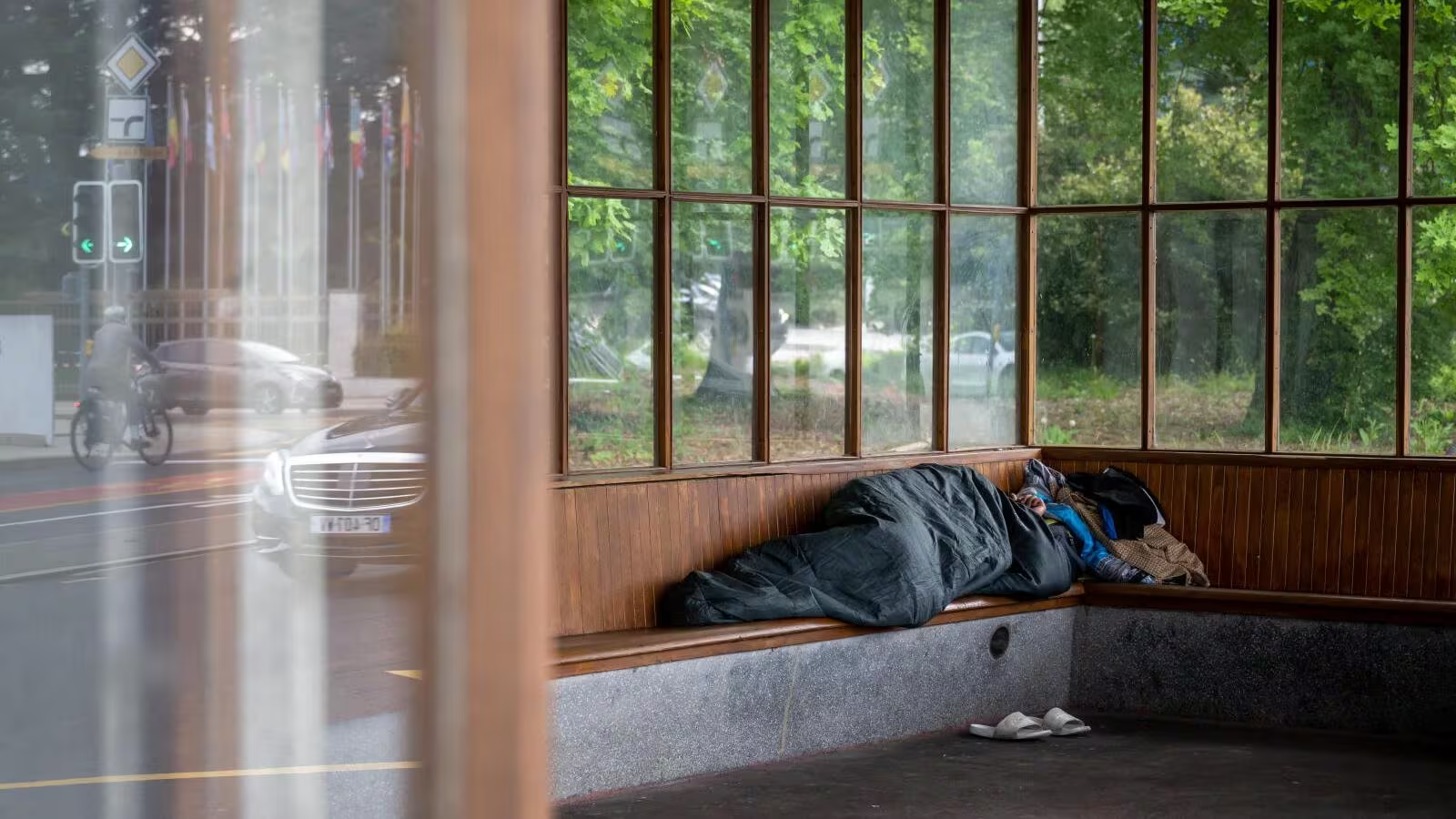
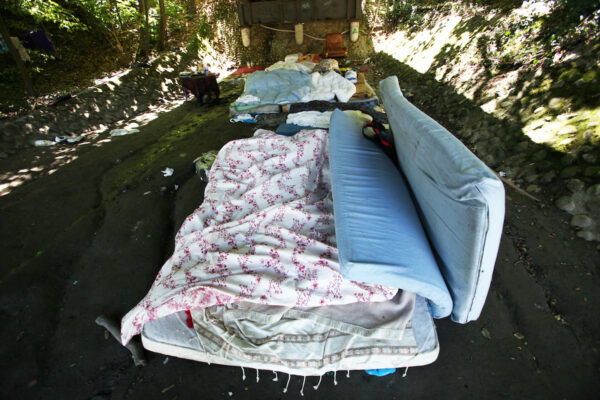
After the courts rejected the anti-begging laws, the Geneva right wing intends to continue the fight focusing on the occupation and cleanliness of public spaces. Read this as a measure against Roma…

Šerutnipe – Šutka

Published by:

Šerutnipe – Šutka

For the first time, Roma mayors, councilors, presidents of councils and parliamentarians from different parts of Europe are coming together with Roma-led institutions, opening up one of the most important questions of the contemporary Roma political movement: what comes after political representation and how to turn the won mandate into real decision-making power and concrete changes in people’s lives.

This is taking place in the largest Roma settlement in Europe, the Šutka in Skopje, North Macedonia.

Roma in Serbia

Published by:

Roma in Serbia

Minister for Human and Minority Rights, Demo Beriša, visited Beočin to discuss challenges faced by the Roma community with local officials and community members.

Beriša emphasized the importance of open dialogue and collaboration to improve living conditions for the Roma minority.

The visit reflects the Ministry’s approach of engaging directly with citizens to understand their needs and work with local governments on solutions.

Roma in Serbia

Published by:

Roma in Serbia

Nevenka Vasić from the Democratic Union of Roma (DUR) stated that Roma in Serbia should no longer be treated as political targets during elections with empty promises and cheap packages.

She emphasized the long-standing systemic economic and social neglect of the Roma community, calling for permanent jobs, quality education, and real equality instead of temporary promises.

According to the 2022 census, there are 131,936 declared Roma in Serbia, but estimates suggest the actual number could be between 400,000 to 500,000, highlighting the need for the community to be recognized beyond just social assistance.

Serbia – Challenges

Published by:

Serbia – Challenges

The article discusses the challenges faced by young Roma in Serbia, including education, discrimination, and the desire to emigrate for better opportunities.

Despite improvements in educational attainment, young Roma still face high unemployment and discrimination in the job market, leading many to consider leaving Serbia.

The article emphasizes the need for systemic change and support from both the state and the Roma community to ensure young Roma can thrive and contribute to their society.

Roma in Geneva

Published by:

Roma in Geneva

The article discusses the media focus on the Romani communities in Geneva, highlighting the political attention on their living conditions and the push to remove their presence from public view.

It criticizes the right-wing political stance that prioritizes cleanliness over the welfare of these communities, suggesting that their systematic removal exacerbates vulnerability and exploitation.

The article calls for a more humane approach to social integration and housing solutions for the Romani families, emphasizing the need for long-term support rather than punitive measures.

Political Rally and Busing

Published by:

Political Rally and Busing

A significant number of Roma attended a political rally organized by the ruling party in Serbia, primarily coming from southern Serbia in four buses.

They received the lowest daily allowances compared to other groups, with 2,000 dinars, while Roma from Čačak received 4,000 dinars and those from Ljig received 3,000 dinars.

The Roma coordinator from Čačak, Gradimir Radosavljević, was notably vocal at the rally, initially calling out a derogatory term before correcting himself to a more neutral term.

Political Rally in Serbia

Published by:

Political Rally in Serbia

A tense political rally in Užice, Serbia, saw Serbian President Vučić facing significant local opposition, including physical confrontations with activists and police blocking access to the event.

Many attendees were reportedly brought in from other regions, while local residents, including Roma, expressed their discontent and refused to support the rally, highlighting a divide within the community.

The event was marred by violence, with reports of activists being attacked and police using tear gas against local protesters, indicating a growing unrest against Vučić’s regime.

Roma in Slovenia

Published by:

Roma in Slovenia

The Council of the Roma Community in Slovenia urges the government to adopt a comprehensive and inclusive approach to address key issues facing the Roma community, emphasizing the need for dialogue and responsibility from all institutions.

They highlight the importance of legalizing Roma settlements and improving basic infrastructure, as living conditions directly affect health, education, and employment opportunities.

The council condemns the rise of anti-Romani sentiment and calls for stricter sanctions against hate speech, public education for officials, and campaigns to combat stereotypes.

Slovenia and Roma

Published by:

Slovenia and Roma

The Slovenian Council of the Roma Community, led by Jožek Horvat Muc, emphasizes the need for the regulation and legalization of Roma settlements, active economic inclusion, and the sanctioning of hate speech.

They call for a clear political framework based on dialogue and responsibility, adhering to the principle of ‘nothing about Roma without Roma’.

The council advocates for improved living conditions, active labor market participation, and stronger measures against anti-Roma sentiment, including public education campaigns.

Roma in Serbia

Published by:

Roma in Serbia

YUROM Center has initiated a proposal for a special law to ensure equal employment for national minorities, particularly the Roma, in Serbia’s public administration and sector.

The initiative highlights the underrepresentation of Roma in public administration despite their population of nearly 132,000, and calls for systematic measures to address structural discrimination and promote professional development.

The proposal includes establishing a monitoring system for ethnic representation, defining affirmative measures, and involving national minority councils in the legislative process to enhance public administration quality and support Serbia’s European integration efforts.

Hungarian Politics and Roma

Published by:

Hungarian Politics and Roma

Kőszegi Krisztián, a deputy speaker of the Hungarian Parliament, initially refused to shake hands with Roma representative Aba-Horváth István, citing political conflicts and the inappropriateness of a Fidesz (the former majority) member representing a minority.

Following criticism from Prime Minister Magyar Péter regarding the handshake incident, Kőszegi later shook hands with Aba-Horváth during a parliamentary session.

Aba-Horváth expressed that the refusal to shake hands reflects broader issues of respect and acceptance within the political landscape, emphasizing that such rejections affect the entire Roma community.

Hungarian Minority?

Published by:

Hungarian Minority?

There is a significant Hungarian-speaking Roma community in Slovakia. However, there is very little reliable data available on the size and characteristics of the community, and no research has been conducted on their political activity or party preferences. However, the votes of the Hungarian-speaking Roma community would already be very important for the Hungarian party to have a chance of reaching the parliamentary threshold, and due to the increasing demographic weight of the group, they will be essentially indispensable in the future.

The problem is, they are not voting for the Hungarian party …

Vučić and Minorities

Published by:

Vučić and Minorities

Serbian President Aleksandar Vučić visited the village of Strezovce, promising support to local Serbs, prompting a response from Preševo’s mayor, Ardita Sinani, highlighting the presence of Albanians and Roma in the municipality.

Sinani emphasized the need for equal treatment and investment in all communities, including Albanian areas, and criticized the government for its slow response to requests for projects in Albanian neighborhoods.

She called for equal rights and treatment for all residents, regardless of ethnicity, and vowed to continue advocating for the issues faced by Albanians in Preševo.

Roma, Serbia, and North Macedonia

Published by:

Roma, Serbia, and North Macedonia

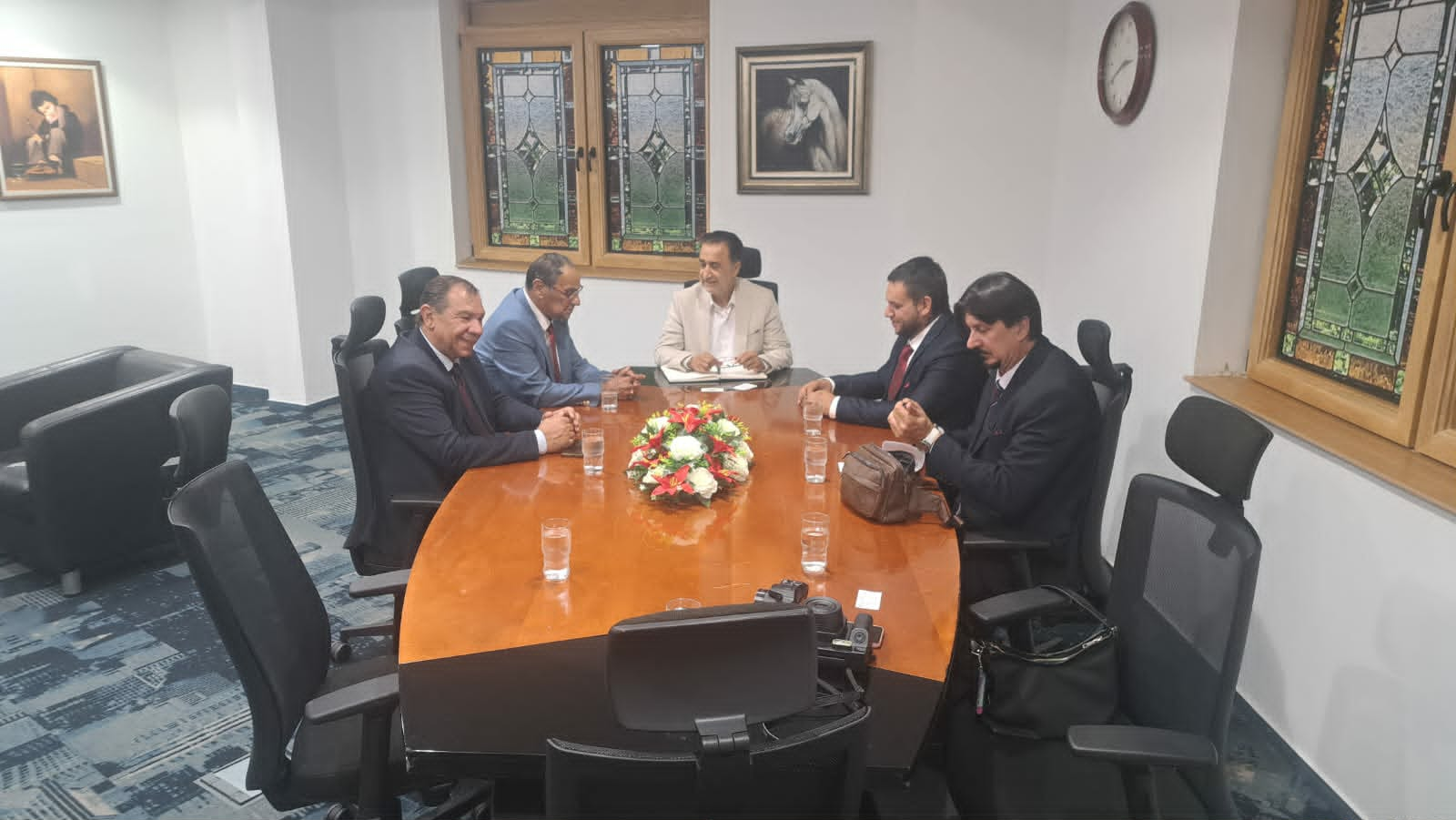
A delegation of Roma political, social, and media representatives from Serbia met with Minister Nedžet Mustafa in Skopje to discuss Roma political participation and regional cooperation.

Key points included the need for stronger political organization among Roma, continuous political awareness, and active involvement of new generations in decision-making processes.

The meeting emphasized the importance of regional collaboration and combating discrimination, with a call for ongoing institutionalized efforts rather than sporadic meetings.

Corruption?

Published by:

Corruption?

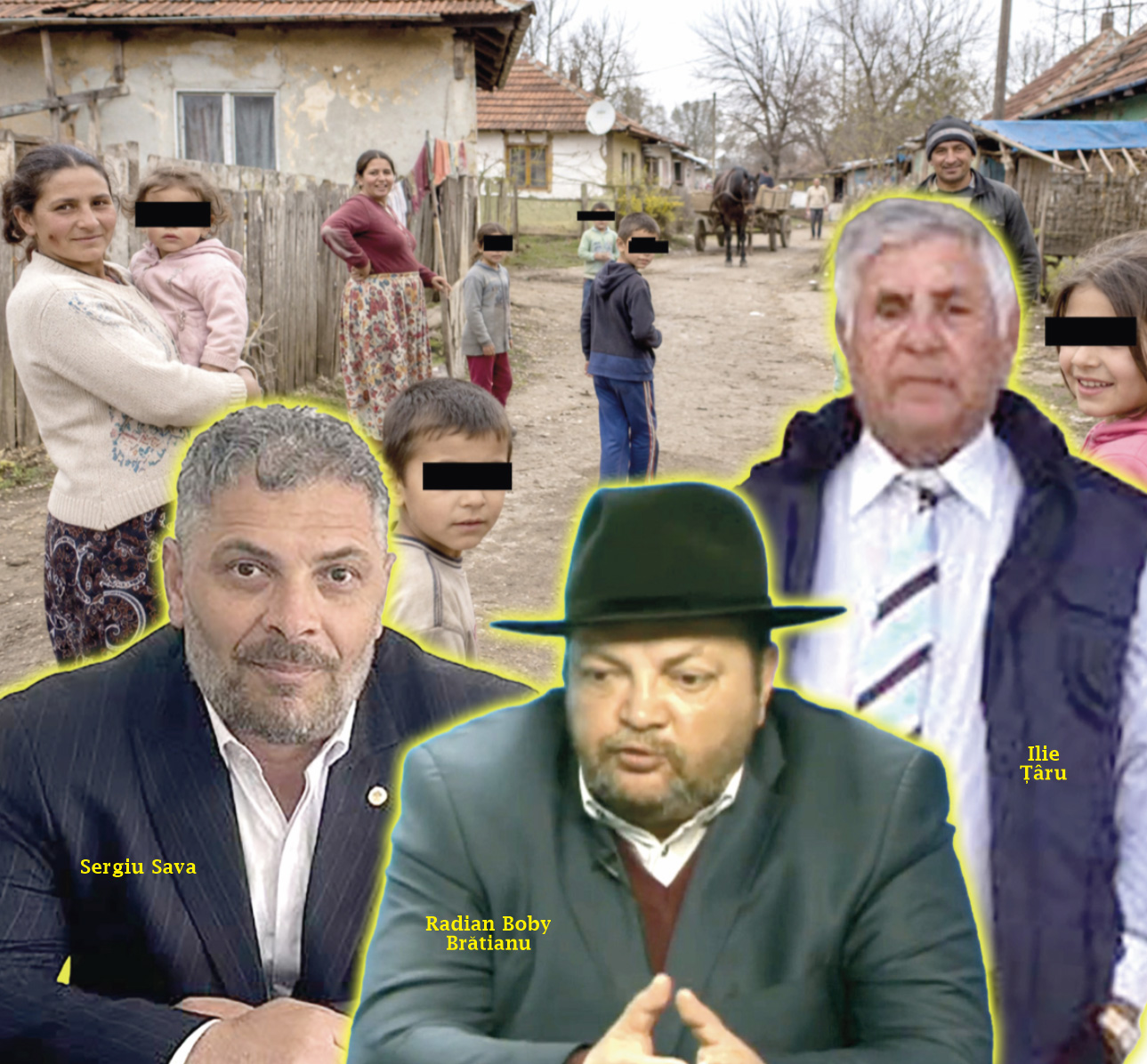
The article discusses the alleged corruption and mismanagement within the Romani Party in Vaslui, Romania, highlighting the lack of progress in integrating the Romani community despite significant funding over the years.

Activist Valeriu Nicolae criticizes the leadership of the Romani Party, describing it as corrupt and ineffective, and emphasizes that the Romani people are the ones suffering from this corruption.

The article also details a recent scandal involving the Romani Party’s leadership, leading to the suspension of its local structures and the dismissal of key figures due to allegations of misconduct and financial mismanagement.

Indicted for Racism

Published by:

Indicted for Racism

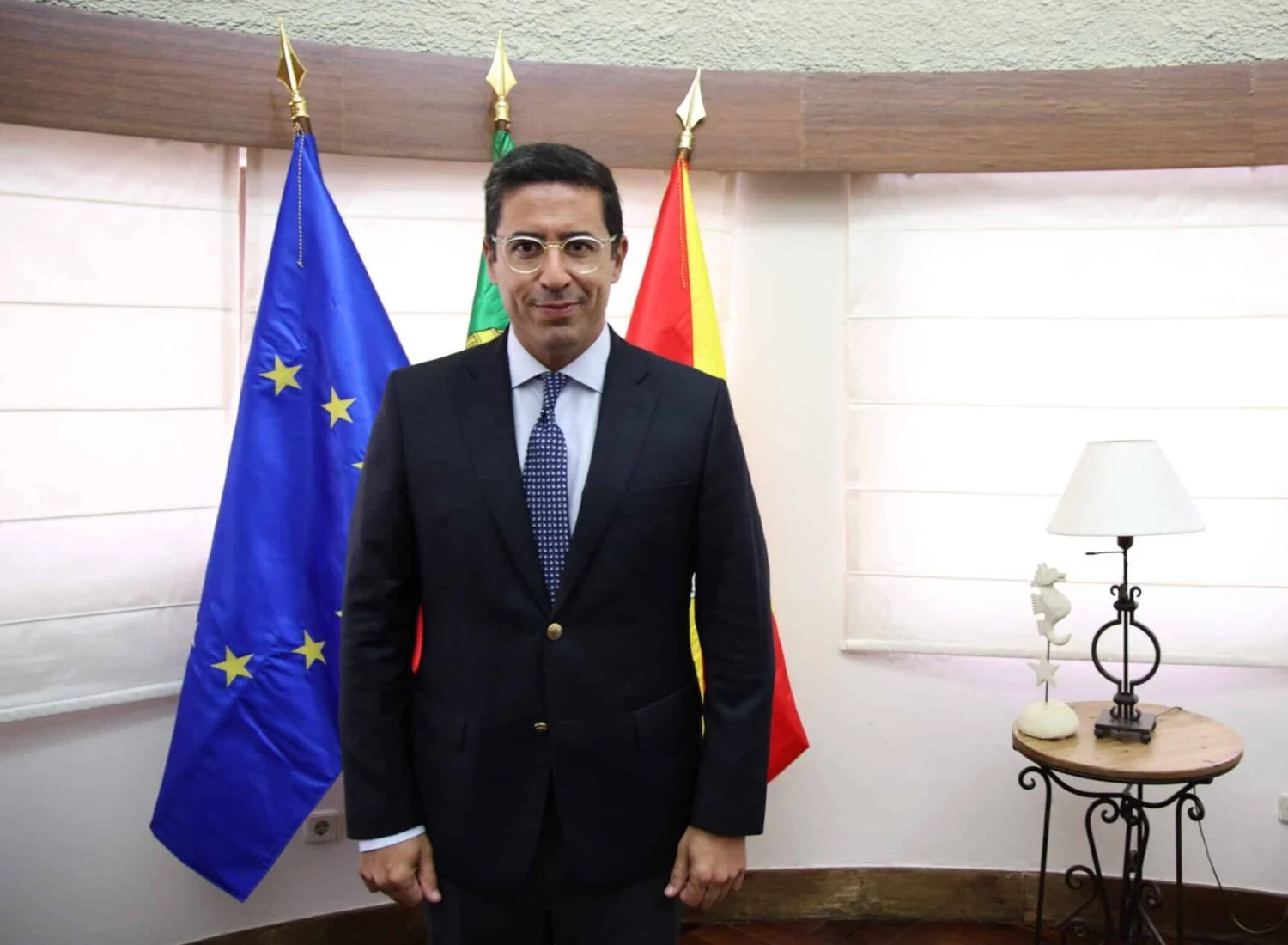
Rui Cristina, the mayor of Albufeira, faces charges of discrimination and incitement to hatred after controversial remarks about the local Roma community’s access to housing.

The Portuguese Public Prosecutor’s Office announced the charges following an investigation that included searches at the Albufeira town hall, initiated by a complaint from a local council member.

Cristina’s statements, made during a municipal assembly meeting, allegedly portrayed the Roma community as tax evaders, potentially inciting hatred and discrimination against them.

rroma.org
en_GBEN