Tag Archives: Project

Slovak Roma Projects

Published by:

Slovak Roma Projects

A total of €335,845,065 was utilized last year to implement the action plan for the Strategy for Roma Equality, Inclusion, and Participation up to 2030. This is according to the monitoring report on the implementation of the action plans for the Strategy for Roma Equality, Inclusion, and Participation up to 2030 for the year 2025. The government is scheduled to review the document on Wednesday, October 7.

The Government Office of the Slovak Republic, which is submitting the report, specifies in the document that out of 159 activities designated for 2025, ten were successfully completed, 125 were in the implementation phase, 22 were in preparation, and two were assessed as unfulfilled. These tasks related to the field of education—specifically, supporting the acquisition of the Slovak language by pupils from Roma communities via their mother tongue through the creation of innovative teaching materials, and implementing activities to help pupils (including those from marginalized Roma communities) attain secondary vocational education.

Job Market

Published by:

Job Market

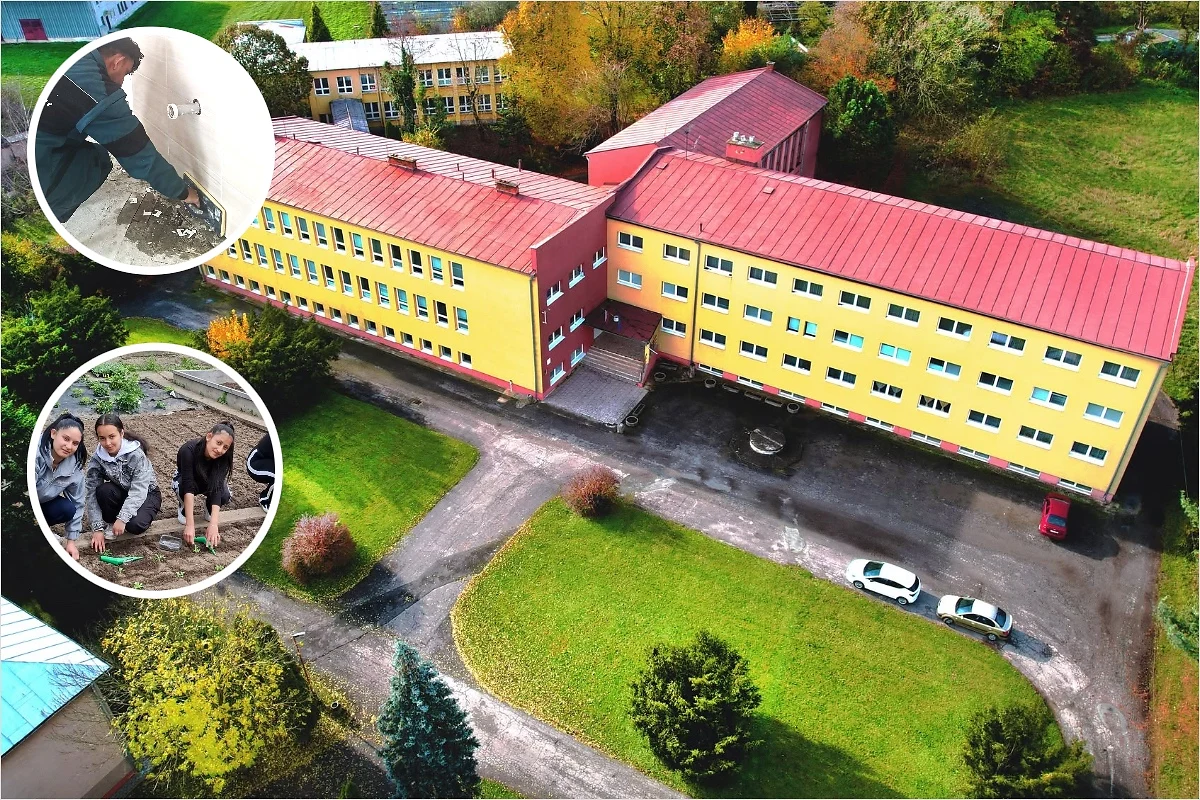
The United School in Čaklov is launching a project aimed at helping disadvantaged students integrate into the job market, with a budget of over 315,000 euros over 32 months.

The initiative will collaborate with a civic association working with Roma communities and a private sector representative providing vocational training. The project aims to strengthen social inclusion, connect education with practical skills, and create a pilot model for a simulated school integration social enterprise.

It will be interesting to see how many disadvantaged” students, aka Roma will find a job. One could then say if this was an efficient use of the money.

Really?

Published by:

Really?

According to the article, the Romanian government is offering €50,000 in non-repayable funding to young Roma individuals (ages 18-30) to start businesses, as part of the Start-Up Nation program, amidst a record number of business closures in the country.

Eligibility criteria for the funding rely on self-declaration of Roma ethnicity, raising concerns about potential misuse and the impact on actual Roma individuals seeking support.

The program aims to reduce poverty among the Roma community but may inadvertently inflate the number of declared Roma, affecting future government programs and representation.

Well, the current official number of Roma is really low and far from reality …

Slovakia, Roma, and NGOs

Published by:

Slovakia, Roma, and NGOs

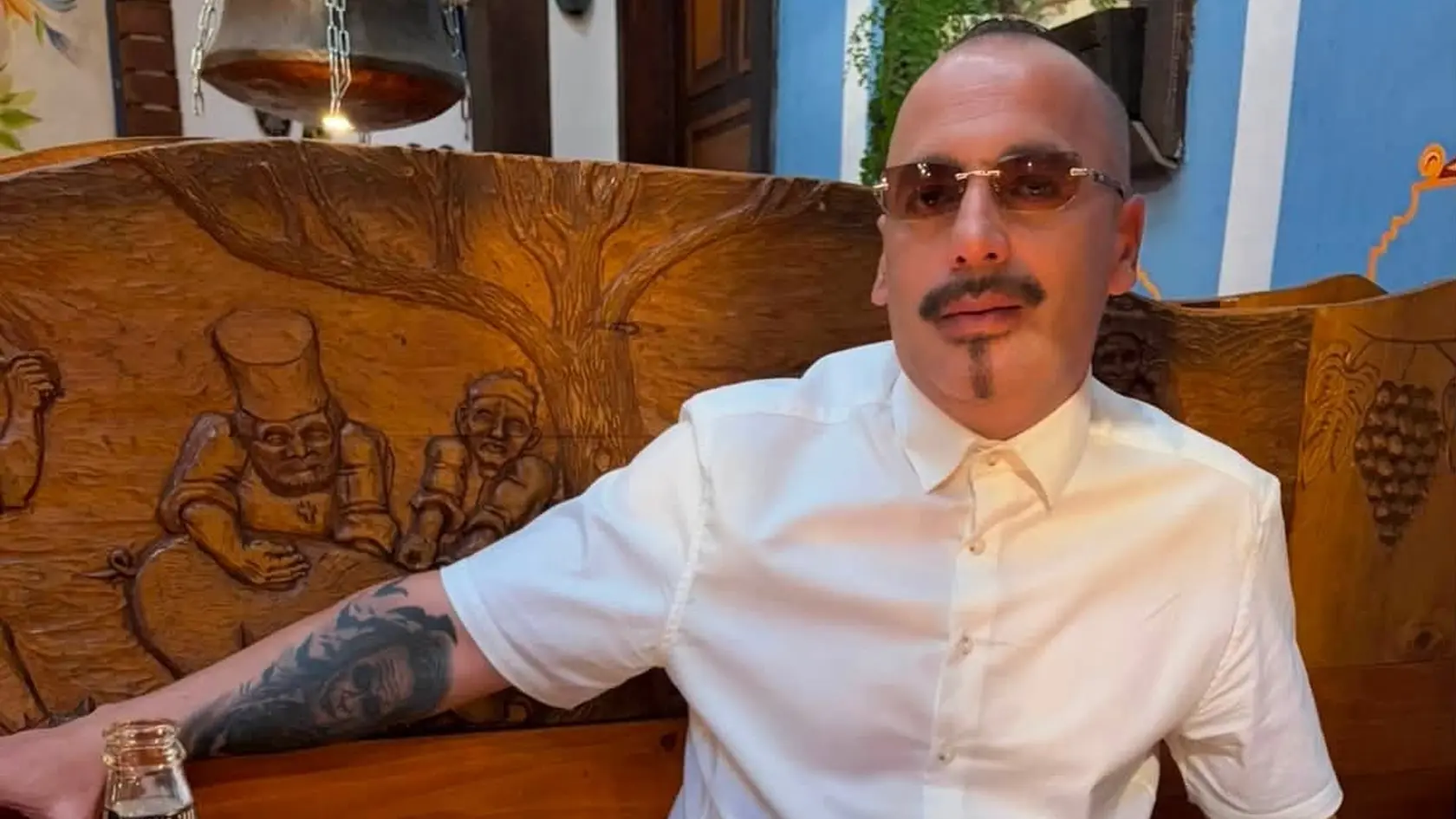
Rudolf Budai, a Romani goldsmith, has joined the political party Právo na pravdu to advocate for the Romani community and address issues of poverty and exploitation by NGOs and state-funded organizations.

Budai criticizes the misuse of state funds meant for cultural support, highlighting the high costs of cultural events that burden impoverished families, and calls for free access to state-funded cultural activities.

He proposes the establishment of state enterprises in Romani communities to create jobs and improve living conditions, while party leaders emphasize the need for accountability and a return to work ethics in addressing community issues.

Nice but …

Published by:

Nice but …

The project “Bridge of Colors: Uniting Cultures through Creativity and Knowledge” has commenced in Shumen, aimed at fostering interaction among children from various ethnic backgrounds through creative activities.

The project, funded by the Education Program 2021-2027, involves five kindergartens and aims to create an inclusive educational environment over a 24-month period.

Activities will include workshops, excursions, and a “Friendship Festival” to showcase the traditions and crafts of different ethnic groups, with parental involvement emphasized throughout the project.

What is the outcome?

  • Започна изпълнението на проекта “Мост от цветове: Съединяваме култури чрез творчество и знание”, каза зам.-кметът на Шумен Даниела Русева. In: Utro Ruse. 24.09.2026. https://utroruse.com/article/1321146/

Slovenian Project

Published by:

Slovenian Project

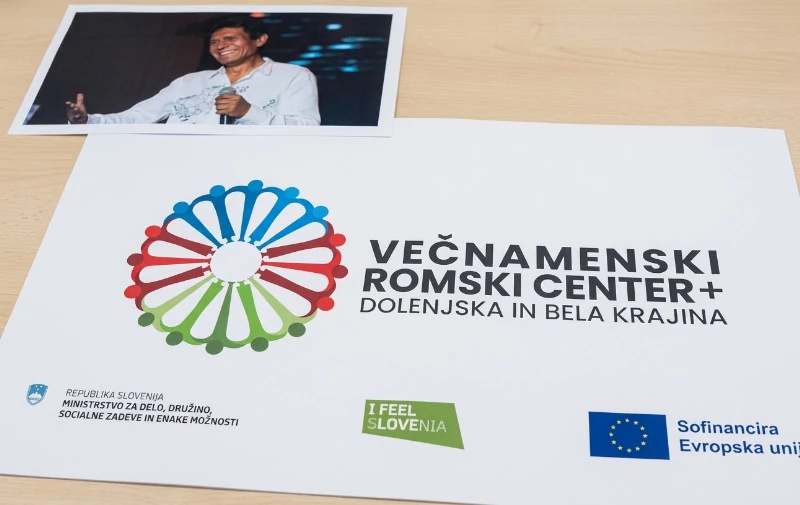
The project has involved over 200 Roma individuals from three municipalities, focusing on individual and family counseling, educational support for children and youth, and workshops to promote education and social inclusion.

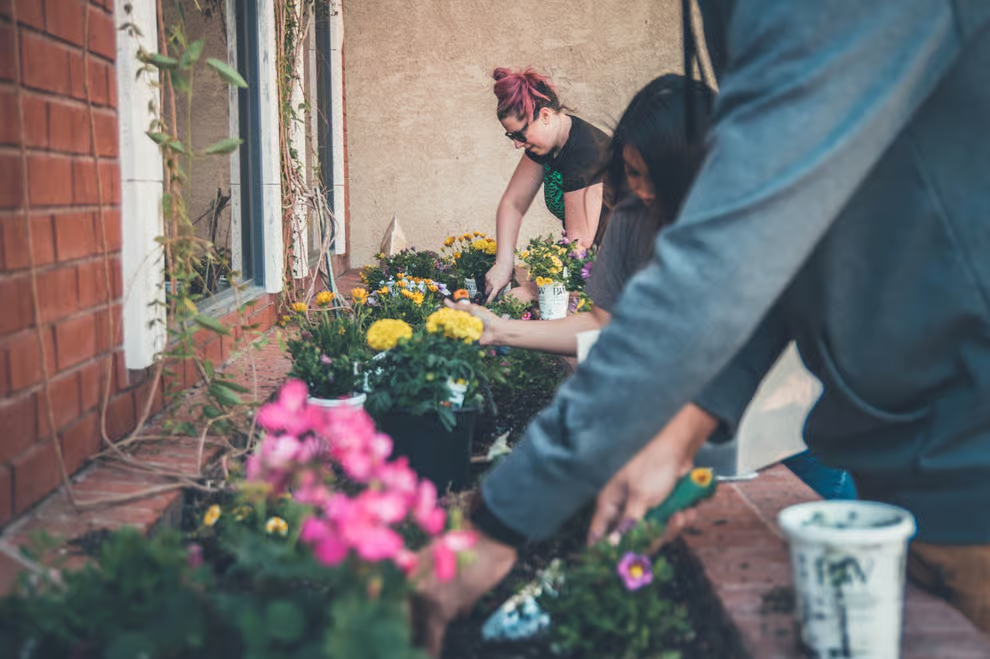
Concrete activities have been implemented to improve living conditions, including the installation of raised garden beds to encourage gardening and healthy eating, along with community engagement.

The project emphasizes understanding Roma culture, history, and language, and aims to strengthen trust and social inclusion between the Roma community and the local environment.

Roma Initiatives

Published by:

Roma Initiatives

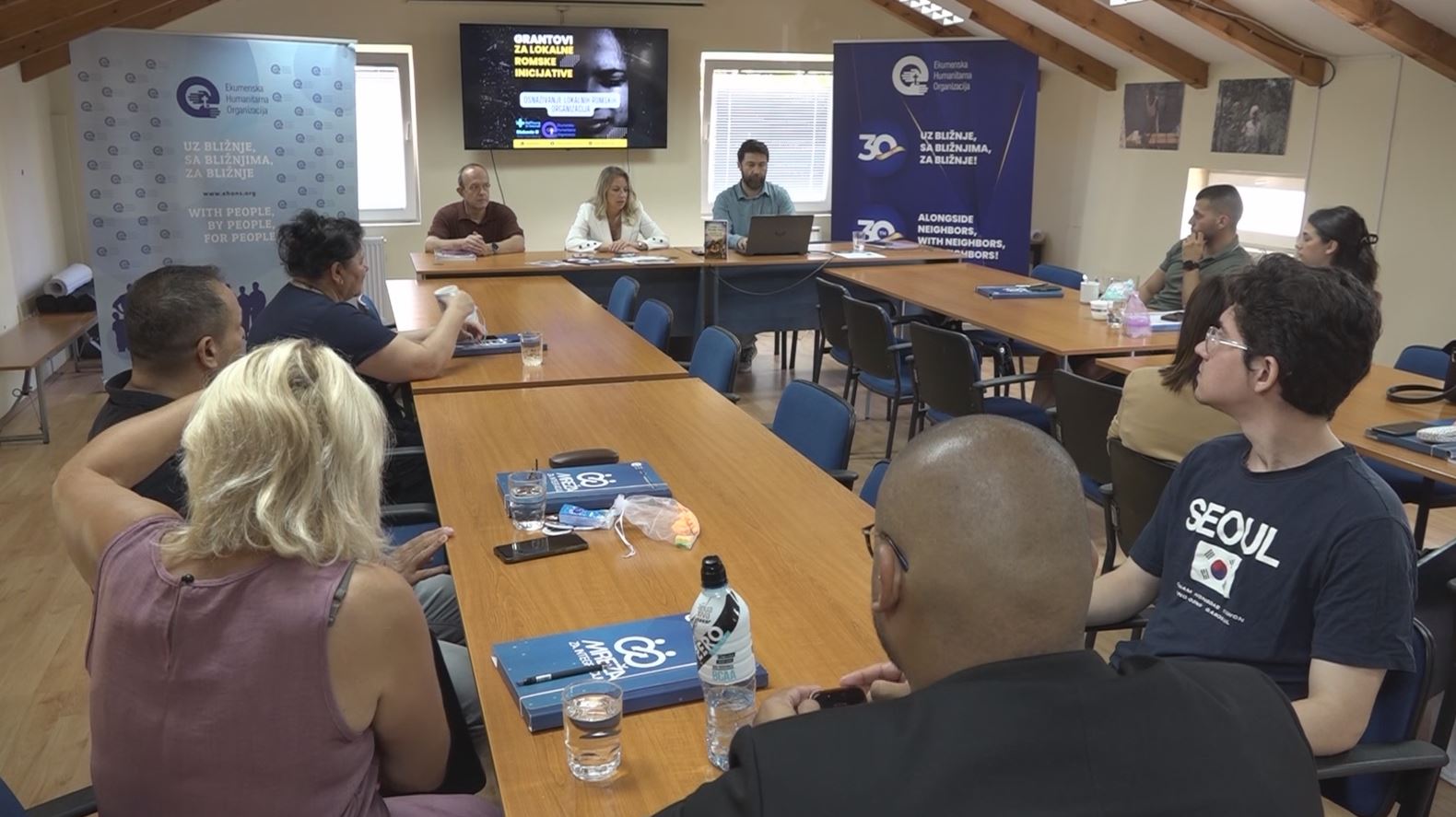
Seven local initiatives in 2026 demonstrated how Roma organizations can empower their communities through education, cultural preservation, and women’s empowerment.

The results of the project “Empowering Local Roma Organizations” were presented at a press conference by the Ecumenical Humanitarian Organization, highlighting activities from various cities.

Initiatives included workshops on traditional Roma cuisine and projects aimed at preventing violence and discrimination, showcasing the importance of collaboration in strengthening Roma communities.

Digital Safety

Published by:

Digital Safety

The #BezpečnáSieť (#SafeNetwork) project aims to strengthen digital safety among young Roma. It is being implemented by the Divé maky civic association. The project addresses risks such as online abuse, cyber-grooming, sexting, loss of privacy, and other threats young people may face in the online environment.

Slovak Evaluation

Published by:

Slovak Evaluation

The Slovak government has approved the second phase of a national project aimed at monitoring and evaluating inclusive policies for the Roma population, particularly marginalized communities.

The project will enhance existing monitoring systems with new analytical tools, big data analysis, and public opinion surveys, with a budget of nearly 5.7 million euros funded by the European Social Fund.

Key objectives include providing relevant data for policy evaluation and ensuring continuous monitoring of the implementation of the Roma Inclusion Strategy 2030.

Well, rather than evaluate, they should do something about it…

Ireland, Travellers and Roma

Published by:

Ireland, Travellers and Roma

The Irish government has announced an expansion of the Traveller and Roma Local Employment Initiative Pilot Scheme, aimed at improving employment opportunities for these communities in Longford.

Seetec has been selected to deliver this initiative, providing tailored support to help Traveller and Roma individuals overcome barriers to employment.

The initiative is seen as a significant step towards enhancing access to job opportunities for marginalized groups in the region.

Mahala Beats

Published by:

Mahala Beats

Mahala Beats is a collaborative project aimed at empowering young Roma in the Nadejda neighborhood of Sliven, Bulgaria, through media education and music, addressing issues of trust, representation, and resilience against misinformation.

The project includes workshops that engage participants as active producers of content, exploring local narratives and misinformation, culminating in the creation of music and video productions.

The initiative seeks to foster critical thinking and community engagement, ultimately aiming to reshape the narrative around Roma identity and representation in the public discourse.

Evaluation?

Published by:

Evaluation?

The Slovak government is launching a new phase of a program aimed at monitoring and evaluating public policies for the Roma population, particularly marginalized communities, to better address their needs.

The initiative, which follows a previous phase, emphasizes the importance of collecting and analyzing current data to assess the effectiveness of implemented measures and improve decision-making at various governmental levels.

A budget of over 5.68 million EUR has been allocated for this project, with funding from both the European Union and the Slovak state budget, aiming to enhance socio-economic integration and improve living conditions for marginalized Roma communities.

It is simpler to evaluate what has not really been done rather than doing things that matter.

NGOs in Montenegro

Published by:

NGOs in Montenegro

The NGO “Mladi Romi Podgorice” received funding for the project “One Country, Many Stories: An Intercultural Journey of Youth through Montenegro” aimed at enhancing intercultural dialogue and understanding between Roma, Egyptian, and majority youth in Montenegro.

The other article discusses the financial support of 120,000 euros provided to the NGO Elita Plus, co-founded by Astrit Hodža, the Secretary of the Ministry of Human and Minority Rights, raising concerns about potential conflicts of interest. Various projects funded by the ministry over the years are detailed, highlighting significant amounts awarded to Elita Plus, which has led to calls for an investigation into possible misuse of public office.

The NGO Network from the north of Montenegro has urged authorities to examine the circumstances surrounding the funding and the involvement of Hodža, who has been in office since June 2022.

Arakhel …

Published by:

Arakhel …

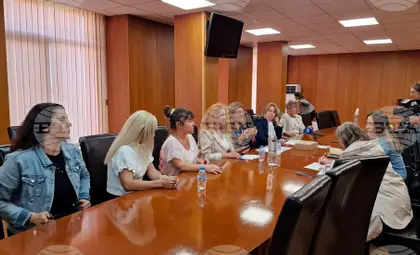
The city of Pirot has been selected as the pilot city for the regional project “Arakhel,” aimed at improving protection and support for Romani women victims of gender-based and domestic violence.

The project, led by the Bibija Romani Women’s Center in partnership with civil society organizations from Greece, North Macedonia, Romania, and Bosnia and Herzegovina, is supported by the European Union.

Key goals include establishing a specialized center for comprehensive support for Romani women facing violence and enhancing trust in institutions to encourage reporting of violence and seeking help.

Oecumenical Initiative

Published by:

Oecumenical Initiative

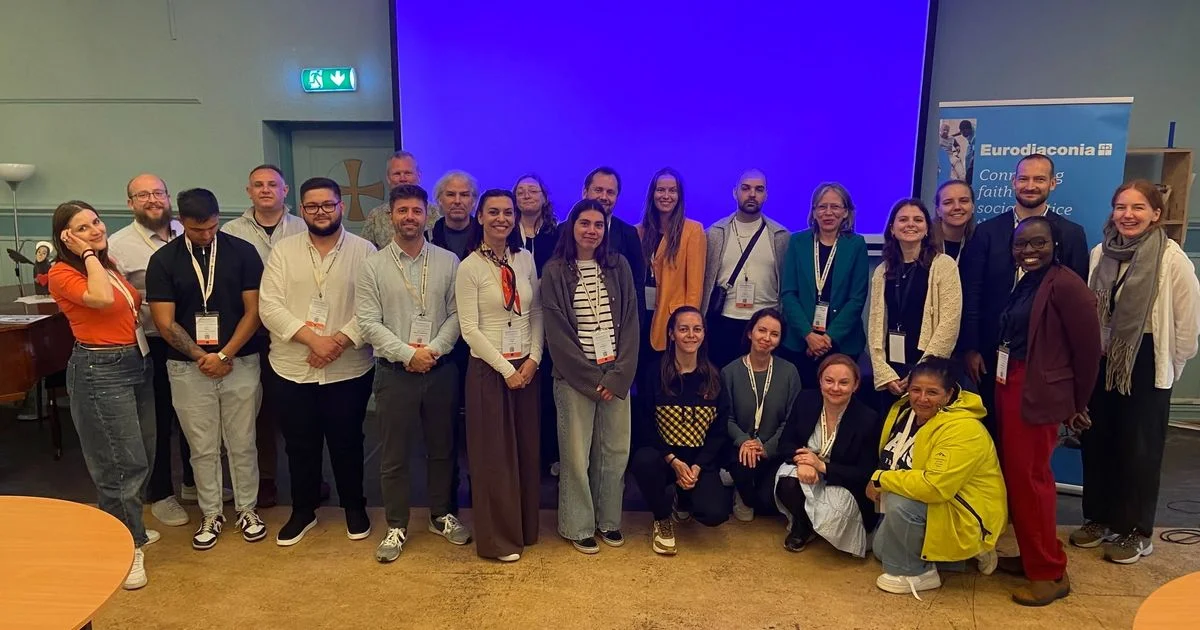
Representatives of the Ecumenical Community presented a model for social inclusion of Roma at a meeting of European networks in Oslo, focusing on combating extreme poverty.

The initiative aimed to exchange experiences and establish effective methods for fighting poverty and social isolation through concrete integration models.

The article expresses skepticism about the effectiveness of such models, suggesting they often remain theoretical and do not address the deep-rooted issues of poverty and prejudice in European societies.

Illegal Dumps

Published by:

Illegal Dumps

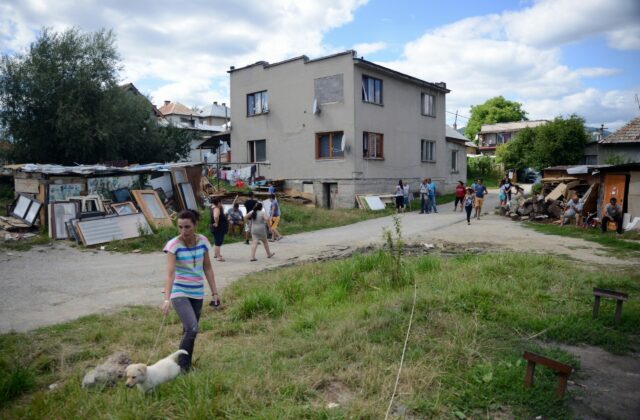
On May 20, 2026, the Office of the Government Plenipotentiary of the Slovak Republic for Roma Communities approved several significant projects aimed at improving the environment and basic infrastructure within several Slovak municipalities and cities. Total financial support reaches more than 1.7 million euros. One of the main activities is the rehabilitation of illegal waste dumps. Funds amounting to almost 750 thousand euros will be allocated to municipalities and cities such as Ulič, Lastovce, Modrý Kameň, Spišský Štiavnik, Olejníkov, Rožkovany and Žiar nad Hronom. These projects will allow the removal of waste from an area exceeding 25 thousand square meters.

Slovenia and Roma Projects

Published by:

Slovenia and Roma Projects

The Slovene government is opening 9 new multi-purpose centres for Roma in August. In addition to the 20 million, an additional 5.5 million euros will be allocated for this. This article is a violent diatribe against these projects, saying that they do nothing to prevent “Roma criminality” and are a waste of money.

Roma Project

Published by:

Roma Project

A warranted critique of a planned project in Slovakia which plans to invest 20 million euros in the Roma Media House in Banská Bystrica.

However, it is a project that has more of a marketing character than a real impact. It lacks professional anchoring, transparency, and connection to the needs of the community itself. The chosen location – Banská Bystrica – is not the natural centre of the Roma population. This choice raises legitimate doubts about whether the project serves the community or the interests of the Slovak government’s representative for Roma communities, Alexander Dašek, whose office is based in this city.

However, the fundamental problem is not only geography, but also the lack of expertise. How many Roma journalists with experience in professional editorial offices do we have in Slovakia? Who will provide direction, camera, dramaturgy, sound, editing? Who will write in such a way as to create content that has the ambition to compete with non-Roma media – strong content, factually accurate, editorially polished? Without experts, this project will be just a laugh!

rroma.org
en_GBEN