Tag Archives: Racism

Roma Gatherings

Published by:

Roma Gatherings

The presence of Roma in public spaces in Mytilene has reached an intolerable level for residents and visitors, leading to public health and safety concerns due to poor hygiene conditions.

The Mayor of Rhodes, Alexandros Koliadis, and Deputy Mayor Kostas Chalkias visited the Dodecanese Police Directorate to discuss concerns about gatherings of Roma on the island.

The municipal authorities are worried about the emergence of new unauthorized gathering places for Roma and are considering involving the Prosecutor’s Office if necessary.

Bad …

A Row

Published by:

A Row

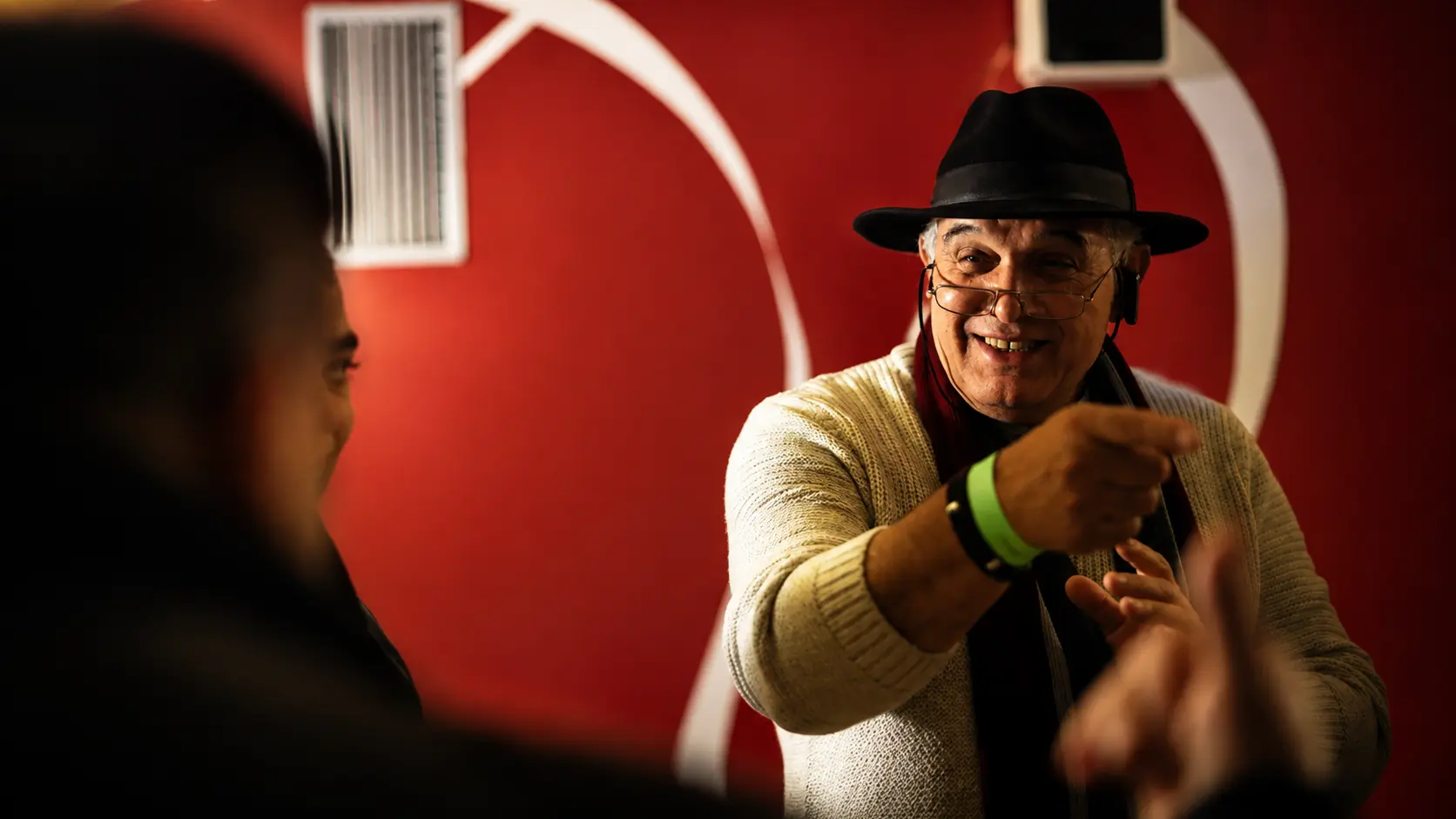
Romani singer Vasilis Paiteris, who has been politically active since 1993, is facing a lawsuit from Aphrodite Latinopoulou, president of the party “Voice of Logic,” for insulting her dignity.

The conflict satarted when Aphrodite Latinopoulou called him “gyftos” (a pejorative term for Roma in Greek). He responded  by making a provocative remark about Latinopoulou’s appearance, which led to her filing the lawsuit.

In a recent TV appearance, Paiteris expressed willingness to apologize and invited Latinopoulou for coffee to discuss reconciliation, suggesting that 700,000 Romani voters could support her if she seeks forgiveness.

Bulgaria: Racism

Published by:

Bulgaria: Racism

A recent incident at Grand Hotel Therme in Bulgaria has been described as a brutal act of racism, where a group of Roma individuals with confirmed reservations were denied entry and humiliated by hotel staff.

Human rights lawyers argue that this case exemplifies a clear violation of Bulgaria’s anti-discrimination laws, highlighting systemic discrimination against ethnic minorities.

The situation has prompted calls for international scrutiny and potential legal action against the hotel, as well as protests from Roma organizations and citizens against discriminatory practices in tourism.

No Racial Profiling?

Published by:

No Racial Profiling?

The Slovenian Advocate of the Principle of Equality has halted an investigation into alleged ethnic profiling of Roma during tax enforcement procedures, concluding that no discrimination occurred.

The investigation was initiated due to concerns about vehicle seizures in joint operations by the Financial Administration and police, examining whether Roma were treated unequally based on their ethnicity.

The Advocate found that authorities acted within legal frameworks and based on objective circumstances, with the main reason for enforcement being unpaid debts to the state, not ethnic background.

Greece and a Dead Nurse

Published by:

Greece and a Dead Nurse

A nurse died in Nafplio. According to several early reports the 55-year-old nurse collapsed while on duty at the General Hospital, reportedly due to a cardiac arrest during a tense situation involving injured Roma. The incident apparently escalated when relatives of the injured Roma reacted aggressively after being informed that no doctor was available, leading to threats against medical staff. The number of articles reporting this and accosing Roma is so long that we cannot publish it here.

Now, the story is somewhat different, highlighting a bias against Roma in the Greek press. Greek Health Minister Adonis Georgiadis clarified that the death of a nurse in Nafplio hospital was not related to violence from a Roma family, who were concerned about their unconscious child. The hospital workers’ union president stated that the nurse should not have been in the emergency department at that time, as she was not on duty.

Reaction against AfD

Published by:

Reaction against AfD

The German AfD party publicly humiliated Roma individuals in Gelsenkirchen by forcing them to clean the streets, which sparked a response from the art exhibition “Radikale Hoffnung” that addresses resistance against racism.

The exhibition features works by Roma artists, including Małgorzata Mirga-Tas, who highlights the struggles of Roma women against discrimination, and Selma Selman, who critiques societal exclusion through performance art. The exhibition emphasizes the importance of collective action and social justice, linking historical labor struggles to contemporary issues of marginalization and identity loss.

Crime in Greece

Published by:

Crime in Greece

According to this article, over 70% of criminal organizations in Greece are composed of Roma, raising concerns about crime rates. Most of these organizations are involved in burglaries, highlighting the need for targeted police actions.

Authorities are urged to investigate the underlying causes of this crime and enhance prevention efforts to restore public trust.

These are basically statements without concrete proofs, stigmatising a minority in Greece.

Greece and Roma

Published by:

Greece and Roma

The number of articles about crime and Roma in the Greek press is horrendous. Not a day passes without 5 or more articles about crimes committed by Roma in Greece.

The show “Autopsia” ‘investigates’ crime among the Roma community, revealing the realities within their settlements. Host Antonis Sroiter interviews Roma individuals about police raids, weapons, drugs, and electricity theft. The program explores the prevalence of Roma in criminal groups and their shift from theft to phone scams, alongside personal stories and police statistics.

Basically, it portrays all Roma as criminals. Bad.

Slovakia and Hate Speech

Published by:

Slovakia and Hate Speech

ECRI’s report praises Slovakia’s new National Framework to combat radicalization, focusing on hate speech online and support for Romani children in schools and healthcare.

Despite improvements, the report highlights ongoing issues such as hate speech against LGBTI individuals and Roma, and the need for better police resources and education for Romani children.

ECRI calls for stronger police structures to address hate crimes, better healthcare access for marginalized groups, and legal recognition of gender identity without unreasonable requirements.

Roma and Romanians

Published by:

Roma and Romanians

Lucian Dan Teodorovici’s novel “Pe unde înoată urechinii” explores the complex and often avoided theme of racism, particularly the problematic coexistence between ethnic Romanians and Roma in a rural community during the 1980s. The story is narrated through the eyes of an eight-year-old boy who witnesses a tragic event involving the accidental death of a Romanian child, leading to a cover-up by the local community, highlighting themes of truth, perception, and societal division. The novel presents a nuanced portrayal of childhood innocence and the harsh realities of social hierarchies, ultimately revealing the darker aspects of human nature, such as indifference and moral relativism.

Racism in Slovakia

Published by:

Racism in Slovakia

According to the European Commission against Racism and Intolerance (ECRI), which is a body of the Council of Europe (CoE), further measures are needed in the field of combating hate speech and hate crimes, in promoting equality and access to rights, as well as the integration of Roma and LGBTI communities.

Hate Speech in Serbia

Published by:

Hate Speech in Serbia

Srđan Šajn, president of the Roma Party, condemned a graffiti in Obrovac that read “Roms, be afraid,” calling it an open incitement of hate and discrimination against the Roma community. He criticized Roma officials from the ruling Serbian Progressive Party for using the incident for political propaganda instead of condemning hate speech and protecting Roma interests.

Šajn highlighted the government’s weak response to anti-Roma incidents, suggesting that the graffiti reflects a broader atmosphere of intolerance and extremism fostered by the authorities and their allies in the media.

Renting a Flat

Published by:

Renting a Flat

A Roma family in Hungary faces discrimination in the rental market, highlighting the challenges they encounter when landlords reject them based on their ethnic background.

Research shows that Roma applicants require significantly more attempts to secure viewings compared to non-Roma, and they often face higher rental prices due to perceived biases.

Despite existing anti-discrimination laws, societal attitudes remain largely negative towards Roma, with many Hungarians condoning discriminatory practices in housing.

Germany: Increased Discrimination

Published by:

Germany: Increased Discrimination

Significantly more cases of discrimination, denigration, insults, and violence against Sinti and Roma have been registered with the Reporting and Information Center for Antigypsyism (MIA) in Rhineland-Palatinate. The number rose by 41 to 100 incidents last year. However, there is a high number of unreported cases, said MIA board member Christian Kling in Mainz.

Reactions to the Roma “Thieves”

Published by:

Reactions to the Roma “Thieves”

Following the statements of the editor of the Serbian TV and paper “Informer”, Dragan J. Vučićević, who stated that trains stopped on Saturday because “Roma blockaders” stole copper cables, Roma representatives reacted.

The Democratic Union of Roma Strongly Condemns the Shameful and Offensive Statements Linking the Roma People to Crime and Copper Theft, Made in Public by Dragan J. Vučićević and Media Under His Control.

The President of the Democratic Union of Roma, Salih Saitović, stated that it is unacceptable that in the 21st century, an entire people is collectively insulted, humiliated and targeted for the sake of political showdowns and raising tensions in society.

The Roma Party has demanded an investigation into the responsibility of Informer TV editor Dragan J. Vučićević for hate speech and announced that, if no one reacts, it will internationalize the Roma issue in Serbia.

Roma “Thieves”

Published by:

Roma “Thieves”

The editor of the Serbian TV and paper “Informer”, Dragan J. Vučićević, stated that trains stopped on Saturday because “Roma blockaders” stole copper cables created a few heated reactions. Roma representatives were aghast (see our other post).

But the Serbian Information Minister Boris Bratina is defending Dragan J. Vučićević and Informer, a paper that was banned two days ago in Montenegro for promoting hate speech and denying the national identity of Montenegrins.

Austria and Roma

Published by:

Austria and Roma

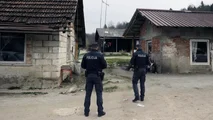
Following the statement from the police regarding travelling Roma in Austria’s Burgenland, which contained a wealth of sterotypes, there was an outcry in the press and among the Roma from the country.

This article is a reportage within this group of mostly french pentacostal Roma and comments by Roma activists. Worth reading!

Discrimination in Slovenia

Published by:

Discrimination in Slovenia

Advocate of the Principle of Equality Miha Lobnik submitted his regular annual report for 2025 to the President of the National Assembly Zoran Stevanović. The report shows that discrimination in Slovenia remains present in many areas of life, in work, access to services, healthcare, and education. Prejudices against Roma, LGBTIQ+ people, foreigners, and even religious minorities are growing.

Criminal Charges

Published by:

Criminal Charges

The Central Council of German Sinti and Roma intends to file criminal charges against the municipality of Teistungen in the Eichsfeld district. This was confirmed to this newsroom by the Council’s chairman, Romani Rose. The reason given was “deeply abhorrent and inhumane” statements in the municipality’s app.

Following an uproar surrounding a caravan camp in Ferna (Eichsfeld district), the municipality local app referred to “Gypsies” who were to be “gotten rid of.”

rroma.org
en_GBEN