Tag Archives: Representation

Representation of Roma

Published by:

Representation of Roma

André Raatzsch, a Roma minority member and researcher, emphasizes the importance of representing Roma identity and addressing discrimination through his artistic and academic work.

He highlights the historical misrepresentation of Roma in Europe and the need for a nuanced understanding of their diverse identities and contributions to society.

Raatzsch calls for improved structures and support for Roma communities in Germany and Romania to combat discrimination and promote self-representation.

Roma Representation

Published by:

Roma Representation

The article discusses the representation of Roma in Serbian cinema, highlighting four key films: “Skupljači perja,” “Ko to tamo peva,” “Dom za vešanje,” and “Crna mačka, beli mačor.”

It notes the historical significance of the first film about Roma, “Ciganska svadba Bibiji,” made in 1913, marking the beginning of transnational exchange of Roma cultural capital.

The article emphasizes the predominance of Roma musicians as characters in films, while also acknowledging the rich diversity of Roma representation in Serbian cinema, particularly through the influence of Roma music.

Serbian Minority Elections

Published by:

Serbian Minority Elections

The Republic Electoral Commission (RIK) announced the results of the elections for the national councils of minority groups held on November 8, with the Roma and Vlach minority councils winning all available mandates. The Roma national council’s list, “United Roma for United Serbia,” received 6,284 votes, while the Vlach council’s list, “United Vlachs for United Serbia,” garnered 3,527 votes.

RIK also annulled voting at five polling stations due to irregularities, with re-elections planned for the Albanian, Bunjevac, and Hungarian minority councils.

Organizations Institute for Social Inclusion and Human Rights House in Serbia called for a broader public debate and independent analysis regarding the legitimacy of newly elected national councils of minority communities after elections held on November 8. They emphasized that the elections should not merely replace one political party’s influence with another, but rather ensure that national councils operate independently and responsibly in the interest of the communities they represent.

Concerns were raised about the democratic legitimacy of the newly elected councils, citing reduced voter participation among minority communities, particularly a significant drop in votes from the Roma community.

Salih Saitović, president of the Democratic Union of Roma, expressed support for the Student List’s initiatives aimed at depoliticizing the public sector and reviewing controversial employment practices in Serbia.

He highlighted the historical marginalization of the Roma community under the Serbian Progressive Party, emphasizing the need for a fundamental change in the state’s relationship with its citizens.

Saitović called for fair job opportunities based on qualifications rather than political connections, advocating for genuine integration of Roma into society and politics.

Minority Elections

Published by:

Minority Elections

The final results from the Serbian Republic Electoral Commission show that the list “United Roma for a United Serbia – Dejan Vlajković” won all 35 mandates with 6,284 votes, representing only 10.31% of the registered Roma voters.

The Democratic Union of Roma (DUR) has called for the annulment of the elections, claiming they were not conducted fairly and requested an investigation into irregularities. The Union of Roma of Serbia did not participate in the elections, alleging that the only list was composed of officials from the former ruling party, the SNS.

Roma Representation

Published by:

Roma Representation

The initiative “Vstani Romski Otrok” demands changes to the law governing the representation of the Roma community in Slovenia, advocating for direct elections of their representative at the national level.

They criticize the current representation system, particularly the role of Jožef Muc, arguing that no one can claim to represent all Roma without a democratic mandate.

The initiative outlines four key demands for reform, including direct elections, a four-year term for representatives, individual mandates, and the right for the Roma community to choose their representative.

“XVth World Roma Congress”

Published by:

“XVth World Roma Congress”

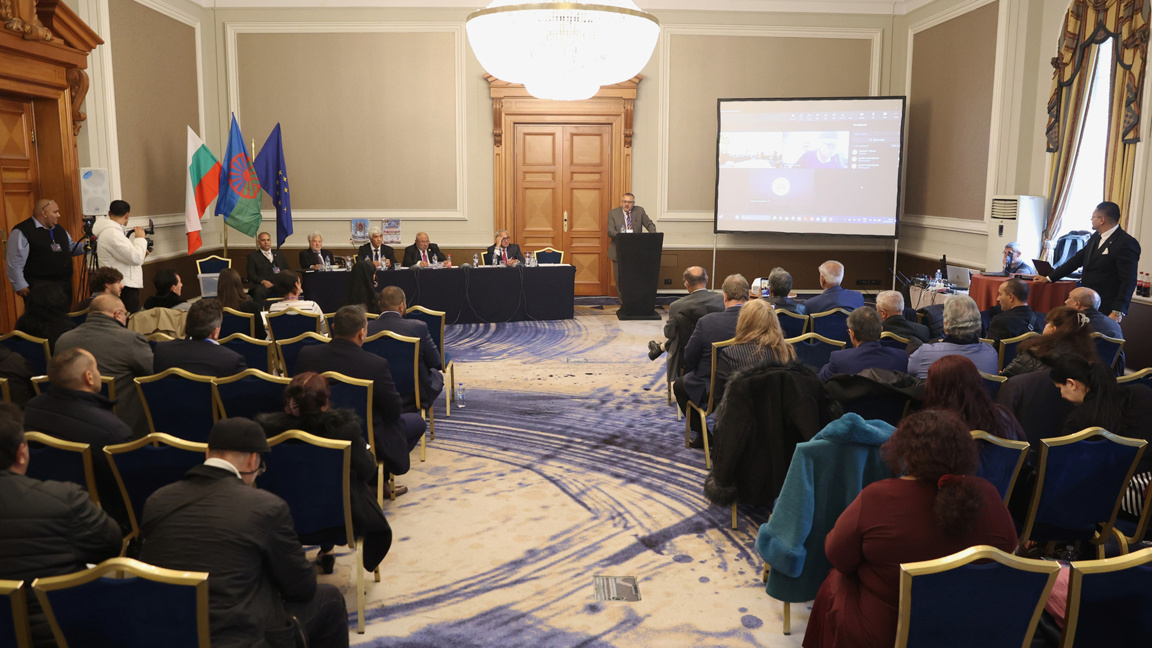
The 15th International Romani Congress is taking place in Sofia, Bulgaria, from October 29 to 31, with representatives from around 25 countries, including Turkey, the UK, and the US.

Toma Mladenov, president of the organizing association O’GI E ROMENGO, emphasized unity among the Romani community, which numbers approximately 14 million worldwide.

The congress focuses on advocating for the rights and development opportunities of the Romani community, particularly in education and healthcare access, while stressing the importance of their own voices being heard.

None of the traditional Romani politics movements such as the Internatiuonal Romani Union are participating.

Representation

Published by:

Representation

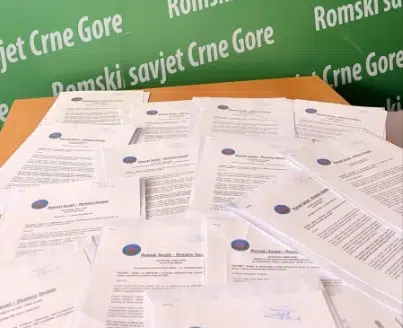
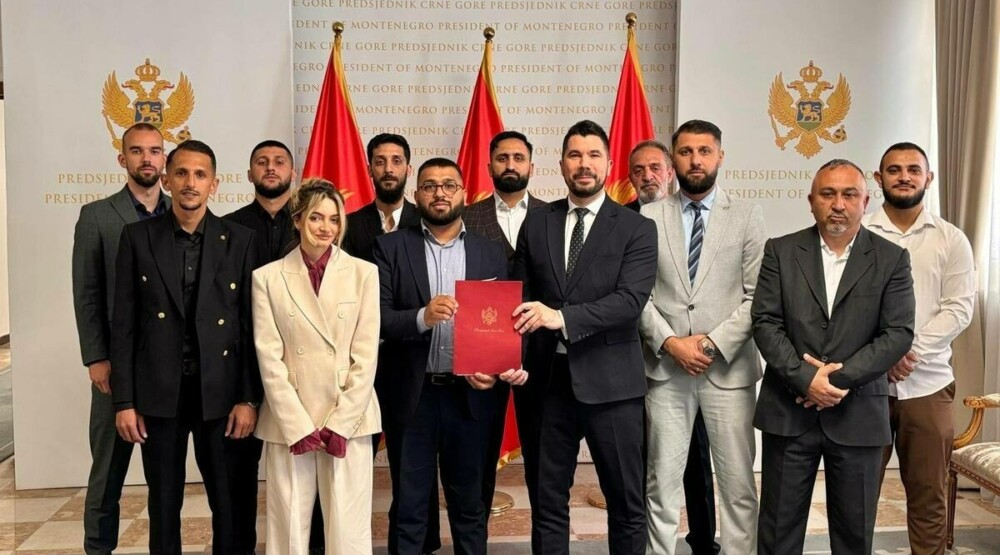
The Roma Council of Montenegro has initiated a proposal for legal measures to ensure direct political representation of Roma in the Montenegrin parliament.

They suggest implementing a special affirmative action model that includes one parliamentary mandate with a low electoral threshold of 0.35% of valid votes.

The Roma community, despite constitutional guarantees, currently lacks direct representation in parliament, and the Council urges legislative bodies to address this issue before the next parliamentary elections.

Whether this is the right approach can definitively be discuyssed. A few lone Roma PMs will not change anything.

Congress

Published by:

Congress

The Union of Roma Party (P.U.R.) is holding its first congress on October 23, 2026, to elect its leadership and represent the interests of Romanian citizens of Roma ethnicity.

P.U.R. was established in June 2025 and aims to ensure that Roma citizens are represented by Roma themselves in political matters, rather than being subjects of public policies designed without their input.

The party operates within the constitutional framework of Romania and the values of the European Union, advocating for equal opportunities in education, employment, and health for the Roma community.

Roma in Serbia

Published by:

Roma in Serbia

Nevenka Vasić from the Democratic Union of Roma (DUR) stated that Roma in Serbia should no longer be treated as political targets during elections with empty promises and cheap packages.

She emphasized the long-standing systemic economic and social neglect of the Roma community, calling for permanent jobs, quality education, and real equality instead of temporary promises.

According to the 2022 census, there are 131,936 declared Roma in Serbia, but estimates suggest the actual number could be between 400,000 to 500,000, highlighting the need for the community to be recognized beyond just social assistance.

Montenegro and Representation

Published by:

Montenegro and Representation

The Council of Youth Initiatives in Montenegro urges authorities to prioritize authentic political representation for the Roma community in electoral reforms, aiming for a representative in the Montenegrin Assembly.

The EU’s annual report highlights the vulnerable status of Roma and Egyptians in Montenegro, who face discrimination and hate crimes.

The Council emphasizes that authentic representation would enhance political participation and trust in institutions, and they propose a legal mechanism to ensure this representation based on electoral success.

Hungary and Roma

Published by:

Hungary and Roma

Under the new leadership of Prime Minister Peter Mađar, Hungary is taking significant steps to address discrimination against the Roma community, marking a historic moment in the country’s political landscape.

The new government includes four Roma parliament members, with Krištijan Kesegi becoming the first Roma vice president, signaling a shift towards greater representation.

Despite the positive gestures, Roma leaders remain cautious and are waiting to see if these symbolic changes will lead to real policy reforms and improvements in their socio-economic conditions.

However, Aba-Horváth István, a Roma minority spokesperson in Hungary, expresses disappointment over the loss of prestige in parliamentary representation for the Roma community, feeling they missed a historic opportunity for a genuine voice in parliament.

He criticizes the lack of cooperation from Debrecen representatives and the prevailing divisive political culture, which he believes undermines collaboration and community building.

Montenegro and Roma Representation

Published by:

Montenegro and Roma Representation

The Montenegrin Roma Council is asking for electoral reform in Montenegro to guarantee the representation of Roma in the parliament. The article here is very critical of this, stating that the Roma Council is acting as a satellite of the Democratic Socialist Party (DPS).

In any case, reserved seats fro minorities are not a solution.

Representation

Published by:

Representation

From March 6 to 29, 2026, BLECH, Kunstraum Halle e.V., will present the exhibition “In Search of Eldorado – Roma and Sinti in the Struggle for Representation.” It will feature photographs by the artist Nihad Nino Pušija, who has been photographically exploring the lives of members of the Roma community for more than 30 years.

Sinti and Roma are considered one of the most marginalized population groups in Europe. Their public perception is still often shaped by stereotypical imagery. According to the organizers, there is a continued lack of spaces for self-determined cultural representation and nuanced visibility. Pušija’s photographic work aims to foster a more complex and self-determined perspective on Sinti and Roma.

rroma.org
en_GBEN