Tag Archives: Romanes

Romanes in Romania

Published by:

Romanes in Romania

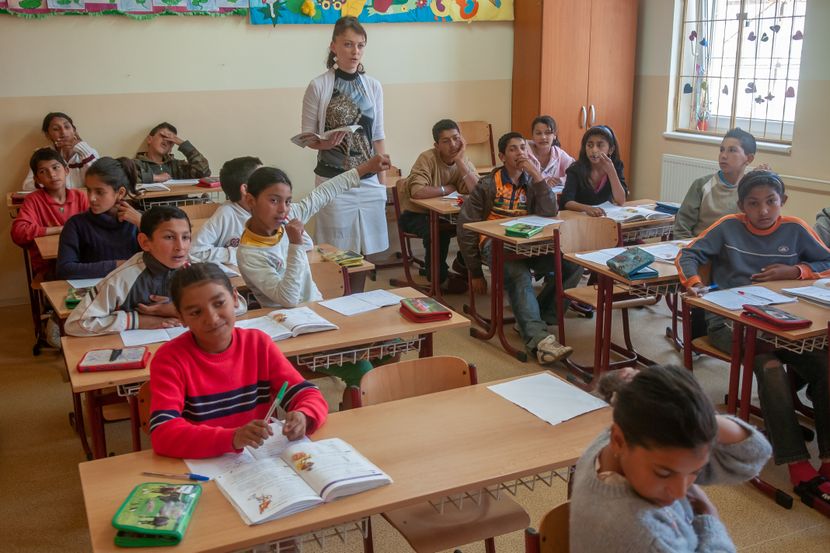
In Cluj County, the Romanes is taught in various educational institutions, both urban and rural, with over 5,000 students identified as Roma in the educational system. The teaching is supported by 7 Romani language teachers and 26 school mediators, aiming to reduce school dropout rates in the Roma community. The National Day of the Romani Language is celebrated on June 16, emphasizing the importance of protecting and promoting the language and cultural identity of the Roma community in Romania.

Milena Hübschmanova

Published by:

Milena Hübschmanova

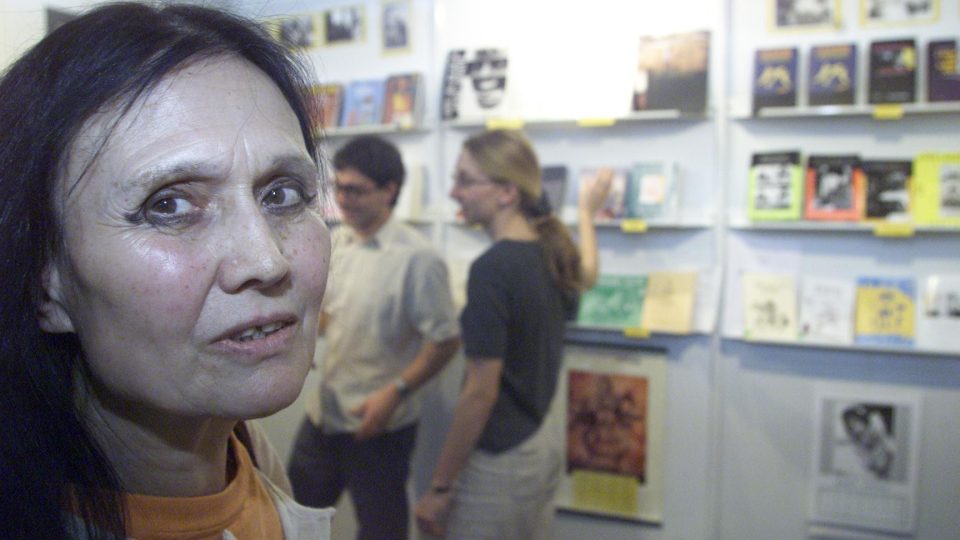
An article in the Slovak press about Milena Hübschmannová, born on June 10, 1933. She significantly influenced the lives of several generations of Roma, instilling pride in their identity and leaving a lasting impact on Czech and global culture.

She began working with Roma communities in the 1950s, encouraging written expression and supporting Roma literature through editing, translating, and publishing efforts.

Hübschmannová was instrumental in establishing Romani studies at Charles University in Prague, elevating the Romani language and culture to an academic discipline and fostering close relationships with Roma personalities.

Romanes in Slovenia

Published by:

Romanes in Slovenia

One of the long-standing representatives of the Romani community is Slobodan Nežirović from Šaleška dolina. He pays special attention to the preservation of the Romani language, culture, and tradition, and the inclusion of Roma in education, employment, and public life. He is also the author and editor of several publications in the field of the Romani language, poetry, fairy tales, and folk traditions.

Czechia: Award

Published by:

Czechia: Award

Milan Bindatsch is this year’s winner of the Milena Hübschmannová Award for Contribution to Romani Language, which is awarded by the Department of Romani Studies of the Faculty of Arts, Charles University on the occasion of International Romani Day. He works as a teaching assistant at the Ibsenova Elementary School in Ostrava, where, in addition to his regular teaching work, he also focuses on developing the language skills of Romani children.

Romanes in Serbia

Published by:

Romanes in Serbia

Teaching Romanes with cultural elements is one of the key mechanisms for preserving the identity of the Roma community in Serbia, but also an important instrument for strengthening intercultural dialogue and tolerance in modern society. Through the educational system, this subject goes beyond the framework of mere language acquisition and becomes a space in which students develop awareness of their own origins, history and cultural heritage.

Romanes and Schools

Published by:

Romanes and Schools

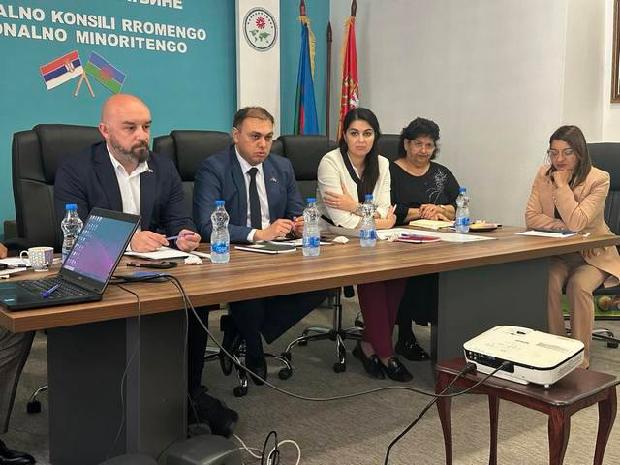
A discussion was held in Belgrade about improving Romani language teaching, with a special focus on the position of teachers, greater student coverage and the need to introduce long-term, systemic solutions into the Serbian education system.

Romanes in Czechia

Published by:

Romanes in Czechia

According to estimates, there are about a quarter of a million Romani people living in the Czech Republic, but only a portion of them speak Romani. About a third of the youngest generation speaks the language. Romani scholar Marie Podlahová Bořkovcová is trying to reverse this trend not only through teaching, but also through competitions, workshops and literature. “There are also those who are ashamed of speaking Romanes, because being a Rom among children today is not easy,” she says in an interview.

Romanes

Published by:

Romanes

How to strengthen the Romani language among young people? The guest of the show is Luan Coco, manager of the Centre for Education of Roma and Ethnic Communities, who talks about how to preserve the Romani language, encourage young people to use it and why it is important for it to remain a living part of everyday life and the community.

Romani Language and Culture

Published by:

Romani Language and Culture

The second edition of the “Romani Language and Culture” course will begin on March 4th at Sapienza University of Rome. The course aims to offer a comprehensive overview of the language, traditions, and history of the Romani people, with a multidisciplinary approach that combines theory, practice, and critical reflection. Topics covered include Romani grammar, culture and traditions, the Samudaripen (the extermination of Roma and Sinti during Nazi-Fascism), the living conditions of Roma in Europe and Latin America, inclusion policies, the fight against discrimination and hate speech, the struggle for civil rights, and the promotion of a culture of respect and integration.

Romanes

Published by:

Romanes

Regarding the position of the Romani language and script in Serbia and the region, Salih Saitović, president of the Democratic Union of Roma, said that the Romani language is recognized almost exclusively as a spoken language, while the written form is neglected, without systemic and institutional support.

There we agree. Unfortunately, he also advocates a standardisation, which so far has not succeeded,

Milena Hübschmanova

Published by:

Milena Hübschmanova

A radio show in Serbia presenting the work of the prominent Czech linguist and ethnographer Milena Hübschmanova, a pioneer in the research of the Romani language and culture. She was among the first to lay the foundations of Romani studies in the then Czechoslovakia and one of the few who dedicated her life to the study and preservation of the Romani language, recording folk tales, songs and life testimonies of the Roma. Her work was of enormous importance for the affirmation of Romani identity and education, and her studies continue to serve as the basis for contemporary research on the Roma in Europe.

Law in Romanes

Published by:

Law in Romanes

The Hermeniculum Association is preparing the first translation of the Constitution of the Czech Republic and the Charter of Fundamental Rights and Freedoms into the Romanes. It will be created as part of the Romani version of the book Constitutional (Disorder) in Pictures, which will be published by Wolters Kluwer. The translation is intended to symbolically and practically strengthen the position of Romani in the public sphere and draw attention to the importance of not only the linguistic rights of national minorities.

Well, not sure of the purpose.

Romanes Workshop

Published by:

Romanes Workshop

A day-long series of workshops called Phen oda romanes (Say it in Romanes) took place in Prague. The aim of the project is to support the development of written Romani and to connect novice and experienced authors, journalists, translators and students of Romani studies from both the Roma and the majority society.

Phen Oda

Published by:

Phen Oda

After the successful October meeting in Třebechovice, the Phen oda romanes (Say it in Romanes) project continues with another full-day series of workshops, which will take place on November 22 in Prague. The project aims to support the development of written Romani and connect novice and experienced authors, journalists, translators and students of Romani studies from both the Roma and the majority society. The project thus offers a unique opportunity to share experiences, establish contacts and find inspiration for all those interested in contemporary Romani culture and language.

Romanes in Montenegro

Published by:

Romanes in Montenegro

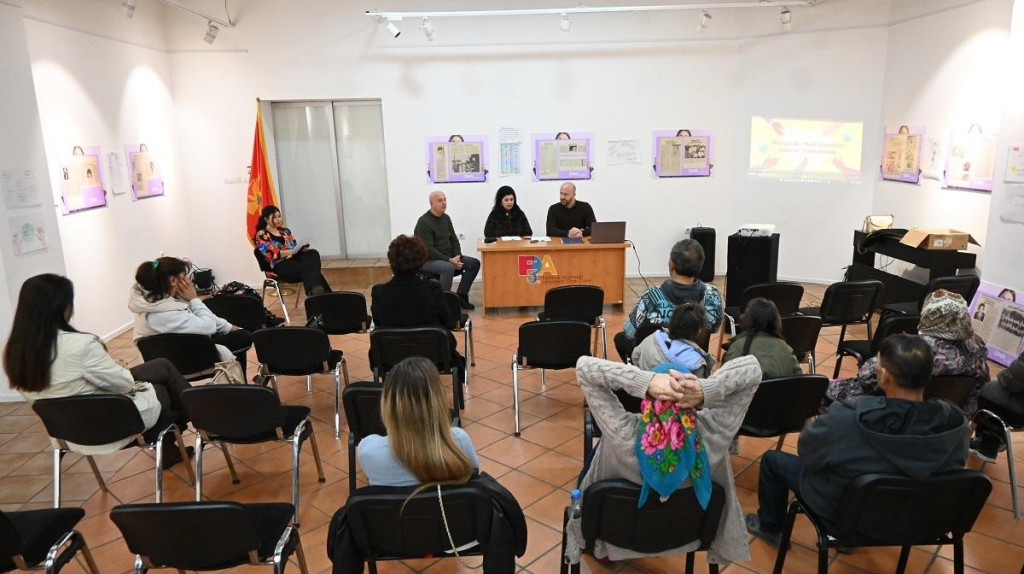
On the occasion of the International Day of the Romani Language, on November 5, a panel discussion entitled “Our Language – Our Identity” was held in the gallery of the Cultural Centre in Bijelo Polje.

On behalf of the Municipality of Bijelo Polje, Miloš Kljajević said that this panel pays tribute to the rich cultural heritage of the Roma and the power of the language that has transmitted their stories, traditions and identity for centuries. He emphasized that the Romani language is a living witness to the long and complex history of the Roma.

Romano Them

Published by:

Romano Them

The show brings the most important news from the country and the world every day in Romanes and Serbian. It deals with topics from Roma life, showing the efforts and measures that are being taken for the emancipation and integration of this, the largest European minority community.

Here, the guest is Luan Coco, director of the Centre for Education of Roma and Ethnic Communities.

Romanes in Czechia

Published by:

Romanes in Czechia

The Faculty of Arts at Charles University publicly celebrated the International Romani Language Day for the first time on November 5th this year. The event, initiated by students of Romani studies in cooperation with teachers and the Institute of Ethnology of the Academy of Sciences of the Czech Republic, offered not only expert contributions, but also a panel debate and authorial readings by Romani writers. The meeting showed that this language is not just a legacy of the past, but a living tool of communication, cultural expression and personal identity.

Romanes in North Macedonia

Published by:

Romanes in North Macedonia

On the occasion of World Romani Language Day, North Macedonian President Gordana Siljanovska-Davkova met with members of the Roma community: high school students from Skopje, media and education professionals, and poets.

Those who met reached a consensus on the need to codify the Romani language, establish a chair in Romani studies, and enable Romani students to study Romani not only in schools in Skopje but also throughout the Republic.

rroma.org
en_GBEN