Tag Archives: Segregation

Slovakia and Special Schools

Published by:

Slovakia and Special Schools

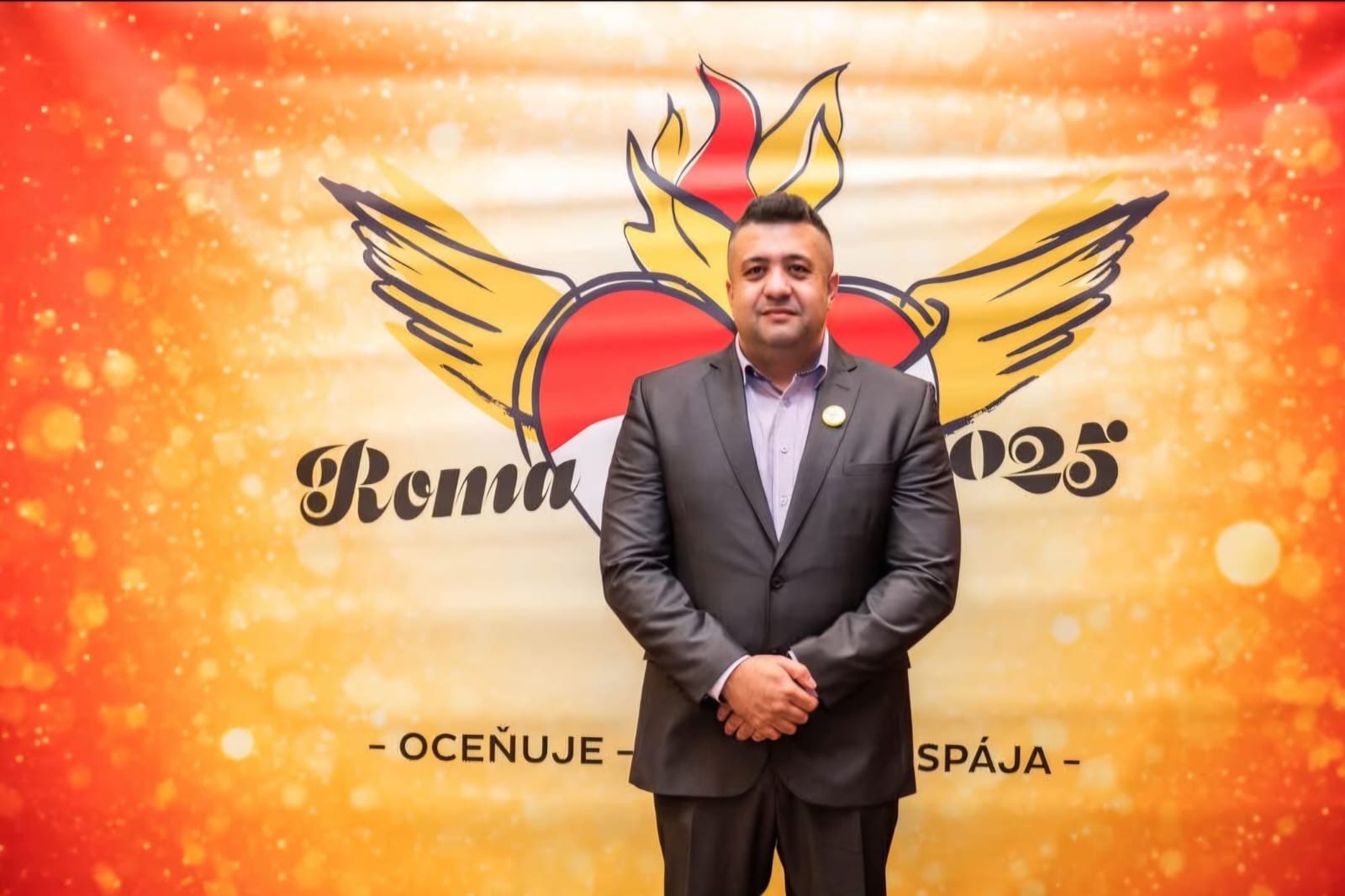
A Rom frokm Slovakia was honoured by the Association for Culture, Education and Communication (ACEC) for successfully promoting the re-diagnosis of a Roma boy from a special school, thanks to which the boy was able to continue his education at a regular elementary school in Zvolen.

Well, it says effectively a young Rom was sent to a special school for mentally disadvantaged children just because of his etnicity.

Roma Camps in Italy

Published by:

Roma Camps in Italy

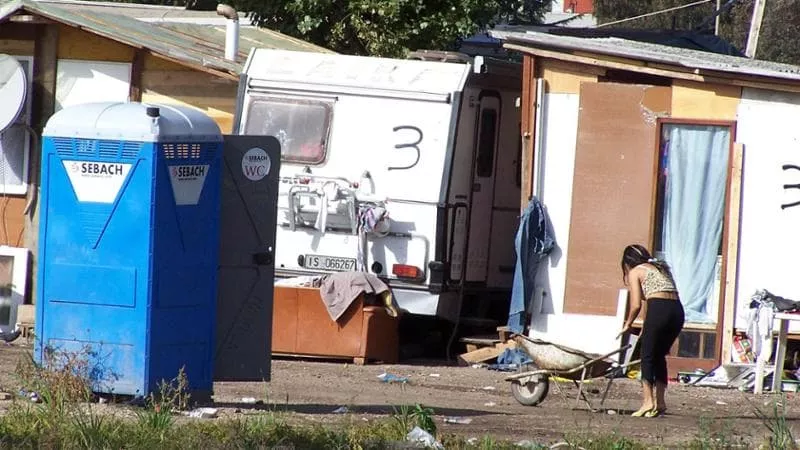
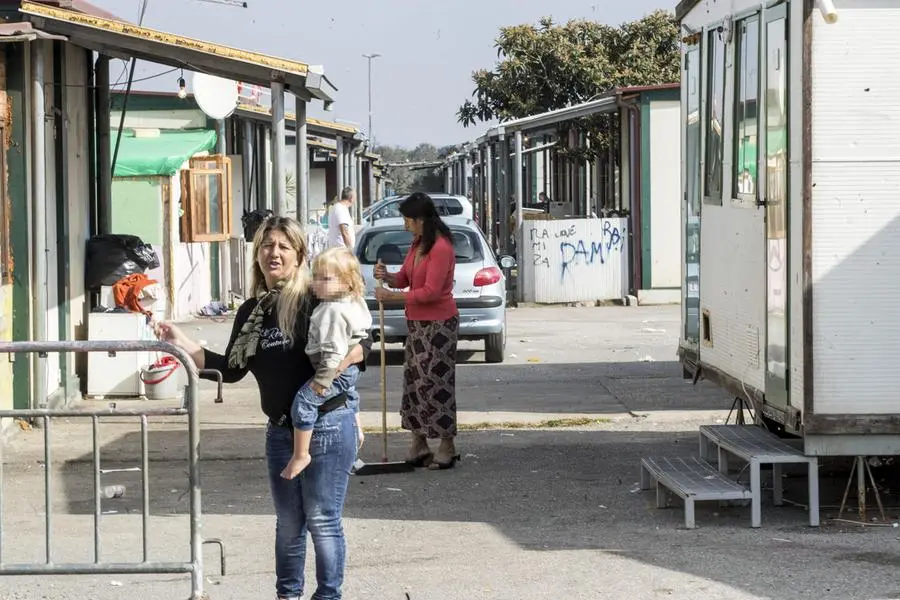
For a long time, Italy parked Roma in segregated camps that were de-facto ghettoes. Now the trend reverses, and 50 camps have been closed in the last 10 years, with 63% fewer people living in slums.

“One Hundred Camps,” the annual report on the condition of Roma and Sinti in Italy, compiled by the Associazione 21 luglio, captures the collapse of an “architecture of discrimination” used for decades to manage migration flows fleeing the Balkan wars.

Education in Slovakia

Published by:

Education in Slovakia

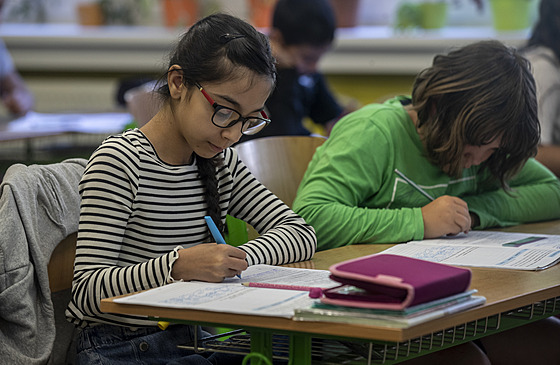
According to educator and education expert Juraj Hipš, Slovak education system has long struggled with segregation, which has not only a racial but also a social dimension. He pointed out that it is not just schools where Roma children are concentrated, but also schools where children from socially disadvantaged families, from hostels or from generational poverty are concentrated. “We have a huge problem with segregation in Slovakia.” He recalled that according to data from the Ministry of Education, there are almost 500 schools in Slovakia that are segregated or at risk of segregation.

Pavia and Roma

Published by:

Pavia and Roma

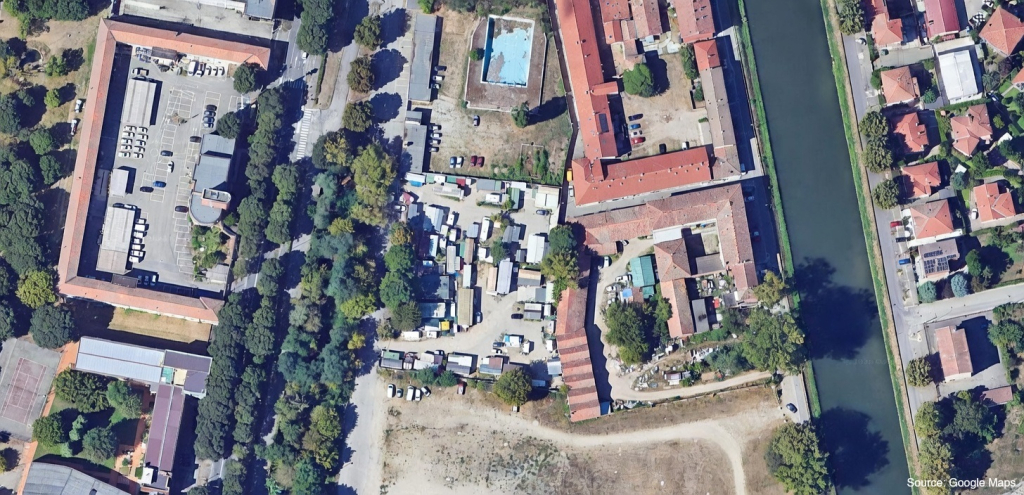
The 21 Luglio Association has criticized the city’s plan to create a new residential area in Bivio Vela to house some Sinti families currently residing in the Piazza Europa shantytown, one of the city’s historic settlements. According to Carlo Stasolla, president of the association, creating housing spaces reserved for a single ethnic community is a resurgence of an outdated model. “Monoethnic settlements,” he states, “risk turning into new ghettos and do not foster real inclusion.”

Serbian Settlements

Published by:

Serbian Settlements

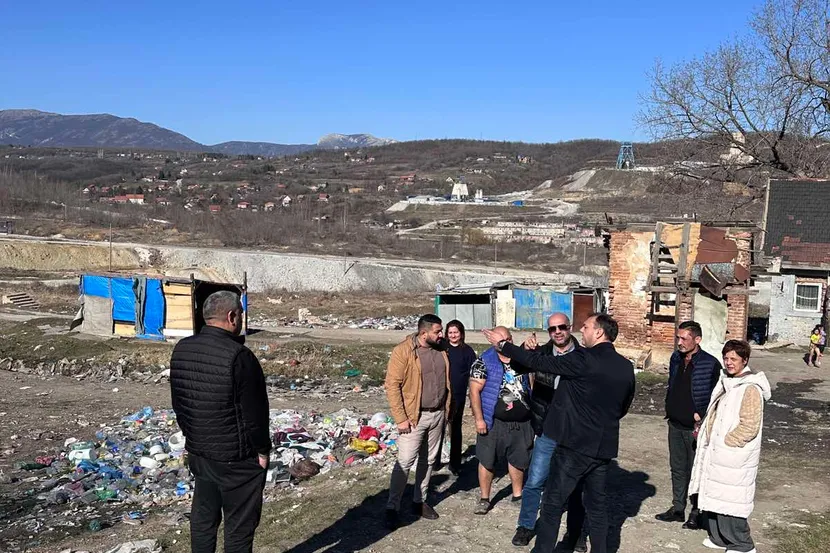
Representatives of the National Council of the Serbian Roma National Minority visited the Roma settlement “Sever” in Bor in Eastern Serbia, where about 50 families live in very difficult socio-economic conditions.

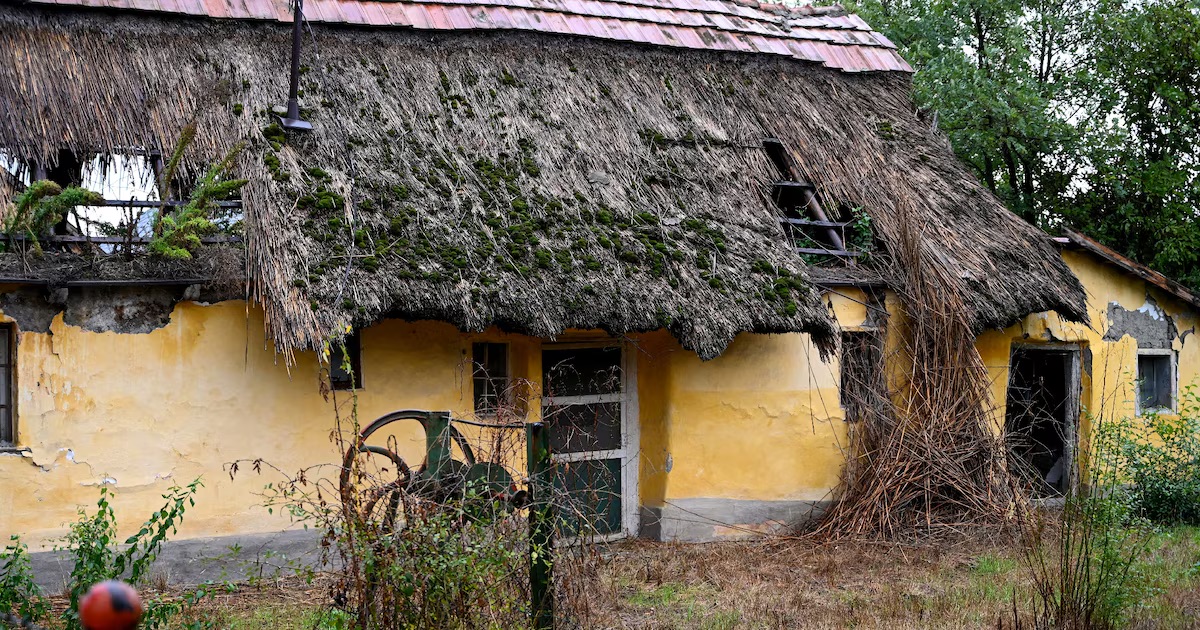
The settlements “Sever” and “Brezonik” are located in the immediate vicinity of a mine, and the residents mainly live in old and dilapidated buildings that do not meet the basic requirements for a dignified life.

Berlin and Roma

Published by:

Berlin and Roma

The “Berlin Monitor,” funded by the Berlin Senate, published its annual report for 2025 on Monday. The report focuses on the situation of minorities in Germany. NIUS presents a selection of data.

The study’s opening statement reads: “25 to 30 percent of Berliners would like to see Sinti and Roma banned from city centers and assume they are less civilized.”

Forty-two percent of those surveyed believe Sinti and Roma are themselves to blame for the discrimination they face. One in three respondents considers them “not very civilized.” Nearly half (45 percent) believe that the presence of Sinti and Roma leads to conflict.

Education and Roma in Ukraine

Published by:

Education and Roma in Ukraine

Roma are one of the most vulnerable national communities in Ukraine. Roma children experience discrimination from an early age – they are often not accepted into general kindergartens and schools, directing them to special “Roma” institutions. Such educational segregation is widespread in the Transcarpathian region. In that region, many Roma chilcren do not even go to school.

Arte: Reportage

Published by:

Arte: Reportage

In Hungary, 40% of Roma live below the poverty line. Young members of the community are particularly affected by school dropout rates. Faced with this situation, Ambedkar High School stands out as an island of resistance, exclusively accommodating Roma students. The story of this hope is first and foremost linked to one man: Tibor Derdak, the school’s headmaster.

Schools and Disadvantaged Students

Published by:

Schools and Disadvantaged Students

An article about the fact that there are gifted children among Roma … Clearly so, but not for everybody. Statistics and new studies show that there are thoughtful and bright children among them, but as a society we have great reserves in recognizing and supporting them.

“In segregated schools, talent is usually not talked about, and if it is, it is in the context of artistic or sports talent. Roma children are good at boxing, music and dance, but not at mathematics,” describes Karel Gargulák from the research company PAQ Research, how Czech society is used to thinking about certain groups of the population. “

Segregation is bad, just think of the USA …

Model Settlements

Published by:

Model Settlements

The Prime Minister’s Office has sent a letter to municipalities with Roma settlements, inviting them to propose a location that would be suitable for setting up a model model of a Roma settlement. Two locations will be selected throughout the country. What are the selection criteria and who will pay for it?

A Roma settlement in which ownership relations, infrastructure and access to public services – especially education – will be clearly regulated. This is what a model Roma settlement looks like on paper. Minister of Labor, Family, Social Affairs and Equal Opportunities Luka Mesec says that this is the next step after the adoption of the Šutar Law: “After security is ensured, it is necessary to ensure the conditions so that the Roma community and the majority population can begin to coexist differently than they have done so far.”

As he says, we already have good examples in Slovenia – for example, the Pušča settlement in Murska Sobota, where Roma live in their own houses, are employed, and their children regularly attend classes. “In Roma communities, however, the situation is the opposite. They live in illegal constructions, they have no assets or property, and because they have no assets or property, they are absolved of any responsibility,” says Mesec.Model Settlements

School Segregation

Published by:

School Segregation

The segregation of Roma pupils in Czech schools is failing to be addressed. The European Commission has repeatedly ordered the Czech Republic to deal with inequalities in education. Fines of hundreds of millions of euros are looming over the Czech Republic.

Kosovo: Renovation

Published by:

Kosovo: Renovation

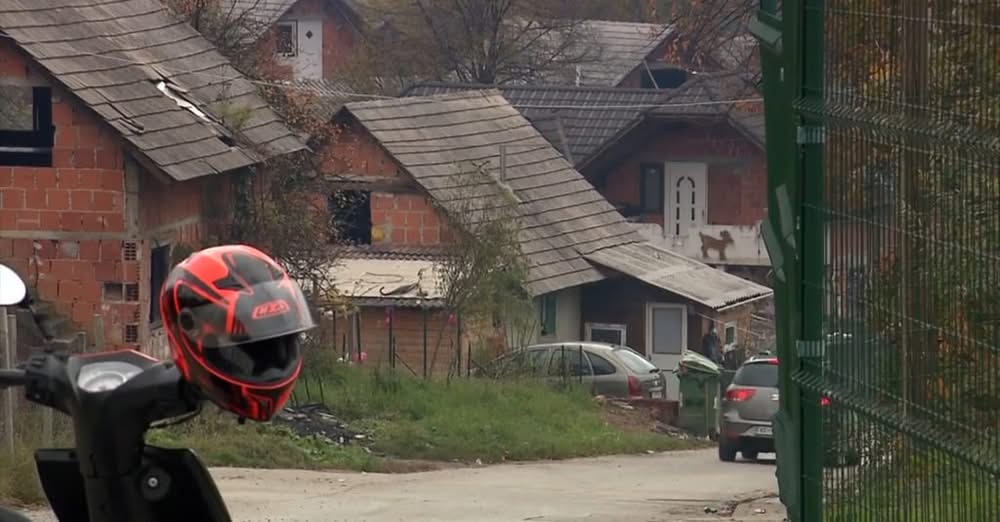
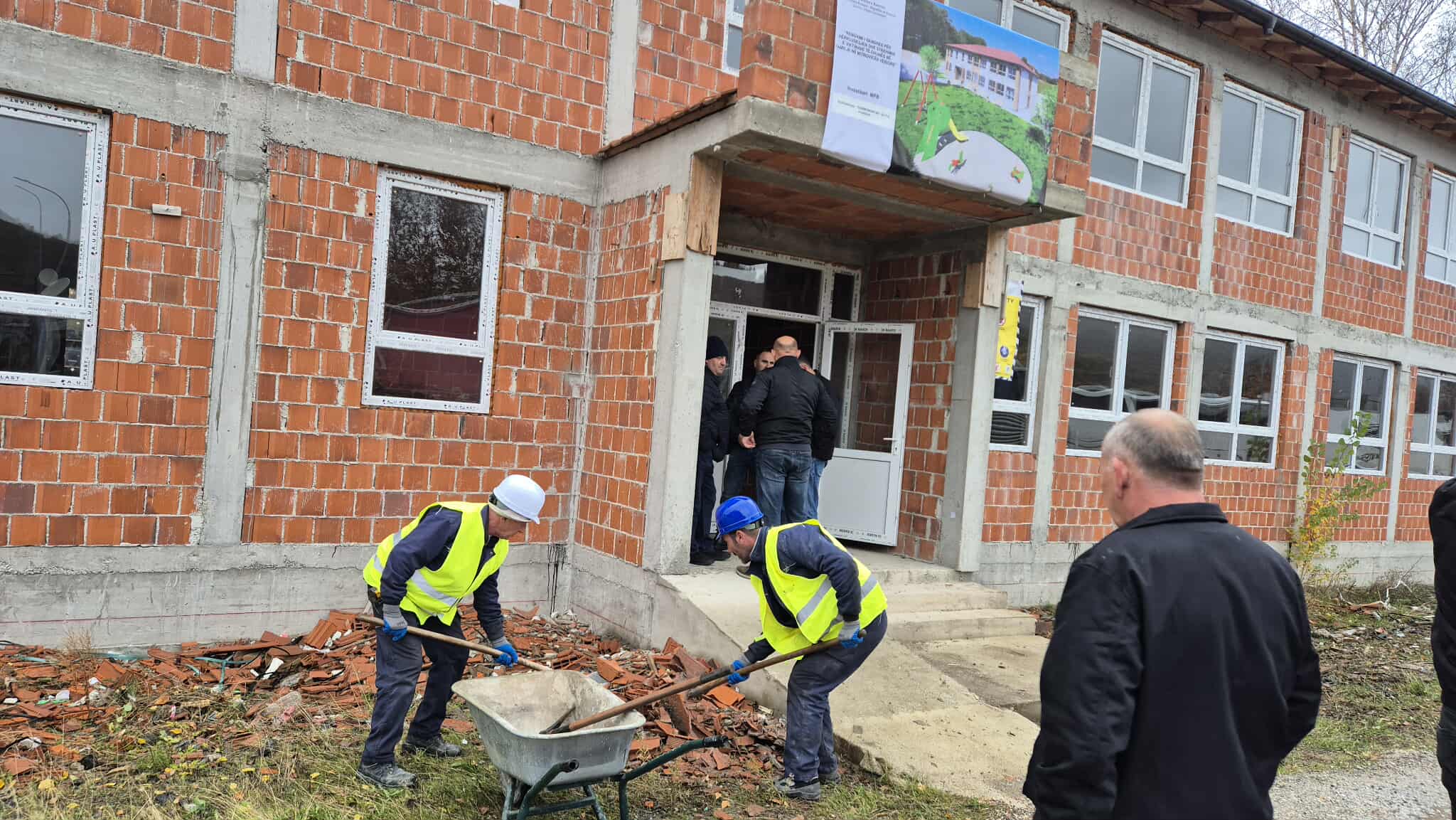
The renovation of a Roma school in Mitrovica, Kosovo that was originally funded by the Serbian funds. Now, the Kosovo government is renovating the building transforming it in a refuge for women.

Well, let’s see, but at least, a segregated school is gone.

Hungarian Segregation

Published by:

Hungarian Segregation

An article on a new Hungarian law and its application that we have already mentioned. Mezokeresztes was the first municipality in the country to implement the so-called Local Identity Preservation Act, passed by Parliament in June, which allows municipalities to screen people who settle there.

The Mezokeresztes municipality purchased houses, mostly belonging to Roma, on the grounds that they were unsanitary and demolished them.

School Segregation

Published by:

School Segregation

Roma students from Malý Slivník, Slovakia, were segregated at school according to the court. The anti-discrimination lawsuit, which has been won, has created an issue with the so-called two shift classes (one for Roma, one for others).

Serbia, Media, and Roma

Published by:

Serbia, Media, and Roma

In the past few years, there has been a worrying increase in anti-Roma narratives across the. Discrimination against Roma is now taking on new forms and intensities, especially in periods of political and economic instability. The security situation of the Roma community is not only reflected in physical vulnerability, but also in a constant sense of insecurity caused by hate speech, systemic discrimination and media stereotypes.

Roma are often discussed without Roma, and problems are solved without the participation of Roma experts, who come from the community and know the essential issues, but also the ways in which they can be solved and how to improve the life and position of the most vulnerable and poorest community. Which, despite various programs, measures and experiments, still faces institutional discrimination: difficult access to education, health services, the labour market and housing.

Hungary and Segregation

Published by:

Hungary and Segregation

The Budapest Francophone Journal met with Gábor Erőss, a 52-year-old Hungarian sociologist, researcher at the Institute of Sociology of the Center for Social Sciences (TK SzI) and former deputy mayor of Budapest’s 8th district (Józsefváros) between 2019 and 2024. A member of the Párbeszéd Green Party, he exercised his mandate with a clear priority: to combat school segregation in a long-marginalized neighborhood. Trained in France, at Paris Descartes University, then at the EHESS, Gábor Erőss reflects on the educational policies he has implemented and his vision of school as a tool for social emancipation.

Slovenia and Education

Published by:

Slovenia and Education

Today, at a press conference on pre-primary education, the Minister of Education presented a plan to introduce kindergarten from the age of three for all children, with the option to start as early as two. This step could help, but instead of truly integrating children from excluded communities, it risks separating them even more, said Progressive Slovakia MP Ingrid Kosová.

School Segregation

Published by:

School Segregation

On February 28, 2025, the European Court of Human Rights (ECHR) issued a fundamental judgment that affects the lives of thousands of Roma children in Central Europe – and especially all of us who are trying to ensure that our children have a chance at a decent education. In the case of Salay vs. Slovakia, the court ruled in favour of a young Roma man who was unfairly placed in a special school for children with mental disabilities as a child, even though there was no reason for this.

All too common still.

rroma.org
en_GBEN