Tag Archives: Settlement

Roma in Slovenia

Published by:

Roma in Slovenia

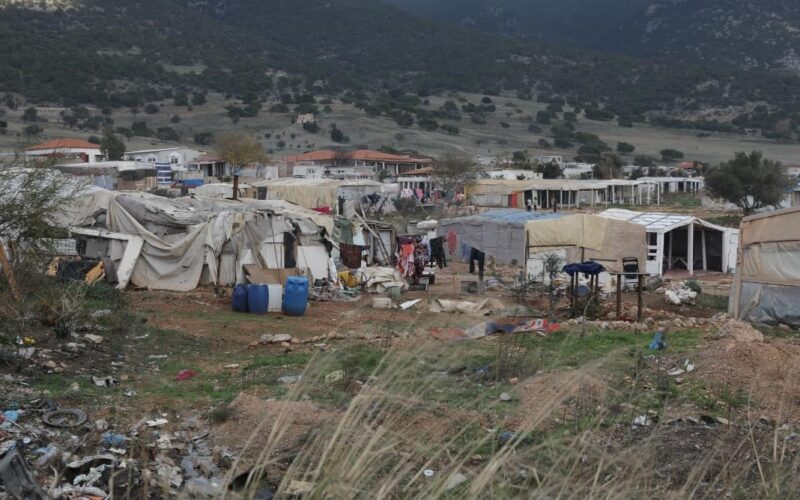
A review of land owenership in one of the largest settlements in Novo Mesto shows that the largest share of land is still owned by the state (44.1%). 13.2% of the land is owned by Roma, and 22.3% is owned by others. The municipality of Novo Mesto owns 20.4% of the land.

Why they put a picture of poor Tuskish Roma from Istanbul as a picture is somewhat strange …

Odessa and Roma

Published by:

Odessa and Roma

A former Roma neighbourhood in Odessa is being refurbished, with the creation of a large residential building xalles “Soho Quarter”. There is a catch though: the nearly 2100-square-meter plot is designated “for other historical and cultural purposes,” where residential construction is prohibited. Furthermore, the property was previously seized as part of a criminal investigation on suspicion of fraud, and the court explicitly prohibited any construction work.

Seems that the developer nevertheless got the permit … What happened to the Roma who used to live there is unclear.

Slovenia: Settlement

Published by:

Slovenia: Settlement

A settlement in Slovenia is increasing in size, and apparently, there are more and more illegal constructions built on agricultuyral land.

Žabjak was first legalized in 1984, when around 250 Roma lived there. Today, there are reportedly around a thousand of them, with more than 300 of them registered with the municipality and the social work center.

“Despite the seal due to illegal construction, they continue to build on agricultural land. “After the illegal renovation of the building, a Roma family has now poured concrete on a new slab to expand the building, despite the ban. The owners are exclusively recipients of social assistance. Who will take action? On which side will the Human Rights Ombudsman be this time?” was the view of the residents of one of the villages around Šentjernej echoed in public earlier this week.

Pavia and Roma

Published by:

Pavia and Roma

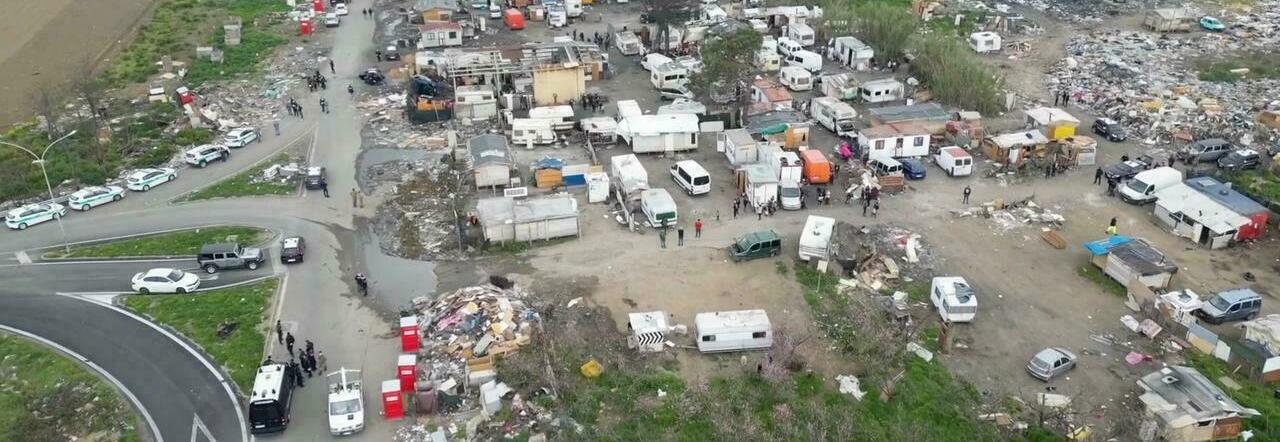
The Sinti camp in Piazzale Europa on the banks of the Ticino River, in Pavia. The settlement has existed since 1984, and 265 people live there. It needs to be moved, the problem is that no one wants it …

Slovenia and Roma Settlements

Published by:

Slovenia and Roma Settlements

Residents of Vrh pri Šentjerneju and Dobravice warn of increasingly unbearable living conditions near the Roma settlement on Trdinova cesta. Roma councillor says it’s not that bad. Residents complain of noise up till after midnight; shooting, even with semi-automatic weapons; and of speeding cars even at night. They say the police doesn’t do anything.

Croatia: Living together

Published by:

Croatia: Living together

The deputy mayor of the Pribislavec Municipality, a Rom, Rajko Kovačić, spoke out, expressing great dissatisfaction at the stop of the work in the Roma settlement aimed at preventing the illegal dumping of garbage. Ther cause of the stop seems to be tensions within the municipal council.

Croatia: Multicultural Centre

Published by:

Croatia: Multicultural Centre

The contract for building a new multicultural centre in the Sitnice settlement in Mursko Središće was signed. With the construction of the Roma Multicultural Centre, the Sitnice settlement will receive a long-awaited space that will be used for work with children, education, culture and various social activities of the Roma community, which will significantly contribute to improving the quality of life and integration.

We’re not sur this is the best help for integration.

Bulgaria: Houses Destruction

Published by:

Bulgaria: Houses Destruction

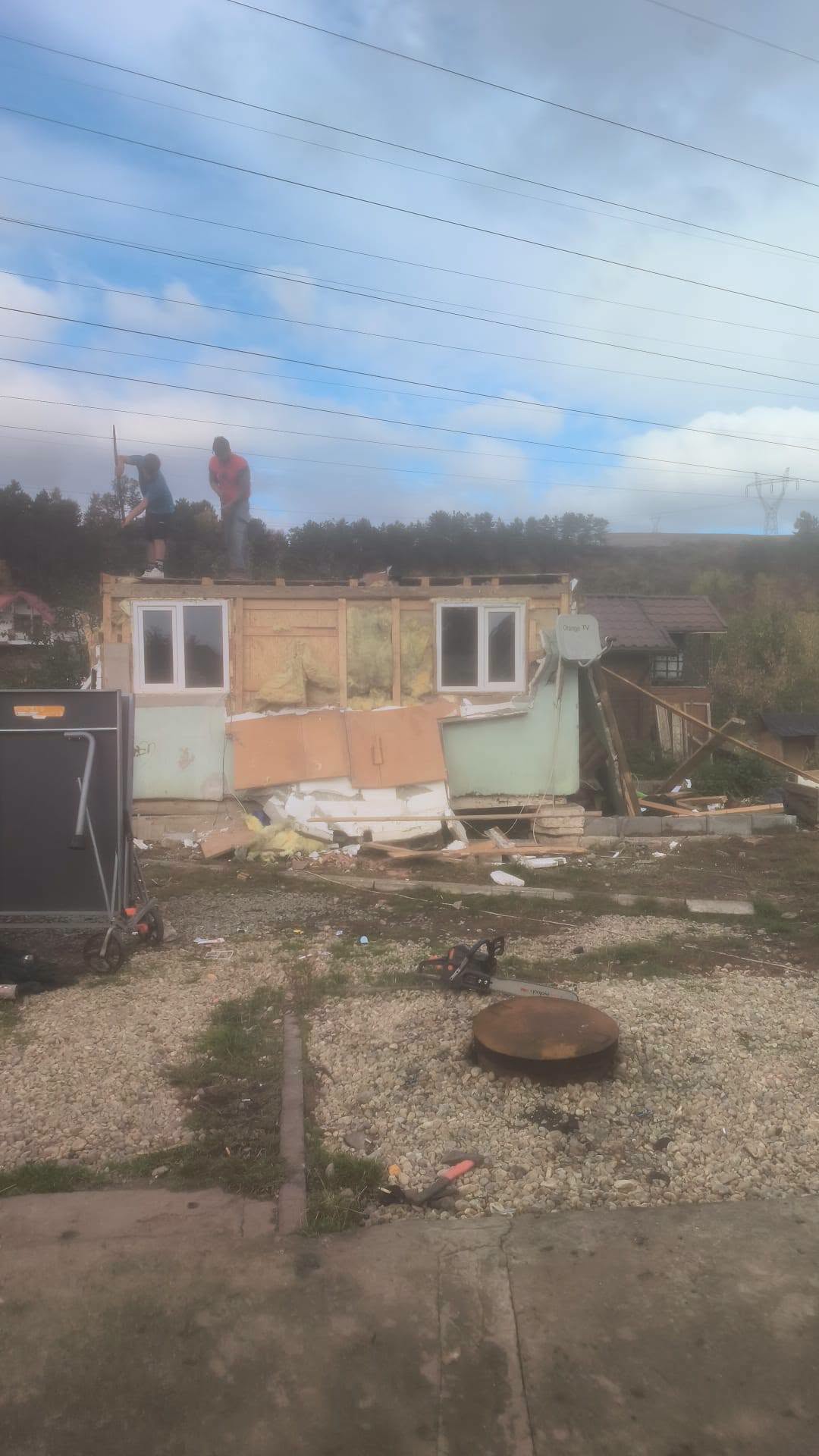
An investment decision by the Vratsa municipality is forcing some of the residents of the “Mladost” district to leave their homes. The demolition of some of the houses in the neighborhood began this morning.

Initially, four of the buildings that are no longer habitable will be destroyed. The rest are being given a grace period so that people can find new homes. New houses will be built on the site instead.

Roma families live in some of the properties being demolished by the municipality. However, people in the neighbourhood claim that the place has been an arena of tension for more than 20 years.

French Chronicle …

Published by:

French Chronicle …

Not much in France this week … A fire in a Roma camp near Nantes, in Western France; one site also in Wenstern France needs rehabilitation, as it has been too degraded; and one camp being dismantled near Paris. 

Stara Zagora: Another Article

Published by:

Stara Zagora: Another Article

An action to remove 101 illegal buildings near the Stara Zagora “Lozenets” quarter is underway. In the months before it, 14 buildings were voluntarily removed; another 30 are awaiting a court decision under an appeal procedure. A total of 450 illegal Roma buildings in and near the quarter have been removed in recent years.

Stara Zagora – Demolitions

Published by:

Stara Zagora – Demolitions

The Stara Zagora municipality in Bulgaria has started the demolition of more than a hundred “illegal” Roma houses. According to the municipality, there was no way that these houses could be regularised. A few families have apparently accepted the offers for municipal housing, but most have not.

Bad.

Jarovnice, Slovakia

Published by:

Jarovnice, Slovakia

The Atlas of Roma Communities estimates the number of Roma living in Slovakia at over 405 thousand, which is about eight percent of the population and much higher than the official last census, almost by a factor 3. Larger communities live in over 800 villages and towns.

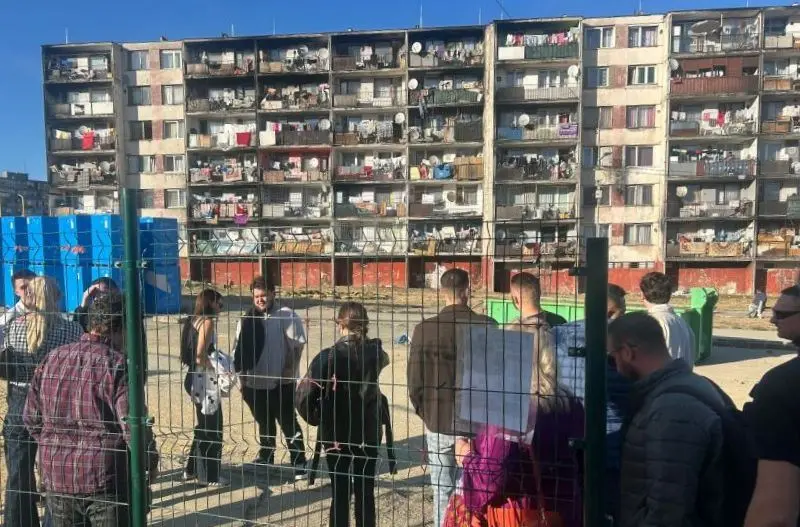
The largest Roma settlement in Slovakia is in Jarovnice in the Prešov Region. About 8,500 Roma live there, and almost a thousand of them live illegally. i.e. their houses are not legally registered.

According to the article, Roma love to live there… This can sincerely be doubted.

Jarovnice: Remember

Published by:

Jarovnice: Remember

The residents of Jarovnice, Slovakia, will never forget July 20, 1998, when six storm clouds combined and brought the most devastating flood in the last millennium. To this day, when it starts to rain, Roma from their houses by the stream run to the hill for safety.

Jaroslav Červeňák was 14 years old when the largest Roma settlement in Slovakia was flooded.

“It was hot and muggy, and then around 2 p.m. it started to rain. At first it looked like a summer shower. Then a big storm hit. Today there would be a warning, but there were no mobile phones back then. People were cooking and washing, no one was prepared for it,” recalls Mr. Červeňák, who lost his aunt and cousin that day.

Slovenia: Illegal Houses

Published by:

Slovenia: Illegal Houses

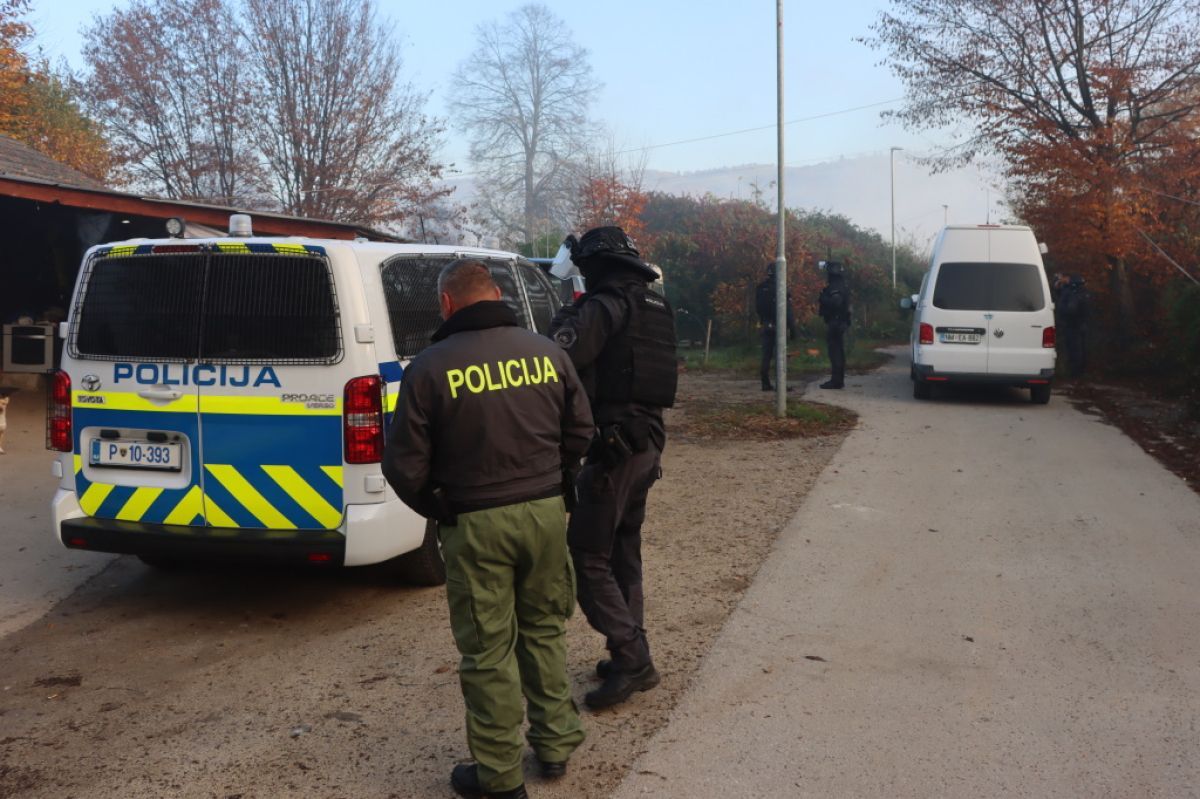
The Novo Mesto Municipality recently wanted to implement the decision of the building inspection and demolish illegal construction in the Roma settlement of Žabjak, but the police and the social work centre prevented it from doing so, Novo Mesto Mayor Gregor Macedoni revealed on TV Odmevi on Wednesday.

He also said that the state will have to decide whether we will have one legislation for everyone or not.

The police did not want to provide security during the demolition because not all legal conditions were met, and the Social Welfare Department opposed the demolition of one of the houses because a Roma family with several children lived in it and assessed that the demolition would cause additional social hardship that it would have to deal with.

Croatia: Community Centre

Published by:

Croatia: Community Centre

According to Milorad Mihanović, president of the Sitnice Local Board  “the Roma settlement of Sitnice is one of the more well-organized in Međimurje. It has electricity, water, sewage, paved roads, and even broadband internet.”

About 700 locals will soon get a Roma multicultural centre – a place for education, social events, and also for children to stay. The Roma multicultural centre, a project that aims to enrich the social and cultural life of the community, has been put “under the roof”, and the value of the first phase of construction is 566,000 EUR and the funds were obtained from the budget of the Ministry of Regional Development and European Union funds, the Council for National Minorities of the Republic of Croatia and the Roma Alliance in the Republic of Croatia “KALI SARA”. The main investor and implementer of the project is the City of Mursko Središće.

Now, apparently, there is a drive to rename the street after Veljko Kajtazi, the president of the Kali Sara organisation.

rroma.org
en_GBEN