Tag Archives: Settlements

Snow, Winter, and Schools

Published by:

Snow, Winter, and Schools

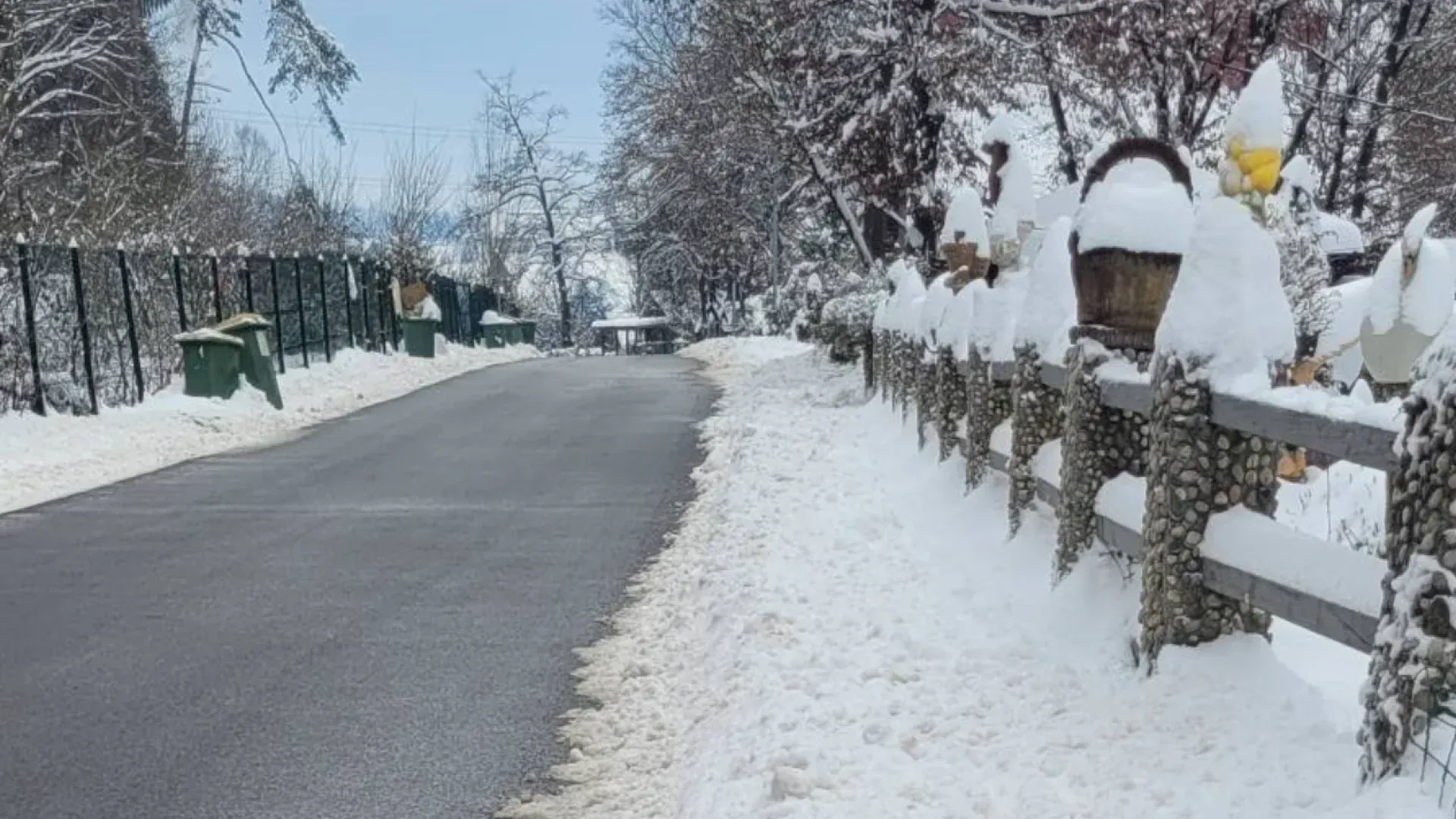
A Roma councilor from the Vejarje settlement in the Trebnje municipality in Slovenia, Matej Breznik, has publicly warned of what he says are very dangerous conditions for children who walk to the bus stop every day. As he pointed out, the sidewalks in the settlement are not maintained, nor is the bus stop properly maintained, which is why children are exposed to serious danger when walking on the road.

This situation is common in many villages and settlements throughout the region.

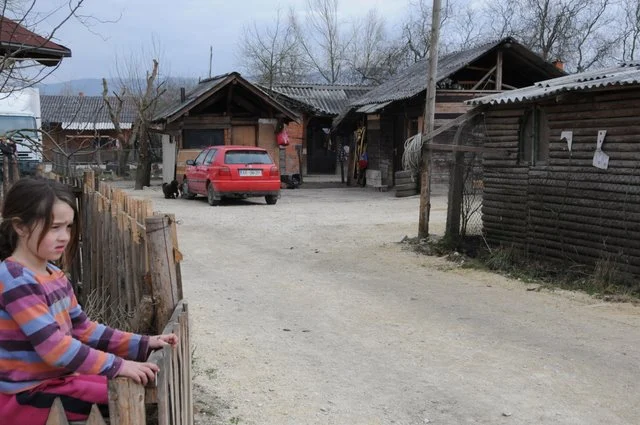
Roma Settlements

Published by:

Roma Settlements

The councillors of the Municipality of Beltinci, Slovenia, approved the regulations that will specify to whom and for what the funds to improve the situation of the Roma community will be allocated. Beneficiaries will have to have settled obligations to the kindergarten, school, utility company and municipality – both in the previous and current year. The property will have to be included in the waste collection system, and a building permit will also be required for construction.

Needless to say, this will disqualify many needy families.

Slovakia and Inclusion Strategy

Published by:

Slovakia and Inclusion Strategy

A newly established Council of the Government of the Slovak Republic for the Inclusion of Marginalized Roma Communities (MRK) is to contribute to the implementation of more effective public policies and coordination of activities of the Government Office (GO) of the Slovak Republic, the plenipotentiary of the Government of the Slovak Republic for Roma communities and other state bodies in the field of Roma inclusion. The proposal for the establishment of the body and its statute was approved by the government on Wednesday.

Let’s see what it does …

Roma Settlements

Published by:

Roma Settlements

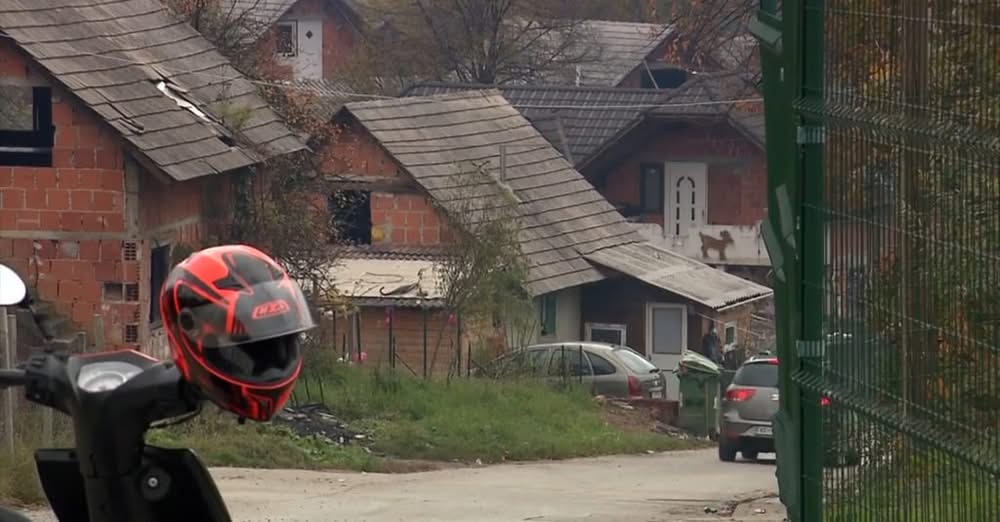
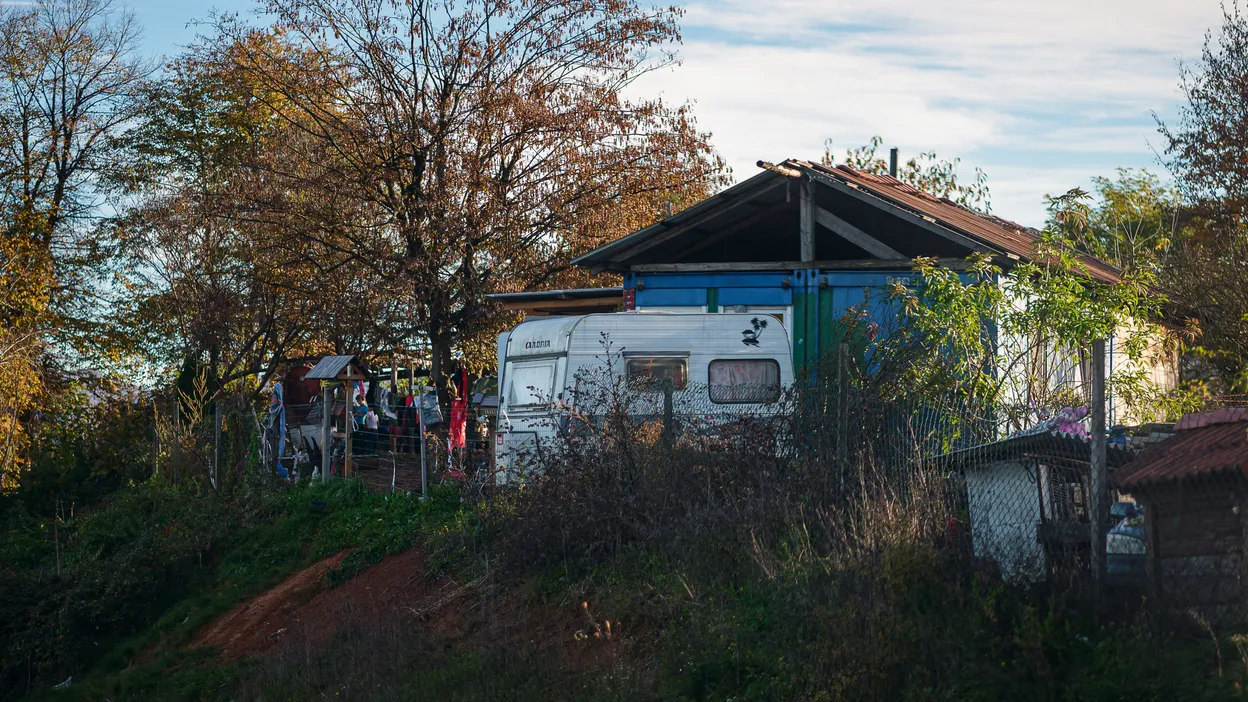
Another article about the problems around Roma settlements in Slovenia. This time it is about the municipalities of Grosuplje and Semič, and mainly in the settlements Smrekec and Sovinek. Noise, shooting, illegal fires, and similar issues.

Model Settlements

Published by:

Model Settlements

The Prime Minister’s Office has sent a letter to municipalities with Roma settlements, inviting them to propose a location that would be suitable for setting up a model model of a Roma settlement. Two locations will be selected throughout the country. What are the selection criteria and who will pay for it?

A Roma settlement in which ownership relations, infrastructure and access to public services – especially education – will be clearly regulated. This is what a model Roma settlement looks like on paper. Minister of Labor, Family, Social Affairs and Equal Opportunities Luka Mesec says that this is the next step after the adoption of the Šutar Law: “After security is ensured, it is necessary to ensure the conditions so that the Roma community and the majority population can begin to coexist differently than they have done so far.”

As he says, we already have good examples in Slovenia – for example, the Pušča settlement in Murska Sobota, where Roma live in their own houses, are employed, and their children regularly attend classes. “In Roma communities, however, the situation is the opposite. They live in illegal constructions, they have no assets or property, and because they have no assets or property, they are absolved of any responsibility,” says Mesec.Model Settlements

“Model Settlement”

Published by:

“Model Settlement”

The Slovenian Prime Minister’s Office has appealed to municipalities with Roma settlements to cooperate in establishing the first model Roma settlement in Slovenia.

The initiative follows a meeting between Prime Minister Dr. Robert Golob and representatives of associations of municipalities, urban municipalities, communities of municipalities and development centres on November 21, 2025, at which the idea of ​​creating a pilot environment was presented, in which ownership would be clearly regulated, comprehensive infrastructure would be built and access to all key public services, especially education, would be ensured.

This can also turn into a “resettlement” exercise and will anyhow continue the segregation.

Šutar Law

Published by:

Šutar Law

Three articles in French about the newly voted Šutar law in Slovenia. The Slovenian parliament passed this controversial law in the early hours of Tuesday morning. The law was adopted in a rapid succession, just twelve days after being proposed by the government. Those who voted in favour of the “Šutar Law” see it as essential measures to improve security in Slovenia. However, critics of the law denounce unconstitutional provisions and the risk of equating an entire minority with a security threat.

Greece, Police, and Roma

Published by:

Greece, Police, and Roma

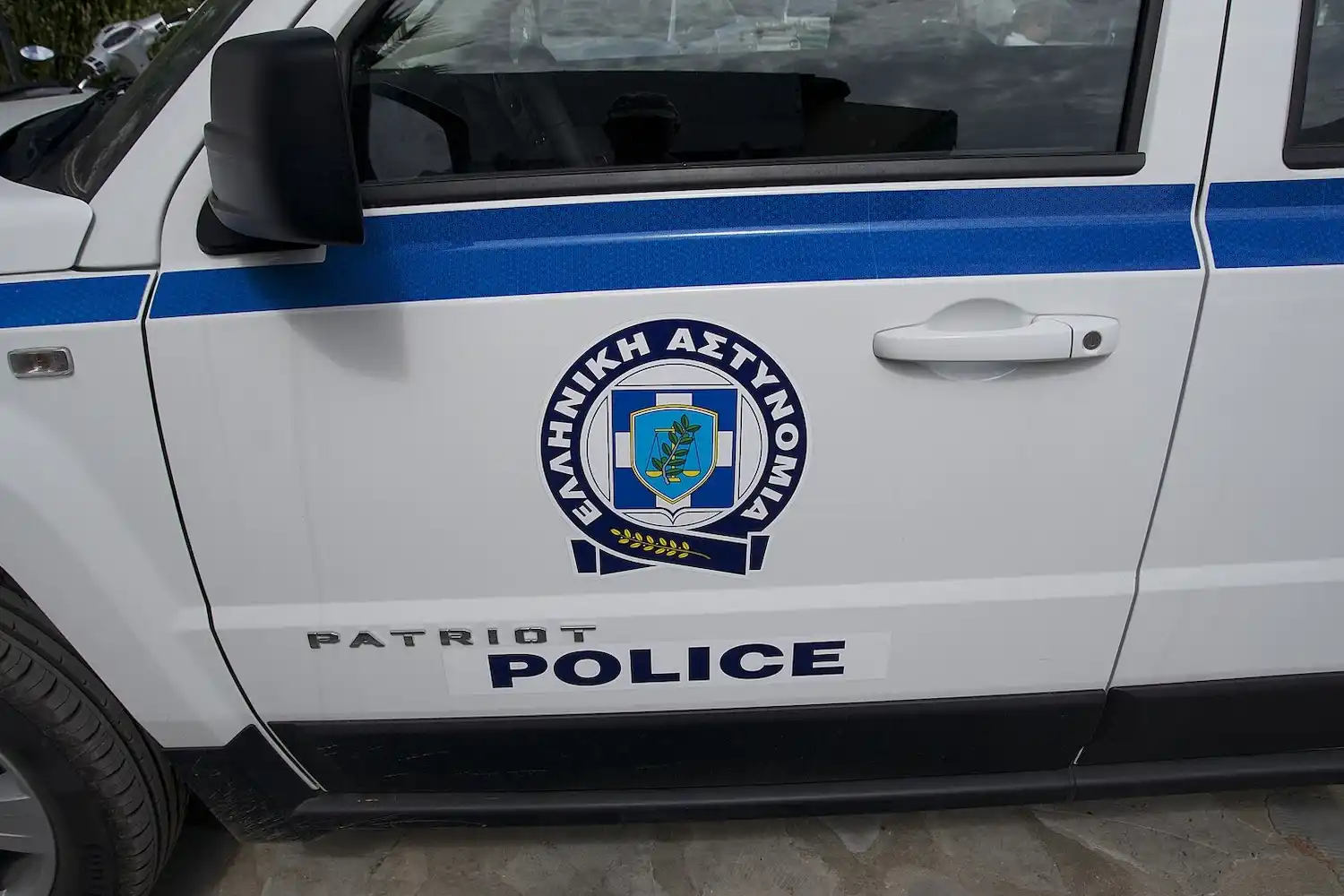
Since November 15, the government of Kyriakos Mitsotakis has deployed police officers to 152 areas inhabited by Roma across the country. These “prevention and mediation teams,” as the government calls them, are composed of 473 police officers and 50 mediators tasked with serving as a bridge between law enforcement and the Roma community. They have begun patrolling in the provinces, Thessaloniki, and Attica, and are responsible for monitoring the camps 24/7, conducting preventative checks, and informing Roma citizens about administrative procedures or directing them to social services.

In brief, a special police for Roma settlements.

Roma, Heating, and Racism

Published by:

Roma, Heating, and Racism

Pavol Ľupták, member of the Slovak parliament raised his hand to ask for space to speak at yesterday’s parliamentary committee on finance and budget, no one probably expected what the deputy would say.

“Some Gypsy steals firewood and gets support for it,” Ľupták was indignant at the committee. “I walk around a Gypsy settlement, and I see on the cart that they steal such (large) logs from the forest, living trees. Support for heating also means supporting the theft of Gypsies,” the coalition member claimed.

His comments were widely condemned, but unfortunately are also widely believed by many in that country.

Slovak Action Plan

Published by:

Slovak Action Plan

The SaS opposition party draws attention to the allegedly inefficient use of public funds within the government’s action plan to address the issue of excluded Roma communities. According to SaS MP Vladimír Ledecký, the document is expected to cost more than a billion euros, with 60 million of them going to planting trees around Roma settlements.

Slovenia: Mayors and Government

Published by:

Slovenia: Mayors and Government

The mayors of Novo Mesto, Kočevje, Ribnica and Črnomelj have harshly condemned the video of Minister of Labor Luka Mesco, which he recorded in the Roma settlement of Pušča in Prekmurje. According to them, it contains false and offensive statements. In it, the minister says, among other things, that we have mayors in Dolenjska who have been in office for 20 years, but have never even been to a Roma settlement. He holds Pušča, a model Roma settlement, up as an example regarding kindergarten attendance and employment, and says that this should be transferred to Dolenjska. The mayors demand explanations for his statements, especially which mayor he was talking about and why he has not done anything to solve the Roma problem in three years. They also invite him to Roma settlements in southeastern Slovenia, but not to film where things are functioning.

Slovenia: Mayors and Roma

Published by:

Slovenia: Mayors and Roma

The mayors of Novo Mesto, Črnomelj, Kočevje and Ribnica have once again stressed the need for increased employment of Roma before a session of the government working group for addressing Roma issues. In their assessment, work is not paying off for the majority of the Roma population due to “disincentive social legislation”.

Zaharna Fabrika

Published by:

Zaharna Fabrika

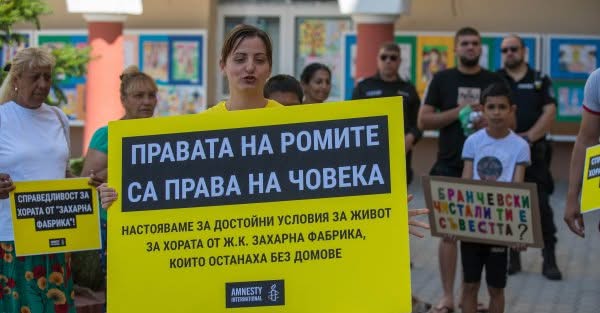
Two months after the demolition of the illegal buildings in the capital’s “Zaharna Fabrika” district, a flash mob was held in support of the evicted Roma families. The organizers of the peaceful protest demand that the Bulgarian authorities provide all those affected with suitable alternative housing, medical care and social support.

Slovak Countryside

Published by:

Slovak Countryside

Improving housing for the marginalized Roma community (MRK), the rehabilitation of illegal landfills and the education of children are topics that the mayor of Pečovská Nová Ves, Jaroslav Dujava, wants to open during Wednesday’s field meeting of the Slovak government in their municipality.

That would be a good start…

Slovakia and Settlements

Published by:

Slovakia and Settlements

A pilot project for the construction of modular houses in a Roma settlement in the town of Veľký Šariš will implement many years of experience with similar construction in the Netherlands. Well, difficult to fathom what similar constructions occurred in the Netherlands, as segregated settlements are not common there…

Alexander Daško, the Slovak plenipotentiary for Roma communities also emphasized the merit and motivational factor. “Future tenants will not get anything for free,” he declared. He explained that the condition for obtaining rental housing is participation in the construction. “The contribution will be at least 20 percent of the costs in the form of participation in the construction work.” He also pointed out that tenants will not be able to create debt on energy and water supplies, and they will also be able to reduce the set rent based on compliance with the rules. “Zero debt, compliance with compulsory school attendance of children, maintaining order, regular employment, all of this will be able to reduce the amount of rent.”

This is a total alibi exercise that builds up on stereotypes that Roma abuse the social system. The real issue are land rights, connection to municipal services (water, electricity), and of course, work.

Atlas of Roma Communities

Published by:

Atlas of Roma Communities

Data collection as part of the sociographic mapping of Roma communities will continue until the end of June. This was announced at a press conference on Tuesday by the Plenipotentiary of the Slovak Government for Roma Communities Alexander Daško and the staff of his office. The reason is the effort to integrate data from the maximum number of municipalities with a relevant presence of Roma communities into the census.

What is remarkable, is that this atlas doesn’t really coincide with the official census …

Slovenia and Integration

Published by:

Slovenia and Integration

A round table held in Slovenia on Roma integration stated that one of the key challenges is the legalisation of Roma settlements. Roma representatives, however, warn that solutions and legislation on them are often adopted without them.

Reportage in Transcarpathian Ukraine

Published by:

Reportage in Transcarpathian Ukraine

All what we said all along about the dreadful situation of Roma in Transcarpathian Ukraine in a reportage in the Swiss press. Well, their history is not quite straight, as the existence of these camps goes back to the Ungarian domination of this region and to Maria-Theresia of Austria. And there, they still call it cigánytelep [Gypsy settlement] rather than the term tabor meaning a camp.

Slovenia, Roma, and Dogs

Published by:

Slovenia, Roma, and Dogs

The Slovenian Šentjernej municipality has put up warning signs in villages with Roma because of dangerous dogs.

The sign Danger of collision – dogs without supervision has upset the villagers of Mihovica. Instead of the authorities doing their job, they are shifting the responsibility onto the drivers, they say.

Well, who’s to blame: Roma…

Planting Trees …

Published by:

Planting Trees …

Apparently, the Slovak government is planning to plant trees next to Roma settlements and will use 60 mio Euros for this purpose.

The office of the Plenipotentiary for Roma communities explained that the alleged “planting of trees” is in fact an important multi-departmental project called Revitalization of the area near the settlements of marginalized Roma communities (MRK) through the employment of disadvantaged and endangered groups. The first main activity of this project is the Revitalization of neglected and polluted areas in urban and suburban areas of municipalities with the presence of Roma settlements. The aim is to remove illegally placed municipal waste in protected landscape areas near settlements, in connection with the employment of disadvantaged and endangered groups. The second main activity is the Support of forest cultivation and protection in areas near settlements in connection with the social integration of Roma through their employment in forestry.

rroma.org
en_GBEN