Tag Archives: Settlements

Roma in Greece

Published by:

Roma in Greece

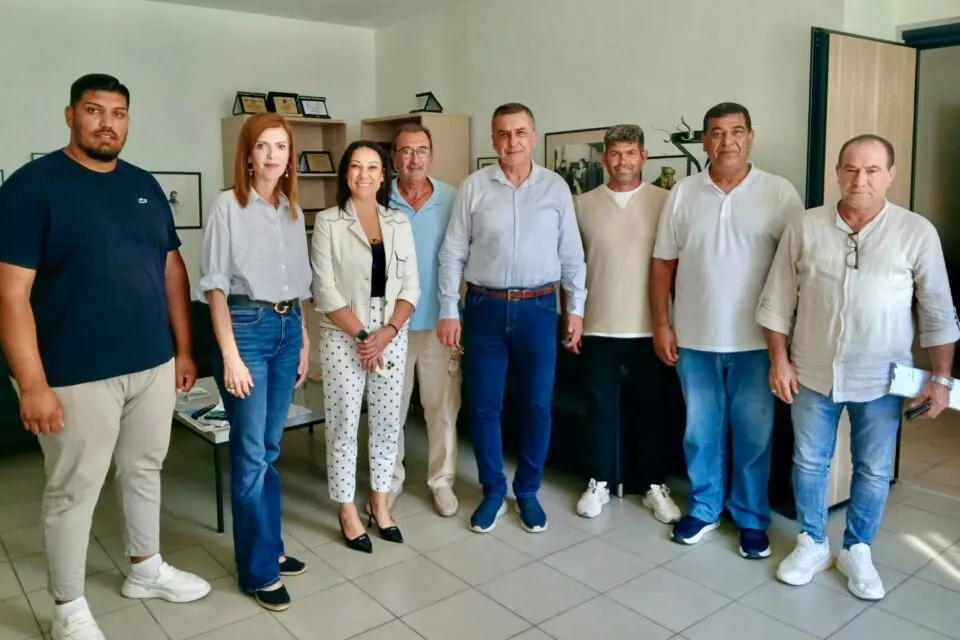
A meeting was held between Thessaly’s regional governor, Dimitris Koureta, and representatives of the Roma community to discuss issues related to education, health, employment, and housing.

Key challenges faced by Roma communities in Thessaly were addressed, with a focus on school dropout rates, access to health services, and the need for targeted interventions.

The governor emphasized the importance of dialogue and collaboration with Roma representatives to develop specific proposals for funding and improve living conditions for Roma families in the region.

Drought

Published by:

Drought

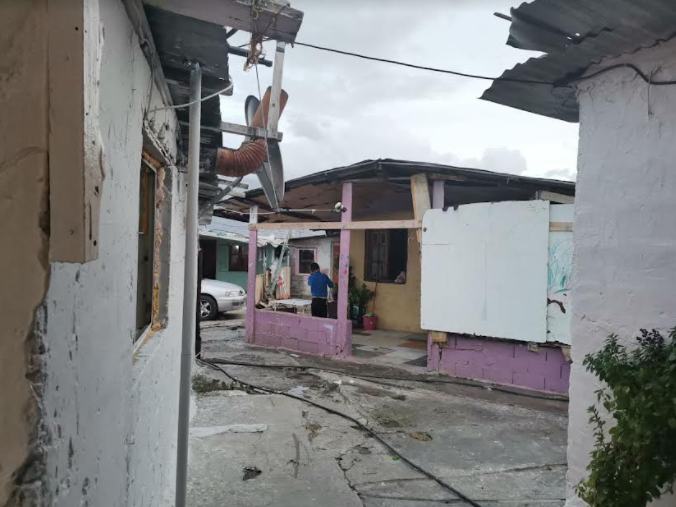
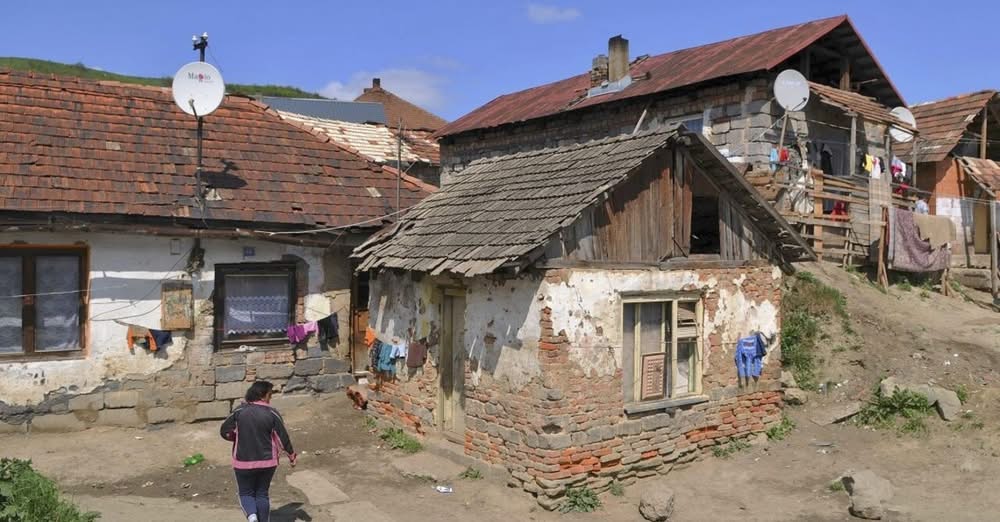
A prolonged drought in Rudňany, Slovakia, has led to a severe water shortage in local Roma settlements, particularly in Pätoraká, where wells have dried up.

The municipality has provided a water tanker for daily supply, but residents are resorting to unsafe water sources due to insufficient clean water.

Efforts to improve conditions include a newly opened hygiene center in Zabijanec, which offers showers and laundry facilities, positively impacting local hygiene and children’s well-being.

Some SMARK Results …

Published by:

Some SMARK Results …

The report reveals that 51% of Roma communities in Slovakia lack sidewalks, with many also facing barriers like rivers or railways separating them from the rest of the municipality. While the Sociographic Mapping of Roma Communities (SMARK 2025) indicates improvements in technical infrastructure since 2019, particularly in water supply, sewage, electricity, and public lighting,

significant disparities remain between Roma localities and surrounding municipalities, particularly in access to gas and other utilities.

SMARK

Published by:

SMARK

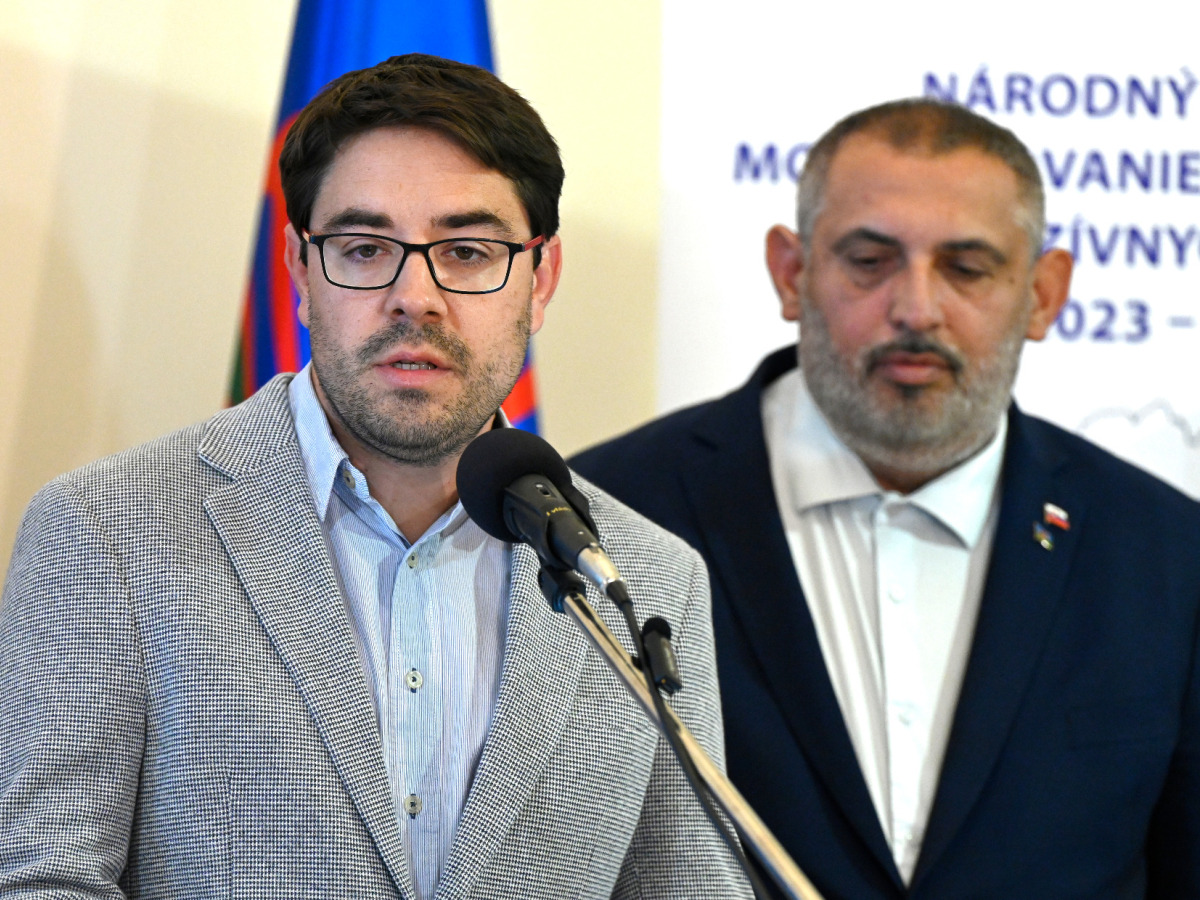
The SMARK initiative aims to provide updated data on the living conditions of people in Roma communities, helping to identify and address specific issues.

The mapping shows an increase in the Roma population since 2019, with changes in the municipalities providing data, including the largest Roma community now being Jarovnice instead of Košice-Luník IX.

Positive developments in integration efforts are noted in Nové Zámky, where principles of desegregation and destigmatization have led to significant progress.

Waste – Slovakia

Published by:

Waste – Slovakia

The Slovak government’s Office for Roma Communities emphasizes the need for a systematic solution to illegal landfills, rejecting the association of this issue with the Roma community.

The office has allocated significant funds for the construction of waste collection points and the removal of illegal landfills, stressing the importance of a coordinated approach involving all stakeholders.

The issue of illegal landfills is framed as a matter of responsibility and environmental health, with a call for equal application of rules for all citizens, regardless of ethnicity.

Illegal Houses

Published by:

Illegal Houses

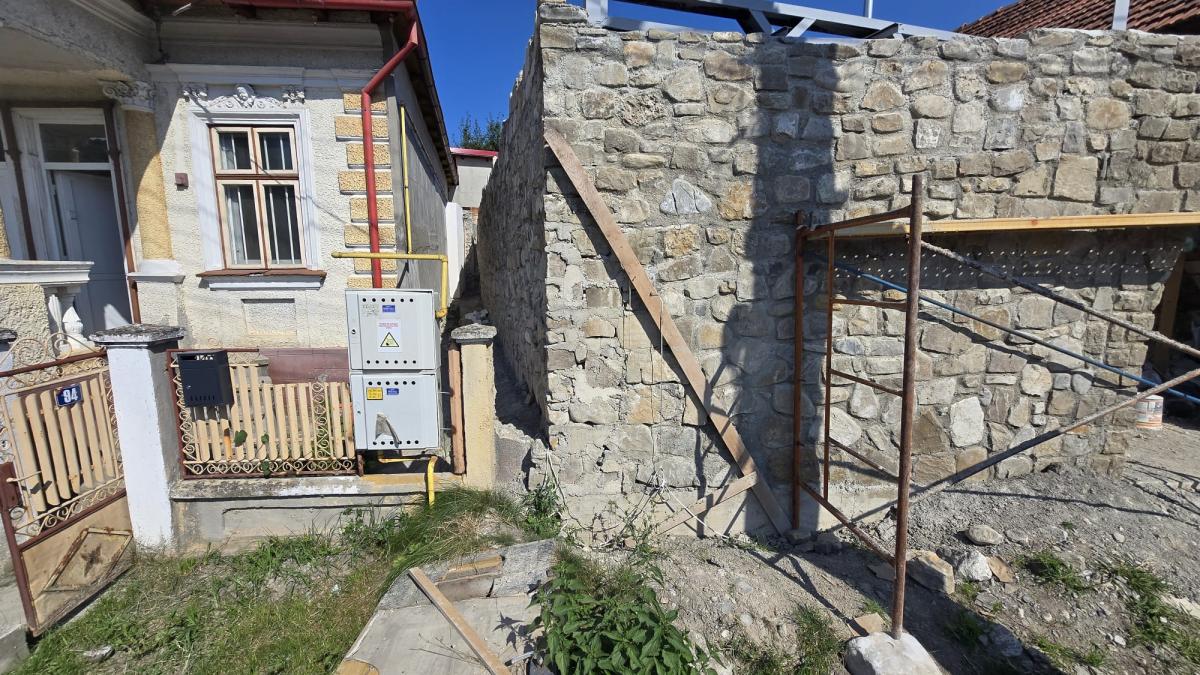
The Romanian government has amended the urban planning and construction code to allow municipalities to legalize unauthorized constructions, including those built without permits, until August 2027.

This change is seen as a political maneuver to gain favor with voters ahead of the 2028 elections, particularly benefiting mayors who have historically allowed illegal constructions in rural areas.

The new regulations raise concerns about safety and legality, as they may enable the legalization of unsafe buildings and increase the power of mayors in local governance.

Relocation – Slovak View

Published by:

Relocation – Slovak View

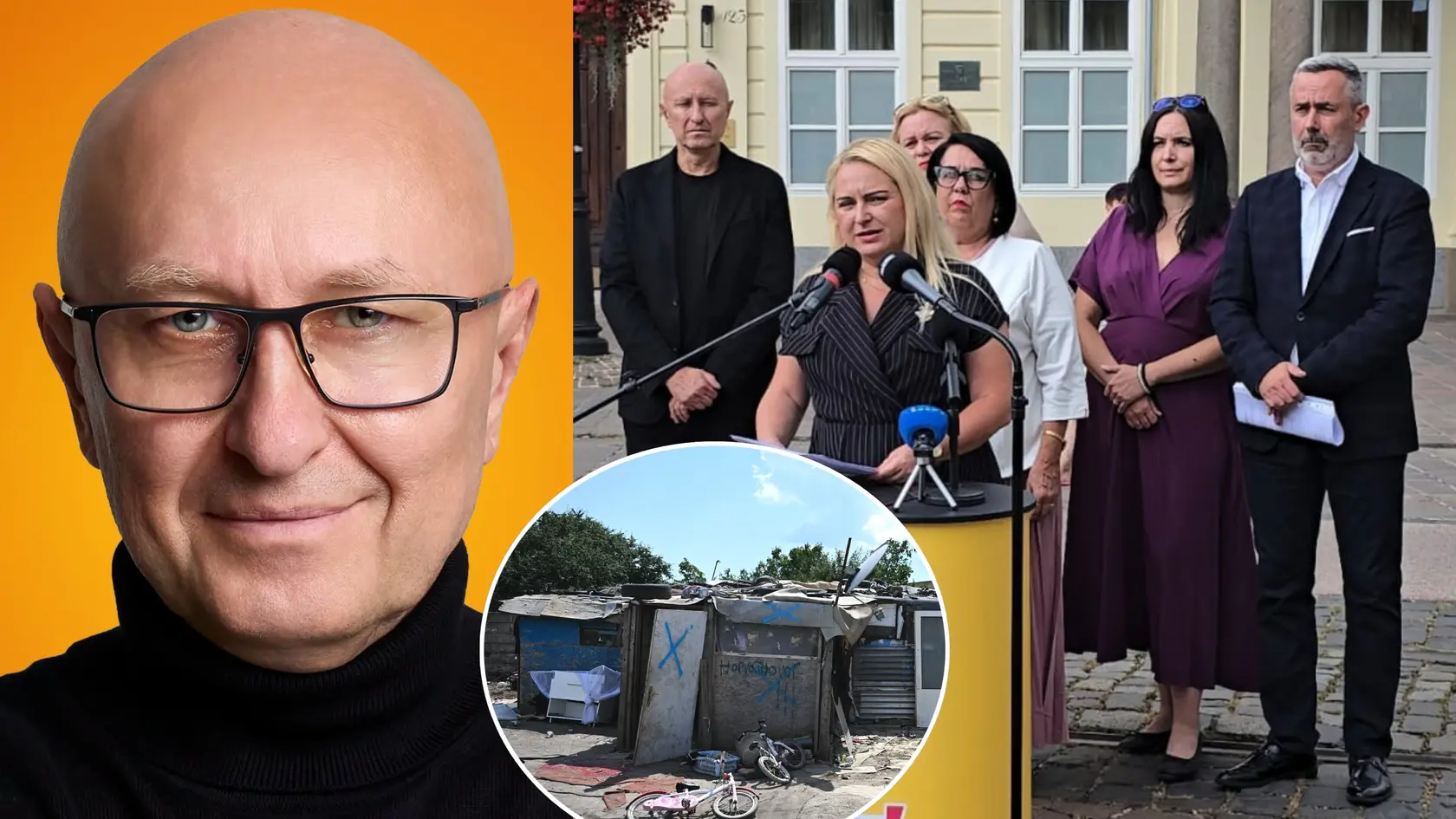
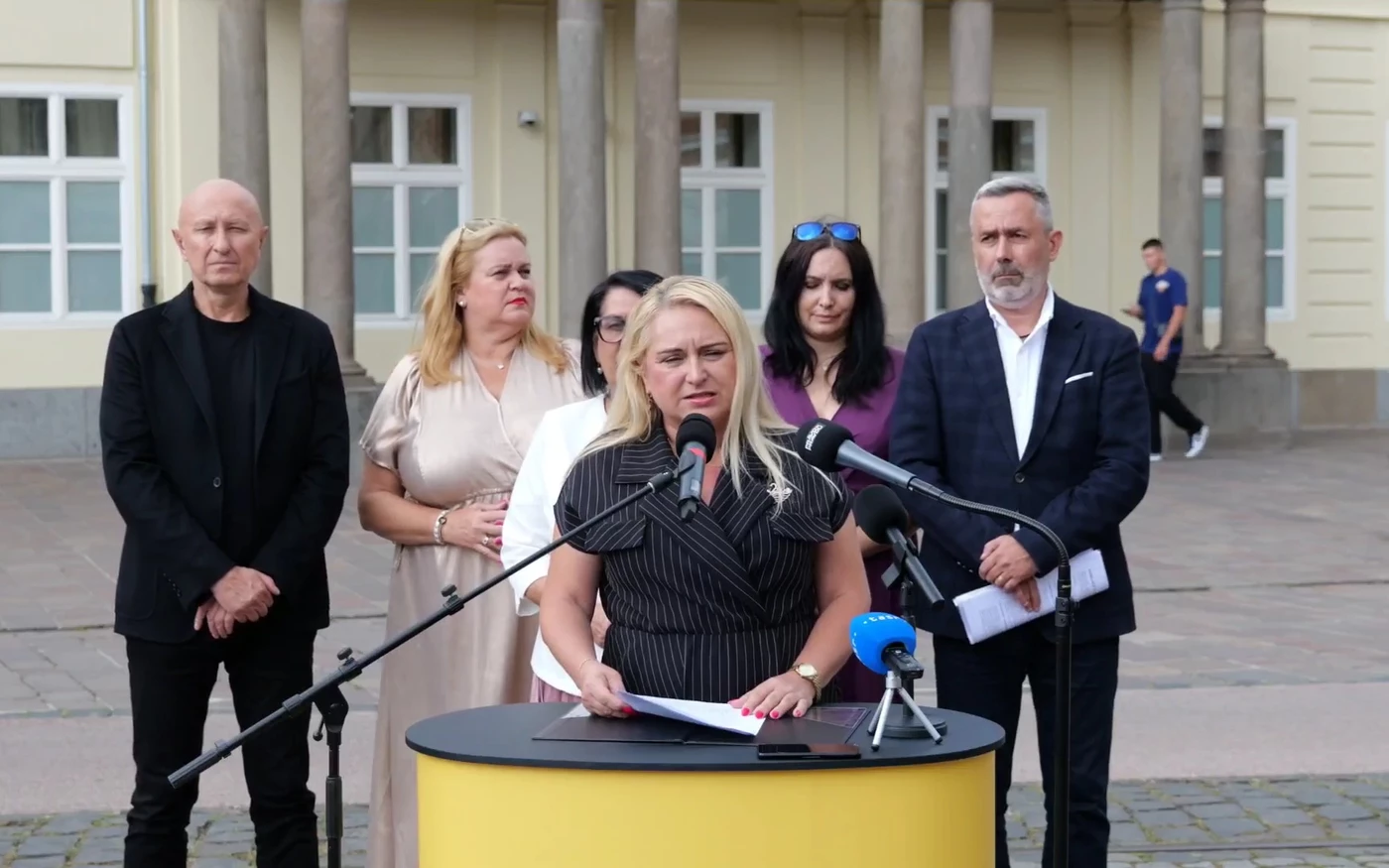
The relocation of several Roma families from an illegal settlement in Košice to Hungary has sparked political support for local mayor Lenka Kovačevičová from Zoroslav Kollár and his party, Právo na pravdu.

Kollár views the controversy surrounding the relocation as a positive step, advocating for better living conditions for both Roma and non-Roma communities.

Martin Halás from Právo na pravdu claims that families moving to Hungary faced police harassment, leading to legal actions against the Hungarian police and appeals to various political entities.

Relocation – Hungarian Reporting

Published by:

Relocation – Hungarian Reporting

Lenka Kovačevičová, Mayor of the Košice-Lázně District, claims there are 15 illegal settlements in Košice, housing around 2600 people in dire conditions without basic utilities, prompting the formation of a civic association to assist affected families.

The mayor of Košice apparently supports the relocation of Roma families to Szalonna, Hungary, emphasizing their right to freedom of movement and criticizing media narratives suggesting forced relocations.

The Právo na pravdu party advocates for Roma issues, with leaders expressing confidence in addressing these social problems if Kovačevičová becomes mayor, while criticizing the current mayor and Hungarian authorities for their treatment of Roma citizens.

Clashes in Greece

Published by:

Clashes in Greece

Two police officers were slightly injured during a clash with a group of young individuals attempting to free an 18-year-old suspect outside the Police Station in Piniou, Greece.

The incident occurred on August 15, when the police were attacked by three young Roma individuals while escorting the detained suspect, who was wanted for fraud.

Targeted police operations in Roma settlements were conducted in Argolis, Corinthia, and Messinia, resulting in the arrest of 14 individuals for various offenses.

In Argolis, 21 individuals were checked, leading to 5 arrests, while in Corinthia and Messinia, 13 and 21 individuals were checked respectively, with 4 and 5 arrests made.

This is escalating …

Slovenia and Roma

Published by:

Slovenia and Roma

The Šentjernej People’s Initiative claims that police had to intervene multiple times due to violations of public order by local Roma after 10 PM.

They criticized Amnesty International Slovenia for not addressing the concerns of local residents who face harassment and threats from nearby Roma communities.

The initiative, formed by local residents, advocates for equal treatment under the law and zero tolerance for violence, and gained prominence after organizing a protest in 2025 over safety issues.

They actually support rather extreme measures, such as cutting social care if Roma don not “behave” or send their children to school, and want to remove Roma settlemens which they mostly deem illegal.

Roma Civil Guard

Published by:

Roma Civil Guard

Fülek, Slovakia, established a voluntary Roma civil guard in 2004, which transitioned to a professional service in 2014, supported by EU funding, but has faced funding challenges over the years.

Local authorities have been urging the government to finance the civil guard’s operations to ensure continuity and avoid layoffs, as the current project has ended and a new funding call was delayed.

The civil guards play a crucial role in community safety and support during city events, and the municipality has recently applied for funding to restart the program with a reduced project duration of 18 months.

Housing in Romania

Published by:

Housing in Romania

The Cluj-Napoca Local Council approved a program worth over 400 million lei to purchase 350 homes for Roma and other vulnerable communities, aiming for social integration rather than segregation.

Mayor Emil Boc emphasized that the initiative will use the SIEG mechanism to legally facilitate the purchase of homes and provide social services to the relocated families.

The program aims to eliminate informal settlements like Pata Rât by 2030, with over 500 individuals already relocated to decent housing through previous projects.

This is a drop of water on a hot stone …

Slovak Settlements

Published by:

Slovak Settlements

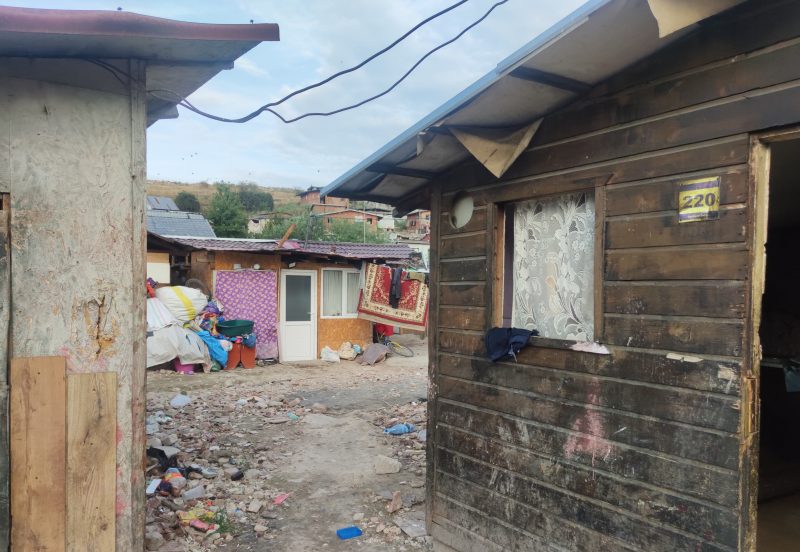
Slovakia is working to improve living conditions in marginalized Roma communities, investing nearly one billion euros, yet many still lack basic necessities like drinking water and sanitation.

Local officials report ongoing struggles, with some residents traveling long distances for water, while government representatives claim investments are being made systematically in housing, infrastructure, and education.

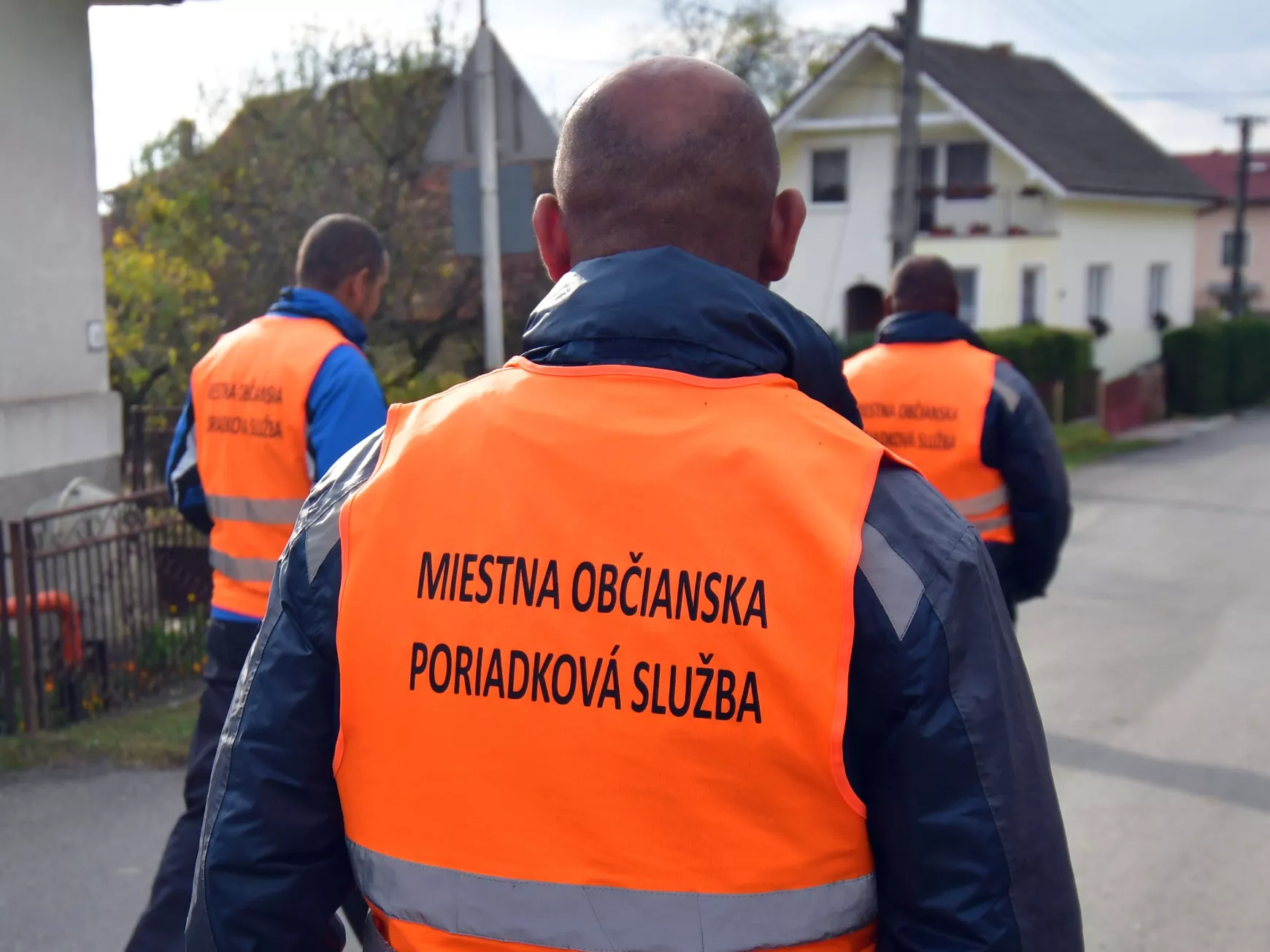
A new initiative has been launched to fund local civic and order services, with over 15 million euros allocated to help maintain public order in various municipalities.

Greece and Settlements

Published by:

Greece and Settlements

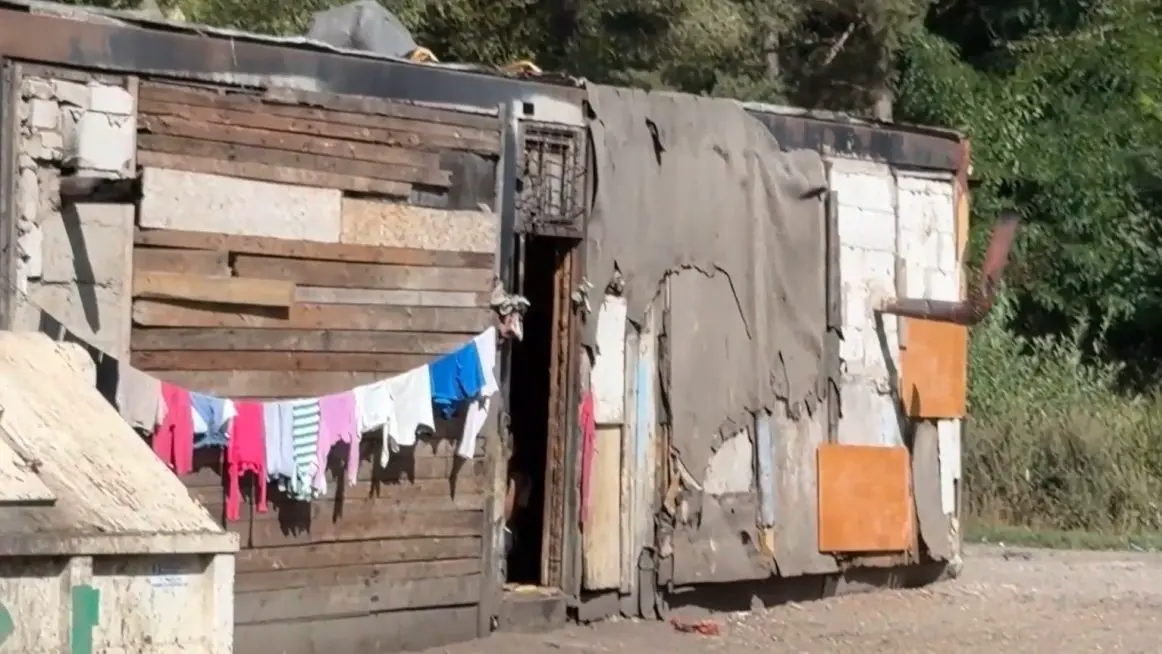
Two articles in the Greek press on Roma settlements. The first one, descriubes the living conditions of the Roma community in Heraklion which are dire, with as rodents, harmful insects, and inadequate sanitation being reported by residents.

The president of the Roma Association “Elpida” will address these concerns at the upcoming municipal council meeting, advocating for a clean and safe environment for families.

The second one states that the European Court of Human Rights is reviewing a case involving the threatened eviction of Roma community members in Thessaloniki, Greece, without alternative housing provisions.

The case highlights broader issues of housing, forced evictions, and discrimination against Roma communities, emphasizing the need for adequate housing solutions.

The Commissioner for Human Rights, Michael O’Flaherty, argues that the eviction threat violates the right to respect for private and family life, and the case could set a precedent for protecting vulnerable communities from forced evictions.

Housing in Slovakia

Published by:

Housing in Slovakia

The Slovak government has launched a call for proposals aimed at improving housing for marginalized Roma communities, with a budget of 30 million euros from EU funds.

The initiative focuses on socio-economic inclusion, particularly for low-income households and disadvantaged groups, emphasizing the need for accessible housing and services.

New requirements include the necessity of a valid building permit at the time of application and specific benchmarks for technical equipment and accessibility in housing projects.

The latter point will prevent this being implemented in most Roma settlements…

Roma Settlement

Published by:

Roma Settlement

Representatives from the Office for Nationalities visited a Roma settlement in Dolga Vas to discuss the challenges faced by the Roma community and share best practices for their inclusion and empowerment.

Roma councilor Nataša Horvat highlighted the responsibilities and challenges of representing the Roma community, emphasizing the need for perseverance and courage in creating positive change. The discussions underscored the importance of mutual respect, collaboration, and honest dialogue in achieving sustainable changes for the community.

Frankly, with the small number of Roma in the country, this problem could have been solved earlier…

Settlements Infrastructure

Published by:

Settlements Infrastructure

In 2026 and 2027, the Slovenian municipalities of Črenšovci, Rogašovci, and Šalovci will receive financial support to improve communal infrastructure in Roma settlements as part of a government initiative.

A total of 12 municipalities applied for funding, with Črenšovci receiving nearly €118,000 for a sewage pumping station, Rogašovci receiving €156,000 for road reconstruction and €250,000 for a sewage network, and Šalovci receiving €65,000 for infrastructure improvements.

These investments aim to enhance living conditions in Roma communities, promoting health, education, and economic development, thereby fostering social inclusion and reducing disparities.

It says a lot that sewers and roads still need funding in 2026… What have they done til now?

Greece and Evictions

Published by:

Greece and Evictions

The Council of Europe Human Rights Commissioner has raised concerns about the eviction risk faced by a Roma community in Greece, highlighting potential human rights violations.

Michael O’Flaherty emphasized that informal Roma settlements can be considered homes under the European Convention on Human Rights, and evictions without alternative housing could infringe on their rights.

The case involves five Roma citizens alleging violations of their rights due to an administrative protocol aimed at evicting them from their long-term settlement, risking their access to essential services and security.

War and Roma

Published by:

War and Roma

The article discusses the impact of war on the Roma community in Munkács, Ukraine, highlighting how traditional gender roles have shifted, with women becoming breadwinners while men face conscription.

The Romodrom integration center provides support for Roma children, offering education and meals, as many families struggle with poverty and lack of access to basic services like water. The article also addresses the stigma faced by the Roma community, including discrimination and stereotypes, while emphasizing the resilience and efforts of individuals to improve their circumstances.

Roma Communities

Published by:

Roma Communities

The Slovak Association of Towns and Villages (ZMOS) discussed new responsibilities for municipalities regarding waste management and the inclusion of Roma communities during a meeting on July 1, 2026.

The meeting focused on the socio-geographic mapping of Roma communities, the Roma map portal, and the evaluation of action plans for the years 2022-2024, emphasizing early childhood care accessibility for marginalized Roma communities.

New data from the Roma atlas indicates an increase in the number of documented Roma communities and their population, highlighting the importance of community perspectives in public policy.

rroma.org
en_GBEN