Tag Archives: Social

Serbian Social Cards

Published by:

Serbian Social Cards

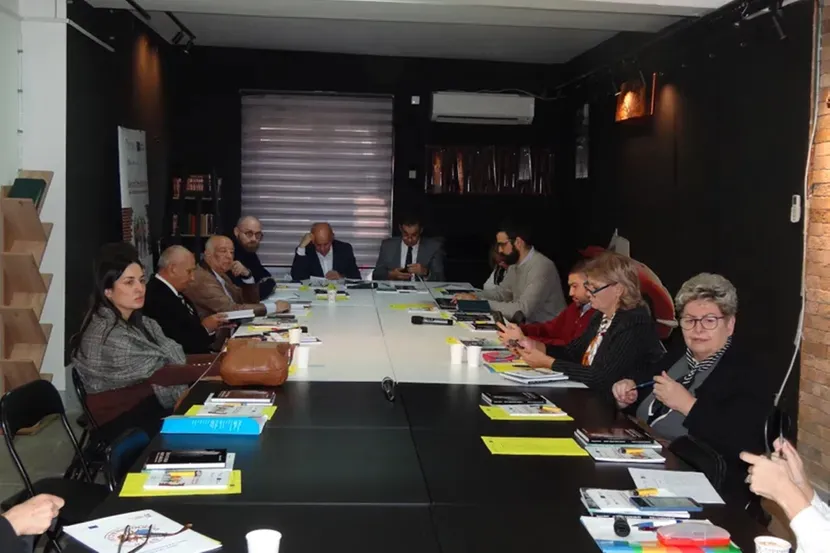
The UN Working Group on Business and Human Rights highlighted concerns over Serbia’s social protection system and the implementation of the Social Card Law, which has led to over 60,000 citizens losing social assistance since its introduction in 2022.

The report emphasizes the negative impact on vulnerable groups, particularly the Roma community, whose informal incomes are misclassified, resulting in loss of benefits despite insufficient earnings for basic living.

Recommendations include improving worker protection mechanisms, enhancing transparency in digital systems, and ensuring that public services do not discriminate against the most vulnerable citizens.

Bulgaria, Crime, and Roma

Published by:

Bulgaria, Crime, and Roma

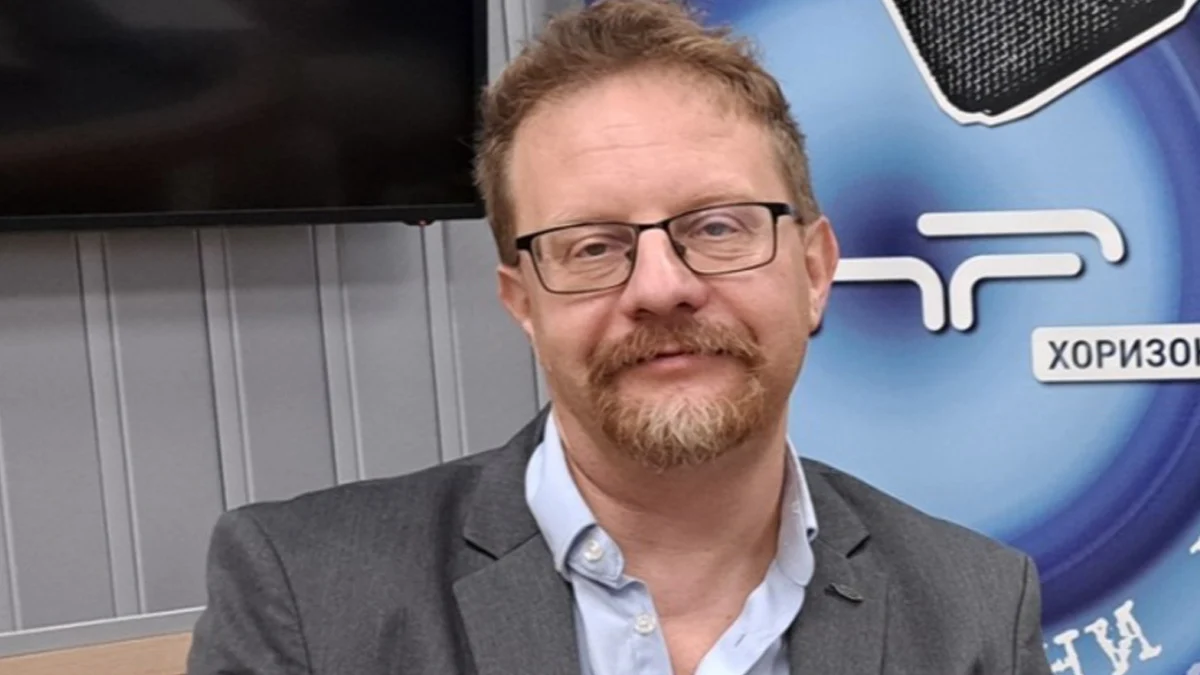
Sociologist Alexey Pamporov argues that organized crime is not exclusive to Roma communities but is a result of deep poverty and institutional neglect. He highlights that similar illegal groups exist globally in areas like Rio de Janeiro, Hamburg, and Paris, where law enforcement is often absent.

The lack of educational and job opportunities for youth leads them to be drawn into criminal activities as an easy alternative.

SociolHe also criticizes the institutional blindness towards illegal wealth, highlighting the presence of luxury cars owned by unemployed individuals without legal repercussions.

The involvement of children of high-ranking officials in criminal activities complicates justice efforts, and there are concerns about lenient sentences for offenders, which discourage victims from testifying.

Roma and Religion

Published by:

Roma and Religion

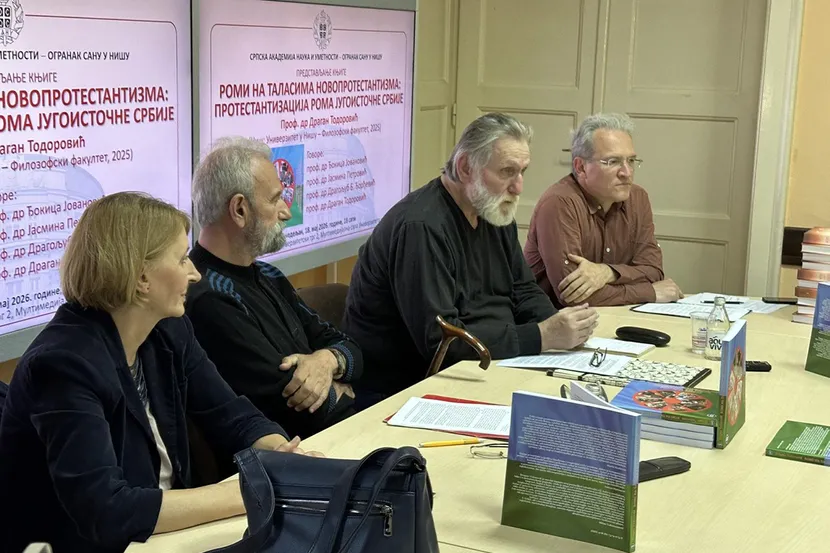
A new scientific study by sociologist Dragan Todorović explores the religious identity of Roma in Serbia, focusing on the growth of Protestant communities among them.

The study highlights the impact of religious changes on the daily lives, education, family relations, and social integration of the Roma community, particularly in southern Serbia.

Participants in the book promotion emphasized the importance of understanding the relationship between religion and social development to improve public policies for the vulnerable Roma community.

Illegal Dumps

Published by:

Illegal Dumps

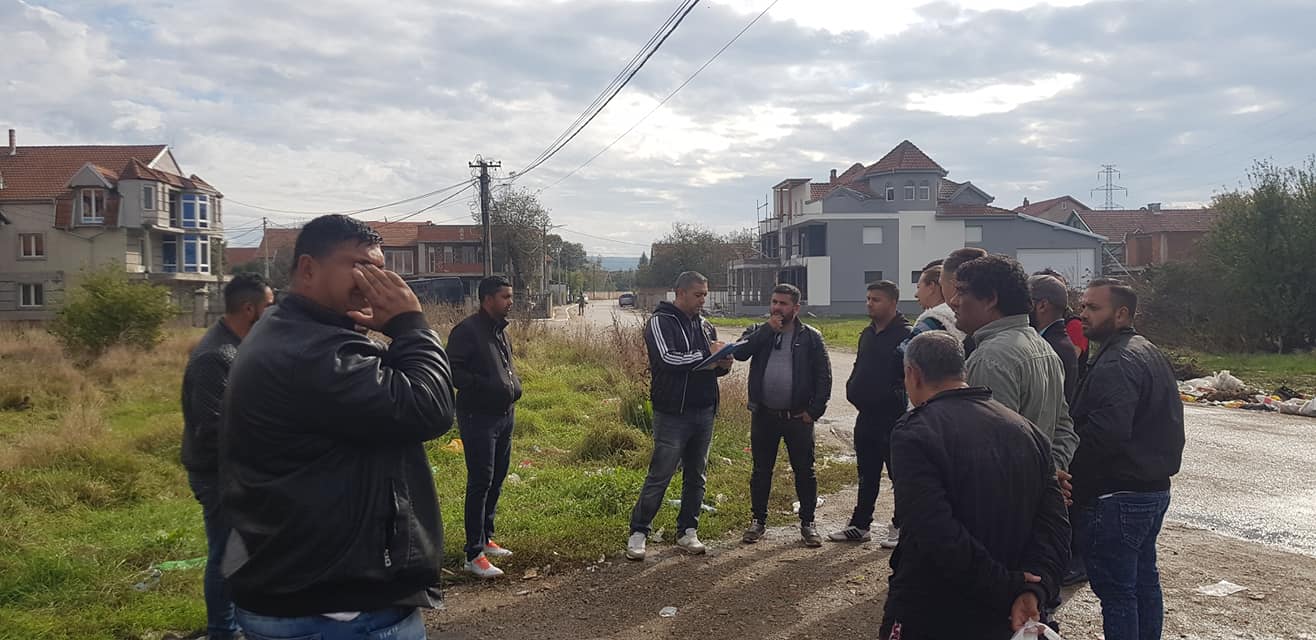
On May 20, 2026, the Office of the Government Plenipotentiary of the Slovak Republic for Roma Communities approved several significant projects aimed at improving the environment and basic infrastructure within several Slovak municipalities and cities. Total financial support reaches more than 1.7 million euros. One of the main activities is the rehabilitation of illegal waste dumps. Funds amounting to almost 750 thousand euros will be allocated to municipalities and cities such as Ulič, Lastovce, Modrý Kameň, Spišský Štiavnik, Olejníkov, Rožkovany and Žiar nad Hronom. These projects will allow the removal of waste from an area exceeding 25 thousand square meters.

Ukraine, War, and Roma

Published by:

Ukraine, War, and Roma

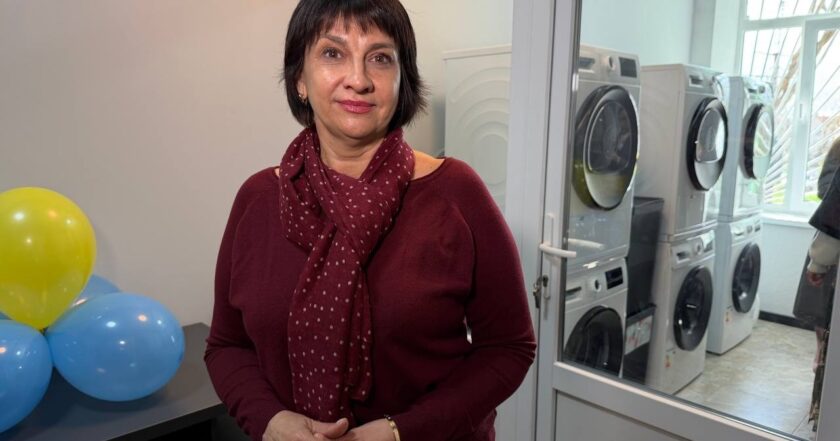
Women Leaders Create First Inclusive Social Laundry in Nerubayska Community in Odessa Region. In the social laundry, vulnerable families can not only use services free of charge, but also wait out the power outage, chat, drink tea, and receive psychological or social support. Another task of the “Pure Dignity” project is to overcome stereotypes: public prejudice against the Roma community, and among Roma families themselves, caution in interacting with services.

Social Inclusion Agency

Published by:

Social Inclusion Agency

The Czech Social Inclusion Agency, an agency whose goal was the inclusion of Roma, is being restructured. Unions in the Agency are calling of a strike, and several Roma organisations have expressed concerns.

In a statement to the news server Romea.cz, the Government Commissioner for Roma Minority Affairs Lucie Fuková stated that the Agency for Social Inclusion has moved away from its original mission over the years, which was to support the integration of Roma and address the situation in socially excluded localities. She criticizes the lack of measurable results, transparent data and real participation of Roma and also refers to the conclusions of the Supreme Audit Office from 2024. According to her, it is therefore appropriate to consider a fundamental transformation and readjustment of the social inclusion agenda.

Latvia Triplets

Published by:

Latvia Triplets

Welfare Minister Reinis Uzulnieks congratulated the family that welcomed the first set of triplets this year and thanked the maternity hospital staff. The state will soon provide the family with a one-time benefit of 15,000 euros, the minister announced on social media.

The minister also responded to negative comments on social media, noting: “Today I congratulated the parents of the triplets. I have already received negative comments about Indians, etc. I’d like to emphasize that this is a Roma family who returned to Latvia after 15 years in England, and the husband found work in forestry in Valmiera. They emphasize that nowhere is as good and beautiful as home! May they succeed!

Czech TV Show

Published by:

Czech TV Show

Roma are often talked about in the Czech Republic, but much less are they actually listened to. The guest of the 21st episode of the SODAcast podcast is Iveta Millerová, who describes why, in her opinion, the public debate does not see the whole, what the limits of institutions are, and why no fundamental change will occur without the will of the families and communities themselves.

Social Inclusion in Czechia

Published by:

Social Inclusion in Czechia

The Ministry of Regional Development is preparing organizational changes that, according to information from the Seznam Zprávy server, could actually mean the end of the Social Inclusion Agency. Since 2008, it has been helping municipalities solve problems in socially excluded localities.

According to information from Seznam Zpráv, the current Department of Social Inclusion is to be merged with the Department of Housing Policy. In practice, this could mean a fundamental limitation of the activities of the Agency for Social Inclusion, which currently employs around a hundred employees and operates directly in the regions, where it helps municipalities prevent social exclusion.

Šutar Act

Published by:

Šutar Act

Šutare’s law, which enabled the Financial Administration of the Republic of Slovenia (Furs) to collect unpaid fines from recipients of social assistance, will undergo its first changes. New feature in social assistance transfers: One part will be protected from seizure.

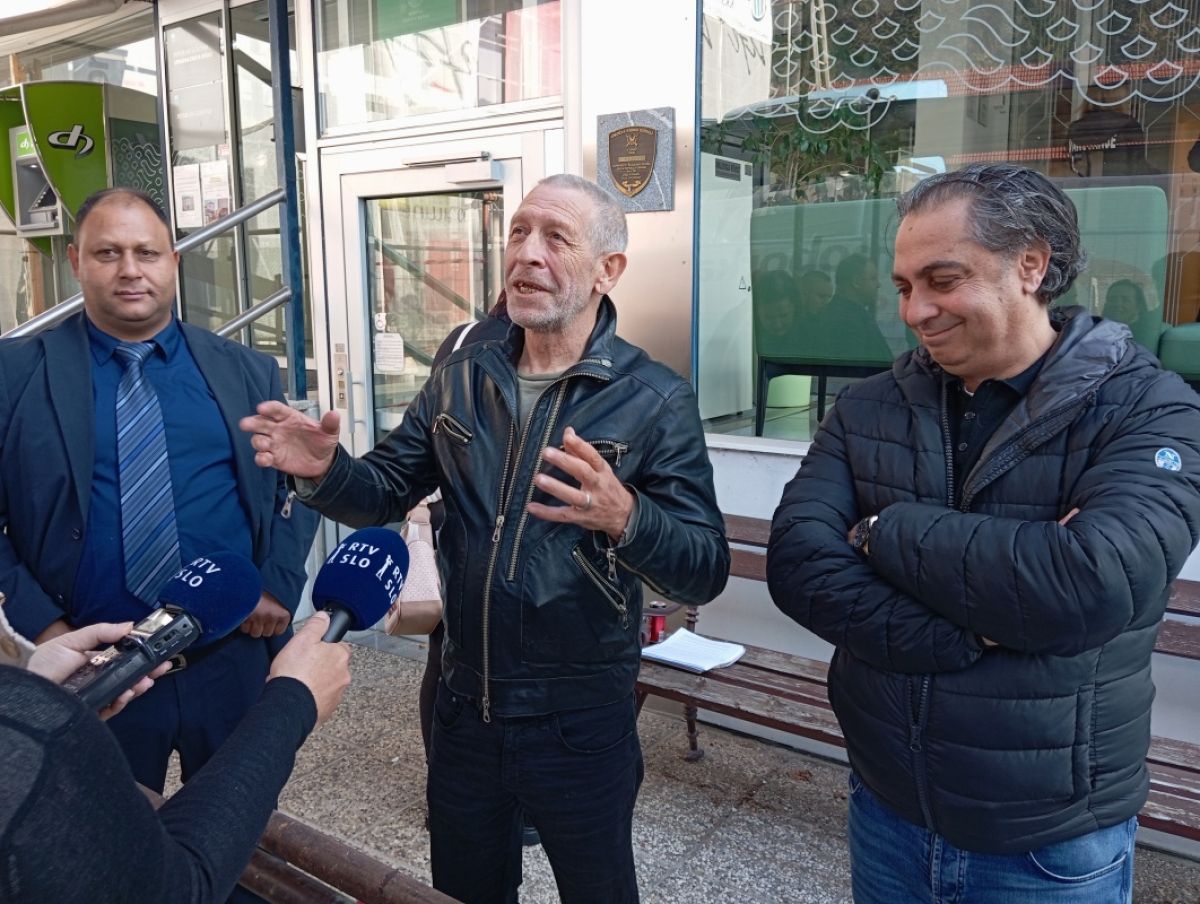
Like many other debtors, Krk Roma councilor Dejan Brajdič (left) and former Novo Mesto Roma councilor Zoran Grm (center) were left without social assistance this month.

“My partner and I were left without every cent this month. I’m 60 years old, she’s 55, we’re both sick. I couldn’t even pay for electricity. These days we will go to the Red Cross for help, but I know that they have almost nothing to give there either, because in this system it is not only the Roma who are left without social security, there are also the homeless, many tenants, people with minimum wage and the like,” former Roma councillor Zoran Grm, who was also one of the co-organisers of Tuesday’s Roma protest, which then did not take place, told us these days.

Roma and Social Care

Published by:

Roma and Social Care

A good article on Roma in Slovakia. They say:

The Roma issue is not a question of ethnic “cause”, but of social barriers and poverty. Improving living standards, access to education and job opportunities is possible.

Common myths about the Roma, that the majority live in settlements or shantytowns, do not want to work, get an education or have an “innate” tendency towards crime or maladjustment, are wrong. This is confirmed by all relevant facts, research, but often also by common sense.

Roma Protests in Novo Mesto

Published by:

Roma Protests in Novo Mesto

The association Vstani Romaski otrok is announcing a rally for Tuesday afternoon at Glavni trg in Novo mesto, with which they will express their disagreement with the social welfare confiscations based on the Šutar Act. They expect between 100 and 300 Roma, who will also present the hardships that some of them have found themselves in due to the aforementioned foreclosures, the president of the association Matej Domijan told STA.

It is not sure they will get an athorisation. The municipality rejected the firstr submission stating that documents were missung, and the association resubmitted the request.

Slovakia Roma Program

Published by:

Slovakia Roma Program

People are protesting against the proposed governmental Roma proram, to which 17 mio. Euros are allocated.

Former MEP Peter Pollák Sr. pointed out that after conversion, the project comes out to approximately 85 thousand euros per participant, while the result is only a certificate without real benefits. He says that up to nine million euros are to be directed to project management and trainers. He also criticizes the method of preparing the project, which, according to him, was created without expert discussion, involvement of local governments and people from the field.

Slovenia: Šutar Act

Published by:

Slovenia: Šutar Act

Several articles about the recent impact of the so-called Šutar Act on Roma in Slovenia. Here, the Financial Administration (Furs) explained that in recent days, based on the Act on Urgent Measures to Ensure Public Safety (the so-called Šutar Act), they have issued 1,275 enforcement orders to debtors who had at least three unpaid obligations from misdemeanor claims in the last two years. Enforcement is also permissible for cash social assistance.

Roma representatives have warned about enforcement of social assistance. Several dozen Roma at the bank have not been able to collect part or all of their social assistance because Furs seized it, the president of the Roma Community Council, Jožef Horvat Muc, told the Slovenian Press Agency.

Slovakia and Social Benefits

Published by:

Slovakia and Social Benefits

“They live on benefits.” A statement that has been repeated in Slovakia for years. Most people associate it with poor people and especially Roma communities. Almost always, when the living standards of the majority population deteriorate, this sentence becomes a shorthand description of the social system in political debates and on social networks.

This is a myth. “When people talk about the social system, they usually mean benefits for the unemployed. However, they forget that the largest part of it is pensions and healthcare,” pointed out Viliam Páleník, a researcher at the Institute of Economics of the Slovak Academy of Sciences and president of the Employment Institute.

Slovenia, Roma, and Unemployment

Published by:

Slovenia, Roma, and Unemployment

The Municipality of Kočevje in Slovenia is investing extensive and long-term efforts in Roma integration, especially in the field of preschool education, but Mayor Gregor Košir warns that without changes at the state level there will be no real breakthrough. He says “As long as it is not worth it for people to work, we can forget about Roma integration”.

He is putting the carriage in front of the ox. As long as there is no prospect of work, there is no integration …

Slovenia, Education, and Social Help

Published by:

Slovenia, Education, and Social Help

Although primary education is compulsory in Slovenia, some individuals do not complete it. The issue is particularly acute in the Roma community, as according to Amnesty International, more than 60% of Roma in Slovenia have not completed primary education. Among the initiatives to the government was a proposal that primary education would be mandatory if individuals wanted to draw on state forms of assistance and allowances and, in general, the benefits offered by the state.

But the Ministry of Labor, Family, Social Affairs and Equal Opportunities rejects the proposal. They explained (rightly so):

“The purpose of all forms of social assistance, supplements (child, care) and other benefits and subsidies is to ensure a basic level of social security for residents. The condition of being tied to education could constitute discrimination and a violation of the principle of equality before the law.”

Sad

Published by:

Sad

A sad story from Bulgaria. A 15-year-old girl was admitted to the emergency room with severe pain and suspected acute kidney crisis. After the examinations, however, the doctors established the surprising cause of her condition – the teenager was nine months pregnant and already had a dilation.

The medical team immediately took action and the birth began almost immediately. Not long after, little Emilia cried in the maternity ward. Both the mother and the newborn are in good general condition and under medical supervision.

Social Support

Published by:

Social Support

In a country, Slovenia, where Roma are represented as abusing social help, being criminals, and not working, the case presented in this article doesn’t help.

The mayor of Brežice, Ivan Molan, told the media that they encountered an extraordinary problem in regulating the issue of property rights Roma in the municipality. He also revealed a case where the father of one of the Roma families with seven children receives social support higher than his salary, and at the same time they have been living in impossible conditions their entire lives.

Bad.

Roma Settlements

Published by:

Roma Settlements

The councillors of the Municipality of Beltinci, Slovenia, approved the regulations that will specify to whom and for what the funds to improve the situation of the Roma community will be allocated. Beneficiaries will have to have settled obligations to the kindergarten, school, utility company and municipality – both in the previous and current year. The property will have to be included in the waste collection system, and a building permit will also be required for construction.

Needless to say, this will disqualify many needy families.

rroma.org
en_GBEN