Tag Archives: Sterilisation

Women Health in Hungary

Published by:

Women Health in Hungary

Romnja in Hungary face systemic control in healthcare, often losing autonomy over their bodies, exemplified by a 2006 case of forced sterilization. They experience double discrimination and skepticism from medical staff, leading to a significant loss of trust in the healthcare system, which adversely affects their health and quality of life.

The article highlights the underrepresentation of Roma women’s experiences in feminist movements and medical discussions, emphasizing the need for a more equitable healthcare system that acknowledges their unique challenges.

Critique

Published by:

Critique

The film Pramen, depicting forced sterilization of Romani women in 1980s Czechoslovakia, faces criticism for centering on doctors’ perspectives rather than the victims. While intended to highlight a dark historical chapter, critics argue the portrayal risks relativizing racially motivated state policy by suggesting the perpetrators acted in good faith.

Sterilisation

Published by:

Sterilisation

Ivan Ostrochovský’s film “Only Beautiful Things to Look At” explores the historical sterilization of Romnja in 1980s Czechoslovakia through the lens of a white doctor and a Romani nurse.

The protagonist, Dr. Ingrid, initially views sterilization as optional but gradually recognizes the coercive nature of the medical practices involved, influenced by her friendship with nurse Agáta.

The film, which premiered at the Karlovy Vary festival, combines a dark visual style with a haunting score, highlighting the emotional journey of its characters amidst a backdrop of systemic eugenics

Sterilisations

Published by:

Sterilisations

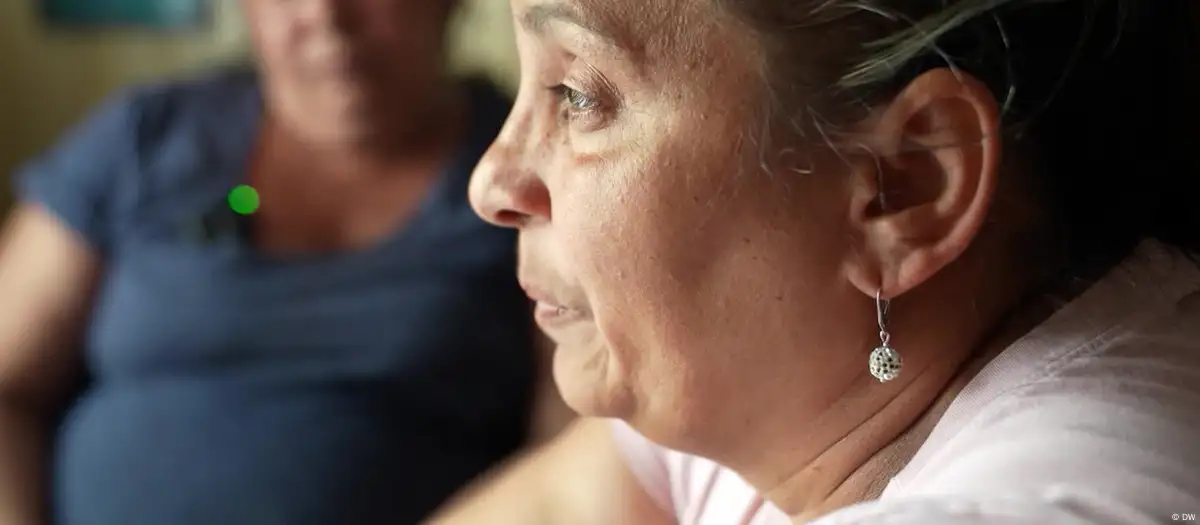
Hundreds of Roma women have been sterilized in Slovakia without their knowledge or consent. For many of them, it was a personal tragedy. One of them is Veronika Duždová. The 46-year-old now lives in Jarovnice, the largest settlement with a compact Roma population in Slovakia. “I am close to several women who were sterilized. We often meet to talk about it and our work,” she tells DV.

Nice to talk about this, but Deutsche Welle could have skipped the comment “In Roma culture, large families are an expression of wealth and happiness”. This is simply not true, and sgtereotypical.

Czechia and Sterilisations

Published by:

Czechia and Sterilisations

The Czech President Petr Pavel has signed a law extending the deadline for submitting compensation claims for forced sterilisations to January 2027.

Many Romnja who had been forced-sterilised had tried to get their claims registered, but the process was so slow that they would have seen their claims dismissed. Let’s hope this time it will work.

Amnesty on Czechia

Published by:

Amnesty on Czechia

The annual Amnesty International report on Czechia has just been published… It takes note of the incomplete compensation of the victims of forced sterilization among other things.

Charter 77 Award

Published by:

Charter 77 Award

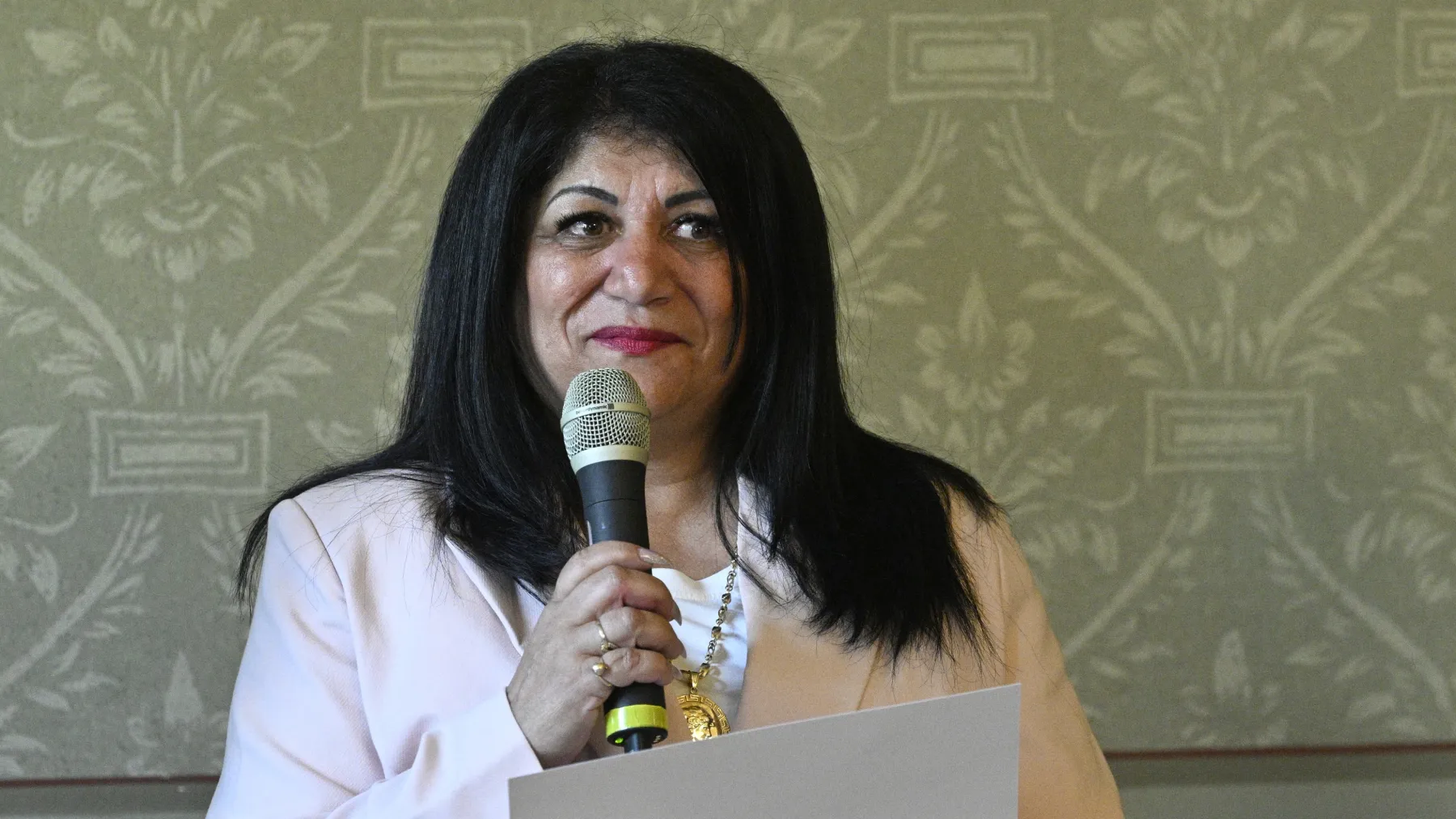
The František Kriegl Award of the Czech Charter 77 Foundation for Civic Courage was awarded this year to Romani activist and social worker Elena Gorolová. The jury honoured her for her personal and professional contribution to the fight for compensation for victims of illegal and secret sterilizations. It particularly highlighted her long-term efforts and the courage with which she raised the topic, as well as her subsequent fight for compensation for victims of illegal actions by state healthcare facilities.

Czechoslovakia: Sterilisations

Published by:

Czechoslovakia: Sterilisations

It is estimated that thousands of women of Roma origin were sterilized in Czechoslovakia since the early 1970s. They had to wait decades for compensation.

In the Czechoslovak environment, forced sterilizations often took place in delivery rooms, at the moments of greatest vulnerability of women, during cesarean section births. Women in pain and under pressure from medical personnel were unable to give truly informed consent. The decree on sterilizations was repealed in 1993, but unfortunately isolated and illegal cases continued to occur. The last verified case of involuntary sterilization in the Czech Republic dates back only eleven years, to 2007. As Kateřina Čapková from the Institute of Contemporary History of the Academy of Sciences of the Czech Republic emphasizes: “Forced sterilizations as a scientific topic seem to me to be important to study mainly in international contexts as a phenomenon that appears in states with different, and one could even say contradictory, ideologies.” The Prague Forum for Roma History therefore plans to support deeper research into this area that has so far been insufficiently researched.

Czechia: Forced Sterilisations

Published by:

Czechia: Forced Sterilisations

Sixty-five-year-old Jarmila Adiová from Jirkov near Chomutov, who has applied for compensation for forced sterilisations tells about what happened to her. She said “First, social workers came to me and constantly checked how I was taking care of our five sons. They went to school and everything was fine. I was pregnant at the time and expecting a girl. The social workers threatened me that if I didn’t have an abortion, they would take my children away.”

The office in charge of granting compensation is working so slowly that the deadline for applciations will be missed by many if a new law proposal to extend it by two years is not voted soon.

Czech Forced Sterilisation

Published by:

Czech Forced Sterilisation

Two articles in the French press about the forced sterilisations of Romnja in the Czech Republic.

Slovakia: Forced Sterilisations

Published by:

Slovakia: Forced Sterilisations

Officially, forced sterilisations, which were common in Czechoslovakia, ceased. But apparently not really. This article states that 110 cases of forced sterilisations have been identified and were done after 1989.

Bad.

Forced Sterilisation

Published by:

Forced Sterilisation

The Czech government has finally agreed to extend the deadline for submitting their claims for forced sterilisation by two years to January 2027. The deadline was originally set to January 2025, but the authorities raised so many hurdles for Romnja, that is was almost impossible to get these sterilisations acknowledged (even when there was some written evidence).

Civil Right Lawyer

Published by:

Civil Right Lawyer

In the cases of illegally sterilized Roma women, beaten Roma during police raids and segregated Roma pupils, the courts finally recognized that their rights had been violated. However, this journey was not easy, it took a long time and in some cases it is not yet over.

These cases are also linked by the fact that the lawyer Vanda Durbáková from the Counselling Centre for Civil and Human Rights in Košice stood up for their rights. She has been representing the rights of Romae for over 20 years and also deals with public lawsuits, where they sue state institutions and point to systemic forms of discrimination and violation of the rights of Roma.

Czechia: Roma vakeren

Published by:

Czechia: Roma vakeren

Another “Roma Vakeren” in Czechia. This time on Patrik Banga’s a Roma journalist book “on the way to America” snd on the Czech Television’s documentary cycle Me Som presenting Roma personalities, here Elena Gorolová, a fighter for compensation for involuntarily sterilized women.

Slovakia and Forced Sterilisations

Published by:

Romnja, who were sterilized in the past in present day Slovakia, are demanding compensation. This initiative has been going on for more than twenty years and is still not fulfilled. It is possible that, like other problems, society in Slovakia will “avoid” this issue. Promises will remain at the verbal level, but we will not receive real compensation.

Czechia introduced a law to compensate women a while back, but are still dragging their feet in actually compensating the victims.

Czechia and Forced Sterilisations

Published by:

NGOs have called on the government to give victims of illegal sterilizations more time to claim compensation. According to them, the Ministry of Health does not process applications on time for a long time. The deadline now runs until the end of this year. And there are cases where the victims have been waiting for 554 days. The legal limit is 60 days …

This is bad faith on the Czech administration.

Czechia and Illegal Sterilisations

Published by:

The Human Rights League (LLP), Roma organizations and activists called on the government to extend the law on compensation for illegal sterilizations. Organizations criticized the Ministry of Health for prolonging the application process. By law, the resort has 60 days to do so, but in practice it can take several months to years. The ombudsman repeatedly criticized the ministry’s approach to compensation.

Dozens of women demonstrated in Ostrava for compensation for forced sterilization.

rroma.org
en_GBEN