Tag Archives: Work

Lithuania, Roma, and Work

Published by:

Lithuania, Roma, and Work

Over the past five years, approximately 2,700 Roma have applied to the Employment Service, but only a third of them—29.3%, or 790—have found employment. According to Inga Nomeikienė, Advisor to the Employment Service’s Service Organization Department, one of the biggest challenges in finding employment is low education. “Approximately 30 percent of these clients have no primary education, and more than half have only primary or basic education. Illiteracy is common among older Roma. Only a few have secondary education or vocational qualifications.”

Novo Mesto Story

Published by:

Novo Mesto Story

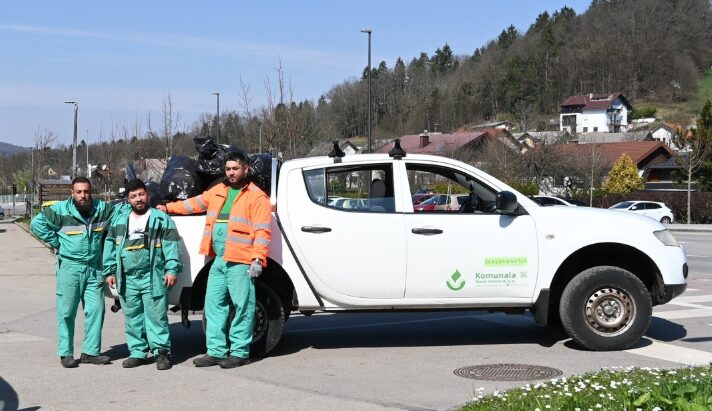
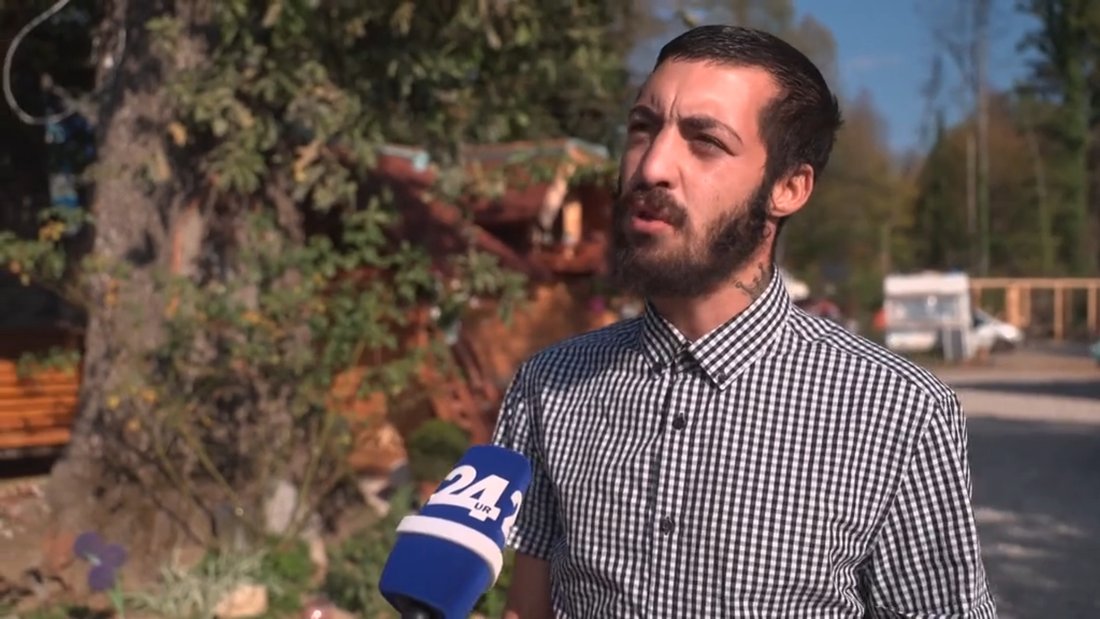
For a change, a positive story about Roma in Novo Mesto, Slovenia. Đani, Nejc and Samo. Three names that could just be part of the everyday city hustle and bustle, are today something more. They are proof that it is possible – if you want it. All three are members of the Roma community and full-time employees of the Novo Mesto Municipal Corporation, where they take care of the city’s order every day. They empty bins, collect waste, maintain public spaces. The work is not always easy, but it has weight. And it has meaning. When you meet them in the field, you don’t just see workers – you see people who were given an opportunity and took it seriously.

Slovakia Statistics

Published by:

Slovakia Statistics

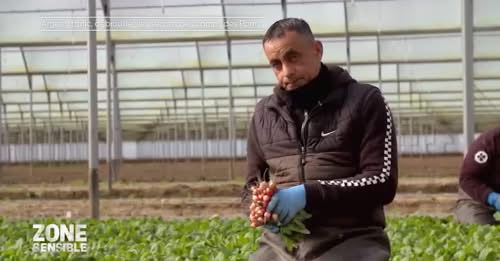
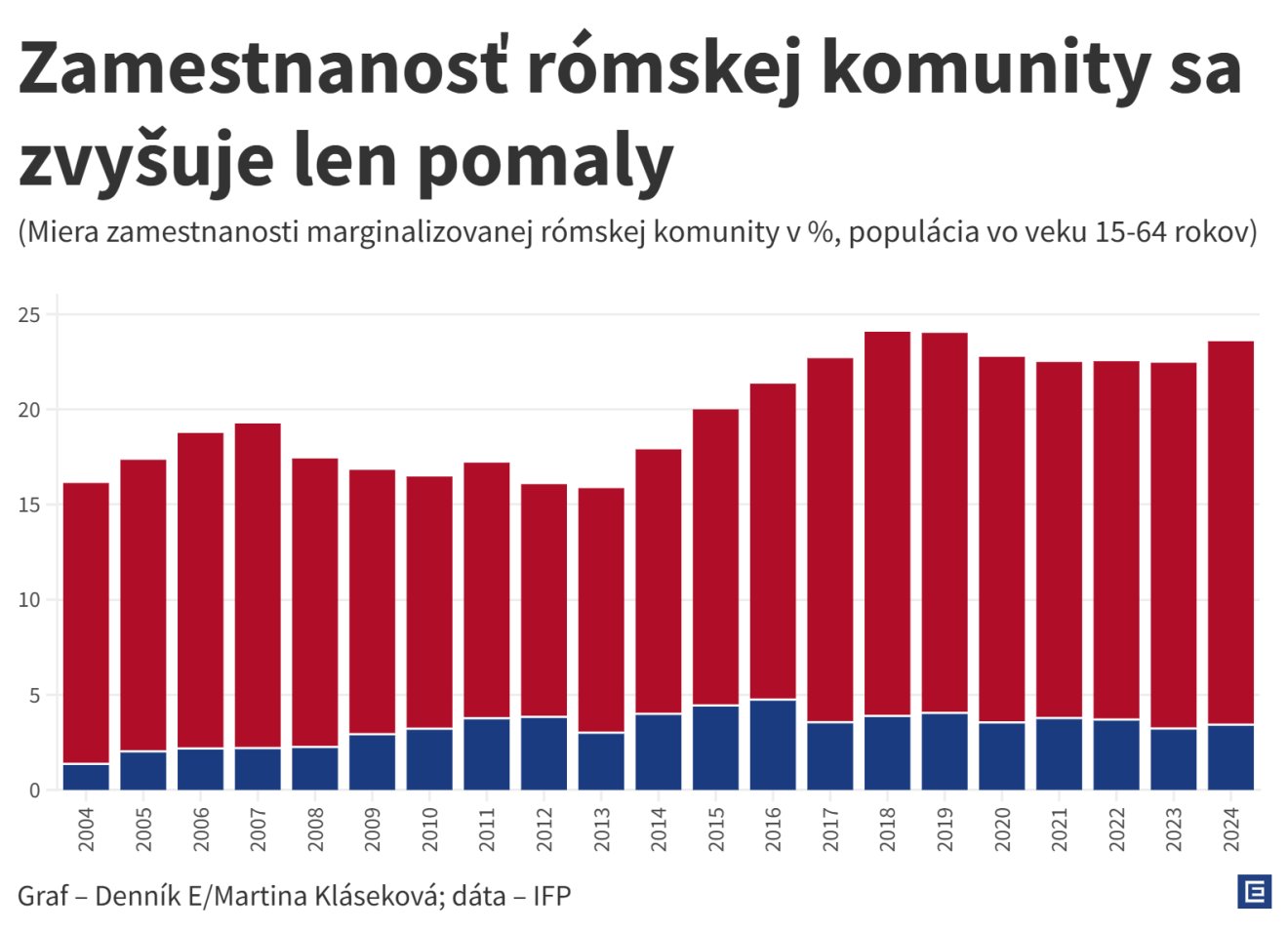
The employment of Roma from excluded communities depends heavily on whether there is a crisis or growth, the IFP Chart of the Day shows. While only 16% of them were working in 2013, in the following six favourable years it was on average 24%. However, the pandemic interrupted this trend and the subsequent recovery has been slow.

Slovakia: Work or …

Published by:

Slovakia: Work or …

The Slovak Ministry of Labour is pushing ahead with the Work instead of Benefits initiative that foresee a stop of benefits if people refuse a job offer. So far, they have sent 13’000 job offers and 77 people are now at risk of losing their benefits as they refused an offer.

They are also creating new positions for Roma assistants have also been created at labour offices. Their task is to help with communication and reduce barriers between clients and offices.

Roma Employment

Published by:

Roma Employment

The Slovene Ministry of Labour launched the Roma Model programme in May this year, with the aim of increasing Roma employment. The programme is currently implemented only by the Kočevje Business Incubator. Nine Roma women have joined it. Employers’ experiences with them vary, but currently, according to the programme’s implementers, the biggest problem is low pay.

Slovakia, Roma, Migrants, and Work

Published by:

Slovakia, Roma, Migrants, and Work

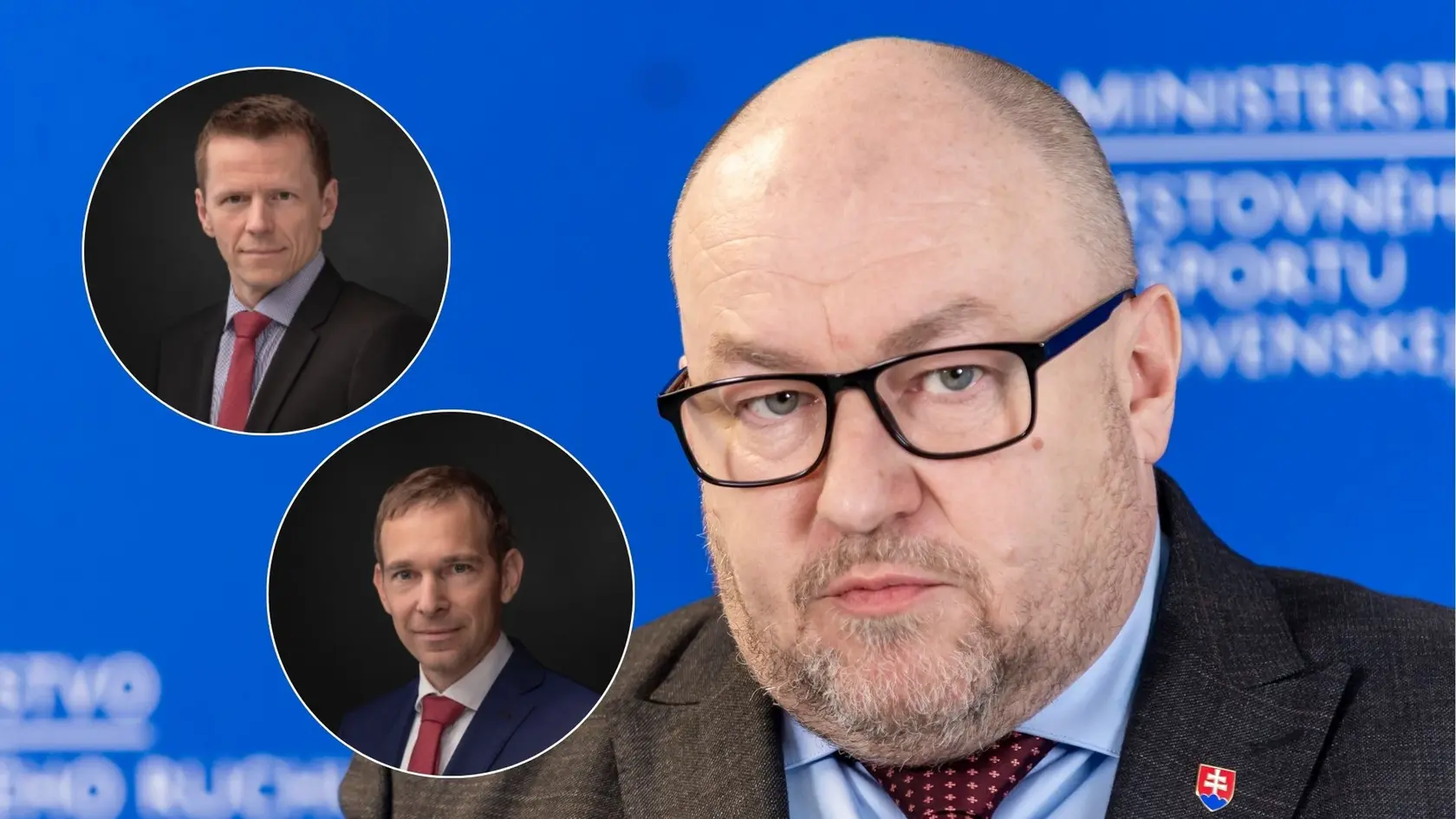
The Slovak Rural Party is preparing a proposal that will support the employment of long-term unemployed Roma. The Minister of Tourism and Sports of the Slovak Republic Rudolf Huliak informed about this on social networks. “Let’s give jobs to our Roma rather than foreign migrants,” Huliak declared.

Let’s see the details …

Balkan, Work, and Roma

Published by:

Balkan, Work, and Roma

The labour market situation in the countries of the Western Balkans is bad – the population of Serbia, Albania, North Macedonia, Kosovo, Montenegro and Bosnia and Herzegovina is aging.

The other big problem for these countries is migration – many young people of working age emigrate and prefer to build a career in EU countries – for example, in Germany, Austria or Italy. This creates a serious shortage of qualified labour in the Western Balkans.

By 2050, Serbia is expected to lose over 40 percent of its citizens of working age. The situation is similar in neighbouring Bulgaria, where according to UN data, the country will shrink by 23% by 2050. Similar forecasts are made for other countries in the region.

Roma can solve part of these issues in the labour market.

Slovakia, Social Benefits, and Work

Published by:

Slovakia, Social Benefits, and Work
A new law recently passed in Slovakia will cut social benefits to people, mostly long terms or “low-skilled” who do not accept offered work. It was signed by the Slovak president, and will be effective from September. This is mainly aimed at Roma in settlements.

The kind of work offered is highlighted in the second article, where the minister of agriculture says that agriculture will greatly benefit from this law. Well, Fico and his government took example from Hungary, where similar ideas have been put in place. The effectivity of these laws is limited to say the least.

Industry in Slovakia

Published by:

Industry in Slovakia

A new industrial park is being prepared in the Stará Ľubovňa district. The project aims to improve the future of the Roma in the district.

“Together with partners, we are preparing the establishment of an industrial park near the village of Šarišské Jastrabie, which will be focused on social entrepreneurship and the employment of long-term unemployed residents from marginalized communities,” the office informed. One of the first projects will be the ecological production of briquettes, which has the ambition to significantly reduce the problem of illegal logging and the burning of unsuitable materials in households. This step will not only have a positive impact on the environment, but will also bring concrete work to people who need it most.

Let’s see …

French Chronicle …

Published by:

French Chronicle …

Not much this week about Roma in France. Another article about Roma in Nantes protesting their expulsion as they are working, and another one about a fire in a Roma camp in Lille, in Northern France.

Slovakia: Municipal Work

Published by:

Slovakia: Municipal Work

The Slovak ministry of Labour wants to push for so-called “activation work” for long term unemployed. This means doing some menial jobs for municipalities, and, according to statistics, only 1 to 2% of people in this scheme find a job afterwards.

Kosovo and Work

Published by:

Kosovo and Work

Starting today, Roma, Ashkali, and Egyptian communities will be able to register on the “My First Job” platform, where they can apply for jobs in private companies and also report discrimination in the workplace, KosovaPresse reports.Only people between the ages of 18 and 34 will be able to take advantage of this opportunity.

Armanda Toska, employment officer at the “Voices of Roma, Ashkali, and Egyptians” organization, told KosovaPress that this is an invitation to young people from this community to begin their work experience. After six months, she said, they will have regular employment contracts. Toska added that 80 beneficiaries will be employed this year.

Slovenia: The Roma “Problem”

Published by:

Slovenia: The Roma “Problem”

A critique at the current Slovenian government’s new plans for Roma inclusion. Basically, they say here that Roma are not interested in working as unemployment benefits are almost equal to the minimum wage, and say that the situation and criminality has deteriorated.

Slovakia, Work, and Roma

Published by:

Slovakia, Work, and Roma

Minister Erik Tomáš came up with a catchy name “work instead of benefits”. In reality, it is a populist farce aimed against Roma that will not resolve the issues faced by Roma in Slovakia. The obstacles on the labor market are much more complex than the minister would be willing to admit. Many employers refuse to hire Roma. If you have a Roma surname, even education will not help you.

The minister chose the easiest victims. He painted a picture of a threatening army of people who sit at home all day, take money from the state and refuse to work. To make it sound even more dramatic, he did not forget to mention that this mainly concerns long-term unemployed Roma from marginalized communities.

Slovenia and Roma

Published by:

Slovenia and Roma

The director of Komunala Novo Mesto Bojan Kekec participated in a recent consultation on the employment of Roma. The Ministry of Labour, Family, Social Affairs and Equal Opportunities presented a new program for the employment of the Roma population to mayors and employers in Novo Mesto.

“We are one of the few companies that also employs members of the Roma community. There are currently three Roma in regular employment at Komunala Novo Mesto,” explained director Bojan Kekec.

Better than nothing …

Slovakia; Social Project

Published by:

Slovakia; Social Project

A Roma activist created a project to support people who need it most. In the village of Valaská in Horehronie, close to Banská Bystrica Ivan Mako created a project that is unique in Slovakia. With a vision to help those who need it most – not only Roma, but all the socially disadvantaged, poor or disabled, regardless of race, nationality or religion, his project has been going on for years and is a flourishing business. Ten years from now, a Roma can be president, he believes.

Roma Integration

Published by:

Roma Integration

Progress in Roma Integration, Establishment of a Regional Health Center, Further Development of the Economy, and Solving the Housing Problem are the Four Key Tasks Set by Kočevje Mayor Gregor Košir for 2025. He also expressed satisfaction that the municipality is not among the most indebted, which allows it greater flexibility in planning projects.

As Košir emphasizes, one of the key problems in Roma integration is their low employment rate. Of the approximately 800 Roma living in the municipality, only a few individuals are regularly employed. Therefore, one of his priorities will be to increase employment among the Roma population. In cooperation with the Employment Service, they are planning to launch the Romano program, which will be aimed at solving this problem.

Slovakia, Unemployment, and Roma

Published by:

Slovakia, Unemployment, and Roma

Slovakia is fifth among European countries for long term unemployment. Slovakia’s Minister of Labour Erik Tomáš from Hlas has now come up with a solution that his critics describe as a whip for the unemployed. They could lose it for several months if they do not start working. They plan to offer them work along the lines of Hungary’s Orban Közmunca – a form of forced employment often under 19th century conditions.

The minister claims that they will affect all unemployed people and should not be considered discriminatory. However, the data shows that the percentage of Roma is highest in the districts of Slovakia where long-term unemployment is also the highest.

Slovakia and Social Benefits

Published by:

Slovakia and Social Benefits

The Ministry of Labour, Social Affairs and Family (MPSVR) of the Slovak Republic presented a specific bill regulating the reduction of social benefits in the event that a person able to work refuses to work. The discussion on the withdrawal of social benefits began in the middle of last year.

The issue here? Roma. And the work that the ministry is proposing is very much in line to what is being done in Hungary, so called közmunka [communal / public work] meaning cheap labour based on 19th century technology.

Bad.

rroma.org
en_GBEN