Daily Archives: June 20, 2026

Switzerland and Jenische and Sinti

Published by:

Switzerland and Jenische and Sinti

The Swiss Federal Department of Home Affairs plans to establish an independent commission to investigate injustices against the Yenish and Sinti communities.

This decision follows calls from scholars and representatives of the affected communities for a thorough investigation into historical injustices.

Critics have expressed concerns over limited access to archival files and the need for a comprehensive inquiry into the persecution faced by these minorities.

Budapest Walk

Published by:

Budapest Walk

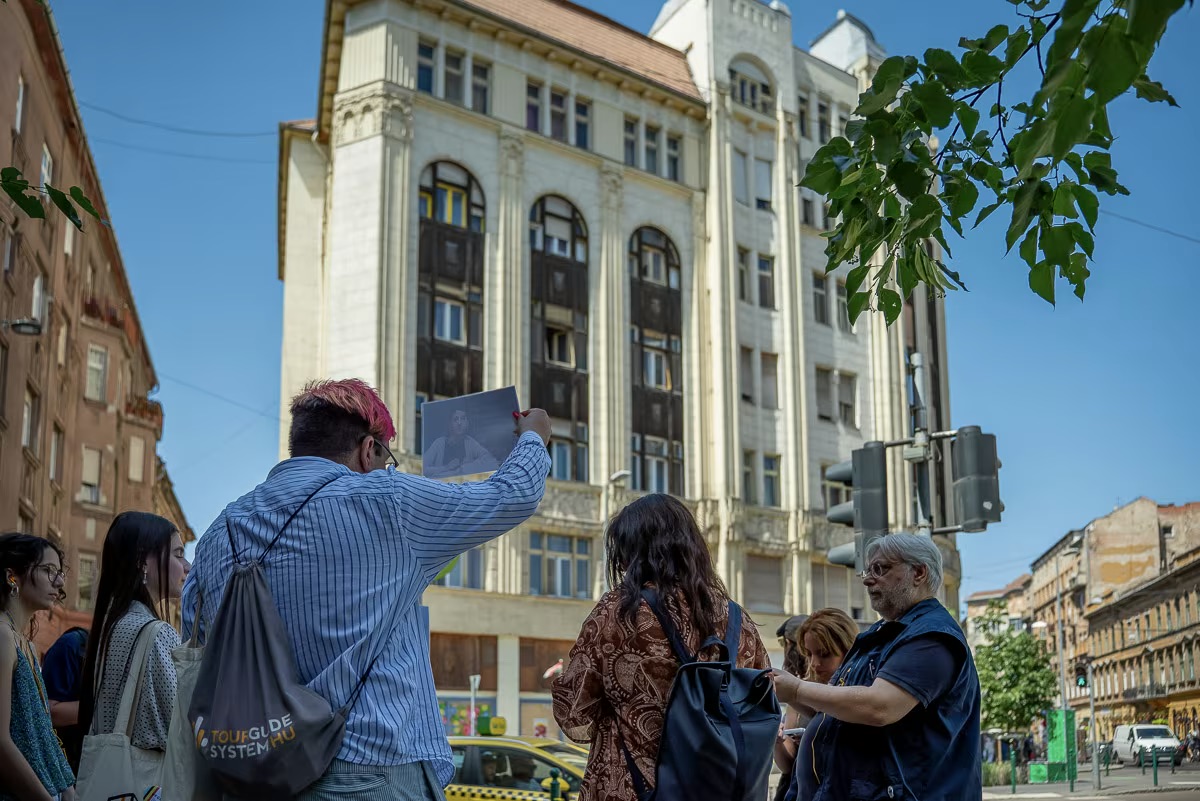
The new Józsefváros walk of the UCCU Foundation takes stock of the obvious and often invisible places of the Roma cultural presence.

This is not the first city walk of the UCCU Roma Informal Foundation, but the first one in Józsefváros – the foundation operates in the district, previously in H13, now in József utca. UCCU is not an average Roma advocacy organization, it is characterized by the self-awareness and independence of the Z generation (20–30 years old). The walk was also led by two young people, Norbert Horváth, who is already beyond his university years, and Csilla Berki, who is still a university student, who were also accompanied by Szilvia Szénási, the head of the foundation.

Crime in Greece

Published by:

Crime in Greece

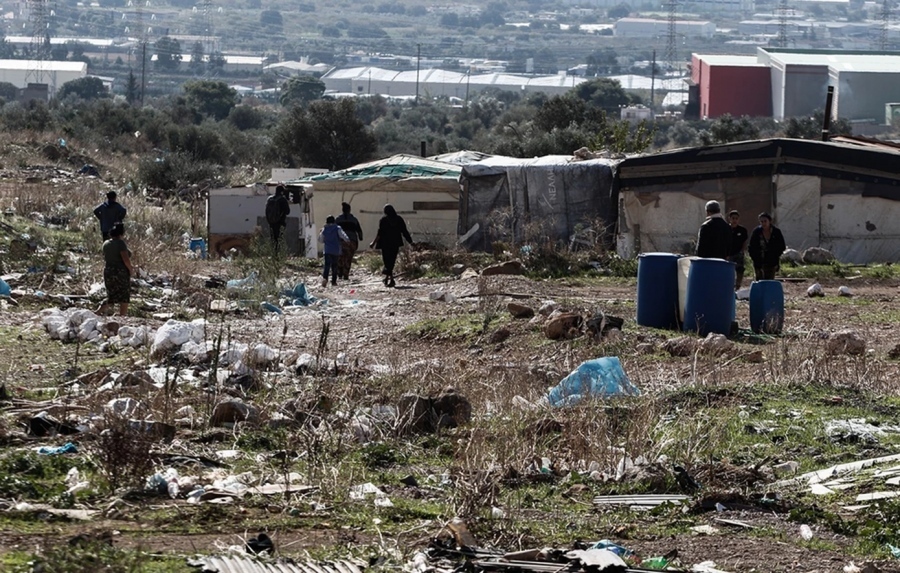
The article says that in 2024, 70% of theft and burglary gangs in Greece were reported to be composed of Roma individuals, raising concerns about crime and ethnicity.

The article discusses the public’s desire for equality under the law, regardless of origin, while highlighting the perception of crime linked to specific communities.

It critiques the Greek political system for failing to address the root causes of poverty and social exclusion, advocating for equal rights and obligations for all citizens.

Bulgaria, Crime, and Roma

Published by:

Bulgaria, Crime, and Roma

Sociologist Alexey Pamporov argues that organized crime is not exclusive to Roma communities but is a result of deep poverty and institutional neglect. He highlights that similar illegal groups exist globally in areas like Rio de Janeiro, Hamburg, and Paris, where law enforcement is often absent.

The lack of educational and job opportunities for youth leads them to be drawn into criminal activities as an easy alternative.

SociolHe also criticizes the institutional blindness towards illegal wealth, highlighting the presence of luxury cars owned by unemployed individuals without legal repercussions.

The involvement of children of high-ranking officials in criminal activities complicates justice efforts, and there are concerns about lenient sentences for offenders, which discourage victims from testifying.

rroma.org
en_GBEN