Daily Archives: October 23, 2026

Romani Pen

Published by:

Romani Pen

Romani PEN has been officially recognized by PEN International, enhancing the global platform for Romani authors and literature. The initiative, launched in Berlin, aims to support Romani writers and promote their cultural significance and language diversity.

Damian Le Bas emphasizes the importance of this recognition for Romani authors, facilitating better support for both emerging and established writers.

Poetry Book

Published by:

Poetry Book

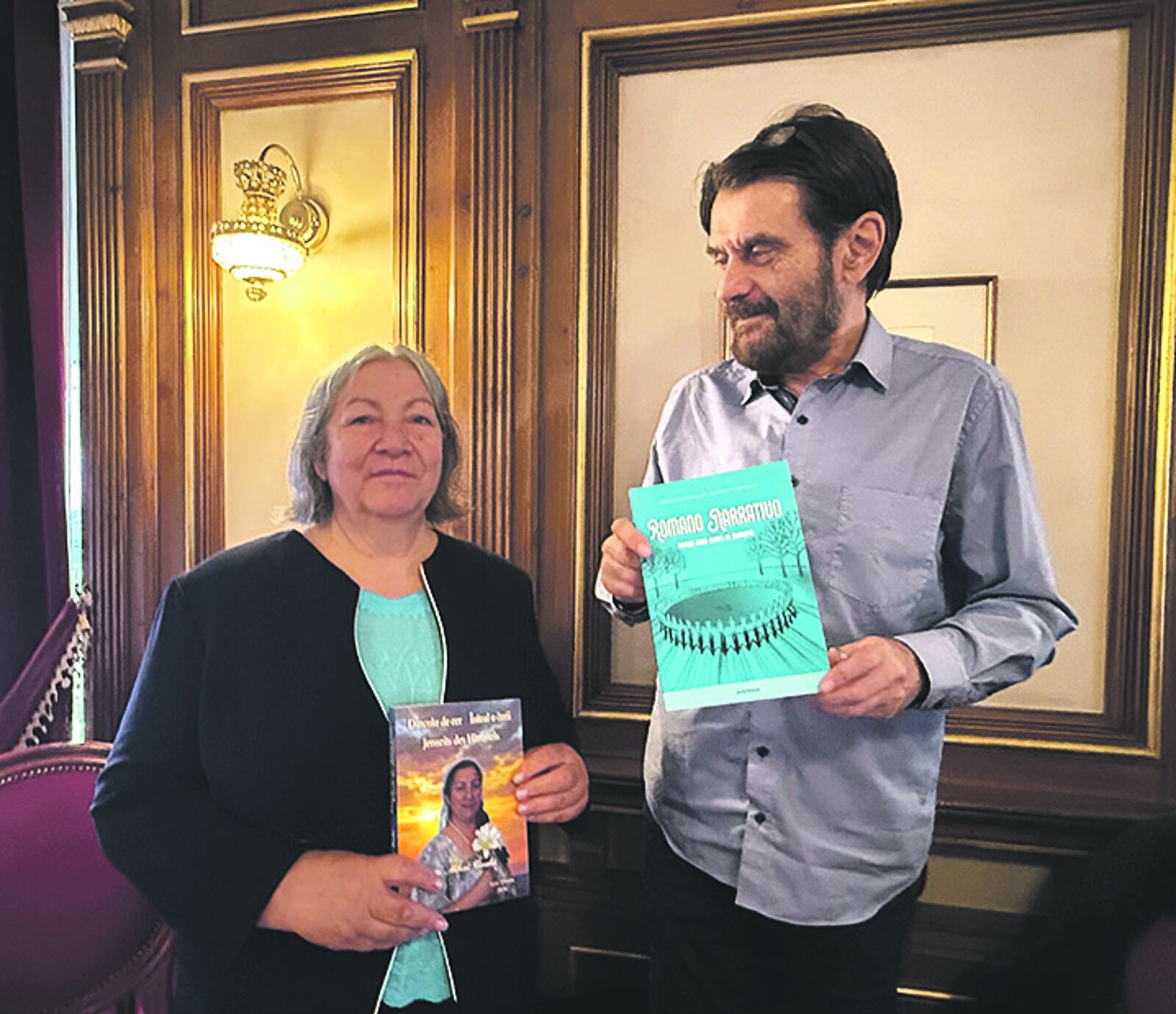
Luminiţa Mihai Cioabă’s trilingual poetry collection, published in 2026, explores themes of time, nature, and human existence, emphasizing the interconnectedness of life and death.

The book, translated into German by Beatrice Ungar, was presented at a festive event in Hermannstadt, highlighting its significance in contemporary Romanian poetry.

Cioabă’s work reflects her Roma heritage and personal experiences, inviting readers to engage with universal themes of memory, loss, and hope.

Electoral Corruption?

Published by:

Electoral Corruption?

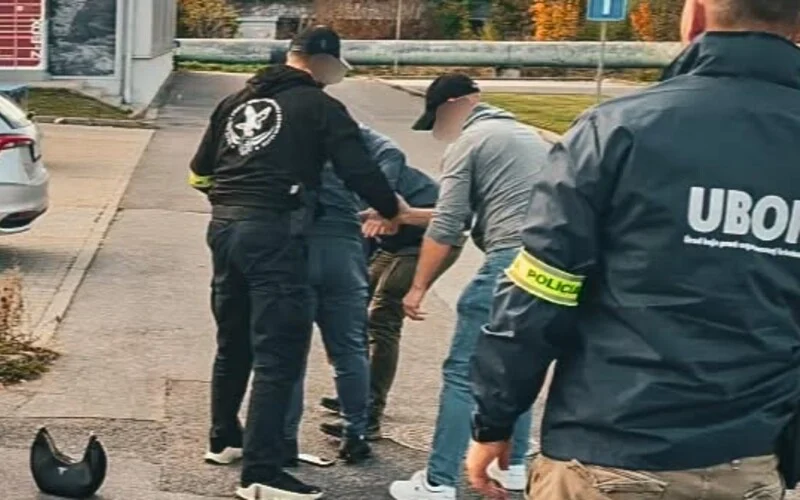
wo men and one woman have been charged with electoral corruption related to upcoming municipal elections in Martin, Slovakia, involving vote buying from the Roma community. The accused allegedly offered to secure 300 to 500 voters for a mayoral candidate in exchange for €5,000 and future contracts if the candidate wins.

An investigator has submitted a proposal for one of the accused to be taken into custody as part of the ongoing investigation by the anti-corruption unit.

Roma Employment

Published by:

Roma Employment

Employment of Roma in regions like Dolenjska, Bela Krajina, and Kočevje in Slovenia remains a significant challenge, with discussions on barriers and potential solutions taking place at a recent mayoral school event in Novo Mesto.

Participants highlighted issues such as low education levels, lack of work experience, and community prejudices as major obstacles to Roma employment, emphasizing the need for better collaboration between organizations and local communities.

Despite efforts over the years, progress in integrating Roma into the workforce has been minimal, with calls for more effective long-term strategies and support from local governments.

Counting Roma …

Published by:

Counting Roma …

A project, proposed by the Office for Nationalities of Slovenia, aims to develop and test a methodology for a pilot census of the Roma population in Slovenia, focusing on detailed demographic data by age, gender, and settlement.

It will concentrate on 20 municipalities with Roma councilors and five additional municipalities with recorded Roma settlements, with an optional inclusion of Roma in Ljubljana and Maribor.

The project, costing up to 90,000 euros, seeks to establish a database for the selected calendar year and assess the gap between existing estimates and actual collected data, contributing to the implementation of European frameworks for Roma equality.

Well, how do they really count them, and a database of Roma, that we have already seen tooo many times …

Roma Rise

Published by:

Roma Rise

The ARSIS organization is hosting the second National Round Table in Thessaloniki as part of the Roma Rise program, focusing on the future and opportunities for young Roma.

The event aims to empower young Roma by allowing them to voice their experiences and suggestions, emphasizing their active role in shaping their future.

The organization calls for equal participation from local authorities and society to ensure that young Roma can access education, employment, and cultural opportunities without discrimination.

Minorities and Serbian Elections

Published by:

Minorities and Serbian Elections

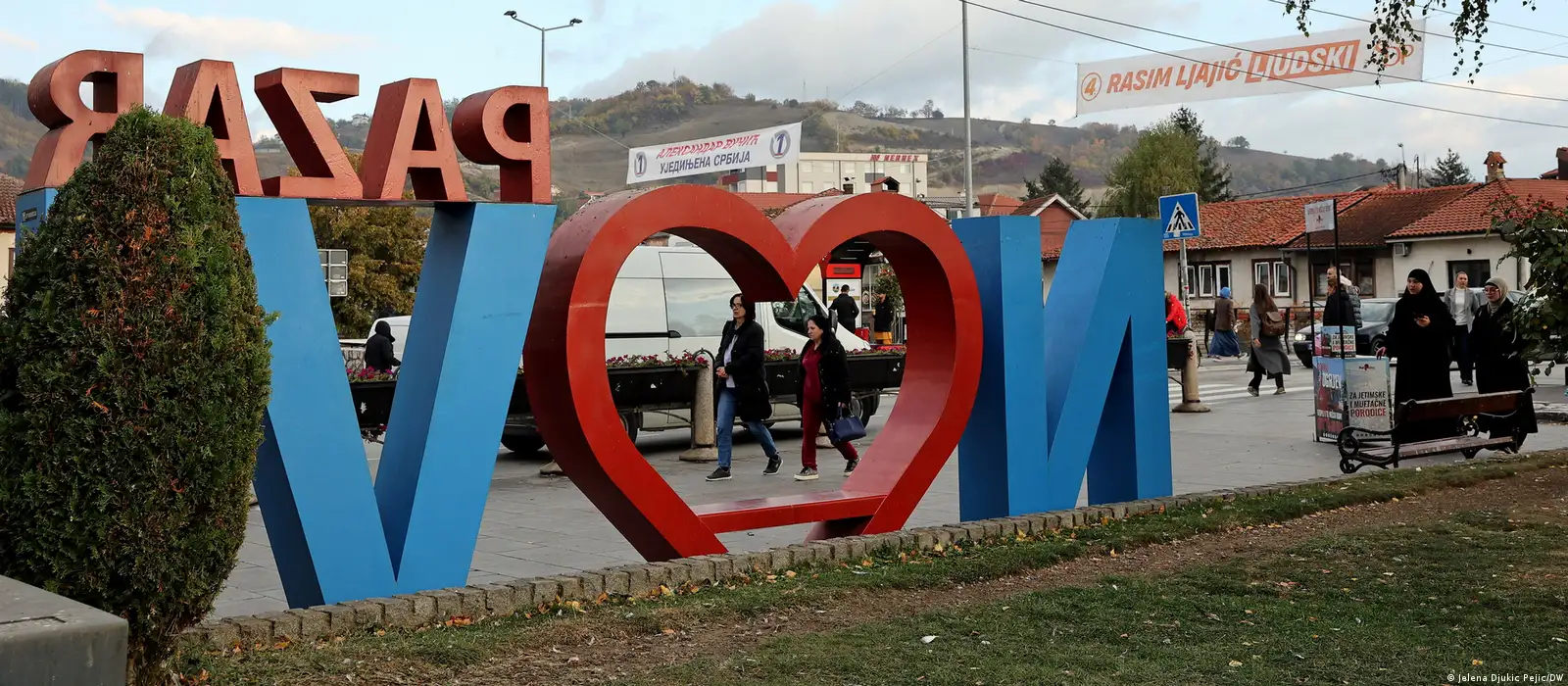
Two articles on the role of minorities in the upcoming Serbian elections. Minority parties will play a crucial role in the elections. Half of the 18 electoral lists are from national minority parties, particularly focusing on the Hungarian and Roma communities.

The Hungarian minority party SVM is the largest and has collaborated with the ruling SNS party, while the Roma community is supporting a student list due to dissatisfaction with their representation.

The article also touches on the challenges faced by other minority groups, including Bosniaks and Albanians, in achieving political representation and their demands for better governance and rights.

rroma.org
en_GBEN