Author Archives: Roma Foundation

AfD and Roma

Published by:

AfD and Roma

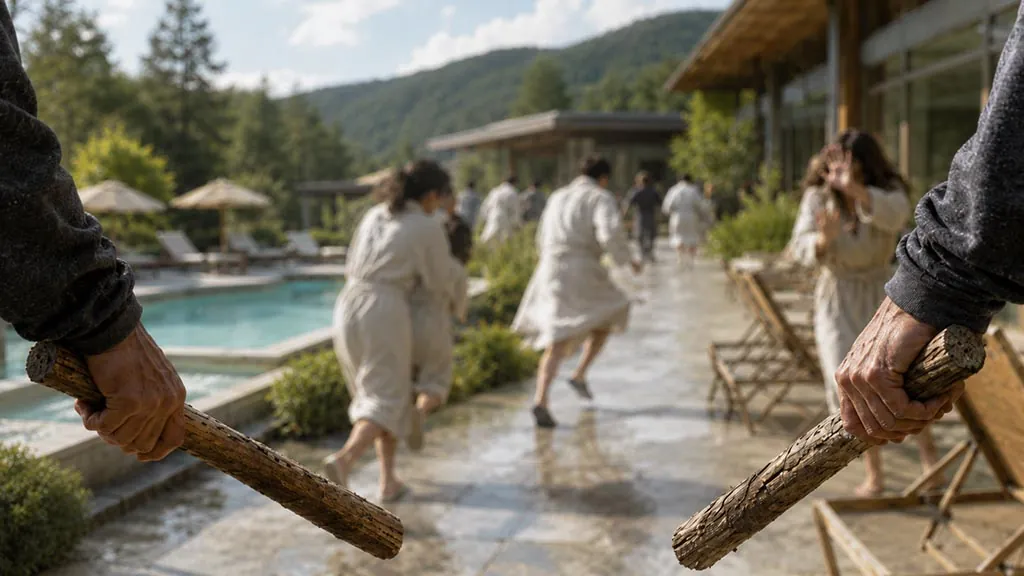
AfD politicians Norbert Emmerich and Enxhi Seli-Zacharias were filmed giving brooms to Sinti and Roma in Gelsenkirchen, instructing them to sweep the sidewalk. The video, which was shared on social media, has since been removed, and some Sinti and Roma reported feeling intimidated by the politicians.

Other political parties, including SPD, FDP, and Greens, condemned the video as inhumane.

What are you wondering about?

Crime in Greece

Published by:

Crime in Greece

Another article whereby crime in Greece is basically a Roma problem… According to the article, two criminal organizations, primarily composed of Roma members, were dismantled in Athens and Piraeus, targeting expensive jewelry and watches.

The groups operated with a high level of professionalism, using coded language and disguises to commit thefts, resulting in a total loot of around two million euros.

Authorities emphasize the importance of public awareness regarding suspicious phone calls from scammers posing as utility workers or insurance agents.

Let’s talk about real criminalirty and the embezelment of EU agro funds at all levels of the Greek government …

Portugal and Roma

Published by:

Portugal and Roma

DJ Jorge Syllvah performed at the National Gypsy People’s Day in Lisbon, highlighting the challenges faced by the Roma community in Portugal, including racism and discrimination.

The rise of the far-right party Chega has intensified xenophobic rhetoric against the Roma, leading to increased public discrimination and a push for community organization and activism.

Despite historical marginalization, the Roma community in Portugal is gaining visibility and representation, with recent legal victories against hate speech and a growing presence in education and political activism.

The traveling exhibition “Viagem Cigana” was inaugurated in Fornelos, Portugal, aimed at combating stereotypes and promoting knowledge about the Roma community.

The outdoor exhibition features 20 panels showcasing the origins of the Roma people, their arrival in Portugal, aspects of their culture, and testimonies of integration in the labor market.

The exhibition will continue to various locations before concluding in October in the city center, where collected testimonies will be presented.

Arakhel …

Published by:

Arakhel …

The city of Pirot has been selected as the pilot city for the regional project “Arakhel,” aimed at improving protection and support for Romani women victims of gender-based and domestic violence.

The project, led by the Bibija Romani Women’s Center in partnership with civil society organizations from Greece, North Macedonia, Romania, and Bosnia and Herzegovina, is supported by the European Union.

Key goals include establishing a specialized center for comprehensive support for Romani women facing violence and enhancing trust in institutions to encourage reporting of violence and seeking help.

Oecumenical Initiative

Published by:

Oecumenical Initiative

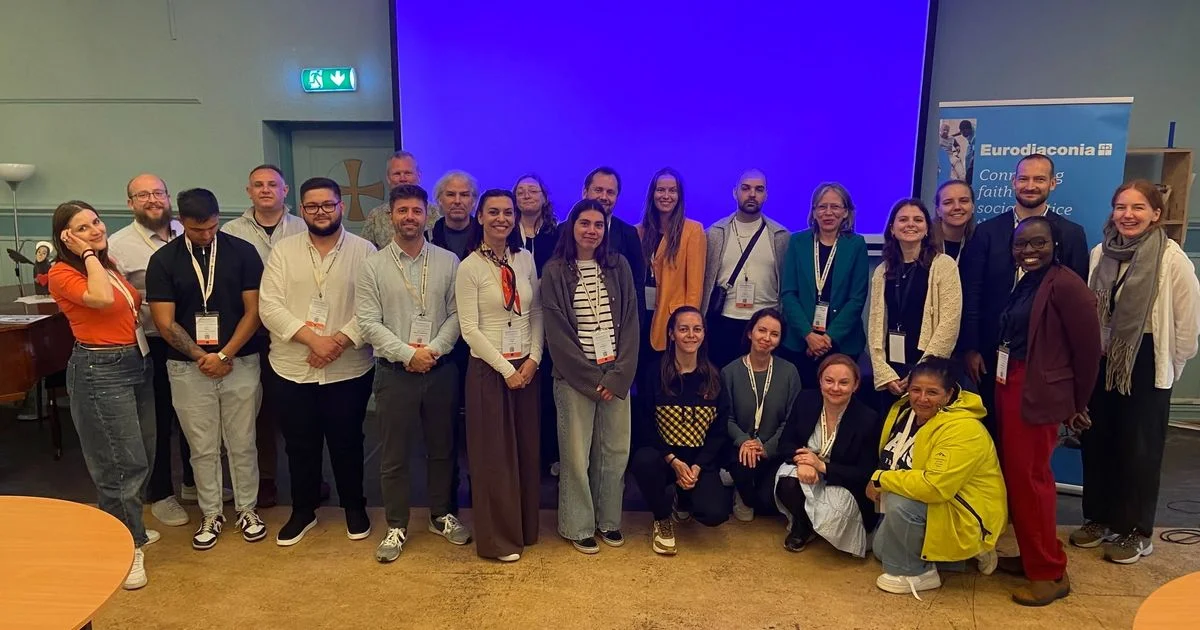
Representatives of the Ecumenical Community presented a model for social inclusion of Roma at a meeting of European networks in Oslo, focusing on combating extreme poverty.

The initiative aimed to exchange experiences and establish effective methods for fighting poverty and social isolation through concrete integration models.

The article expresses skepticism about the effectiveness of such models, suggesting they often remain theoretical and do not address the deep-rooted issues of poverty and prejudice in European societies.

Bulgaria Brawl – Again

Published by:

Bulgaria Brawl – Again

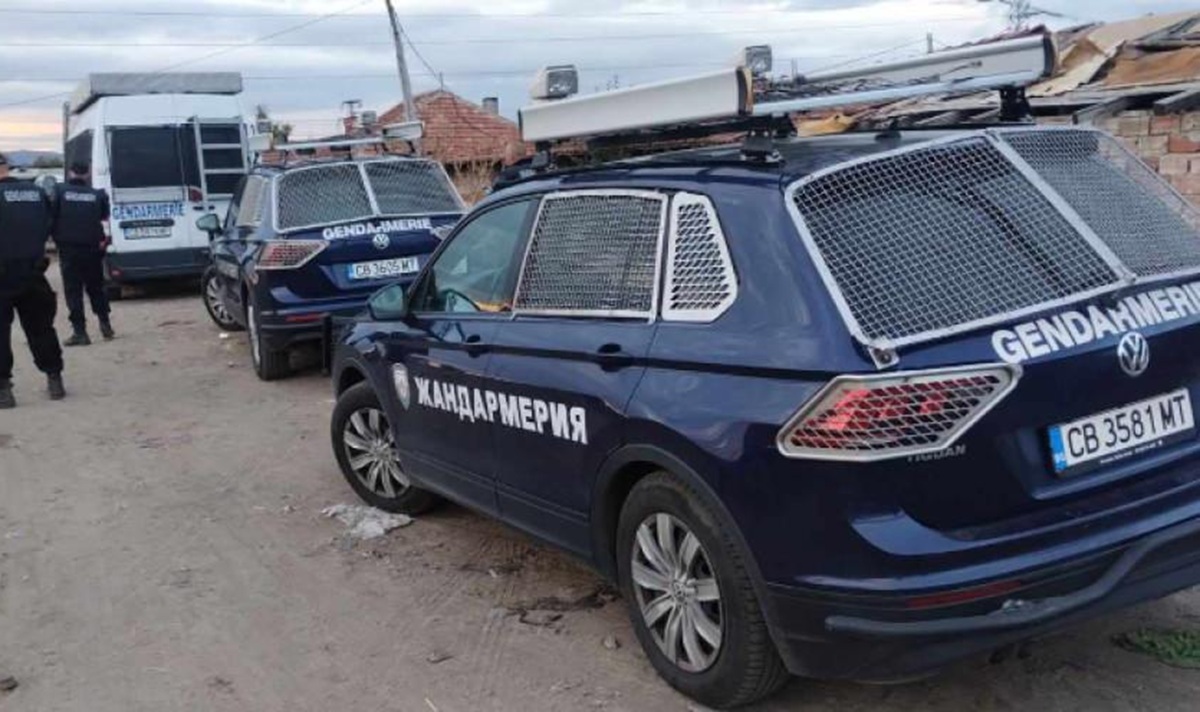
A mass brawl involving around 100 people occurred in the village of Kŭrnare, Bulgaria, between two feuding Roma families, as reported by Nova TV. This resulted in several news articles.

Police teams quickly arrived to control the situation, where participants were throwing hard objects at each other, resulting in property damage but no serious injuries.

The atmosphere in the village is currently calm, with police patrols remaining until public order is fully restored; similar incidents have been noted in other regions recently.

Critique

Published by:

Critique

The film Pramen, depicting forced sterilization of Romani women in 1980s Czechoslovakia, faces criticism for centering on doctors’ perspectives rather than the victims. While intended to highlight a dark historical chapter, critics argue the portrayal risks relativizing racially motivated state policy by suggesting the perpetrators acted in good faith.

Traditions

Published by:

Traditions

Andreea Tudor, a young Romani woman, shared her strict childhood rules and traditions on TikTok, highlighting the responsibilities placed on her from a young age.

She explained that after the age of 12, she was no longer seen as a child and had to take on household duties, while also facing restrictions on her clothing choices and friendships.

Her video sparked significant online reactions, with many viewers learning about Romani customs for the first time and appreciating her openness about her experiences.

Kali Sara

Published by:

Kali Sara

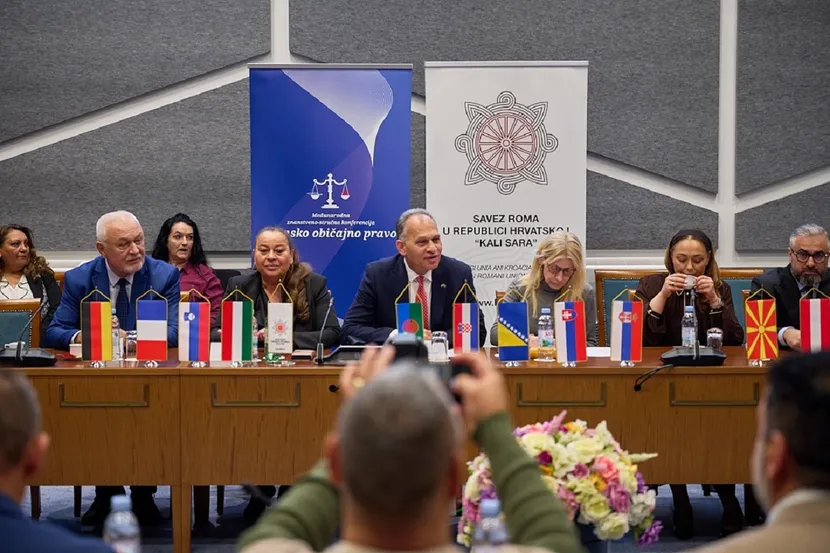
The Roma Alliance in the Republic of Croatia “KALI SARA” has issued a public call to citizens, institutions, researchers and organizations from all over Europe to propose new personalities for the updated edition of the publication “Traces of Roma Culture – Meritorious Among Us”, which is one of the most important publications dedicated to the preservation of Roma history, culture and identity.

Is it Normal?

Published by:

Is it Normal?

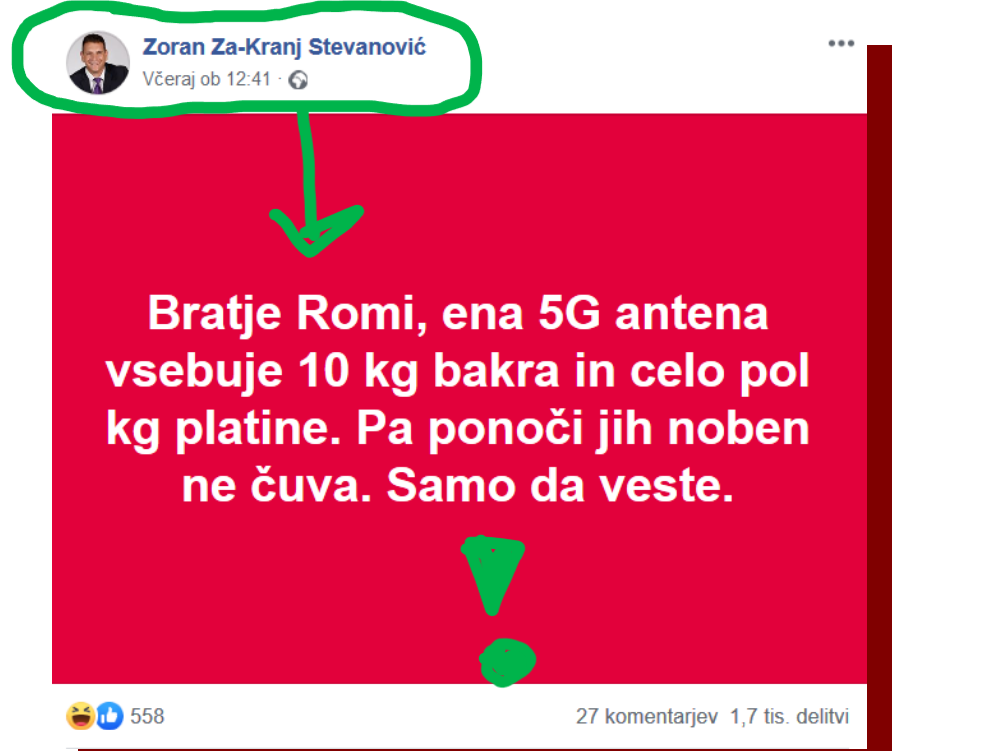
Zoran Stevanović, before becoming the president of the Slovenian parliament, made various controversial statements online as a local politician.

In a specific post, he said: Bratje Romi, ena 5G antena vsebuje 10 kg bakra in celo pol kg platine. Pa ponoči jih noben ne čuva. Samo da veste. Brothers Roma, one 5G antenna contains 10 kg of copper and even half a kg of platinum. And no one guards them at night. Just so you know.

His comments reflect a longstanding attitude rather than a new development after his election to the national assembly.

Attack

Published by:

Attack

Several articles in the Slovenian press about a violent incident where a 28 years old man was injured and needed to he hospitalised. The attackers were apparently Roma, but the police confirmed that the attack was not random and involved individuals who knew each other.

Bad reporting, and bad news…

Te Prindžaras Amen

Published by:

Te Prindžaras Amen

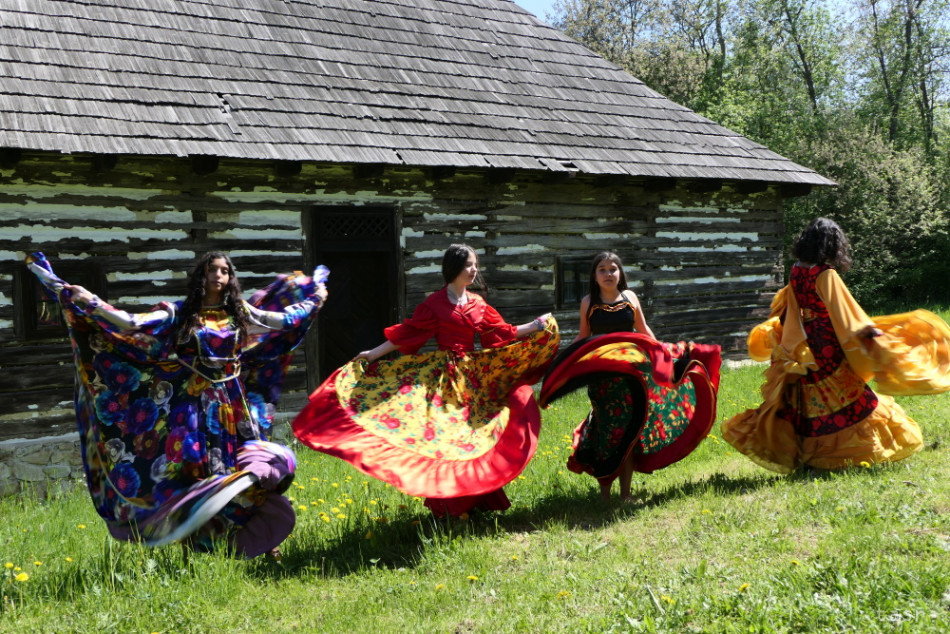
The 22nd edition of the festival “Te prindžaras amen – Let’s Get to Know Each Other” will focus on traditional dance forms of various Roma groups in Slovakia, taking place on July 12 at the Slovak Village Museum in Martin.

Visitors will learn about Roma dance folklore from educators and will have the opportunity to see performances from established Roma dance ensembles and musicians.

The event will also feature a photography exhibition by respected Roma journalist Roman Čonka, showcasing the lives of notable Roma musicians and artists, along with workshops for children.

Brawl in Hospital

Published by:

Brawl in Hospital

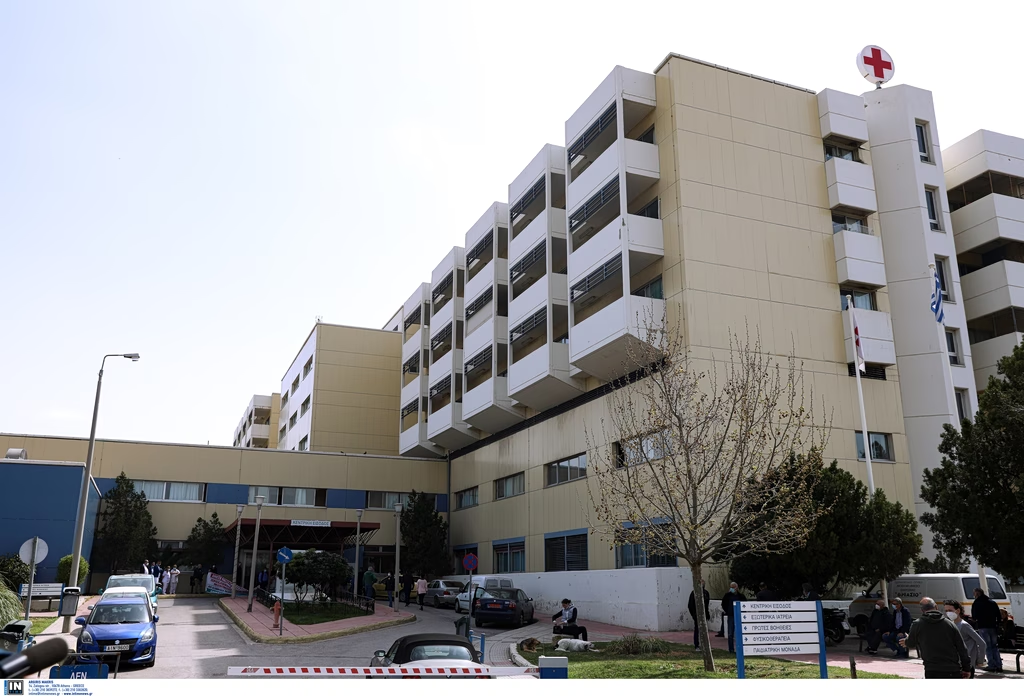
Several articles in the Greek press about a brawl in a hospital where family members of a Rom protested when his cat scan was delayed due to other emergencies. This resulted in increased police patrols, but to no arrests.

Bad.

Roma Identity and Archive Infrastructure

Published by:

Roma Identity and Archive Infrastructure

The Roma Identity & Archive Infrastructure was introduced in The Hague as a solution for Roma individuals lacking sufficient documentation to prove their identity and heritage.

The initiative aims to create a reliable population register for Roma, enabling official documentation issuance and assisting government agencies in identifying individuals of Roma descent.

The project seeks to expand globally, providing support to Roma communities and foreign authorities in identity verification and documentation processes.

In our view, this is dangerous, and will not bring much. Having legal documents is the duty of the states, and has nothing to do with Roma. As for the Romani identity, well, how and who will decide?

5th International Roma Music Day

Published by:

5th International Roma Music Day

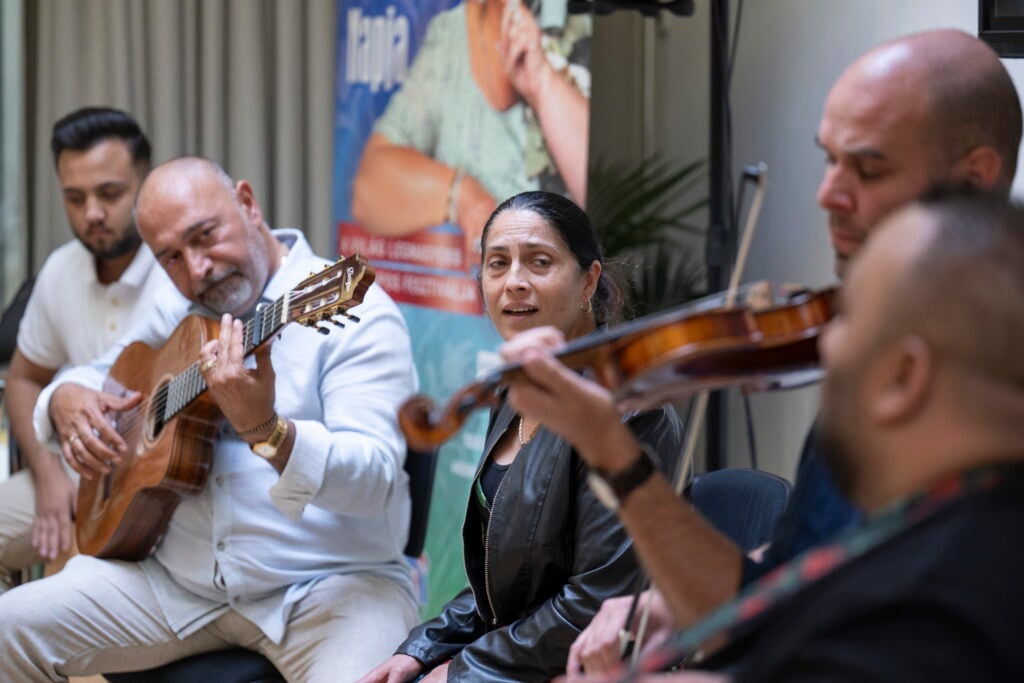
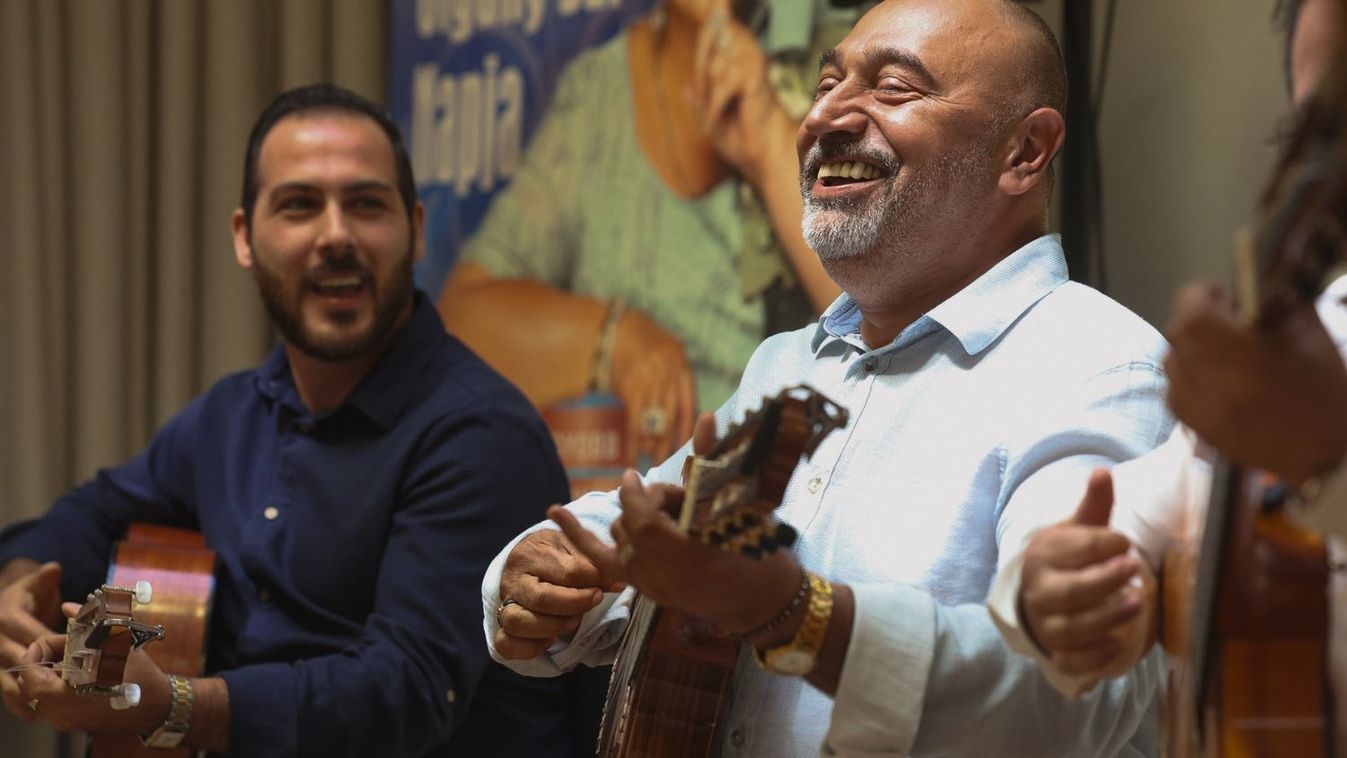
The 5th International Day of Gypsy Music will take place on August 8, connecting 11 venues across 7 countries, with Budapest as the main hub.

The festival aims to celebrate the diversity of Roma music, featuring nearly 30 artists and free concerts, despite financial challenges in Hungary’s cultural scene.

The event honors the late Esma Redžepova, a prominent figure in Romani music, and includes a tradition of simultaneous performances of the international Romani anthem, “Gelem, Gelem.”

Would be nice if they did not use the “Gypsy” or even worse, the “Z”-word …

Racism in Serbia

Published by:

Racism in Serbia

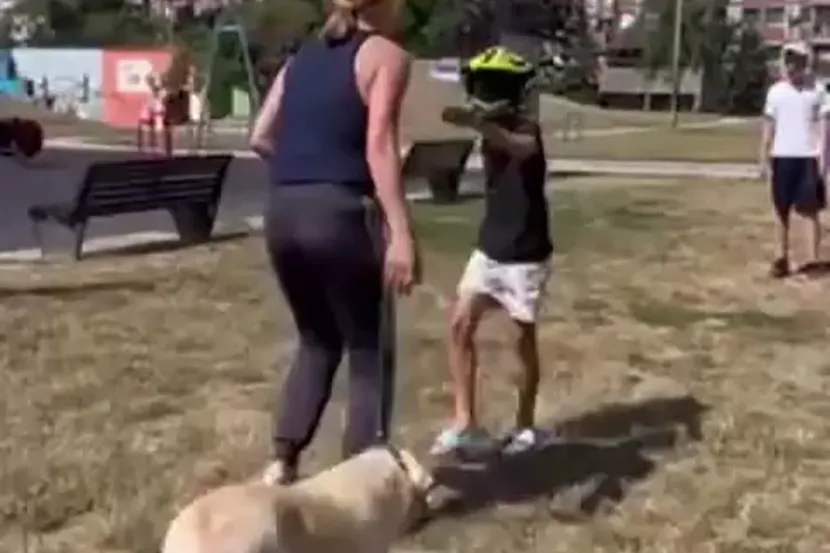
A video from Šabac shows a woman physically assaulting a Roma boy while using racist insults, sparking outrage on social media in Serbia.

The attacker, K. S., admitted to the incident but downplayed it, claiming she only slapped the boy twice after he was allegedly rude.

The victim’s mother reported the incident to authorities, highlighting previous aggression from the same woman, and called for institutional action to prevent such incidents in the future.

Education In Moldova

Published by:

Education In Moldova

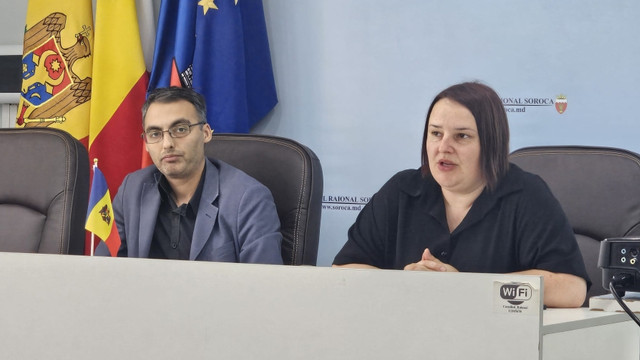
A consultative meeting organized by the Ministry of Education in Soroca focused on improving access to education for Roma children and preventing school dropout.

The meeting included local authorities, educational institutions, community mediators, civil society organizations, and parents, discussing affirmative measures to support Roma students. The importance of early education and collaboration between authorities, schools, and the Roma community was emphasized to create a more inclusive educational environment.

Proposed measures include reserving 10% of places in first and tenth grades for Roma children, admission facilities for vocational and higher education, merit scholarships, and increased social scholarships for vulnerable families.

Viața de Țigani

Published by:

Viața de Țigani

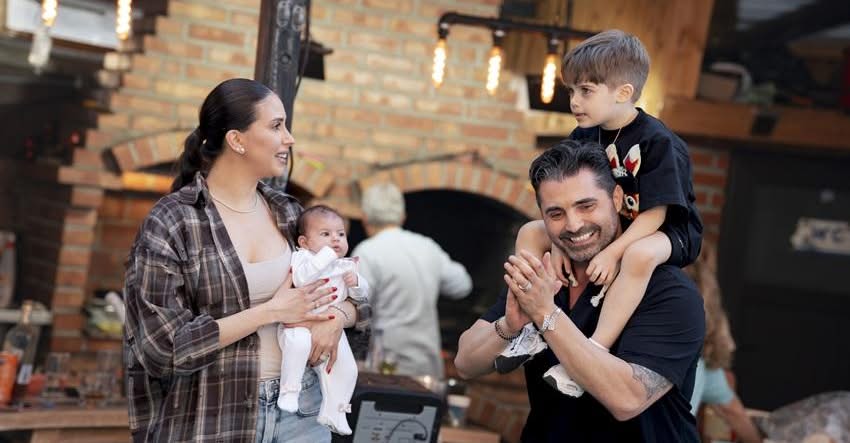
Pepe’s new single “Viața de Țigani” is accompanied by a documentary film that showcases nearly a century of family history in under four minutes, featuring archival footage and personal moments.

The film highlights five generations of Pepe’s family, culminating in the introduction of his two-month-old daughter, Jessica, marking her public debut.

The narrative emphasizes the importance of family bonds and traditions, with Pepe reflecting on his upbringing and the legacy of music passed down through generations.

Monika Lakatos

Published by:

Monika Lakatos

The Lakatos Mónika Folk7Festival and Workshop will take place from July 31 to August 3, leading up to the Balaton GipsyFest, which will follow for three days.

The workshop aims to attract those who love Romani music and culture, providing an opportunity to engage with the culture and understand its nuances.

The event encourages interaction between Romani and non-Romani individuals, fostering a deeper understanding of Romani culture and language through music and dance.

Forced Labour

Published by:

Forced Labour

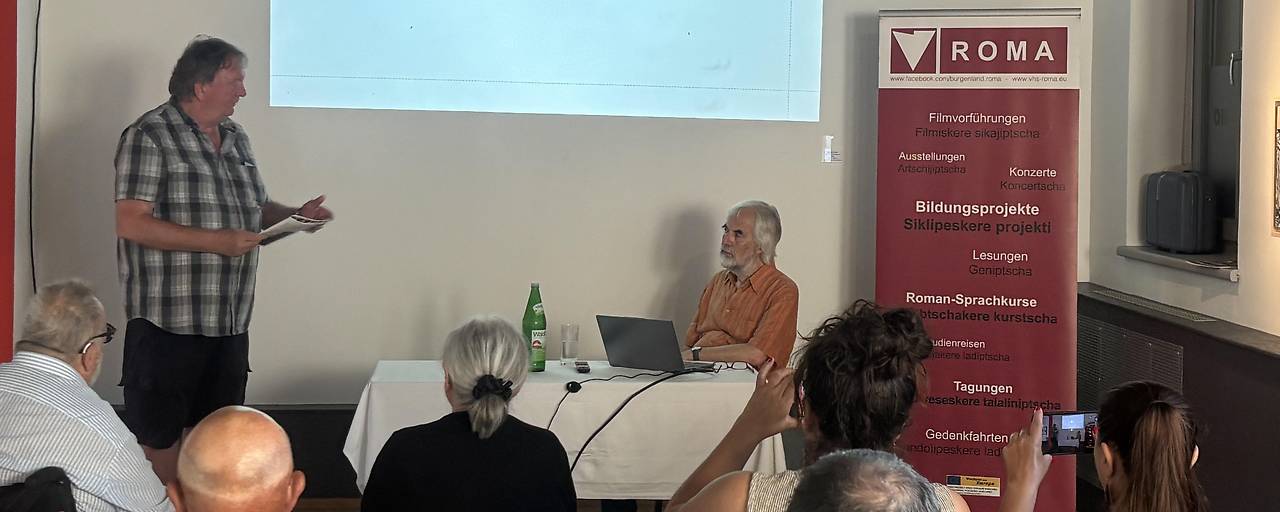
Historical evidence shows that Roma from Burgenland were forced to work on the Reichsautobahn during the Nazi era, with new research pinpointing specific locations of these labor camps.

Writer Ludwig Laher has been investigating Nazi forced labor and the persecution of Roma and Sinti, utilizing new archival sources to shed light on these historical events.

Events organized by Roma-VHS Burgenland aim to raise awareness about the history of forced labor and keep the memory of the victims alive, highlighting the ongoing relevance of this topic today.

rroma.org
en_GBEN