Author Archives: Roma Foundation

Jasenovac / Uštice

Published by:

Jasenovac / Uštice

The International Day of Remembrance of the Romani Victims of Genocide (Samudaripen) was commemorated in Uštica near Jasenovac, with the opening of the ‘Amare, amale’ Peace and Friendship Park for Roma.

Minister of Labor Alen Ružić emphasized Croatia’s support for the culture of remembrance, stating that the suffering of the Roma must never be forgotten as it is essential for a society of tolerance and equality.

MP Veljko Kajtazi reminded attendees of the suffering of Roma during World War II and the importance of remembrance as a responsibility of the living.

Lackenbach

Published by:

Lackenbach

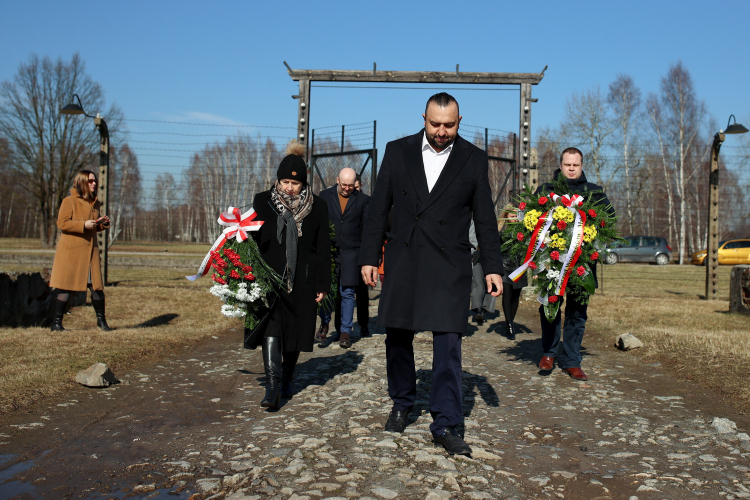
Approximately 4,000 Roma and Sinti were deported from the Lackenbach detention camp during the Nazi era, with only a few hundred surviving, most of whom were murdered.

The commemoration event emphasizes the importance of remembering these atrocities, which occurred within local communities, and the need to confront the past to ensure a peaceful future.

Political leaders stress the necessity of protecting minority rights and combating hate and discrimination as part of honoring the memory of the victims.

Liberec

Published by:

Liberec

The City of Liberec commemorated Romani and Sinti victims of Nazi persecution by flying the Romani flag and emphasizing the importance of tolerance and respect in society.

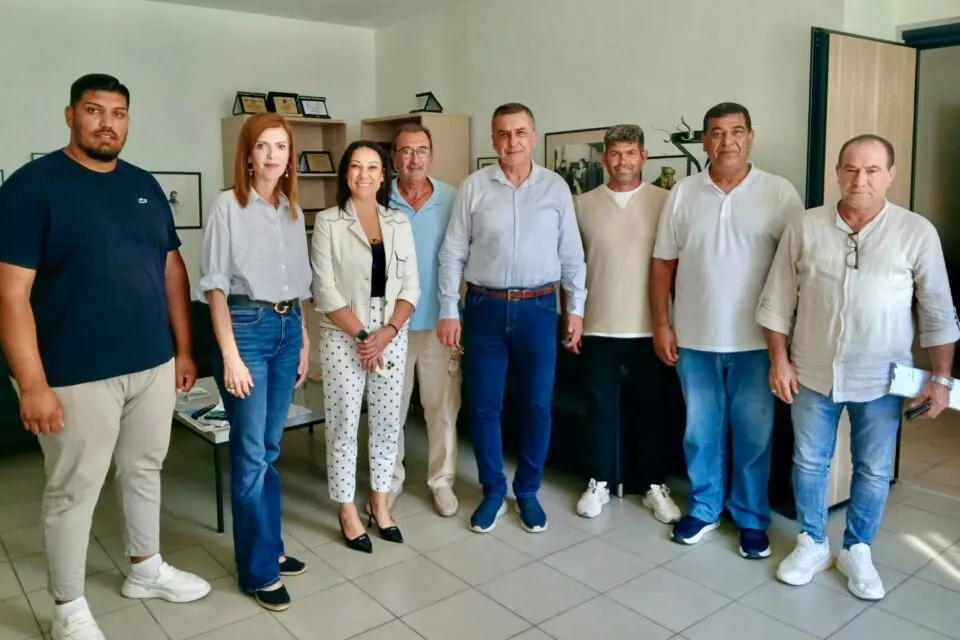
The Liberec Regional Authority and local officials met with Romani community representatives to honor historical memory and promote dialogue against hate and racism.

The article highlights the tragic history of the Romani and Sinti during the Holocaust, including their deportation and murder in concentration camps, and calls for ongoing recognition and commemoration of this genocide.

Commemoration in Slovakia

Published by:

Commemoration in Slovakia

The Day of Remembrance for the Victims of the Roma Holocaust emphasizes the importance of remembering historical events that should not be forgotten and should be included in history education.

The Ministry of Education in Slovakia highlighted that remembering the Roma Holocaust is a sign of respect for the victims and contributes to preserving historical memory, promoting a society based on respect and understanding.

The commemoration marks the events of August 2-3, 1944, when nearly 3,000 Roma were murdered at Auschwitz-Birkenau, with an estimated half a million European Roma and Sinti killed during World War II, and around 1,000 Roma victims in Slovakia alone.

Commemoration in Serbia

Published by:

Commemoration in Serbia

The Topovske Šupe camp was the first concentration camp for Jews and Roma in occupied Belgrade during World War II, where 5,000 Jews and 1,500 Roma perished.

Krinka Vidaković Petrov, director of the Staro Sajmište Memorial Center, emphasized the need for an inclusive culture of remembrance, advocating for a memorial plaque for Roma victims alongside the existing one for Jews.

Igor Jovanović, deputy president of the Belgrade City Assembly, highlighted the significance of August 2 as a day to remember the suffering of the Roma people during the war, as recognized by the European Parliament in 2015.

Commemoration in Hungary

Published by:

Commemoration in Hungary

A memorial event for the Roma Holocaust was held in Hódmezővásárhely, attended by government, municipal, religious, and civil representatives, emphasizing the importance of combating hate and exclusion today.

Minister Zoltán Tarr highlighted the need to acknowledge past wrongs and promote social reconciliation during his speech.

Mayor Péter Márki-Zay noted that Hódmezővásárhely was the first city in Hungary to publicly commemorate the victims of the Roma Holocaust, warning that genocides result from long-term exclusionary processes.

Relocation

Published by:

Relocation

Several more articles on the relocation of Slovak Roma to Hungary.

The Hungarian Ministry of Interior is investigating the relocation of Roma families from the Lubina settlement in Košice to Szalonna, focusing on the legality and organization of the real estate transactions involved.

Concerns from Szalonna residents regarding safety are being taken seriously, and the ministry plans to collaborate with Slovak authorities to clarify the situation.

The mayoral candidate for Košice, Miroslav Sabol, has filed a criminal complaint regarding the eviction of the illegal Lubina settlement, while the local mayor insists the process was not politically motivated and was organized through the non-profit sector.

August 2nd.

Published by:

August 2nd.

The European Holocaust Memorial Day for Roma and Sinti is officially observed on August 2, recognizing the genocide of approximately 500,000 Roma during the Nazi regime, with various countries in Central and Southeastern Europe participating in memorial events.

Poland, Slovakia, Hungary, and the Czech Republic have established official commemorations, while other countries like Bulgaria and Serbia observe the day informally or do not recognize it officially.

The memorial events often address not only historical atrocities but also contemporary issues of anti-Roma sentiment and discrimination in these regions.

Memory

Published by:

Memory

Frieda Daniels, a 93-year-old former high-wire artist, shares her experiences during the genocide at the time of the Holocaust to educate younger generations about the atrocities faced by the Sinti and Roma community.

She and her family were persecuted by the Nazis, with an estimated 500,000 Sinti and Roma murdered during the genocide.

Now living in California, Frieda continues to travel and speak about her past, recently reflecting on her experiences during a visit to an exhibition in Heidelberg, Germany.

Roma, History, and Croatia

Published by:

Roma, History, and Croatia

Several articles in the Croatian press about Roma history and the fact that “cigany” is a pejorative term. Some of the historical facts are to be debated … There have been quite a few ammends to Wikipedia that warrant some review.

Slovenia: Demolition

Published by:

Slovenia: Demolition

Amnesty International Slovenia and the Legal Network for the Protection of Democracy accuse the Novo Mesto municipality of failing to provide housing after the demolition of a woman’s home in a Roma settlement, citing violations of human rights and legal procedures. The municipality is enforcing demolition orders on illegal constructions in a Roma settlement, leading to protests from the Roma community.

It defends its actions, stating it was obligated to enforce a legal decision regarding the illegal structure and denies any wrongdoing regarding the individual’s rights.

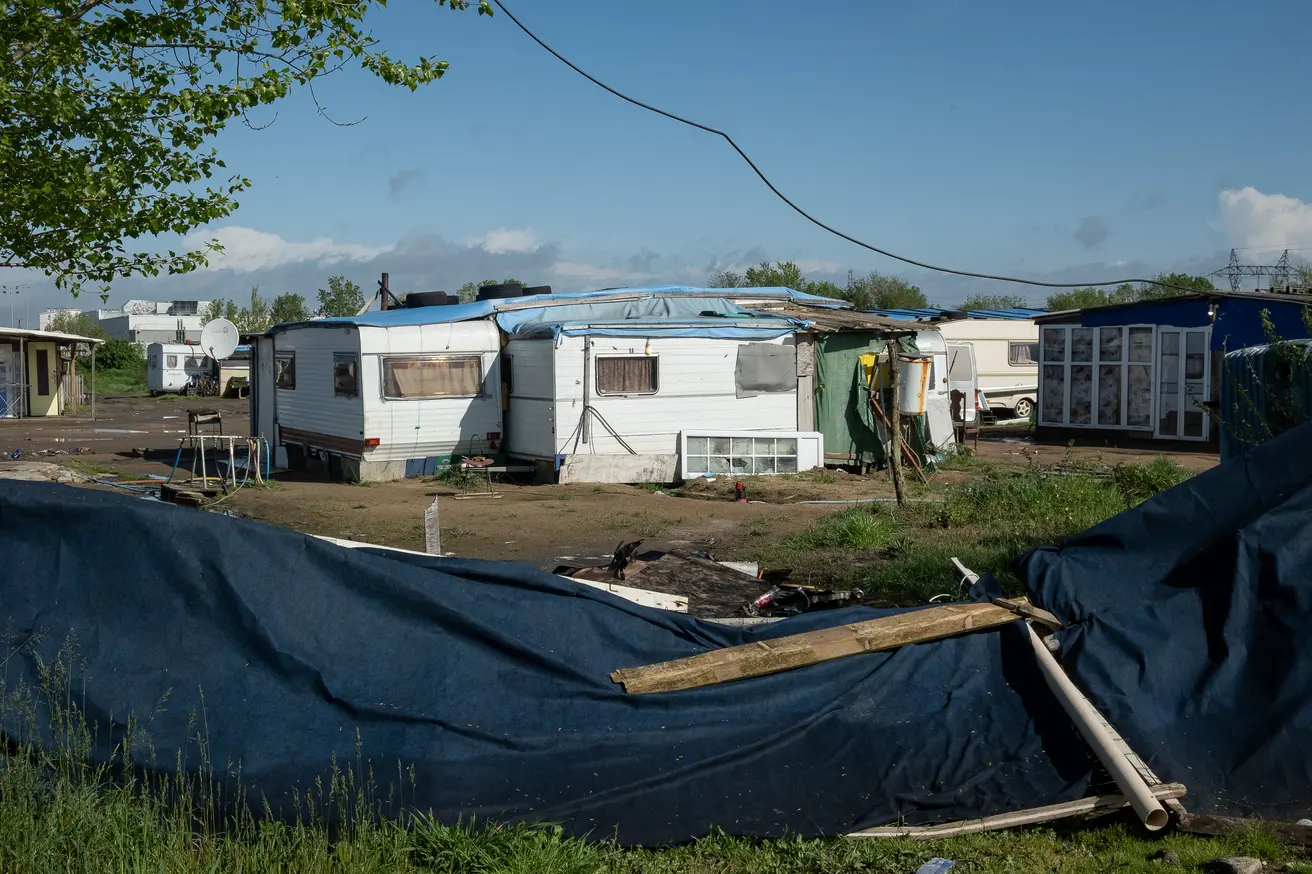
A representative of the Roma community expresses frustration over the lack of support from the municipality, highlighting ongoing issues with access to basic utilities and the need for better living conditions. Roma leaders criticize the head of the Roma Association for inaction and demand legal protection and alternative housing for affected residents.

Roma in Greece

Published by:

Roma in Greece

Many members of the Roma community in Greece live on the margins of society, facing poverty, poor housing conditions, and limited access to education and healthcare.

Roma settlements are often located on city outskirts, lacking proper infrastructure and basic utilities, leading to high unemployment and social exclusion.

Despite government programs aimed at better integration, progress is slow due to deeply rooted barriers, including low education rates and widespread discrimination against the Roma.

Filipovtsi

Published by:

Filipovtsi

The Roma neighbourhood of Filipovtsi in Sofia, Bulgaria, saw the destruction of several buldings (deemed illegal) and resulted in a plethora of articles in the Bulgarian press.

25 “illegal” agricultural structures were demolished by the municipality, leading to the removal of over 40 horses, which caused tension between residents and journalists.

Apparently some journalists were attacked and injured.

Local authorities emphasized that the operation targeted only illegal structures on private land and would not affect residential buildings.

Roma residents expressed concern over the removal of the horses, which they rely on for income, and dissatisfaction with the cleanup of debris left after the demolition.

Education

Published by:

Education

Gabriela Gáborová, a Roma mayor in Slovakia, emphasizes the importance of education for Roma children and has prioritized building a kindergarten in her village, Vtáčkovce, while addressing illegal housing issues.

She faces discrimination as a Roma woman in her role, having received extremist threats since taking office, but remains committed to her work and believes in judging individuals by their actions rather than their ethnicity or gender.

Gáborová highlights the ongoing challenges of illegal constructions and land ownership disputes in her community, advocating for legal housing solutions and integration of Roma families into society.

Relocation – Continued

Published by:

Relocation – Continued

Two Roma families from Košice, Slovakia, moved to Szalonna, Hungary, sparking discussions about potential organized resettlement, although officials deny any mass relocation plans.

Local authorities in both Košice and Szalonna have stated that the families moved voluntarily and that no program exists to facilitate the relocation of disadvantaged residents to Hungary.

The situation has led to emergency meetings in Szalonna to pass a regulation aimed at responsible property sales and ensuring new residents respect local community values.

The Slovak government is investigating claims regarding the relocation of Roma families from a settlement in Košice to Hungary, with officials planning to meet affected families for further information.

Slovenia Memorial

Published by:

Slovenia Memorial

The Maribor synagogue held a memorial event for the International Day of Remembrance of the Roma and Sinti genocide, emphasizing the need to remember and warn against rising intolerance in Europe.

Jožek Horvat Muc highlighted that the genocide, which claimed around half a million Romani lives during WWII, is often overlooked in history, and that current discrimination and hate speech against Roma persist in many European countries.

Slovenian officials acknowledged progress in integrating the Romani community but stressed the need for ongoing dialogue and responsibility to combat prejudice and protect human rights.

Hungary Commemoration

Published by:

Hungary Commemoration

August 2 is recognized as the international memorial day for the Roma Genocide during the Holocaust, marking the liquidation of the Auschwitz-Birkenau Roma camp in 1944, where over 3,000 Roma were killed by the SS.

A remembrance event will take place in Miskolc, Hungary, including a mass for the victims and speeches by notable figures, commemorating the fifth anniversary of the Roma Holocaust Memorial.

The Roma Holocaust remains a lesser-known aspect of World War II, with ongoing efforts to ensure its recognition and remembrance in historical narratives.

School Dropouts

Published by:

School Dropouts

The city of Podgorica and the NGO Center for Roma Initiatives have published a book addressing the causes and consequences of Roma and Egyptian children’s dropout from primary education, authored by Fana Delija.

The book emphasizes the importance of education in breaking the cycle of poverty and discrimination, urging policymakers to ensure that no child drops out of school and to promote social integration.

The publication coincides with the European Day of Remembrance for the Roma genocide during World War II, aiming to foster understanding and combat racial discrimination in Montenegro.

Vienna Memorial Service

Published by:

Vienna Memorial Service

A memorial service for Roma and Sinti victims of the Holocaust will take place on August 2 at St. Stephen’s Cathedral in Vienna, led by Auxiliary Bishop Franz Scharl, with a wreath-laying ceremony to follow.

Austria officially recognizes August 2 as a National Holocaust Remembrance Day for Roma and Sinti, commemorating the murder of approximately 4,300 individuals in Auschwitz in 1944.

The 30th Roma Pilgrimage to Mariazell is scheduled for August 9, celebrating faith and culture, with participation from Roma communities across Europe.

Relocation Confusion

Published by:

Relocation Confusion

Mihály Dancs (from the Hungarian Roma Autonomy) discusses an agreement for the social department of the Košice municipality to visit families in Szalonna to understand their situation and help them stay if they wish. From the article it is not clear whether they have already been relocated or the relocation is intended.

He expresses doubts about the feasibility of families commuting to school in Košice due to language barriers and long travel distances, which could lead to conflicts within the local Roma community.

Dancs emphasizes the need to support the Roma families from Košice while ensuring that tensions do not arise within the Hungarian Roma community.

rroma.org
en_GBEN