Author Archives: Roma Foundation

Relocation Update

Published by:

Relocation Update

The Slovak city of Košice is destroying a Roma settlement. Some of the families seem to have been relocated to Szalonna, Hungary.

The mayor of Encs urged residents not to sell properties to prevent the town from becoming a site for these relocations, labeling the situation as a ‘ghetto’ issue.

Political tensions are rising, with right-wing parties like Mi Hazánk opposing the influx of Romani individuals, citing concerns about their integration and criminal backgrounds.

Austria and Roma

Published by:

Austria and Roma

In May, the police in Neusiedl am See issued a warning about a group of Roma in Parndorf, which sparked public outrage and criticism.

The warning referred to members of the ‘traveling people’ who were in the area, specifically a group of Roma from Alsace, France, and Germany, who frequently stop in Austrian communities during their travels to Evangelical Mission meetings.

It now turns out that the warning was vetted within the police …

NGOs in Montenegro

Published by:

NGOs in Montenegro

The NGO “Mladi Romi Podgorice” received funding for the project “One Country, Many Stories: An Intercultural Journey of Youth through Montenegro” aimed at enhancing intercultural dialogue and understanding between Roma, Egyptian, and majority youth in Montenegro.

The other article discusses the financial support of 120,000 euros provided to the NGO Elita Plus, co-founded by Astrit Hodža, the Secretary of the Ministry of Human and Minority Rights, raising concerns about potential conflicts of interest. Various projects funded by the ministry over the years are detailed, highlighting significant amounts awarded to Elita Plus, which has led to calls for an investigation into possible misuse of public office.

The NGO Network from the north of Montenegro has urged authorities to examine the circumstances surrounding the funding and the involvement of Hodža, who has been in office since June 2022.

Roma Teachers

Published by:

Roma Teachers

The shortage of teachers is a significant challenge for the educational system, but a new initiative is helping young people find careers in education.

The initiative “Teacher in My Community” has enabled twenty young individuals of Roma descent to graduate and many are now working in education.

The program identifies high-achieving students in small towns, supports their education, and facilitates internships in kindergartens to ensure they are employed after graduation.

Illegal Settlement

Published by:

Illegal Settlement

Residents of the Poduene district in Sofia are complaining about an illegal Roma settlement and severe living conditions near the Hadji Dimitar metro station, with local authorities ignoring the issue.

The area has been plagued by waste, fires, and aggressive stray dogs, despite numerous complaints to the district administration led by Mayor Kristian Hristov.

Citizens have filed a lawsuit against the local government for their inaction regarding the deteriorating conditions in the public property designated for green space and community use.

Ando Glaso

Published by:

Ando Glaso

The Ando Glaso Roma Fest, Scotland’s largest festival celebrating Roma arts and culture, will be held on September 4-5 at the University of Glasgow and Destiny Church, featuring free events including live music and educational activities.

The festival aims to promote Roma culture through performances by renowned artists and a focus on youth engagement, with activities designed to build confidence and community ties among young Roma talent.

Key performances include Hungarian pop star Jázmin and various Romani ensembles, with the festival supported by local organizations and the National Lottery Heritage Fund.

Criminal Complaint

Published by:

Criminal Complaint

A criminal complaint has been filed against retired public prosecutor Jasmina Paunović and YouTube show host Dejan Lučić for racial and other discrimination due to controversial statements made during media appearances.

Lučić’s comments included conspiracy theories about a so-called “population replacement” and derogatory remarks about Roma people, which he referred to as a “fraud.”

The complaint alleges that Paunović and Lučić incited hatred and discrimination against members of the Serbian Progressive Party and other political opponents during their show aired on July 21.

Berlin Exhibition

Published by:

Berlin Exhibition

The exhibition “You Are All Our Children in One” opens at the European Roma Institute for Arts and Culture in Berlin, exploring the ongoing impact of racial classification and forced sterilization on Roma and Sinti communities post-World War II.

Slovak artist Emília Rigová, who works under the pseudonym Bári Raklóri [Big (non-Romani) Girl], presents her work addressing the suppression of Roma identity through installations and performance art, including a piece on the forced sterilization of Roma women in Czechoslovakia.

Rigová shares her personal connection to the issue, revealing that her mother was sterilized without consent, which deeply affected her childhood and emotional world, highlighting the broader historical trauma faced by women in similar situations.

More on Relocation

Published by:

More on Relocation

Families living in deep poverty and not speaking Hungarian have been relocated from a Roma settlement in Košice, Slovakia, to Szalonna, Hungary, without informing local residents.

The mayor of Encs condemned the relocation, suggesting it is a form of deportation and calling for local authorities to prevent such actions.

Dancs Mihály, president of the National Roma Self-Government in Hungary, expressed concerns about the well-being of the relocated families and the potential for conflict within the local community.

Roma in Ukraine

Published by:

Roma in Ukraine

The Roma community in Sumy, Ukraine, close to the Russian border, faces severe challenges due to ongoing conflict, with many families affected by violence and displacement.

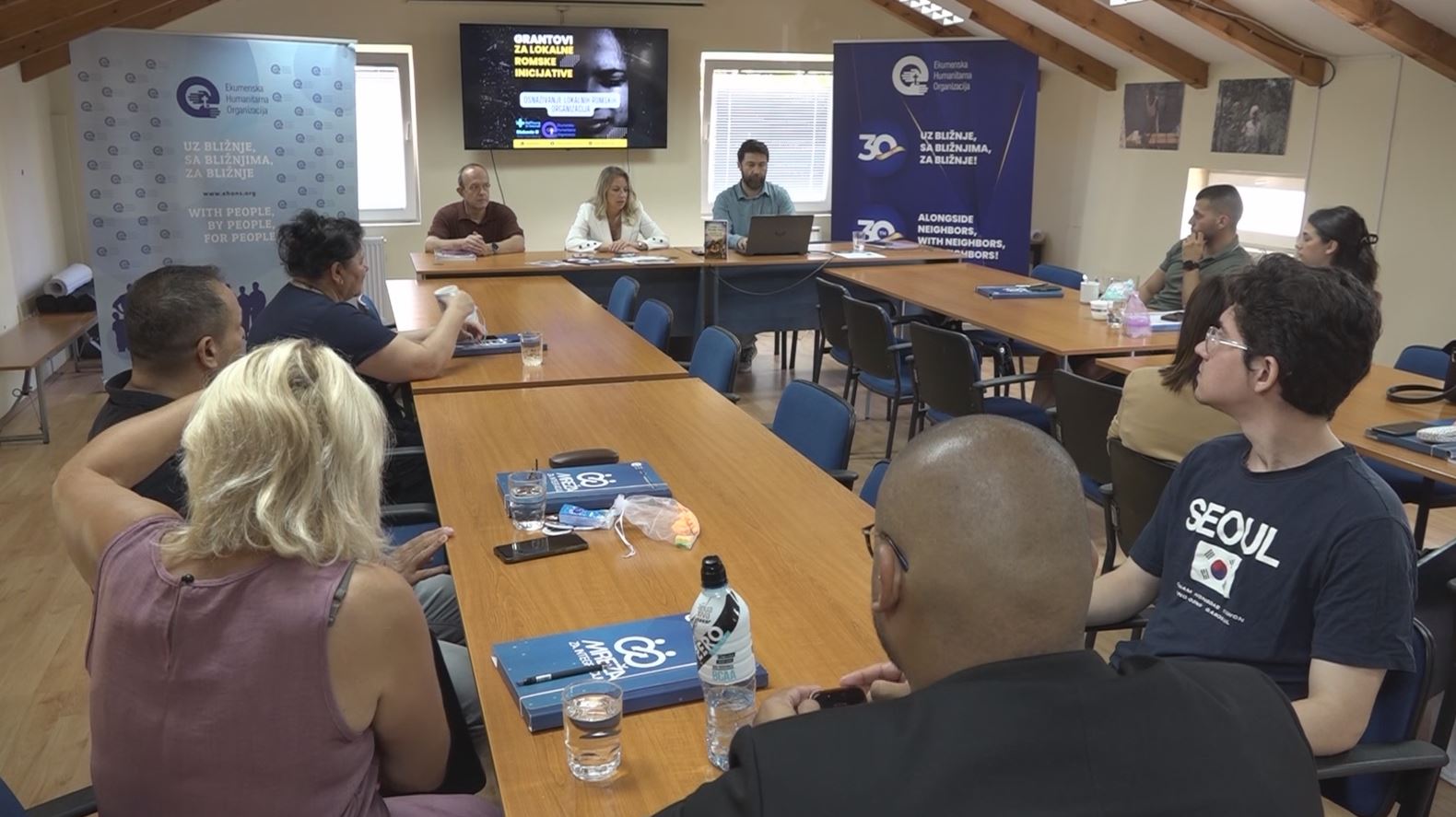
Local organizations are providing humanitarian aid, educational support, and vocational training to help Roma families cope during the war.

A new educational center has been established to ensure Roma children continue their education, while also offering legal and psychological support to adults in need.

Cluj Project

Published by:

Cluj Project

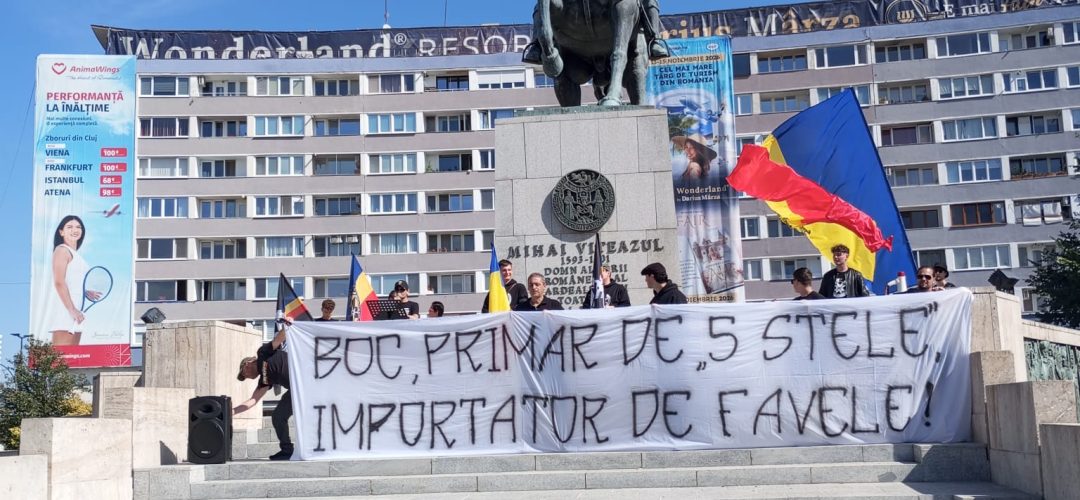
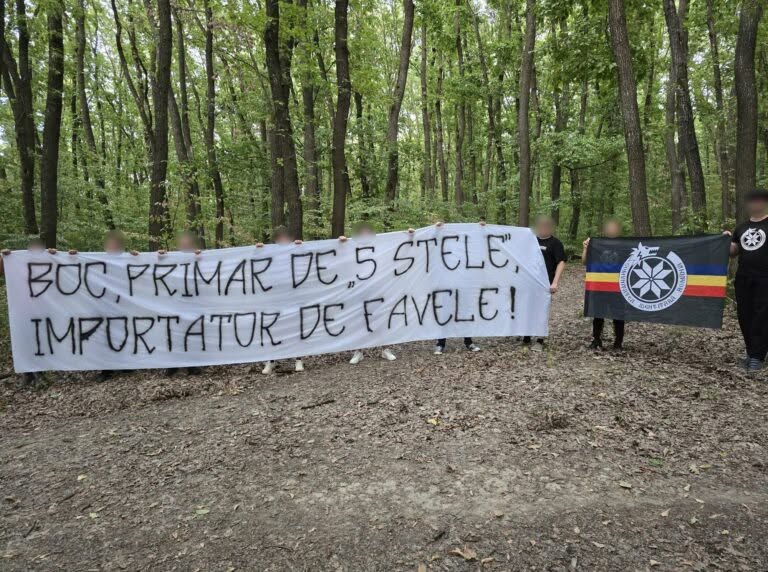
The article discusses a social experiment initiated by Cluj’s mayor, Emil Boc, involving the distribution of apartments to low-income Roma families, funded by Norwegian grants which the author dismissively qualifies as ‘Soros-Type’ grants.

Critics argue that this initiative is ineffective and raises questions about the financial sustainability and integration of these families into the community, especially given the high cost of living in Cluj.

The author expresses concerns about potential discrimination against other disadvantaged groups in Cluj, suggesting that the focus on Roma families overlooks the needs of other citizens struggling with housing and financial issues.

“Illegal”

Published by:

“Illegal”

A new operation to remove so-called “illegal constructions” in the Roma neighborhood “Lozenets” in Stara Zagora, Bulgaria, has been scheduled, with over 400 illegal structures already removed.

The regional governor emphasized the need for coordination among institutions and the importance of humane execution of the removal process, despite the legal obligations.

Social services have reported that some residents have expressed a desire for municipal housing, but no applications for temporary accommodation have been submitted yet.

Relocation!!!

Published by:

Relocation!!!

We did doubt the news about the relocation of Roma families from Košice to Hungary. Now it seems to be confirmed.

Families living in deep poverty and not speaking Hungarian have been relocated from a Roma settlement in Košice to Szalonna, Hungary, with local authorities allegedly involved in the process.

The illegal settlement in Košice, lacking basic utilities, has seen the demolition of several structures, with the mayor claiming that alternative housing was arranged for the affected families.

Residents of Szalonna express concern over the new arrivals, fearing additional social challenges, while some Roma leaders suggest that more families may be moved from Košice to Hungary soon.

Mihály Dancs, president of the National Self-Government of Roma in Hungary, stated that the mayor of Košice does not support the establishment of a system for relocating families to Hungary.

Roma Heroes

Published by:

Roma Heroes

The Roma Heroes International Theatre Festival and its organizer, the Independent Theatre of Hungary, will receive a special award from the Theatre Critics’ Association in 2026 for their outstanding performance over the seasons.

The Independent Theatre of Hungary promotes collaboration between Roma and non-Roma artists, aiming to create a more inclusive theatre environment in Hungary.

The Roma Heroes Festival has established itself as a pioneering platform for Roma theatre in Europe, fostering diverse audiences and innovative storytelling since its inception in 2017.

Greece and Roma

Published by:

Greece and Roma

The Regional Governor of Western Greece, Nektarios Farmakis, has signed the inclusion of two new social structures aimed at enhancing social cohesion, specifically for the Roma community in the municipalities of Ilida and Pindos, with a total budget exceeding €1.38 million.

The project in Ilida will provide personalized social support, educational interventions, and legal guidance to the local Roma population, which constitutes 9% of the area’s total population.

The initiative is part of a broader program to improve living conditions and promote equal participation of all citizens in social and economic life in Western Greece.

Conspiracy Theories

Published by:

Conspiracy Theories

Dejan Lučić, a publicist known for conspiracy theories, made derogatory statements denying the existence of Roma, calling their identity a ‘fraud’.

The portal Romanenevimata.rs condemned Lučić’s remarks and announced legal actions against him for spreading hate speech and anti-Roma sentiment.

Activists and organizations are urged to publicly denounce such narratives to combat discrimination and promote equality for the Roma community.

Stara Zagora

Published by:

Stara Zagora

The municipality of Stara Zagora has postponed the demolition of around 30 illegal homes in the Lozenets neighborhood, primarily inhabited by Roma, for the second time, following calls from the Bulgarian Ombudsman and Amnesty International for a reassessment of the situation of affected families.

Concerns have been raised about the lack of adequate social assessments and the potential health risks for vulnerable individuals, including children and those with chronic illnesses, if the demolitions proceed without proper alternative housing arrangements.

The local government has been criticized for not conducting thorough evaluations of the impact on residents, particularly regarding the needs of children and people with disabilities, before enforcing the demolitions.

Relocation?

Published by:

Relocation?

To be verified and followed as this seems highly suspect.

A Hungarian article stating that there are plans to relecate Roma from Košice, Slovakia, to Hungary. The Slovak government office responsible for Roma communities has deemed the relocation of families to Hungary as “extremely unusual” and is seeking clarification on various legal and social issues related to the move.

Local leaders in Szalonna, Hungary, are calling for an extraordinary meeting to address the potential influx of families from Slovakia, with concerns about the legality of restricting entry based on language proficiency.

Allegations have been made regarding the possible economic motivations behind the relocation, with local officials questioning whether it is a strategy to clear land for future development.

Roma in Europe

Published by:

Roma in Europe

The European Union’s new strategy for combating discrimination against Roma, adopted on January 21, 2026, aims to address historical and institutional discrimination with more radical measures.

Roma, the largest ethnic minority in Europe, face significant socio-economic challenges, including high poverty rates and discrimination in access to education and healthcare.

The new strategy emphasizes education, equal rights, and political participation for Roma, while acknowledging the need to address broader societal issues that contribute to anti-Roma discrimination.

Housing in Slovakia

Published by:

Housing in Slovakia

The Slovak government has launched a €35.3 million initiative to support the construction, extension, and renovation of social rental housing aimed at increasing housing availability for young families, seniors, people with disabilities, and marginalized Roma communities.

Municipalities are required to maintain the rental nature of these apartments for at least 20 years and offer them at regulated rents, with a minimum percentage of units allocated for Roma communities based on their representation in the municipality.

Additional conditions include reserving 15% of the apartments for people with disabilities and establishing a maintenance fund of at least 0.5% of the acquisition costs to ensure long-term sustainability.

rroma.org
en_GBEN