Author Archives: Roma Foundation

I Matter

Published by:

I Matter

“I Matter,” the debut feature film by director Alina Șerban, premiered on September 8 at the Venice International Film Festival in the Venice Spotlight section, making her the first Roma female director in the festival’s official selection.

The film follows Rebeca, a young Roma woman preparing to leave her care center, hoping to find stability through her father’s release from prison, but faces challenges in her transition to independent life.

The film, a Romania-Germany-Belgium co-production, will be released in Romanian cinemas in February 2027 and is also competing for the Luigi De Laurentiis Award for Best Debut and the Audience Award in the Venice Spotlight section.

Bela Pokuta

Published by:

Bela Pokuta

Béla Pokuta, a prominent Romani singer, left behind numerous recordings that may be compiled into a new album, blending his early authentic singing with later musical experimentation from the group afterPhurikane.

His music, characterized by raw emotion and a unique atmosphere, has been preserved in recordings spanning over two decades, with the oldest dating back to 2001.

A crowdfunding campaign has been launched to support the completion of the album, which aims to document Pokuta’s exceptional musical journey from a Romani settlement to European concert stages.

Gypsy Lore Society

Published by:

Gypsy Lore Society

The University of Zagreb’s Faculty of Philosophy hosted the annual Gypsy Lore Society conference, focusing on the history, language, culture, and social status of the Roma community.

Approximately 90 scholars from around the world presented their research and discussed various topics related to the Roma community, with some panels conducted in the Romani language to emphasize its preservation.

The conference facilitated networking among researchers and institutions, and included a visit to the Roma Memorial Center in Uštica, dedicated to the memory of Roma victims of World War II.

Only?

Published by:

Only?

Over 130,000 citizens of Serbia identified as Roma in the last census, but their political influence has not been realized, leading to a call for concrete political representation in the upcoming elections on October 25. This number is definitively an understatement, as in most censuses where Roma tend not to state their ethinicity.

The article emphasizes the need for Roma voters to demand specific commitments from political parties regarding employment, education, healthcare, and anti-discrimination measures, rather than vague promises.

The legitimacy of Roma political representation is questioned, highlighting the importance of authentic minority lists versus candidates from larger parties, and the need for accountability post-elections.

Discrimination

Published by:

Discrimination

The story of a Roma boy’s first day at school, where classmates reportedly rejected him based on his ethnicity, was shared by his mother on social media.

The school principal confirmed the incident, stating it was an isolated case of inappropriate behavior among students, and emphasized the school’s commitment to equality and respectful relationships.

The article highlights the broader societal issue of discrimination against Romani children and calls for reflection on the impact of such rejection on young students.

Well, Slovenia’s general attitude towards Roma is not really positive …

Travellers in Switzerland

Published by:

Travellers in Switzerland

A group of Roma travelers from France has set up camp with 60 caravans on a city-owned field in Oberwinterthur, Switzerland.

They were previously forced to vacate another site in Stadel due to the presence of a high-voltage power line. The situation highlights ongoing issues regarding the accommodation of traveling communities in urban areas.

Travellers and Religion

Published by:

Travellers and Religion

Over 200 caravans are gathered in Ried im Innkreis, Austria, for a summer holiday organized by the free Christian church association Jeschua, attracting travelers from various German states.

The two-week event, themed “Traveling with God,” includes daily worship services in a large tent church, fostering a sense of community among participants, many of whom have roots in Austria or Germany.

Pastor Karl Schmidt highlights the challenges of discrimination faced by the Sinti and Roma communities, while emphasizing the importance of understanding individual groups rather than generalizing based on negative stereotypes.

Romanity

Published by:

Romanity

Renate Bürner interviews Radoslav Ganev, a founder of the Romanity association, discussing the organization’s concerns and projects.

The conversation focuses on raising awareness about the prejudices and images surrounding the 600-year history of Sinti and Roma in Germany and other countries, which continue to lead to discrimination and violence.

The discussion also addresses the need for a proper remembrance culture of the genocide and the societal and cultural contributions of the Sinti and Roma.

Mythology …

Published by:

Mythology …

According to the article, in Romani culture, women’s skirts held significant power, capable of shaming men for life with just a touch, rooted in complex ideas of purity and impurity. So far so good.

The article continues by stating that female infidelity was punishable by death, while male infidelity faced milder consequences, leading women to use the ‘impurity’ of their skirts as a means of revenge against unfaithful husbands. This is total nonsense. No death penalties are ever recorded in traxditional tribunals (except in a few cases for collaborators after the war.

The next statement is also a misinterpretation. The tradition of using skirts as a form of punishment highlights a paradox where women, despite being seen as ritually impure, wielded a powerful tool against male infidelity, reflecting resilience within patriarchal constraints. Women are not ritually impure, only during menses. And this has nothing to do on male infidelity …

Representation

Published by:

Representation

A scientific conference titled “Man at the Crossroads of Ideologies” was held in Talsi, Latvia, focusing on the interpretation of 20th-century cultural heritage.

Discussions highlighted the complexities of historical narratives, particularly regarding the representation of marginalized communities such as the Roma and Jews in Latvian museums.

The conference emphasized the importance of understanding historical context and encouraging critical questioning rather than providing simplistic answers.

Reactions to the AfD win in Germany

Published by:

Reactions to the AfD win in Germany

Politicians from Baden-Württemberg view the AfD’s electoral success in Saxony-Anhalt as a significant shift, with concerns about its implications for democracy and governance in Germany.

The Central Council of German Sinti and Roma expresses fears of a resurgence of nationalism and a threat to democracy, linking the AfD’s rise to historical minimization of the Nazi era.

Sentenced

Published by:

Sentenced

Two emergency responders were sentenced to prison for causing the death of a Roma man, Pista bácsi (Uncle Pista), as an act of revenge for his ethnicity.

The man died after the ambulance driver abruptly braked, causing him to fall and sustain a head injury, although his pre-existing lung condition was determined to be the cause of death.

The court found the actions of the responders to be violent and discriminatory, leading to their convictions and sentences of 1 to 1.5 years in prison.

Some SMARK Results …

Published by:

Some SMARK Results …

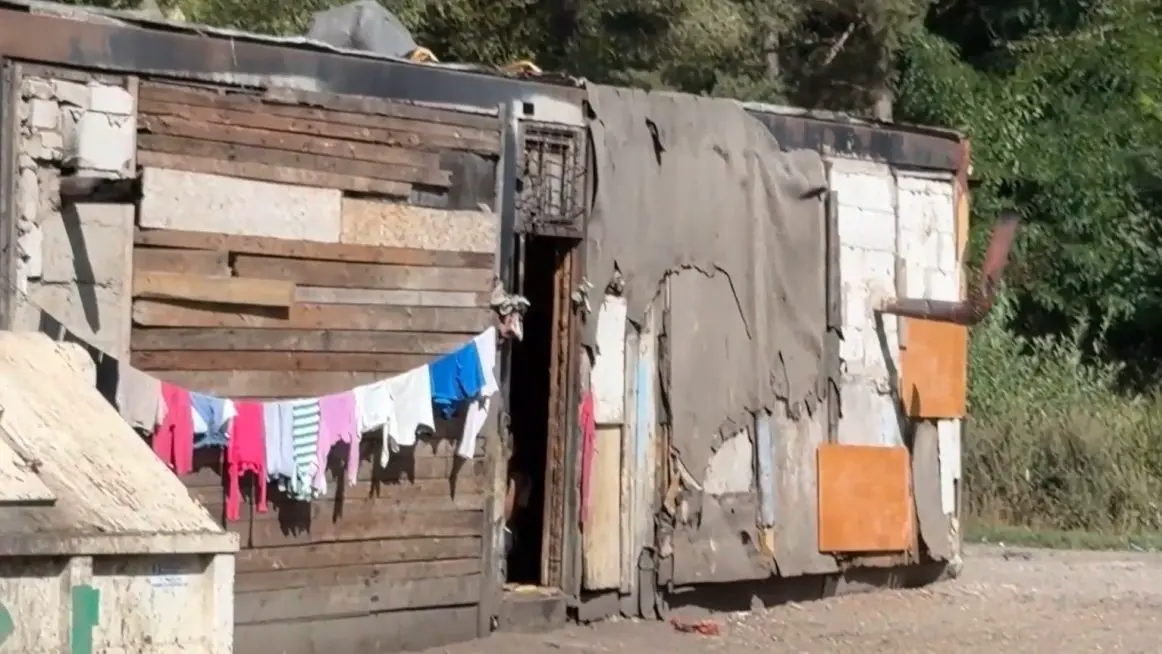
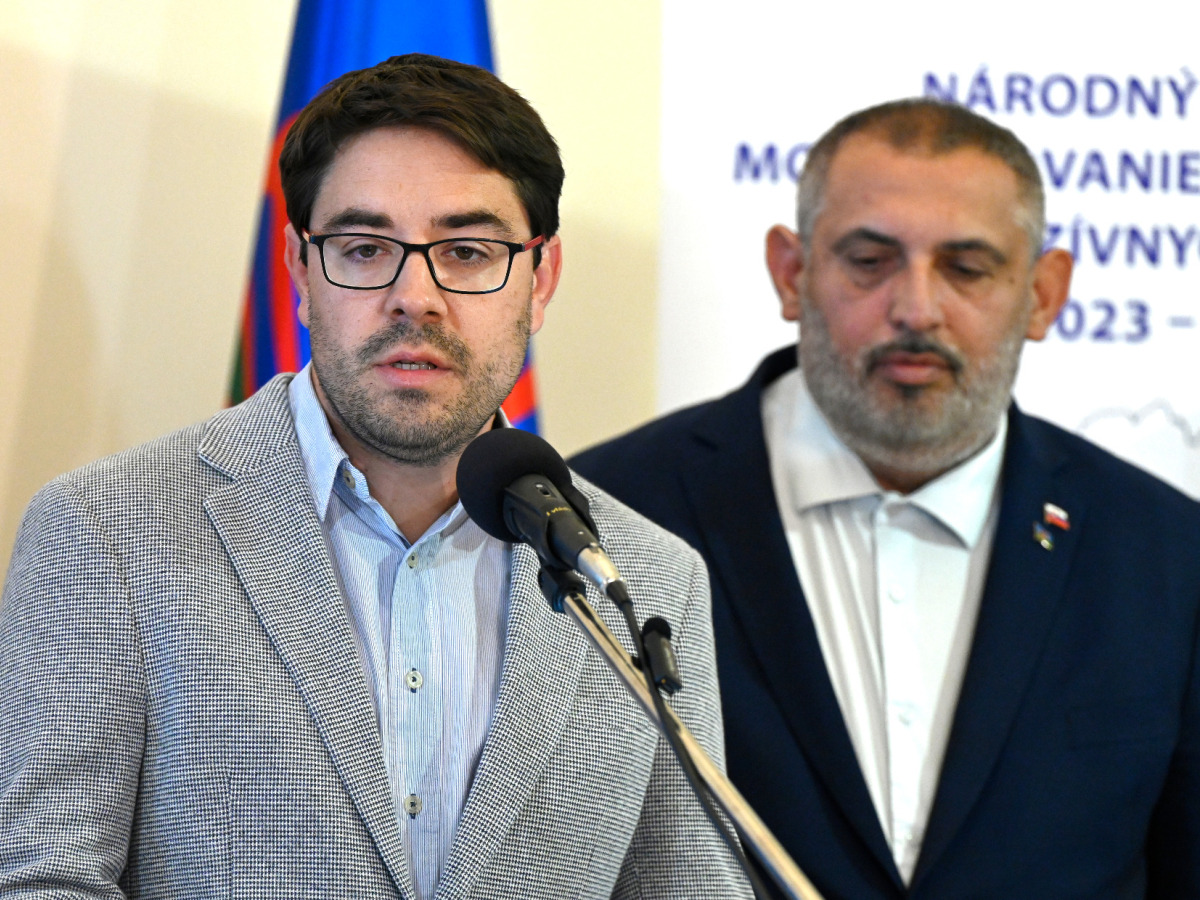
The report reveals that 51% of Roma communities in Slovakia lack sidewalks, with many also facing barriers like rivers or railways separating them from the rest of the municipality. While the Sociographic Mapping of Roma Communities (SMARK 2025) indicates improvements in technical infrastructure since 2019, particularly in water supply, sewage, electricity, and public lighting,

significant disparities remain between Roma localities and surrounding municipalities, particularly in access to gas and other utilities.

SMARK

Published by:

SMARK

The SMARK initiative aims to provide updated data on the living conditions of people in Roma communities, helping to identify and address specific issues.

The mapping shows an increase in the Roma population since 2019, with changes in the municipalities providing data, including the largest Roma community now being Jarovnice instead of Košice-Luník IX.

Positive developments in integration efforts are noted in Nové Zámky, where principles of desegregation and destigmatization have led to significant progress.

Roma TV

Published by:

Roma TV

Roma TV, a Czech television channel aimed at the Romani audience, has ceased broadcasting less than a year after its launch due to low viewership during the summer months.

Despite its ambition to cater to Romani culture and provide original programming, the channel struggled to meet viewer demands for more entertainment content, leading to its closure.

The channel’s license remains valid until 2036, and there are hopes among supporters, including prominent Romani figures, for its potential revival in the future.

Sacha Baron Cohen

Published by:

Sacha Baron Cohen

The village of Glod in Romania, known for its Roma community, was the setting for Sacha Baron Cohen’s satirical documentary about Kazakhstan in 2006, which received a Golden Globe.

Two decades later, the community still remembers the dubious production methods and betrayals associated with the film, sharing their experiences with a British journalist.

The article reflects on the historical context of the Romani people in Glod, their past as nomads and serfs, and the village’s name, which means ‘mud’ in Romanian.

Coexistence

Published by:

Coexistence

Austrian Minister for integration Claudia Bauer presented a new survey on coexistence in Austria, which has been criticized for questionable methods and results.

The online survey was conducted by pollster Peter Hajek and social scientist Rudolf Bretschneider for the Austrian Integration Fund (ÖIF).

What is controversial? Well, that only 11% of respondents declared having a migration background, whereas in Austria, this is closer to 29%. But the article presents one of the best critique about the question “who can be my neighbour”. The journalist notes that actually what is missing are “racists”, “nazis” and other “extrem-right” …

Well spotted.

AfD and Minorities

Published by:

AfD and Minorities

The director of ERIAC, Anna Mirga-Kruszelnicka, warns that the recent election victory of the far-right AfD in Saxony-Anhalt signifies the normalization of racism in Germany, particularly against Roma.

She highlights the historical targeting of Roma, referencing the Nazi era, and notes that the AfD’s use of derogatory terms like ‘Zigeuner’ reflects a growing anti-Roma sentiment.

Mirga-Kruszelnicka expresses concern over the AfD’s nativist agenda and the potential for increased discrimination and deportation of Roma, despite many having deep roots in Germany.

Alina Şerban

Published by:

Alina Şerban

Alina Șerban, acclaimed for her role in ‘Housekeeping for Beginners’, returns to the Venice Film Festival as a director and screenwriter with her debut feature ‘Eu contez (I Matter)’, premiering on September 8.

The film, a Romanian-German-Belgian co-production, tells the story of a Roma teenager preparing to leave a care center, highlighting underrepresented narratives in cinema.

‘Eu contez’ competes for the Luigi De Laurentiis Award for Best Debut and the Audience Award, featuring a cast that includes Denisa Farcaș and Sorin Mihai.

Thessaly and Roma

Published by:

Thessaly and Roma

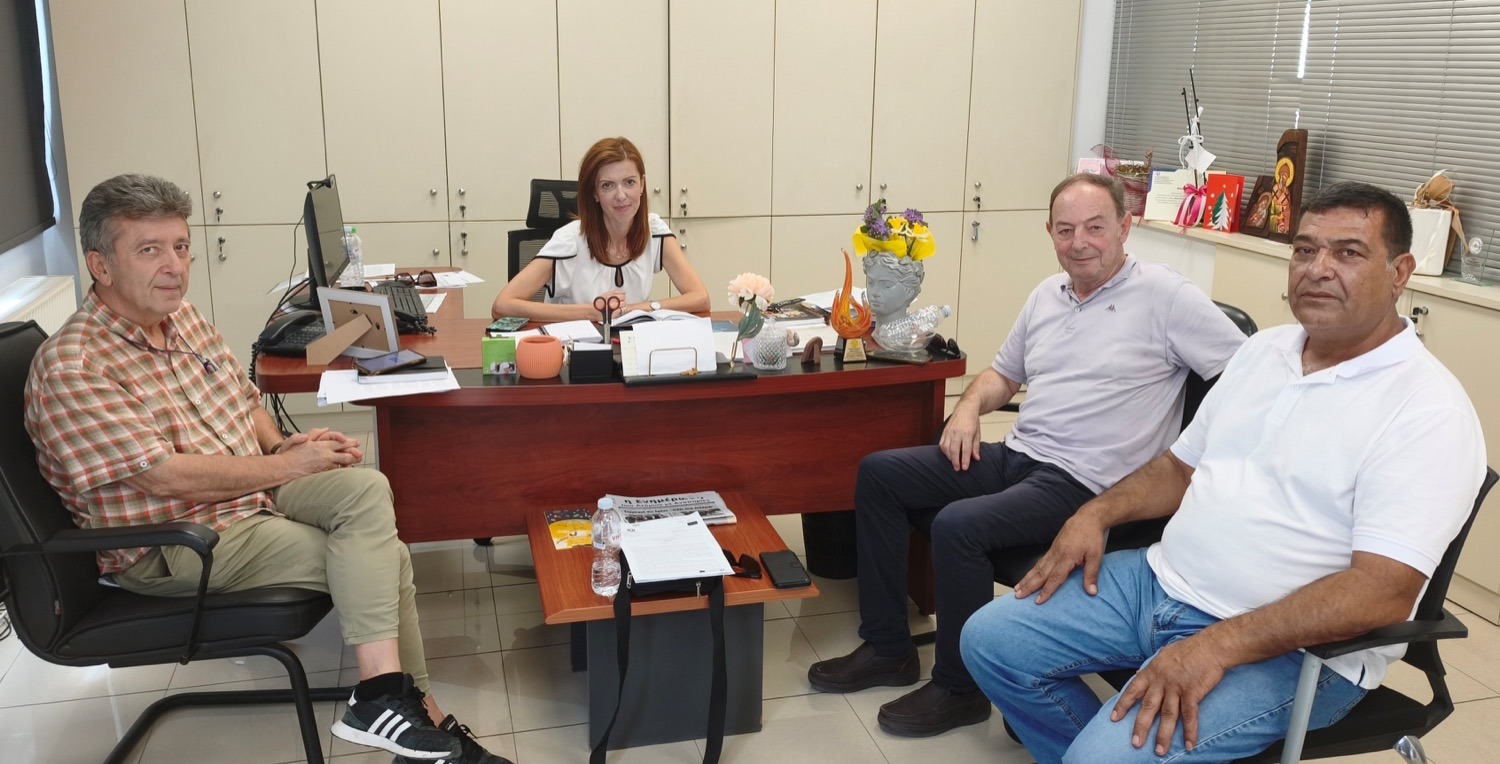
The Meeting of the Roma Federation of Thessaly with the Deputy Regional Governor Andriana Komitsa focused on initiatives by the Thessaly Region to support vulnerable social groups, particularly the Roma community, addressing issues like education, health, and employment.

Emphasis was placed on targeted interventions tailored to local Roma community needs, combating social exclusion, and improving access to services.

The discussion included the importance of ongoing communication and collaboration between the Thessaly Region and the Roma Federation to enhance the living conditions of Roma families.

rroma.org
en_GBEN