Category Archives: Hungary

Relocation – Continued

Published by:

Relocation – Continued

The issue of Roma families who moved from Košice, Slovakia, to Szalonna, Hungary, and recently returned is still a topic of discussion, with no agreement reached between Hungarian and Slovak representatives after a four-hour meeting.

A businessman from Farkaslyuk has offered jobs and housing to the Roma families, stating that he has successfully employed Slovak Roma for twenty years and believes in treating them with respect.

Despite the offer, some communities are resistant to accepting families from Slovakian slums, indicating a divide in attitudes towards the Roma community.

Relocation

Published by:

Relocation

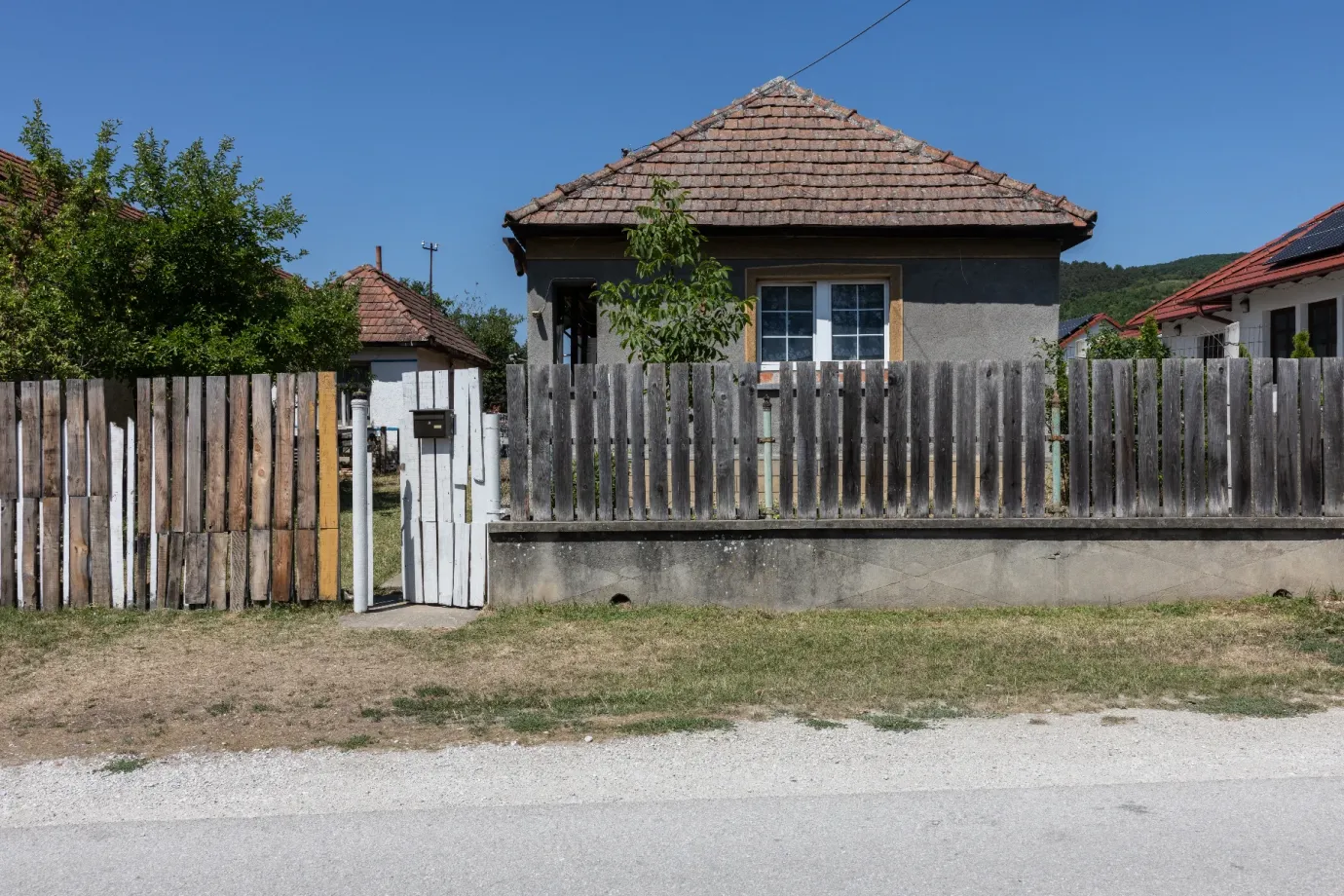
The story of the the Roma families evicted from a settelment in Košice, Slovakia, who relocated to Szalonna, Hungary seems to have taken another turn.

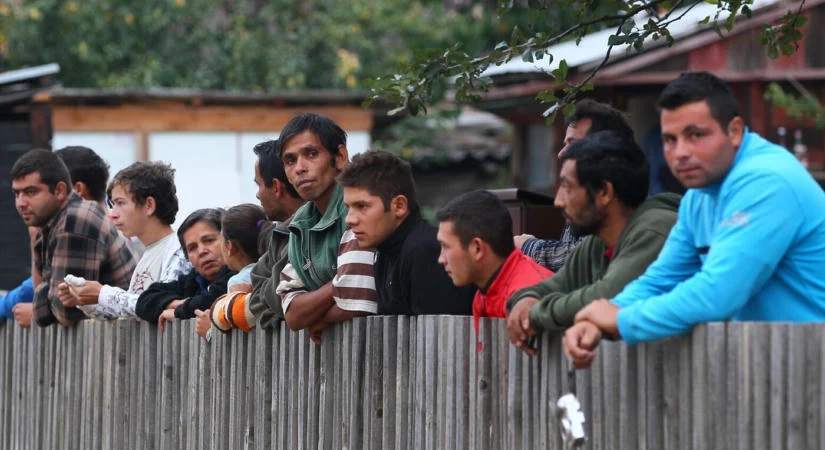
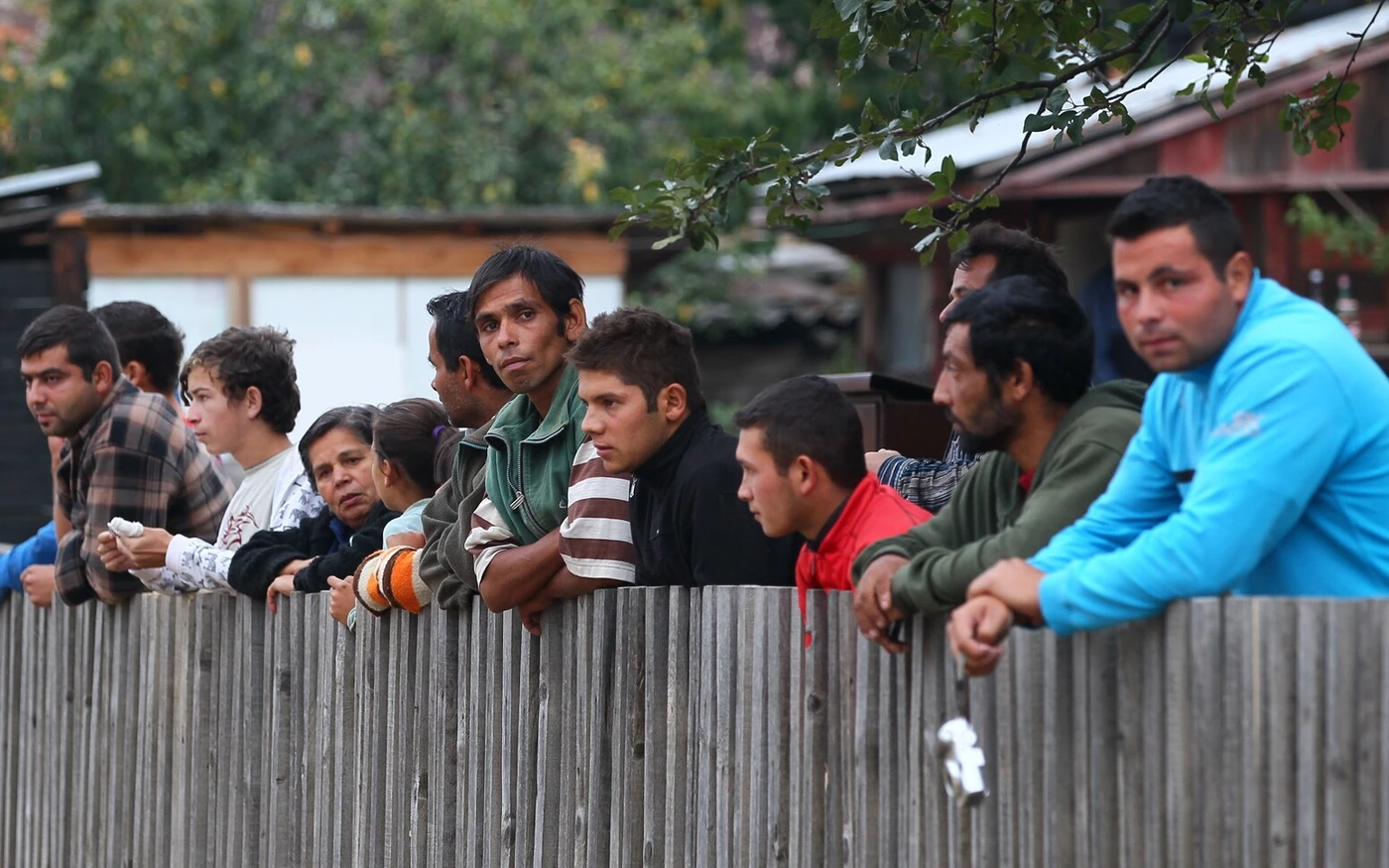
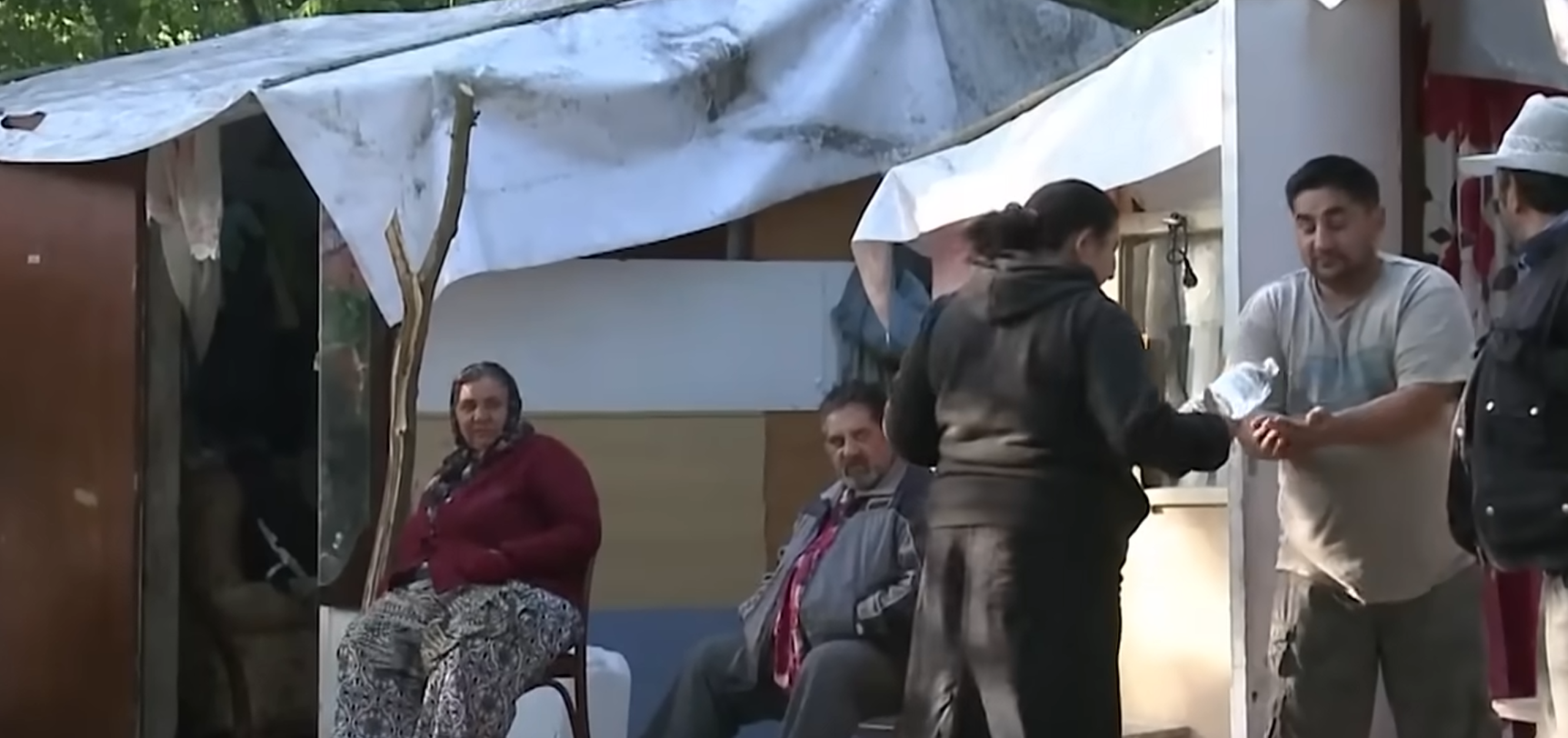
Two Roma families, who apparently do not speak Hungarian and live in deep poverty, have reportedly left Szalonna for Košice, but it is unclear if their departure is permanent or temporary.

Local residents expressed fears of mass resettlement of Roma families from Slovakia, prompting the Szalonna municipality to quickly pass a regulation to prevent further relocations.

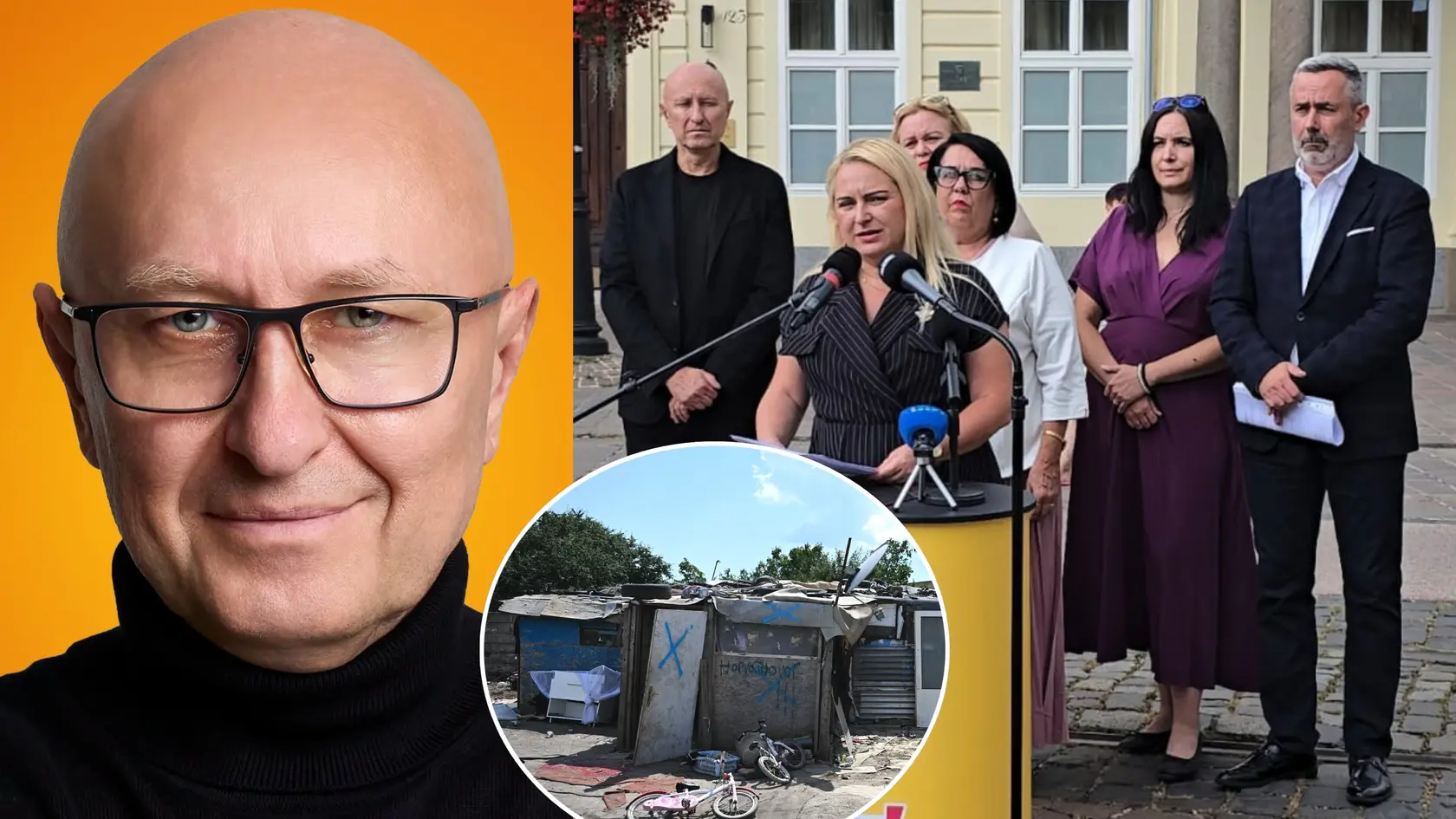
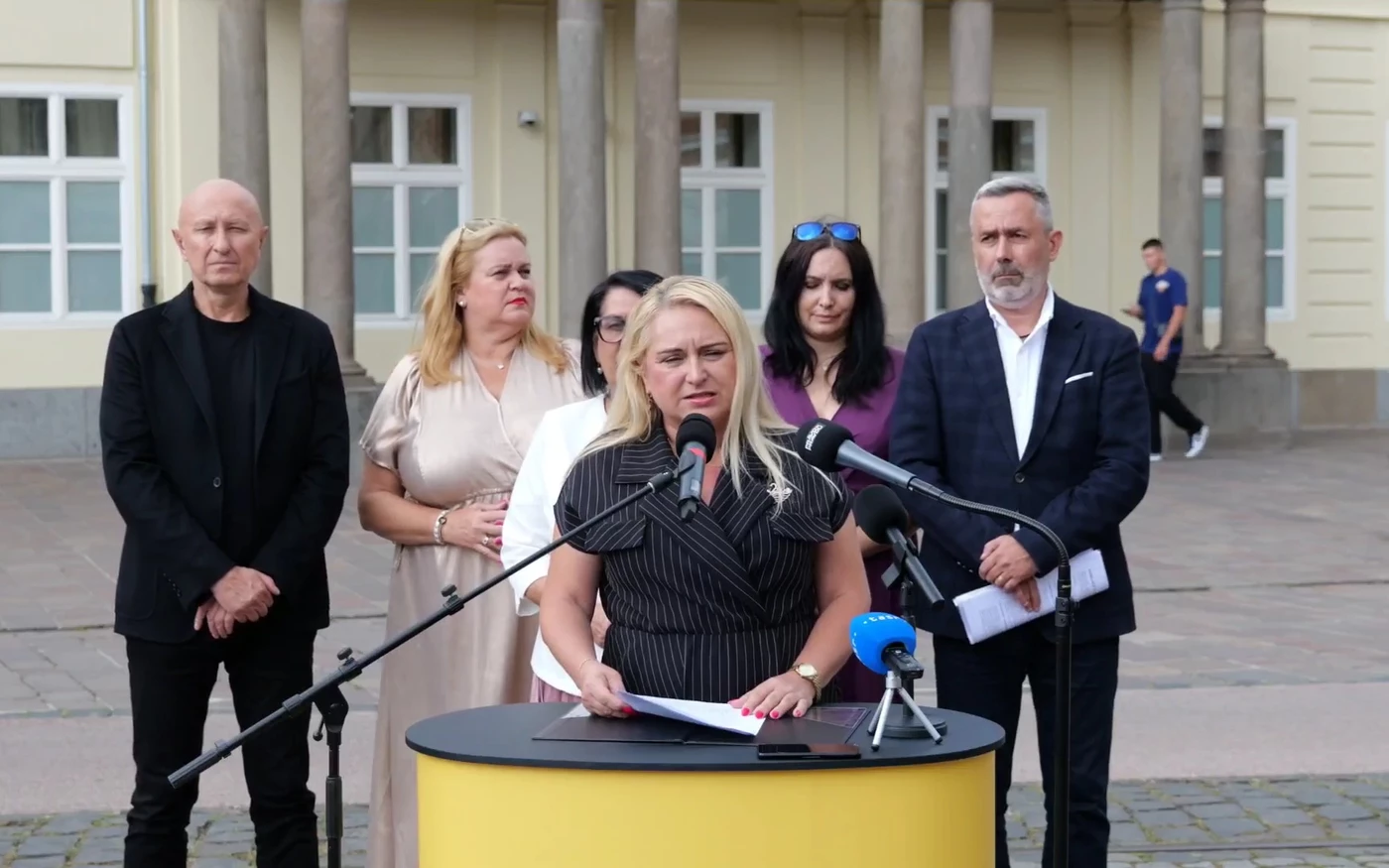
The situation has drawn political attention, with a mayoral candidate in Košice using the issue to gain popularity, while the families face challenges due to language barriers and lack of social services in their new location.

Population Census

Published by:

Population Census

The article discusses the ongoing debate regarding the accurate population count of the Roma community in Hungary, highlighting discrepancies between census data and researchers’ estimates due to factors like identity and assimilation.

According to the latest census, about 210,000 people identified as Roma, (a 30% dreacres relative to the previous Hungar4ian Census) but estimates suggest the actual number could range from 500,000 to 1 million, with projections indicating a significant increase by 2050.

The Roma population is characterized by a young demographic structure, with higher birth rates compared to the general population, raising questions about future coexistence and integration with Hungarian society.

This latter statement is again unsubstanciated. It is assuming that all Roma have many children, whereas the majority is not. Many children is related to poverty, not to being Roma.

Relocation

Published by:

Relocation

Authorities in Hungary are investigating the relocation of Roma families from the illegal settlement in Košice, Slovakia, to Hungary, focusing on the organization and funding of the process.

The relocation, which began in July, has raised concerns about the rights of the residents, including access to healthcare and education, as the government was informed only shortly before the move.

The mayor of the district claims the move was voluntary and aimed at helping families improve their living conditions, while a police investigation has been initiated following a complaint regarding the legality of the relocation.

Silence …

Published by:

Silence …

On August 2, Hungarian Prime Minister Péter Magyar and Speaker Ágnes Forsthoffer remained silent about the Roma Holocaust, which the Roma Press Center criticized, stating that silence is also a stance.

They emphasized the importance of acknowledging the historical tragedy of the Roma community, particularly the extermination of nearly 3,000 Roma individuals at Auschwitz in 1944.

The article highlights the historical responsibility of the Hungarian state in the persecution and deportation of Roma people, calling for public acknowledgment and reflection on this dark chapter of history.

Relocation …

Published by:

Relocation …

That was to be expected. After the relocation of Roma from Slovakia to Szalonna, Hungary, the extreme-right movement “Mi Hazánk”manifested itself.

It is urging government officials to “protect” the village of Szalonna from the relocation of residents from troubled neighborhoods in Košice, citing concerns over mass migration.

The Hungarian Ministry of Interior is investigating the relocation of Roma families from the Lubina settlement in Košice, focusing on the legality and transparency of the real estate transactions involved.

The demolition of the Lubina settlement, which affected seven families from a marginalized Roma community, has been described as highly unusual by the Slovak government’s commissioner for Roma communities.

Hungary and Roma

Published by:

Hungary and Roma

In her Facebook post, Minister of Education and Children’s Affairs, Lannert Judit, urged greater involvement of Roma communities, long-term cooperation and broader social dialogue.

The Minister announced in her post that the Roma Cultural Forum will be established at the initiative of the Social Policy Coordination led by Kriszta Bódis. The initiative aims to ensure that the experiences of Roma professionals, cultural actors and researchers are directly reflected in the preparation of policy decisions.

Commemoration in Hungary

Published by:

Commemoration in Hungary

A memorial event for the Roma Holocaust was held in Hódmezővásárhely, attended by government, municipal, religious, and civil representatives, emphasizing the importance of combating hate and exclusion today.

Minister Zoltán Tarr highlighted the need to acknowledge past wrongs and promote social reconciliation during his speech.

Mayor Péter Márki-Zay noted that Hódmezővásárhely was the first city in Hungary to publicly commemorate the victims of the Roma Holocaust, warning that genocides result from long-term exclusionary processes.

Relocation

Published by:

Relocation

Several more articles on the relocation of Slovak Roma to Hungary.

The Hungarian Ministry of Interior is investigating the relocation of Roma families from the Lubina settlement in Košice to Szalonna, focusing on the legality and organization of the real estate transactions involved.

Concerns from Szalonna residents regarding safety are being taken seriously, and the ministry plans to collaborate with Slovak authorities to clarify the situation.

The mayoral candidate for Košice, Miroslav Sabol, has filed a criminal complaint regarding the eviction of the illegal Lubina settlement, while the local mayor insists the process was not politically motivated and was organized through the non-profit sector.

Relocation – Continued

Published by:

Relocation – Continued

Two Roma families from Košice, Slovakia, moved to Szalonna, Hungary, sparking discussions about potential organized resettlement, although officials deny any mass relocation plans.

Local authorities in both Košice and Szalonna have stated that the families moved voluntarily and that no program exists to facilitate the relocation of disadvantaged residents to Hungary.

The situation has led to emergency meetings in Szalonna to pass a regulation aimed at responsible property sales and ensuring new residents respect local community values.

The Slovak government is investigating claims regarding the relocation of Roma families from a settlement in Košice to Hungary, with officials planning to meet affected families for further information.

Hungary Commemoration

Published by:

Hungary Commemoration

August 2 is recognized as the international memorial day for the Roma Genocide during the Holocaust, marking the liquidation of the Auschwitz-Birkenau Roma camp in 1944, where over 3,000 Roma were killed by the SS.

A remembrance event will take place in Miskolc, Hungary, including a mass for the victims and speeches by notable figures, commemorating the fifth anniversary of the Roma Holocaust Memorial.

The Roma Holocaust remains a lesser-known aspect of World War II, with ongoing efforts to ensure its recognition and remembrance in historical narratives.

Relocation Confusion

Published by:

Relocation Confusion

Mihály Dancs (from the Hungarian Roma Autonomy) discusses an agreement for the social department of the Košice municipality to visit families in Szalonna to understand their situation and help them stay if they wish. From the article it is not clear whether they have already been relocated or the relocation is intended.

He expresses doubts about the feasibility of families commuting to school in Košice due to language barriers and long travel distances, which could lead to conflicts within the local Roma community.

Dancs emphasizes the need to support the Roma families from Košice while ensuring that tensions do not arise within the Hungarian Roma community.

Relocation Update

Published by:

Relocation Update

The Slovak city of Košice is destroying a Roma settlement. Some of the families seem to have been relocated to Szalonna, Hungary.

The mayor of Encs urged residents not to sell properties to prevent the town from becoming a site for these relocations, labeling the situation as a ‘ghetto’ issue.

Political tensions are rising, with right-wing parties like Mi Hazánk opposing the influx of Romani individuals, citing concerns about their integration and criminal backgrounds.

More on Relocation

Published by:

More on Relocation

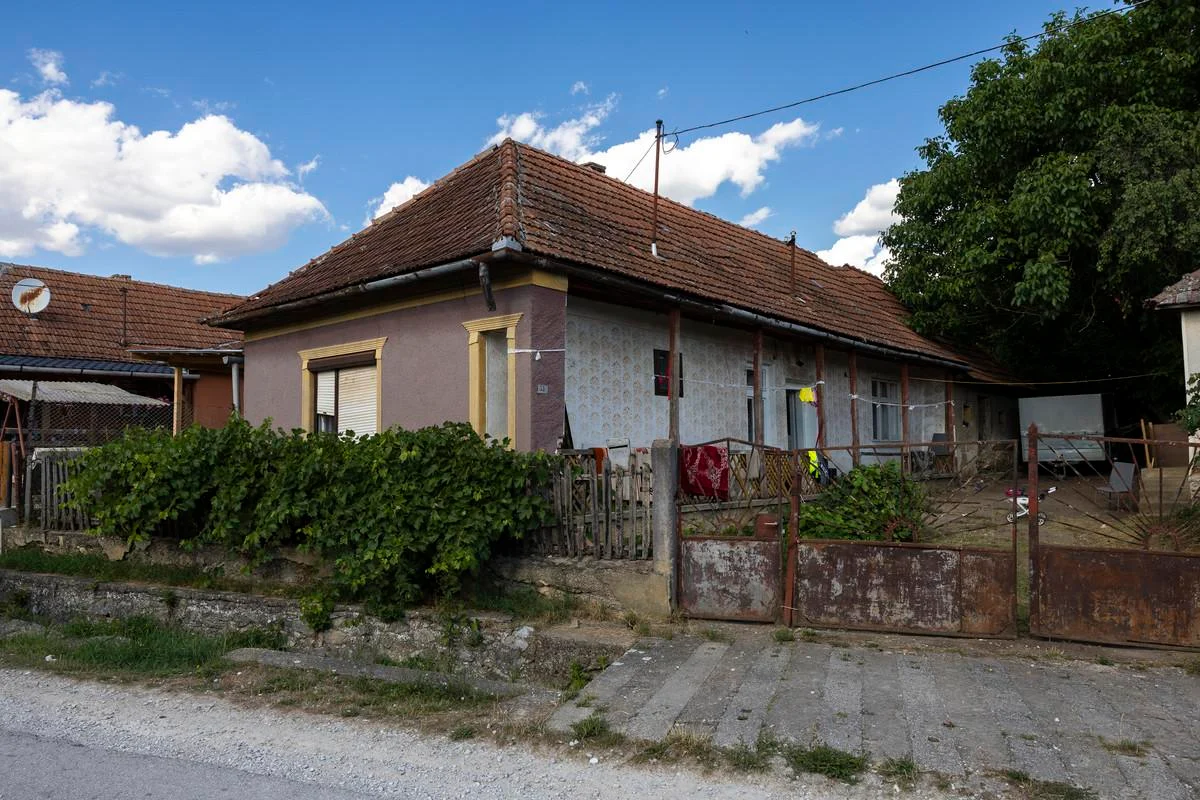
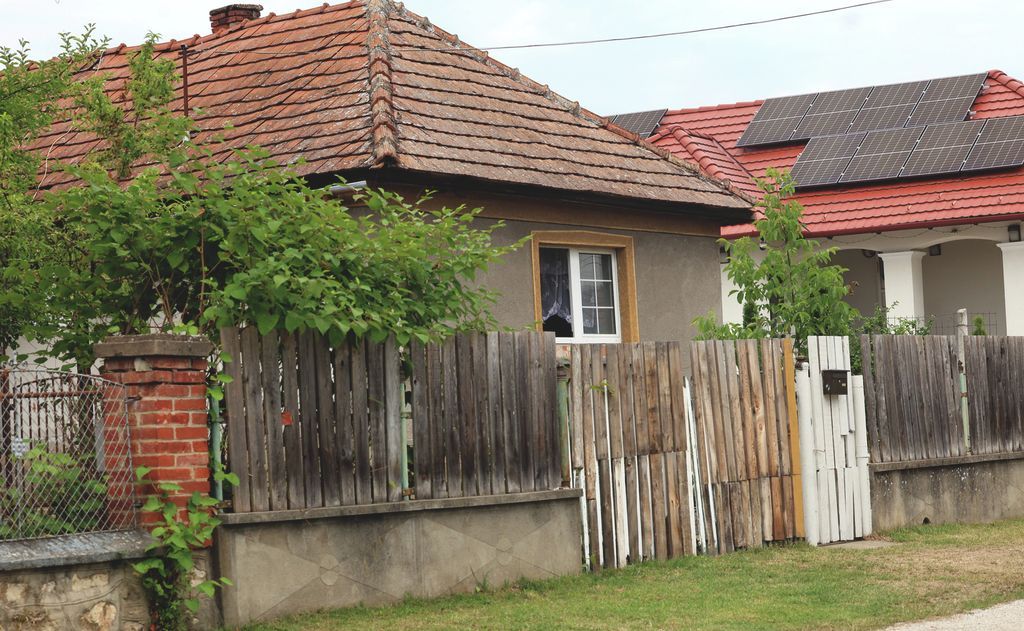
Families living in deep poverty and not speaking Hungarian have been relocated from a Roma settlement in Košice, Slovakia, to Szalonna, Hungary, without informing local residents.

The mayor of Encs condemned the relocation, suggesting it is a form of deportation and calling for local authorities to prevent such actions.

Dancs Mihály, president of the National Roma Self-Government in Hungary, expressed concerns about the well-being of the relocated families and the potential for conflict within the local community.

Relocation!!!

Published by:

Relocation!!!

We did doubt the news about the relocation of Roma families from Košice to Hungary. Now it seems to be confirmed.

Families living in deep poverty and not speaking Hungarian have been relocated from a Roma settlement in Košice to Szalonna, Hungary, with local authorities allegedly involved in the process.

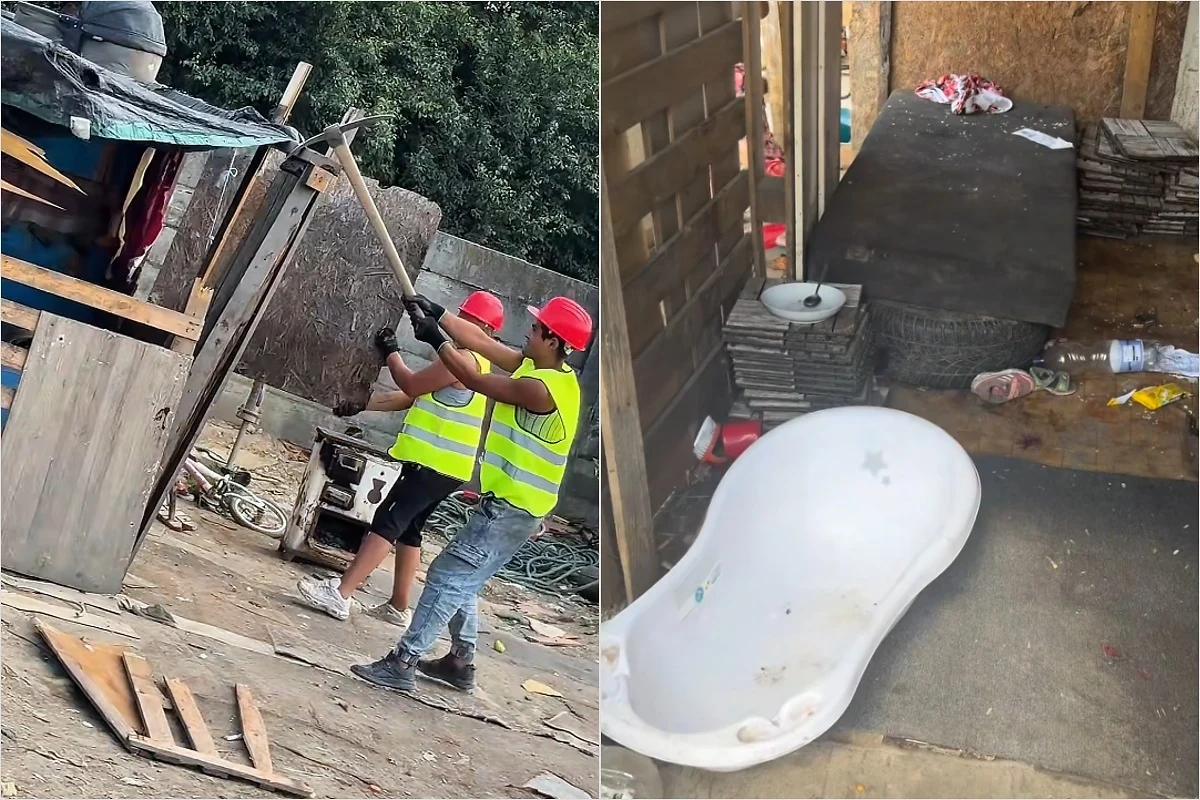
The illegal settlement in Košice, lacking basic utilities, has seen the demolition of several structures, with the mayor claiming that alternative housing was arranged for the affected families.

Residents of Szalonna express concern over the new arrivals, fearing additional social challenges, while some Roma leaders suggest that more families may be moved from Košice to Hungary soon.

Mihály Dancs, president of the National Self-Government of Roma in Hungary, stated that the mayor of Košice does not support the establishment of a system for relocating families to Hungary.

Roma Heroes

Published by:

Roma Heroes

The Roma Heroes International Theatre Festival and its organizer, the Independent Theatre of Hungary, will receive a special award from the Theatre Critics’ Association in 2026 for their outstanding performance over the seasons.

The Independent Theatre of Hungary promotes collaboration between Roma and non-Roma artists, aiming to create a more inclusive theatre environment in Hungary.

The Roma Heroes Festival has established itself as a pioneering platform for Roma theatre in Europe, fostering diverse audiences and innovative storytelling since its inception in 2017.

Relocation?

Published by:

Relocation?

To be verified and followed as this seems highly suspect.

A Hungarian article stating that there are plans to relecate Roma from Košice, Slovakia, to Hungary. The Slovak government office responsible for Roma communities has deemed the relocation of families to Hungary as “extremely unusual” and is seeking clarification on various legal and social issues related to the move.

Local leaders in Szalonna, Hungary, are calling for an extraordinary meeting to address the potential influx of families from Slovakia, with concerns about the legality of restricting entry based on language proficiency.

Allegations have been made regarding the possible economic motivations behind the relocation, with local officials questioning whether it is a strategy to clear land for future development.

Death after Arrest

Published by:

Death after Arrest

On July 8 in Százhalombatta, Hungary, police intervened with a driver who was behaving erratically and resisted arrest, leading to the use of force; the man later died in the hospital days after the incident.

The Budapest Regional Prosecutor’s Office is investigating the circumstances of the police action, with the police cooperating closely with the prosecution.

Roma leaders expressed that no lawful police action should result in severe injury or death, emphasizing the need for police to respect necessity, proportionality, and human dignity during interventions.

Police and Roma

Published by:

Police and Roma

Hungarian Roma advocacy leaders emphasized that no lawful police action should result in severe injury or death, following the death of a father during police intervention in Százhalombatta.

They called for a thorough and unbiased investigation into the incident, expressing concerns over the premature reassurances from authorities regarding police conduct.

The leaders stressed the importance of mutual respect for the law by both citizens and police, insisting that police must act with proportionality and respect for human dignity.

Orban and Roma

Published by:

Orban and Roma

When Viktor Orbán’s returned to power in 2010, laws were changed to allow and promote the segregation of Roma students in Hungary, reversing previous integration efforts.

The Chance For Children Foundation (CFCF) successfully challenged school segregation through legal means prior to 2010, resulting in the integration of approximately 3,000 Roma students. The current situation shows a significant increase in Roma students attending segregated schools, with estimates suggesting that two-thirds are now in such institutions, compared to one-third before Orbán’s regime.

rroma.org
en_GBEN