Category Archives: Hungary

Commemoration in Hungary

Published by:

Commemoration in Hungary

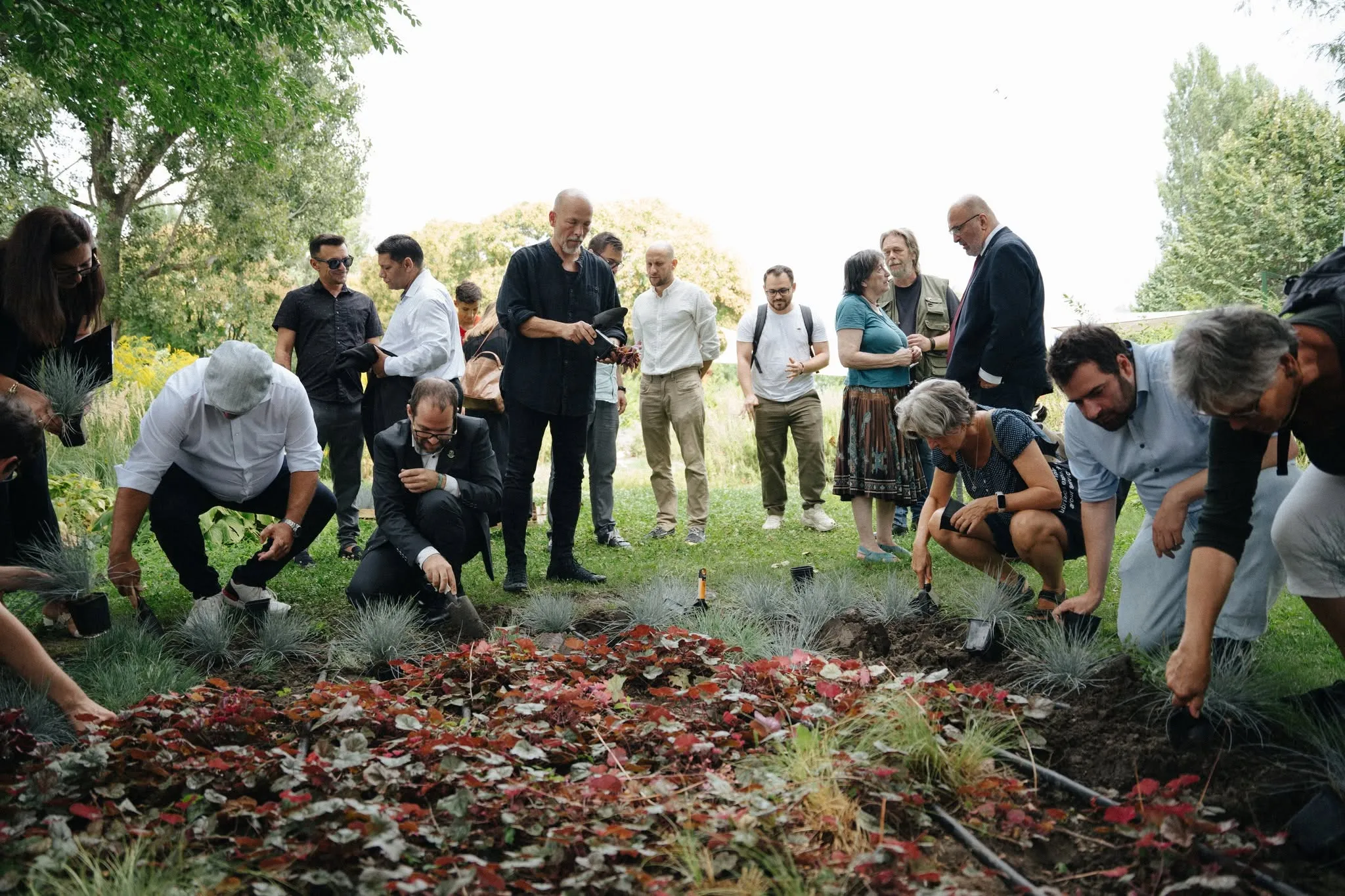
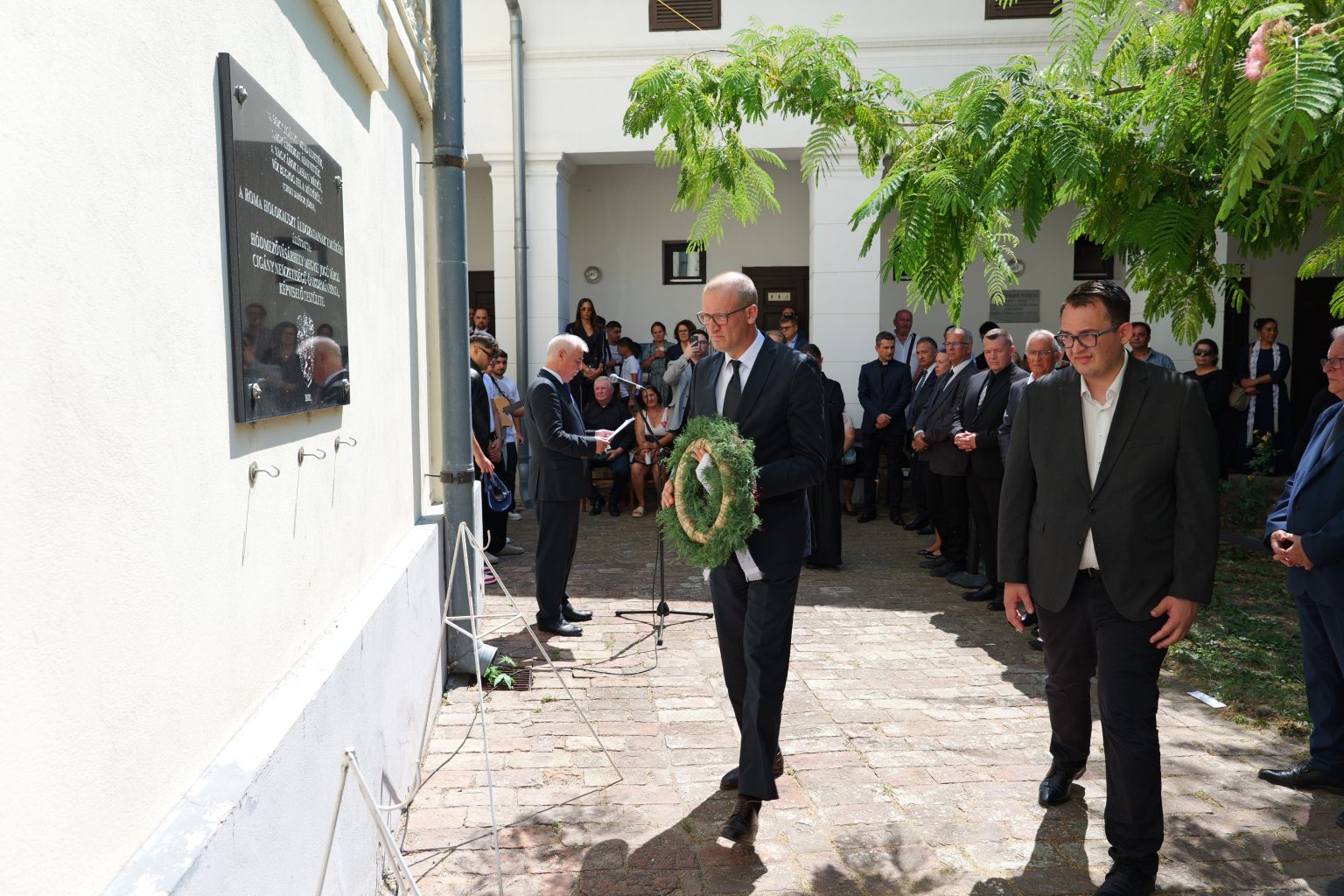
A memorial event for the Roma Holocaust was held in Hódmezővásárhely, attended by government, municipal, religious, and civil representatives, emphasizing the importance of combating hate and exclusion today.

Minister Zoltán Tarr highlighted the need to acknowledge past wrongs and promote social reconciliation during his speech.

Mayor Péter Márki-Zay noted that Hódmezővásárhely was the first city in Hungary to publicly commemorate the victims of the Roma Holocaust, warning that genocides result from long-term exclusionary processes.

Relocation

Published by:

Relocation

Several more articles on the relocation of Slovak Roma to Hungary.

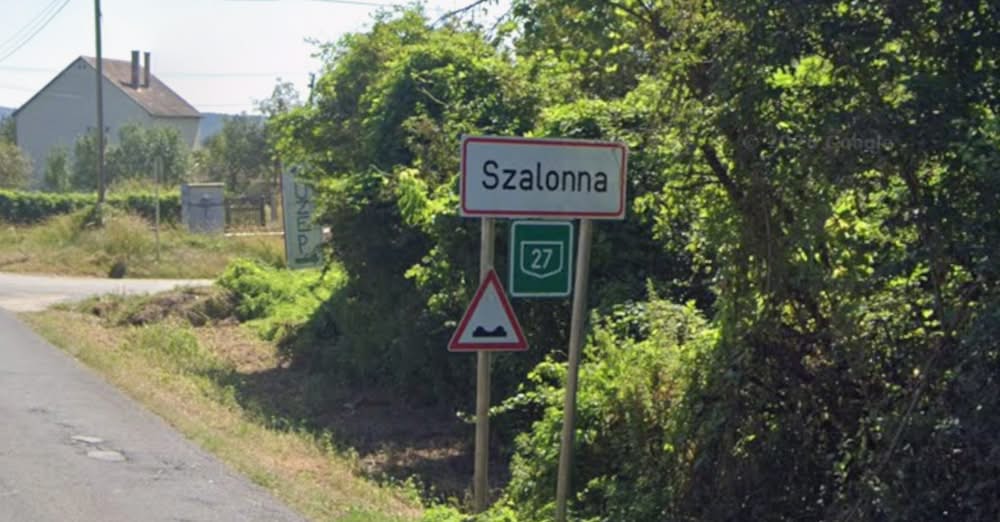
The Hungarian Ministry of Interior is investigating the relocation of Roma families from the Lubina settlement in Košice to Szalonna, focusing on the legality and organization of the real estate transactions involved.

Concerns from Szalonna residents regarding safety are being taken seriously, and the ministry plans to collaborate with Slovak authorities to clarify the situation.

The mayoral candidate for Košice, Miroslav Sabol, has filed a criminal complaint regarding the eviction of the illegal Lubina settlement, while the local mayor insists the process was not politically motivated and was organized through the non-profit sector.

Relocation – Continued

Published by:

Relocation – Continued

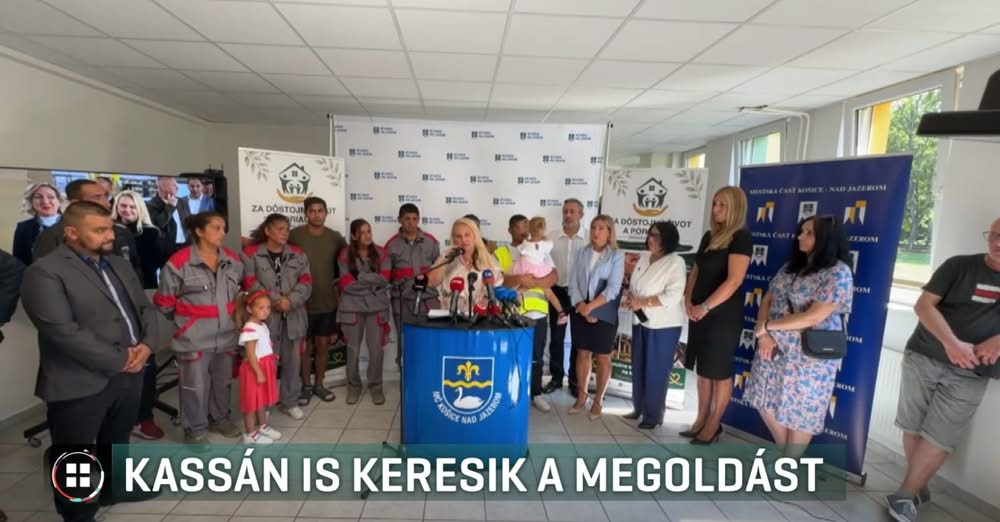
Two Roma families from Košice, Slovakia, moved to Szalonna, Hungary, sparking discussions about potential organized resettlement, although officials deny any mass relocation plans.

Local authorities in both Košice and Szalonna have stated that the families moved voluntarily and that no program exists to facilitate the relocation of disadvantaged residents to Hungary.

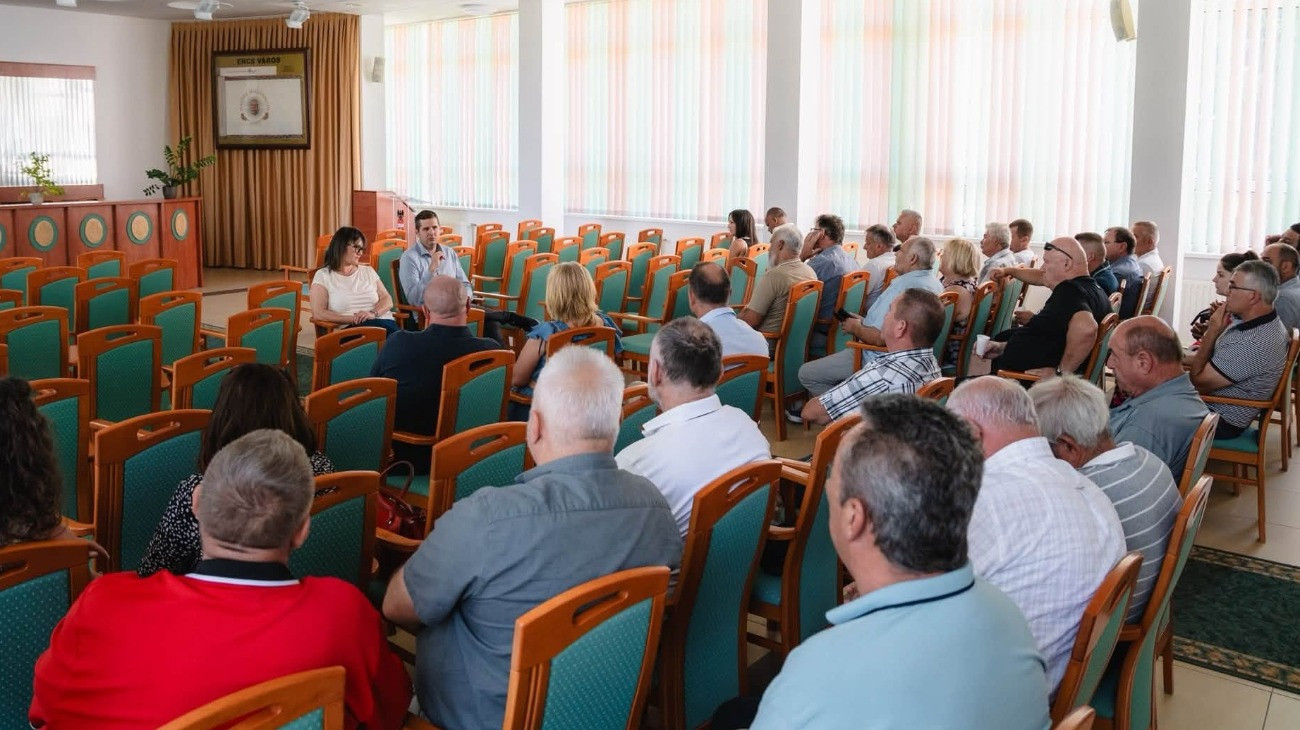
The situation has led to emergency meetings in Szalonna to pass a regulation aimed at responsible property sales and ensuring new residents respect local community values.

The Slovak government is investigating claims regarding the relocation of Roma families from a settlement in Košice to Hungary, with officials planning to meet affected families for further information.

Hungary Commemoration

Published by:

Hungary Commemoration

August 2 is recognized as the international memorial day for the Roma Genocide during the Holocaust, marking the liquidation of the Auschwitz-Birkenau Roma camp in 1944, where over 3,000 Roma were killed by the SS.

A remembrance event will take place in Miskolc, Hungary, including a mass for the victims and speeches by notable figures, commemorating the fifth anniversary of the Roma Holocaust Memorial.

The Roma Holocaust remains a lesser-known aspect of World War II, with ongoing efforts to ensure its recognition and remembrance in historical narratives.

Relocation Confusion

Published by:

Relocation Confusion

Mihály Dancs (from the Hungarian Roma Autonomy) discusses an agreement for the social department of the Košice municipality to visit families in Szalonna to understand their situation and help them stay if they wish. From the article it is not clear whether they have already been relocated or the relocation is intended.

He expresses doubts about the feasibility of families commuting to school in Košice due to language barriers and long travel distances, which could lead to conflicts within the local Roma community.

Dancs emphasizes the need to support the Roma families from Košice while ensuring that tensions do not arise within the Hungarian Roma community.

Relocation Update

Published by:

Relocation Update

The Slovak city of Košice is destroying a Roma settlement. Some of the families seem to have been relocated to Szalonna, Hungary.

The mayor of Encs urged residents not to sell properties to prevent the town from becoming a site for these relocations, labeling the situation as a ‘ghetto’ issue.

Political tensions are rising, with right-wing parties like Mi Hazánk opposing the influx of Romani individuals, citing concerns about their integration and criminal backgrounds.

More on Relocation

Published by:

More on Relocation

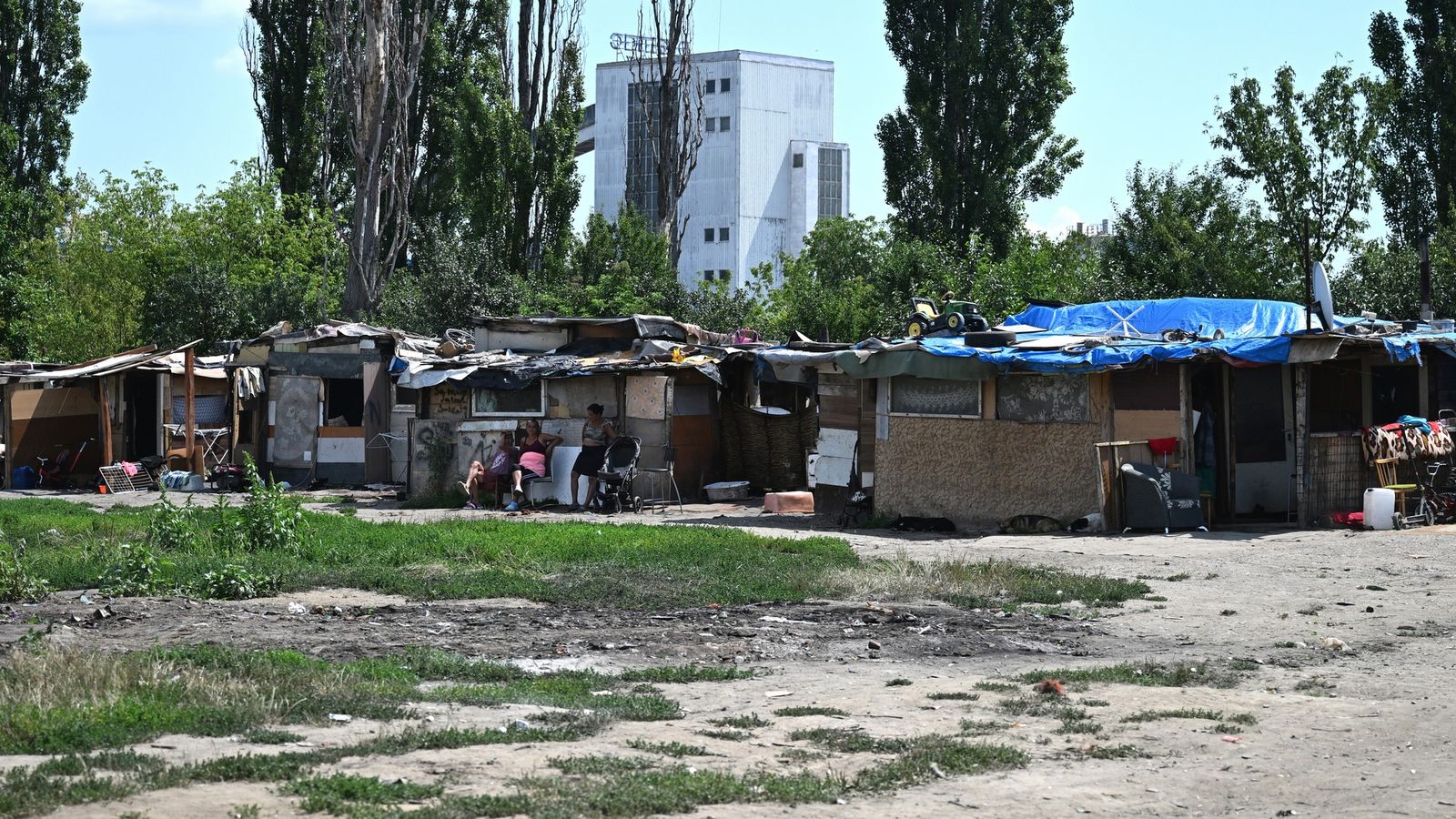
Families living in deep poverty and not speaking Hungarian have been relocated from a Roma settlement in Košice, Slovakia, to Szalonna, Hungary, without informing local residents.

The mayor of Encs condemned the relocation, suggesting it is a form of deportation and calling for local authorities to prevent such actions.

Dancs Mihály, president of the National Roma Self-Government in Hungary, expressed concerns about the well-being of the relocated families and the potential for conflict within the local community.

Relocation!!!

Published by:

Relocation!!!

We did doubt the news about the relocation of Roma families from Košice to Hungary. Now it seems to be confirmed.

Families living in deep poverty and not speaking Hungarian have been relocated from a Roma settlement in Košice to Szalonna, Hungary, with local authorities allegedly involved in the process.

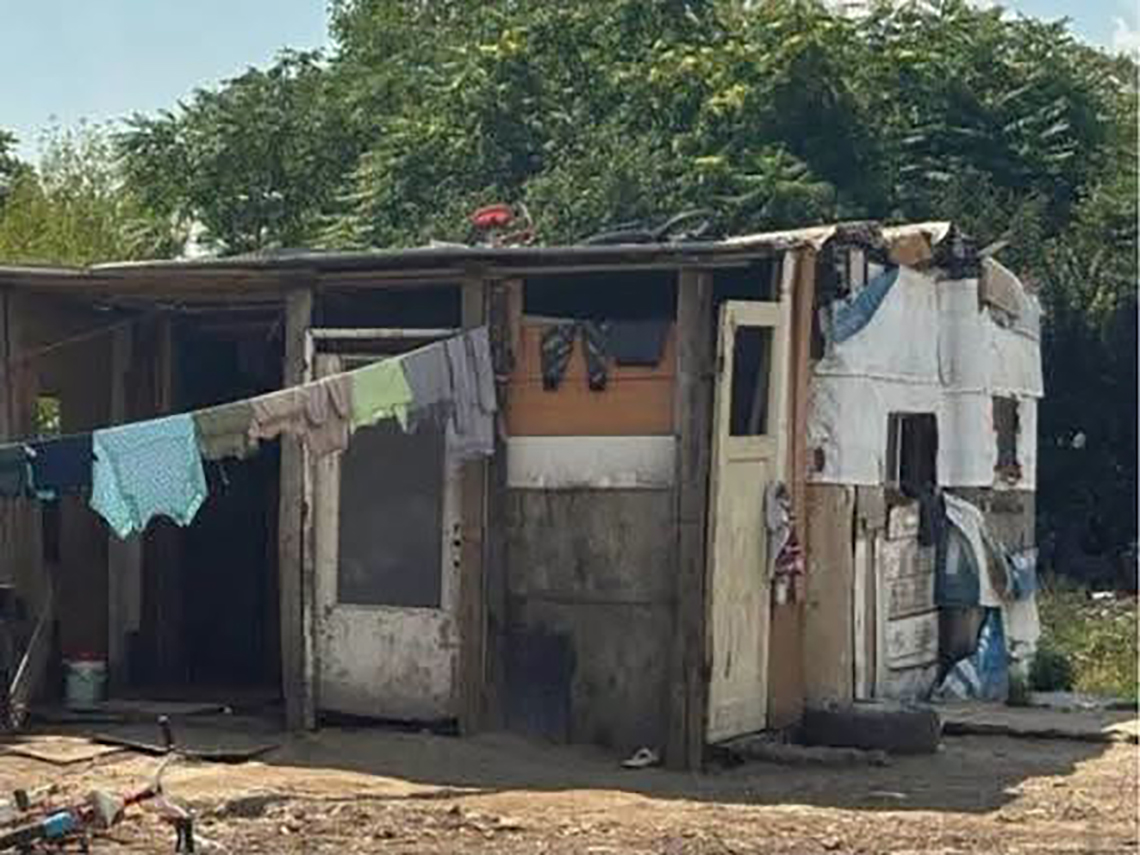
The illegal settlement in Košice, lacking basic utilities, has seen the demolition of several structures, with the mayor claiming that alternative housing was arranged for the affected families.

Residents of Szalonna express concern over the new arrivals, fearing additional social challenges, while some Roma leaders suggest that more families may be moved from Košice to Hungary soon.

Mihály Dancs, president of the National Self-Government of Roma in Hungary, stated that the mayor of Košice does not support the establishment of a system for relocating families to Hungary.

Roma Heroes

Published by:

Roma Heroes

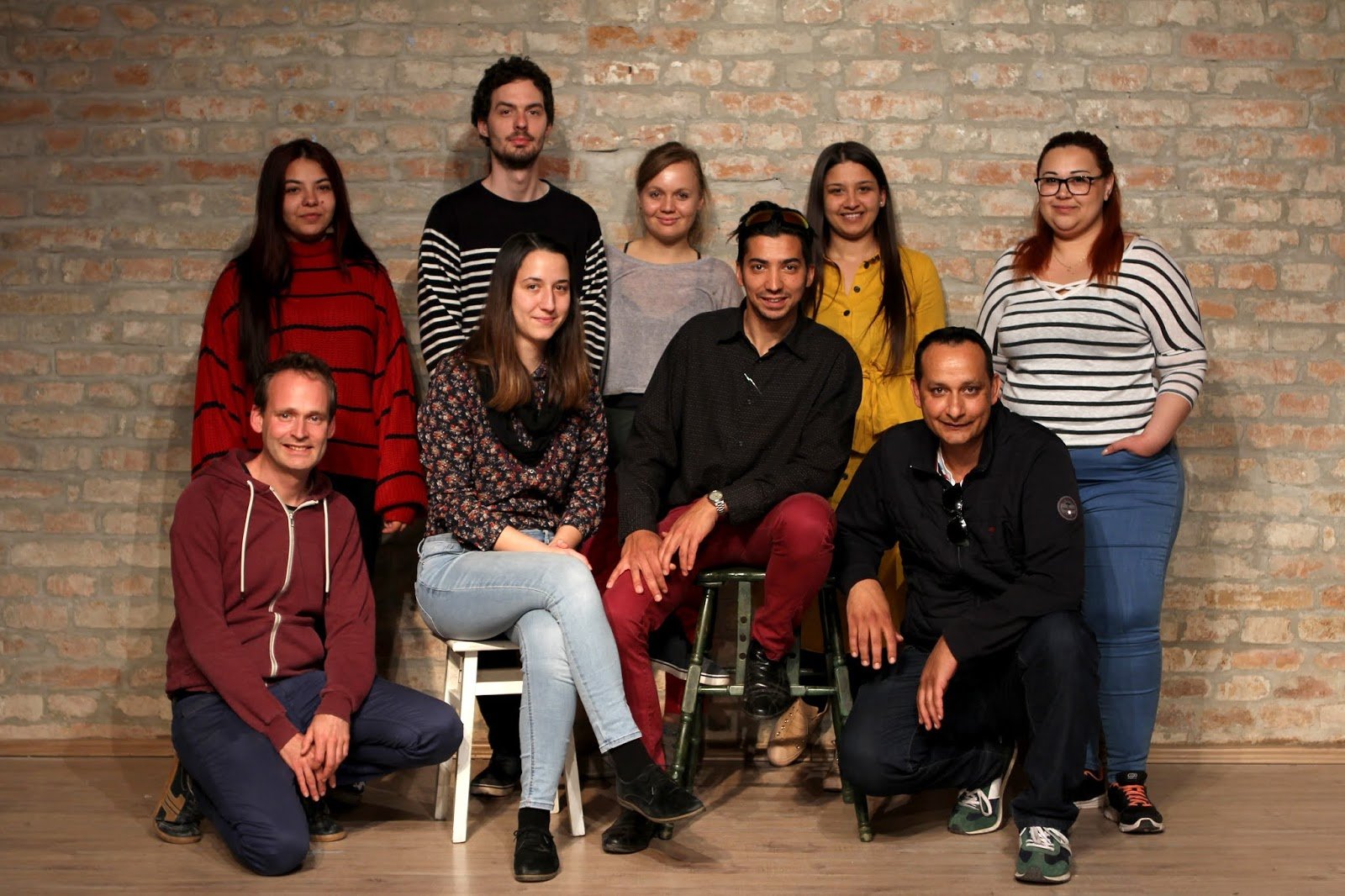
The Roma Heroes International Theatre Festival and its organizer, the Independent Theatre of Hungary, will receive a special award from the Theatre Critics’ Association in 2026 for their outstanding performance over the seasons.

The Independent Theatre of Hungary promotes collaboration between Roma and non-Roma artists, aiming to create a more inclusive theatre environment in Hungary.

The Roma Heroes Festival has established itself as a pioneering platform for Roma theatre in Europe, fostering diverse audiences and innovative storytelling since its inception in 2017.

Relocation?

Published by:

Relocation?

To be verified and followed as this seems highly suspect.

A Hungarian article stating that there are plans to relecate Roma from Košice, Slovakia, to Hungary. The Slovak government office responsible for Roma communities has deemed the relocation of families to Hungary as “extremely unusual” and is seeking clarification on various legal and social issues related to the move.

Local leaders in Szalonna, Hungary, are calling for an extraordinary meeting to address the potential influx of families from Slovakia, with concerns about the legality of restricting entry based on language proficiency.

Allegations have been made regarding the possible economic motivations behind the relocation, with local officials questioning whether it is a strategy to clear land for future development.

Death after Arrest

Published by:

Death after Arrest

On July 8 in Százhalombatta, Hungary, police intervened with a driver who was behaving erratically and resisted arrest, leading to the use of force; the man later died in the hospital days after the incident.

The Budapest Regional Prosecutor’s Office is investigating the circumstances of the police action, with the police cooperating closely with the prosecution.

Roma leaders expressed that no lawful police action should result in severe injury or death, emphasizing the need for police to respect necessity, proportionality, and human dignity during interventions.

Police and Roma

Published by:

Police and Roma

Hungarian Roma advocacy leaders emphasized that no lawful police action should result in severe injury or death, following the death of a father during police intervention in Százhalombatta.

They called for a thorough and unbiased investigation into the incident, expressing concerns over the premature reassurances from authorities regarding police conduct.

The leaders stressed the importance of mutual respect for the law by both citizens and police, insisting that police must act with proportionality and respect for human dignity.

Orban and Roma

Published by:

Orban and Roma

When Viktor Orbán’s returned to power in 2010, laws were changed to allow and promote the segregation of Roma students in Hungary, reversing previous integration efforts.

The Chance For Children Foundation (CFCF) successfully challenged school segregation through legal means prior to 2010, resulting in the integration of approximately 3,000 Roma students. The current situation shows a significant increase in Roma students attending segregated schools, with estimates suggesting that two-thirds are now in such institutions, compared to one-third before Orbán’s regime.

Internship

Published by:

Internship

The Budapest Józsefvárosi Municipality is launching an eight-month internship program for Roma youth to gain practical experience in public administration with mentorship support.

The program aims to facilitate the social integration of Roma youth into the labor market and is open to students in higher education or vocational training with ties to Józsefváros.

Interns will receive a gross monthly stipend of 215,000 HUF and will work under the guidance of experienced mentors in various municipal departments.

Commemoration

Published by:

Commemoration

A joint commemoration for the Roma genocide during the Holocaust is organised by the Józsefváros Municipality and the Roma Municipality, taking place on August 2-3, with events at Teleki László Square and the Roma Municipality theater.

The article details the historical context of the persecution of Roma during the Nazi regime, including the implementation of the Nuremberg laws and mass deportations.

The program includes speeches, music performances, and a flower-laying ceremony to honor the victims of the Roma genocide.

Women Health in Hungary

Published by:

Women Health in Hungary

Romnja in Hungary face systemic control in healthcare, often losing autonomy over their bodies, exemplified by a 2006 case of forced sterilization. They experience double discrimination and skepticism from medical staff, leading to a significant loss of trust in the healthcare system, which adversely affects their health and quality of life.

The article highlights the underrepresentation of Roma women’s experiences in feminist movements and medical discussions, emphasizing the need for a more equitable healthcare system that acknowledges their unique challenges.

Roma in Budapest

Published by:

Roma in Budapest

A research commissioned by the Józsefváros Municipality aims to explore the challenges and needs of the Roma community in Józsefváros, focusing on issues like housing, education, healthcare, employment, culture, and women’s status.

The study will utilize a combination of focus group discussions, surveys, and professional interviews, targeting around 300 participants who identify as Roma and are over 18 years old.

The research contract was awarded to TÁRKI and Uccu through an open tender, evaluated on methodological soundness, prior experience, research elements, and cost.

5th International Roma Music Day

Published by:

5th International Roma Music Day

The 5th International Day of Gypsy Music will take place on August 8, connecting 11 venues across 7 countries, with Budapest as the main hub.

The festival aims to celebrate the diversity of Roma music, featuring nearly 30 artists and free concerts, despite financial challenges in Hungary’s cultural scene.

The event honors the late Esma Redžepova, a prominent figure in Romani music, and includes a tradition of simultaneous performances of the international Romani anthem, “Gelem, Gelem.”

Would be nice if they did not use the “Gypsy” or even worse, the “Z”-word …

Monika Lakatos

Published by:

Monika Lakatos

The Lakatos Mónika Folk7Festival and Workshop will take place from July 31 to August 3, leading up to the Balaton GipsyFest, which will follow for three days.

The workshop aims to attract those who love Romani music and culture, providing an opportunity to engage with the culture and understand its nuances.

The event encourages interaction between Romani and non-Romani individuals, fostering a deeper understanding of Romani culture and language through music and dance.

Legal Aid

Published by:

Legal Aid

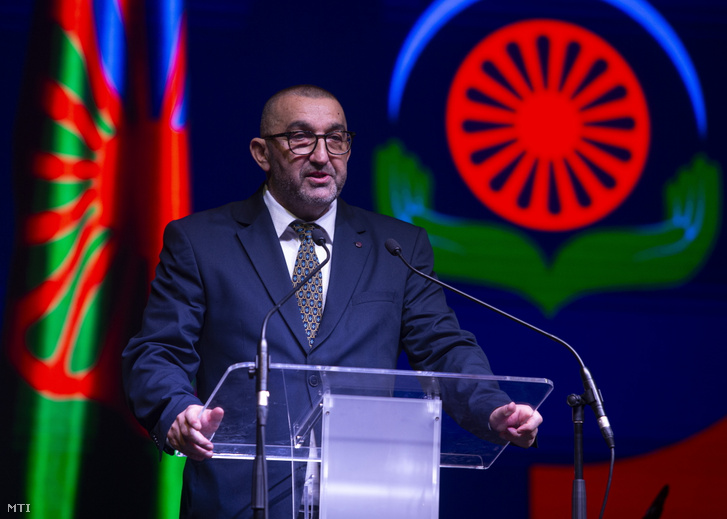
The Hungarian National Roma Self-Government (MROÖ) has launched a legal aid and information network to support Roma communities, with initial offices in Budapest, Miskolc, and Pécs. MROÖ President Dancs Mihály emphasized the importance of providing legal assistance to Roma individuals facing discrimination and legal issues, marking the initiative as a significant milestone.

The initiative aims to address historical injustices and ensure that Roma communities are not left without support in legal matters, with funding coming from Dancs’s own salary and expenses.

One has to note that this is in parallel to the European Roma Right Centre, located in Budapest, which has been active for decades.

rroma.org
en_GBEN