Category Archives: News Eastern Europe

Protestantism

Published by:

Protestantism

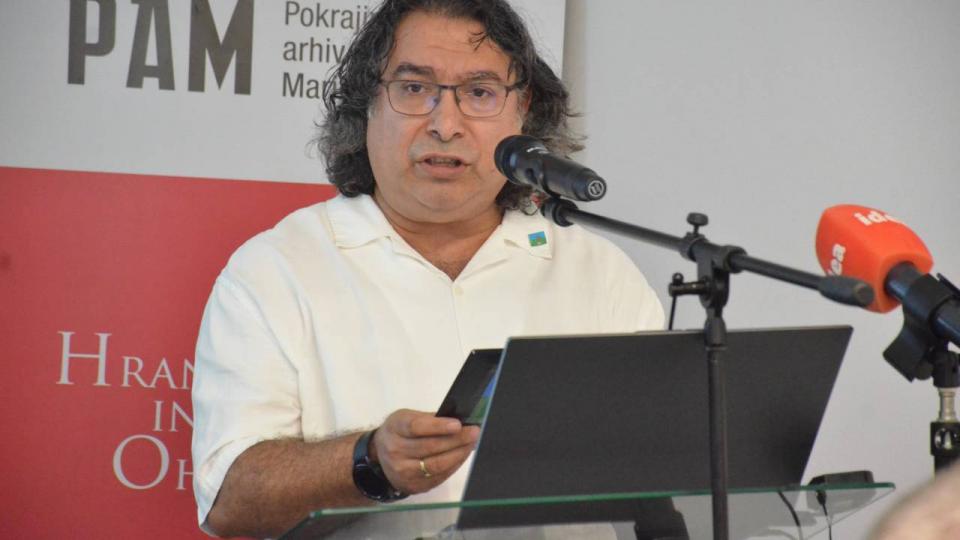
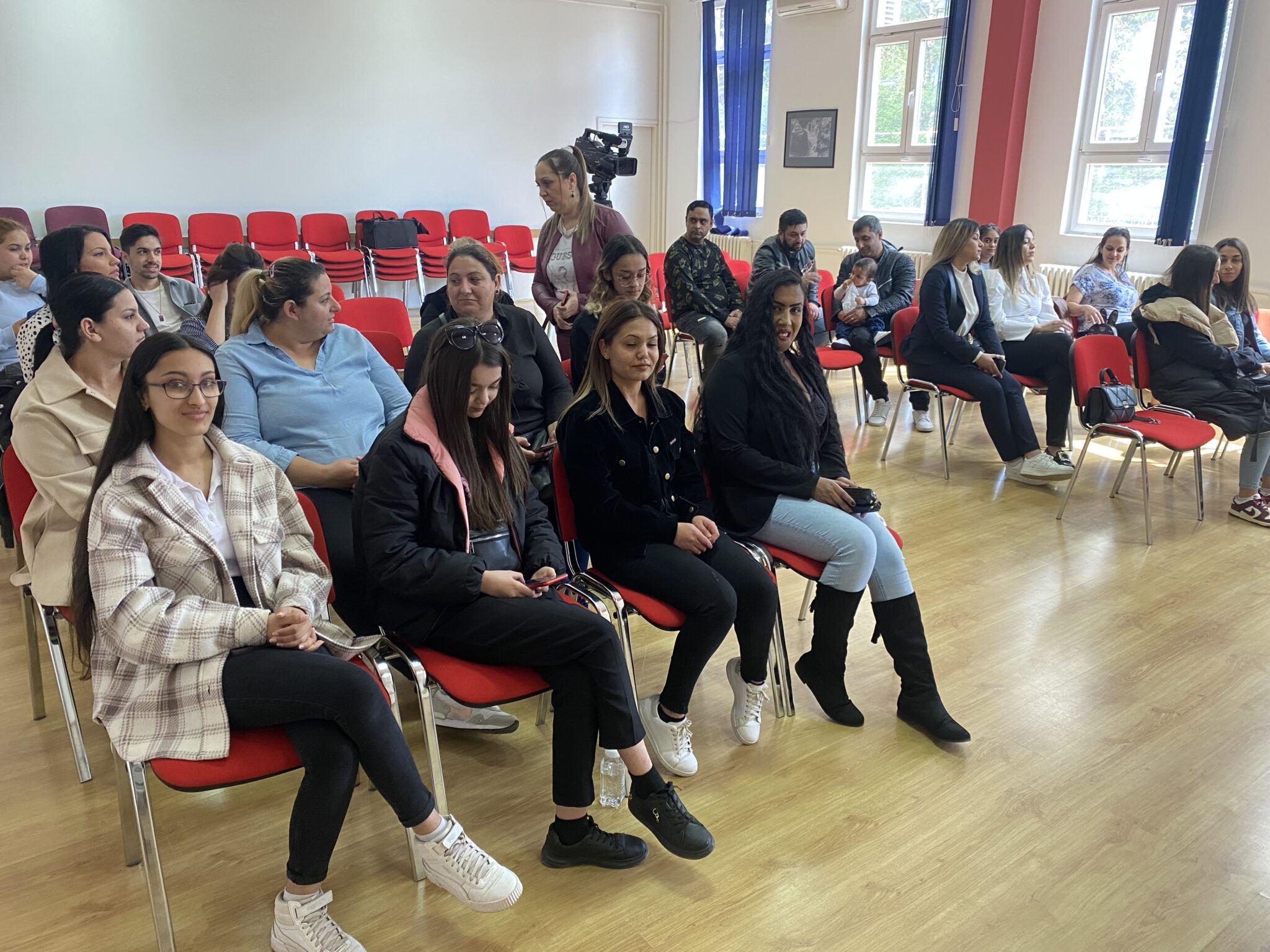
A book by sociologist Dragan Todorović discusses the spread of Protestantism among the Roma community in southeastern Serbia and its societal impacts.

The research highlights how religious changes can influence education, family dynamics, women’s status, solidarity, and community involvement among Roma.

The event at the Serbian Academy of Sciences and Arts emphasizes the importance of recognizing Roma’s personal choices and identities beyond stereotypes of poverty and discrimination.

Milan Daniel

Published by:

Milan Daniel

The article discusses a film based on the true story of Milan Daniel, a Romani youth who was attacked by neo-Nazis in Břeclav in 2001, resulting in a coma and clinical death.

The film, titled “33 Steps,” is set to be released in Czech cinemas on September 3rd.

It received Special Jury Recognition at the Karlovy Vary International Film Festival.

Jana Horváthová

Published by:

Jana Horváthová

Jana Horváthová has resigned as director of the Museum of Romani Culture in Brno, citing exhaustion and a desire to focus on academic work after leading the museum since 2003.

Karolína Spilmannová will take over as acting director from September 1, ensuring continuity in leadership and operations at the museum.

The Ministry of Culture plans to redefine the museum’s Advisory Board and is seeking a strong permanent director to lead the institution’s future development.

What a pitty, and congratulation for the great work.

Imer Traja Brizani

Published by:

Imer Traja Brizani

Imer Traja Brizani, a prominent Romani musician and composer, celebrates 30 years of his group Amala and 46 years of artistic creation, blending Romani music with jazz and classical influences.

He emphasizes the importance of music as a means to break stereotypes and foster cultural dialogue, highlighting his family’s musical legacy and collaborations with notable artists.

Brizani advocates for better understanding and support for the Romani community in Slovenia, stressing the need for professional knowledge to combat stereotypes and promote genuine inclusion.

Political Rally and Busing

Published by:

Political Rally and Busing

A significant number of Roma attended a political rally organized by the ruling party in Serbia, primarily coming from southern Serbia in four buses.

They received the lowest daily allowances compared to other groups, with 2,000 dinars, while Roma from Čačak received 4,000 dinars and those from Ljig received 3,000 dinars.

The Roma coordinator from Čačak, Gradimir Radosavljević, was notably vocal at the rally, initially calling out a derogatory term before correcting himself to a more neutral term.

Political Rally in Serbia

Published by:

Political Rally in Serbia

A tense political rally in Užice, Serbia, saw Serbian President Vučić facing significant local opposition, including physical confrontations with activists and police blocking access to the event.

Many attendees were reportedly brought in from other regions, while local residents, including Roma, expressed their discontent and refused to support the rally, highlighting a divide within the community.

The event was marred by violence, with reports of activists being attacked and police using tear gas against local protesters, indicating a growing unrest against Vučić’s regime.

Roma in Slovenia

Published by:

Roma in Slovenia

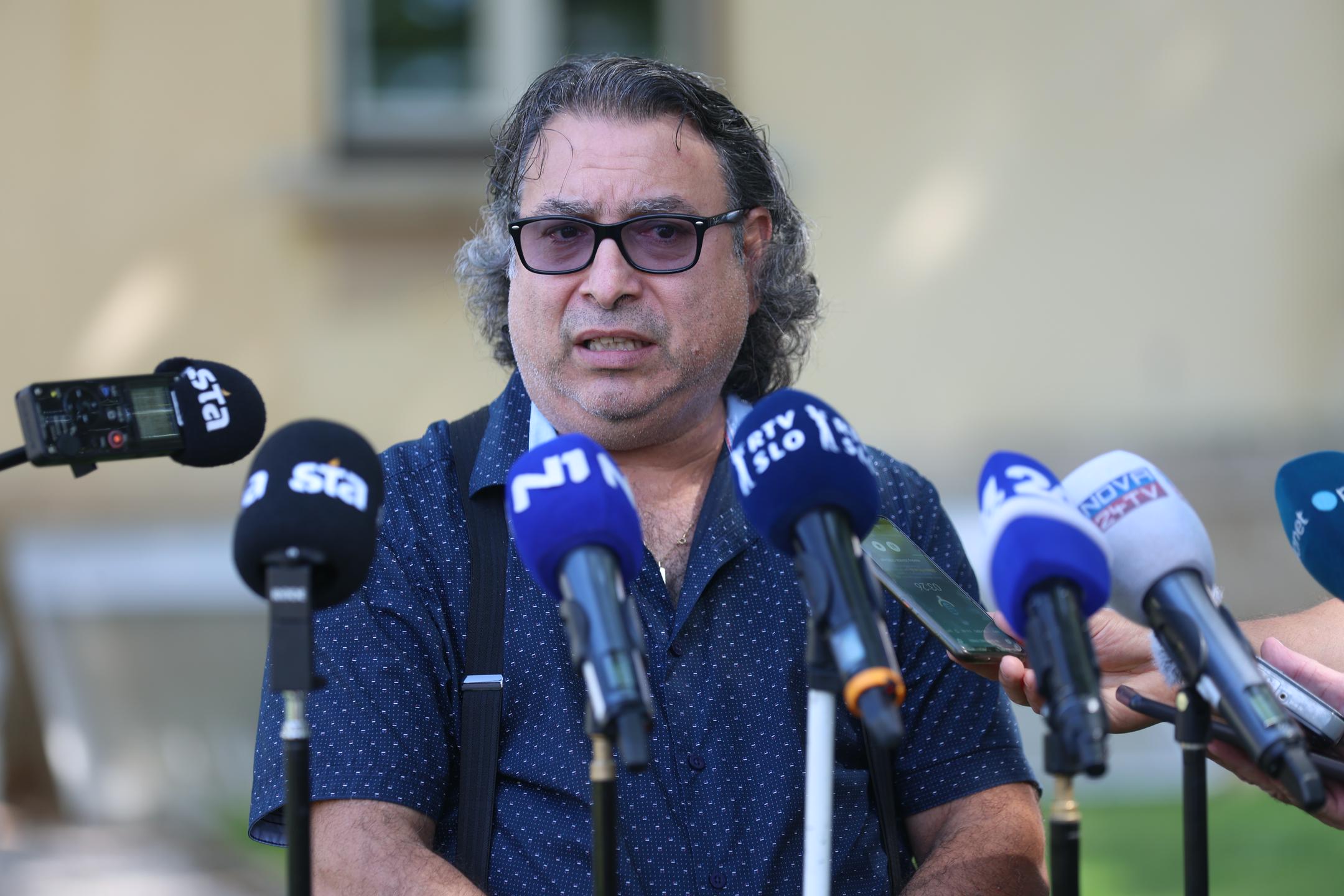
The Council of the Roma Community in Slovenia urges the government to adopt a comprehensive and inclusive approach to address key issues facing the Roma community, emphasizing the need for dialogue and responsibility from all institutions.

They highlight the importance of legalizing Roma settlements and improving basic infrastructure, as living conditions directly affect health, education, and employment opportunities.

The council condemns the rise of anti-Romani sentiment and calls for stricter sanctions against hate speech, public education for officials, and campaigns to combat stereotypes.

Boni

Published by:

Boni

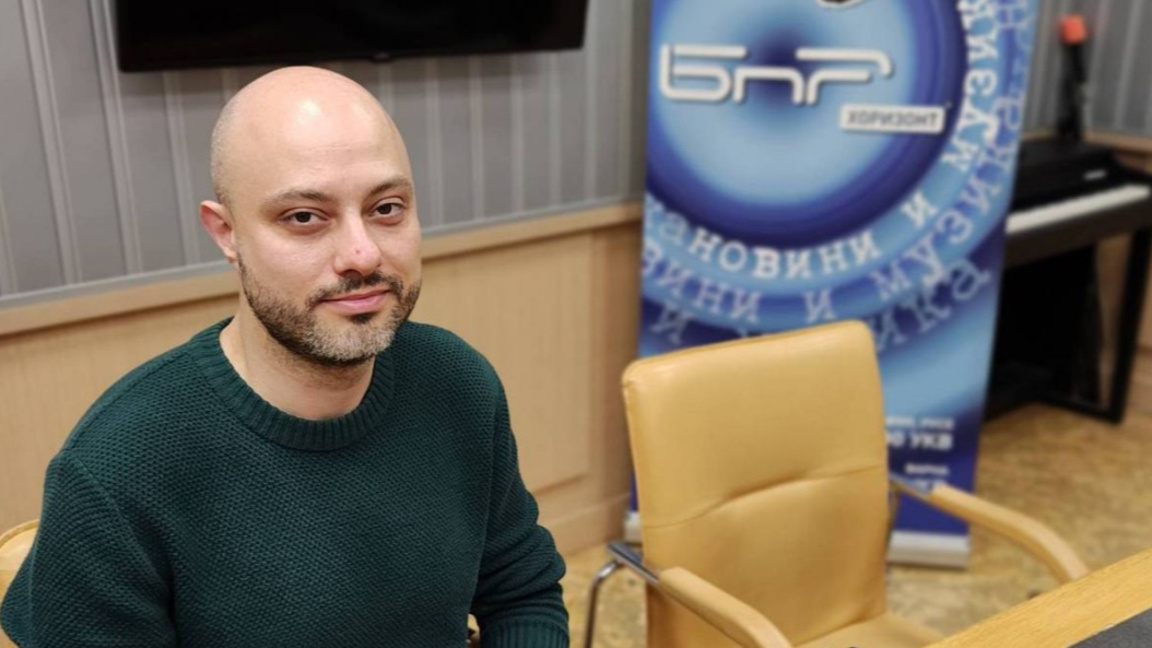
The Bulgarian singer Bony openly discusses early marriages and the need for young people to have real choices about their futures, emphasizing that family should be a conscious choice rather than a predetermined fate.

She connects the issue of early marriages to education, urging parents to support their children’s education instead of pushing them into family life and work too early.

Bony calls for broader institutional support for young families, including access to healthcare, quality education, and opportunities in various fields, advocating for stability as a tangible reality rather than just a political promise.

Slovak History

Published by:

Slovak History

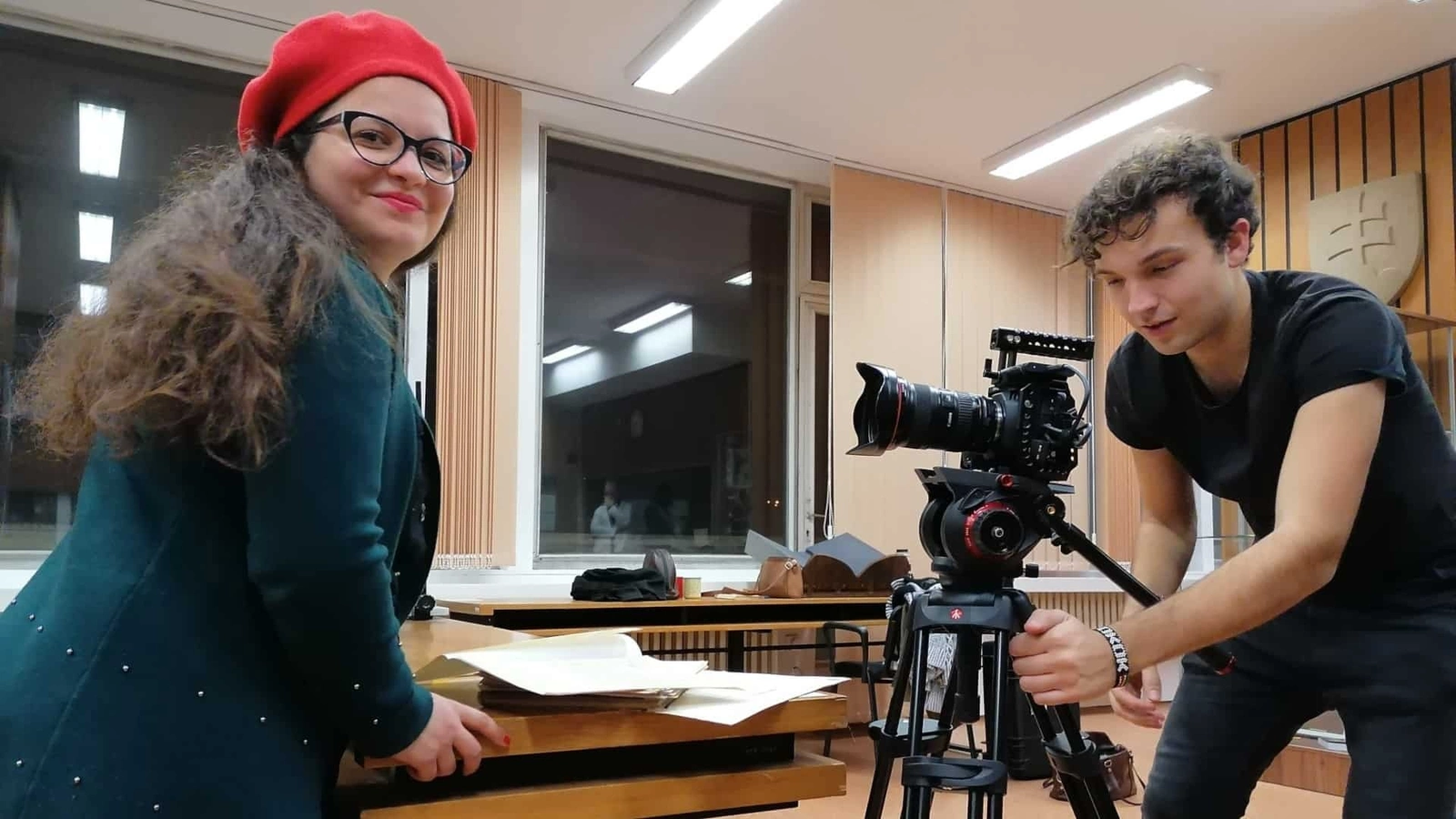
Vera Lacková, a young filmmaker, is producing a documentary about the participation of Slovak Roma in the Slovak National Uprising against fascism, highlighting historical manipulation of their role during socialism.

The film addresses the overlooked Roma Holocaust and challenges stereotypes about Roma people, emphasizing their contributions to the fight for freedom.

Lacková shares personal family history related to the impact of fascism and discusses contemporary latent racism faced by the Roma community.

Romni and Activist

Published by:

Romni and Activist

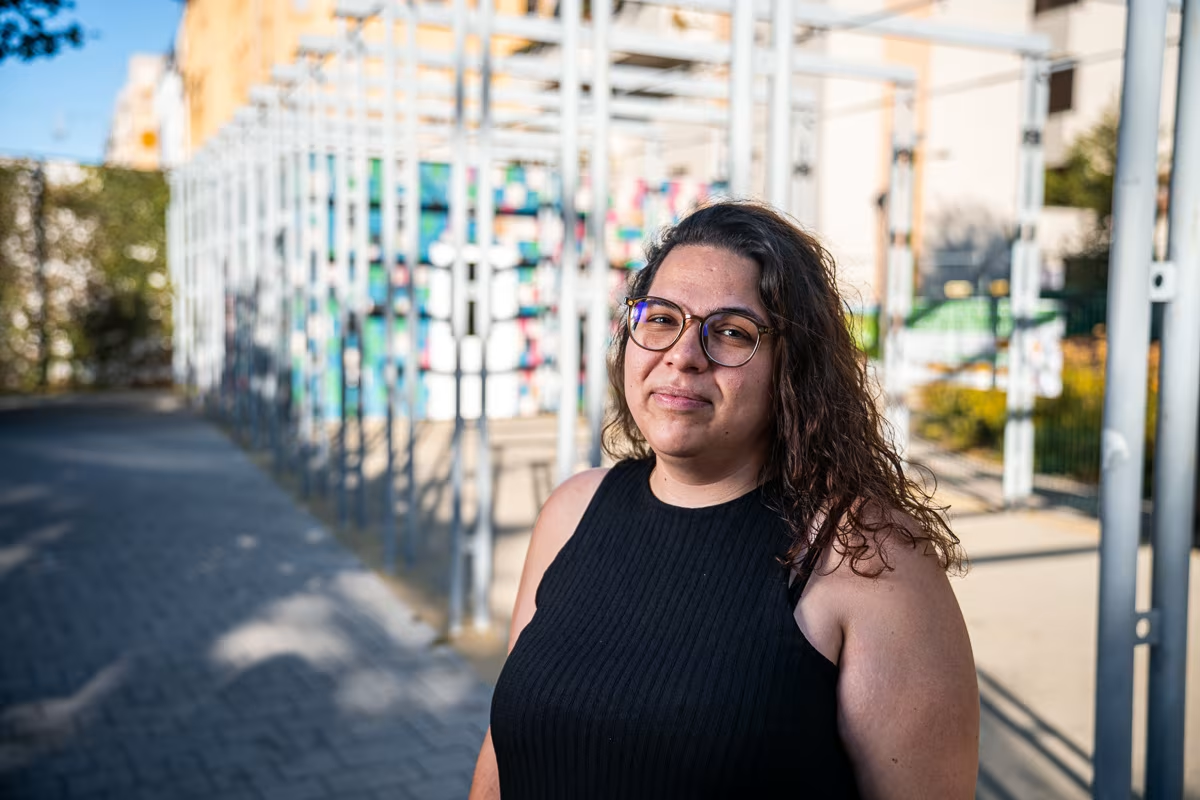
The article discusses the career journey of a Romni who transitioned from sociology and human rights work to IT support and now serves as a Roma affairs officer in a local government.

She emphasizes the importance of her diverse educational background and experiences in both civil society and corporate environments for her current role, particularly in managing Roma-related projects and strategies.

The article highlights her efforts to improve Roma community engagement and support, including a Roma internship program and research on the needs of the Roma population in Józsefváros.

EU Neighbours East

Published by:

EU Neighbours East

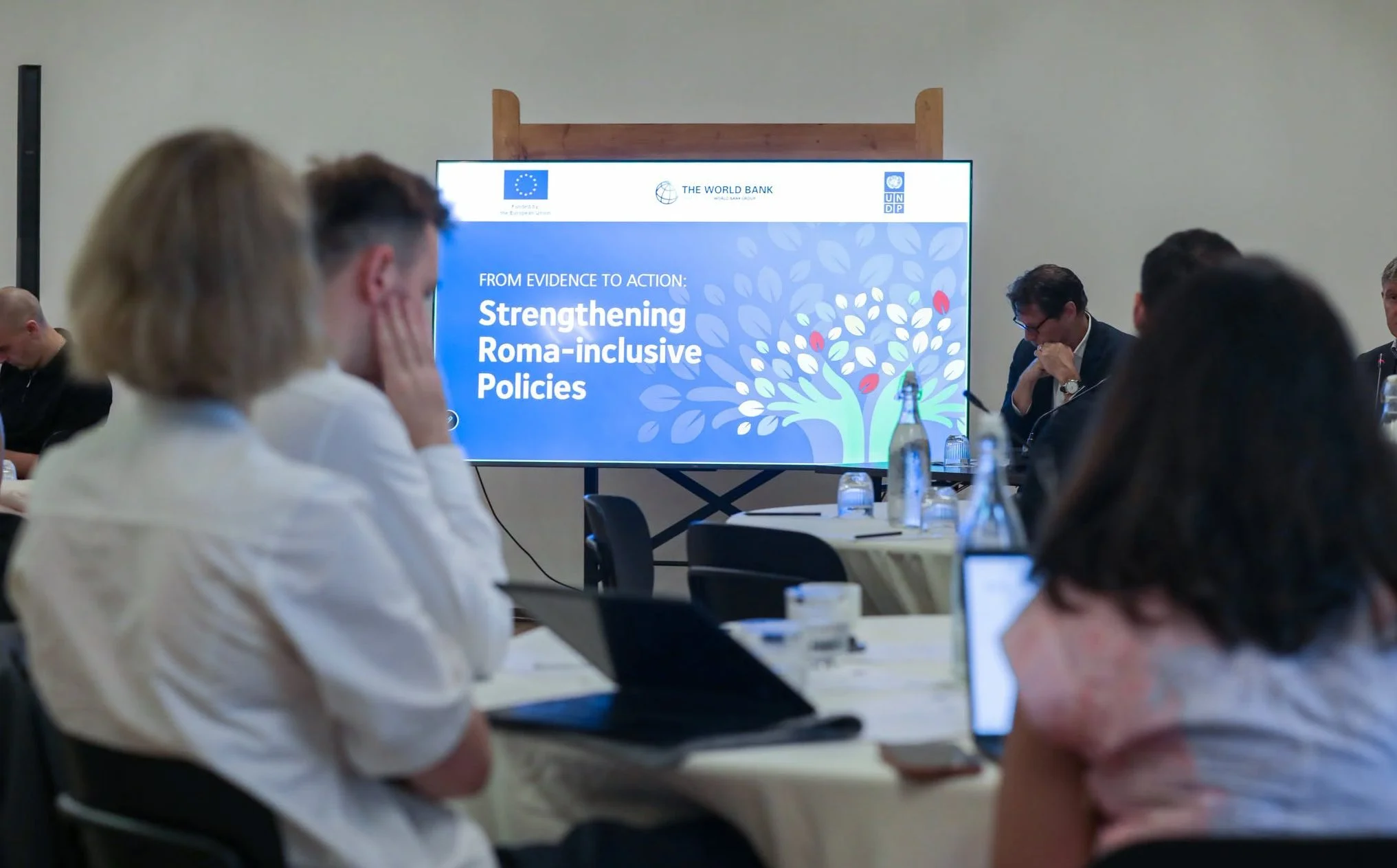
The European Union, World Bank, and UN Development Programme conducted a comprehensive assessment of the living conditions of Roma in Georgia, Moldova, and Ukraine, with results presented in Tbilisi on August 19.

The study combines survey data with real-life experiences to raise awareness of the Roma community and support the development of inclusive policies.

The project’s goal is to reduce the gap in multidimensional poverty and access to socio-economic rights between Roma and non-Roma men and women in the three countries.

Skateboarding is not for Girls

Published by:

Skateboarding is not for Girls

Director Dina Duma aimed to avoid romanticizing poverty and to portray the Roma community authentically in her film “Skateboarding Is Not for Girls,” focusing on the characters’ humanity beyond stereotypes.

The film, inspired by a young girl’s maturity observed while skateboarding, explores themes of early marriage and sisterly love in the context of poverty in the Roma community.

Duma emphasizes the importance of community involvement in the filmmaking process and addresses the pervasive issue of patriarchy, highlighting the double standards faced by women in the film industry.

Illegal?

Published by:

Illegal?

The European Court of Human Rights condemned Bulgaria for demolishing the homes of 56 Roma individuals in 2023, ruling it violated their right to a home and personal life.

The court highlighted systemic issues in Bulgarian law that allow for the removal of homes without proper legal checks, emphasizing the need for legislative reform.

The actions of local authorities were criticized as collective punishment and a deliberate attempt to deny individuals their legal rights, particularly affecting marginalized communities.

Slovenia and Roma

Published by:

Slovenia and Roma

The Slovenian Council of the Roma Community, led by Jožek Horvat Muc, emphasizes the need for the regulation and legalization of Roma settlements, active economic inclusion, and the sanctioning of hate speech.

They call for a clear political framework based on dialogue and responsibility, adhering to the principle of ‘nothing about Roma without Roma’.

The council advocates for improved living conditions, active labor market participation, and stronger measures against anti-Roma sentiment, including public education campaigns.

Zagreb and Gypsy Lore

Published by:

Zagreb and Gypsy Lore

The Romani population has lived in Croatia for over six centuries, becoming an integral part of the multicultural landscape, with scientific interest in their culture dating back to the late 18th century.

Recent years have seen a positive shift in Romani studies, particularly after 2002 when the Romani were recognized as a national minority, leading to increased research and publications on their language and history.

The upcoming “2026 Annual Meeting of the Gypsy Lore Society” in Zagreb will highlight the development of Romani studies in Croatia and enhance international recognition of Croatian scientific institutions.

Roma in Serbia

Published by:

Roma in Serbia

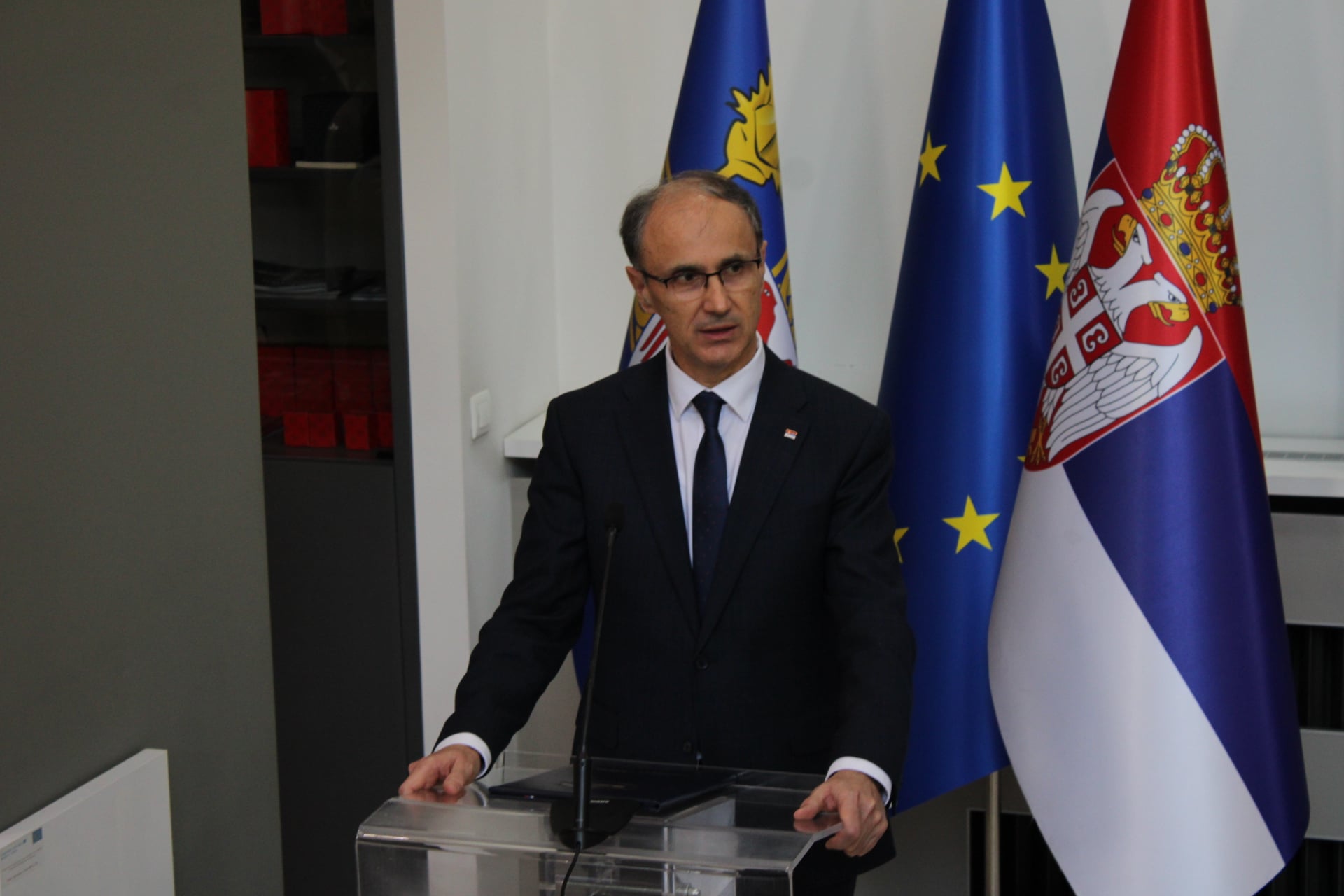
YUROM Center has initiated a proposal for a special law to ensure equal employment for national minorities, particularly the Roma, in Serbia’s public administration and sector.

The initiative highlights the underrepresentation of Roma in public administration despite their population of nearly 132,000, and calls for systematic measures to address structural discrimination and promote professional development.

The proposal includes establishing a monitoring system for ethnic representation, defining affirmative measures, and involving national minority councils in the legislative process to enhance public administration quality and support Serbia’s European integration efforts.

Leskovac Roma

Published by:

Leskovac Roma

A study on the position and needs of youth in Leskovac, Serbia, revealed significant issues such as unemployment and lack of opportunities, but did not specifically analyze the situation of young Roma and Romni.

The research, conducted with 301 participants aged 15 to 30, highlighted that nearly 90% of youth feel they lack equal opportunities compared to peers in other Serbian cities, with many planning to leave Leskovac.

The absence of data on ethnic backgrounds limits understanding of inequalities faced by young Roma and Romni, emphasizing the need for targeted research and inclusive youth policies.

Integration

Published by:

Integration

Ecaterina Topor, a young Roma woman, transformed her life through education, learning three languages and becoming a qualified chef, which boosted her confidence and opened new opportunities.

After graduating, she received guidance from the National Employment Agency, leading to a successful internship and job at a local restaurant, despite facing some prejudice due to her ethnicity.

Currently employed at an international company, Ecaterina advocates for education and self-reliance, encouraging other young Roma to pursue their dreams and build their futures.

Young Roma

Published by:

Young Roma

The young Roma generation is determined to overcome discrimination and stigma in areas like education, housing, and employment, seeking self-determined paths.

Antiziganism is on the rise, with historical prejudices deeply rooted in society, leading to increased racism and stigmatization of Roma children.

The article highlights individual stories of young Roma who are breaking barriers and advocating for their rights, showcasing their aspirations and the challenges they face in a society that often marginalizes them.

Waste – Slovakia

Published by:

Waste – Slovakia

The Slovak government’s Office for Roma Communities emphasizes the need for a systematic solution to illegal landfills, rejecting the association of this issue with the Roma community.

The office has allocated significant funds for the construction of waste collection points and the removal of illegal landfills, stressing the importance of a coordinated approach involving all stakeholders.

The issue of illegal landfills is framed as a matter of responsibility and environmental health, with a call for equal application of rules for all citizens, regardless of ethnicity.

rroma.org
en_GBEN