Category Archives: News Eastern Europe

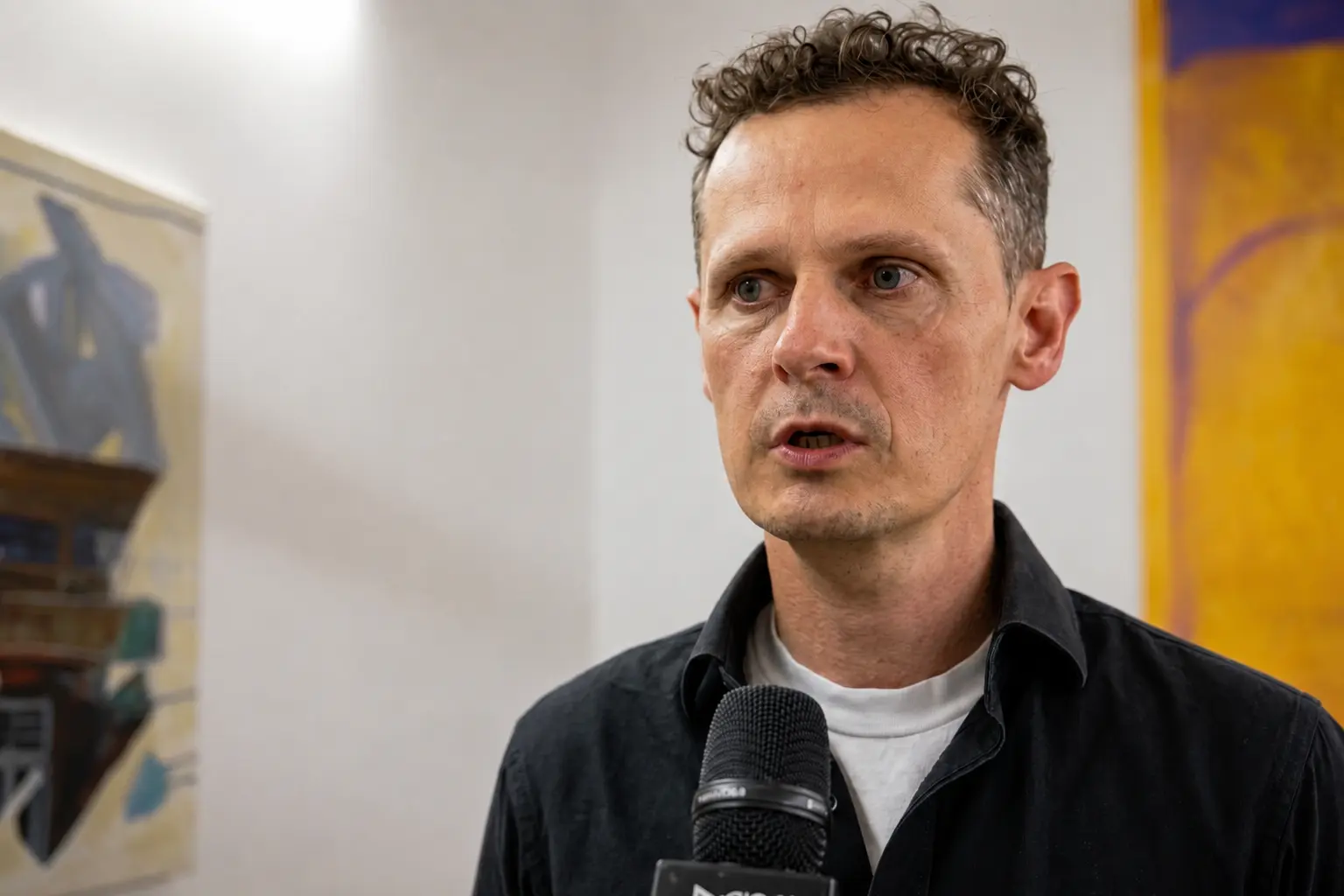
Rudolf Huliak

Published by:

Rudolf Huliak

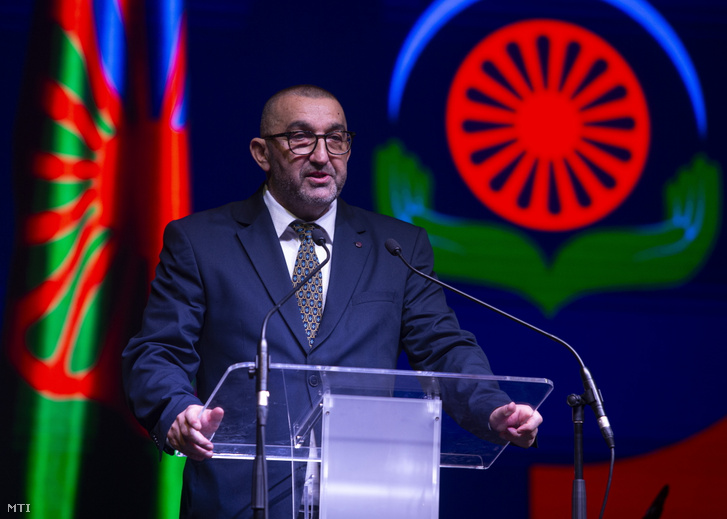
Minister of Tourism and Sports Rudolf Huliak has been advocating for the employment of Roma in Slovakia instead of accepting economic migrants for several months. He argues that Slovakia should focus on utilizing its domestic workforce and creating job opportunities for its own citizens.

Huliak questions the superiority of Indian migrants over Slovak Roma, emphasizing the need to employ local citizens rather than bringing in foreign workers. He also holds derogatody views about Roma and their willingness to work.

Slovenia and the Holocaust

Published by:

Slovenia and the Holocaust

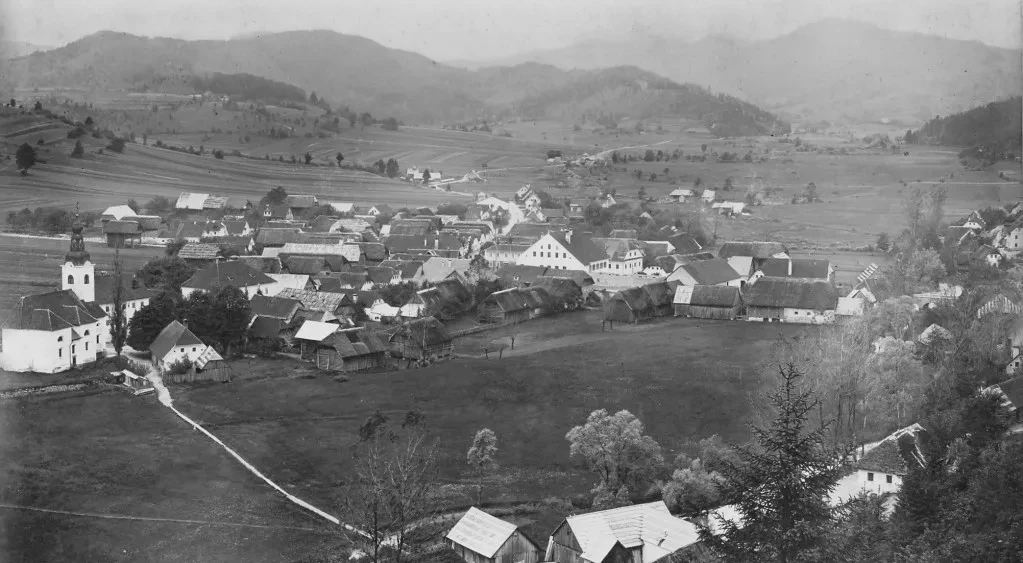
The article discusses the violent actions of communist partisans in Sodražica during May 1942, including the murder of 16 Roma and other locals, highlighting the impact of these events on the community.

It references the historical context of the region, including the rise of communism and the experiences of local families during the war, particularly the Kozina family.

While it is true that partisans executed Roma and others during the war, this is aprt of a new narrative in Slovenia whereby all crimes during the war were committed by others …  As a reminder, let’s just say the mayor of Ljubjana vetoed the transfer of Roma victims to the local cemmeraty devoted to victims of World War Two.

Police and Roma

Published by:

Police and Roma

Hungarian Roma advocacy leaders emphasized that no lawful police action should result in severe injury or death, following the death of a father during police intervention in Százhalombatta.

They called for a thorough and unbiased investigation into the incident, expressing concerns over the premature reassurances from authorities regarding police conduct.

The leaders stressed the importance of mutual respect for the law by both citizens and police, insisting that police must act with proportionality and respect for human dignity.

Ostrava Protest

Published by:

Ostrava Protest

Police in Ostrava-Vítkovice have initiated criminal proceedings against seven individuals aged 18 to 38 for public disorder.

The incident occurred on July 19, following a prior agreement to meet due to a provocative video posted on social media. A confrontation ensued where a group of young men challenged a Romani man to a fight, which he declined, leading to one man brandishing a gas pistol and firing it into the air. The Rom ended up in hospital after having stabbed.

Stara Zagora

Published by:

Stara Zagora

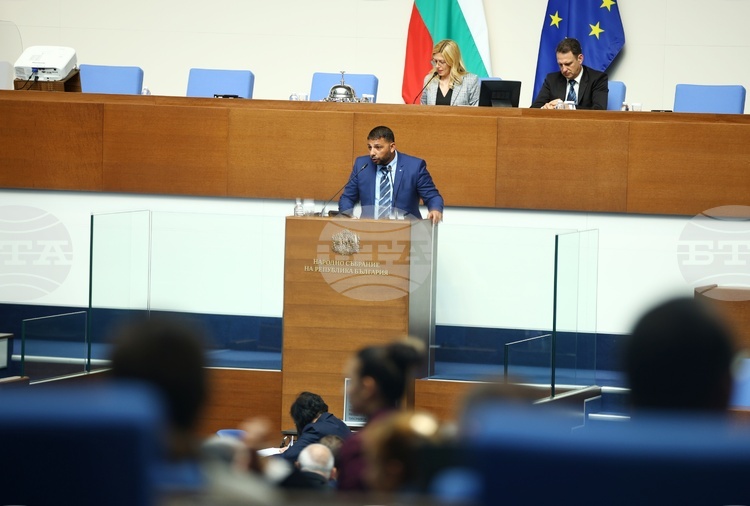
Marin Tihomirov, a member of the Bulgarian parliament, called for assistance from relevant institutions regarding the demolition of Roma homes in Stara Zagora, affecting over 30 families.

He emphasized the need for a clear plan for the relocation of these families and criticized the lack of a humane solution, urging the government to respect human rights.

Tihomirov appealed to all parliamentary groups to responsibly address the issue and highlighted the historical neglect of Roma communities despite previous integration efforts and funding.

Rape and Minorities

Published by:

Rape and Minorities

Survivors of wartime sexual violence in Kosovo were officially recognized in 2018, significantly later than other war victim categories, following years of advocacy by NGOs for women’s rights.

Over 2,100 victims of wartime sexual violence have been recognized, with 96% being of Albanian nationality, raising concerns about the neglect of minority victims in public discourse.

The story of Šehrije Baljaj, a Romani woman who testified about her rape in 1999, highlights the struggles of minority victims, as she passed away before her application for recognition was processed.

Education in Moldova

Published by:

Education in Moldova

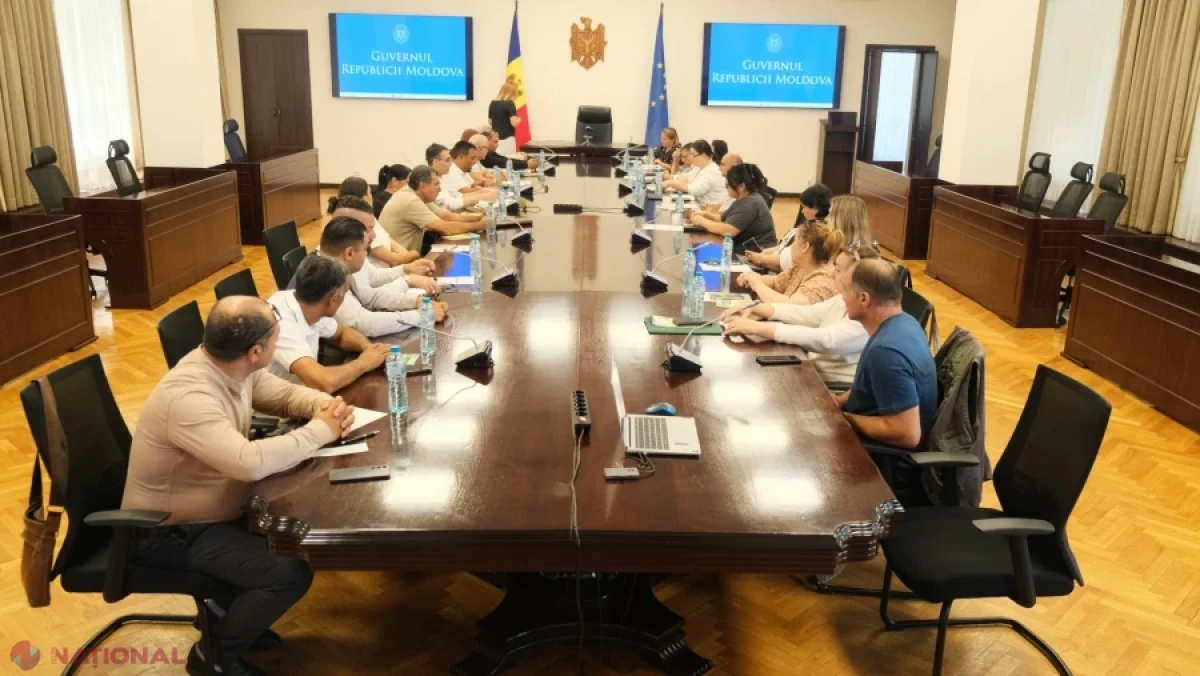
A meeting organized by the Ministry of Education and Research focused on developing services for Roma communities through community mediators, involving various stakeholders.

Discussions included improving educational access for Roma children and youth, preventing school absenteeism, and enhancing access to health and social services.

The new regulation defines the role of community mediators and aims to strengthen cooperation between mediators and public institutions to support Roma communities in Moldova.

High School in Romania

Published by:

High School in Romania

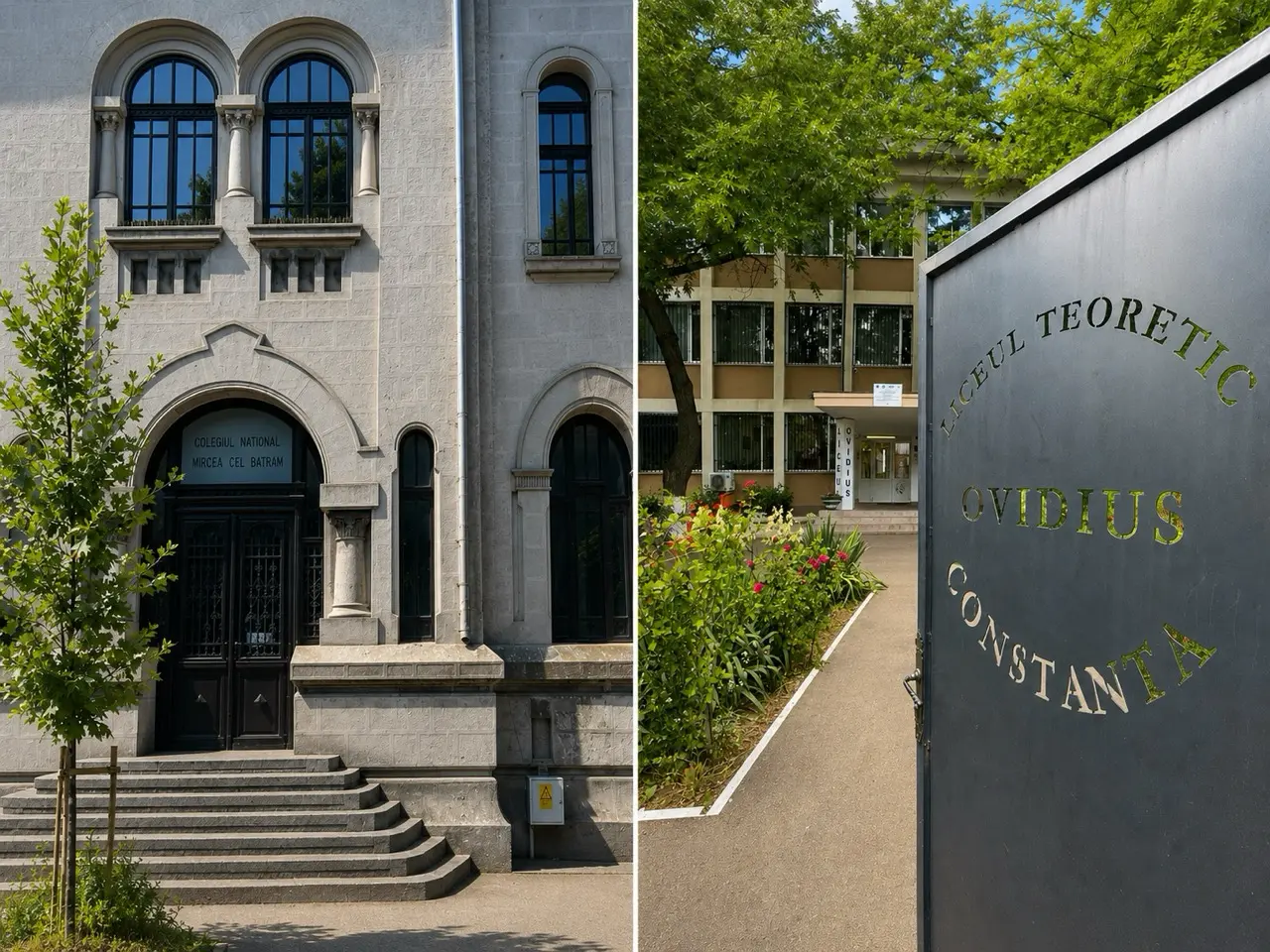
The admission process for high schools in Constanța for 2026 shows significant differences in average grades between general placements and special placements for Roma candidates and students with special educational needs (SEN).

Some of the most sought-after high schools admitted Roma candidates with averages below 6, with the lowest being 5.12 at Liceul Ovidius, while the lowest national evaluation scores were much higher.

A total of 17 candidates from these special categories were not placed, with the lowest average for Roma candidates being 1.90 and for SEN candidates being 1.35, indicating challenges in accessing education for these vulnerable groups.

Olivera Katalina

Published by:

Olivera Katalina

Olivera Katarina, a versatile performer known for her work in film and music, passed away on July 21, 2026, at the age of 86, after a career spanning over 60 years.

Born in Belgrade, she gained fame for her role in the film ‘I Even Met Happy Gypsies’ where she played the role of a Romani singer and had a successful singing career across multiple languages and genres. She also sang in Romanes.

Despite personal hardships, including the loss of her second husband, Katarina continued to work in the arts until her later years, leaving a lasting legacy in Yugoslav cinema.

Stabbed

Published by:

Stabbed

A demonstration occurred in Ostrava (Czechia) following the stabbing of a local Roma man, which was linked to provocative social media videos by a user known as matthewwassupp.

The rally was monitored by police, including riot units, due to tensions surrounding the incident and the involvement of the Romani community.

The Government Council for Roma Minority Affairs is set to discuss the case, highlighting ongoing concerns about the safety and treatment of Romani people in the Czech Republic.

Housing in Romania

Published by:

Housing in Romania

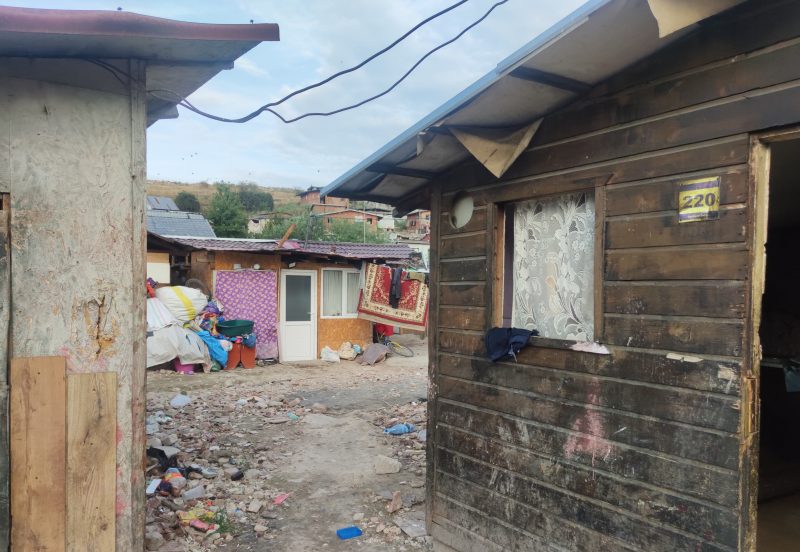
The Cluj-Napoca Local Council approved a program worth over 400 million lei to purchase 350 homes for Roma and other vulnerable communities, aiming for social integration rather than segregation.

Mayor Emil Boc emphasized that the initiative will use the SIEG mechanism to legally facilitate the purchase of homes and provide social services to the relocated families.

The program aims to eliminate informal settlements like Pata Rât by 2030, with over 500 individuals already relocated to decent housing through previous projects.

This is a drop of water on a hot stone …

Bosnia and Fascism

Published by:

Bosnia and Fascism

Young artist, author of the book “Cactus in an Orchid Field” and human rights activist Almir Agić, guesting on “Sarajevo Morning”, drew attention to the worrying level of hate speech and prejudice that the Roma community faces every day in public space.

On this occasion, Agić decided to speak about the worrying comments directed at young men and women of the Roma population instead of personal successes, emphasizing that dehumanization and racist rhetoric represent a serious problem for the entire society.

“The moment when fascism becomes a solution for something in our public space and society, it is not just a problem for Roma, it is a problem for our entire society.” – Almir Agić emphasized.

Child Marriages

Published by:

Child Marriages

Child marriages, particularly in Roma communities in Montenegro, continue despite legal prohibitions, with many girls entering into arranged marriages as young as 12 or 14 years old.

Victims like Jasmina recount experiences of abuse and lack of agency, with decisions about their marriages made by male family members without their consent.

Organizations are working to combat child marriages, but many cases remain unreported due to societal pressures and the normalization of these practices within the communities.

Amnesty and Bulgaria

Published by:

Amnesty and Bulgaria

Amnesty International’s regional office in Europe has sent an open letter to the mayor of Stara Zagora, Mr. Zhivko Todorov, requesting urgent information regarding the planned eviction of Roma families in the Lozenets neighborhood on July 22, 2026.

The letter expresses concerns about the lack of proper notice and the potential impact on approximately 64 Roma individuals, including children and elderly people, who may be affected by the eviction.

Amnesty International is seeking clarification on the municipality’s assessment of the situation, alternatives to eviction, and measures for providing adequate housing for those affected.

Orban and Roma

Published by:

Orban and Roma

When Viktor Orbán’s returned to power in 2010, laws were changed to allow and promote the segregation of Roma students in Hungary, reversing previous integration efforts.

The Chance For Children Foundation (CFCF) successfully challenged school segregation through legal means prior to 2010, resulting in the integration of approximately 3,000 Roma students. The current situation shows a significant increase in Roma students attending segregated schools, with estimates suggesting that two-thirds are now in such institutions, compared to one-third before Orbán’s regime.

Roma Soul

Published by:

Roma Soul

The project “Roma Soul Food” explores Roma musical and culinary traditions through interviews with community members in three countries, resulting in a collaborative album.

The initiative emphasizes the connection between food and music as vital elements of Roma culture, fostering community ties and storytelling.

Despite being one of Europe’s largest ethnic minorities, Roma communities face significant social exclusion, with low feelings of inclusion reported in Serbia, Greece, and Slovenia.

No Water

Published by:

No Water

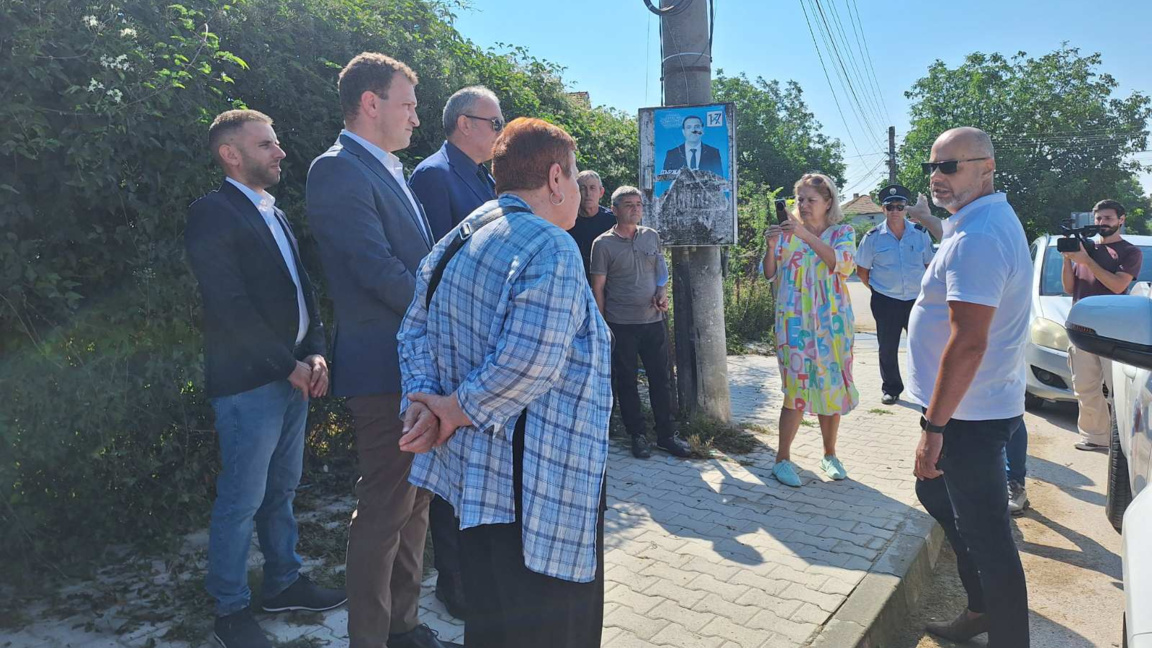
Residents of the Roma neighborhood “Kremikovtsi” in Garmen have been without water for over two months after the local government cut off supply due to illegal housing and unpaid bills.

For six years, water was supplied from the drinking water pipeline of Garmen, but issues with unpaid bills and deliberate damages led to the service being terminated.

The situation has escalated to regional authorities and political parties, prompting a swift political response.

Czechia and Roma

Published by:

Czechia and Roma

According to lawyer Maroš Matiaško, the decision of the European Court of Human Rights in the case of the death of Stanislav Tomáš could be a key verdict for the protection of the rights of Roma in the Czech Republic. According to him, the court named errors in the police intervention, shortcomings in the subsequent investigation and the state’s failure to investigate a possible racial motive. Matiaško represents the deceased’s sister in cooperation with the European Roma Rights Center and the Human Rights Forum.

Montenegro and Roma

Published by:

Montenegro and Roma

The Roma and Egyptian communities in Montenegro face structural discrimination, low living standards, and limited access to education, employment, and social security, necessitating long-term interventions for true equality and integration.

A significant portion of individuals at risk of statelessness are children, with many lacking birth registration, which is essential for legal identity.

Despite existing laws and programs aimed at inclusion, high levels of discrimination persist, particularly in education and employment, leading to poverty and social isolation among these communities.

Serbian Social Cards

Published by:

Serbian Social Cards

The UN has criticized Serbia’s social card system for leaving over 60,000 citizens, particularly from the Roma community, without financial assistance due to issues with data processing and automated decision-making.

Experts highlight that many Roma earn informal or irregular incomes, which are misinterpreted as grounds for denying social aid, exacerbating their poverty. The UN recommends that Serbia improve transparency, establish effective appeal mechanisms, and ensure that digital systems do not lead to discrimination against vulnerable populations.

rroma.org
en_GBEN