Category Archives: News Eastern Europe

Bulgarian Elections

Published by:

Bulgarian Elections

Boyko Borisov, leader of GERB, predicts that the Roma community will overwhelmingly support the Progressive Bulgaria party in the upcoming presidential elections, citing their influence over the voting process.

He expresses skepticism about the ability of other political parties to compete fairly under the current voting system, which he claims is controlled by the Ministry of Interior. Borisov criticizes the current government budget, calling it deceptive and suggesting that the administration is artificially lowering revenue projections despite high inflation leading to increased tax income.

Would be nicer if he were using ‘Roma’ instead of “цигани” in some of these articles, and not be so dismissive as to assume that all Roma will vote en block for his party.

  • Борисов за президентския вот: Ромският вот ще е изцяло за Прогресивна България. In: Flagman. 19.07.2026. https://www.flagman.bg/article/386096

Serbian Elections

Published by:

Serbian Elections

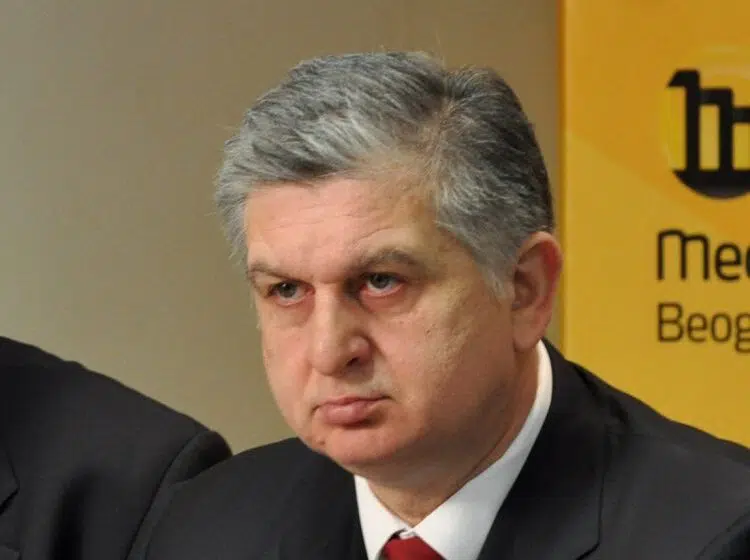
The Roma Party announced its decision to participate in upcoming elections and is open to discussions with opposition parties for potential collaboration if there is mutual political will.

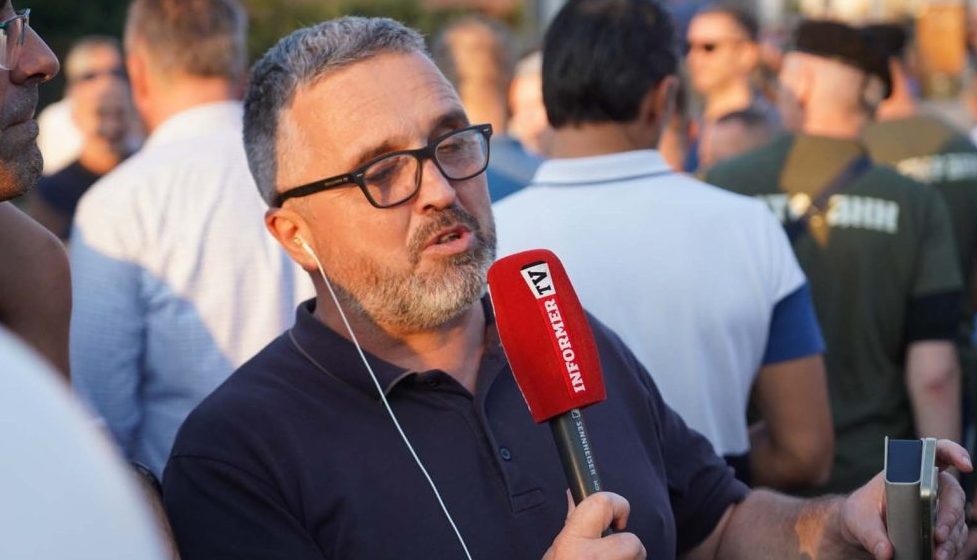
Party President Srđan Šajn emphasized their goal is not to divide the opposition but to create a broad front to defeat the ruling Serbian Progressive Party (SNS) and promote a free-thinking Serbia.

Šajn criticized the SNS for not disclosing their presidential candidate and future government composition, suggesting that their allies are expected to follow orders without independent thought.

Roma in Montenegro

Published by:

Roma in Montenegro

Ivan Radulović emphasizes the need to correct the position of the Roma and Egyptian communities in Montenegro before implementing guaranteed parliamentary mandates for minority representatives.

He argues that while guaranteed mandates are necessary, they should not replace affirmative action but rather complement it, ensuring fairness in existing measures.

The call for a lower electoral threshold for Roma and Egyptians has been ongoing for over a decade, but reforms to electoral laws are currently stalled, raising concerns about genuine representation in parliament.

Slovak Settlements

Published by:

Slovak Settlements

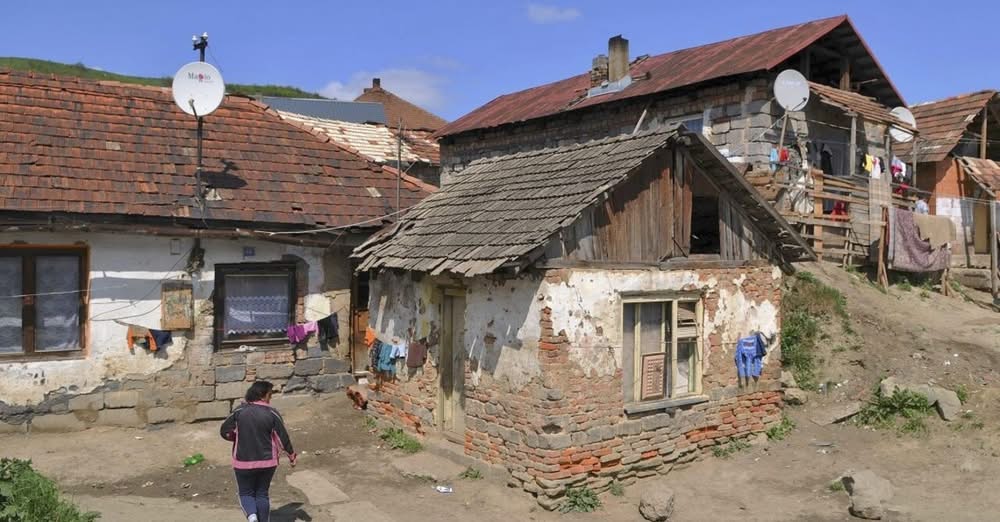
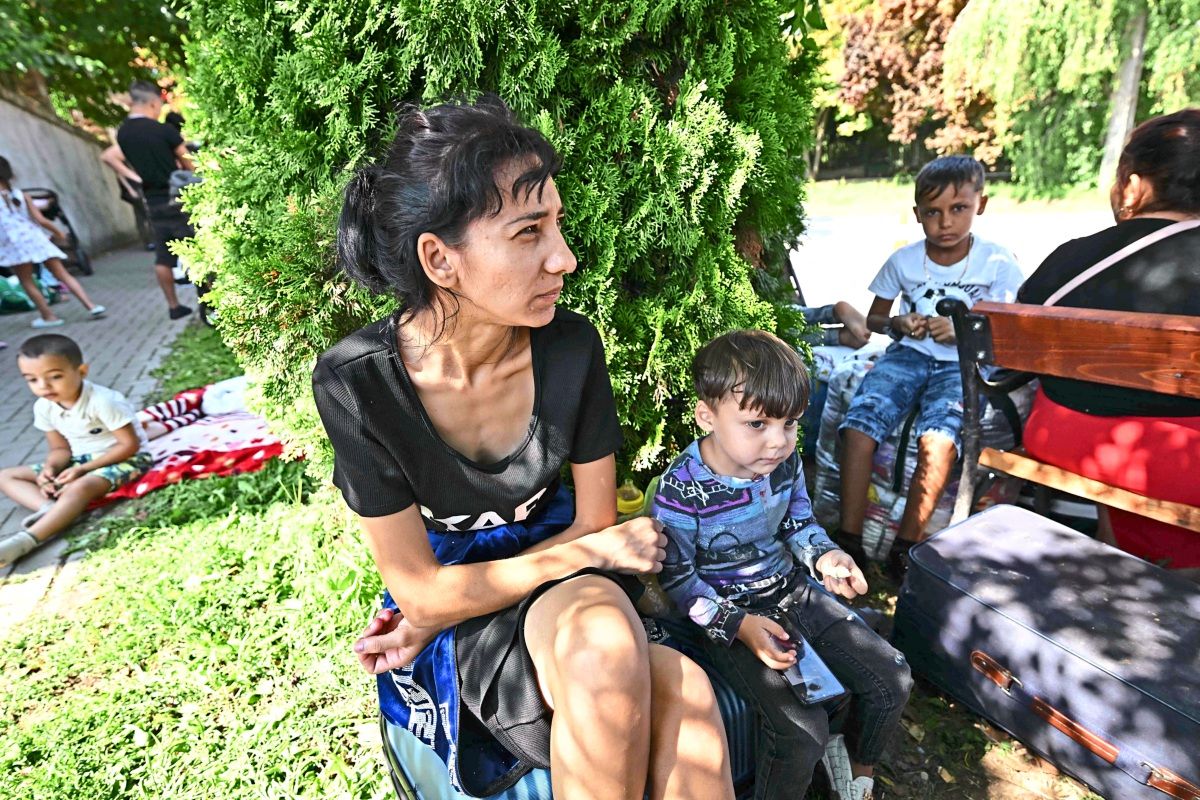
Slovakia is working to improve living conditions in marginalized Roma communities, investing nearly one billion euros, yet many still lack basic necessities like drinking water and sanitation.

Local officials report ongoing struggles, with some residents traveling long distances for water, while government representatives claim investments are being made systematically in housing, infrastructure, and education.

A new initiative has been launched to fund local civic and order services, with over 15 million euros allocated to help maintain public order in various municipalities.

Internship

Published by:

Internship

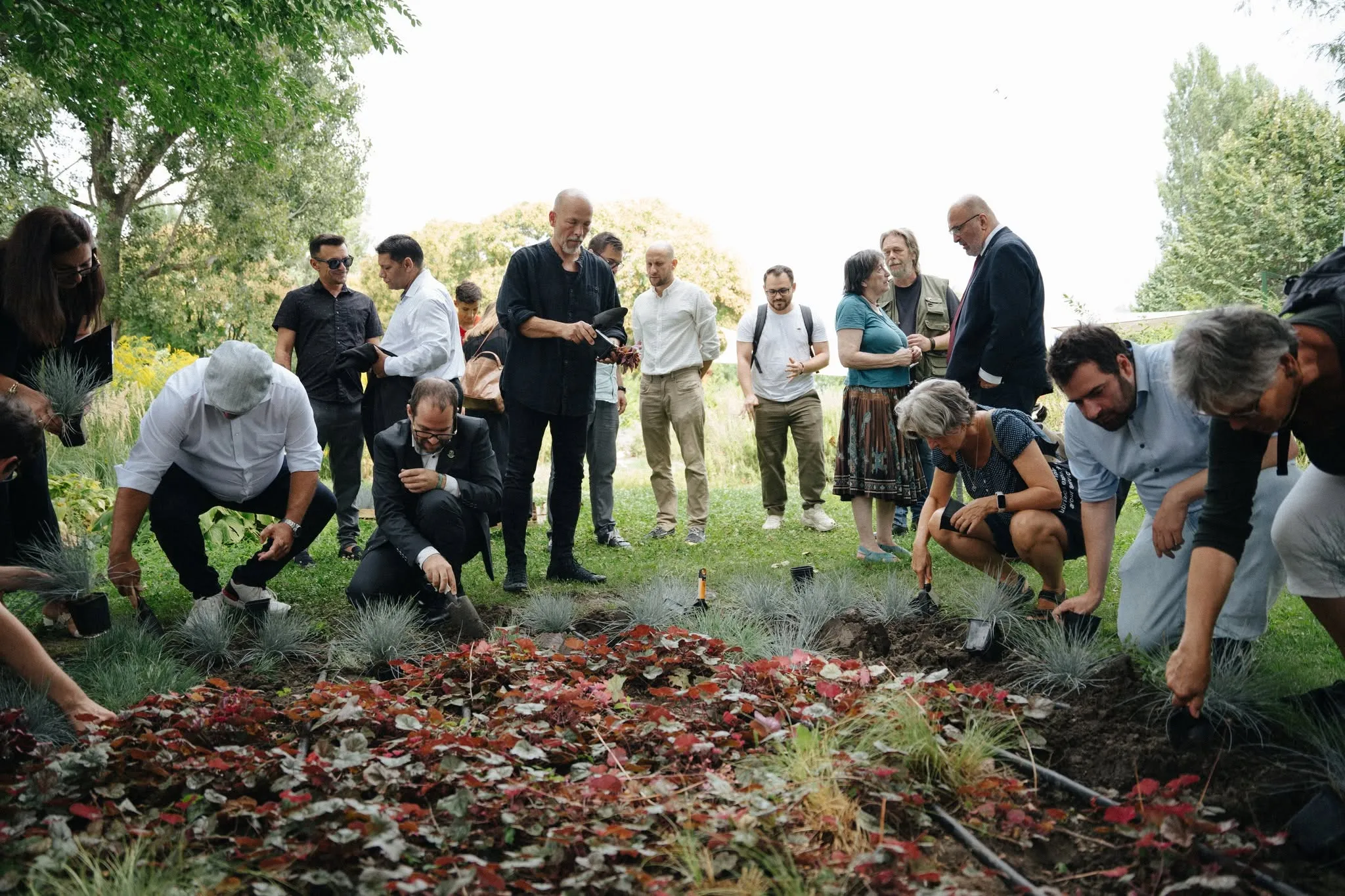
The Budapest Józsefvárosi Municipality is launching an eight-month internship program for Roma youth to gain practical experience in public administration with mentorship support.

The program aims to facilitate the social integration of Roma youth into the labor market and is open to students in higher education or vocational training with ties to Józsefváros.

Interns will receive a gross monthly stipend of 215,000 HUF and will work under the guidance of experienced mentors in various municipal departments.

Bulgarian Brawl

Published by:

Bulgarian Brawl

Yes another brawl between Roma families in Bulgaria. Really bad.

Seventeen individuals were detained following tensions between two Roma families in the “Iztoch” neighborhood of Dimitrovgrad.

The families had a longstanding feud that resulted in periodic conflicts, culminating in a physical altercation at a local hospital.

One person was injured and later released for home treatment, while police intervened to prevent further escalation of the violence in the area.

Massacre Survivor

Published by:

Massacre Survivor

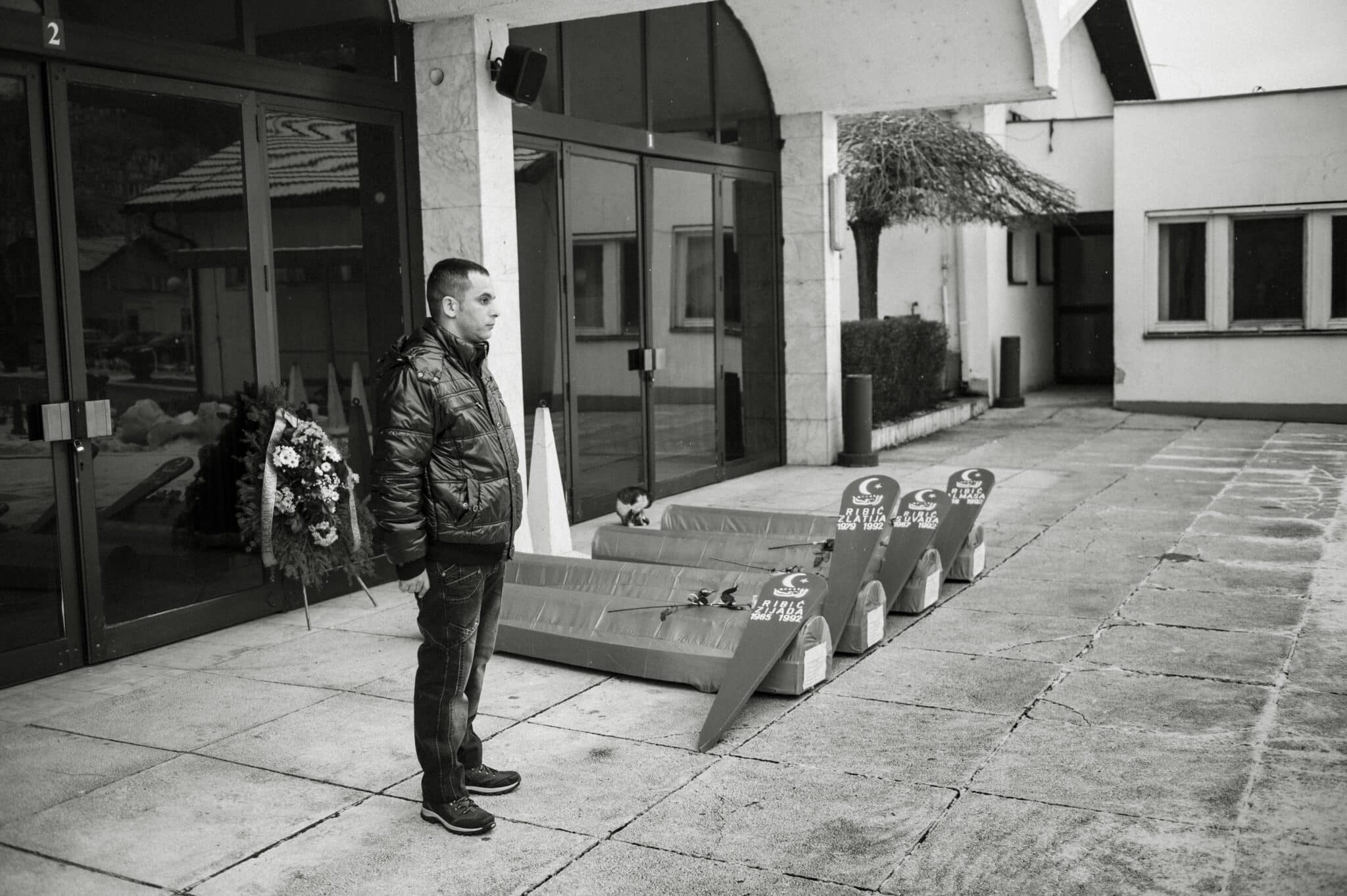
Ribic survived a brutal attack by Serbian paramilitaries, who believed him dead and buried him with his family, but he escaped and was later saved by Serbian soldiers who refused to return him to his attackers.

The Ribic family had previously fled to Serbia to escape ethnic cleansing but returned to Bosnia, where they were ultimately killed in the Skocic massacre, a significant crime against the Roma during the Bosnian war.

The suffering of the Roma community during the war has been largely overlooked, with a recent study highlighting their persecution, and calls for justice remain unfulfilled, reflecting a historical pattern of neglect.

European Court of Human Rights (ECHR)

Published by:

European Court of Human Rights (ECHR)

A Rom died during a police intervention in June 2021 after exhibiting aggressive behavior while under the influence of methamphetamine.

The European Court of Human Rights ruled that the Czech authorities failed to adequately investigate the incident and recognized the presence of unconscious racism in the police’s actions.

The Czech state is ordered to pay compensation to the man’s sister, highlighting ongoing issues of discrimination against the Romani community in the Czech Republic.

Ethnic Cleansing

Published by:

Ethnic Cleansing

Kosovo’s Interior Minister declared Serbian Minister Snezana Paunovic persona non grata due to her controversial remarks advocating ethnic cleansing during the Kosovo War.

The EU criticized Paunovic’s statements, emphasizing that such rhetoric contradicts European values and the reconciliation process necessary for EU accession.

Serbian President Aleksandar Vucic distanced himself from Paunovic’s comments, while opposition parties called for her resignation, highlighting the ongoing tensions regarding ethnic relations in the region.

All this in 20926 …

Housing in Slovakia

Published by:

Housing in Slovakia

The Slovak government has launched a call for proposals aimed at improving housing for marginalized Roma communities, with a budget of 30 million euros from EU funds.

The initiative focuses on socio-economic inclusion, particularly for low-income households and disadvantaged groups, emphasizing the need for accessible housing and services.

New requirements include the necessity of a valid building permit at the time of application and specific benchmarks for technical equipment and accessibility in housing projects.

The latter point will prevent this being implemented in most Roma settlements…

Romanian High School Admissions

Published by:

Romanian High School Admissions

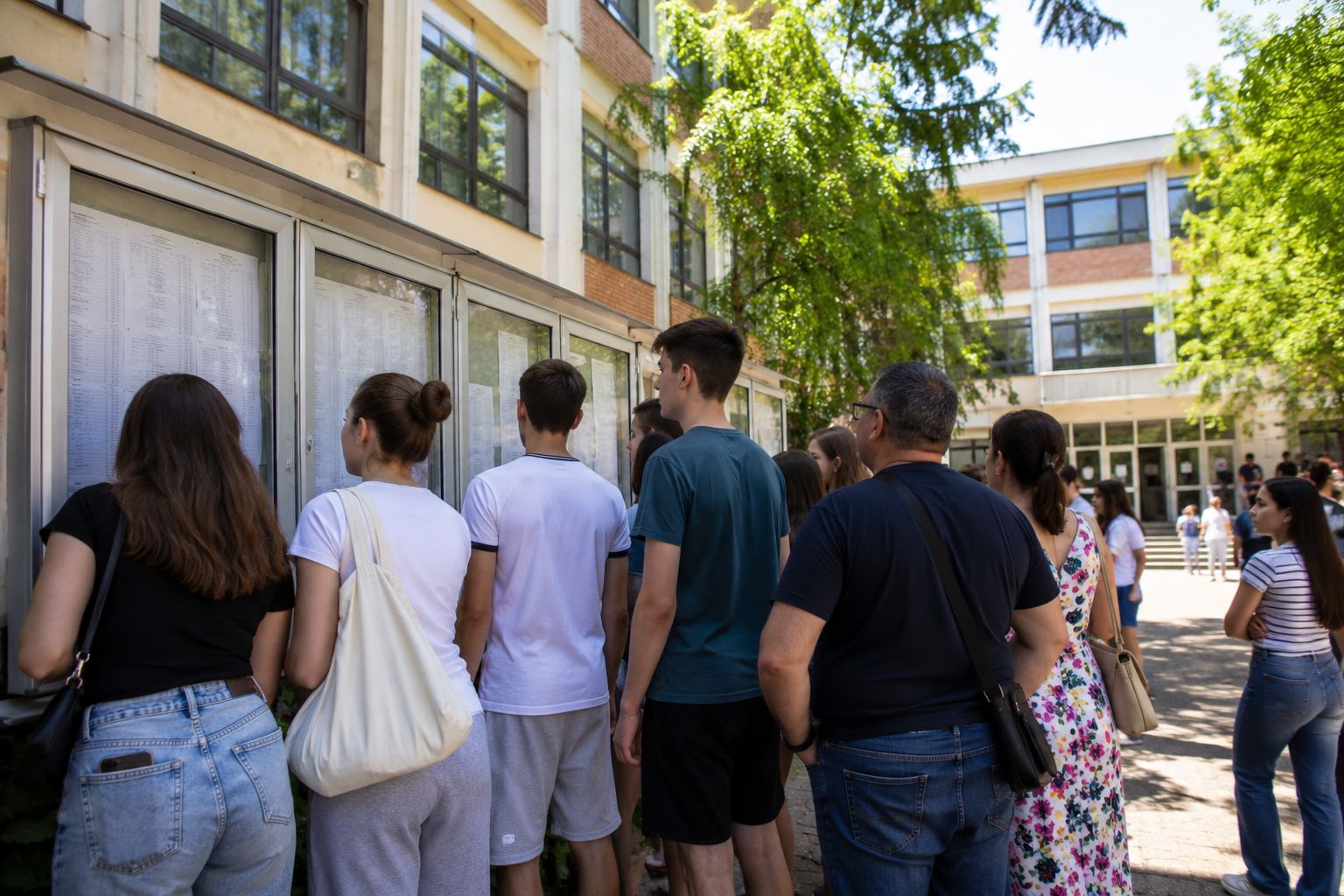
The Bucharest School Inspectorate published the official lists for high school admissions in 2026, revealing that over 900 candidates, including many Roma and students with special educational needs, were left without placements despite high admission averages.

Only 617 out of 1,346 Roma candidates were placed, and 186 out of 737 candidates with special educational needs also remained unplaced, highlighting a significant shortfall in available special placements.

Students who were not placed must act quickly to fill out their options for the general computerized placement, ensuring they list a sufficient number of schools to increase their chances of admission.

Commemoration

Published by:

Commemoration

A joint commemoration for the Roma genocide during the Holocaust is organised by the Józsefváros Municipality and the Roma Municipality, taking place on August 2-3, with events at Teleki László Square and the Roma Municipality theater.

The article details the historical context of the persecution of Roma during the Nazi regime, including the implementation of the Nuremberg laws and mass deportations.

The program includes speeches, music performances, and a flower-laying ceremony to honor the victims of the Roma genocide.

Racism in Austria

Published by:

Racism in Austria

32 Ukrainian Roma children were unjustly accused of theft, highlighting issues in the integration of these children in German language classes.

The incident reflects deep-rooted anti-Roma prejudices and the inadequate response of authorities to racism allegations.

Ukrainian Roma families often have many children, and in Wals Siezenheim, all school-age children were placed in a special class, raising concerns about educational equity.

Summer Camp

Published by:

Summer Camp

A five-day summer camp in Slovenia, organized by the Creative Youth Association in collaboration with the Sports Union of Murska Sobota allowed children to explore various professions through play, creativity, and movement.

Activities included visits to local institutions such as Radio Romic, the Murska Sobota Police Station, and the Health Center, where children learned about different careers and community roles.

The camp emphasized creativity, teamwork, and respect for various professions, culminating in an exhibition of the children’s work, showcasing their experiences and new friendships formed during the camp.

Slovak Funding Cuts

Published by:

Slovak Funding Cuts

Over 1,600 people may lose their jobs due to insufficient funding for the Slovak Local Civic and Preventive Services (MOaPS) project, which primarily employs Roma individuals.

The project, which has been successful in maintaining order and employment in communities since its inception in 2014, is facing potential termination as current contracts expire.

Critics, including opposition leaders, accuse the government of failing to prioritize funding for essential community services while allocating funds to questionable projects.

Romane Media

Published by:

Romane Media

Minority media in Serbia, particularly Roma media, face existential threats due to lack of systemic support and sustainable funding, relying heavily on project-based financing.

The editor of ROMINFO media warns that the current funding system is unsustainable, jeopardizing the survival of media that serve national minorities and their cultural identity.

Experts emphasize that the disappearance of minority media would lead to a loss of reliable information for citizens in their native languages and diminish media pluralism, impacting democratic development.

Erasmus in Romania

Published by:

Erasmus in Romania

Pál Boglárka and Tornai Szilárd, local officials in Székelyudvarhely / Odorheiu Secuiesc in Romania, resigned from their positions due to controversies surrounding an Erasmus+ project that allegedly favored local politicians over Roma youth.The controversy arose after a report revealed that the Erasmus project, intended to support disadvantaged youth, did not adequately benefit Roma participants, leading to public scrutiny and resignations

The mayor praised their decision as a demonstration of political responsibility, emphasizing the importance of accountability in public life.

Women Health in Hungary

Published by:

Women Health in Hungary

Romnja in Hungary face systemic control in healthcare, often losing autonomy over their bodies, exemplified by a 2006 case of forced sterilization. They experience double discrimination and skepticism from medical staff, leading to a significant loss of trust in the healthcare system, which adversely affects their health and quality of life.

The article highlights the underrepresentation of Roma women’s experiences in feminist movements and medical discussions, emphasizing the need for a more equitable healthcare system that acknowledges their unique challenges.

Serbia and Roma

Published by:

Serbia and Roma

The Commissioner for Equality, Milan Antonijević, suspended the procedure against Dragan J. Vučićević for discrimination against the Roma minority, following a complaint from Initiative A11 regarding Vučićević’s statements about Roma stealing copper wires.

Roma leaders express disappointment over the decision, arguing that a mere warning is insufficient and sends a dangerous message that discrimination and hate speech are tolerated.

Critics highlight the need for stronger institutional responses to racism and discrimination, emphasizing the importance of protecting the rights of all citizens, including the Roma community.

Success Story

Published by:

Success Story

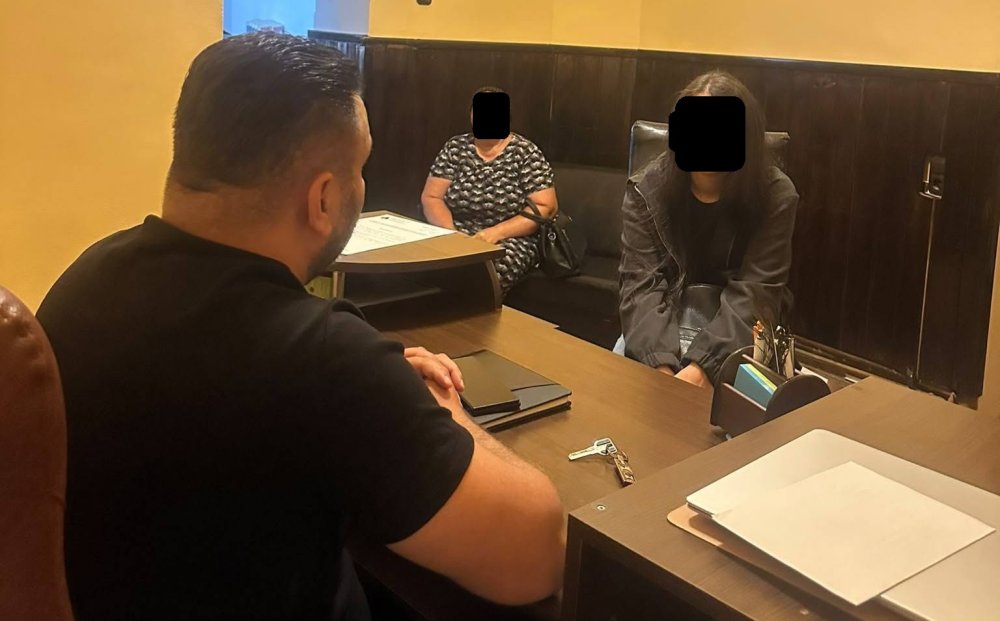
Olimpia, a young Romni from a modest background, has successfully passed her Bacalaureat exam and aims to enroll in the Medical Faculty in Cluj-Napoca, showcasing that ambition and hard work can overcome obstacles.

Supported by the Roma Party Pro Europa, she serves as an inspiration for other Roma students to pursue higher education despite challenges such as school dropout rates and limited opportunities. Her story emphasizes that educational success is achievable regardless of one’s background, and it can serve as a powerful motivator for others in disadvantaged communities.

The fact they chose a pricture that looks more like a police view of criminals with hidden faces says a lot about the fear of Roma to out themselves in Romania.

rroma.org
en_GBEN