Category Archives: News Eastern Europe

Education In Moldova

Published by:

Education In Moldova

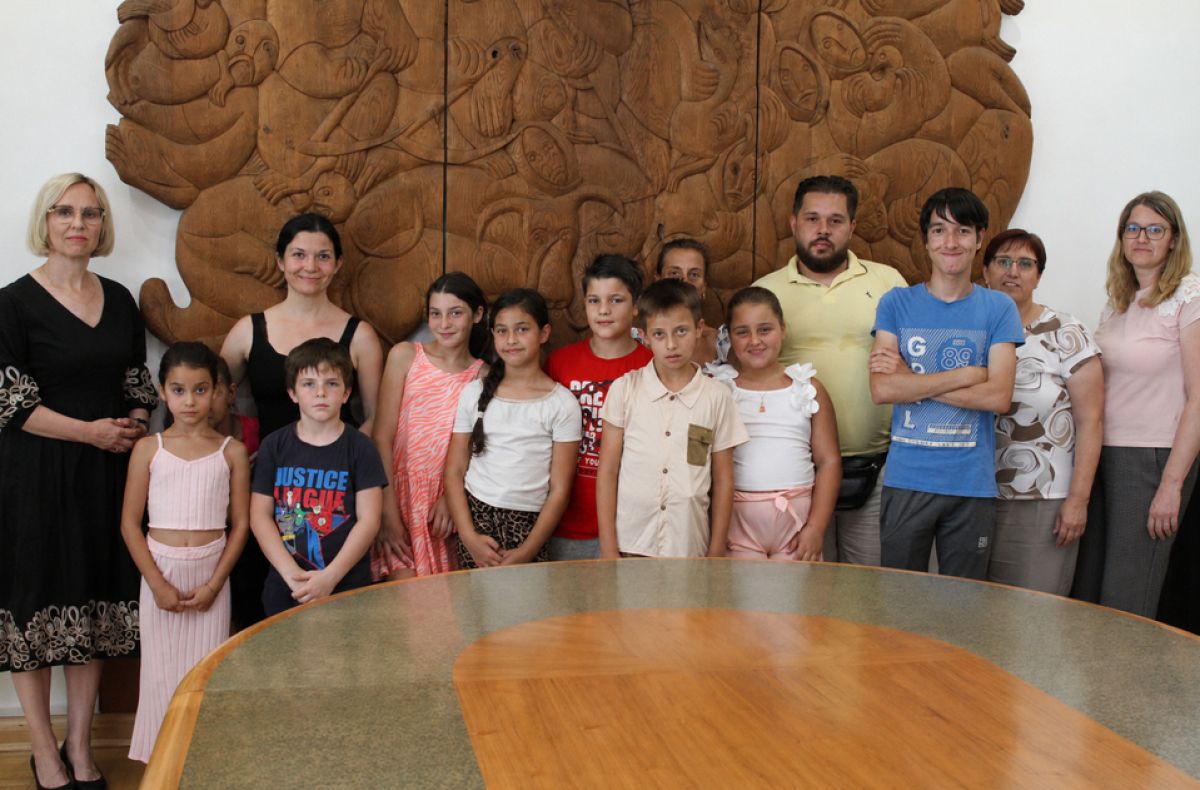
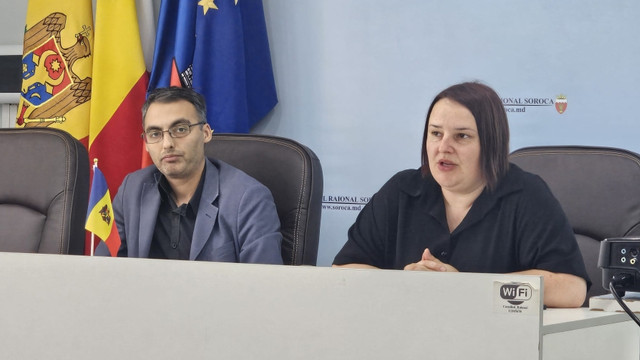
A consultative meeting organized by the Ministry of Education in Soroca focused on improving access to education for Roma children and preventing school dropout.

The meeting included local authorities, educational institutions, community mediators, civil society organizations, and parents, discussing affirmative measures to support Roma students. The importance of early education and collaboration between authorities, schools, and the Roma community was emphasized to create a more inclusive educational environment.

Proposed measures include reserving 10% of places in first and tenth grades for Roma children, admission facilities for vocational and higher education, merit scholarships, and increased social scholarships for vulnerable families.

Viața de Țigani

Published by:

Viața de Țigani

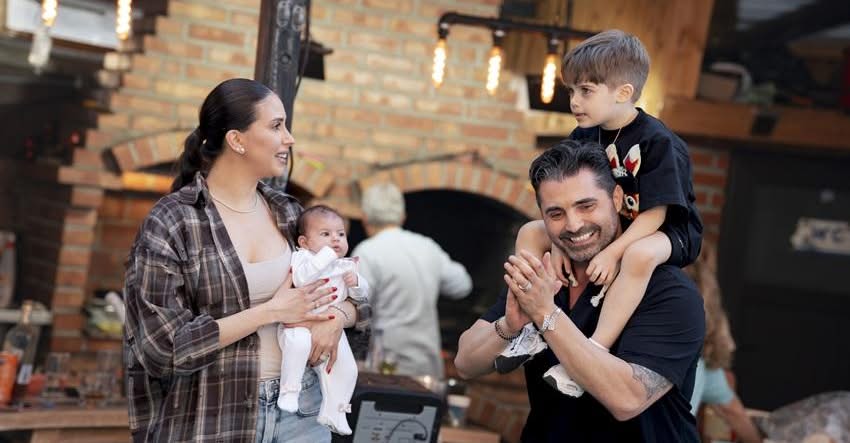
Pepe’s new single “Viața de Țigani” is accompanied by a documentary film that showcases nearly a century of family history in under four minutes, featuring archival footage and personal moments.

The film highlights five generations of Pepe’s family, culminating in the introduction of his two-month-old daughter, Jessica, marking her public debut.

The narrative emphasizes the importance of family bonds and traditions, with Pepe reflecting on his upbringing and the legacy of music passed down through generations.

Monika Lakatos

Published by:

Monika Lakatos

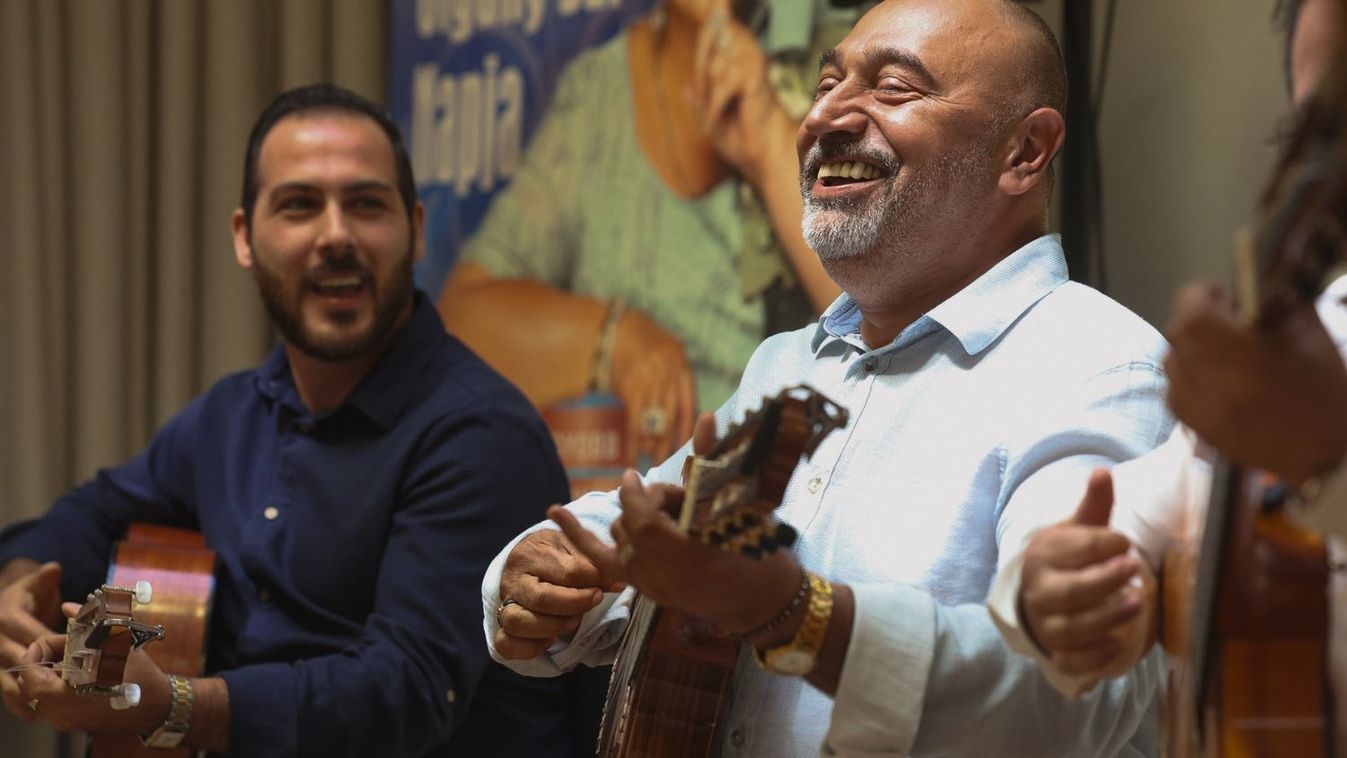
The Lakatos Mónika Folk7Festival and Workshop will take place from July 31 to August 3, leading up to the Balaton GipsyFest, which will follow for three days.

The workshop aims to attract those who love Romani music and culture, providing an opportunity to engage with the culture and understand its nuances.

The event encourages interaction between Romani and non-Romani individuals, fostering a deeper understanding of Romani culture and language through music and dance.

Erdhlezeti Festival

Published by:

Erdhlezeti Festival

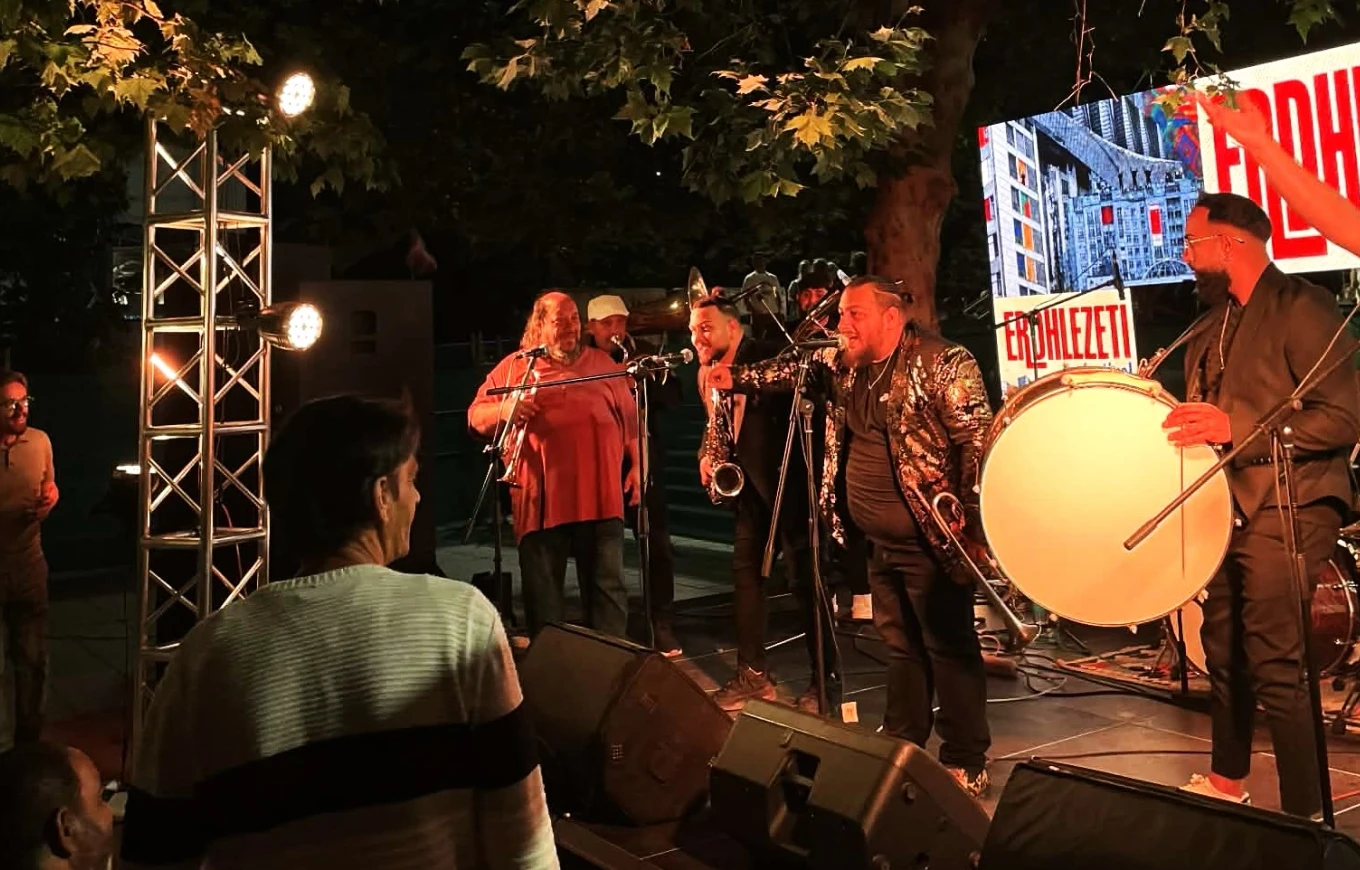
The “Erdhlezeti” festival returned after a three-year hiatus, celebrating community, music, and human connections with local and international acts, including the Antwerp Gipsy Ska Orchestra and Demir Kan Brass Orchestra.

The festival emphasizes the importance of authentic music and cultural gatherings, aiming to unite people through shared experiences in public spaces.

The event attracted a diverse audience, creating a vibrant atmosphere filled with joy and energy, showcasing the rich musical heritage of the Roma and Balkan cultures.

Vojvodina Music

Published by:

Vojvodina Music

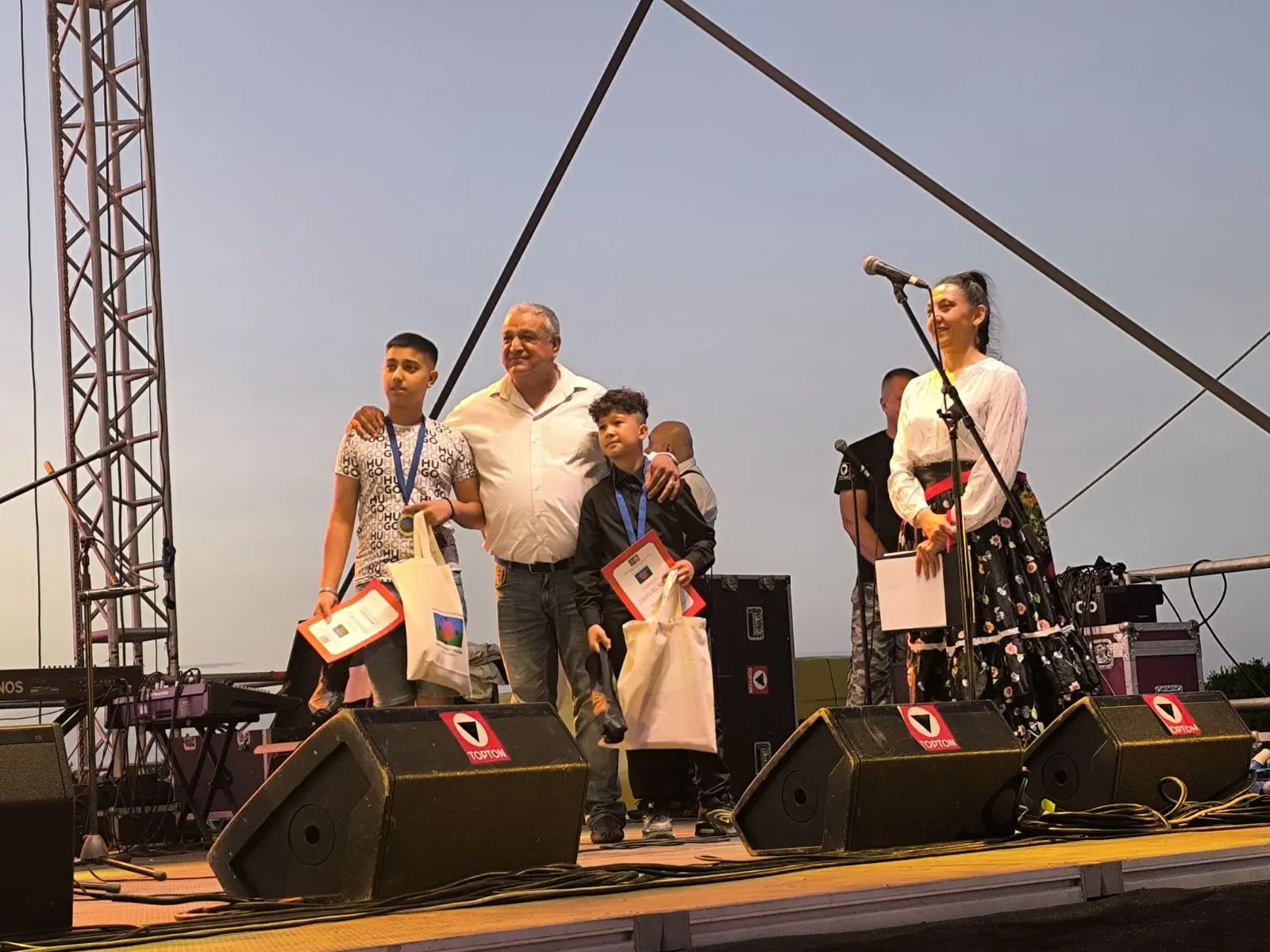
The event “Days of Roma Music” was organized by the Roma Cultural Center in Pančevo to promote and preserve the rich musical heritage of the Roma minority.

The event featured performances by talented children from Vojvodina, highlighting the importance of passing on traditional Roma music to younger generations.

Officials emphasized the significance of such events in fostering cultural diversity and mutual respect, with hopes that it will become a key cultural event in Vojvodina.

Education in Slovenia

Published by:

Education in Slovenia

Eleven Roma students from the Kher šu beši Day Center visited the mayor of Trebnje, Mateja Povhe, after regularly attending school and center activities. The mayor emphasized the importance of education for achieving their dreams and encouraged the children to continue attending school for better opportunities.

The municipality of Trebnje is actively promoting the inclusion of Roma children in education, recognizing it as essential for their personal development and successful integration into society.

Auschwitz Commemoration

Published by:

Auschwitz Commemoration

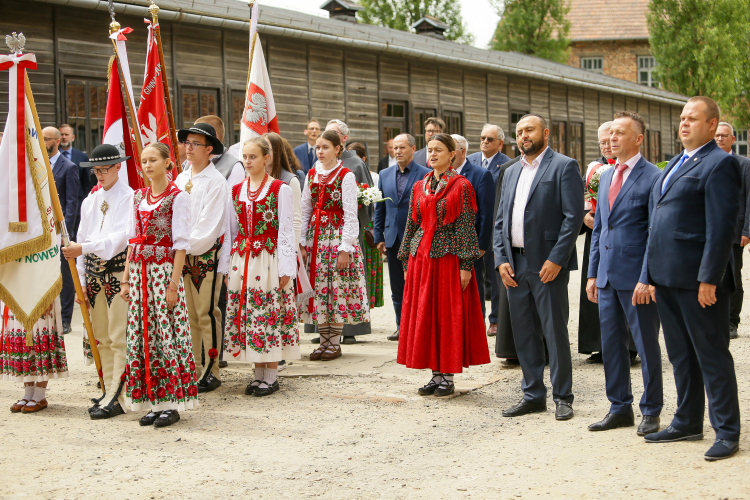
The 82nd anniversary of the liquidation of the so-called Gypsy camp at Auschwitz will be commemorated on August 2, 2024, with events organized by the Center for History and Culture of the Roma in Oświęcim. During World War II, approximately 500,000 Roma and Sinti were murdered by the Nazis, with many being exterminated at Auschwitz.

August 2 is recognized in Poland as the Day of Remembrance for the Roma Genocide and is observed in the EU as the European Day of Remembrance of the Holocaust of Roma and Sinti.

Sterilisation

Published by:

Sterilisation

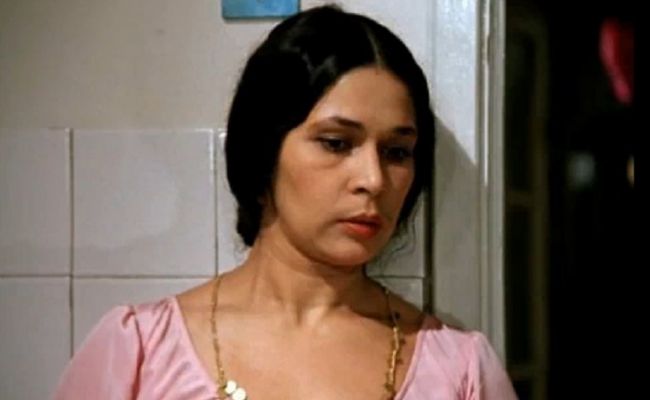
Ivan Ostrochovský’s film “Only Beautiful Things to Look At” explores the historical sterilization of Romnja in 1980s Czechoslovakia through the lens of a white doctor and a Romani nurse.

The protagonist, Dr. Ingrid, initially views sterilization as optional but gradually recognizes the coercive nature of the medical practices involved, influenced by her friendship with nurse Agáta.

The film, which premiered at the Karlovy Vary festival, combines a dark visual style with a haunting score, highlighting the emotional journey of its characters amidst a backdrop of systemic eugenics

Brawl in Bulgaria

Published by:

Brawl in Bulgaria

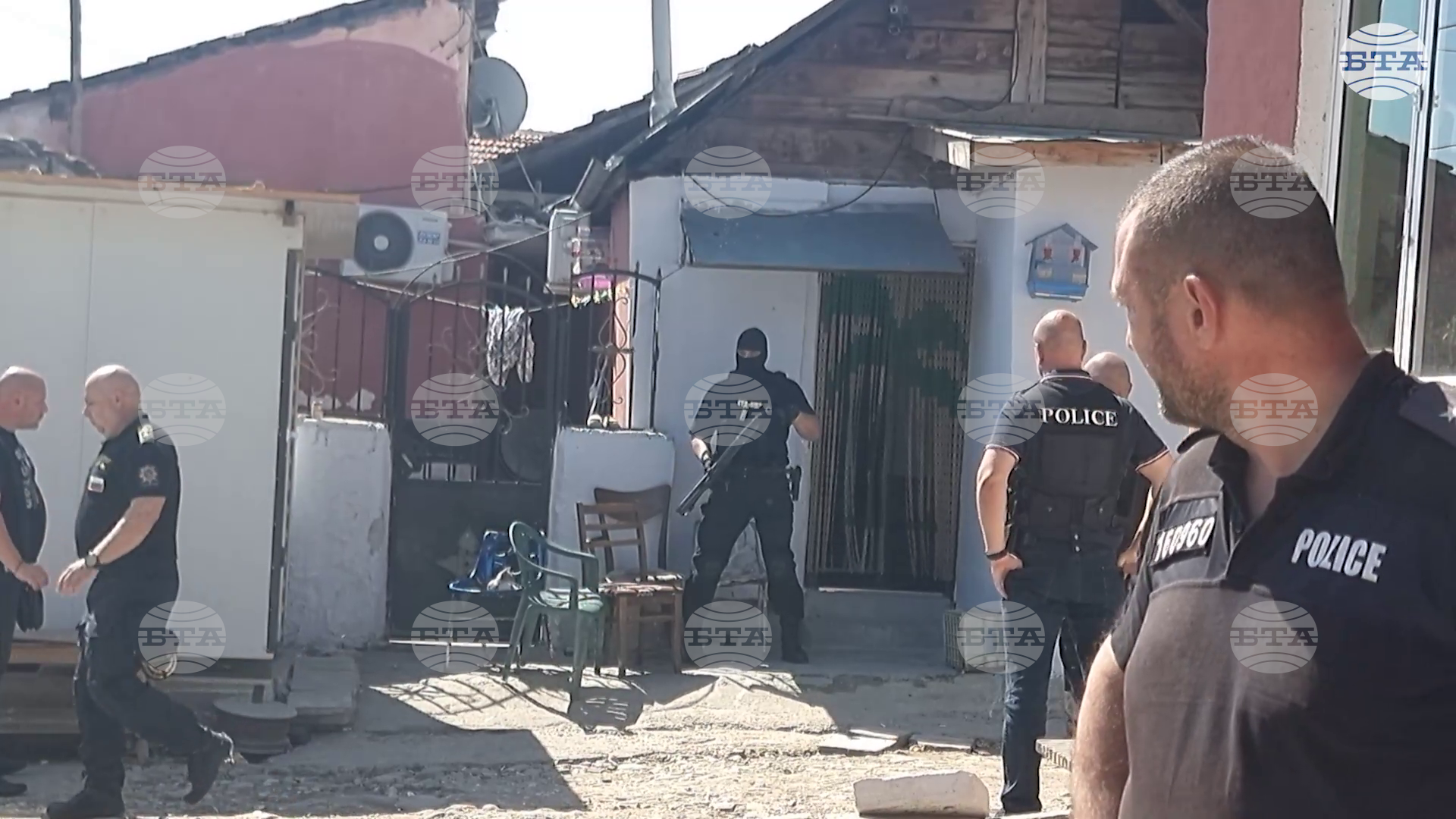
Many articles in the Bulgarian press about a fight between two Roma families in a Roma neighbourhood of Asenovgrad which involved up to 250 people, and left several wounded, including a police officer.

This is bad for all.

Prejudice in Serbia

Published by:

Prejudice in Serbia

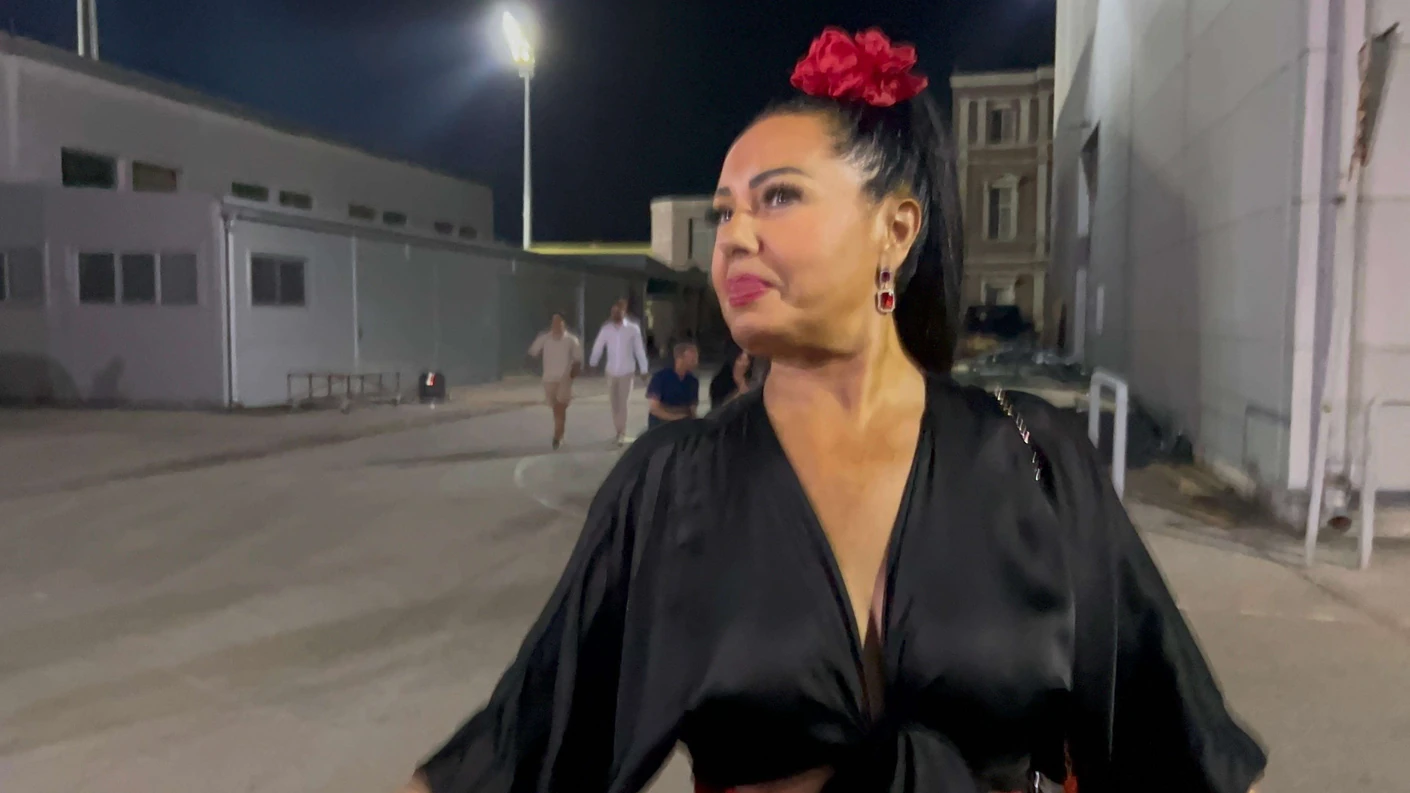
Zlata Petrović, a Serbian singer, openly discussed her Romani heritage and how she concealed it from her son until he was eight years old due to societal prejudices.

She emphasized the importance of being honest with friends and taught her son that he should not associate with those who judge him for his background.

Zlata revealed personal details about her family, including her mixed heritage and her late discovery of her father’s identity, while also planning for her family’s future by purchasing a new property.

War and Roma

Published by:

War and Roma

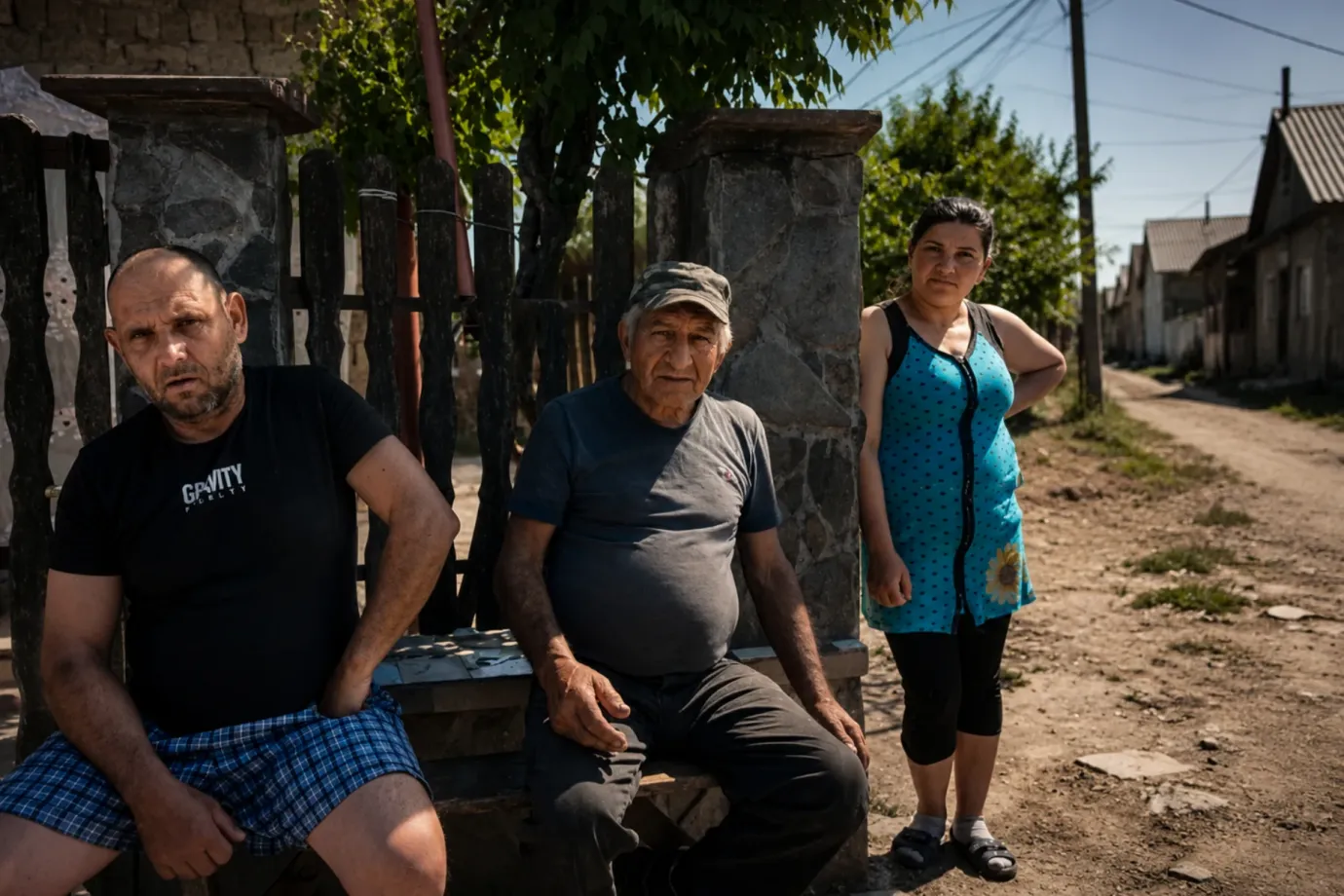
The article discusses the impact of war on the Roma community in Munkács, Ukraine, highlighting how traditional gender roles have shifted, with women becoming breadwinners while men face conscription.

The Romodrom integration center provides support for Roma children, offering education and meals, as many families struggle with poverty and lack of access to basic services like water. The article also addresses the stigma faced by the Roma community, including discrimination and stereotypes, while emphasizing the resilience and efforts of individuals to improve their circumstances.

Education in Slovenia

Published by:

Education in Slovenia

Borut Rončević, a sociology professor at the university of Novo Mesto and current minister of Eudcation in the Slovenian government, speaks about his plans and views. Specifically about Roma, he says there is a need for a comprehensive approach to addressing the challenges faced by Roma children in schools, emphasizing collaboration across various sectors including education, social policy, and local communities. He highlights the importance of accountability among parents, teachers, and the state in ensuring that all children, regardless of their background, achieve basic educational standards. He insists on the equal application of laws for school attendance, something that is being reproached to Roma regularly.

What he did not discuss is the profound issues of exclusion and racism faced by Roma in the region.

Action Plan Serbia

Published by:

Action Plan Serbia

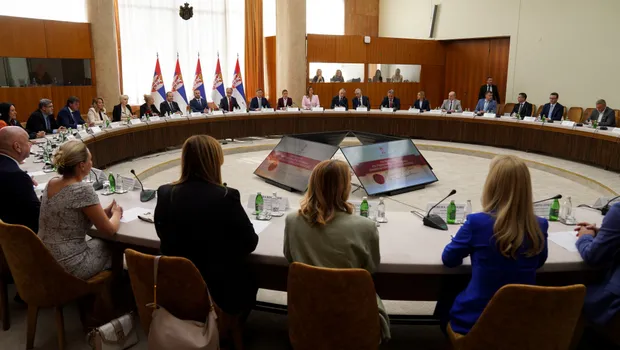
The Serbian government has established a Coordination Body to monitor the implementation of the Action Plan for minority rights for 2026-2029, aiming for better coordination among institutions.

Despite the positive signal of this initiative, past experiences suggest that creating new bodies does not guarantee significant improvements for minority communities.

The success of the Coordination Body will depend on its ability to translate decisions into concrete actions that improve education, employment, and reduce discrimination for minorities, particularly the Roma community.

We do have some doubts …

Action Plan Montenegro

Published by:

Action Plan Montenegro

The Action Plan for the implementation of the Strategy to improve the quality of life for Roma and Egyptians in Montenegro (2026-2027) aims to enhance their social standing through specific measures in education, employment, health care, and social protection.

Key initiatives include increasing educational access, job training programs, and the establishment of mediators to facilitate communication between communities and institutions.

The plan emphasizes the importance of collaboration among government bodies, local authorities, and civil society to achieve tangible results in improving the living conditions and rights of the Roma and Egyptian communities.

Artur Cerari

Published by:

Artur Cerari

Artur Cerari, the leader of the Roma community in Soroca, Moldova, passed away on July 4, 2026, at the age of 65. He succeeded his father, Mircea Cerari, who was a prominent figure in the Roma community during the Soviet era.

Cerari was known for mediating internal disputes and representing the Roma community in official matters, focusing on issues like economic migration and educational integration.

Te avel I phuv lohi I o drom angla leste puterdo.

Ekaterina Zhemchuzhnaya

Published by:

Ekaterina Zhemchuzhnaya

Ekaterina Zhemchuzhnaya, a renowned People’s Artist of Russia, passed away in Moscow at the age of 83, as reported by the Romani theater “Roman”.

She was celebrated for her versatility in acting, successfully portraying both dramatic and character roles throughout her career.

Zhemchuzhnaya joined the Roman Theater in 1964 and had over 20 film roles, including notable works like “Eternal Call” and “Carnival.”

Te javel i phuv lokhi.

Hungarian Speakers in Slovakia

Published by:

Hungarian Speakers in Slovakia

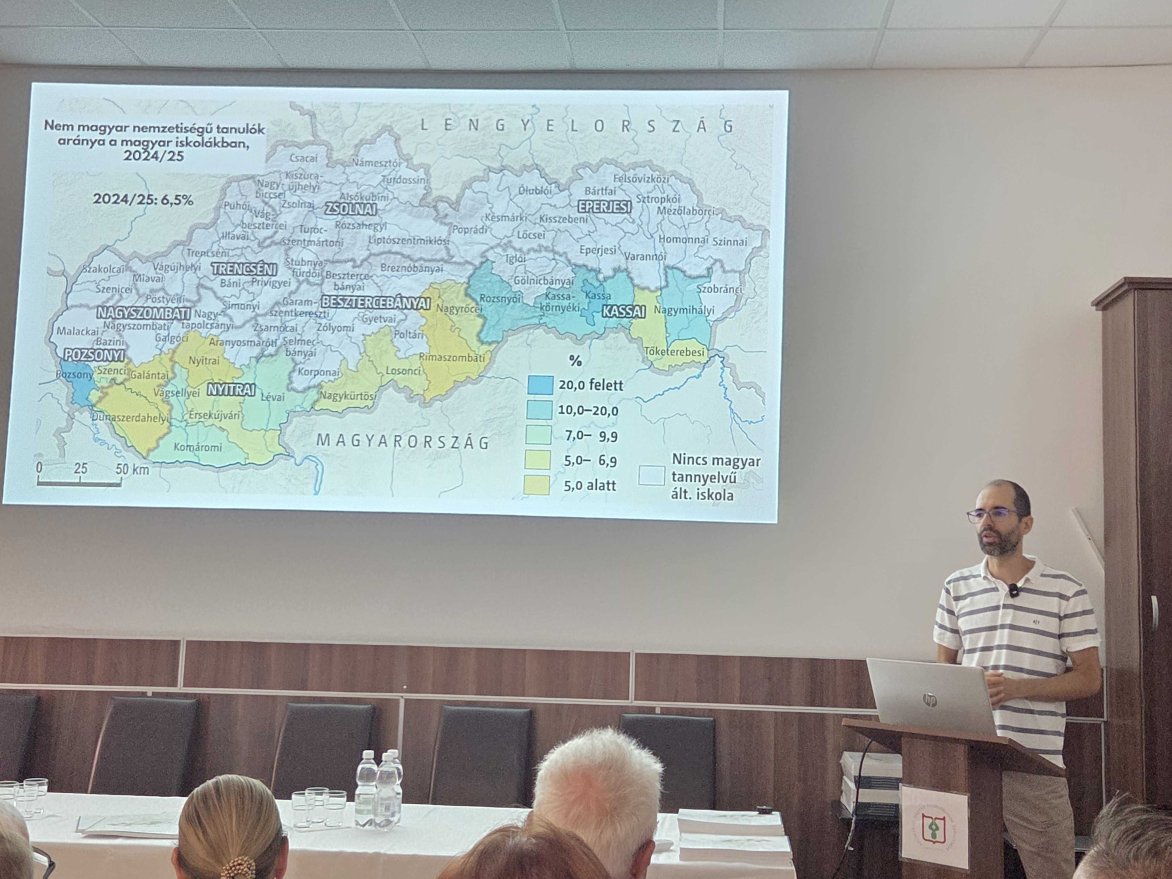
The Slovak Hungarian Educational Atlas presents statistical data from 2010 to 2024, highlighting demographic changes and the role of Hungarian-speaking Roma children in sustaining Hungarian schools in Southern Slovakia.

The analysis reveals a decline in student numbers in rural areas while urban schools are growing, with significant differences between eastern and western regions, particularly due to the presence of Hungarian-speaking Roma.

Despite a slight increase in preschool enrollment, a notable percentage of children transition to Slovak schools, indicating a complex educational landscape where Hungarian schools face challenges in student performance compared to Slovak institutions.

Roma in Romania

Published by:

Roma in Romania

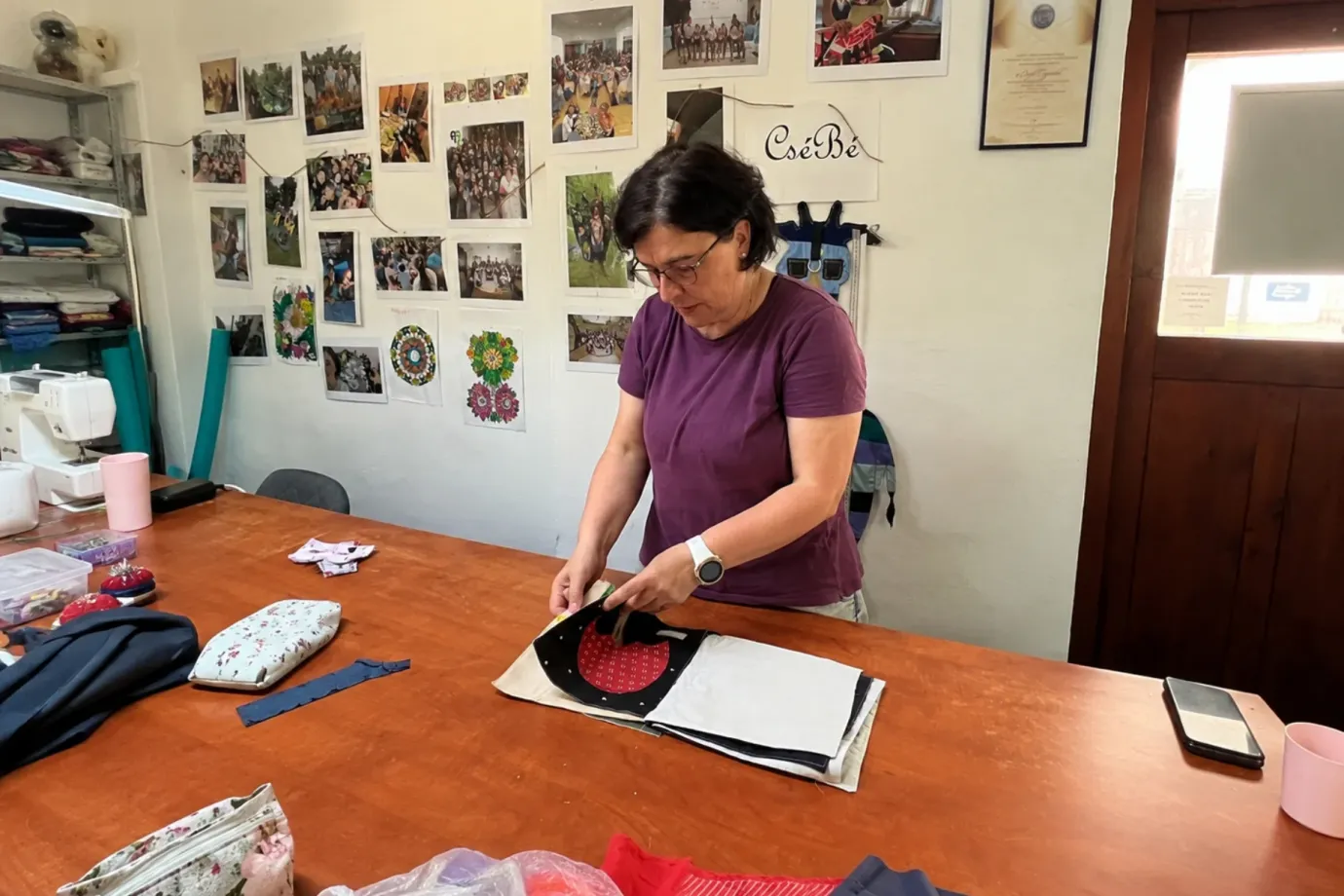
This Hungarian article discusses the challenges faced by the Roma community in Romania, highlighting the negative connotations associated with the term “cigány” (Gypsy) and the lack of unity among different Roma groups. Orsolya Csata, president of the Right Association, shares her efforts to create a social sewing workshop aimed at providing skills and employment opportunities for Roma children and adults.

The article emphasizes the need for systemic change and support for the Roma community, criticizing the lack of action from authorities and the misuse of EU funds intended for social programs.

Bulgaria and Begging

Published by:

Bulgaria and Begging

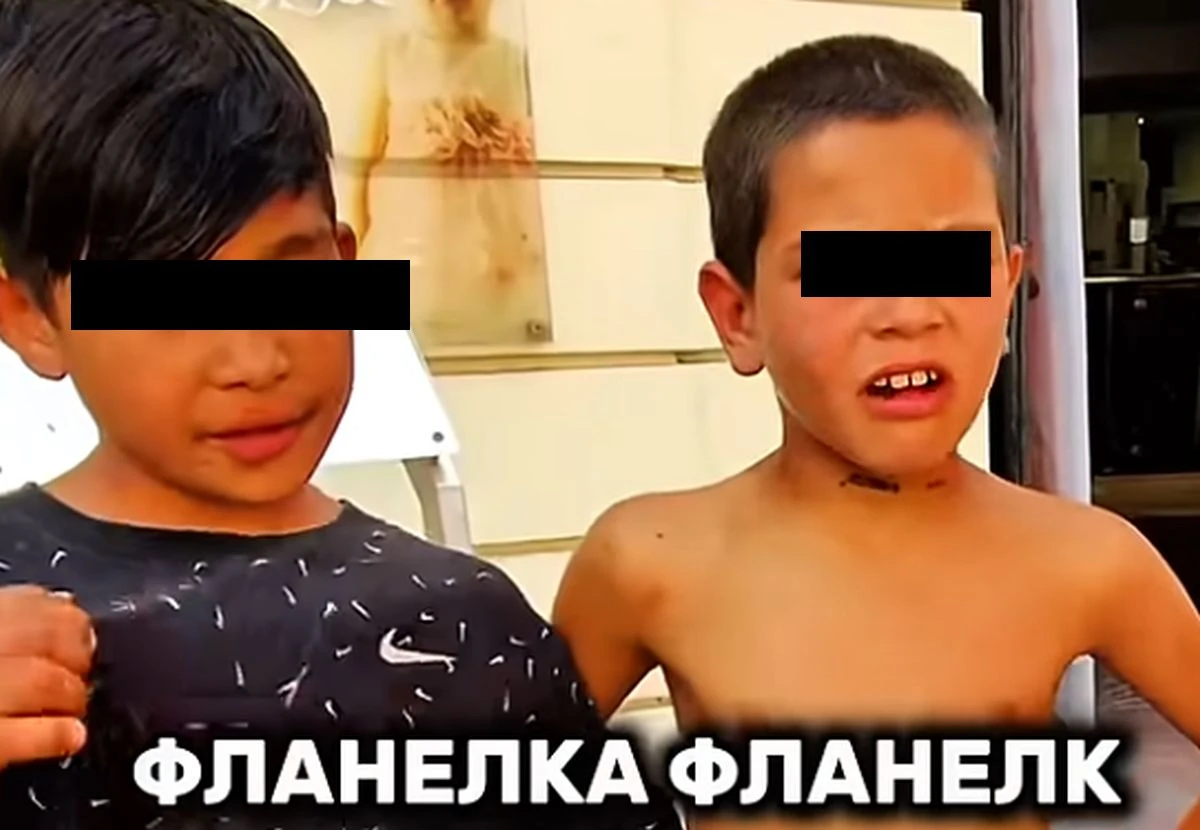
Plovdiv influencer Tihomov surprised his followers with an emotional video featuring two Roma children who often beg in the city. One child, 11-year-old Petko, expressed his desire to become a police officer and shared that he begs voluntarily while his parents work.

The children emphasized the importance of not stealing, highlighting a moral lesson during their conversation with the influencer.

Legal Aid

Published by:

Legal Aid

The Hungarian National Roma Self-Government (MROÖ) has launched a legal aid and information network to support Roma communities, with initial offices in Budapest, Miskolc, and Pécs. MROÖ President Dancs Mihály emphasized the importance of providing legal assistance to Roma individuals facing discrimination and legal issues, marking the initiative as a significant milestone.

The initiative aims to address historical injustices and ensure that Roma communities are not left without support in legal matters, with funding coming from Dancs’s own salary and expenses.

One has to note that this is in parallel to the European Roma Right Centre, located in Budapest, which has been active for decades.

rroma.org
en_GBEN