Category Archives: News Eastern Europe

Czech Consul Torak

Published by:

Czech Consul Torak

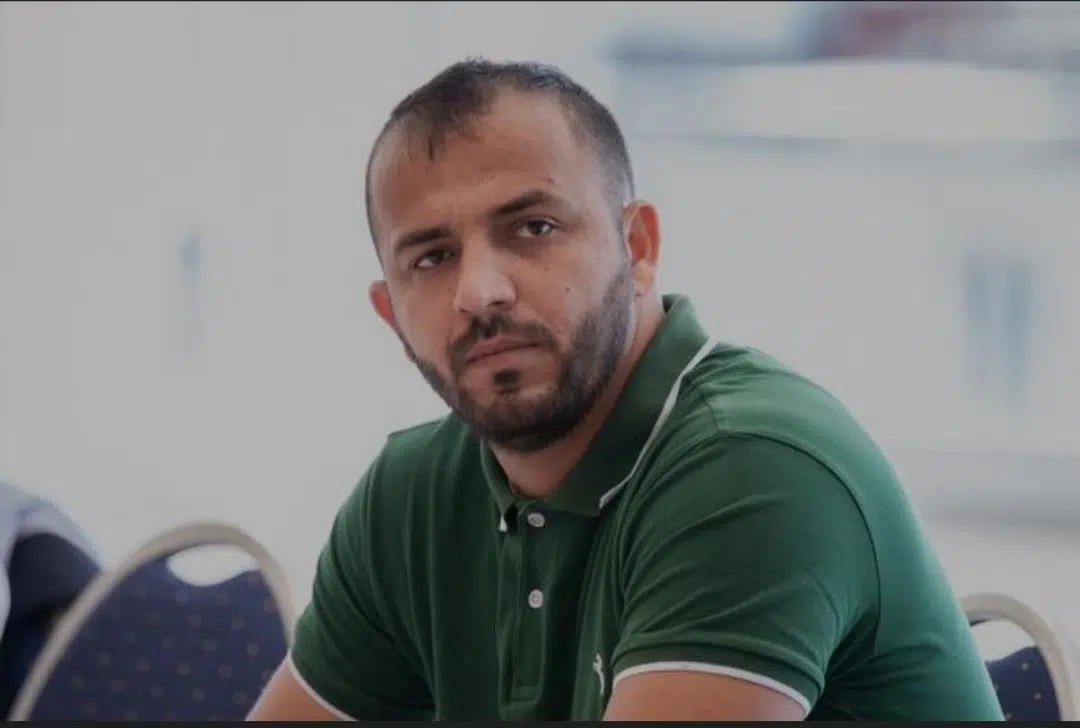
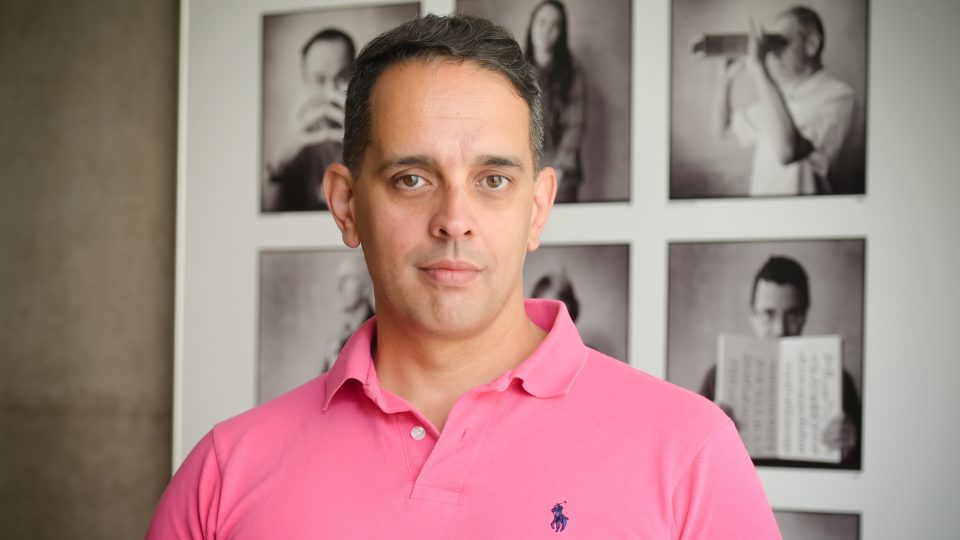
Petr Torák, Czech Honorary Consul and director of the British NGO COMPAS says that “If Roma are not integrated and segregation deepens, it will have a massive impact on how the majority society perceives them.” “When I was a teenager in the Czech Republic, I wanted to show everyone that, even though I am Roma, I could be just as capable as anyone else,” he recalls.

Slovenian Project

Published by:

Slovenian Project

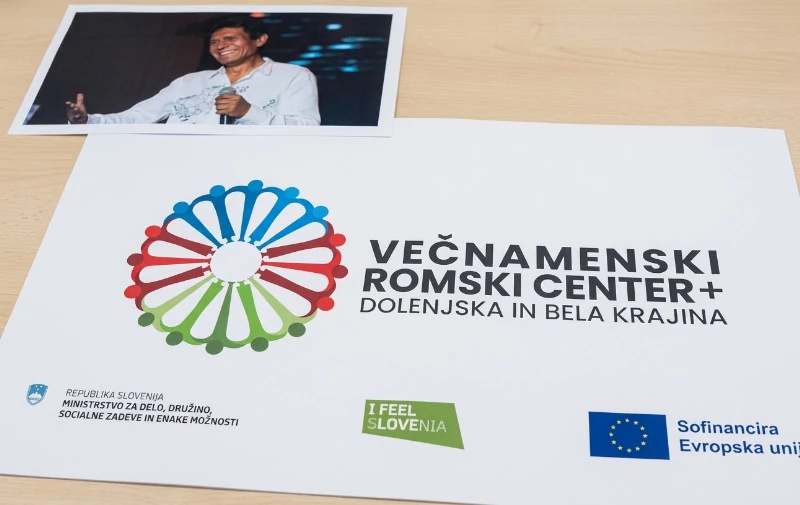
The project has involved over 200 Roma individuals from three municipalities, focusing on individual and family counseling, educational support for children and youth, and workshops to promote education and social inclusion.

Concrete activities have been implemented to improve living conditions, including the installation of raised garden beds to encourage gardening and healthy eating, along with community engagement.

The project emphasizes understanding Roma culture, history, and language, and aims to strengthen trust and social inclusion between the Roma community and the local environment.

Arranged Marriages

Published by:

Arranged Marriages

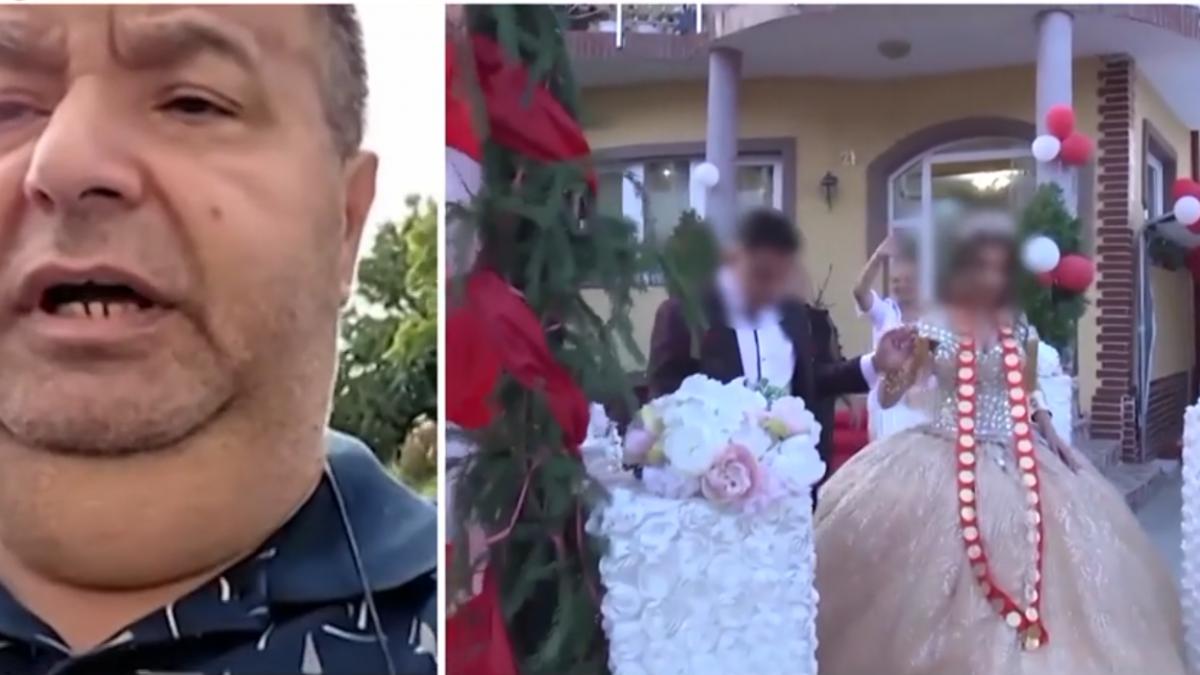
Dorin Cioabă, a representative of the Roma community, expressed outrage over a new Romanian law that could imprison parents who arrange marriages for minors.

He argues that the law fails to distinguish between forced marriages and consensual relationships among adolescents, which could lead to unnecessary legal consequences.

The law, recently passed by the Romanian Parliament, imposes prison sentences of 2 to 7 years for forced marriages involving minors under 16, aiming to protect young individuals from coercion.

A Success Story

Published by:

A Success Story

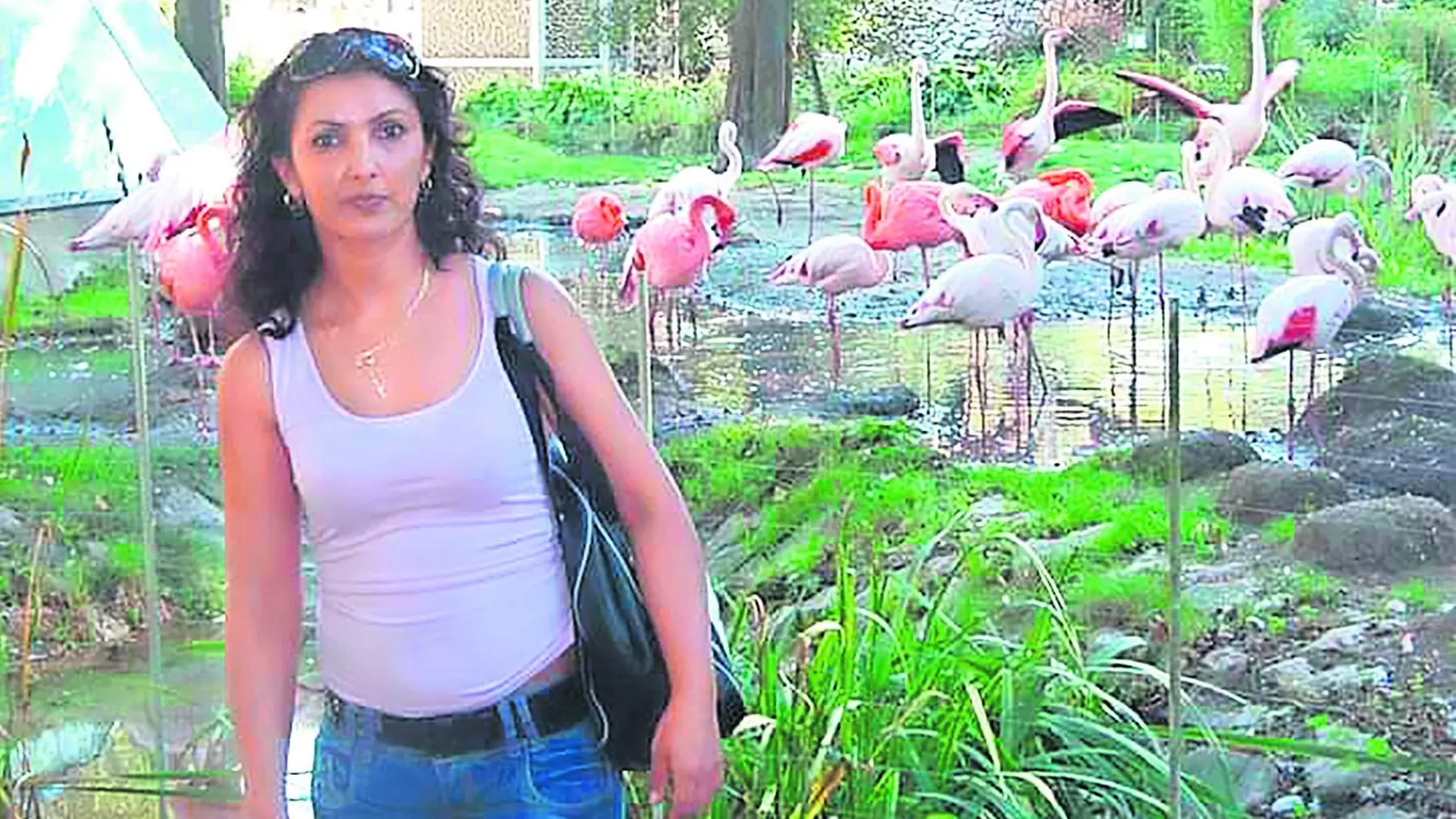
Mariana reflects on her childhood in a close-knit community and the discrimination she faced as a Romni when seeking work after her education.

After moving to the Czech Republic, she found better job opportunities and a more positive work environment compared to Slovakia, but faced challenges upon returning home to care for her mother.

Mariana emphasizes the need for support and education for Romani children in settlements to help them envision a different life and avoid being stuck.

“Gypsy” Fest

Published by:

“Gypsy” Fest

The annual GYPSY FEST parade in Vilnius attracted significant attention, featuring colorful performances, traditional Romani culture, and a free concert at Kudirkos Square.

Organizers emphasized the festival’s mission to combat stereotypes and promote understanding of Romani culture through various activities and messages displayed in the city.

This year’s event included a talent competition for young Roma, showcasing their abilities and encouraging them to step out of their comfort zones.

Flop

Published by:

Flop

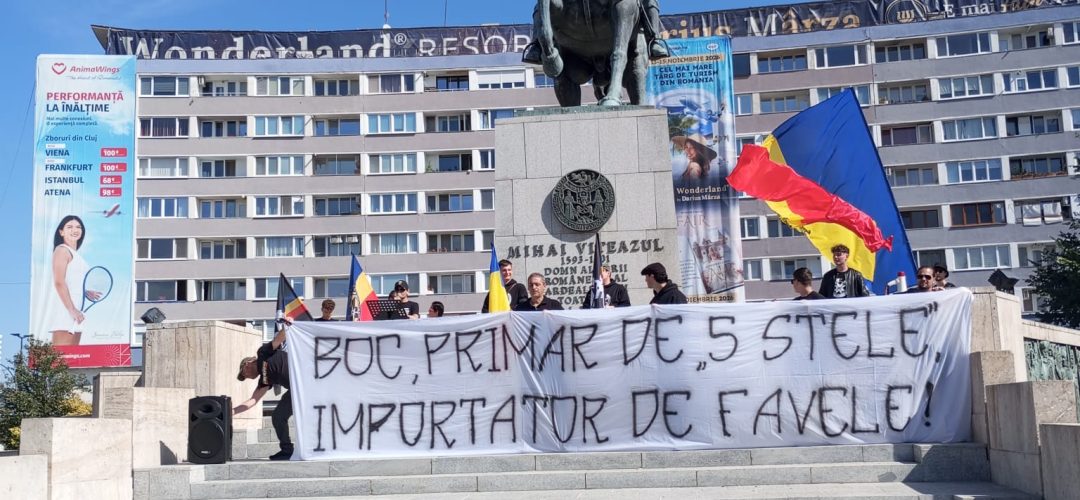
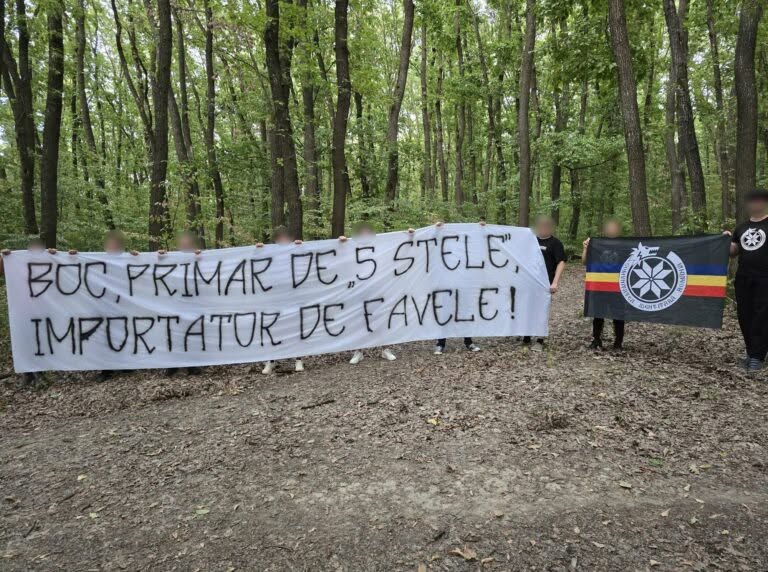
A protest in Cluj-Napoca against the relocation of families from the Pata Rât landfill attracted fewer than 20 participants, mostly young people under 35, and was organized by a group known for anti-LGBTQ and anti-abortion actions.

Protesters expressed hateful sentiments towards the Roma community and criticized local authorities, claiming that the relocation project unfairly benefits homeless individuals at the expense of hardworking citizens.

The local government clarified that only 50 apartments were purchased for relocation, funded primarily by external grants, and that the project aims to gradually relocate families from Pata Rât by 2030.

Education in Montenegro

Published by:

Education in Montenegro

Education is crucial for the social inclusion of Roma and Egyptians in Montenegro, with ongoing challenges and improvements in the educational system highlighted by Sultan Beća from the Ministry of Human and Minority Rights.

Significant measures include dedicated scholarships and housing support for students from the Roma and Egyptian communities, aiming to enhance their educational success and social integration.

The government is committed to continuing efforts to prevent early school dropout and ensure that students from vulnerable backgrounds have the resources needed to pursue higher education.

Loan Sharks

Published by:

Loan Sharks

Dozens of families in the “Druzhba” neighborhood protested against loan sharks from CASH&GO after a Roma man was brutally beaten for failing to repay a loan.

Despite police presence, authorities focused on dispersing the protesters rather than pursuing the assailants, leading to frustration among the community.

The article highlights systemic issues with predatory lending practices and calls for government intervention to prevent further violence and unrest.

Roma Initiatives

Published by:

Roma Initiatives

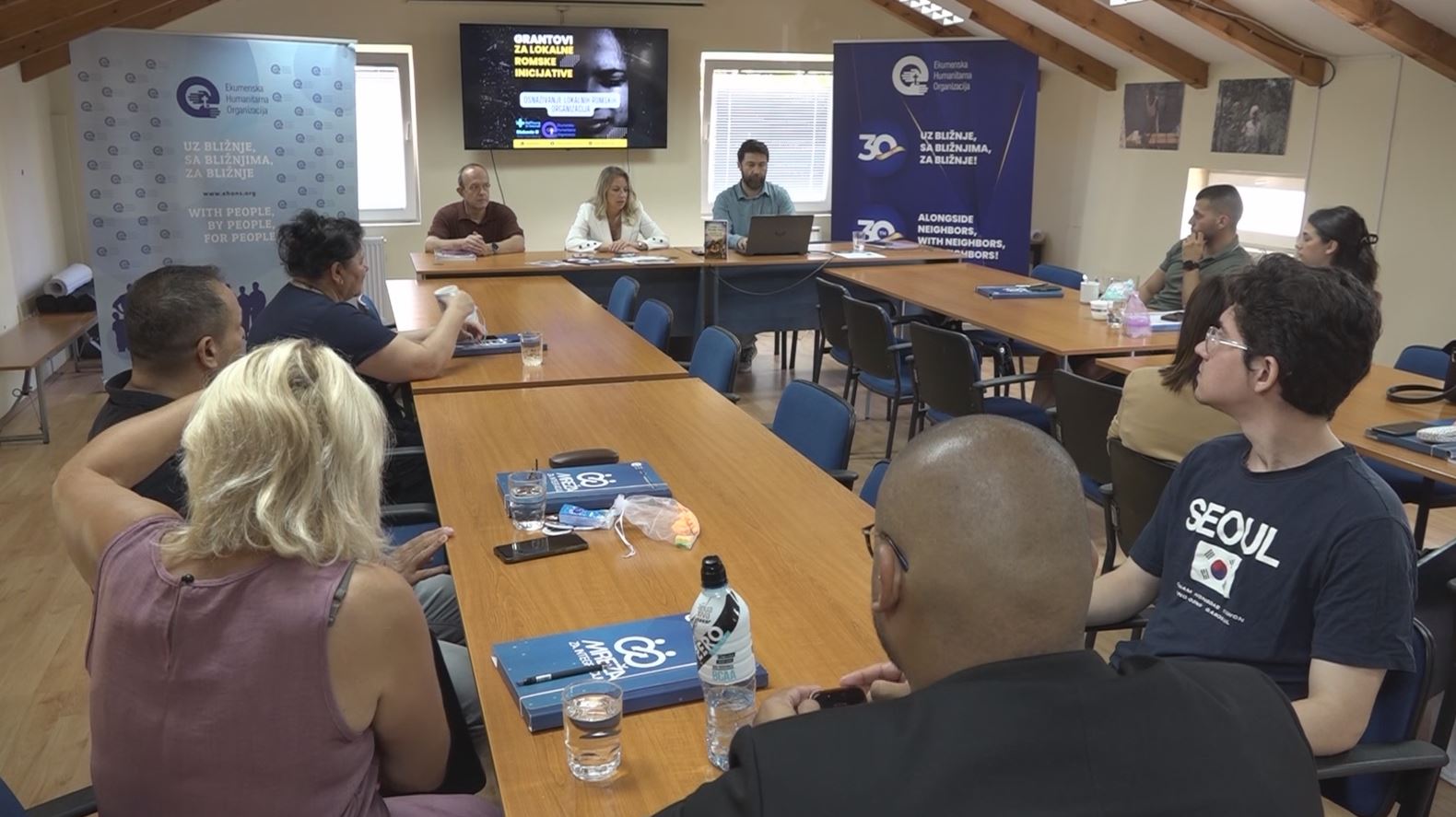
Seven local initiatives in 2026 demonstrated how Roma organizations can empower their communities through education, cultural preservation, and women’s empowerment.

The results of the project “Empowering Local Roma Organizations” were presented at a press conference by the Ecumenical Humanitarian Organization, highlighting activities from various cities.

Initiatives included workshops on traditional Roma cuisine and projects aimed at preventing violence and discrimination, showcasing the importance of collaboration in strengthening Roma communities.

Petition

Published by:

Petition

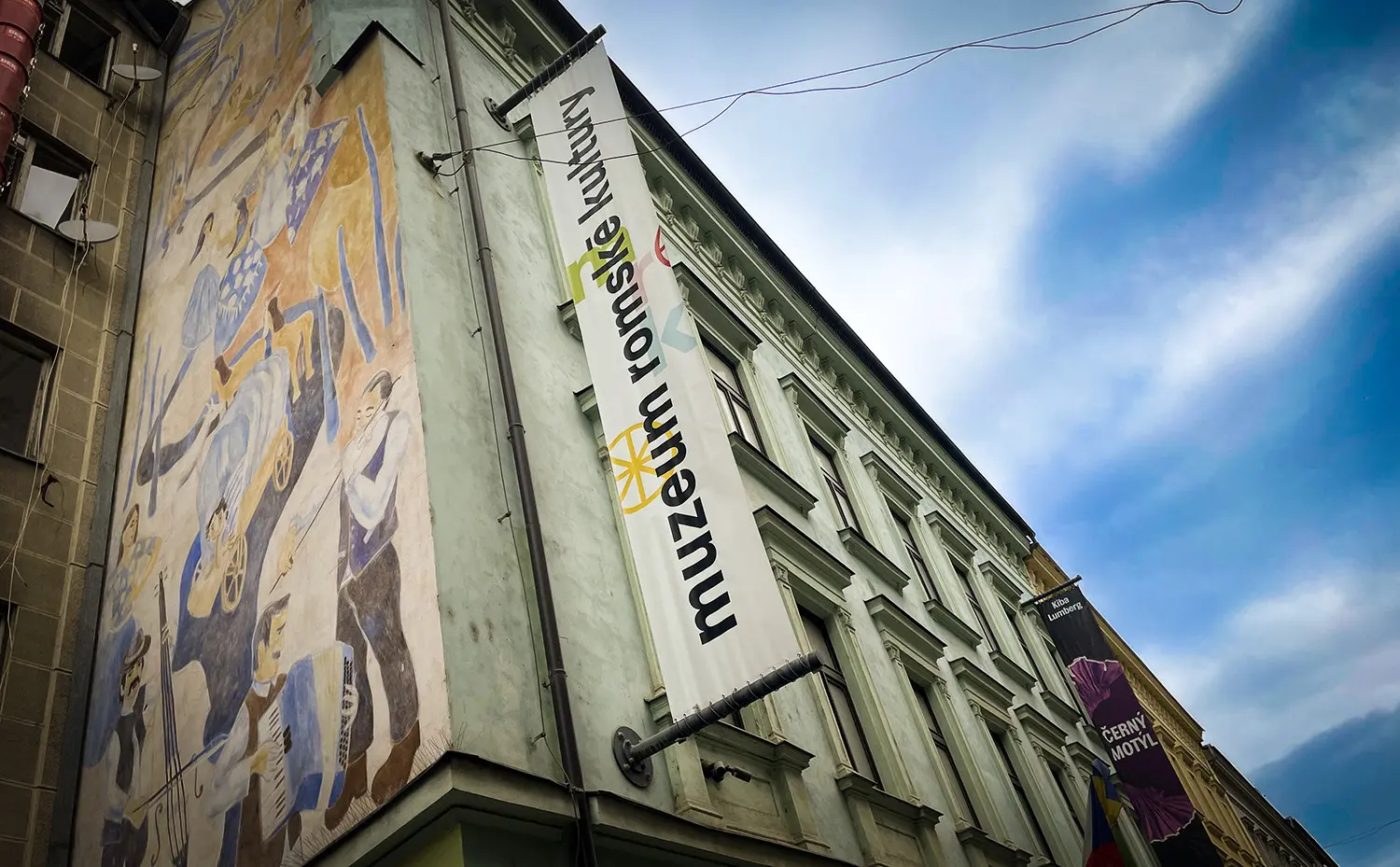
A petition with 129 signatures is urging the Czech Culture Ministry to expedite the selection process for a new director of the Museum of Romani Culture after the resignation of Jana Horváthovár, who led the museum for 23 years.

Jiří Polák, chair of the City of Brno’s Roma Council, emphasizes the importance of maintaining the museum’s Romani identity and an open selection process for its new leadership.

The Culture Ministry has temporarily appointed Karolina Spielmannová as the acting director and aims to find a strong leader for the museum, while also planning to redefine the oversight board’s structure.

Digital Safety

Published by:

Digital Safety

The #BezpečnáSieť (#SafeNetwork) project aims to strengthen digital safety among young Roma. It is being implemented by the Divé maky civic association. The project addresses risks such as online abuse, cyber-grooming, sexting, loss of privacy, and other threats young people may face in the online environment.

Blacksmith

Published by:

Blacksmith

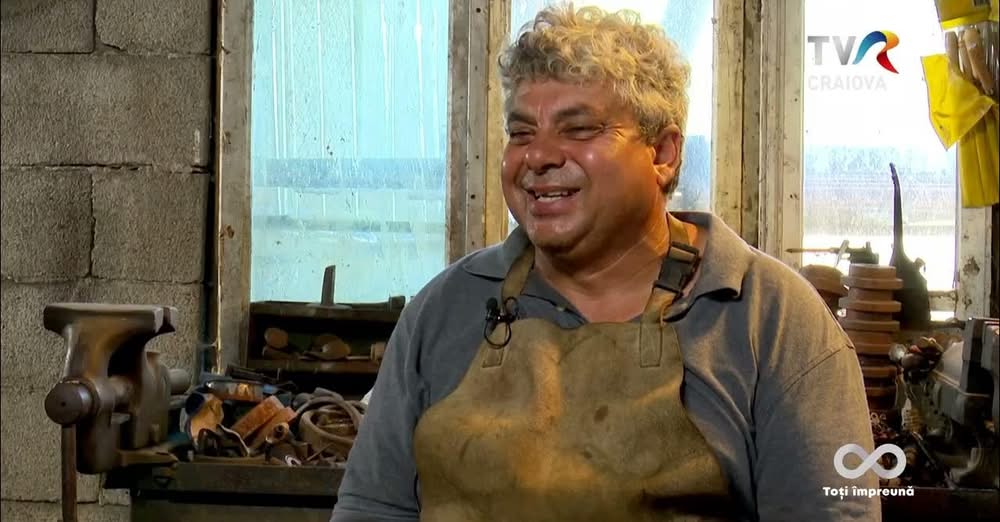
La Bârca is home to a vibrant Roma community, with nea Ilie, a blacksmith, being a prominent figure.

Nea Ilie is recognized as the best blacksmith in Oltenia.

The story of the blacksmith from Bârca will be featured on TVR Craiova.

https://youtu.be/yg16-xRlFAA

Romania: Protest

Published by:

Romania: Protest

A protest organized by the nationalist group Comunitatea Identitară România is set to take place in Cluj-Napoca against the relocation of Roma families from Pata Rât to social housing, citing concerns over their ability to adapt to new living conditions.

The organization has a history of promoting racist messages and has been monitored for its extremist views, including hostility towards the LGBTQ+ community and antisemitic content.

ADI Zona Metropolitană Cluj, involved in the desegregation efforts, defends the relocation project, highlighting its success in improving living conditions for relocated families and condemning the hate speech surrounding the issue.

National Council Elections

Published by:

National Council Elections

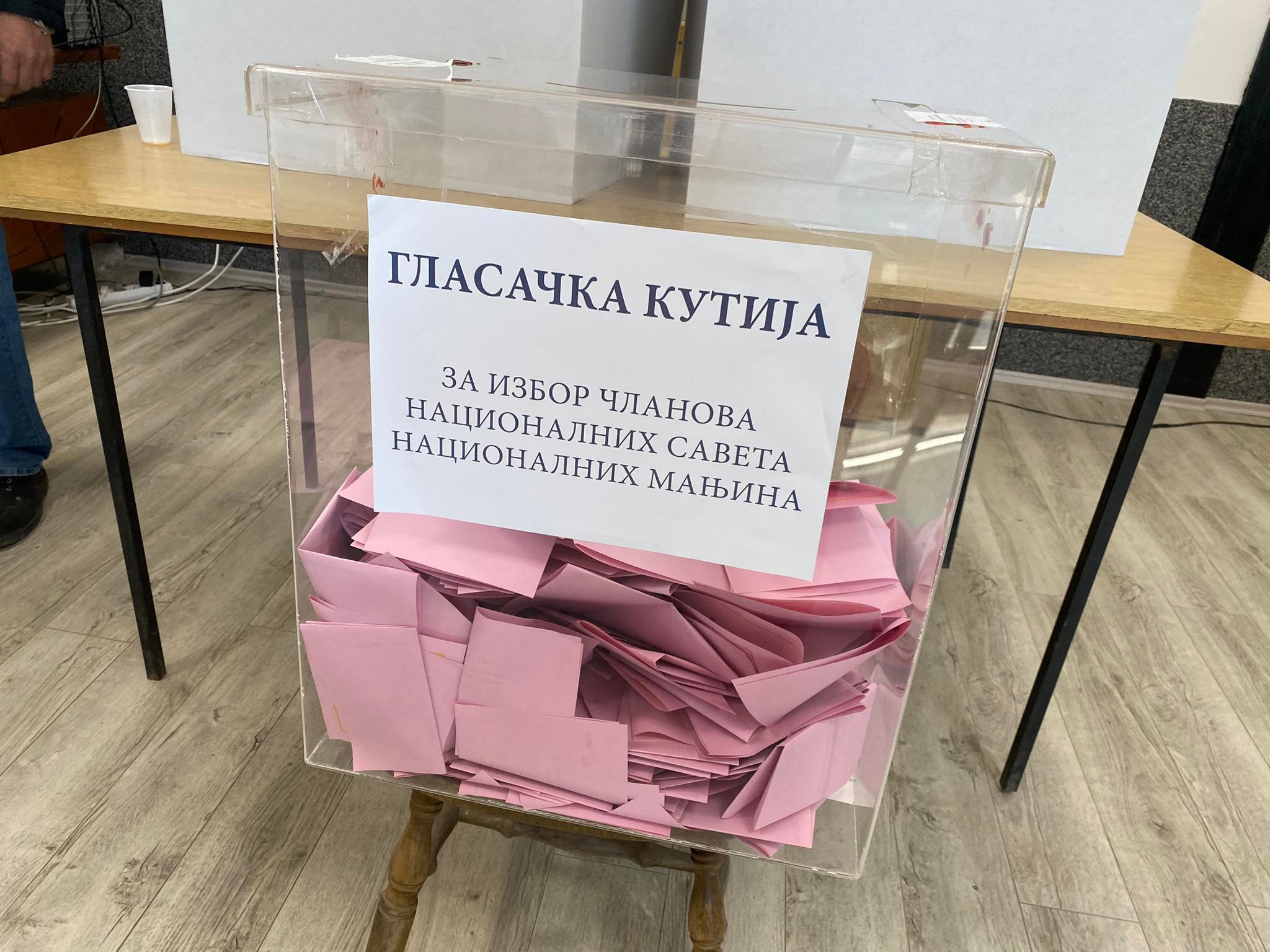
On November 8, Roma voters will elect 35 members of the National Council of the Roma National Minority, with a focus on who will truly represent their interests over the next four years.

The National Council has legally defined responsibilities in education, culture, and language use, emphasizing the need for concrete actions to improve the situation of the Roma community.

The pre-election campaign must address specific questions about candidates’ proposals and accountability to the Roma community, beyond just the voting process.

Auschwitz Paintings

Published by:

Auschwitz Paintings

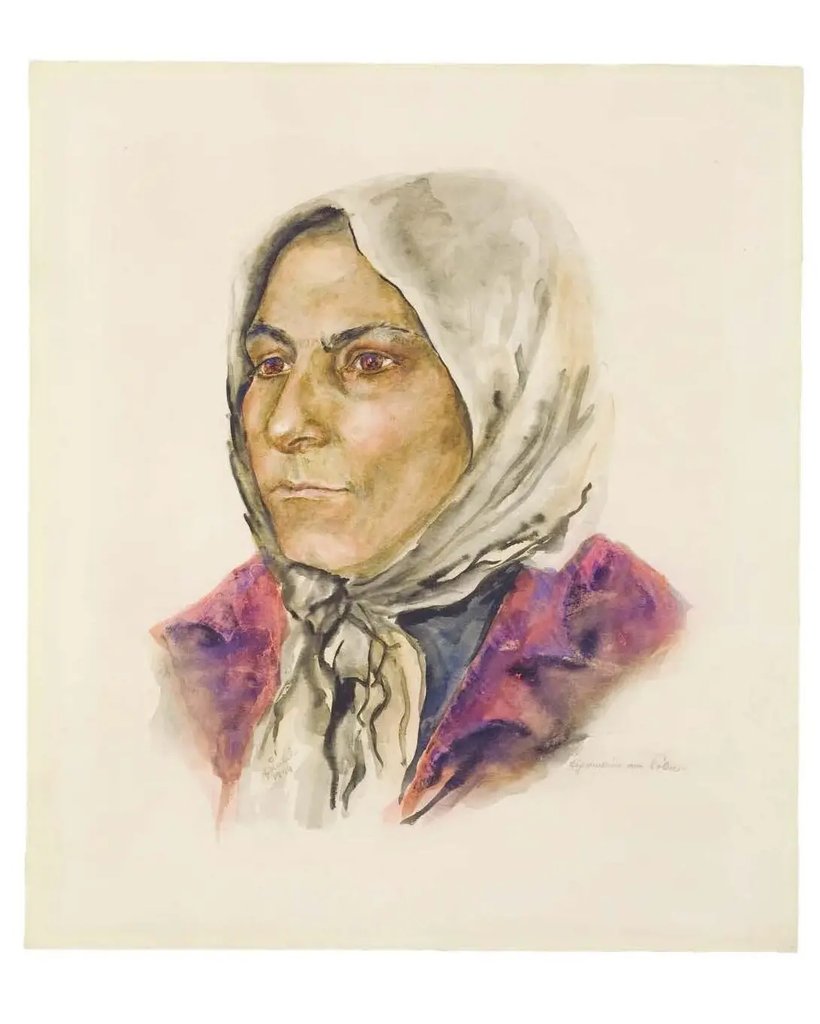
 Dina Gottliebova Babbitt was forced to create watercolors of Roma prisoners for Nazi physician Josef Mengele during the Holocaust, and she spent her life trying to reclaim these artworks from a museum.

Despite her efforts, the museum has refused to return the paintings, citing their historical significance and legal acquisition.

Babbitt’s daughters are now pursuing legal action to retrieve the artwork, highlighting the ongoing debate over art created under duress during the Holocaust.

Roma Politics

Published by:

Roma Politics

The Democratic Union of Roma (DUR) has decided to withdraw from coalition talks with the Union of Roma of Serbia for the upcoming parliamentary elections.

The decision was made with difficulty and is not intended to oppose the Union of Roma of Serbia or its representatives.

DUR aimed to unify the Roma political scene in Serbia to present a stronger, united front for better representation in the National Assembly.

Drought

Published by:

Drought

A prolonged drought in Rudňany, Slovakia, has led to a severe water shortage in local Roma settlements, particularly in Pätoraká, where wells have dried up.

The municipality has provided a water tanker for daily supply, but residents are resorting to unsafe water sources due to insufficient clean water.

Efforts to improve conditions include a newly opened hygiene center in Zabijanec, which offers showers and laundry facilities, positively impacting local hygiene and children’s well-being.

Slovenia and Integration

Published by:

Slovenia and Integration

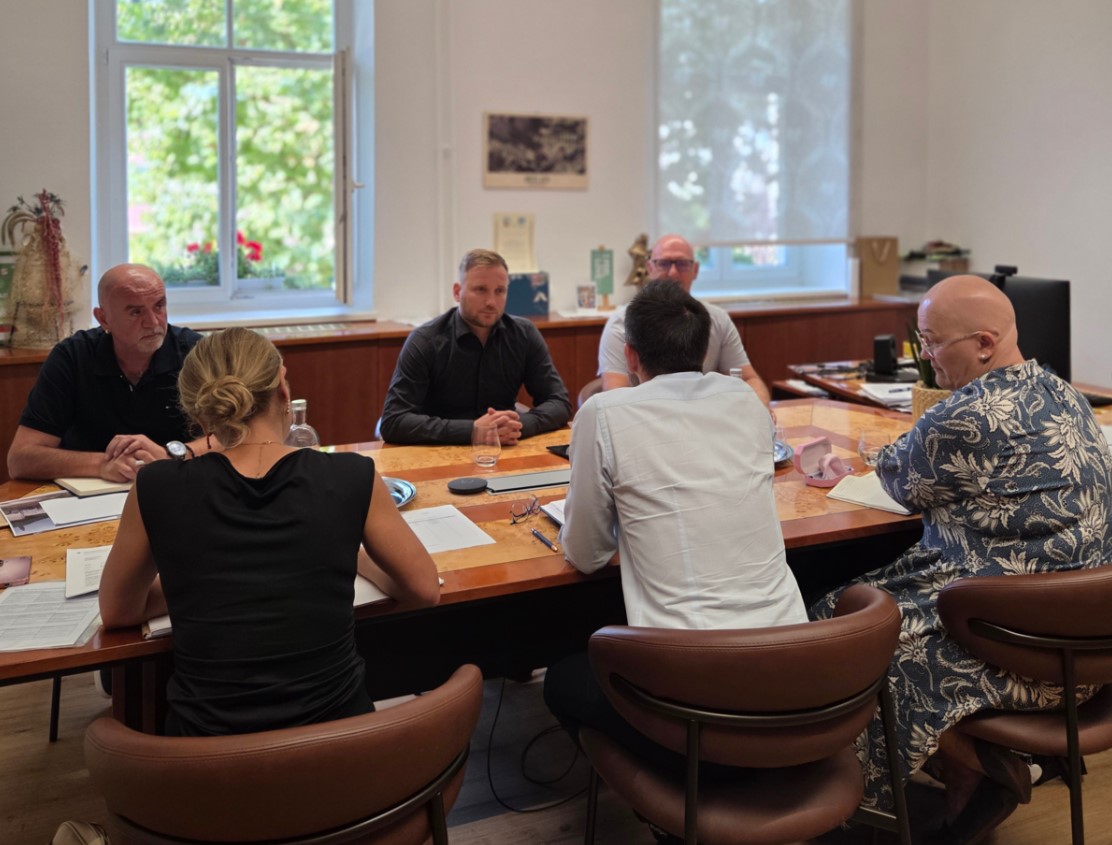
A delegation from the Office for Nationalities visited Kočevje to discuss the integration of the Roma community, highlighting both progress and ongoing challenges in education and employment.

The mayor emphasized the need for reform in social welfare to encourage employment among the Roma, as current benefits can disincentivize work.

Concerns were raised about the financial burden on the municipality due to damages caused by individuals in the Roma community, with a call for accountability and support for those willing to integrate and work.

Hungary and Roma

Published by:

Hungary and Roma

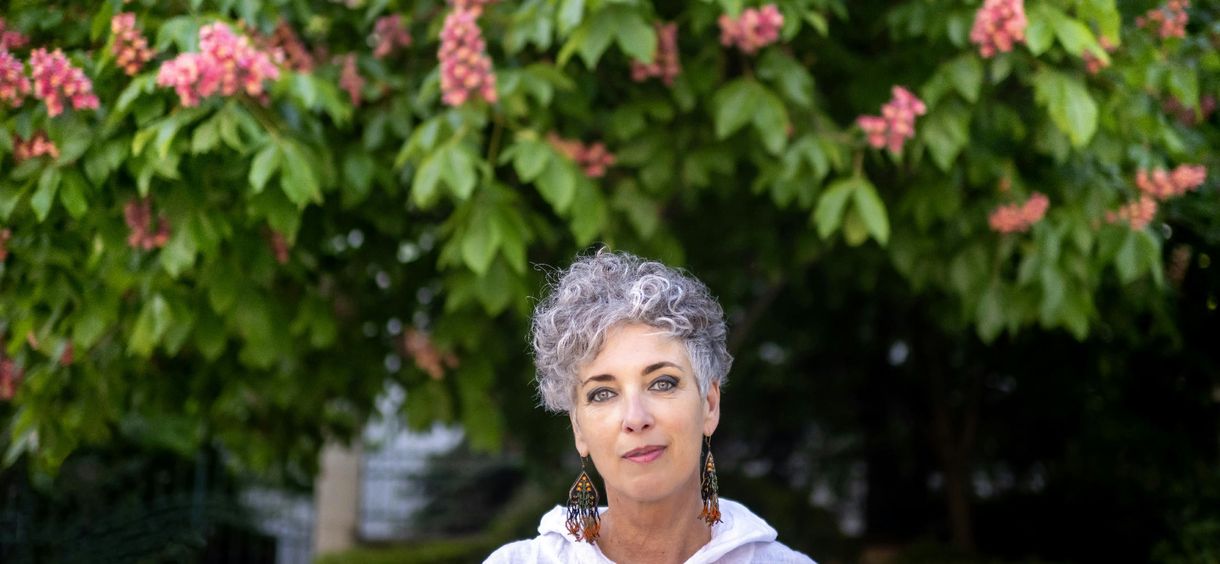
Bódis Kriszta, a Hungarian MP, discussed the challenges of working within the state compared to civil organizations, emphasizing the need for a system that addresses everyone’s needs equally.

She acknowledged the ongoing discrimination against the Roma community and the necessity for their representation in government, while also addressing the structural issues that perpetuate their marginalization.

Regarding Tisza’s policy on Roma issues, the government commissioner stated that they do not intend to restructure Roma advocacy from an administrative standpoint. While they attach great importance to minority self-governments, they will take care to ensure these bodies do not become tools of political power. Kriszta Bódis believes that the Roma—specifically those in the most vulnerable situations—have been deliberately kept in poverty.

Summit of Roma Leaders

Published by:

Summit of Roma Leaders

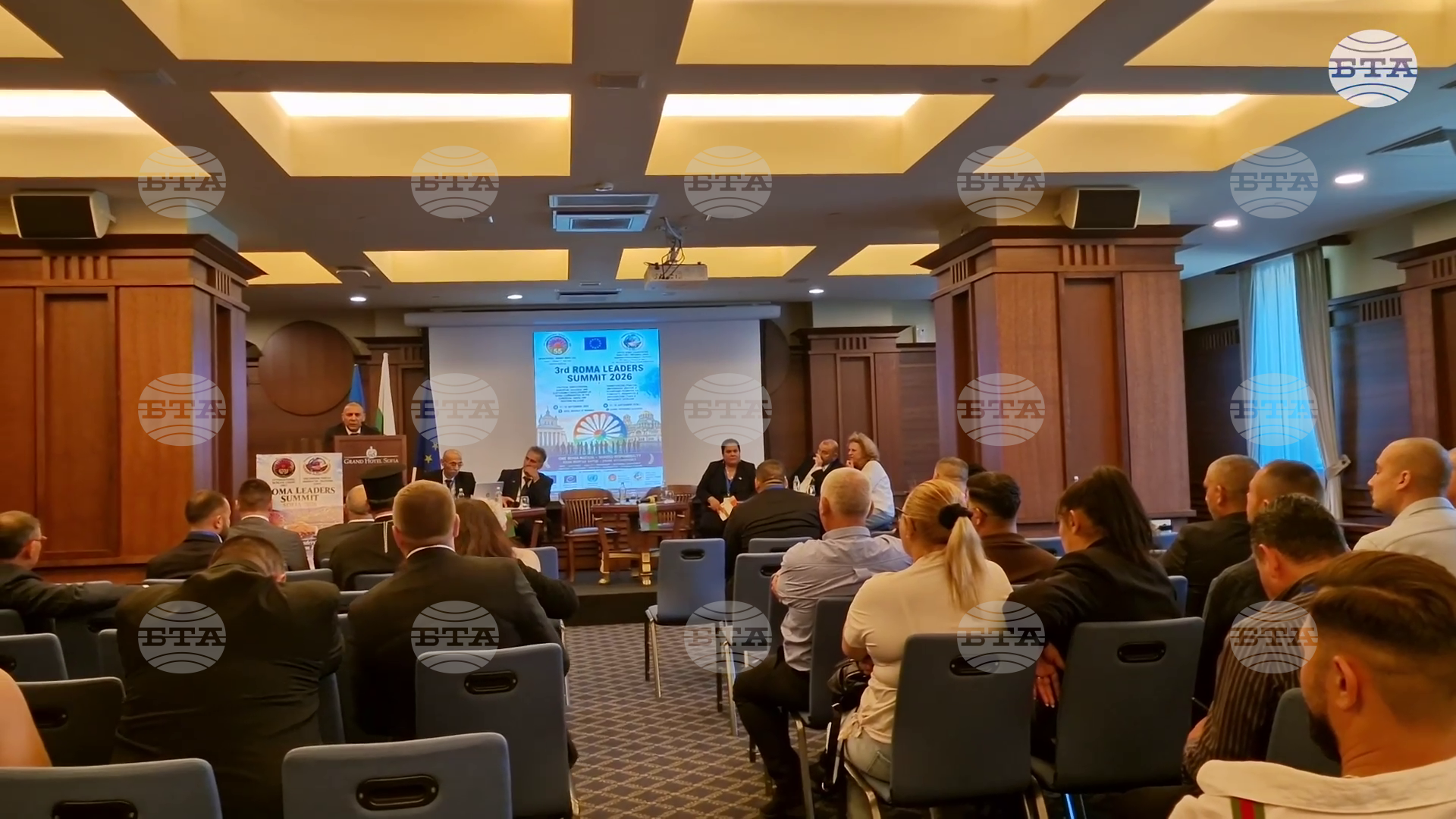
Roma leaders from various countries gathered in Sofia for the Third Summit of Roma Leaders, focusing on unity, leadership, and a European future.

The event aimed to shift the narrative from merely identifying problems to proposing solutions for the Roma community, emphasizing collaboration with Bulgarian institutions.

A declaration was to be approved, advocating for dignity, rights, and active participation of the Roma community in society, highlighting the importance of education and mutual respect.

Among the forum’s guests were Dimitar Petrov, an MP from “Progressive Bulgaria”; Kirsti Pohjankukka, Ambassador of Finland to the Republic of Bulgaria; Alexander Daško, Plenipotentiary Representative of the Government of the Slovak Republic for Roma Communities; Zoran Dimov, President of the International Romani Union (only of one of the three IRUs); István Aba-Horváth, a representative from Hungary; Renata Ronková, Commissioner for Integration and Migration (IRU Germany); Goran Goranov; Zsolt Nagy, an expert from Hungary; Elizabeta Janković from Serbia; and various academics.

rroma.org
en_GBEN