Category Archives: News Eastern Europe

Vote Buying?

Published by:

Vote Buying?

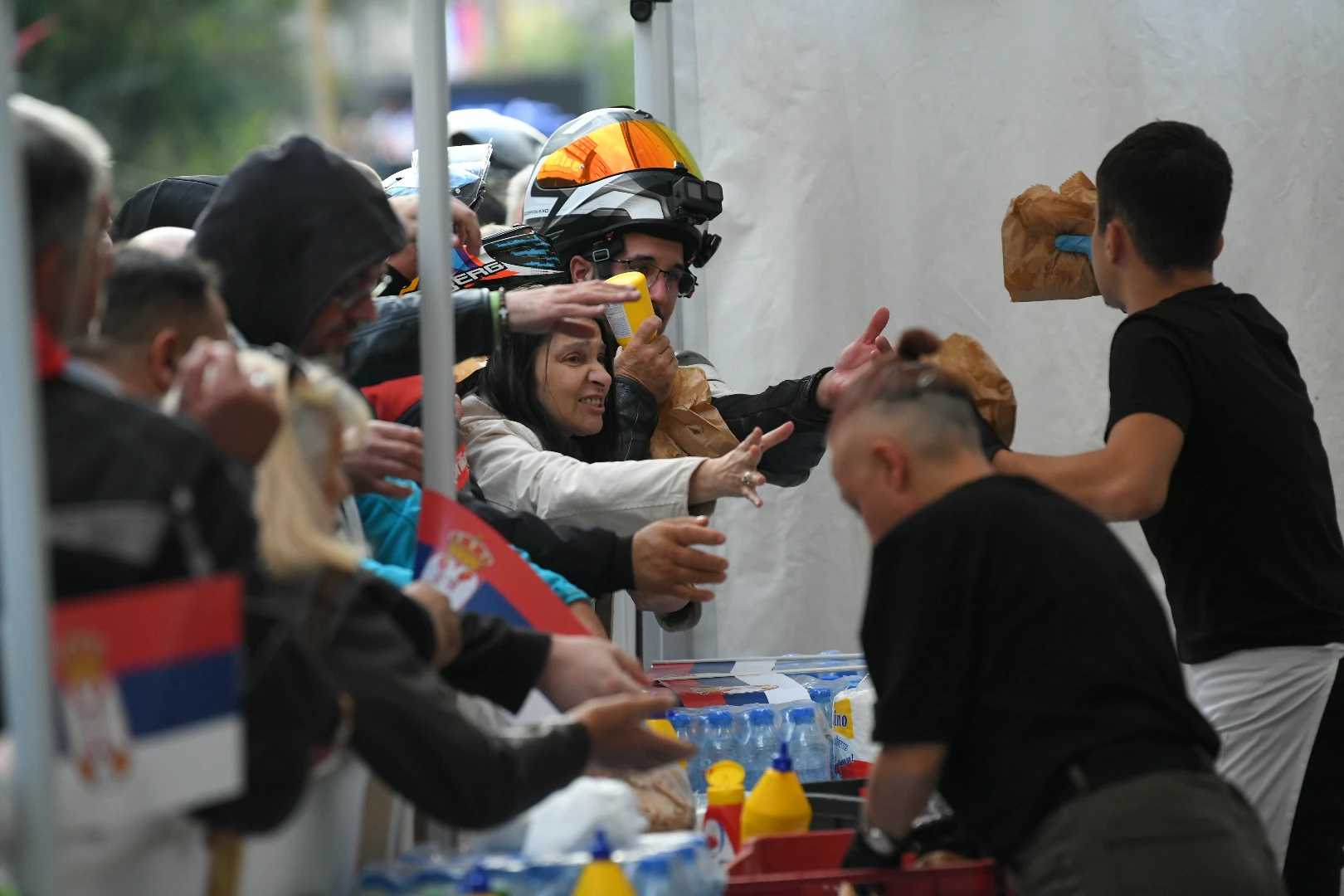
The article relates several documented cases where Roma votes were allegedly bought, where Roma from informal settlements were bused to polling stations or to manifestations, ands this as since 2014. It alleges that Vučić’s SNS Party is behind these schemes. The piece critiques the lack of genuine political representation for the Roma and the oppressive control exerted by the government over their community, leading to worsening conditions over the years.

Serbian Elections

Published by:

Serbian Elections

The Roma Party issued a call today to all political parties focused on representing the interests of the Roma national minority, urging them to declare whether they side with the authorities or the “Student List.” The party maintains that any political group unwilling to take a stand in this referendum-like atmosphere is, in effect, helping the Serbian Progressive Party (SNS) stay in power.

Bulgarian Presidential Election

Published by:

Bulgarian Presidential Election

According to the Bulgarian press and a large number of articles, measures are being taken to ensure free voting for citizens in the upcoming presidential elections, as stated by the acting chief secretary of the Ministry of Interior, Lyubomir Nikolov.

Efforts are focused on combating vote buying, with 140 police operations conducted primarily in Roma neighbourhoods, resulting in two pre-trial proceedings. There are widely shared views that votes canm be bought in Roma neighbourhoods.

The Ministry is also monitoring cyber threats closely, particularly on election day, and is investigating a recent arson incident involving Starlink antennas near Sofia.

Slovenia and Croatia

Published by:

Slovenia and Croatia

Slovenia and Croatia are collaborating to improve the situation of the Roma community through joint initiatives and solutions in key areas affecting their lives.

Key focus areas include better living conditions, education and employment opportunities, combating anti-Roma discrimination, and strengthening political representation for Roma.

The meeting aimed to foster long-term partnerships and develop concrete project proposals based on the actual needs of the Roma community.

Roma Projects

Published by:

Roma Projects

In 2022, €335,845,065 was spent on the action plan for the Strategy for Equality, Inclusion, and Participation of Roma by 2030, according to a monitoring report.

Out of 159 planned activities for 2025, only 10 were completed, while 125 were in progress, 22 were being prepared, and 2 were deemed unfulfilled, particularly in education.

The report will be presented to a working group for monitoring and evaluating the Strategy after government discussion.

Racism?

Published by:

Racism?

Jozef Božik, the chairman of the Association of Towns and Villages of Slovakia (ZMOS), is facing backlash after being accused of insulting the Roma community by referring to them as “Indians.”

The mayor of Zámutov, who initiated the controversy, is demanding Božik’s resignation, which he firmly rejects.

Božik claims that the accusation is taken out of context and has led to severe personal attacks against him and his family.

Roma in Montenegro

Published by:

Roma in Montenegro

The Roma Council of Montenegro warns against discussing European values and the rule of law while ignoring the long-standing discrimination of Roma in political representation. They call on lawmakers to address the electoral census for the Roma community and rectify injustices in political representation.

The Council emphasizes that if constitutional changes proceed without addressing these issues, it undermines the principles of equality and non-discrimination in Montenegro.

Bűnvadászok

Published by:

Bűnvadászok

The activities of the ‘Bűnvadászok’ (Crime Hunters) instill fear in the Roma community and shift public sentiment against them, as warned by the deputy commissioner for national minorities. Complaints have been filed regarding alleged unlawful evictions and the content shared by the ‘Bűnvadászok’ on their YouTube channel, with the police dismissing a related report.

The article highlights broader issues, including the treatment of Roma individuals in healthcare and education, emphasizing a lack of adequate representation and understanding of their social situation in educational materials.

Brawl in Timisoara

Published by:

Brawl in Timisoara

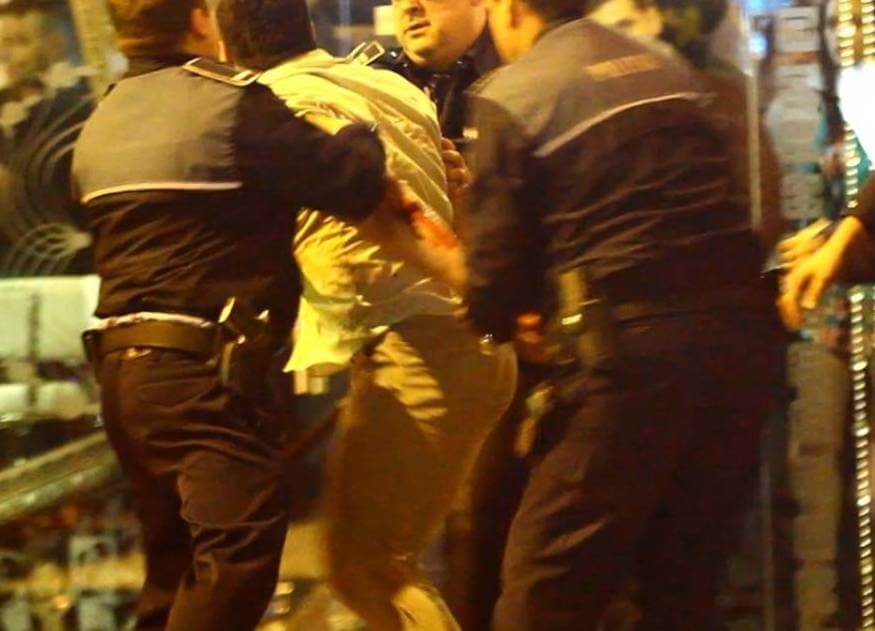
A conflict involving several Roma men occurred in Timișoara, leading to police intervention after a neighbor called emergency services. Four men aged between 18 and 56 were fined a total of 8,000 lei for their involvement in the disturbance, which included public disorder and insults.

Authorities emphasized the importance of social coexistence and peaceful conflict resolution for public safety.

Roma Culture

Published by:

Roma Culture

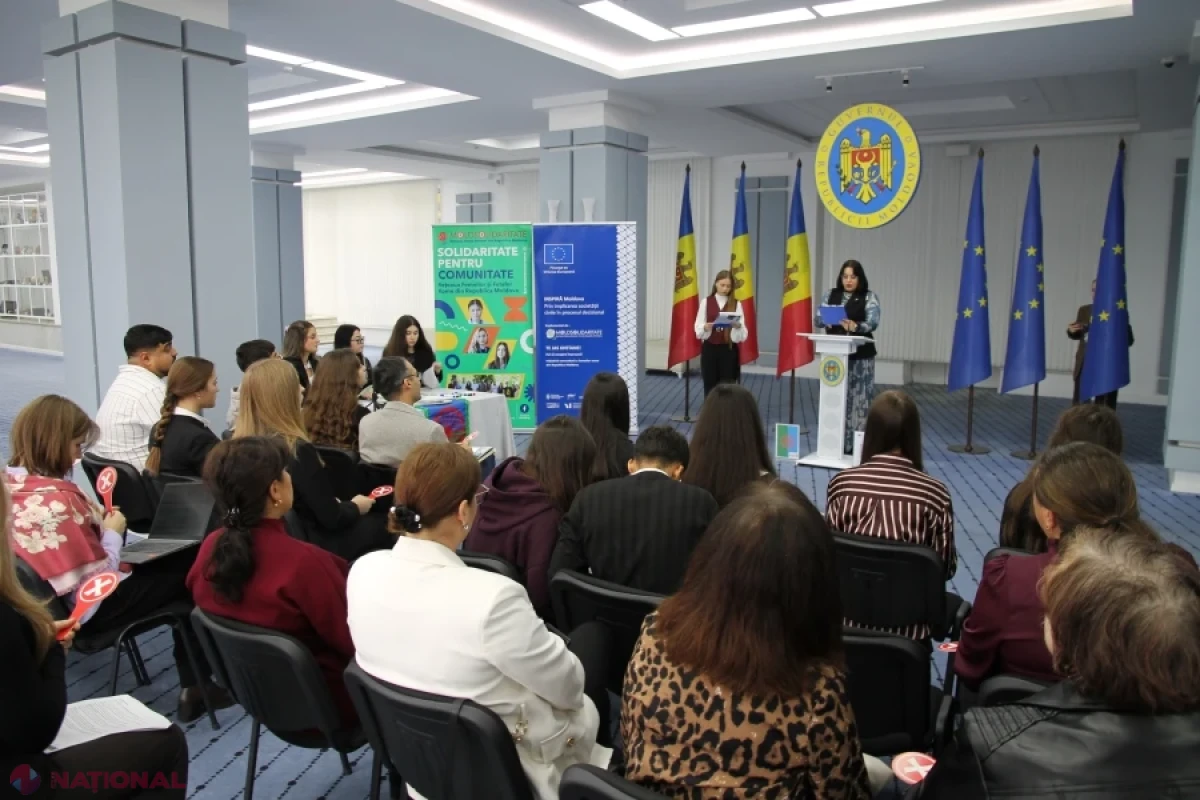
A meeting was held between 20 young Roma from Moldova and representatives of the Ministry of Education to discuss promoting Roma cultural and linguistic identity, as well as expanding access to education. Key topics included the introduction of a subject on Roma history and culture in schools, teacher training, and providing educational materials, along with the possibility of teaching the Romani language as a mother tongue.

The Ministry, in collaboration with European institutions, aims to ensure equal educational opportunities for Roma children and has planned to offer 120 merit scholarships for the academic year 2026-2027.

Stanisław Opocki

Published by:

Stanisław Opocki

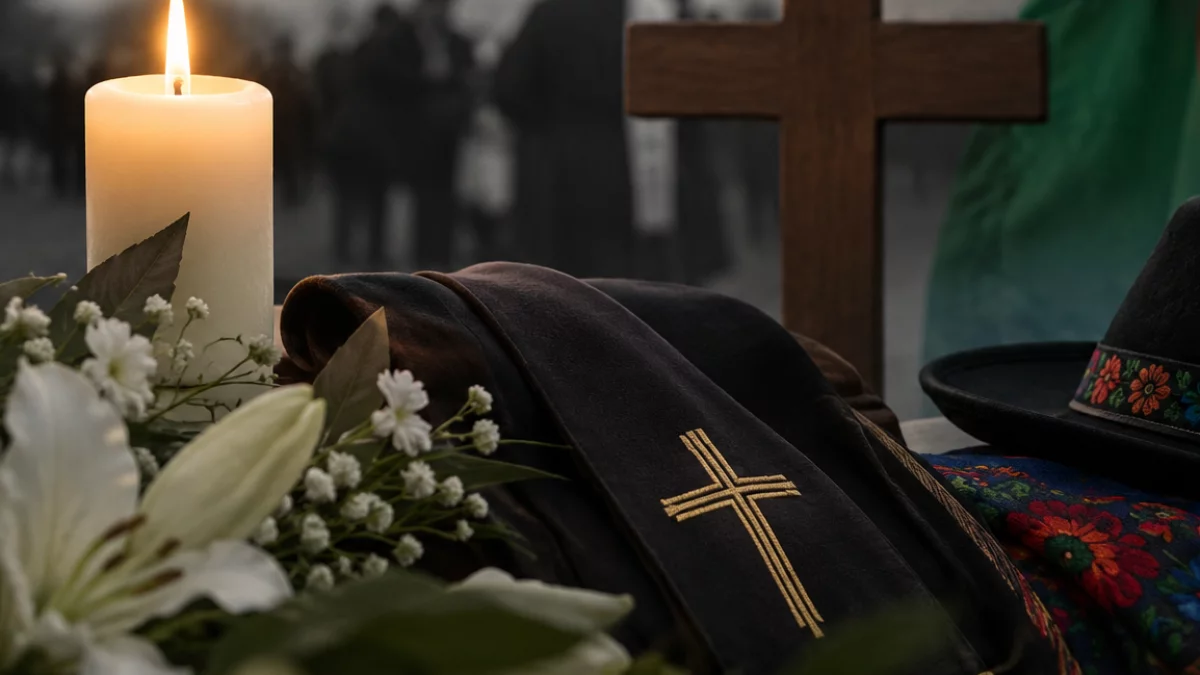
Father Stanisław Opocki, a prominent priest and national pastor for the Romani community in Poland, died in a car accident on October 7, 2026, at the age of 73.

He dedicated much of his life to serving the Romani community, initiating significant events such as the first pilgrimage for Romani people in the 1980s, which became a tradition in southern Poland.

His funeral is scheduled for October 13, 2026, in his hometown of Rudka, with official announcements made by the Polish Bishops’ Conference and the Tarnów Diocese.

Theatre

Published by:

Theatre

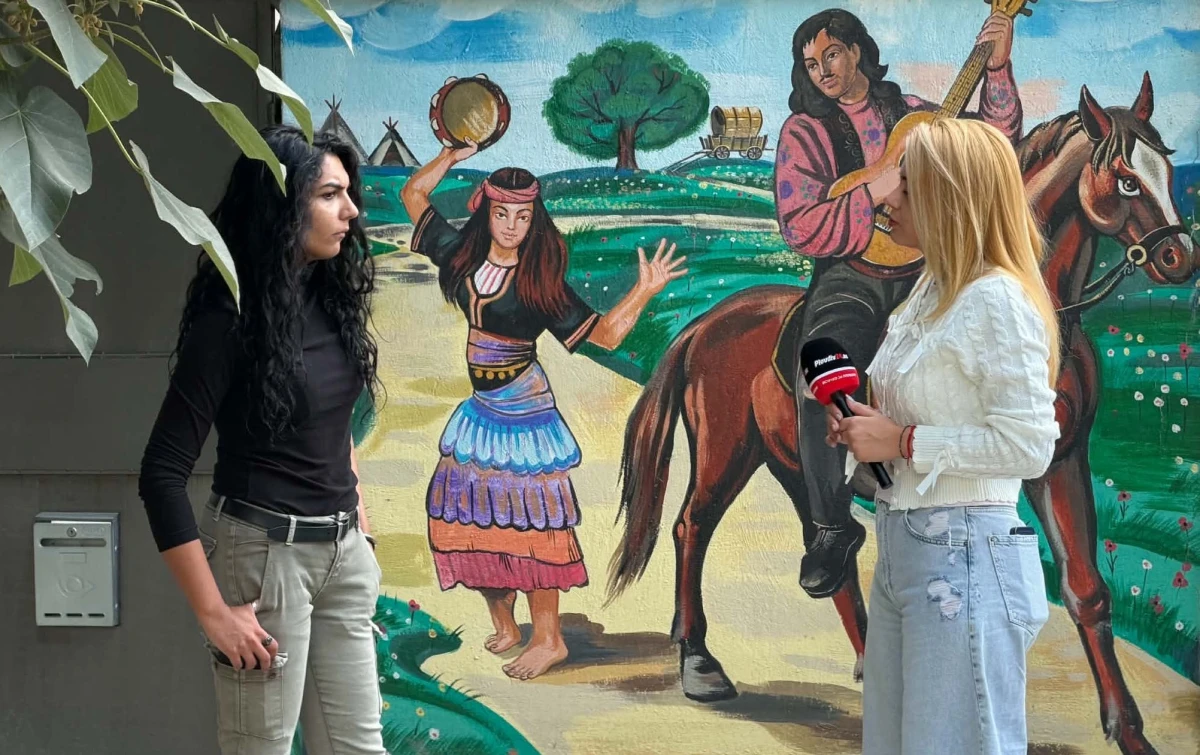
The theater group “Stolivud” in the multicultural neighborhood of Stolipinovo aims to promote tolerance and unity through art, featuring members from diverse ethnic backgrounds including Bulgarians, Roma, Turks, and others.

Their upcoming performance, “Missed Call,” will explore the five stages of grief and is set for November 13, 2026, at the State Puppet Theater in Plovdiv, with a charitable focus on helping homeless cats.

The group emphasizes the importance of overcoming challenges and using theater as a means to foster community connections and positive change.

Roma Music in Hungary

Published by:

Roma Music in Hungary

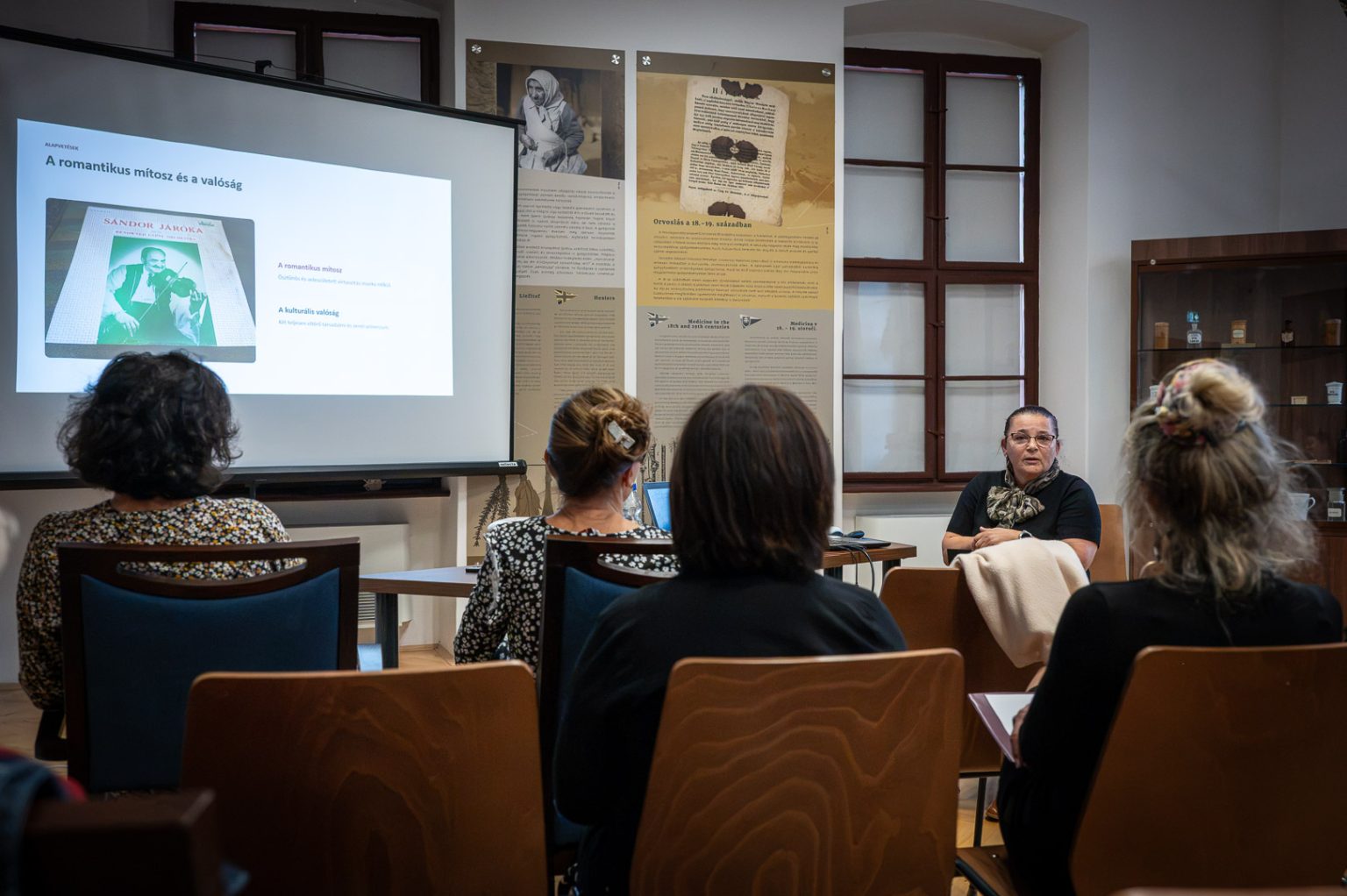
On Wednesday, October 7, educator and Roma cultural studies teacher Mrs. János Jónás delivered a lecture titled “Sounds of Two Worlds: Traditional Roma Vocal Music and Coffee-House ‘Gypsy Music'” at the Sámuel Tessedik Museum in Szarvas. In her presentation, she contrasted the musical worlds of the Romungro musician Roma and the Oláh Roma, highlighting what they listen to during celebrations versus times of death and funerals.

Roma Pride

Published by:

Roma Pride

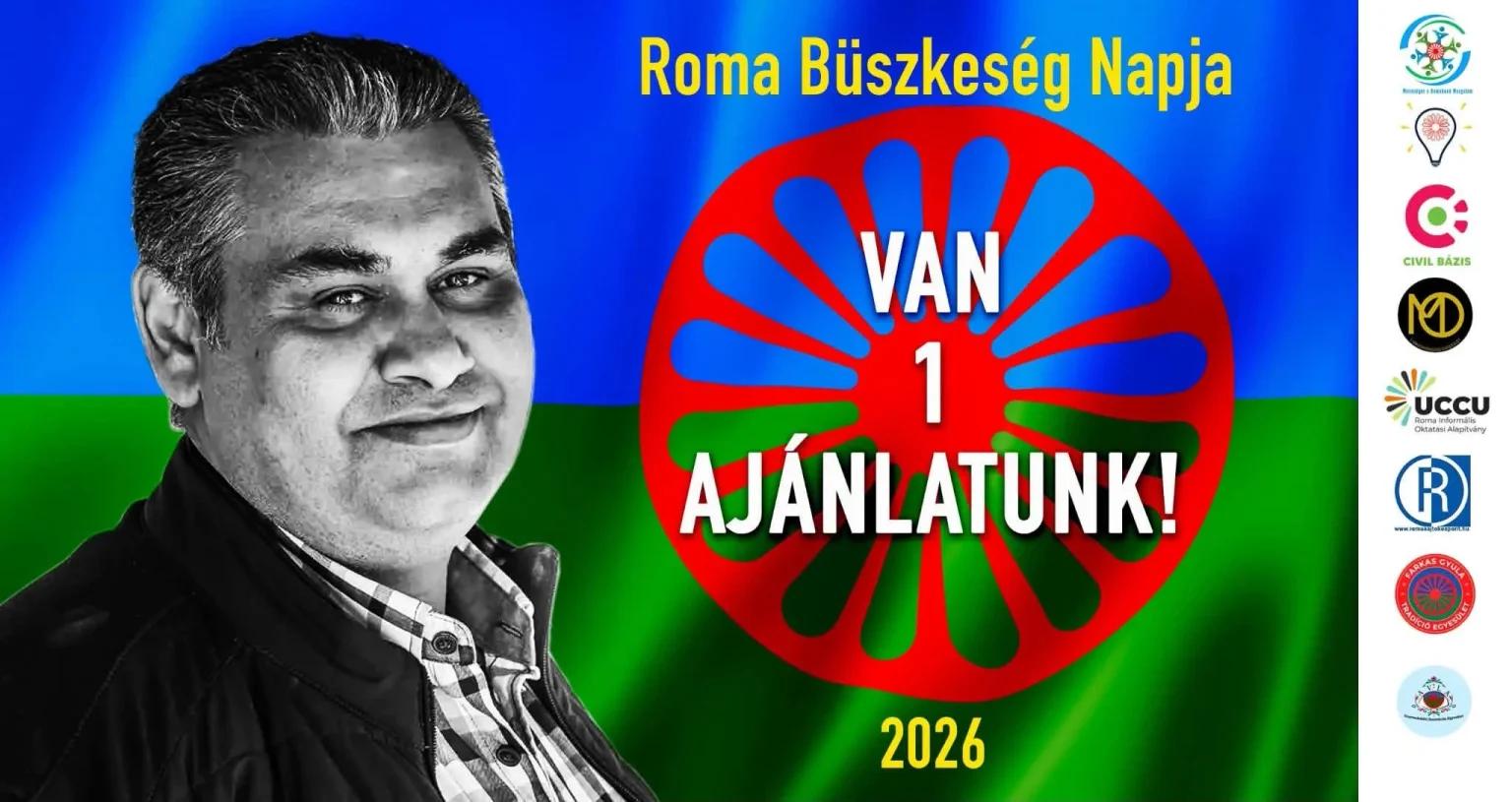
The Roma Pride and Dignity Day will be held in Budapest on October 17, featuring a march and the presentation of a declaration promoting cooperation among Roma communities and democratic actors in Hungary.

The event aims to strengthen community self-esteem and emphasizes the importance of Roma participation in shaping the future of Hungary, addressing issues of social exclusion and unequal access to services.

The march will start at Blaha Lujza Square and end at Puczi Béla Square, with speeches and performances from various artists, highlighting the message of solidarity and partnership.

Cigany Telep

Published by:

Cigany Telep

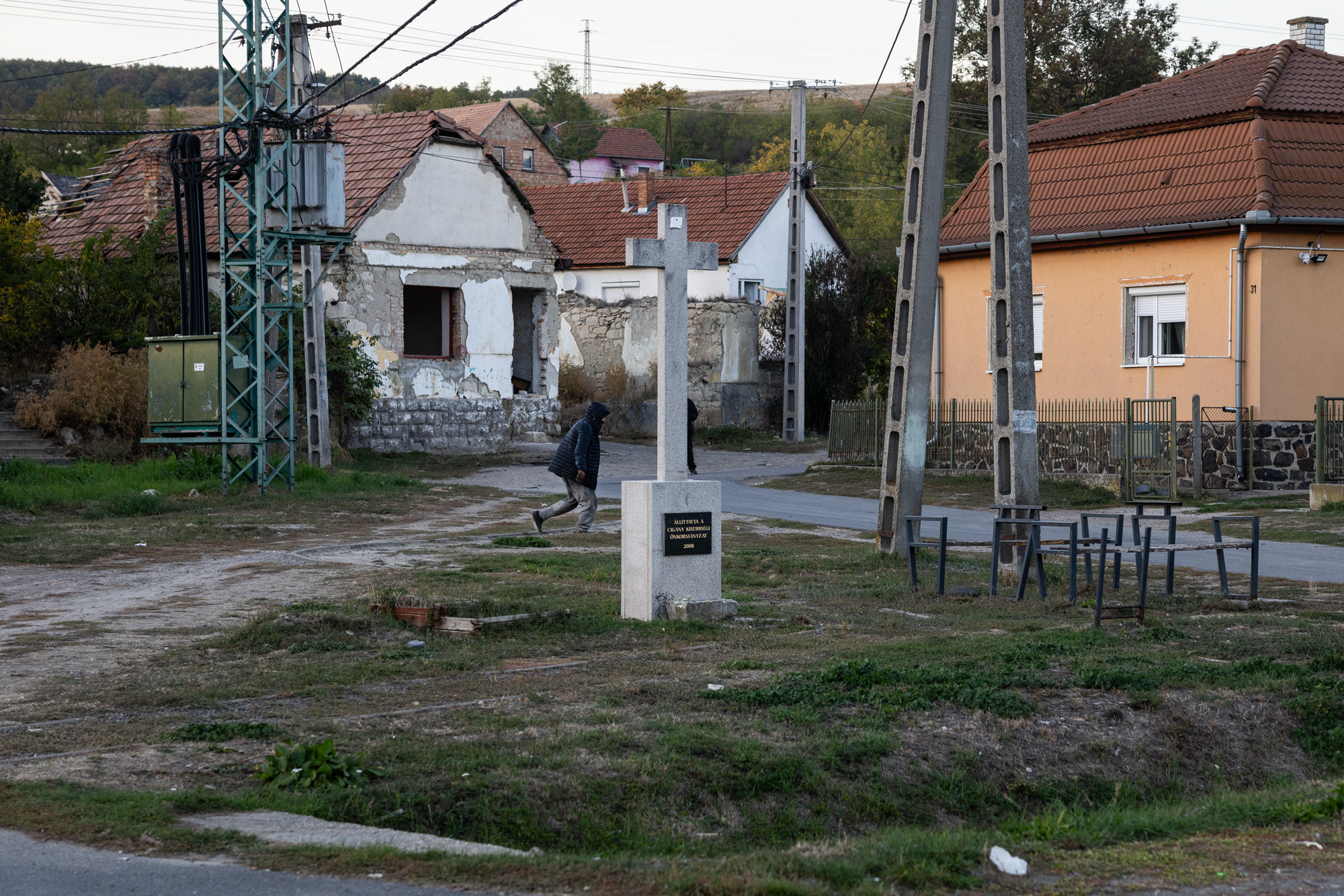
An article about a Roma setllement in the Hungarian Matra mountains. There, according to Local representative Nikolett Szomora, around 80% of the residents are struggling with substance abuse.

The article is definitively preo-Jobbik, an extreme right party in Hungary (but by far not the one further on the right).

The situation is deplorable, and in those settlements, most people are unemployed. The last 30 years saw a steady decline in living conditions.

Ethnic Cleansing

Published by:

Ethnic Cleansing

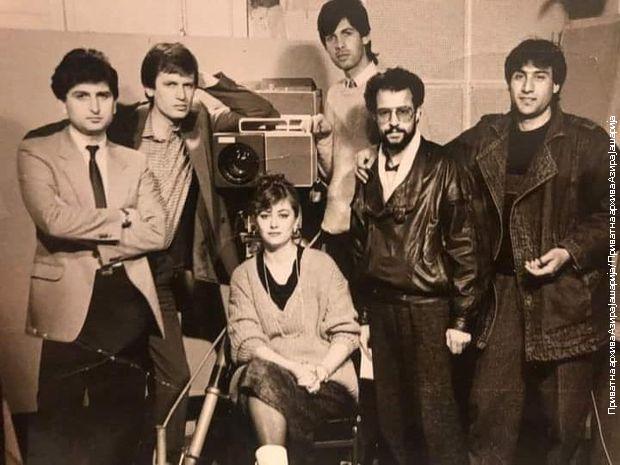
Azir Jašari, a former journalist, documents the suffering of displaced Roma after being expelled from Kosovo and Metohija, creating a documentary and a book on their history. Many Roma and Ashkali have found refuge in Subotica, where they have established a community of around 3,500 individuals.

The article highlights the success stories of young Roma who have integrated into Subotica, showcasing their achievements and pride in overcoming challenges.

Award

Published by:

Award

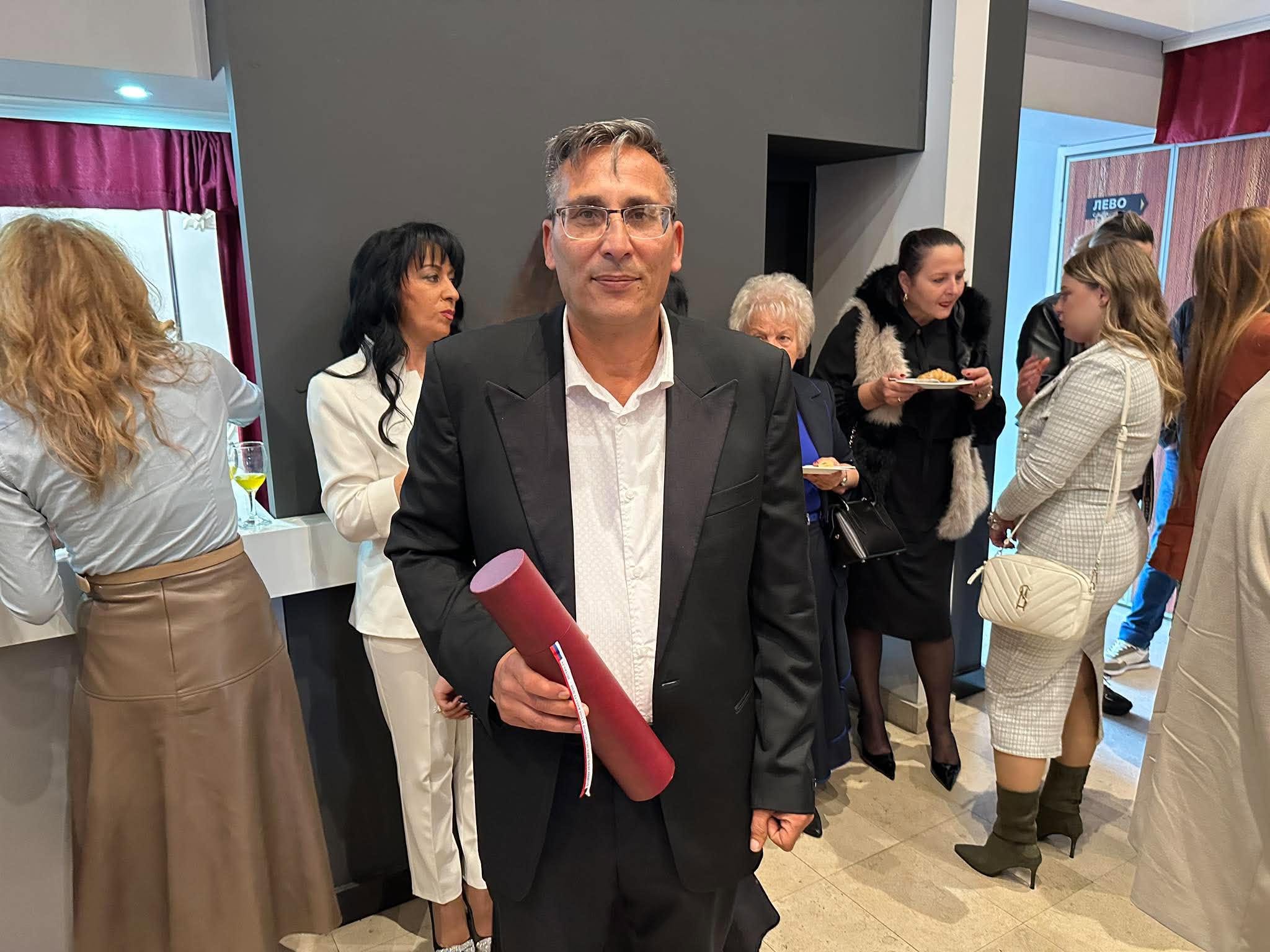
Vladimir Amzić received the October Award from the City of Leskovac for his long-term efforts in promoting education and employment for Roma and preserving their culture.

His contributions include employing eight Roma individuals and supporting 30 young Roma with work equipment and tools.

Amzić has been active in the cultural and social life of Leskovac for over 20 years, collaborating with various institutions to research and preserve Roma history.

Child Marriage

Published by:

Child Marriage

Zlatka V., a 16-year-old Romni from Plovdiv, shares her traumatic experience of being sold into marriage at 14, highlighting the issue of child brides in Bulgaria and the lack of awareness about International Day of the Girl.

UNICEF reports that over 70 million girls are sold into marriage annually, with many more in unregistered unions, particularly among the Roma community in Bulgaria.

The article emphasizes the rising violence against girls in schools, domestic abuse, and the need for more attention to the plight of girls beyond just one day of recognition each year.

Józef Merstein Jochymczyk

Published by:

Józef Merstein Jochymczyk

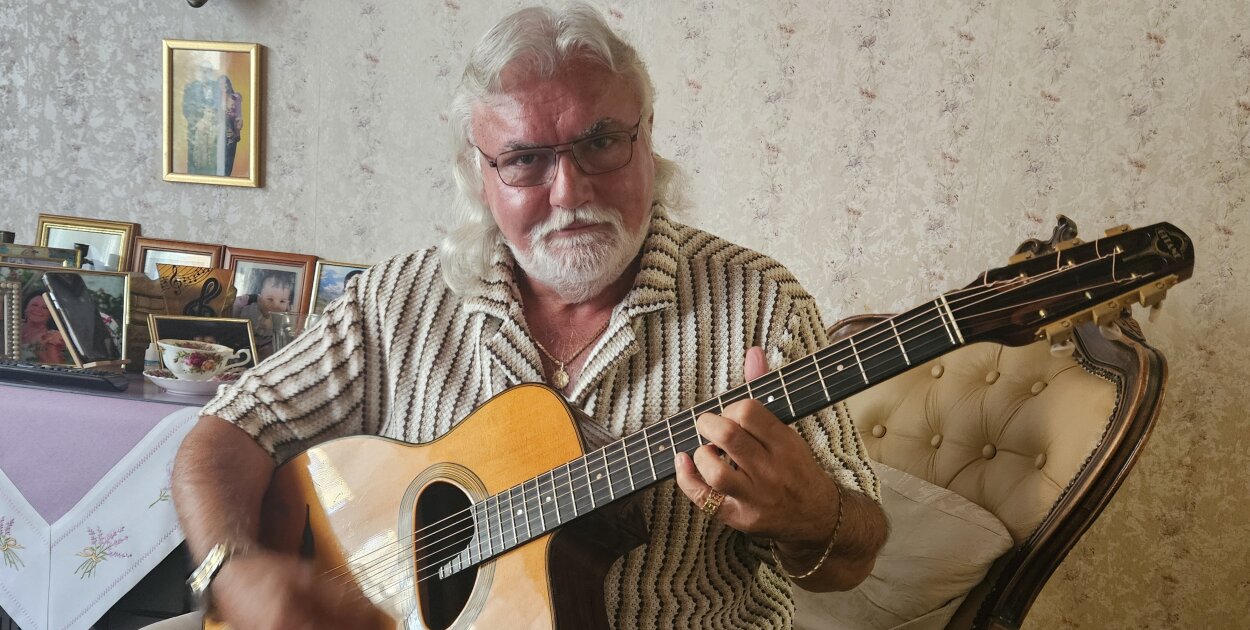
Józef Merstein Jochymczyk, a Sinto musician from Poland, shares his life story, including his early experiences with music and family roots. The family moved through Switzerland, Germany, and wartime Krakow ending up in Chrzanov, where he was born.

He highlights the cultural differences and common  roots between Sinti and Roma and reflects on the historical persecution faced by his community. He continues to perform and compose music in the language he learned before Polish, emphasizing the importance of his cultural identity.

rroma.org
en_GBEN