Category Archives: News Eastern Europe

Roma Politics in Serbia

Published by:

Roma Politics in Serbia

Roma political activism in Serbia intensified in the early 2000s, when Roma parties and movements attempted to institutionalize the struggle for equality through the parliamentary system. However, after that period, the Roma political scene faced fragmentation, lack of a common strategy, and reduced influence on legislative processes. The last twenty years have been marked by initiatives at the local level, but without stable and long-term parliamentary continuity.

Roma Activist

Published by:

Roma Activist

The lifeless body of a young man was pulled from the city lake in Zrenjanin, Serbia, on February 22nd. The Roma Party announced that it was nineteen-year-old Manuel Ametov, who disappeared eight days ago. A protest called “Justice for Manuel” was held last night because of this case. The crowd pointed out that the police were informed of the disappearance in a timely manner, but that there was no extensive search and alerting, which is available to the state.

Zigeunerlager

Published by:

Zigeunerlager

Roma and Poles commemorated the 83rd anniversary of the establishment of the so-called Gypsy camp (Zigeunerlager) by the Germans at Auschwitz II-Birkenau on Thursday. They jointly paid tribute to the victims. Twenty-one thousand Roma and Sinti died in Auschwitz.

Clothing

Published by:

Clothing

An article about Roma cloting in the Polish press.

Classic ethnographic studies emphasize that clothing in Romani communities served a social and symbolic function.

Ethnographer Lech Mróz, author of, among others, The publication “Gypsies: Diversity and Intolerance” pointed out that dress was one of the most visible signs of cultural distinctiveness and an element in maintaining intergroup boundaries. However, it was not immutable – it evolved along with living conditions.

For women, traditional clothing – long, full skirts, covered shoulders, and expressive jewelry – was associated not only with aesthetics but also with social norms, including the rules of ritual purity (marime), present in some Romani groups.

There is no single “Roma costume”.

Viki Gabor

Published by:

Viki Gabor

Another flury of articles about Viki Gabor, a singer, who married just before Christmas. And now all sort of stereotypes about Roma weddings, traditions, and so on.

Painful.

Bulgaria, Education, and Roma

Published by:

Bulgaria, Education, and Roma

An article on “educational” cases against minors filed with the prosecutor in Slivengrad, Bulgaria in 2025. 29 children, all boys were invoilved in the cases. What is positive is that the number of cases involving Roma has significantly decreased from 2024.

Slovenia: Settlement

Published by:

Slovenia: Settlement

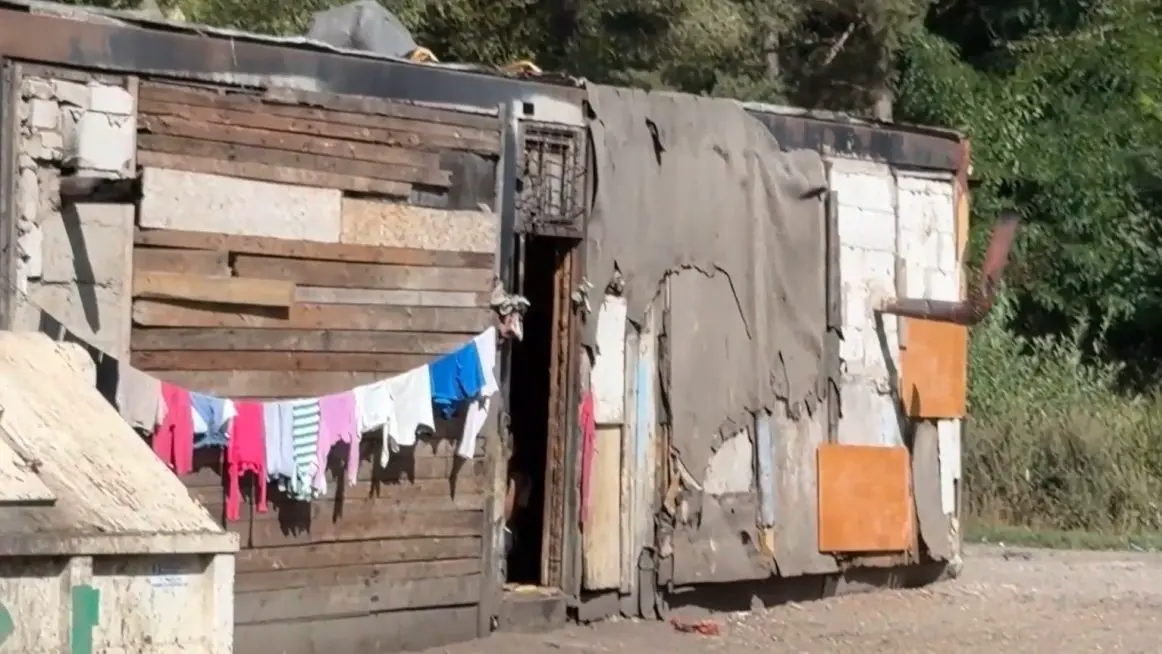
A settlement in Slovenia is increasing in size, and apparently, there are more and more illegal constructions built on agricultuyral land.

Žabjak was first legalized in 1984, when around 250 Roma lived there. Today, there are reportedly around a thousand of them, with more than 300 of them registered with the municipality and the social work center.

“Despite the seal due to illegal construction, they continue to build on agricultural land. “After the illegal renovation of the building, a Roma family has now poured concrete on a new slab to expand the building, despite the ban. The owners are exclusively recipients of social assistance. Who will take action? On which side will the Human Rights Ombudsman be this time?” was the view of the residents of one of the villages around Šentjernej echoed in public earlier this week.

Roma, History, and Discrimination

Published by:

Roma, History, and Discrimination

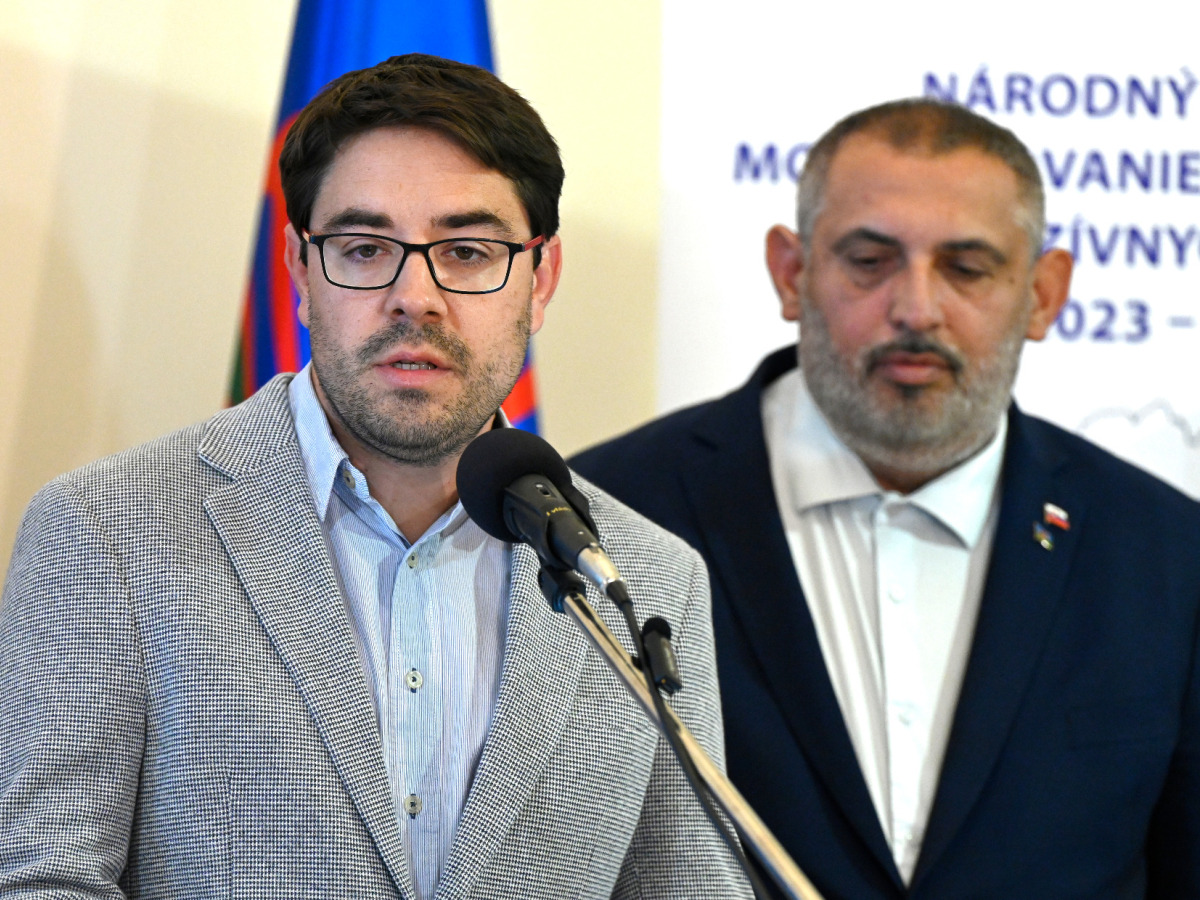
Slovak Ombudsman Róbert Dobrovodský emphasizes that even 81 years after the tragedy in Dubnica nad Váhom, Roma are not protected from all forms of discrimination.

The fate of the Roma during the Holocaust was overlooked and tabooed for decades. That is why it is an obligation to talk about these tragedies openly and without relativization. In connection with the 81st anniversary of the murder of Roma in the detention camp in Dubnica nad Váhom, the public defender of rights Róbert Dobrovodský stated this on the social network.

Roma and Czech Politics

Published by:

Roma and Czech Politics

Romani activist and founder of Ara Art association David Tišer announced at the beginning of this year that he will leave the Council of the Czech Republic because of the issues of the Romani minority. That fulfills the function of the advisory body of the state. Tišer made his decision based on the fact that he was reacting to the development of the political environment in the Czech Republic. “Okamura and Turek are not among the people I can trust, who will push the Roma issue forward,” he explains in an interview.

Roma Centre

Published by:

Roma Centre

A Roma centre built in a smal municipality in Istria is raising eyebrows. It is large, luxurious, is reported to have cost 8 million euros, all in a municipality that officially only has 9 Roma residents.

“Crime Hunters”

Published by:

“Crime Hunters”

A scary article about the Hungarian “Bűnvadászok” (Crime Hunters), a vigilante group linked to the extreme right party “Mi Hazánk” who regularly target Roma whiom they often call “parasites” in tehir social media chanels.

At least some legal proceedings have been stqarted against them …

Robert Botoš

Published by:

Robert Botoš

At the age of 54, Robert Botoš, known as Romana King Robert I, died on Sunday evening. Information about his death was published on the social network by former member of parliament and Košice city councilor Otto Brixi.

Botoš had recently been suffering from serious health problems. In early February, he underwent surgery at the East Slovak Institute of Heart and Vascular Diseases (VÚSCH). Although doctors subsequently released him for home treatment, his condition at home became more complicated.

There have been numerous articles about his death in the Slovak press.

Te avel o droma angla leste phuterdo e i phuv lokhi.

Budapest: SS Uniforms and Nazis

Published by:

Budapest: SS Uniforms and Nazis

Nazis celebrated the124th of February in Budapest in full SS uniforms. It commemorates the failed attempt by 28’000 SS and Wehrmacht troops to break out of encircled Budapest in February 1945.

Halgata

Published by:

Halgata

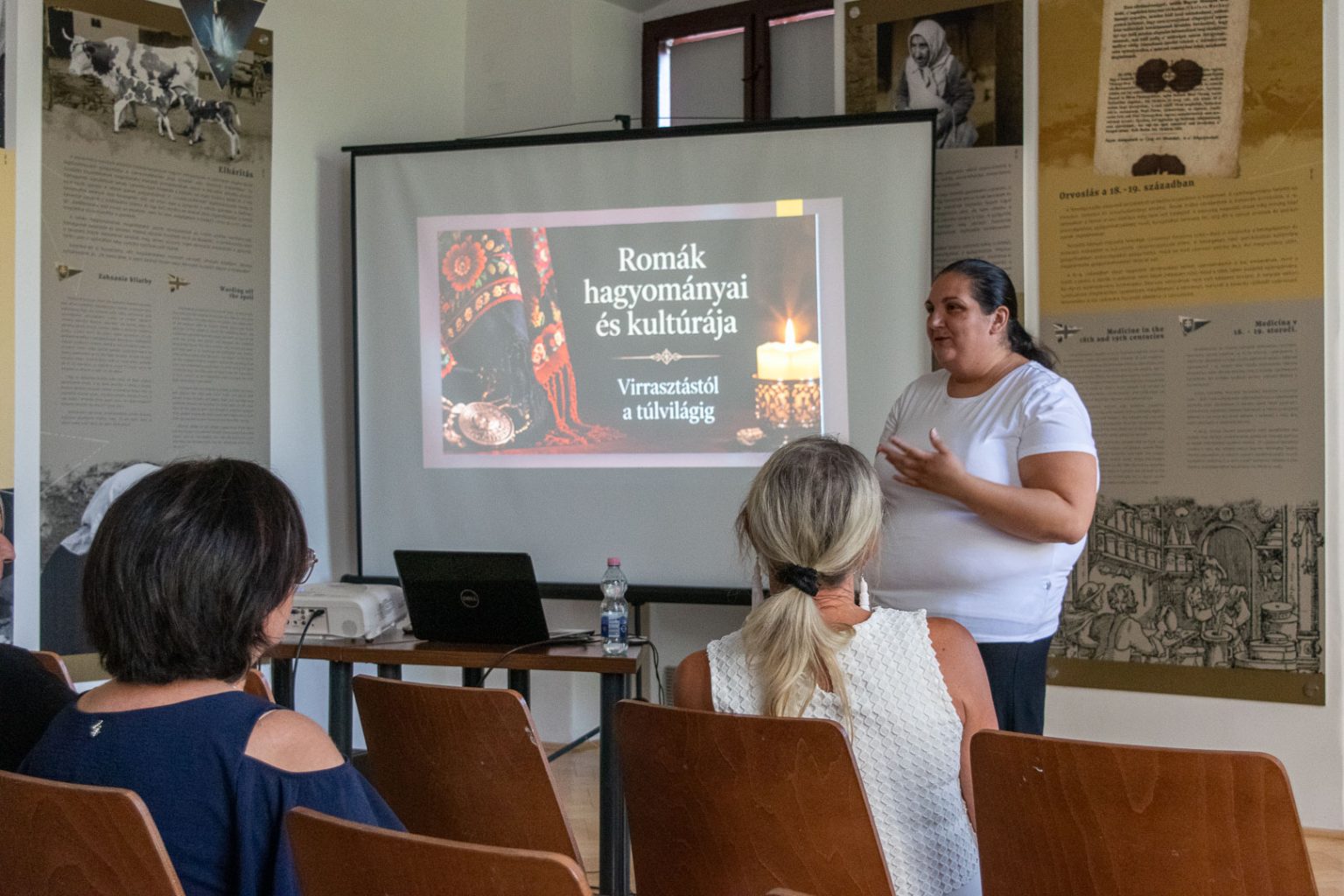
Long and sad Roma songs that sing about losses, poverty and injustices – the so-called halgáta. This musical tradition, which is passed down from generation to generation among the Roma, could gain official recognition. Dozens of people, including researchers and members of the Roma community, are trying to register halgáta on the national cultural heritage list.

rroma.org
en_GBEN