Category Archives: Romania

Alina Șerban

Published by:

Alina Șerban

Alina Șerban, acclaimed for her role in ‘Housekeeping for Beginners’, returns to the Venice Film Festival as a director and screenwriter with her debut feature ‘I Matter’, premiering on September 8.

‘I Matter’, a co-production between Romania, Germany, and Belgium, is one of eight films selected for the Spotlight section at the festival, competing for the Luigi De Laurentiis Award for Best Debut and the Audience Award.

The film tells the story of Rebeca, a Roma teenager preparing to leave a care center, highlighting underrepresented narratives in cinema about the complexities of Roma experiences and adolescence.

Integration

Published by:

Integration

Ecaterina Topor, a young Roma woman, transformed her life through education, learning three languages and becoming a qualified chef, which boosted her confidence and opened new opportunities.

After graduating, she received guidance from the National Employment Agency, leading to a successful internship and job at a local restaurant, despite facing some prejudice due to her ethnicity.

Currently employed at an international company, Ecaterina advocates for education and self-reliance, encouraging other young Roma to pursue their dreams and build their futures.

Roma in Romania

Published by:

Roma in Romania

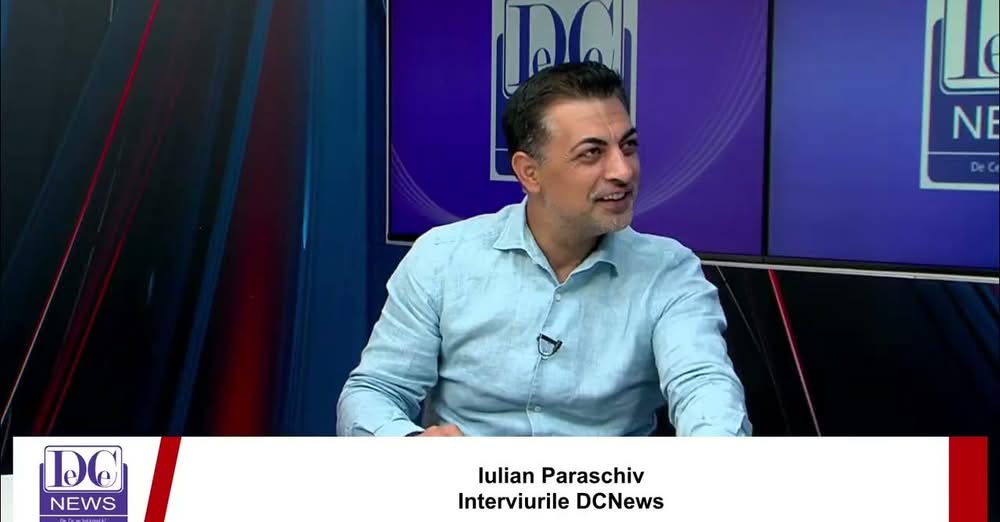
Iulian Paraschiv, president of the National Agency for Roma, stated that the Roma minority is the largest minority in Romania, although this is unofficial.

He explained that the classification is unofficial due to the lack of accurate census data on the Roma population.

The discussion highlights ongoing issues regarding the recognition and rights of the Roma community in Romania.

Clash

Published by:

Clash

A violent incident occurred on Saturday night in Tudor Vladimirescu, Romania, involving clashes between groups of Romanians and Roma, described as reminiscent of the ‘Wild West’.

According to the article, the conflict escalated after initial aggression from Roma youths towards Romanian youths, leading to a larger confrontation with local residents.

Police and ambulance services responded to the scene, with one seriously injured Roma man being airlifted to a hospital in Bucharest.

Rroma Film Festival

Published by:

Rroma Film Festival

The RROMA Film Festival will showcase short films inspired by Roma culture from September 4-6 in Brasov and Augustin, featuring a special screening of ‘Becoming Led Zeppelin.’

The festival will honour Salvador Dali and include a celebration of Roma culture with traditional music and culinary experiences.

The closing ceremony will feature the film ‘Malul Vanat’ and a tribute to a lost film about Roma communities, with free admission to all events.

Illegal Houses

Published by:

Illegal Houses

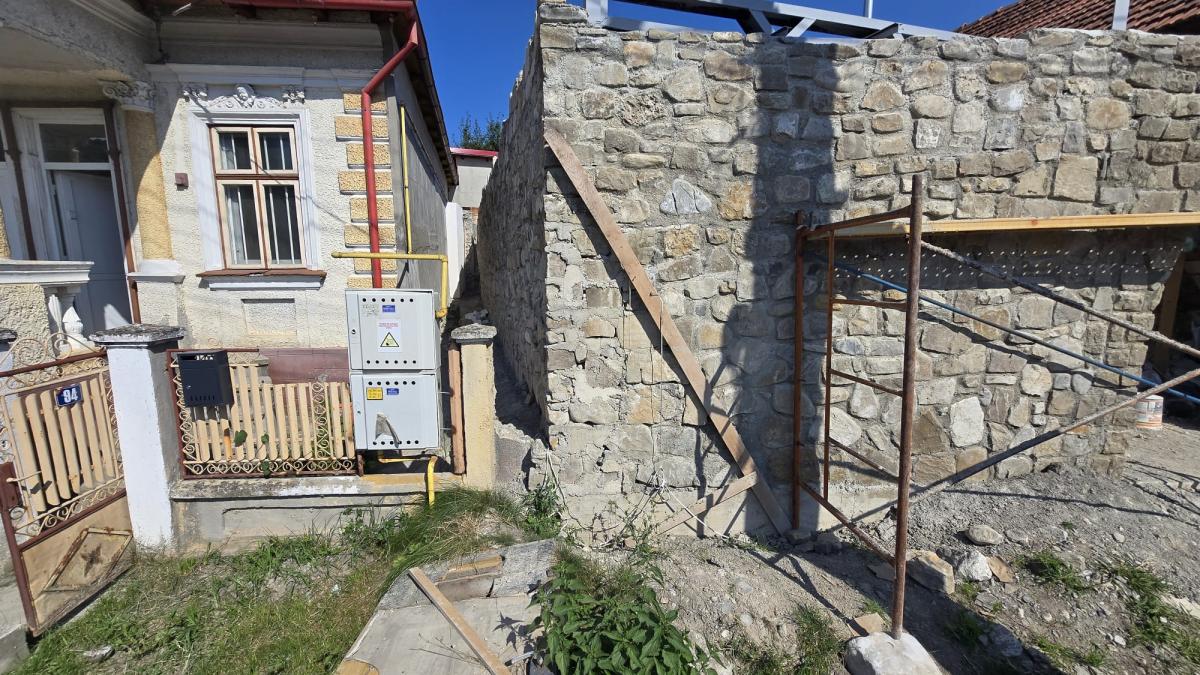
The Romanian government has amended the urban planning and construction code to allow municipalities to legalize unauthorized constructions, including those built without permits, until August 2027.

This change is seen as a political maneuver to gain favor with voters ahead of the 2028 elections, particularly benefiting mayors who have historically allowed illegal constructions in rural areas.

The new regulations raise concerns about safety and legality, as they may enable the legalization of unsafe buildings and increase the power of mayors in local governance.

Romani Culture

Published by:

Romani Culture

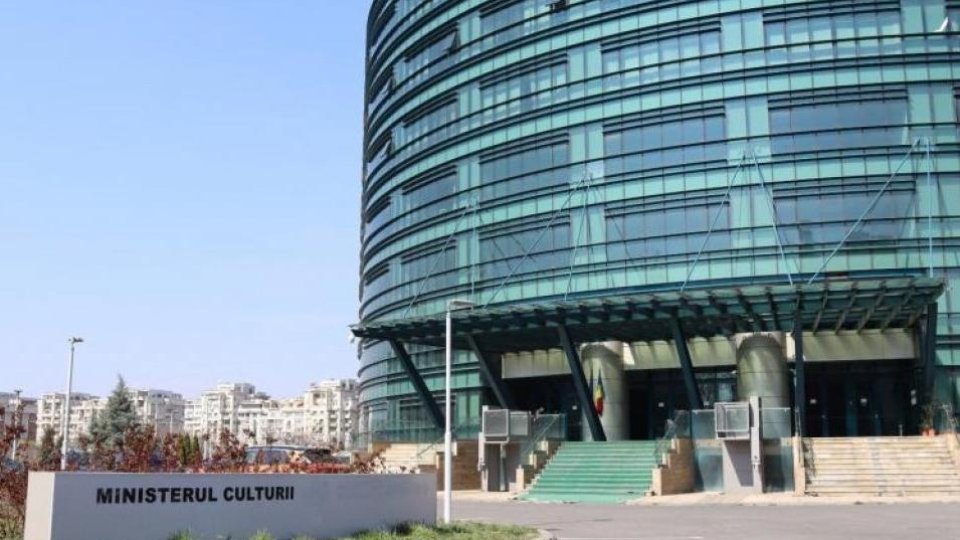
The Ministry of Culture in Romania has launched a pilot program to support and promote Roma culture, led by the Musical Theater “Ambasadorii”.

The initiative aims to involve Roma artists in theater productions and highlight their cultural contributions through workshops, conferences, and artistic development activities.

The project is seen as a step towards establishing a dedicated public institution for Roma performances by 2027, although immediate establishment is hindered by financial and administrative constraints.

Corruption?

Published by:

Corruption?

The article discusses the alleged corruption and mismanagement within the Romani Party in Vaslui, Romania, highlighting the lack of progress in integrating the Romani community despite significant funding over the years.

Activist Valeriu Nicolae criticizes the leadership of the Romani Party, describing it as corrupt and ineffective, and emphasizes that the Romani people are the ones suffering from this corruption.

The article also details a recent scandal involving the Romani Party’s leadership, leading to the suspension of its local structures and the dismissal of key figures due to allegations of misconduct and financial mismanagement.

You Don’t Belong Here

Published by:

You Don’t Belong Here

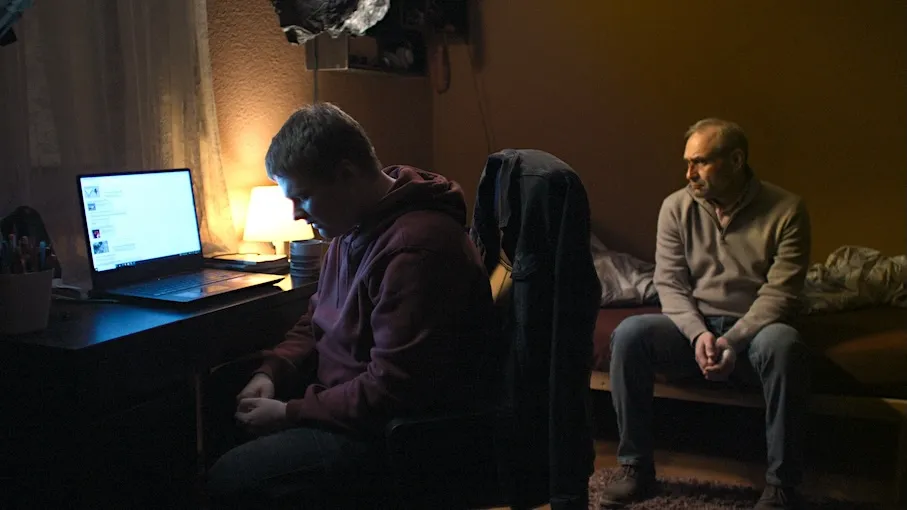
“You Don’t Belong Here” won the Golden Leopard for Best Film at the Locarno Film Festival, presenting a moral drama set in small-town Romania, exploring themes of family crisis and societal issues.

The film follows Marius, a surgeon, and his son Ioan, who becomes involved in a violent incident involving racist youths targeting Roma families, leading to a confrontation that impacts their lives.

The narrative examines the complexities of father-son relationships, masculinity, and social violence, using a restrained cinematic style to provoke reflection on personal and societal responsibilities.

Romnja in Romania

Published by:

Romnja in Romania

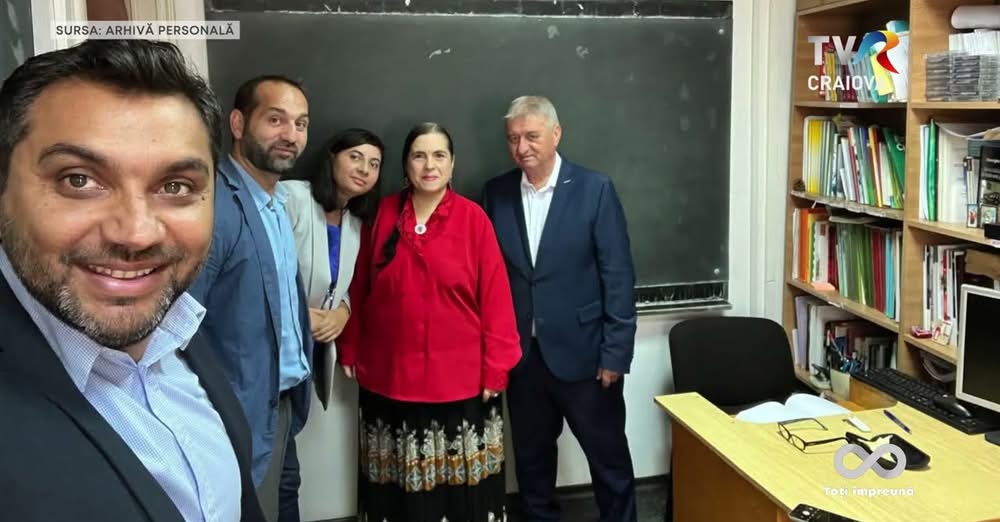
In modern society, the Roma woman represents the central pillar of the family. They are the one who assume multiple roles… wife, mother, grandmother, and for some time now also the role of a perfect professional. At “Roma for Oltenia” we will talk to Ms. Assoc. Prof. Dr. Delia Grigore about the Roma woman and her skills in various fields of activity.

Ambulance Attack

Published by:

Ambulance Attack

A violent attack on an ambulance in Cluj County was fueled by false information claiming the crew was kidnapping children, highlighting the dangers of misinformation and distrust in institutions, according to sociologist Gelu Duminică.

Duminică warns that reducing the incident to ethnic identity misses the real issues of fear, precariousness, and the spread of false information, which can manipulate vulnerable populations.

The mayor of Recea-Cristur expressed surprise at the attack, emphasizing the need for social media platforms to take action against the spread of false news that contributed to the incident.

Attack

Published by:

Attack

A serious incident occurred in Recea Cristur, Romania, where an ambulance was attacked by a group of individuals using axes, bats, and stones, injuring the driver severely.

The mayor expressed surprise at the attack, noting that there had been no previous issues in the local Roma community, and emphasized the need for police accountability.

Three young men have been detained for 24 hours in connection with the attack, facing charges related to violence and public disorder.

The Borat Village

Published by:

The Borat Village

The village of Glod in Romania, known for its portrayal in Sacha Baron Cohen’s parody documentary about Kazakhstan, still remembers the dubious production methods and betrayals from that time.

The article describes the lives of Andrei and his grandfather Neamu, who live in this Roma community, reflecting on their history.

The village’s name, Glod, translates to ‘mud’, symbolizing its humble beginnings and the contrast with the nearby city.

Čingar

Published by:

Čingar

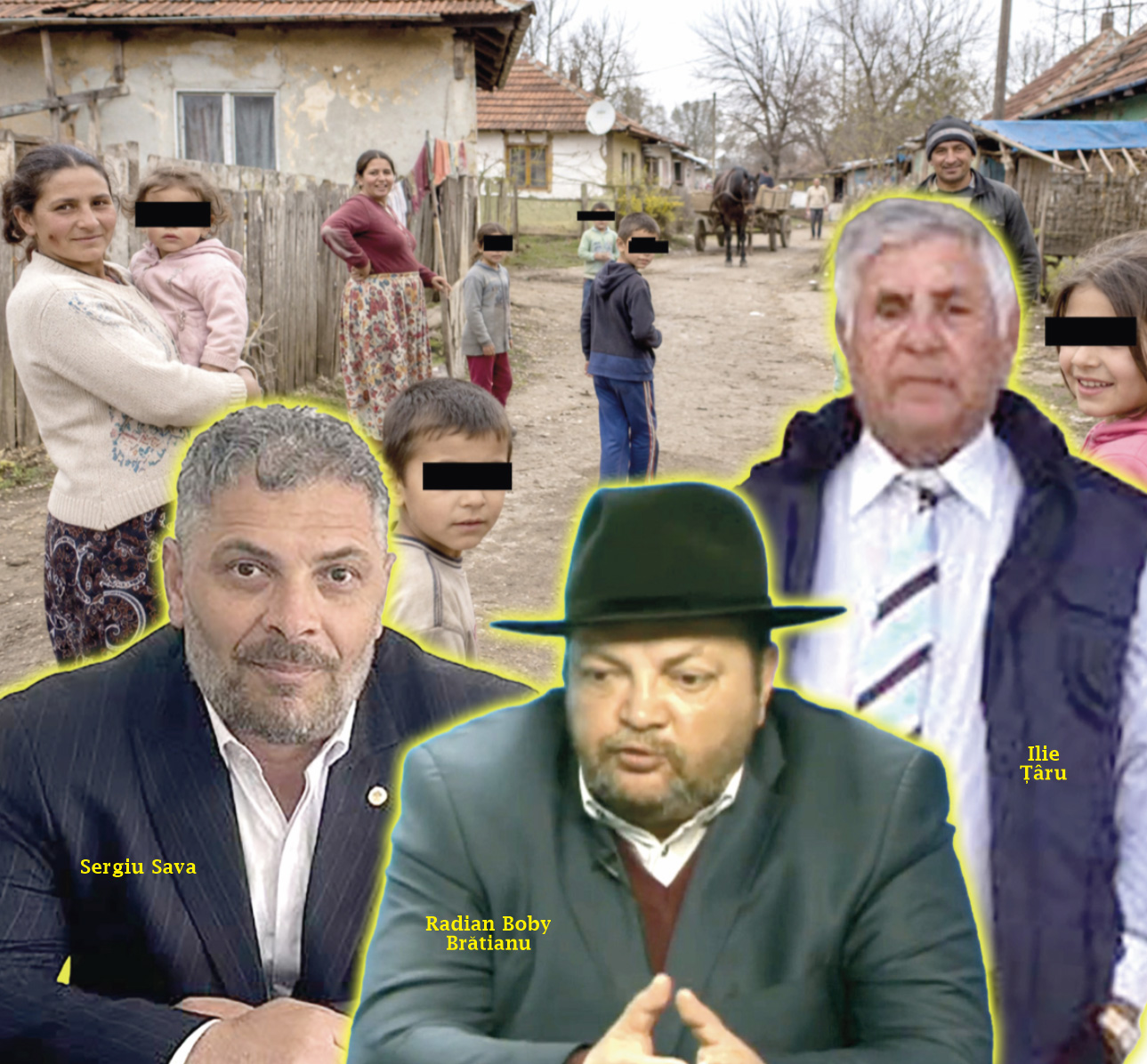
The scandal surrounding former Roma organization leader Sergiu Sava has led to calls for a complete restructuring of leadership within the community, as many believe the organization has not served their interests for years.

Community members allege that leadership positions have been filled through favoritism and corruption, with claims of bribes and lack of accountability for financial mismanagement.

There is a strong demand for educated leaders who can effectively represent the Roma community and address their needs, as the current leadership is criticized for being unqualified and disconnected from the community’s issues.

Romanian Relocation

Published by:

Romanian Relocation

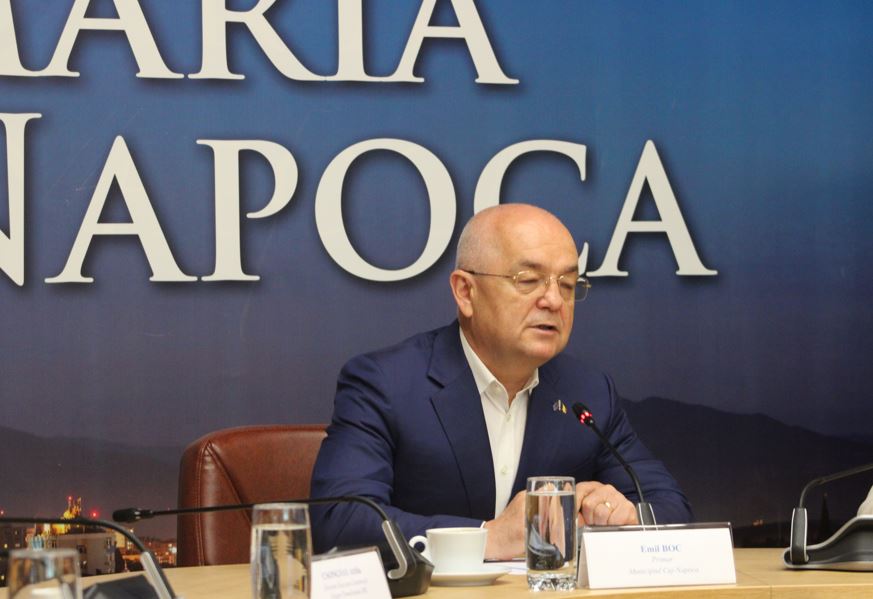
Emil Boc, the mayor of Cluj, emphasized that the integration of families relocated from the Pata Rât area is progressing well, with over 100 families already housed in rented accommodations, and no issues reported regarding unpaid bills.

The city is committed to social housing projects and support programs, including financial assistance for rent, aimed at vulnerable populations, particularly those from the Pata Rât area.

Boc rejected claims of integration challenges, asserting that the process is ongoing and supported by various funding sources, and highlighted the importance of work and education for successful integration.

Affirmative Action

Published by:

Affirmative Action

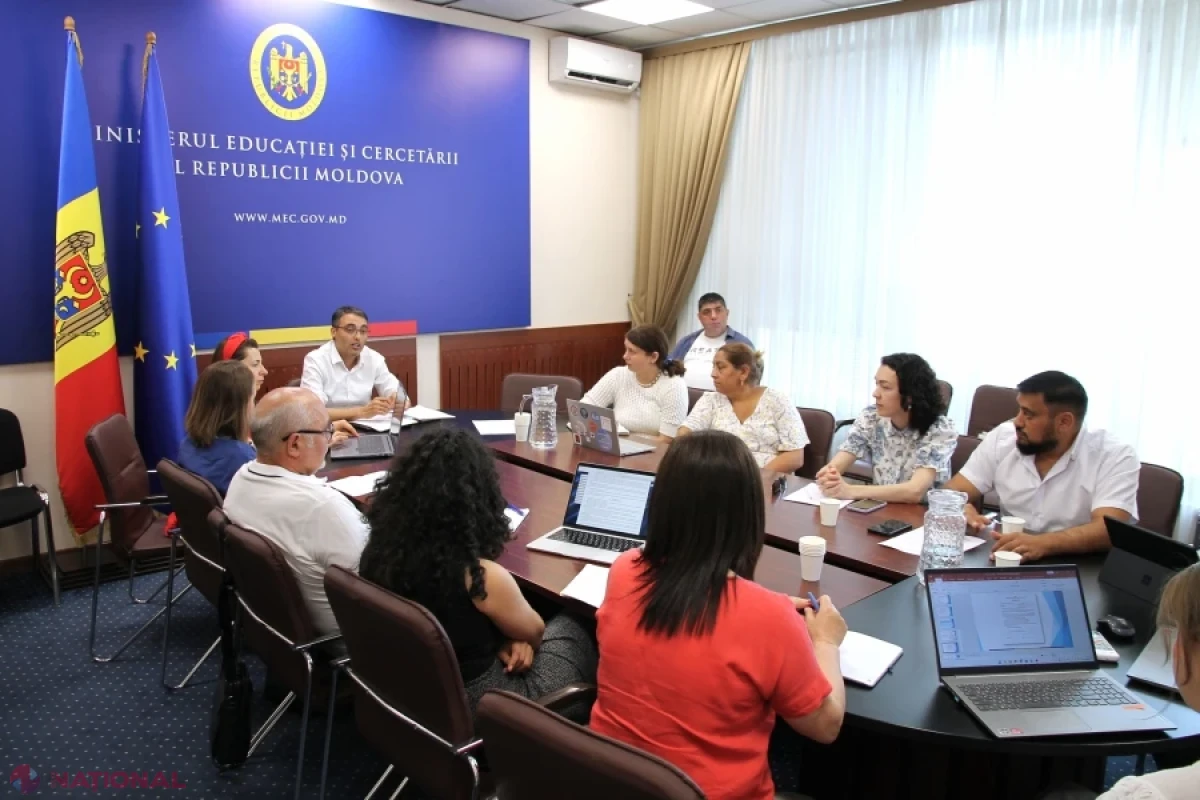
The Romanian Ministry of Education discussed the expansion of affirmative measures for Roma students and clarified the role of a mechanism to confirm Roma ethnicity during consultations with various stakeholders.

Approved measures for the 2026-2027 academic year include guaranteed places in primary, secondary, and higher education, as well as scholarships and a mechanism for confirming eligibility based on ethnicity.

The confirmation mechanism is voluntary and aims to ensure that affirmative measures reach the intended beneficiaries, with the document being issued by Roma community organizations or local authorities.

Cluj Project

Published by:

Cluj Project

The article discusses a social experiment initiated by Cluj’s mayor, Emil Boc, involving the distribution of apartments to low-income Roma families, funded by Norwegian grants which the author dismissively qualifies as ‘Soros-Type’ grants.

Critics argue that this initiative is ineffective and raises questions about the financial sustainability and integration of these families into the community, especially given the high cost of living in Cluj.

The author expresses concerns about potential discrimination against other disadvantaged groups in Cluj, suggesting that the focus on Roma families overlooks the needs of other citizens struggling with housing and financial issues.

Slavery

Published by:

Slavery

The article discusses the historical and contemporary devaluation of Roma lives, highlighting a 1852 advertisement for the sale of Roma slaves in Romania.

It explores the etymology of terms used for Romani people, noting the negative connotations associated with the word “Gypsy” and its implications of being marginalized and dehumanized.

The author reflects on societal attitudes towards Romani people, exemplified by the recent police killing of a young Romani man, emphasizing ongoing discrimination and violence against this community.

Unemployment in Romania

Published by:

Unemployment in Romania

In the first months of the year, 44 Roma were employed through the National Agency for Employment (ANOFM), highlighting the challenges faced by this ethnic group in the job market.

A total of over 14,000 people were hired, with vulnerable groups, including 242 individuals with disabilities, making up a small percentage of the total.

Discrimination and social barriers are significant obstacles for Roma individuals seeking employment, as noted by a young Roma woman, Ecaterina Pitula.

High School in Romania

Published by:

High School in Romania

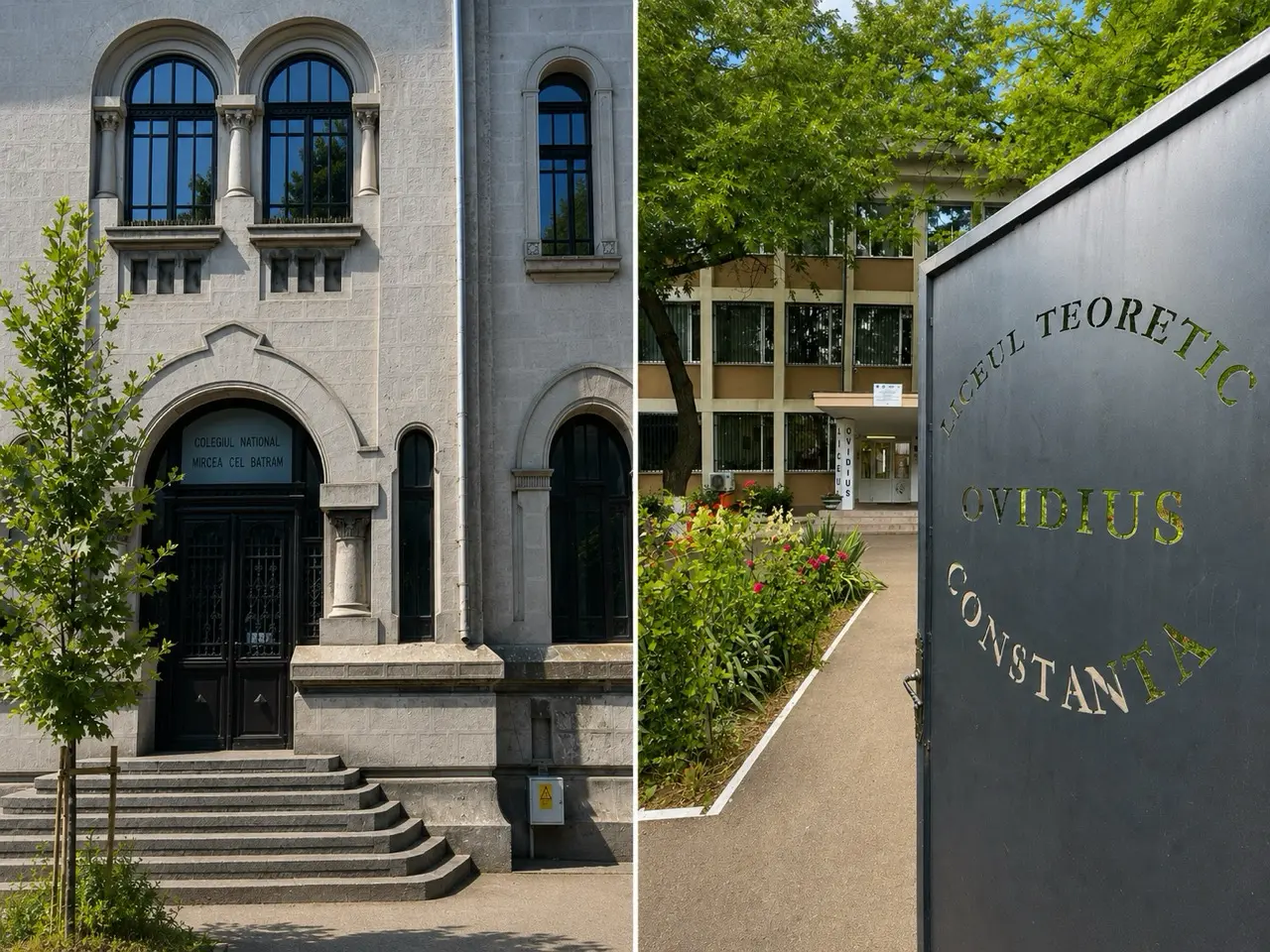
The admission process for high schools in Constanța for 2026 shows significant differences in average grades between general placements and special placements for Roma candidates and students with special educational needs (SEN).

Some of the most sought-after high schools admitted Roma candidates with averages below 6, with the lowest being 5.12 at Liceul Ovidius, while the lowest national evaluation scores were much higher.

A total of 17 candidates from these special categories were not placed, with the lowest average for Roma candidates being 1.90 and for SEN candidates being 1.35, indicating challenges in accessing education for these vulnerable groups.

rroma.org
en_GBEN