Category Archives: Serbia

Roma Minority in Serbia

Published by:

Roma Minority in Serbia

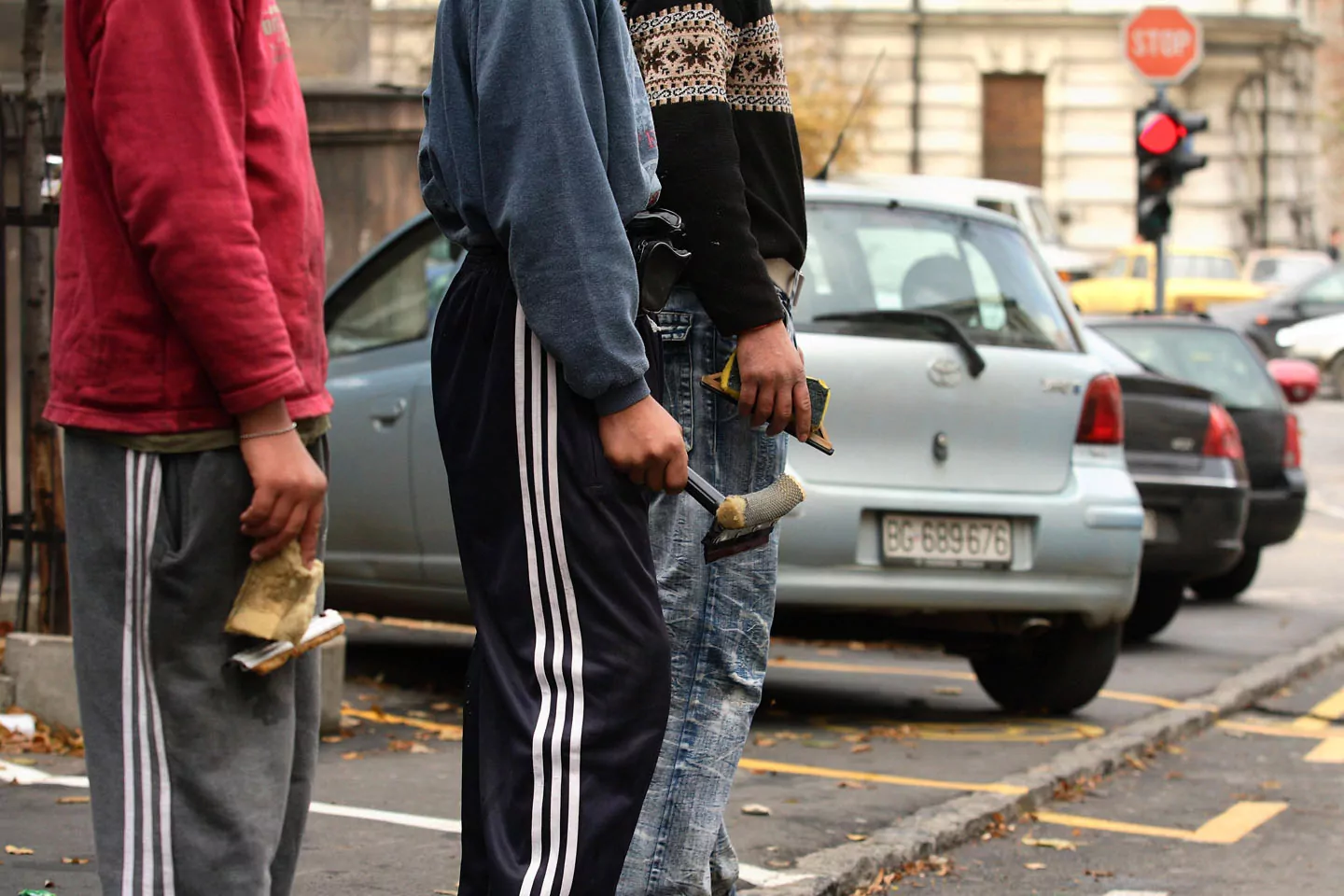
Roma are officially the third largest minority in Serbia, yet they face significant challenges in their daily lives.

In recent decades, there has been a gradual improvement in their social standing, with efforts to move away from marginalization.

Young graphic designer Veselj Saliji exemplifies this progress through his award-winning work, showcasing the potential and talent within the Roma community.

Young Roma in Serbia

Published by:

Young Roma in Serbia

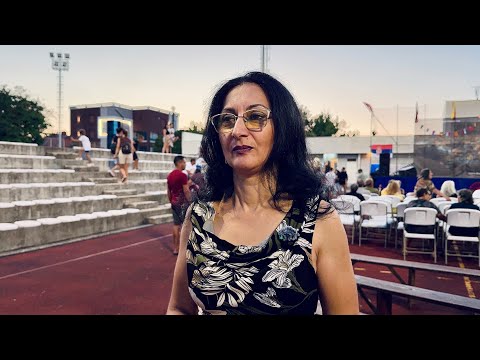
Salih Saitović, president of the Democratic Union of Roma, discussed the challenges faced by young Roma in Vranje, emphasizing the lack of equal opportunities rather than a lack of will or potential among the youth.

UNDP, World Bank, and European Commission data reveal that only 27% of young Roma aged 18-24 are engaged in education, employment, or training, compared to 58% of their non-Roma peers, with young Romnja facing even greater challenges.

Saitović calls for increased investment in education, training programs, and employment support for young Roma, stressing the importance of providing equal opportunities to prevent losing a generation of potential contributors to society.

Hate Speech in Serbia

Published by:

Hate Speech in Serbia

Srđan Šajn, president of the Roma Party, condemned a graffiti in Obrovac that read “Roms, be afraid,” calling it an open incitement of hate and discrimination against the Roma community. He criticized Roma officials from the ruling Serbian Progressive Party for using the incident for political propaganda instead of condemning hate speech and protecting Roma interests.

Šajn highlighted the government’s weak response to anti-Roma incidents, suggesting that the graffiti reflects a broader atmosphere of intolerance and extremism fostered by the authorities and their allies in the media.

Slobodan Lala Berberski

Published by:

Slobodan Lala Berberski

A festival is now celebrating him. Slobodan Lala Berberski was born on October 20, 1919 in Bečkerek, today’s Zrenjanin, where he completed elementary and high school. He began studying law, but as a member of the Communist Youth League of Yugoslavia, he was arrested in 1941. In 1941, he joined the People’s Liberation War of the people of Yugoslavia. He was a Romani writer and the first president of the World Roma Organization bweing elected as the first president of the World Roma Organization in the famous 1971 london meeting.

Reactions to the Roma “Thieves”

Published by:

Reactions to the Roma “Thieves”

Following the statements of the editor of the Serbian TV and paper “Informer”, Dragan J. Vučićević, who stated that trains stopped on Saturday because “Roma blockaders” stole copper cables, Roma representatives reacted.

The Democratic Union of Roma Strongly Condemns the Shameful and Offensive Statements Linking the Roma People to Crime and Copper Theft, Made in Public by Dragan J. Vučićević and Media Under His Control.

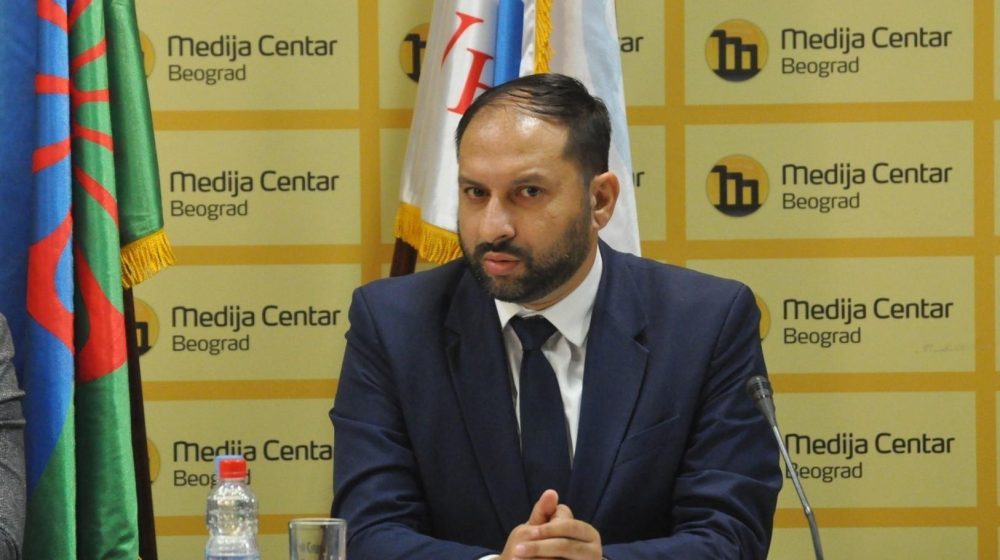
The President of the Democratic Union of Roma, Salih Saitović, stated that it is unacceptable that in the 21st century, an entire people is collectively insulted, humiliated and targeted for the sake of political showdowns and raising tensions in society.

The Roma Party has demanded an investigation into the responsibility of Informer TV editor Dragan J. Vučićević for hate speech and announced that, if no one reacts, it will internationalize the Roma issue in Serbia.

Roma “Thieves”

Published by:

Roma “Thieves”

The editor of the Serbian TV and paper “Informer”, Dragan J. Vučićević, stated that trains stopped on Saturday because “Roma blockaders” stole copper cables created a few heated reactions. Roma representatives were aghast (see our other post).

But the Serbian Information Minister Boris Bratina is defending Dragan J. Vučićević and Informer, a paper that was banned two days ago in Montenegro for promoting hate speech and denying the national identity of Montenegrins.

Žarko Jovanović – musician and Roma activist

Published by:

Žarko Jovanović – musician and Roma activist

In the weekly Sveta Roma, they talk about Žarko Jovanović Jagdin – a Roma musician, composer and activist who left his mark on the history of the Roma.

May he rest in peace.

Romanes in Serbia

Published by:

Romanes in Serbia

Teaching Romanes with cultural elements is one of the key mechanisms for preserving the identity of the Roma community in Serbia, but also an important instrument for strengthening intercultural dialogue and tolerance in modern society. Through the educational system, this subject goes beyond the framework of mere language acquisition and becomes a space in which students develop awareness of their own origins, history and cultural heritage.

Tambura

Published by:

Tambura

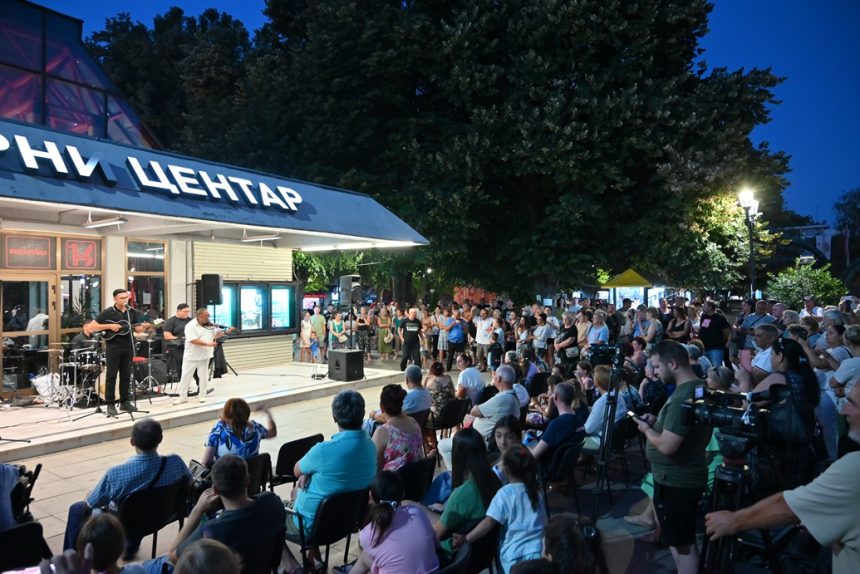
In Slankame, Serbia, Bratislava Braco Nikolić created and leads his tambura orchestra, which has become the trademark of this place.

In just three years, Braca has managed to bring together children of different ages, and help them gain a beautiful experience of orchestral music making, which, he says, is an illustration of life – everyone strives for individual improvement, but when they combine knowledge and sensitivity, it becomes a new experience for everyone.

Romanes and Schools

Published by:

Romanes and Schools

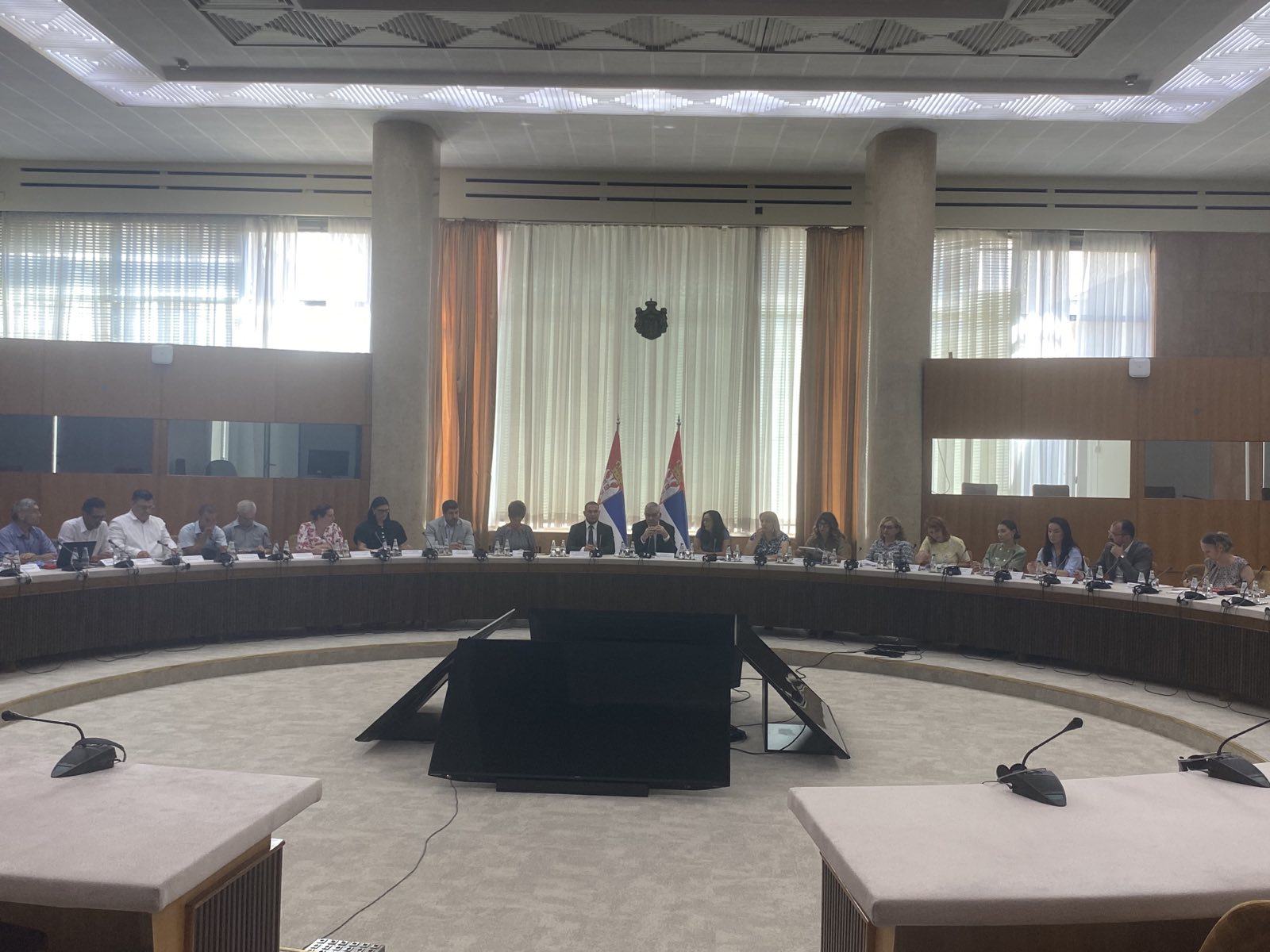
A discussion was held in Belgrade about improving Romani language teaching, with a special focus on the position of teachers, greater student coverage and the need to introduce long-term, systemic solutions into the Serbian education system.

Lolita Cercel

Published by:

Lolita Cercel

Lolita Cercel, created virtually with the help of artificial intelligence, is a star in Romania and beyond. Her genre, “Balkan trip-hop”, combines traditional Roma melodies with modern pop, dance and electronic rhythms and has long since become part of the mainstream music scene. But, in addition to fame, she is also the target of critics. “The instrumentalization of Roma culture”, someone called her. According to critics, while real Roma artists are often underestimated, a “virtual, racially charged and dehumanized Roma identity” is suddenly gaining ground.

April 8th – Serbia

Published by:

April 8th – Serbia

Some of the activities and articles about April 8th in Serbia.

Serbia and Child Marriage

Published by:

Serbia and Child Marriage

A round table presented the results of the analysis of the project “Roma Women’s Activism in the Protection of Roma Girls from Violence Caused by Child Marriages”, which aims to reduce the rate of child marriages among the Roma population, and the 10 cities covered by the project, including Vranje, which has the highest rate of child marriages.

Serbian Elections and Vučić

Published by:

Serbian Elections and Vučić

The DW article had repercussions: Accusations of vote buying, new registration of voters, and also, Roma Sherifs (sic.) who promised Vučić that 90% pf the Roma will vote for his list.

Bad.

Serbian Elections and Roma

Published by:

Serbian Elections and Roma

A reportage by Deutsche Welle ahead of the local elections in ten municipalities in Serbia. The DW team was in one of them, in Bor, where there is a lot of talk about the bought votes of local Roma and a sudden increase in the population before the elections.

Promises are made to Roma before those elections, promises seldom held …

Romanes

Published by:

Romanes

How to strengthen the Romani language among young people? The guest of the show is Luan Coco, manager of the Centre for Education of Roma and Ethnic Communities, who talks about how to preserve the Romani language, encourage young people to use it and why it is important for it to remain a living part of everyday life and the community.

Roma Inclusion

Published by:

Roma Inclusion

Students from the sixth to eighth grades of the “22. oktobar” Elementary School from Bački Monoštor, who attend the elective subject Romani language with elements of national culture, visited the Roma Inclusion Office in Novi Sad.

Accompanied by teacher Ivan Petrović, during this educational visit the students had the opportunity to learn firsthand about the work of this institution and the activities carried out to improve the position of the Roma community.

Serbian Settlements

Published by:

Serbian Settlements

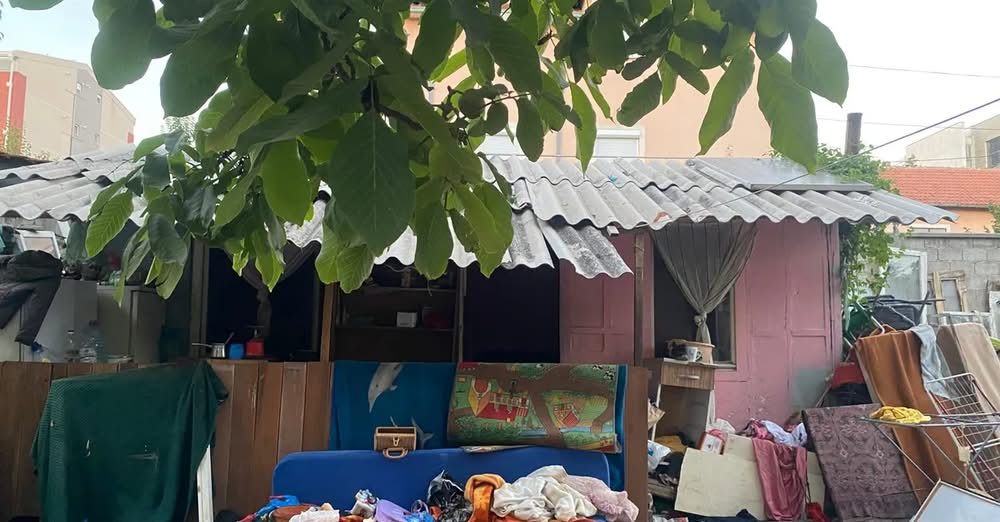
Representatives of the National Council of the Serbian Roma National Minority visited the Roma settlement “Sever” in Bor in Eastern Serbia, where about 50 families live in very difficult socio-economic conditions.

The settlements “Sever” and “Brezonik” are located in the immediate vicinity of a mine, and the residents mainly live in old and dilapidated buildings that do not meet the basic requirements for a dignified life.

Jovan Živadinović

Published by:

Jovan Živadinović

Jovan Živadinović, a Roma singer and songwriter from Serbia, debuted with the single Sve je isto in July 2021. A year after his first album, he participated in the Eurovision Song Contest 2023 with the song Greh, which led him to the final of the competition.

The second album brings a sonic blend of modern electro pop, club aesthetics and the discreet sensibility of soul and rhythm and blues. Through 19 tracks, the album follows a path of self-exploration, emotional conflicts and attempts to understand one’s own identity, from a short introductory confession by Džipsii’s mother to the final track “Kuda”.

Roma and Politics

Published by:

Roma and Politics

The Roma community in Serbia, which is estimated to number between 400,000 and 500,000 people, continues to face numerous challenges when it comes to political representation and real influence in public life. Although there are formal mechanisms for Roma political participation, many experts and activists believe that their political power is still limited.

In Serbia, Roma have certain institutional mechanisms for political action. One of the key ones is the National Council of the Roma National Minority, which represents the central institution of the Roma community in the areas of education, culture, information and official use of the language.

Well, those mechanisms have little influence, and can be called alibi excercises.

rroma.org
en_GBEN