Category Archives: Slovakia

Slovakia and Roma

Published by:

Slovakia and Roma

There are approximately 450,000 Roma living in Slovakia, yet we often know little about their everyday experiences. Discussions about Roma communities are often full of stereotypes, emotions, and simplifications that obscure the complex reality of the life of the Roma minority. This new episode of the SAS Scientific Podcast, welcomed social psychologist Barbara Lášticová from the Institute of Social Communication Research of the SAS, v. v. i., and anthropologist Andrej Belák from the Institute of Ethnology and Social Anthropology of the SAS, v. v. i. In an interview with Peter Boháč, they talk about anti-Roma racism, the everyday experiences of Roma in Slovakia, and why the integration of Roma communities is so difficult.

The Church and Roma

Published by:

The Church and Roma

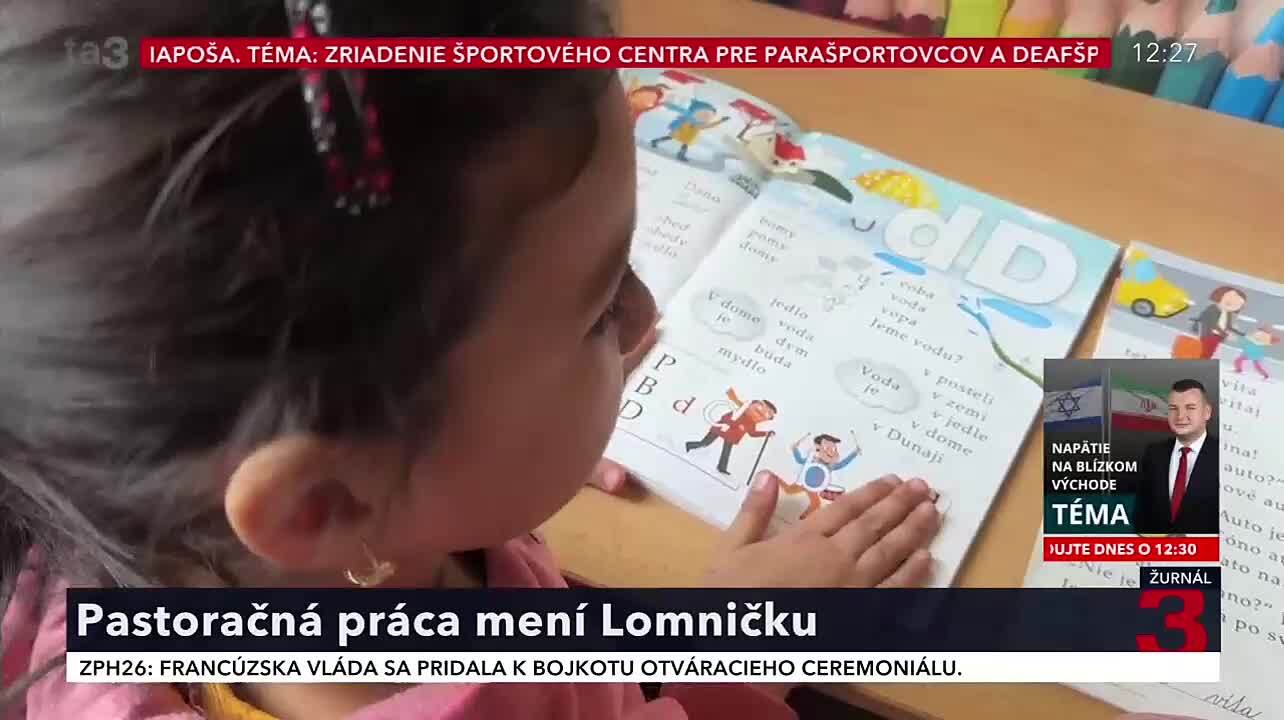
The village of Lomnička in the Stará Ľubovňa district will probably make it into the news. The church works with the Roma community there to a significant extent. It achieves almost miraculous results.

Over 90 percent of Roma live in Lomnička, which is one of the highest proportions in Slovakia. A thousand children attend the local school. The two-shift operation here will not be eliminated anytime soon. Many residents of Lomnička live below the poverty line. The church often helps them. The local priest is also a teacher, a construction worker and has a tractor driving license. “When necessary, he will build a road. He also built a playground. He does everything for us,” says Lomnička resident Karol Mirga.

Roma Mayors

Published by:

Roma Mayors

On March 5, Roma mayors and representatives of third sector organizations from the Slovak Gemer region met in the village of Barca in the Rimavská Sobota district. The aim of the meeting was to renew the cooperation that had worked in the region in the past, and to create a common platform for solving current problems and supporting the further development of the region.

EU Help

Published by:

EU Help

A very critical report on the current office of the plenipotentiary for Roma communities and on how they use the rather large funds (ca. 200 Mio euros) received from the EU for the integration of Roma communities. It contrasts this current era with the work that was done by previous plenipotentiaries.

Roma, History, and Discrimination

Published by:

Roma, History, and Discrimination

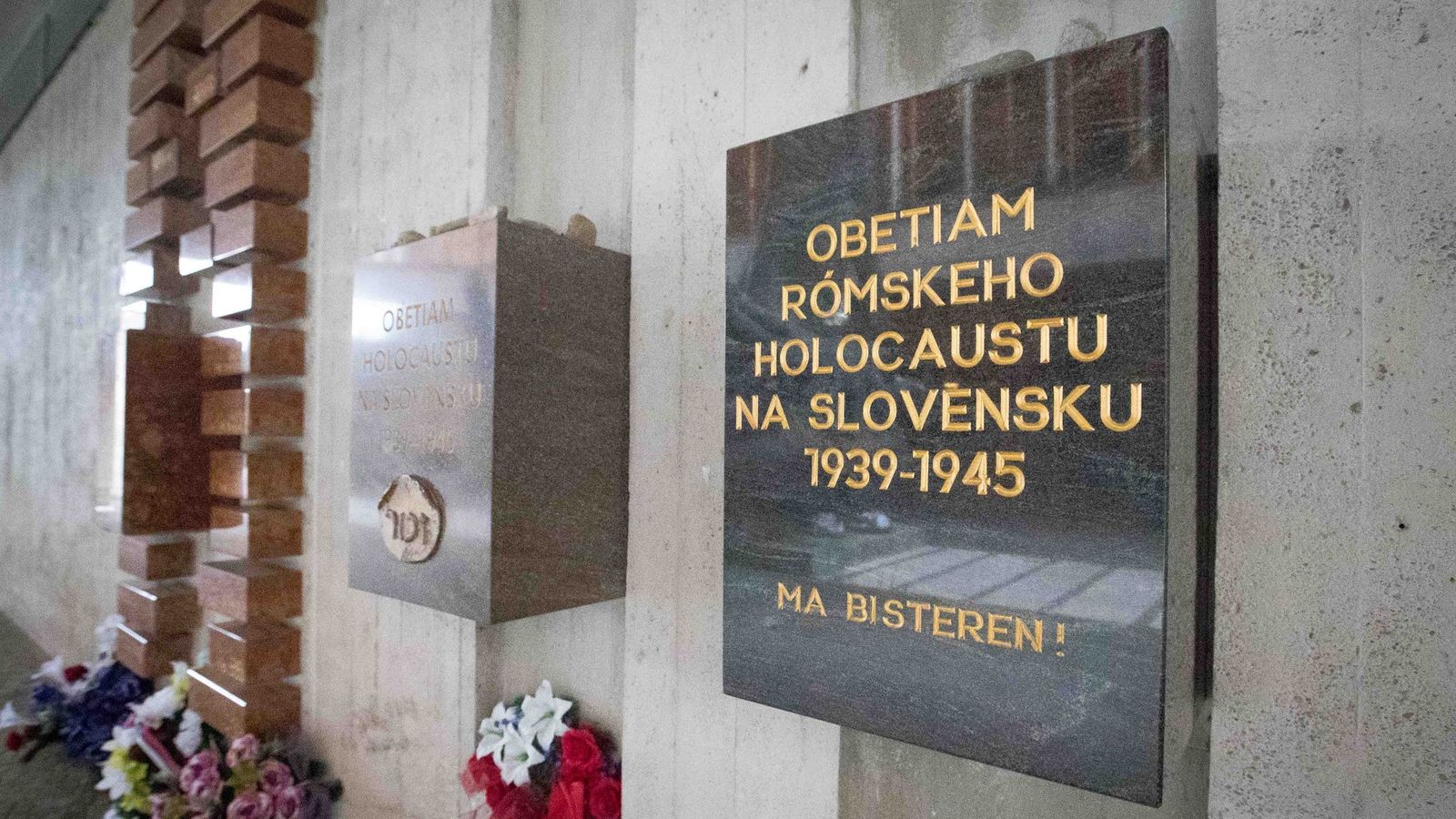
Slovak Ombudsman Róbert Dobrovodský emphasizes that even 81 years after the tragedy in Dubnica nad Váhom, Roma are not protected from all forms of discrimination.

The fate of the Roma during the Holocaust was overlooked and tabooed for decades. That is why it is an obligation to talk about these tragedies openly and without relativization. In connection with the 81st anniversary of the murder of Roma in the detention camp in Dubnica nad Váhom, the public defender of rights Róbert Dobrovodský stated this on the social network.

Robert Botoš

Published by:

Robert Botoš

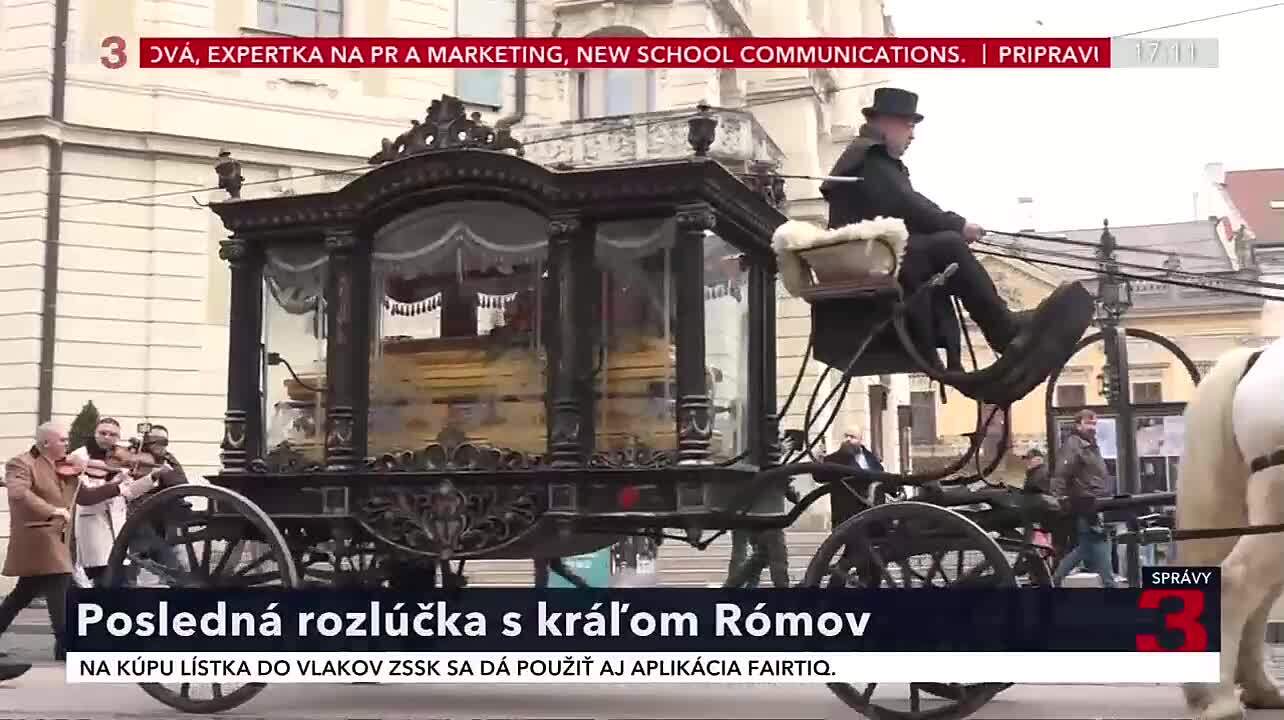
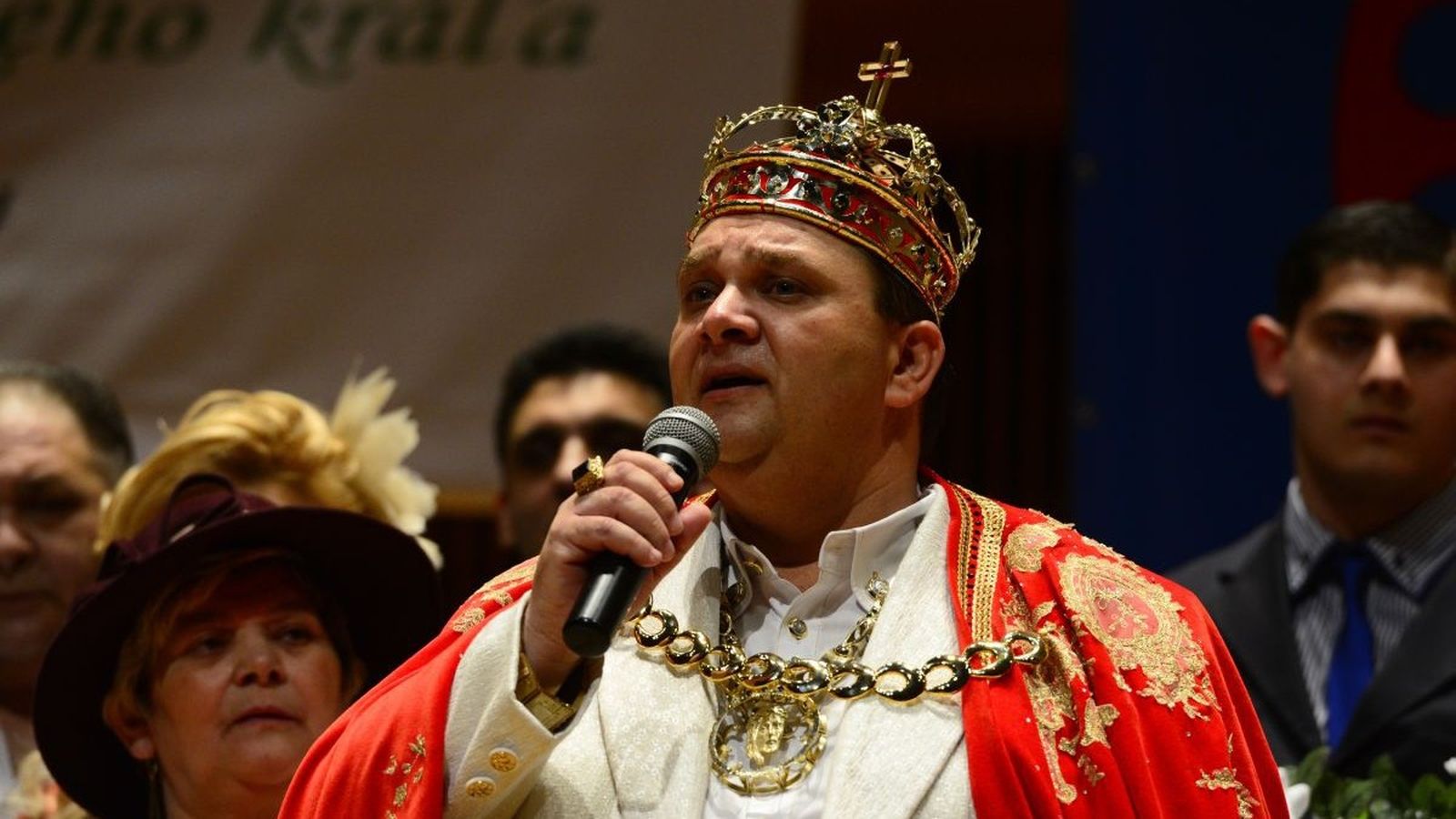
At the age of 54, Robert Botoš, known as Romana King Robert I, died on Sunday evening. Information about his death was published on the social network by former member of parliament and Košice city councilor Otto Brixi.

Botoš had recently been suffering from serious health problems. In early February, he underwent surgery at the East Slovak Institute of Heart and Vascular Diseases (VÚSCH). Although doctors subsequently released him for home treatment, his condition at home became more complicated.

There have been numerous articles about his death in the Slovak press.

Te avel o droma angla leste phuterdo e i phuv lokhi.

Slovakia: Attacks

Published by:

Slovakia: Attacks

According to the article, fear prevails in Zlaté Moravce, Slovakia. Residents have been warning for months about aggressive groups of local Roma youth who are said to attack people without warning. Just a few days ago, they brutally beat a pensioner (66). Last year, a man († 39) died there after a brutal attack.

Bad.

Roma and Social Care

Published by:

Roma and Social Care

A good article on Roma in Slovakia. They say:

The Roma issue is not a question of ethnic “cause”, but of social barriers and poverty. Improving living standards, access to education and job opportunities is possible.

Common myths about the Roma, that the majority live in settlements or shantytowns, do not want to work, get an education or have an “innate” tendency towards crime or maladjustment, are wrong. This is confirmed by all relevant facts, research, but often also by common sense.

Slovakia: New Housing

Published by:

Slovakia: New Housing

In early February, the Office of the Plenipotentiary of the Government of the Slovak Republic for Roma Communities approved three more projects aimed at improving housing in municipalities included in the Atlas of Roma Communities, totaling over 6.6 million euros. The investments are directed to Rudny, Chminianske Jakubovy and Gemerská Hôrka, where new or renovated housing is to help almost three hundred residents.

Slovakia Roma Program

Published by:

Slovakia Roma Program

People are protesting against the proposed governmental Roma proram, to which 17 mio. Euros are allocated.

Former MEP Peter Pollák Sr. pointed out that after conversion, the project comes out to approximately 85 thousand euros per participant, while the result is only a certificate without real benefits. He says that up to nine million euros are to be directed to project management and trainers. He also criticizes the method of preparing the project, which, according to him, was created without expert discussion, involvement of local governments and people from the field.

Janos Lazar – Slovak View

Published by:

Janos Lazar – Slovak View

Two articles in the Slovak press about the Hungarian Constrcion and Transport Minister Janos Lazar comment that Roma are good at cleaning “shitty train toilets.”

These articles stress the discrimination faced by Roma in Hungary.

Slovakia and Roma

Published by:

Slovakia and Roma

The Association of Municipalities and Cities of Slovakia (ZMOS)  and the Freedom and Solidarity party (SaS)  reject the National Employment Project for 17 million euros. This is a government project aimed at marginalized Roma communities. Both ZMOS and SaS believe that it is too much money considering how many people this project will employ.

The project is to be implemented in 140 municipalities and employ 200 members of Roma communities over 30 months, who will complete 39 hours of training in soft skills during these 30 months.

This would amount to almost 3’000 euros per employed person per month. Way over the average salaries in Slovakia.

Slovakia and Social Benefits

Published by:

Slovakia and Social Benefits

“They live on benefits.” A statement that has been repeated in Slovakia for years. Most people associate it with poor people and especially Roma communities. Almost always, when the living standards of the majority population deteriorate, this sentence becomes a shorthand description of the social system in political debates and on social networks.

This is a myth. “When people talk about the social system, they usually mean benefits for the unemployed. However, they forget that the largest part of it is pensions and healthcare,” pointed out Viliam Páleník, a researcher at the Institute of Economics of the Slovak Academy of Sciences and president of the Employment Institute.

Slovakia and Hate Crimes

Published by:

Slovakia and Hate Crimes

The Roma Union in Slovakia rejects the amendment to the Criminal Code from the coalition SNS, which reduces penalties for extremist crimes. It argues that it gives a “green light to fascists”. It calls on the proposers to withdraw it from the National Council (NR) of the Slovak Republic.

They are right

Milena Hübschmanova

Published by:

Milena Hübschmanova

A radio show in Serbia presenting the work of the prominent Czech linguist and ethnographer Milena Hübschmanova, a pioneer in the research of the Romani language and culture. She was among the first to lay the foundations of Romani studies in the then Czechoslovakia and one of the few who dedicated her life to the study and preservation of the Romani language, recording folk tales, songs and life testimonies of the Roma. Her work was of enormous importance for the affirmation of Romani identity and education, and her studies continue to serve as the basis for contemporary research on the Roma in Europe.

People for Castles

Published by:

People for Castles

Roma and long-term unemployed people joined the restoration of monuments. They managed to restore 31. The Office of the Plenipotentiary of the Government of the Slovak Republic for Roma Communities (ÚSVRK) reported it. The completion of the People and Castles project is therefore assessed as successful.

Well, transporting stones and digging holes is not a long-term integration. So while it was good that it is done, the long term impact is more than relative.

rroma.org
en_GBEN