Category Archives: Slovakia

Alexander Daško

Published by:

Alexander Daško

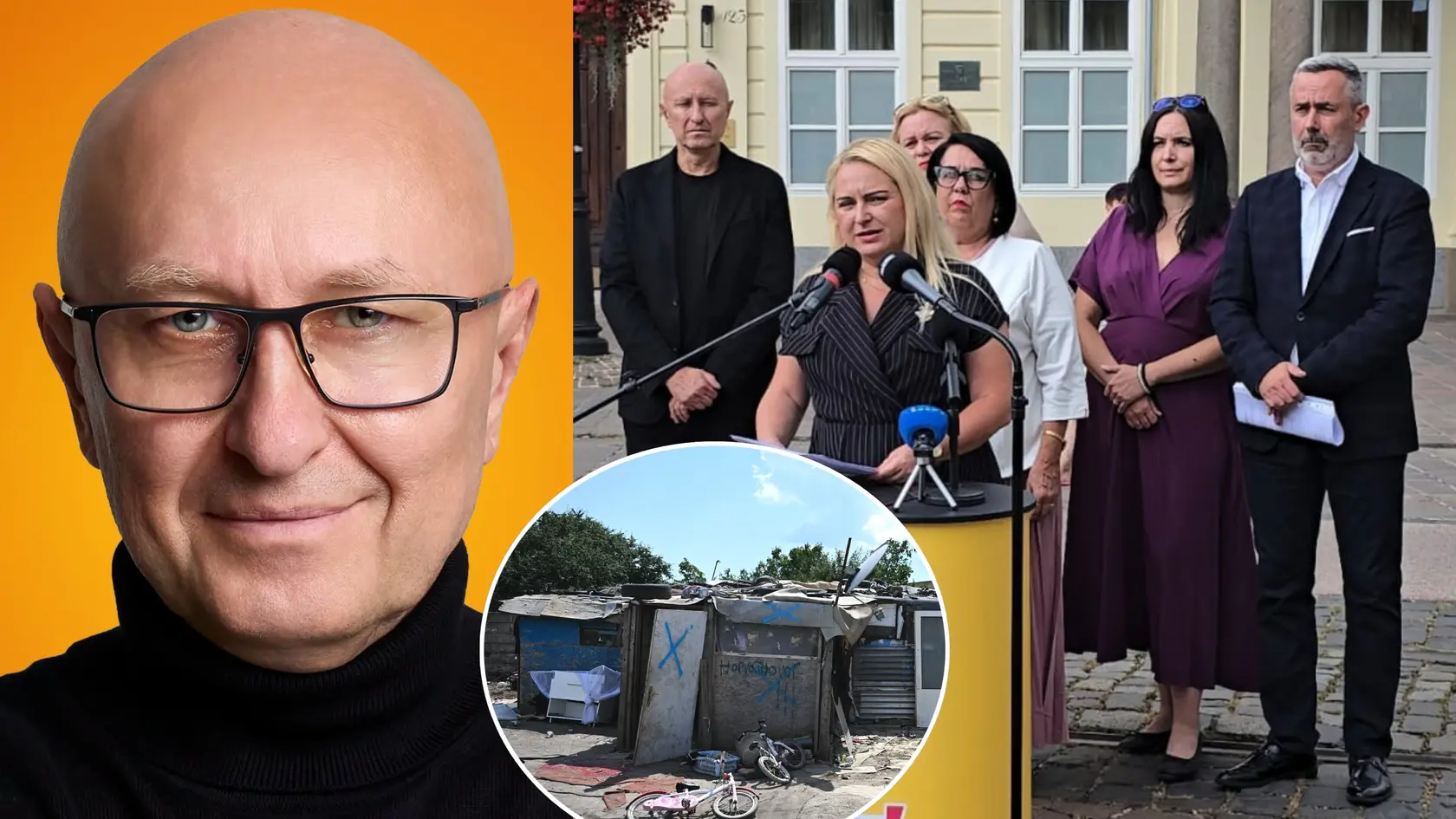
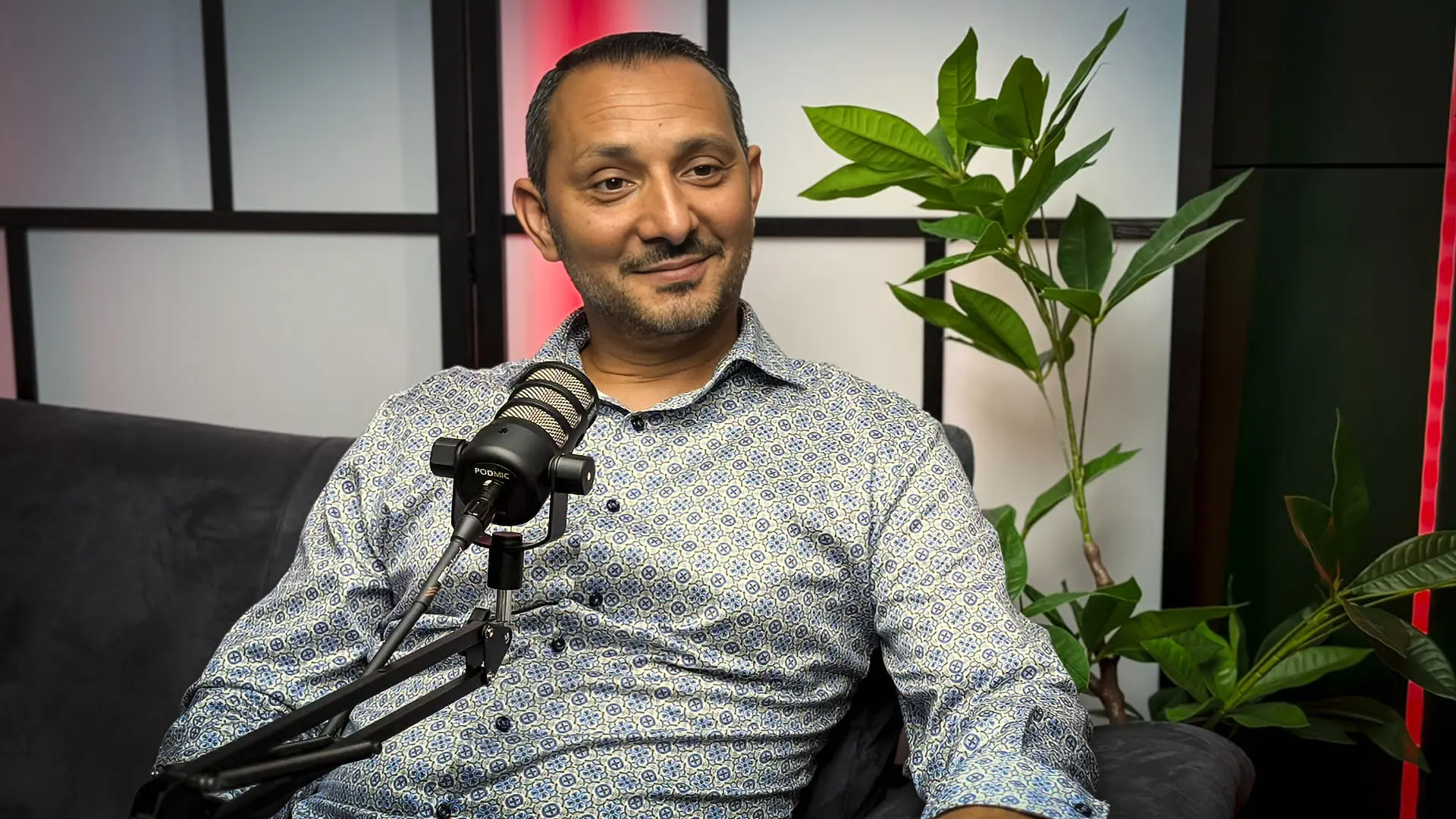
Since the beginning of Alexander Daško’s tenure as the Slovak government’s plenipotentiary for Roma communities, we would like to point out that instead of defending the interests of marginalized communities, he has become an obedient implementer of this government’s policy. Now, serious doubts have surfaced about his conflict of interest and possible handing over of subsidies to his family, said Ingrid Kosová, a member of the Slovak National Council.

“The public has not yet received a convincing explanation of the issues surrounding more than 700,000 euros for a civic association associated with Alexander Daško, which is currently led by his wife. Equally serious is the information about his wife’s participation in subsidy committees, while Daško refuses to admit an obvious conflict of interest,” the member of parliament added.

There are now calls for his dismissal or  for him to resign.

Roma Funds in Slovakia

Published by:

Roma Funds in Slovakia

After the 2023 elections, Prime Minister Robert Fico (Smer) appointed loyal party member Alexander Daško as the plenipotentiary for Roma communities to decide on the redistribution of money for projects. Daško was given significant authority to gradually decide on the use of approximately 430 million euros out of the total billion that the European Union has allocated to support Roma in Slovakia until 2027. The remaining money is distributed by the ministries of labor, education, and health.

Now he is losing this, and the funds will be managed by the head of the Government Office, Juraj Gedra.

Slovakia, Police, and Roma

Published by:

Slovakia, Police, and Roma

A deaf Rom was locked up in a police detention cell in Slovakia for 48 hours without water and without knowing why, says Tomáš Dunko from the organization Svet ticha, who was then called to the police department to interpret into sign language.

Tomáš Dunko is a deaf Rom who strives to help marginalized communities, especially people with hearing impairments there. He says that not only in the area of ​​criminal or administrative law, there is enormous injustice for hearing-impaired Roma, bordering on human rights violations.

Alexander Daško

Published by:

Alexander Daško

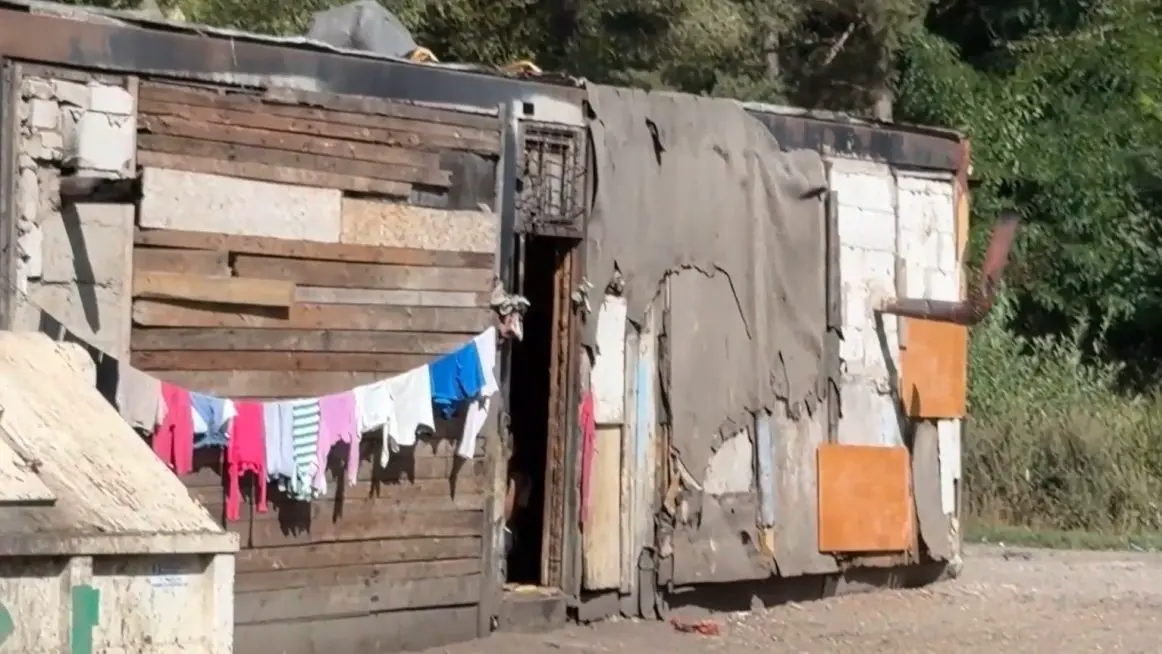
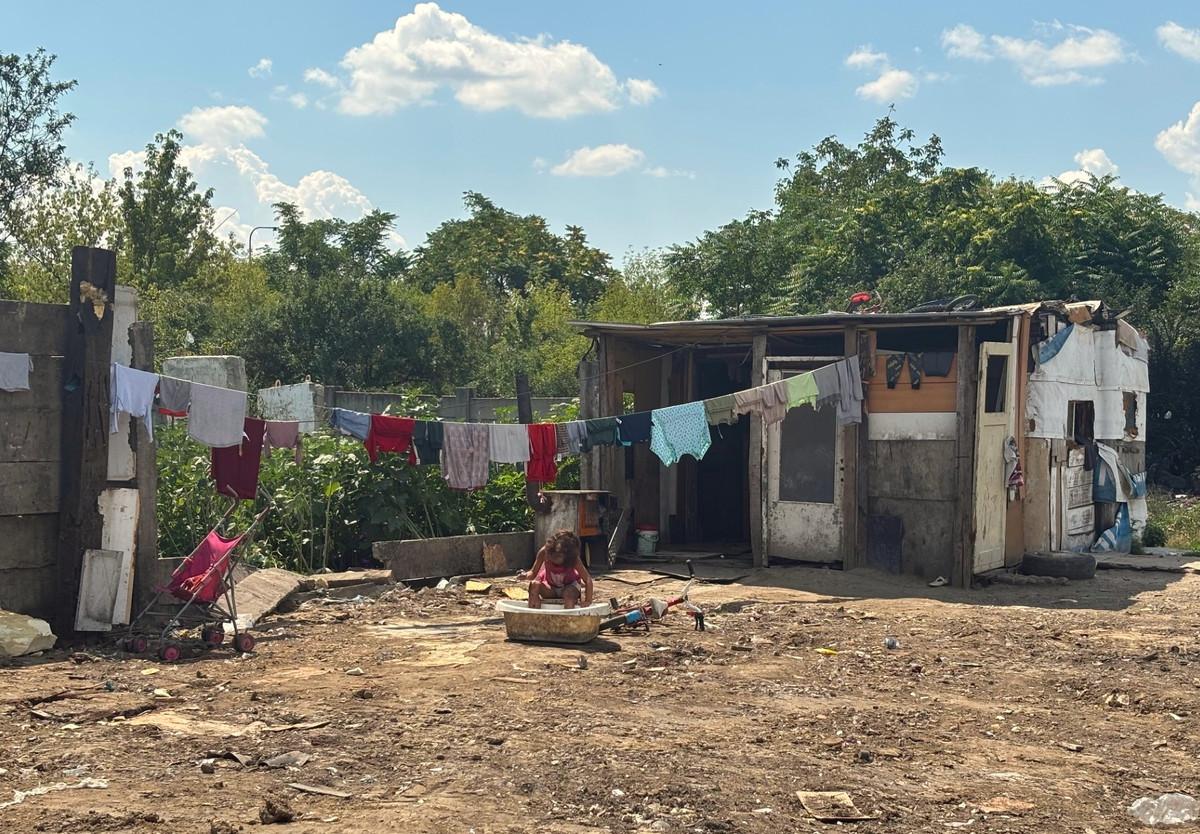
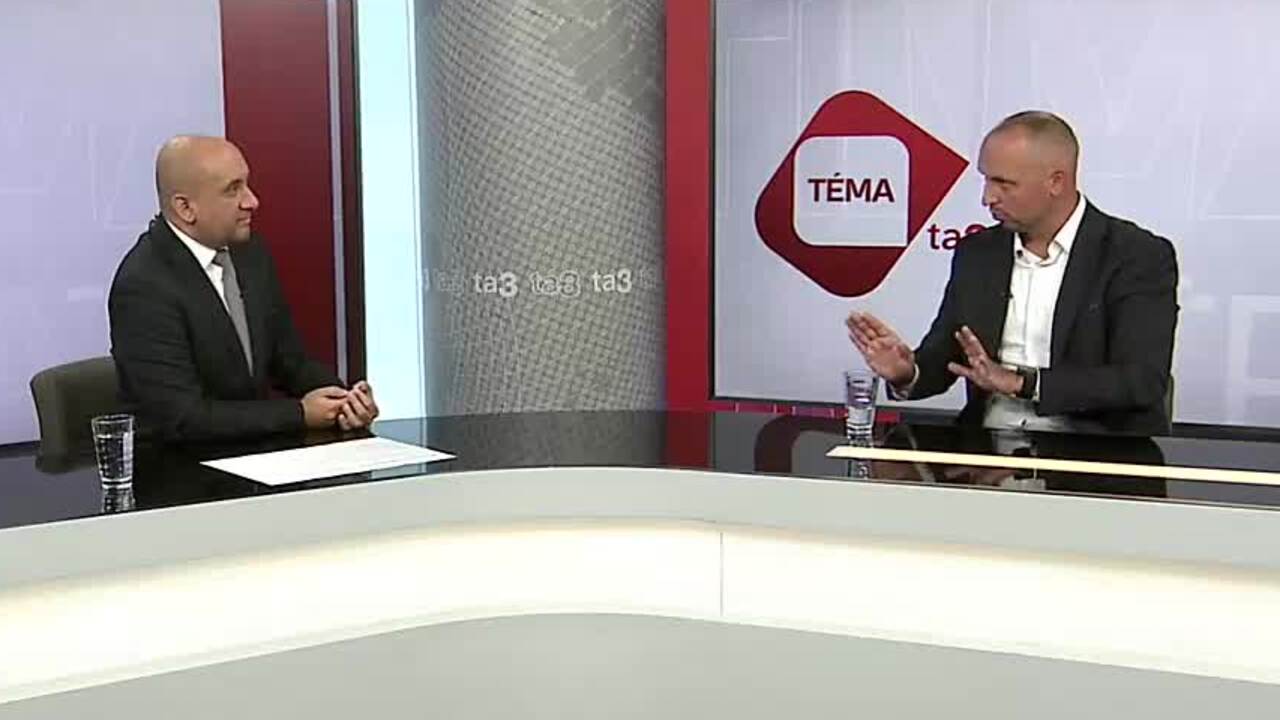
The current Slovak plenipotentiary for the Roma communities, Alexander Daško, comes for a Roma settlement. Here he is pictured as a success story. Yes he made it, but he is also at the centre of many controversies about the use of EU funds for Roma in Slovakia.

EU Funds for Roma

Published by:

EU Funds for Roma

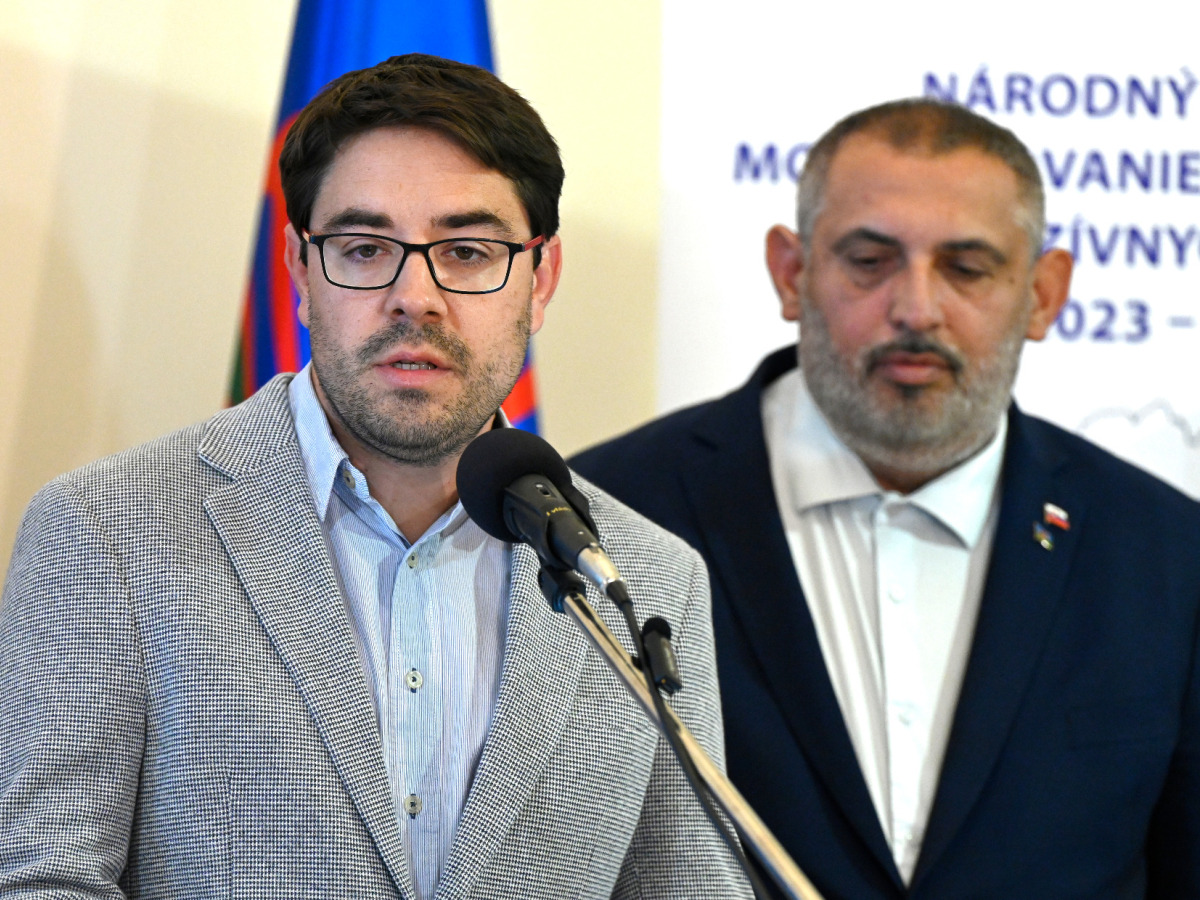
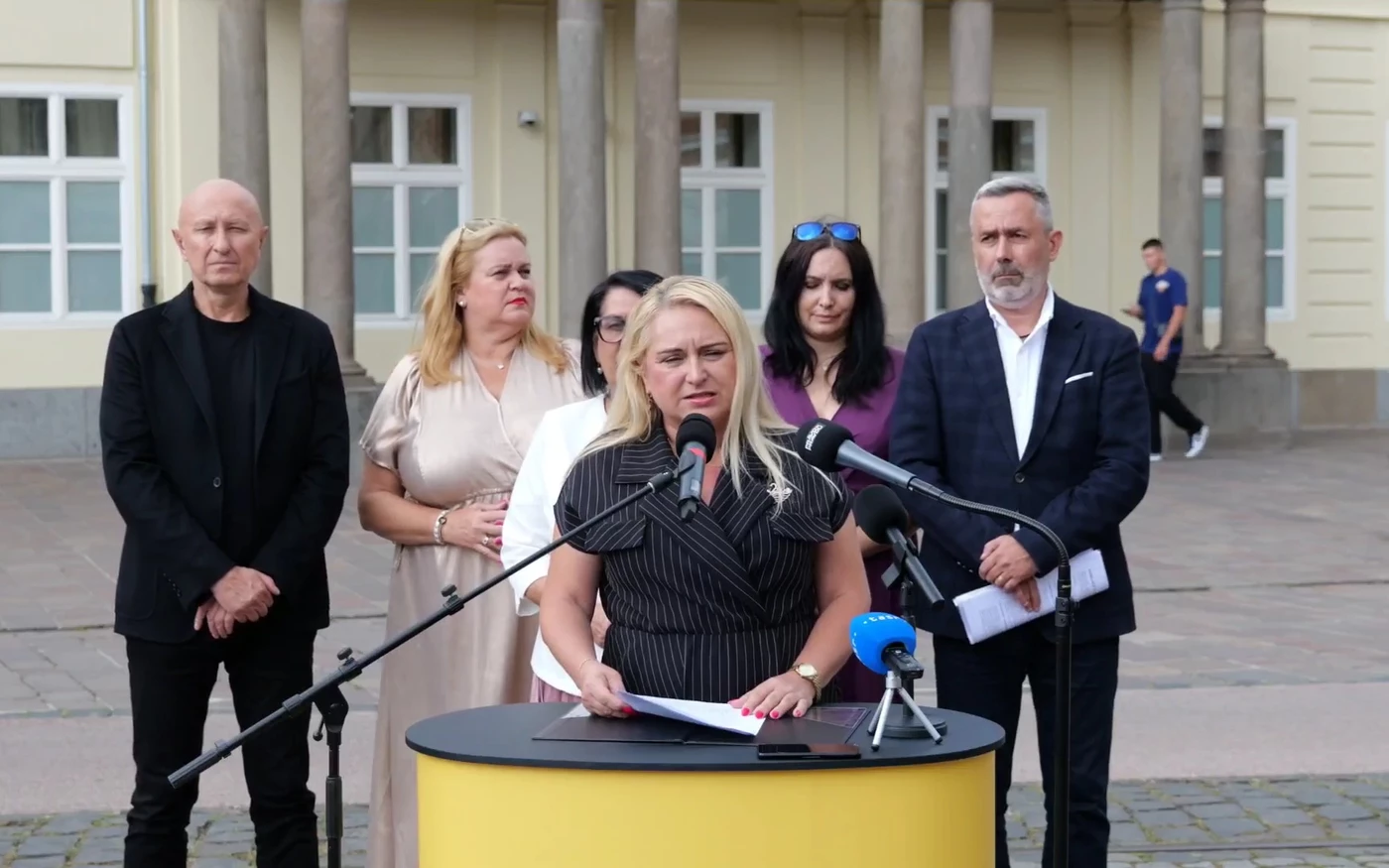
At a press conference on Tuesday, the opposition Slovakia Movement presented a series of findings that, according to its representatives, point to the systemic misuse of European money intended to help Roma communities. Representatives of the movement pointed out suspicious subsidies, conflicts of interest, personal connections and a commission mechanism in projects in Roma settlements.

They are calling for the dismissal of the Slovak Government Plenipotentiary for Roma Communities, Alexander Dašek, from his position. The Office of the Government Plenipotentiary for Roma Communities (ÚSVRK) rejects the movement’s claims. It called them purposeful disinformation.

Slovakia and Special Schools

Published by:

Slovakia and Special Schools

A Rom frokm Slovakia was honoured by the Association for Culture, Education and Communication (ACEC) for successfully promoting the re-diagnosis of a Roma boy from a special school, thanks to which the boy was able to continue his education at a regular elementary school in Zvolen.

Well, it says effectively a young Rom was sent to a special school for mentally disadvantaged children just because of his etnicity.

April 8th – Slovakia

Published by:

April 8th – Slovakia

Some of the activities and articles about April 8th in Slovakia.

ECHR Verdict

Published by:

ECHR Verdict

The police respects the decisions of international judicial authorities. In response to the decision of the European Court of Human Rights (ECHR), according to which the fundamental rights of two complainants were violated during the police intervention in the village of Milhosť in the Košice-okolie district in July 2019. In July 2019, the police detained two sisters in front of a family house in the village after the intervention and subsequently transported them to the police station. According to the complaint, they were subjected to physical violence, verbal insults and inappropriate treatment during their detention and stay at the police station.

Slovakia and Romnja

Published by:

Slovakia and Romnja

On Thursday (April 9), the Záhrada cultural center in Banská Bystrica will host the Mirror event, dedicated to Romnja, on the occasion of International Roma Day. It will combine the power of art, culture and social discussion.

Slovakia and Strasbourg

Published by:

Slovakia and Strasbourg

The European Court of Human Rights (ECHR) in the case of Slovak women Katarína Kuruová and Helena Horváthová against the Slovak Republic ordered the Slovak Republic to pay a total of 28,560 euros. The reason is the violation of Article 3 of the European Convention on Human Rights on the prohibition of torture and Article 14 on the prohibition of discrimination.

This case concerns an incident between the two applicants – two Romnja sisters – and the police, which took place on 23 July 2019. On that day, the police detained the women in the village of Milhosť in eastern Slovakia and took them to the police station in the village of Čaňa, where they remained until the early hours of the following morning. They were not questioned during their detention and, according to the ECHR judgment, were described in the detention records as a “gang of local Romani women”.

In their application, the applicants allege violence by the police, which they described as “unjustified, disproportionate and based on bias against them”. They say the investigation into the use of such force was not thorough and independent.

Slovakia Condemned

Published by:

Slovakia Condemned

The European Court of Human Rights has ruled that the beating of two Romani sisters by Slovak police, their detention in a toilet and cleaning cupboard, and a deeply flawed investigation violated both the prohibition on inhuman treatment (Article 3 of the European Convention on Human Rights) and the prohibition of discrimination (Article 14 of the Convention).

Slovakia Statistics

Published by:

Slovakia Statistics

The employment of Roma from excluded communities depends heavily on whether there is a crisis or growth, the IFP Chart of the Day shows. While only 16% of them were working in 2013, in the following six favourable years it was on average 24%. However, the pandemic interrupted this trend and the subsequent recovery has been slow.

Fire

Published by:

Fire

Ondrej Balog shows only ruins of what remained of his home after last week’s fire. Ttwo small children died in the flames. “I built it for my children, for my grandchildren, so that we could all be together, so that we could be happy. If at least there was water, something could be saved,” says the victims’ grandfather Ondrej Balog with difficulty.

Although water is brought to the settlement, the official connection to the houses is complicated by illegal construction and the debts of non-payers. Most locals are therefore dependent on the only drinking water dispenser, which operates on a credit system. When a fire breaks out, residents without access to hydrants are practically helpless.

Firefighters and Roma

Published by:

Firefighters and Roma

Apparently, four responding firefighters and equipment were attacked by residents of the Lipany settlement in Slovakia, who started throwing stones at the officers.

Circumstances and reasons are not mentioned.

Education in Slovakia

Published by:

Education in Slovakia

According to educator and education expert Juraj Hipš, Slovak education system has long struggled with segregation, which has not only a racial but also a social dimension. He pointed out that it is not just schools where Roma children are concentrated, but also schools where children from socially disadvantaged families, from hostels or from generational poverty are concentrated. “We have a huge problem with segregation in Slovakia.” He recalled that according to data from the Ministry of Education, there are almost 500 schools in Slovakia that are segregated or at risk of segregation.

rroma.org
en_GBEN