Category Archives: Slovakia

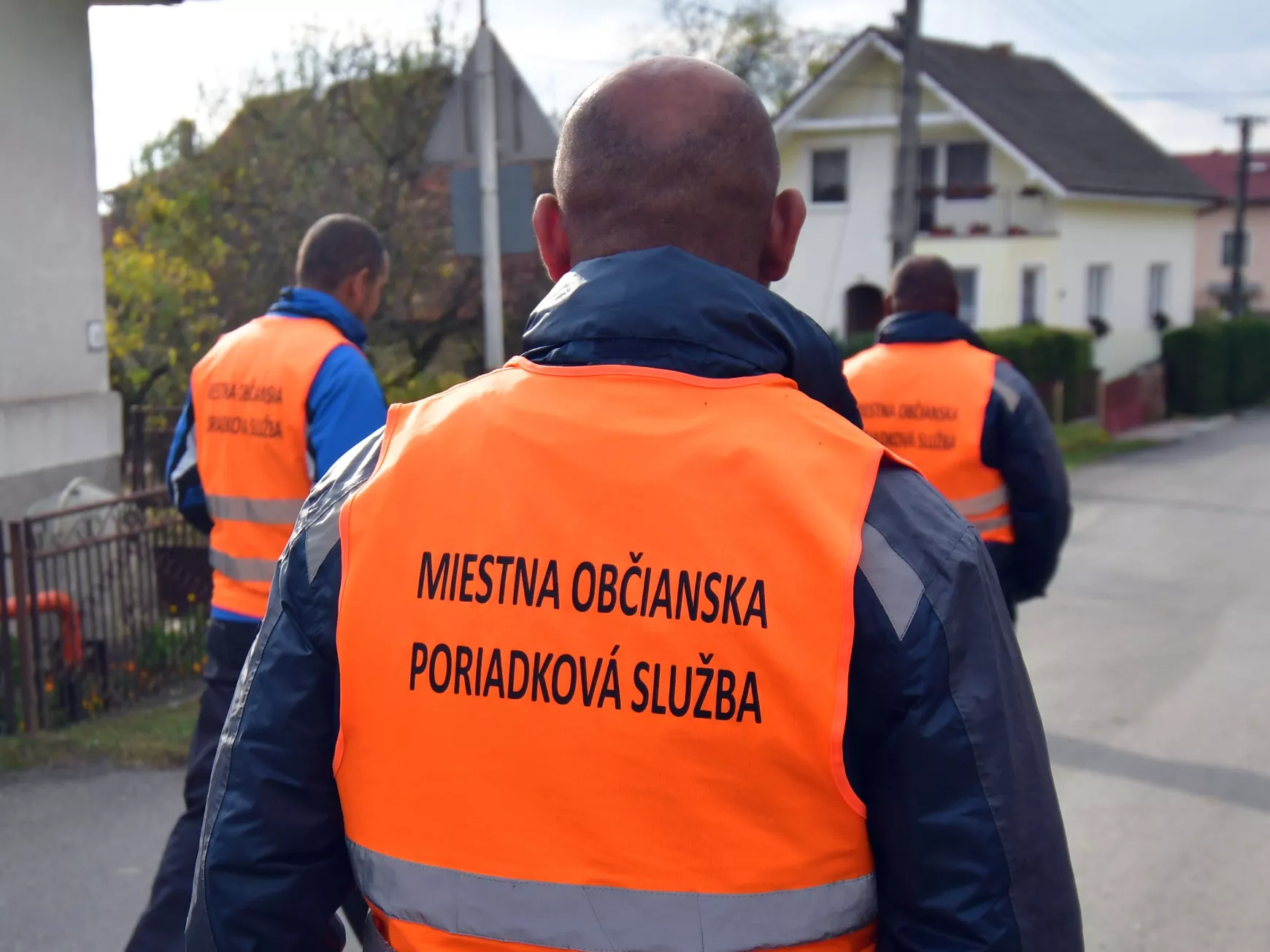
Roma Civil Guard

Published by:

Roma Civil Guard

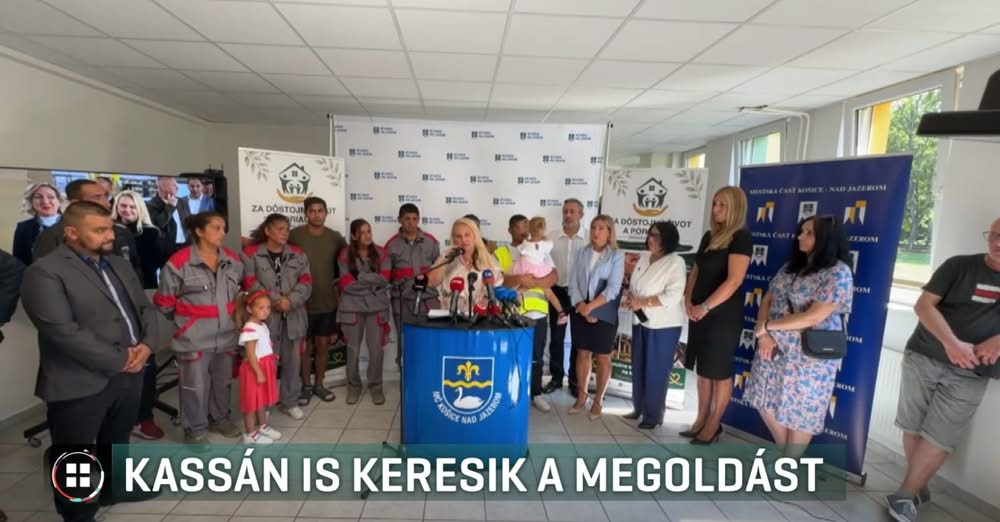
Fülek, Slovakia, established a voluntary Roma civil guard in 2004, which transitioned to a professional service in 2014, supported by EU funding, but has faced funding challenges over the years.

Local authorities have been urging the government to finance the civil guard’s operations to ensure continuity and avoid layoffs, as the current project has ended and a new funding call was delayed.

The civil guards play a crucial role in community safety and support during city events, and the municipality has recently applied for funding to restart the program with a reduced project duration of 18 months.

Relocation

Published by:

Relocation

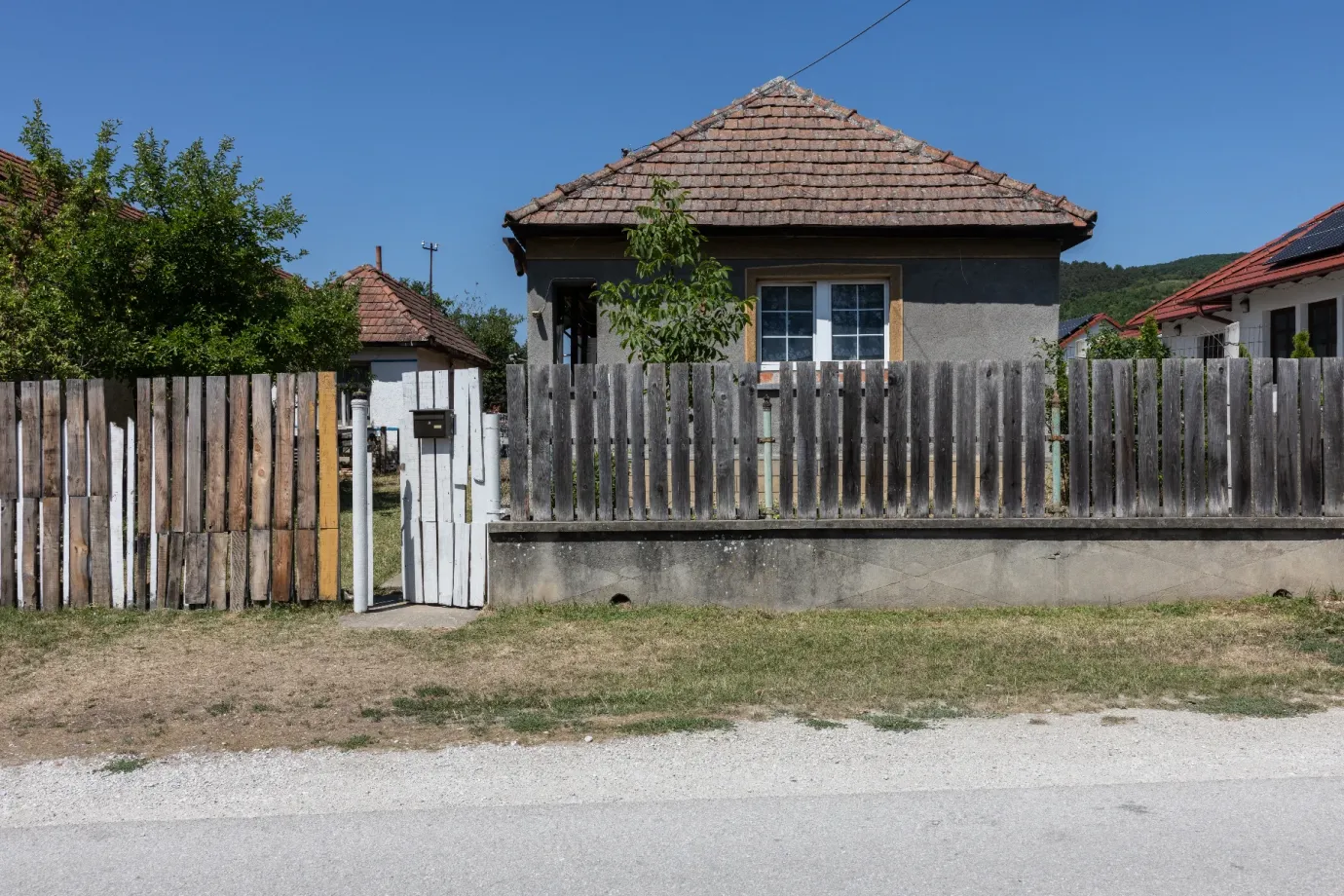
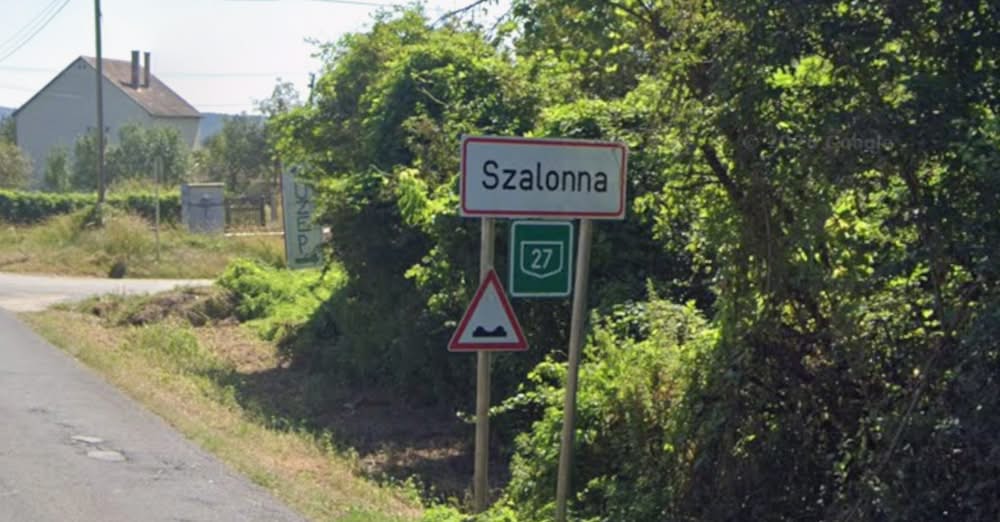
The story of the the Roma families evicted from a settelment in Košice, Slovakia, who relocated to Szalonna, Hungary seems to have taken another turn.

Two Roma families, who apparently do not speak Hungarian and live in deep poverty, have reportedly left Szalonna for Košice, but it is unclear if their departure is permanent or temporary.

Local residents expressed fears of mass resettlement of Roma families from Slovakia, prompting the Szalonna municipality to quickly pass a regulation to prevent further relocations.

The situation has drawn political attention, with a mayoral candidate in Košice using the issue to gain popularity, while the families face challenges due to language barriers and lack of social services in their new location.

Relocation

Published by:

Relocation

Authorities in Hungary are investigating the relocation of Roma families from the illegal settlement in Košice, Slovakia, to Hungary, focusing on the organization and funding of the process.

The relocation, which began in July, has raised concerns about the rights of the residents, including access to healthcare and education, as the government was informed only shortly before the move.

The mayor of the district claims the move was voluntary and aimed at helping families improve their living conditions, while a police investigation has been initiated following a complaint regarding the legality of the relocation.

Really?

Published by:

Really?

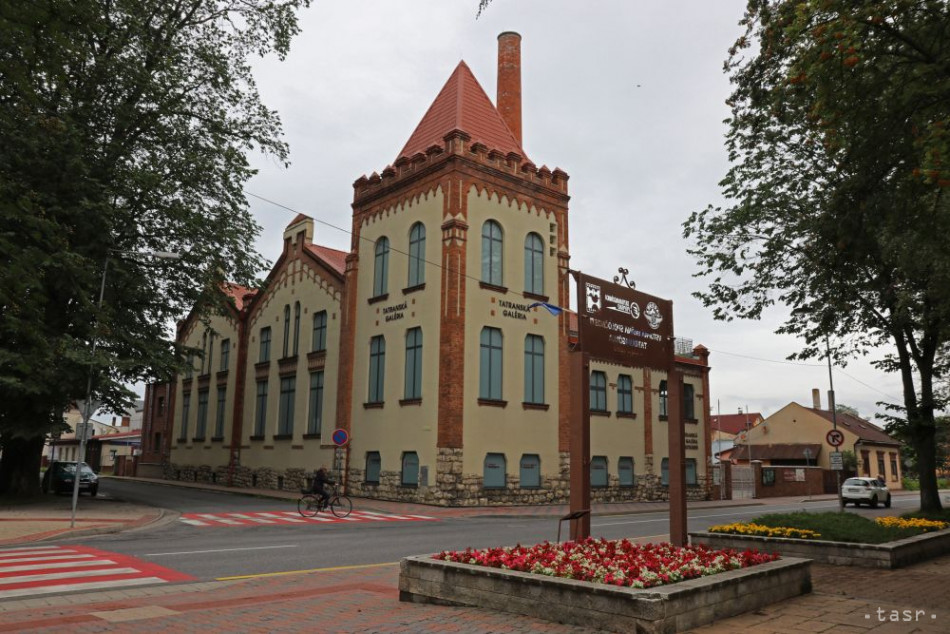
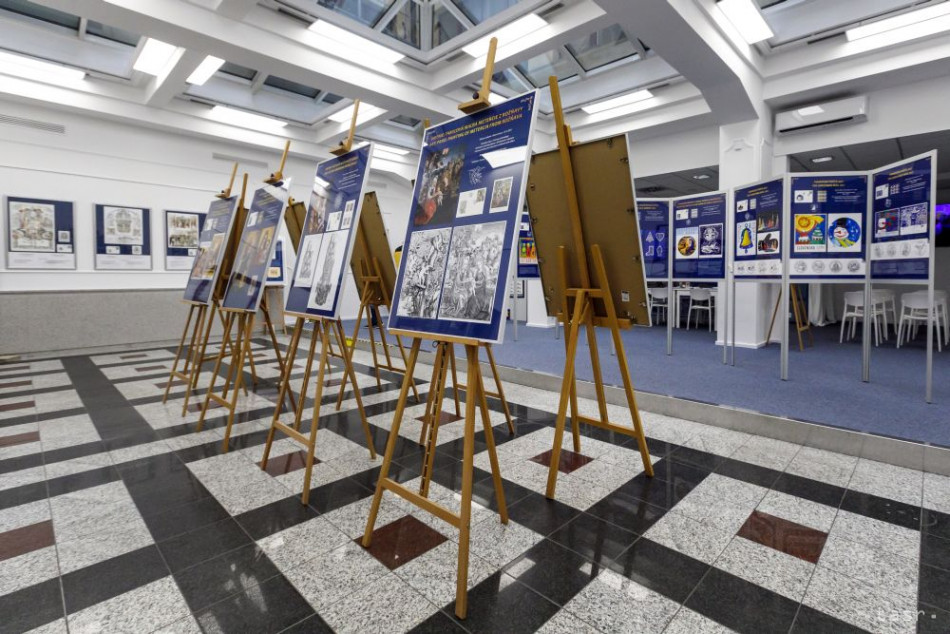
The Tatranská gallery recently opened a new exhibition. The project entitled The Color of Faith presents the works of Ľubomír Hajdučík and Jozef Sedlák. It is a theological-anthropological visual probe of the experience of faith in selected Roma communities from the settlements of Podhorany and Kolačkov.

So far so good … but then …

According to the gallery: “In the given realities, the project reveals the historically given essential orientation and attachment of the Roma in religious rituals to the magic of colors, the fascination with colorful ornaments and the ostentatiousness of clothing. In a contextual way, it captures the paradigm of the specific relationship of the Roma to the ceremonial service of liturgical ceremonies of baptism, first communion, funerals, weddings or the consecration of specific families, dwellings and entire urban spaces of settlements.”

Commemoration in Slovakia

Published by:

Commemoration in Slovakia

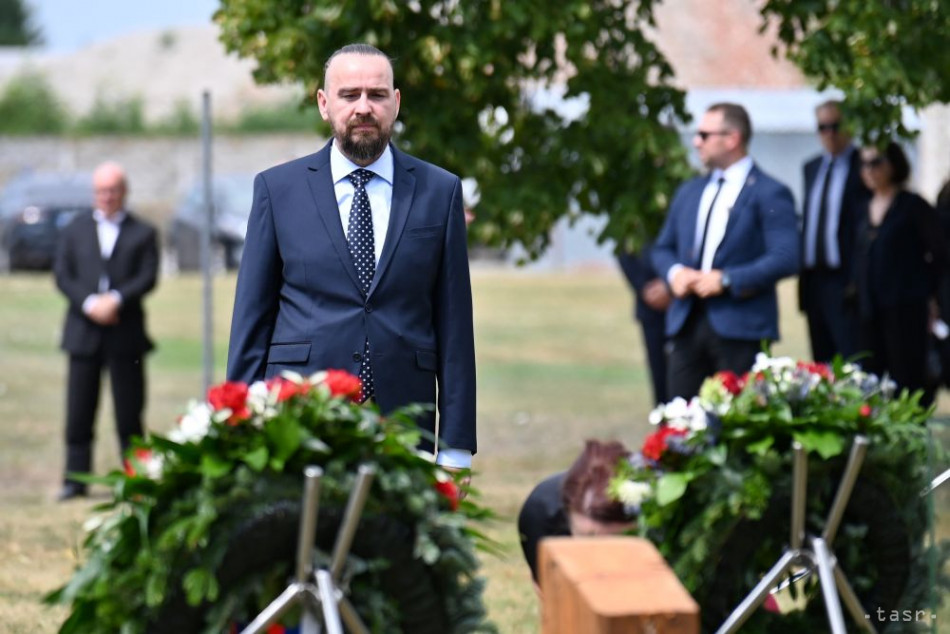
The Day of Remembrance for the Victims of the Roma Holocaust emphasizes the importance of remembering historical events that should not be forgotten and should be included in history education.

The Ministry of Education in Slovakia highlighted that remembering the Roma Holocaust is a sign of respect for the victims and contributes to preserving historical memory, promoting a society based on respect and understanding.

The commemoration marks the events of August 2-3, 1944, when nearly 3,000 Roma were murdered at Auschwitz-Birkenau, with an estimated half a million European Roma and Sinti killed during World War II, and around 1,000 Roma victims in Slovakia alone.

Relocation

Published by:

Relocation

Several more articles on the relocation of Slovak Roma to Hungary.

The Hungarian Ministry of Interior is investigating the relocation of Roma families from the Lubina settlement in Košice to Szalonna, focusing on the legality and organization of the real estate transactions involved.

Concerns from Szalonna residents regarding safety are being taken seriously, and the ministry plans to collaborate with Slovak authorities to clarify the situation.

The mayoral candidate for Košice, Miroslav Sabol, has filed a criminal complaint regarding the eviction of the illegal Lubina settlement, while the local mayor insists the process was not politically motivated and was organized through the non-profit sector.

Education

Published by:

Education

Gabriela Gáborová, a Roma mayor in Slovakia, emphasizes the importance of education for Roma children and has prioritized building a kindergarten in her village, Vtáčkovce, while addressing illegal housing issues.

She faces discrimination as a Roma woman in her role, having received extremist threats since taking office, but remains committed to her work and believes in judging individuals by their actions rather than their ethnicity or gender.

Gáborová highlights the ongoing challenges of illegal constructions and land ownership disputes in her community, advocating for legal housing solutions and integration of Roma families into society.

Relocation – Continued

Published by:

Relocation – Continued

Two Roma families from Košice, Slovakia, moved to Szalonna, Hungary, sparking discussions about potential organized resettlement, although officials deny any mass relocation plans.

Local authorities in both Košice and Szalonna have stated that the families moved voluntarily and that no program exists to facilitate the relocation of disadvantaged residents to Hungary.

The situation has led to emergency meetings in Szalonna to pass a regulation aimed at responsible property sales and ensuring new residents respect local community values.

The Slovak government is investigating claims regarding the relocation of Roma families from a settlement in Košice to Hungary, with officials planning to meet affected families for further information.

Relocation Confusion

Published by:

Relocation Confusion

Mihály Dancs (from the Hungarian Roma Autonomy) discusses an agreement for the social department of the Košice municipality to visit families in Szalonna to understand their situation and help them stay if they wish. From the article it is not clear whether they have already been relocated or the relocation is intended.

He expresses doubts about the feasibility of families commuting to school in Košice due to language barriers and long travel distances, which could lead to conflicts within the local Roma community.

Dancs emphasizes the need to support the Roma families from Košice while ensuring that tensions do not arise within the Hungarian Roma community.

Relocation Update

Published by:

Relocation Update

The Slovak city of Košice is destroying a Roma settlement. Some of the families seem to have been relocated to Szalonna, Hungary.

The mayor of Encs urged residents not to sell properties to prevent the town from becoming a site for these relocations, labeling the situation as a ‘ghetto’ issue.

Political tensions are rising, with right-wing parties like Mi Hazánk opposing the influx of Romani individuals, citing concerns about their integration and criminal backgrounds.

Berlin Exhibition

Published by:

Berlin Exhibition

The exhibition “You Are All Our Children in One” opens at the European Roma Institute for Arts and Culture in Berlin, exploring the ongoing impact of racial classification and forced sterilization on Roma and Sinti communities post-World War II.

Slovak artist Emília Rigová, who works under the pseudonym Bári Raklóri [Big (non-Romani) Girl], presents her work addressing the suppression of Roma identity through installations and performance art, including a piece on the forced sterilization of Roma women in Czechoslovakia.

Rigová shares her personal connection to the issue, revealing that her mother was sterilized without consent, which deeply affected her childhood and emotional world, highlighting the broader historical trauma faced by women in similar situations.

More on Relocation

Published by:

More on Relocation

Families living in deep poverty and not speaking Hungarian have been relocated from a Roma settlement in Košice, Slovakia, to Szalonna, Hungary, without informing local residents.

The mayor of Encs condemned the relocation, suggesting it is a form of deportation and calling for local authorities to prevent such actions.

Dancs Mihály, president of the National Roma Self-Government in Hungary, expressed concerns about the well-being of the relocated families and the potential for conflict within the local community.

Relocation!!!

Published by:

Relocation!!!

We did doubt the news about the relocation of Roma families from Košice to Hungary. Now it seems to be confirmed.

Families living in deep poverty and not speaking Hungarian have been relocated from a Roma settlement in Košice to Szalonna, Hungary, with local authorities allegedly involved in the process.

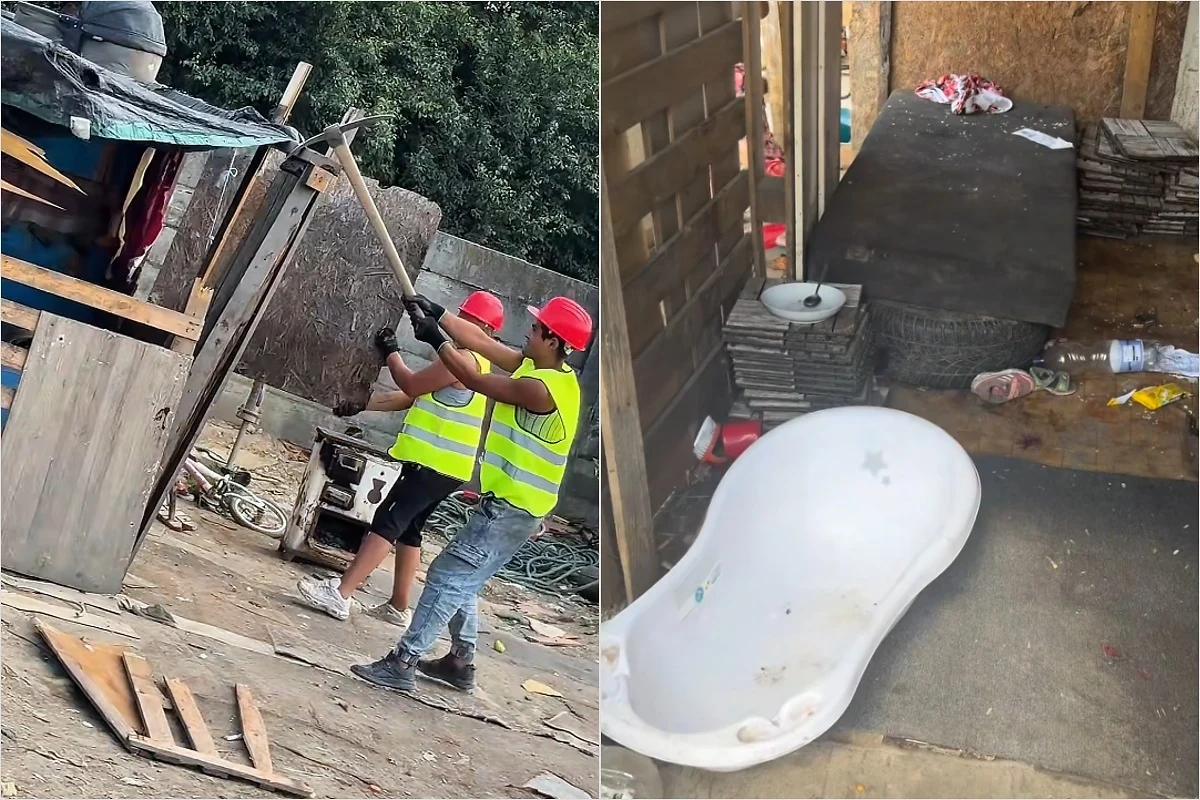
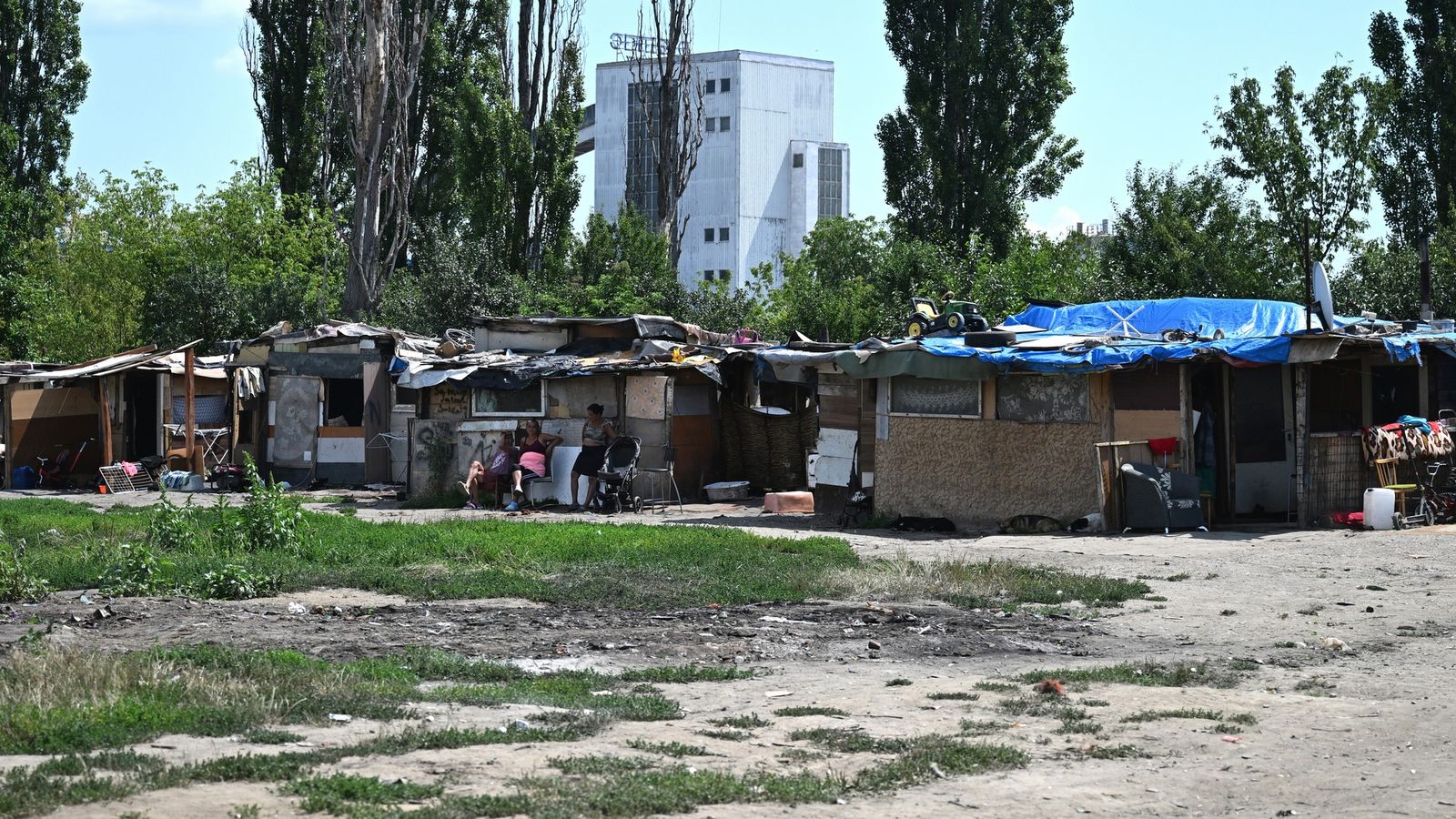
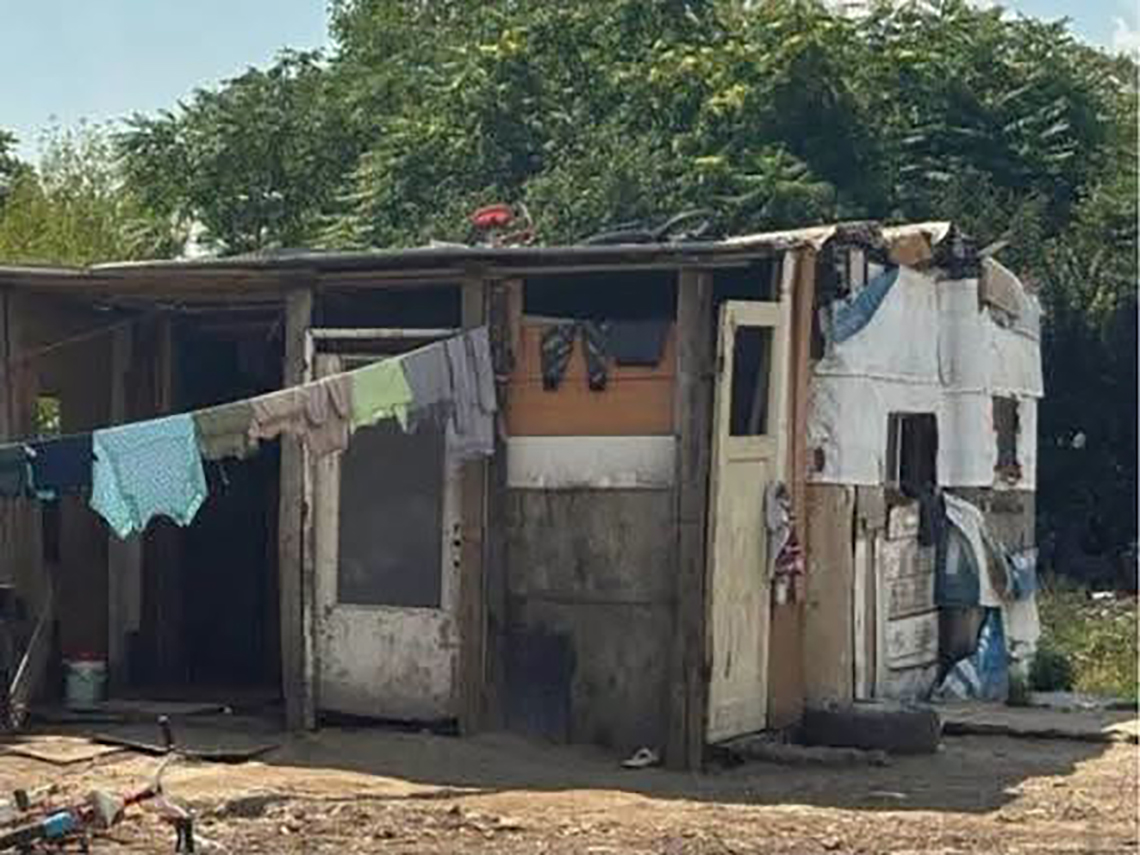
The illegal settlement in Košice, lacking basic utilities, has seen the demolition of several structures, with the mayor claiming that alternative housing was arranged for the affected families.

Residents of Szalonna express concern over the new arrivals, fearing additional social challenges, while some Roma leaders suggest that more families may be moved from Košice to Hungary soon.

Mihály Dancs, president of the National Self-Government of Roma in Hungary, stated that the mayor of Košice does not support the establishment of a system for relocating families to Hungary.

Relocation?

Published by:

Relocation?

To be verified and followed as this seems highly suspect.

A Hungarian article stating that there are plans to relecate Roma from Košice, Slovakia, to Hungary. The Slovak government office responsible for Roma communities has deemed the relocation of families to Hungary as “extremely unusual” and is seeking clarification on various legal and social issues related to the move.

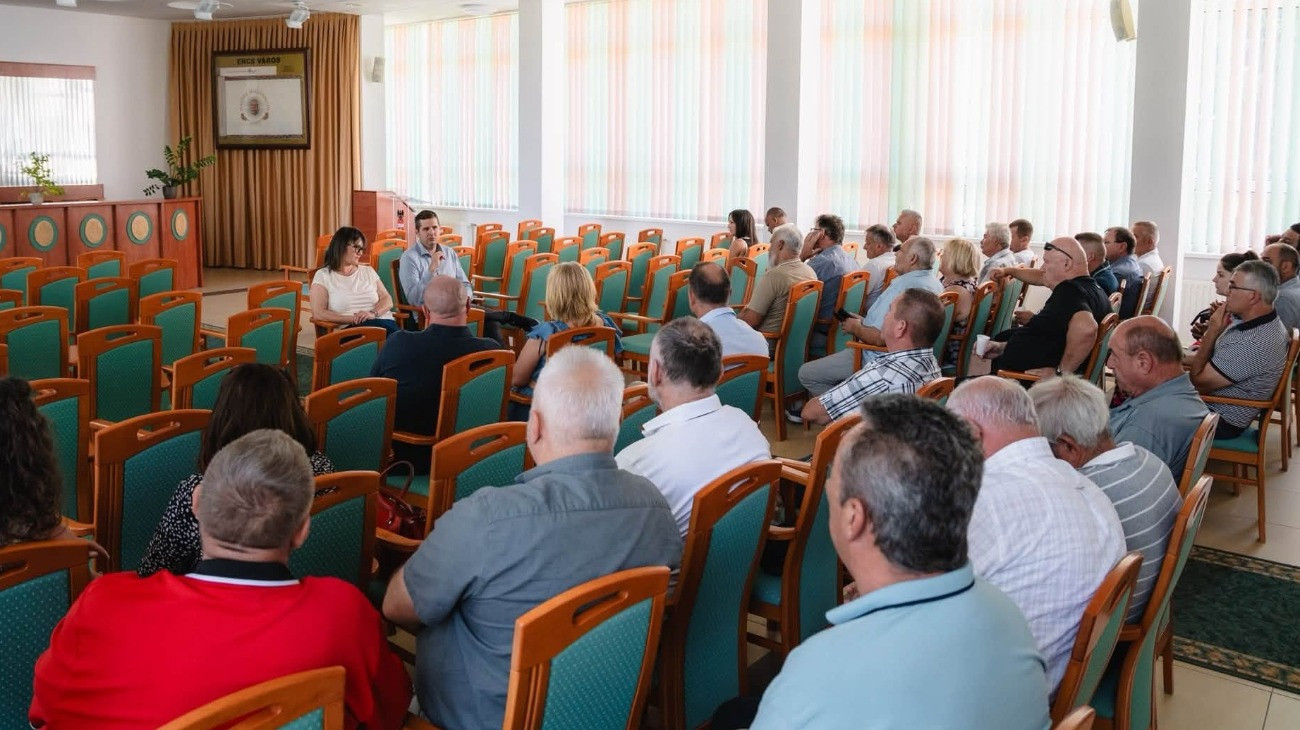
Local leaders in Szalonna, Hungary, are calling for an extraordinary meeting to address the potential influx of families from Slovakia, with concerns about the legality of restricting entry based on language proficiency.

Allegations have been made regarding the possible economic motivations behind the relocation, with local officials questioning whether it is a strategy to clear land for future development.

Housing in Slovakia

Published by:

Housing in Slovakia

The Slovak government has launched a €35.3 million initiative to support the construction, extension, and renovation of social rental housing aimed at increasing housing availability for young families, seniors, people with disabilities, and marginalized Roma communities.

Municipalities are required to maintain the rental nature of these apartments for at least 20 years and offer them at regulated rents, with a minimum percentage of units allocated for Roma communities based on their representation in the municipality.

Additional conditions include reserving 15% of the apartments for people with disabilities and establishing a maintenance fund of at least 0.5% of the acquisition costs to ensure long-term sustainability.

Rudolf Huliak

Published by:

Rudolf Huliak

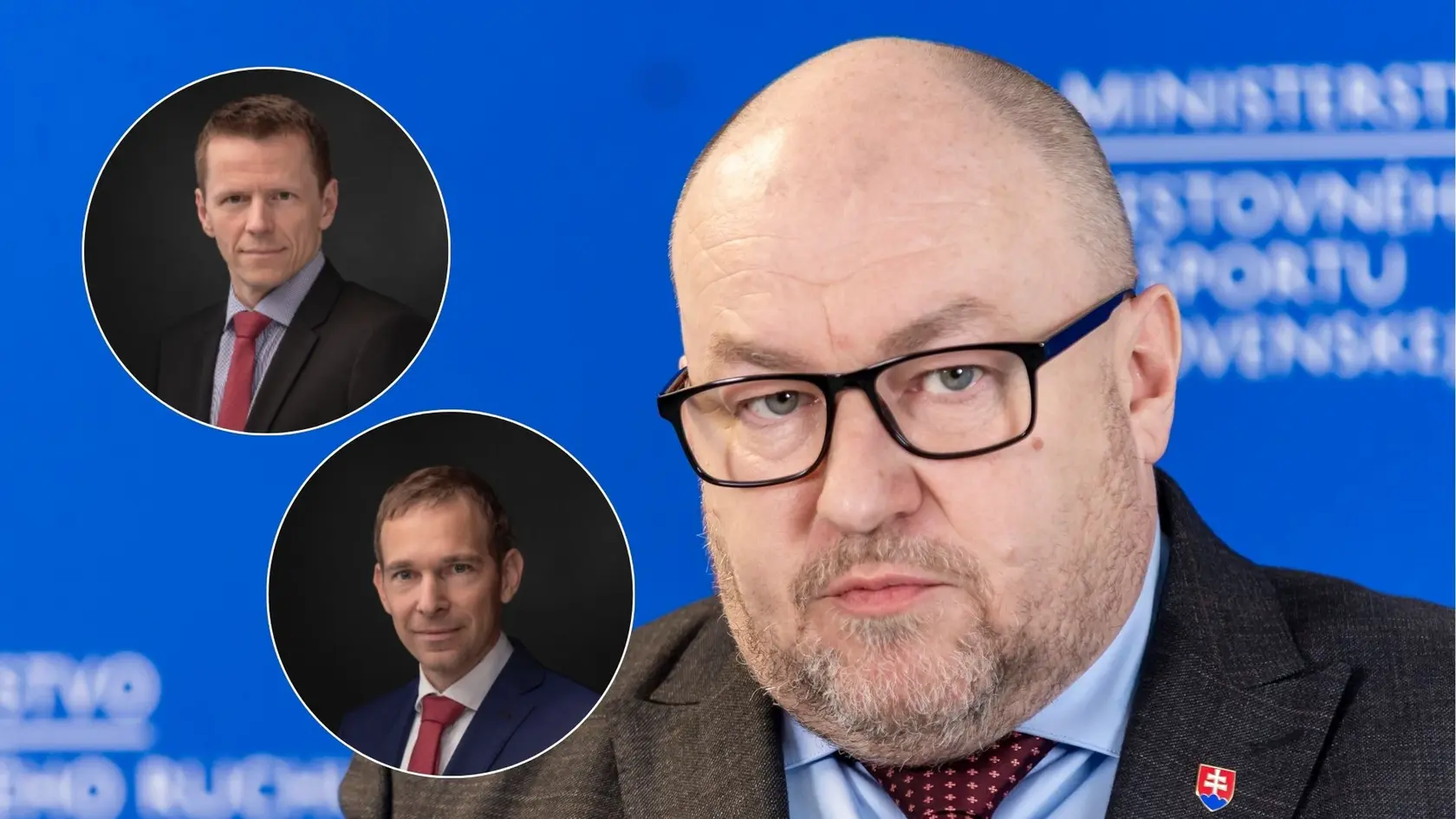
Minister of Tourism and Sports Rudolf Huliak has been advocating for the employment of Roma in Slovakia instead of accepting economic migrants for several months. He argues that Slovakia should focus on utilizing its domestic workforce and creating job opportunities for its own citizens.

Huliak questions the superiority of Indian migrants over Slovak Roma, emphasizing the need to employ local citizens rather than bringing in foreign workers. He also holds derogatody views about Roma and their willingness to work.

Slovak Settlements

Published by:

Slovak Settlements

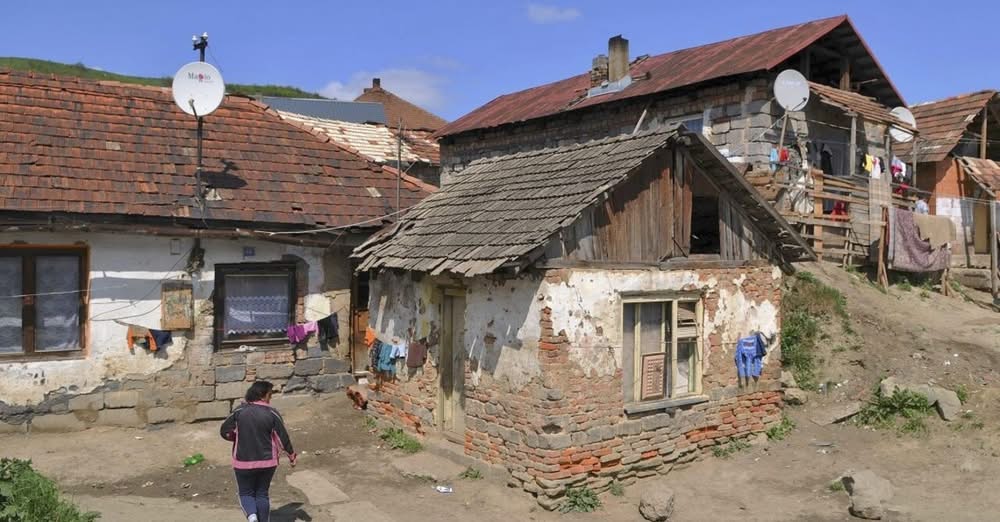
Slovakia is working to improve living conditions in marginalized Roma communities, investing nearly one billion euros, yet many still lack basic necessities like drinking water and sanitation.

Local officials report ongoing struggles, with some residents traveling long distances for water, while government representatives claim investments are being made systematically in housing, infrastructure, and education.

A new initiative has been launched to fund local civic and order services, with over 15 million euros allocated to help maintain public order in various municipalities.

Housing in Slovakia

Published by:

Housing in Slovakia

The Slovak government has launched a call for proposals aimed at improving housing for marginalized Roma communities, with a budget of 30 million euros from EU funds.

The initiative focuses on socio-economic inclusion, particularly for low-income households and disadvantaged groups, emphasizing the need for accessible housing and services.

New requirements include the necessity of a valid building permit at the time of application and specific benchmarks for technical equipment and accessibility in housing projects.

The latter point will prevent this being implemented in most Roma settlements…

Slovak Funding Cuts

Published by:

Slovak Funding Cuts

Over 1,600 people may lose their jobs due to insufficient funding for the Slovak Local Civic and Preventive Services (MOaPS) project, which primarily employs Roma individuals.

The project, which has been successful in maintaining order and employment in communities since its inception in 2014, is facing potential termination as current contracts expire.

Critics, including opposition leaders, accuse the government of failing to prioritize funding for essential community services while allocating funds to questionable projects.

Te Prindžaras Amen

Published by:

Te Prindžaras Amen

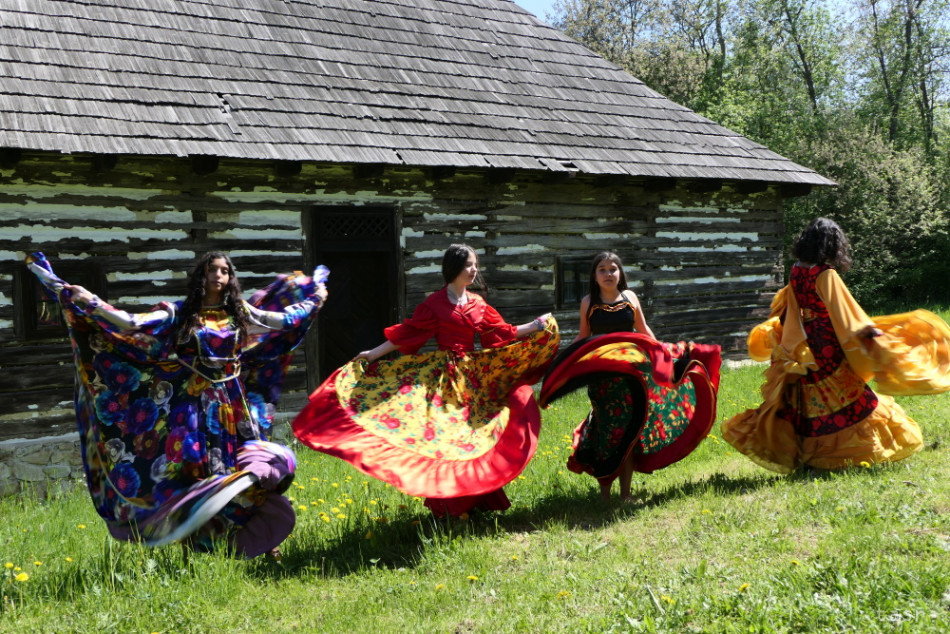
The 22nd edition of the festival “Te prindžaras amen – Let’s Get to Know Each Other” will focus on traditional dance forms of various Roma groups in Slovakia, taking place on July 12 at the Slovak Village Museum in Martin.

Visitors will learn about Roma dance folklore from educators and will have the opportunity to see performances from established Roma dance ensembles and musicians.

The event will also feature a photography exhibition by respected Roma journalist Roman Čonka, showcasing the lives of notable Roma musicians and artists, along with workshops for children.

rroma.org
en_GBEN