Tag Archives: Genocide

Liberec

Published by:

Liberec

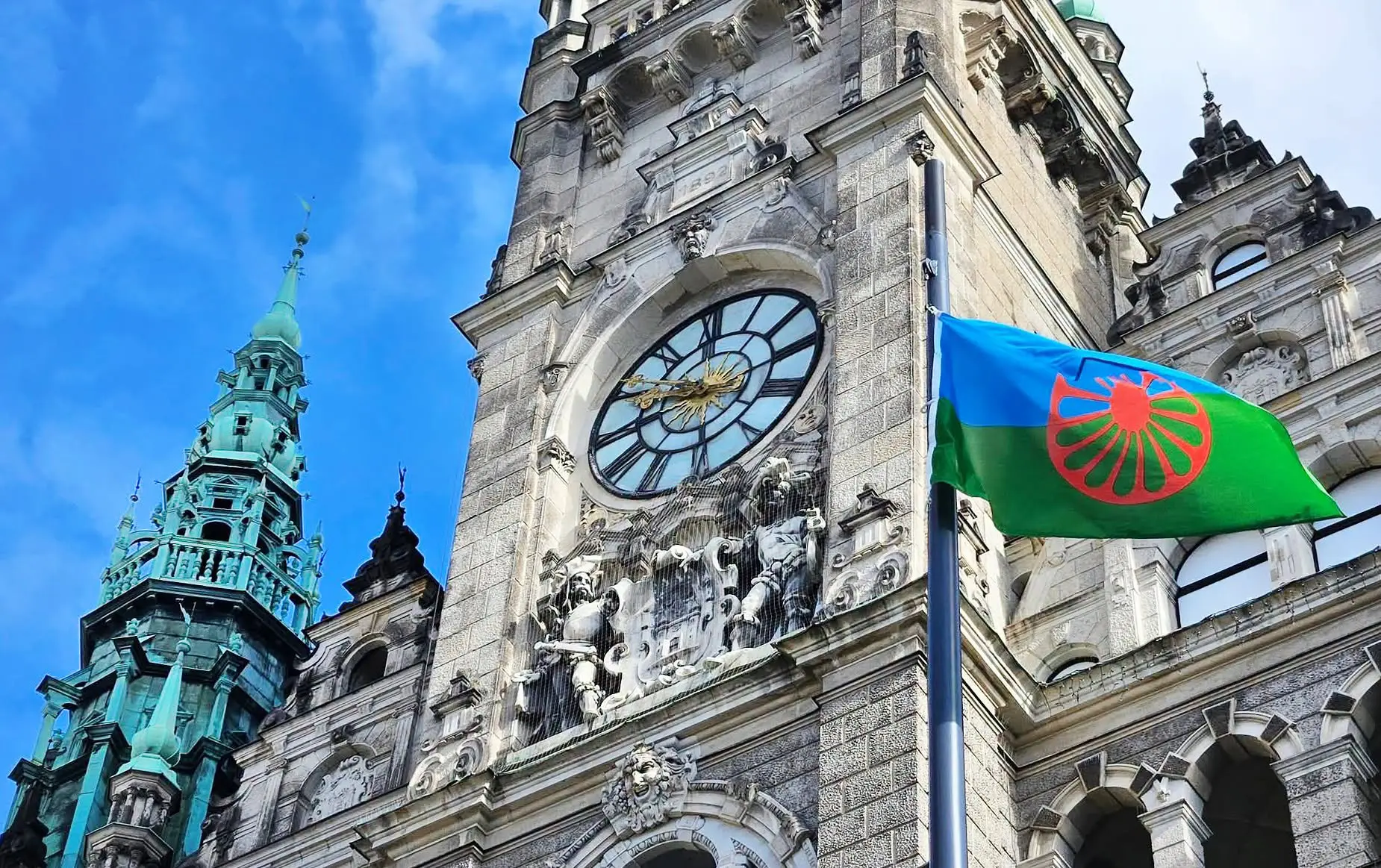
The City of Liberec commemorated Romani and Sinti victims of Nazi persecution by flying the Romani flag and emphasizing the importance of tolerance and respect in society.

The Liberec Regional Authority and local officials met with Romani community representatives to honor historical memory and promote dialogue against hate and racism.

The article highlights the tragic history of the Romani and Sinti during the Holocaust, including their deportation and murder in concentration camps, and calls for ongoing recognition and commemoration of this genocide.

Commemoration in Slovakia

Published by:

Commemoration in Slovakia

The Day of Remembrance for the Victims of the Roma Holocaust emphasizes the importance of remembering historical events that should not be forgotten and should be included in history education.

The Ministry of Education in Slovakia highlighted that remembering the Roma Holocaust is a sign of respect for the victims and contributes to preserving historical memory, promoting a society based on respect and understanding.

The commemoration marks the events of August 2-3, 1944, when nearly 3,000 Roma were murdered at Auschwitz-Birkenau, with an estimated half a million European Roma and Sinti killed during World War II, and around 1,000 Roma victims in Slovakia alone.

Commemoration in Serbia

Published by:

Commemoration in Serbia

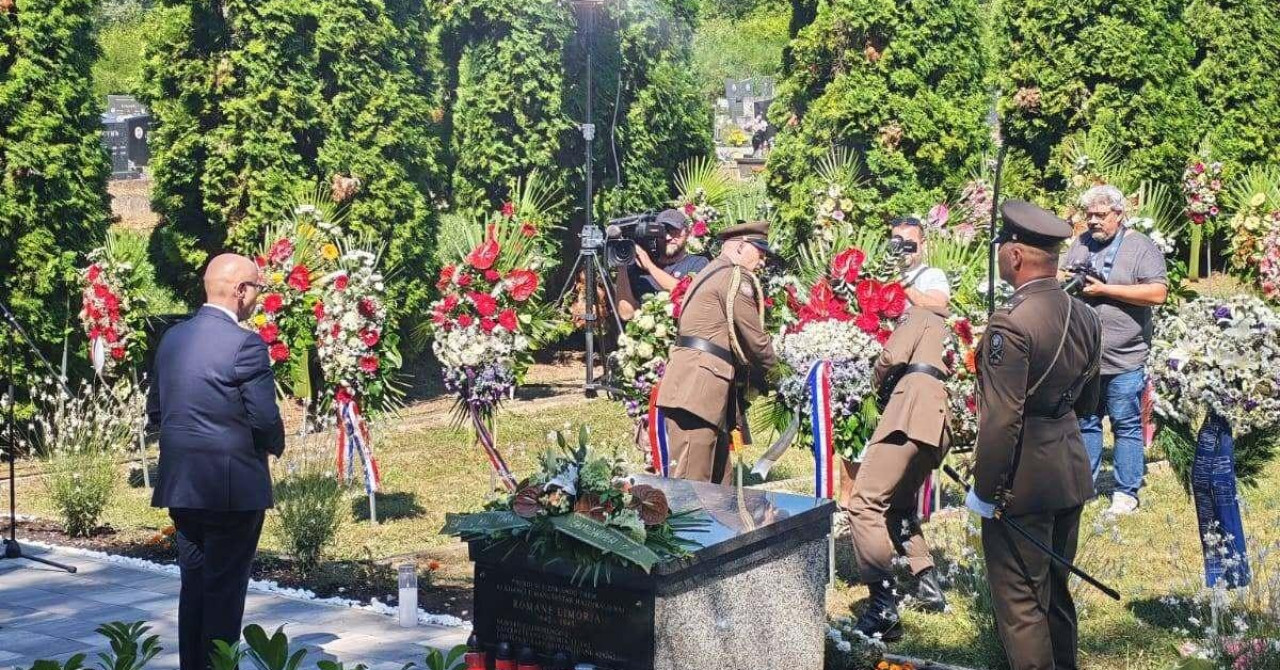
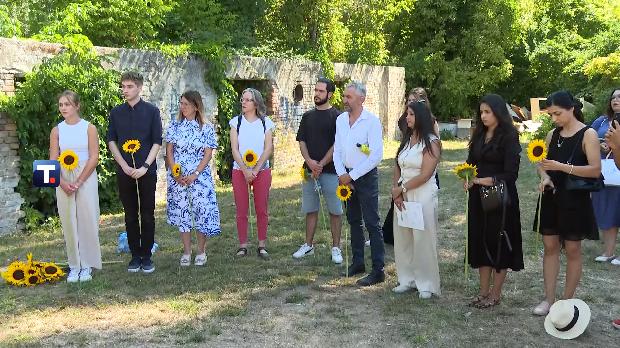
The Topovske Šupe camp was the first concentration camp for Jews and Roma in occupied Belgrade during World War II, where 5,000 Jews and 1,500 Roma perished.

Krinka Vidaković Petrov, director of the Staro Sajmište Memorial Center, emphasized the need for an inclusive culture of remembrance, advocating for a memorial plaque for Roma victims alongside the existing one for Jews.

Igor Jovanović, deputy president of the Belgrade City Assembly, highlighted the significance of August 2 as a day to remember the suffering of the Roma people during the war, as recognized by the European Parliament in 2015.

Commemoration in Hungary

Published by:

Commemoration in Hungary

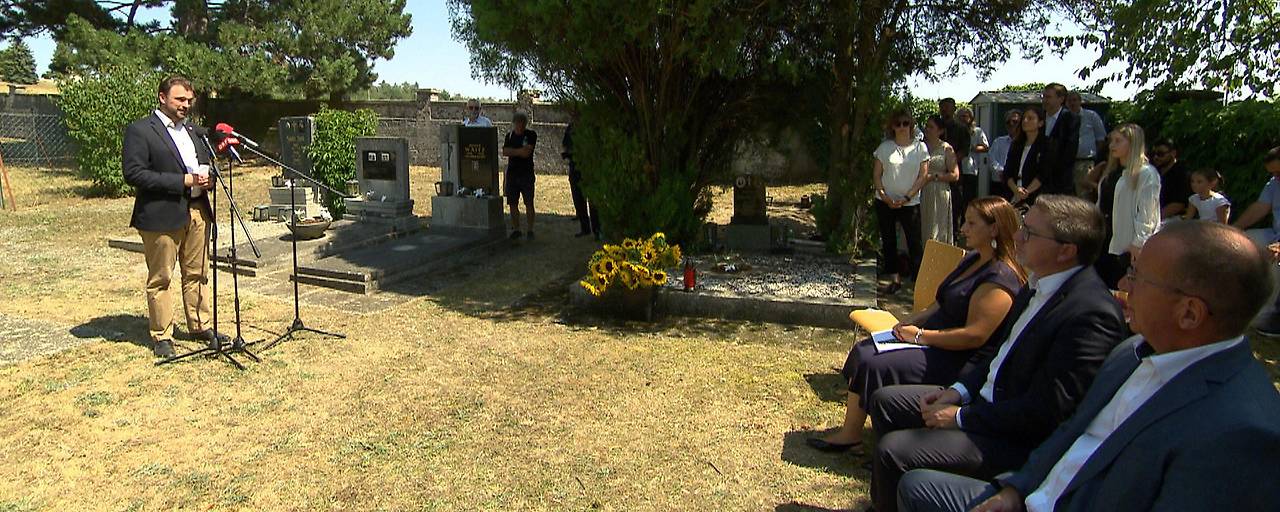
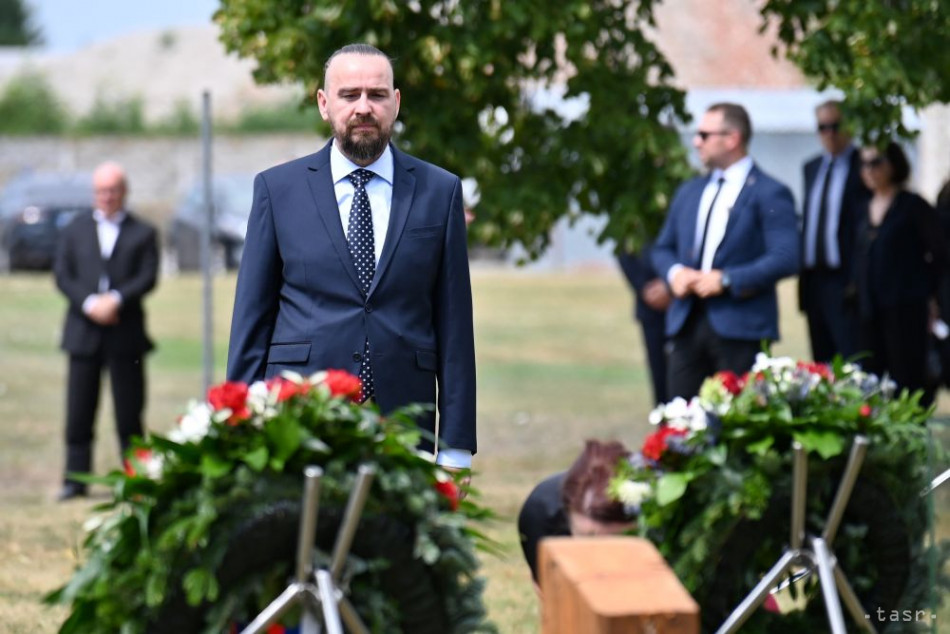
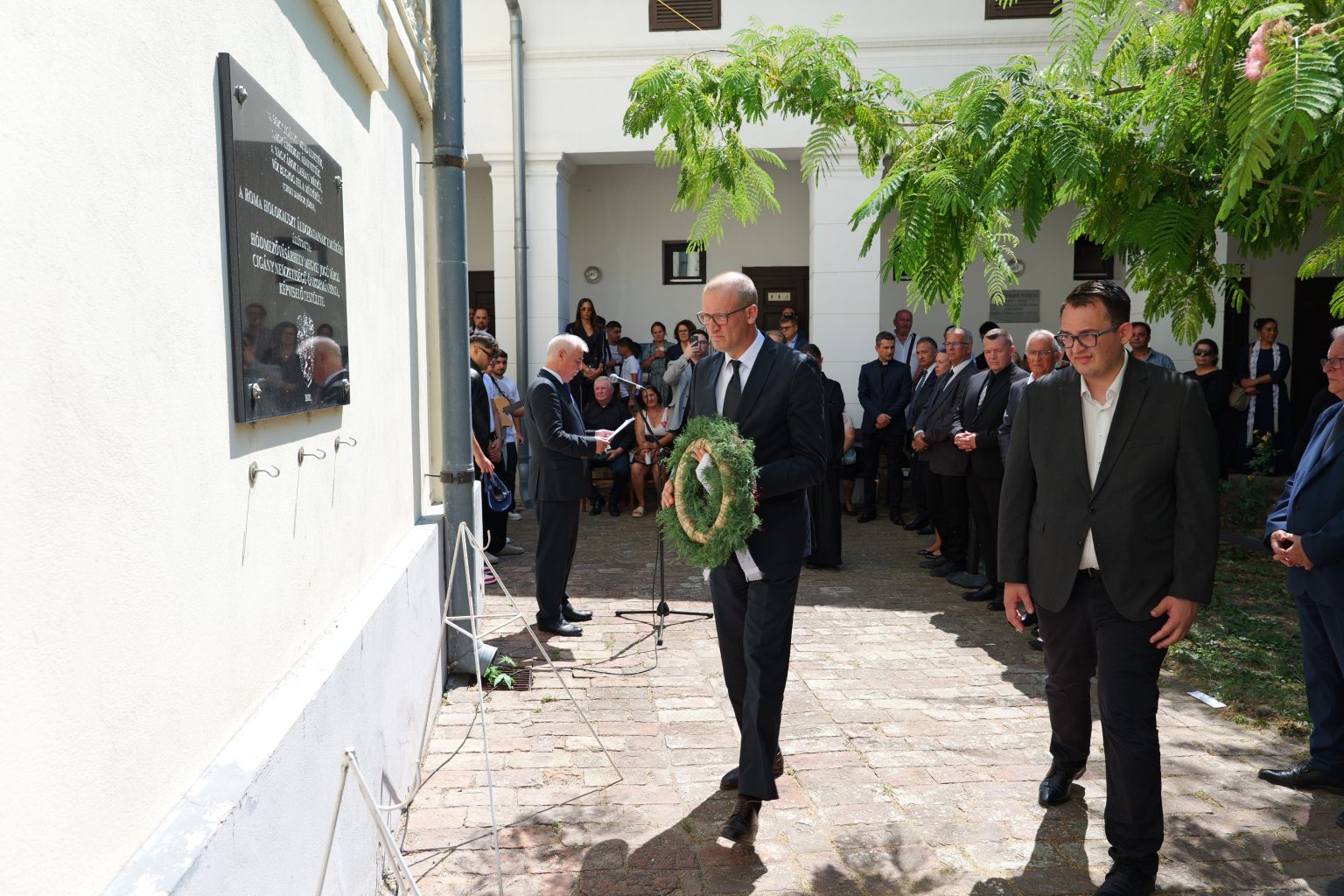
A memorial event for the Roma Holocaust was held in Hódmezővásárhely, attended by government, municipal, religious, and civil representatives, emphasizing the importance of combating hate and exclusion today.

Minister Zoltán Tarr highlighted the need to acknowledge past wrongs and promote social reconciliation during his speech.

Mayor Péter Márki-Zay noted that Hódmezővásárhely was the first city in Hungary to publicly commemorate the victims of the Roma Holocaust, warning that genocides result from long-term exclusionary processes.

August 2nd.

Published by:

August 2nd.

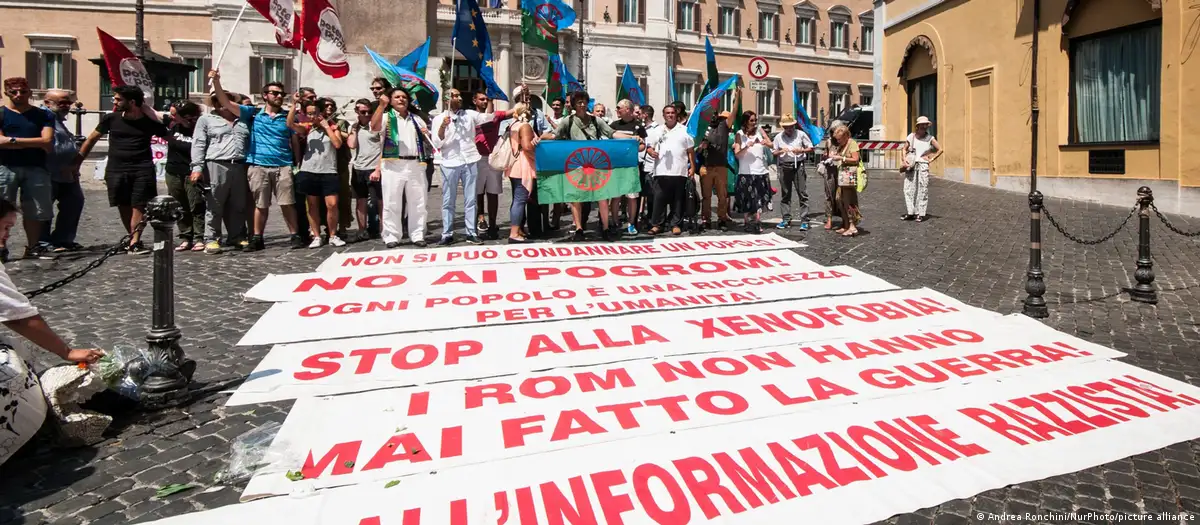
The European Holocaust Memorial Day for Roma and Sinti is officially observed on August 2, recognizing the genocide of approximately 500,000 Roma during the Nazi regime, with various countries in Central and Southeastern Europe participating in memorial events.

Poland, Slovakia, Hungary, and the Czech Republic have established official commemorations, while other countries like Bulgaria and Serbia observe the day informally or do not recognize it officially.

The memorial events often address not only historical atrocities but also contemporary issues of anti-Roma sentiment and discrimination in these regions.

Memory

Published by:

Memory

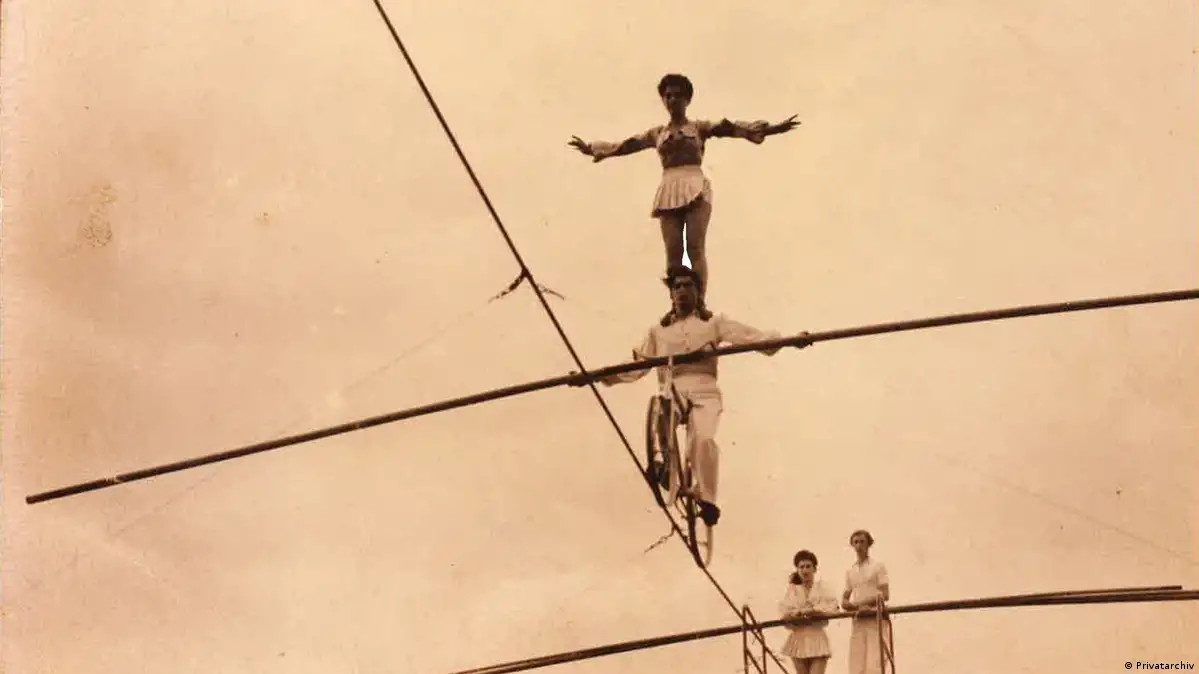
Frieda Daniels, a 93-year-old former high-wire artist, shares her experiences during the genocide at the time of the Holocaust to educate younger generations about the atrocities faced by the Sinti and Roma community.

She and her family were persecuted by the Nazis, with an estimated 500,000 Sinti and Roma murdered during the genocide.

Now living in California, Frieda continues to travel and speak about her past, recently reflecting on her experiences during a visit to an exhibition in Heidelberg, Germany.

Slovenia Memorial

Published by:

Slovenia Memorial

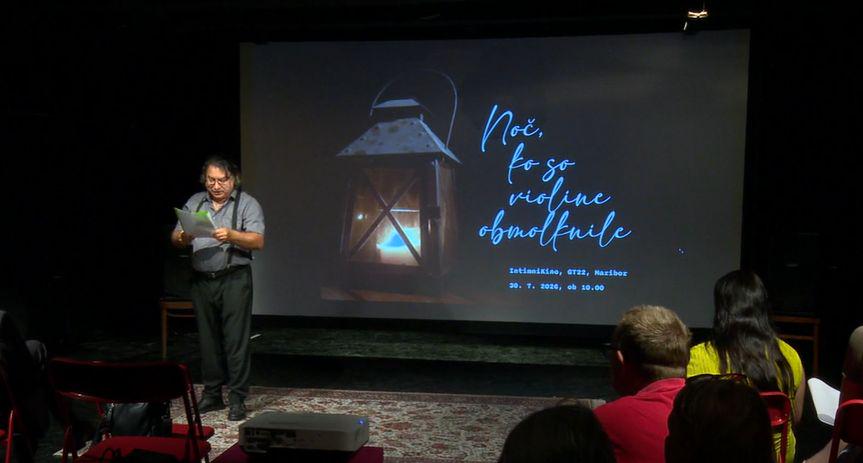
The Maribor synagogue held a memorial event for the International Day of Remembrance of the Roma and Sinti genocide, emphasizing the need to remember and warn against rising intolerance in Europe.

Jožek Horvat Muc highlighted that the genocide, which claimed around half a million Romani lives during WWII, is often overlooked in history, and that current discrimination and hate speech against Roma persist in many European countries.

Slovenian officials acknowledged progress in integrating the Romani community but stressed the need for ongoing dialogue and responsibility to combat prejudice and protect human rights.

Hungary Commemoration

Published by:

Hungary Commemoration

August 2 is recognized as the international memorial day for the Roma Genocide during the Holocaust, marking the liquidation of the Auschwitz-Birkenau Roma camp in 1944, where over 3,000 Roma were killed by the SS.

A remembrance event will take place in Miskolc, Hungary, including a mass for the victims and speeches by notable figures, commemorating the fifth anniversary of the Roma Holocaust Memorial.

The Roma Holocaust remains a lesser-known aspect of World War II, with ongoing efforts to ensure its recognition and remembrance in historical narratives.

Vienna Memorial Service

Published by:

Vienna Memorial Service

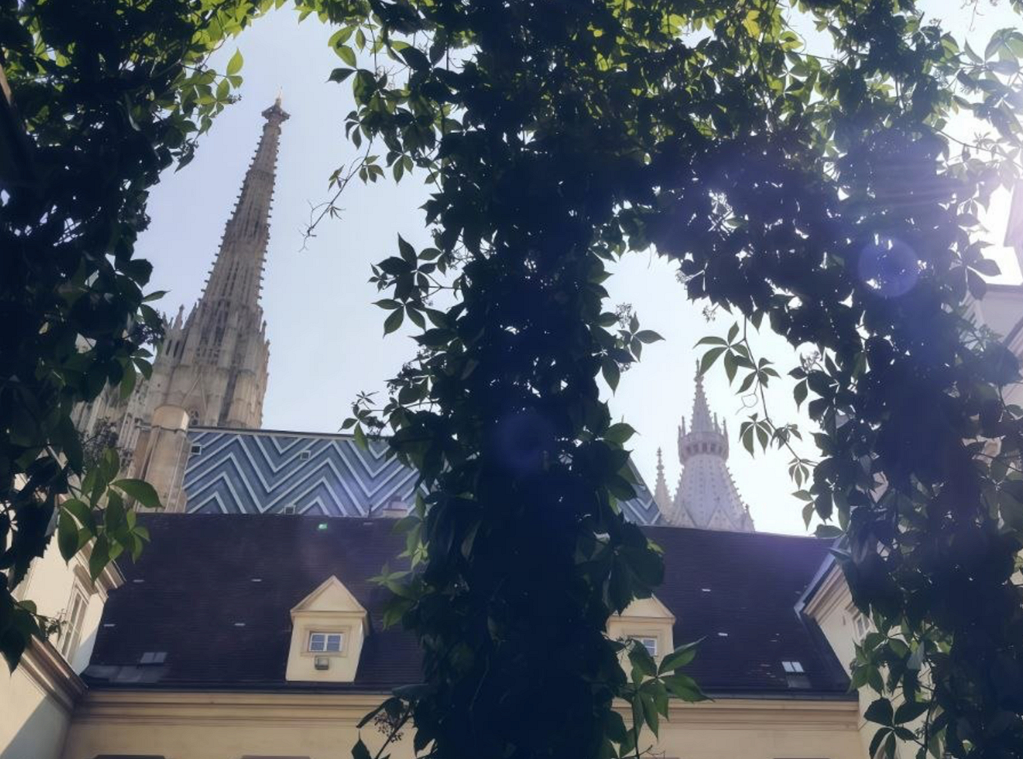
A memorial service for Roma and Sinti victims of the Holocaust will take place on August 2 at St. Stephen’s Cathedral in Vienna, led by Auxiliary Bishop Franz Scharl, with a wreath-laying ceremony to follow.

Austria officially recognizes August 2 as a National Holocaust Remembrance Day for Roma and Sinti, commemorating the murder of approximately 4,300 individuals in Auschwitz in 1944.

The 30th Roma Pilgrimage to Mariazell is scheduled for August 9, celebrating faith and culture, with participation from Roma communities across Europe.

Slovenia and the Holocaust

Published by:

Slovenia and the Holocaust

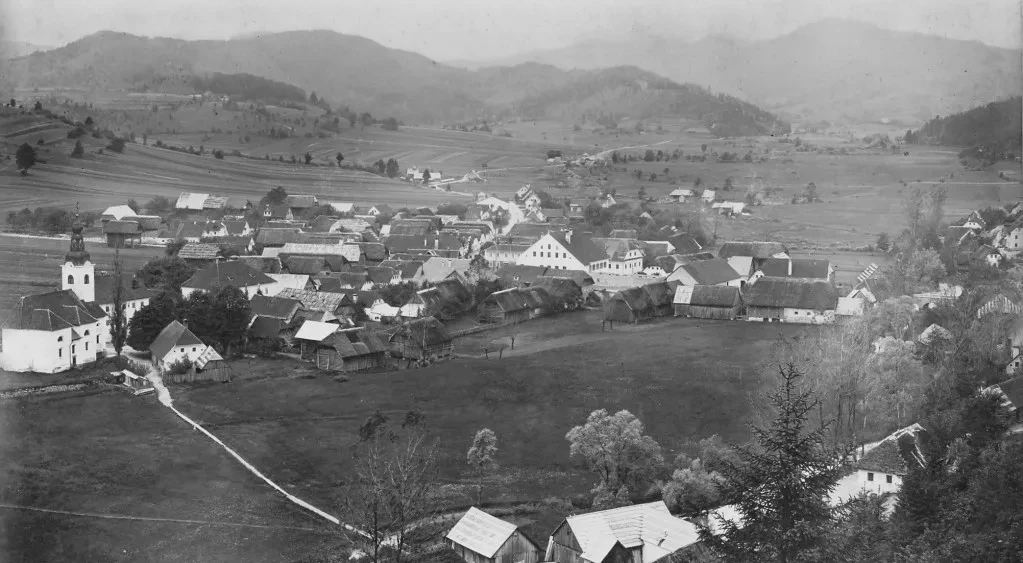
The article discusses the violent actions of communist partisans in Sodražica during May 1942, including the murder of 16 Roma and other locals, highlighting the impact of these events on the community.

It references the historical context of the region, including the rise of communism and the experiences of local families during the war, particularly the Kozina family.

While it is true that partisans executed Roma and others during the war, this is aprt of a new narrative in Slovenia whereby all crimes during the war were committed by others …  As a reminder, let’s just say the mayor of Ljubjana vetoed the transfer of Roma victims to the local cemmeraty devoted to victims of World War Two.

Exhibition

Published by:

Exhibition

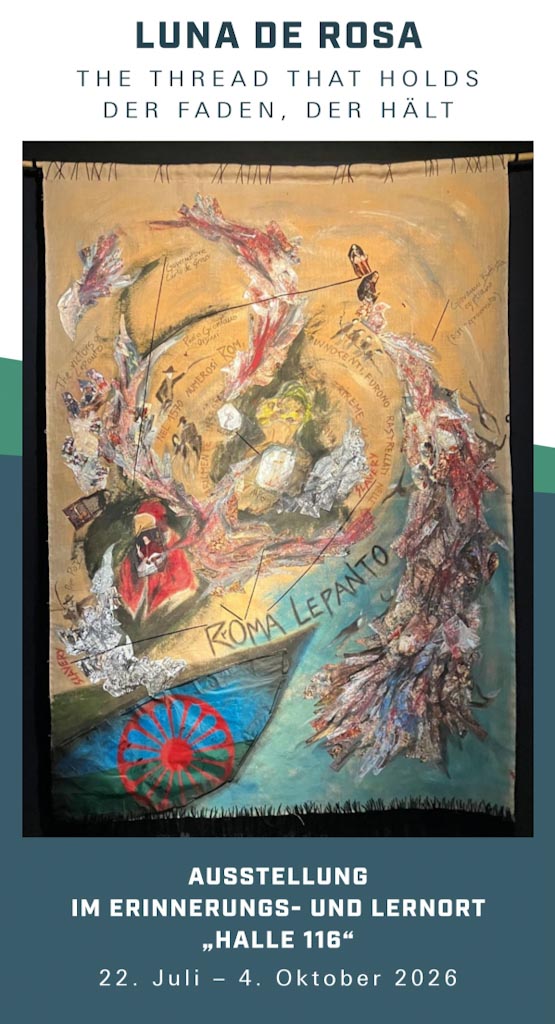
The exhibition “The Thread That Holds” by Romnja artist Luna De Rosa opens on July 22, 2026, at Halle 116, focusing on exclusion, discrimination, and anti-Roma stereotypes.

This is the first art exhibition in the newly created space, commemorating the Porajmos, the genocide of Sinti and Roma during the Nazi regime, which remains underrecognized.

The event includes a moderated discussion with the artist and musical accompaniment, and the exhibition runs from July 22 to October 4, 2026, with free admission during regular hours.

Commemoration

Published by:

Commemoration

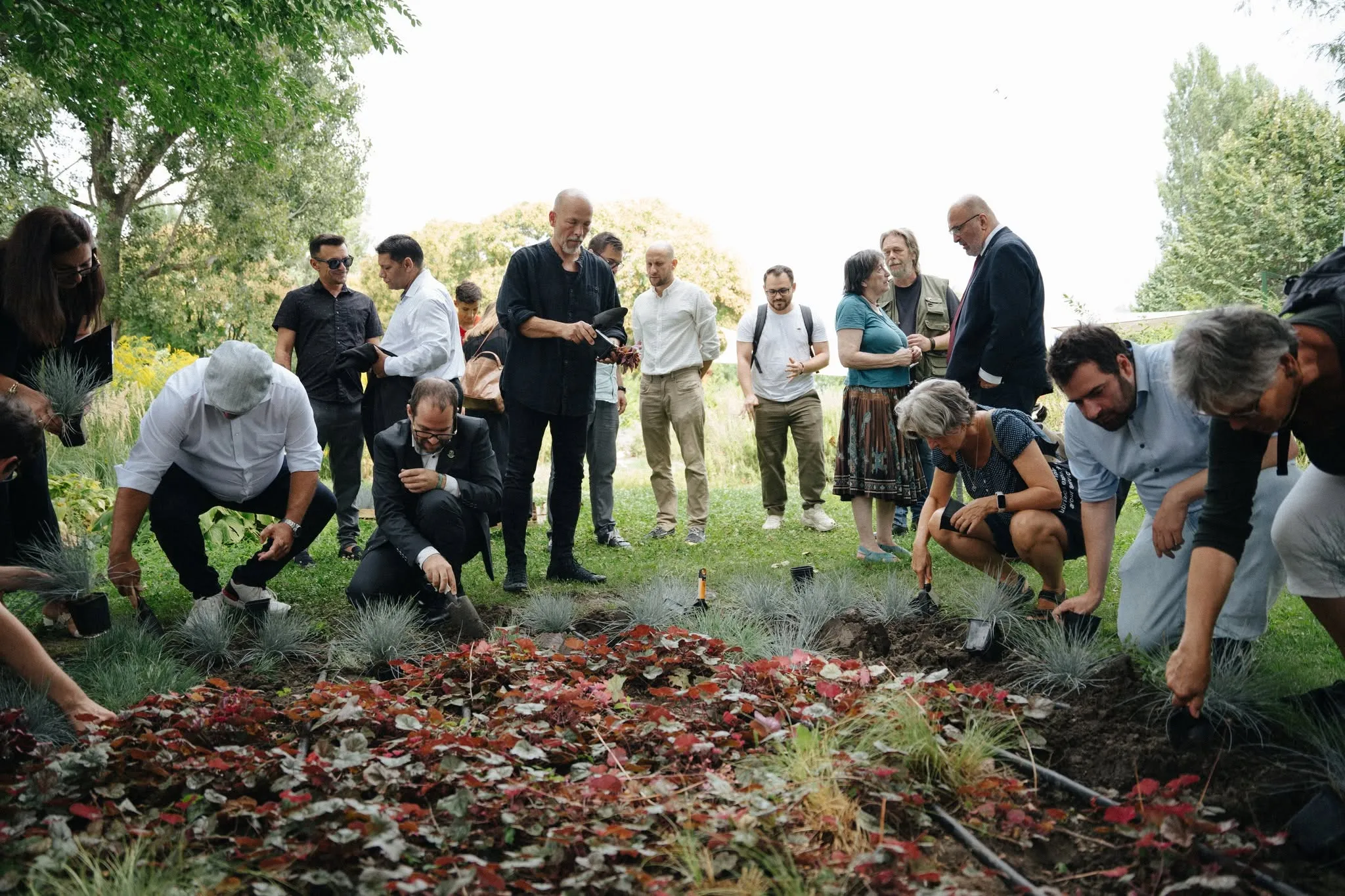
A joint commemoration for the Roma genocide during the Holocaust is organised by the Józsefváros Municipality and the Roma Municipality, taking place on August 2-3, with events at Teleki László Square and the Roma Municipality theater.

The article details the historical context of the persecution of Roma during the Nazi regime, including the implementation of the Nuremberg laws and mass deportations.

The program includes speeches, music performances, and a flower-laying ceremony to honor the victims of the Roma genocide.

Forced Labour

Published by:

Forced Labour

Historical evidence shows that Roma from Burgenland were forced to work on the Reichsautobahn during the Nazi era, with new research pinpointing specific locations of these labor camps.

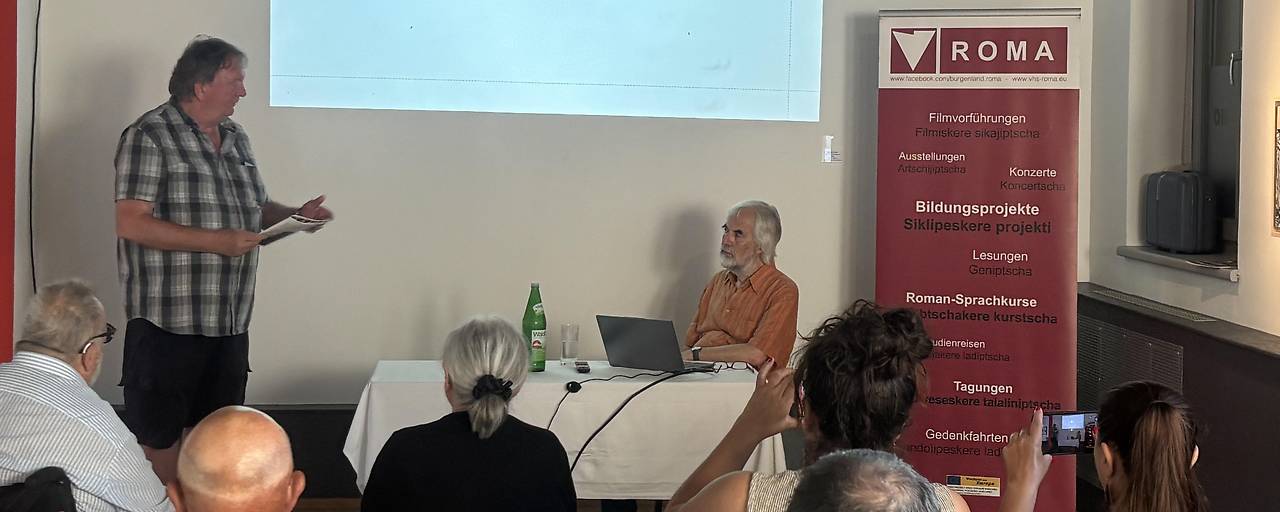
Writer Ludwig Laher has been investigating Nazi forced labor and the persecution of Roma and Sinti, utilizing new archival sources to shed light on these historical events.

Events organized by Roma-VHS Burgenland aim to raise awareness about the history of forced labor and keep the memory of the victims alive, highlighting the ongoing relevance of this topic today.

Auschwitz Commemoration

Published by:

Auschwitz Commemoration

The 82nd anniversary of the liquidation of the so-called Gypsy camp at Auschwitz will be commemorated on August 2, 2024, with events organized by the Center for History and Culture of the Roma in Oświęcim. During World War II, approximately 500,000 Roma and Sinti were murdered by the Nazis, with many being exterminated at Auschwitz.

August 2 is recognized in Poland as the Day of Remembrance for the Roma Genocide and is observed in the EU as the European Day of Remembrance of the Holocaust of Roma and Sinti.

Germany and Post-War Discrimination

Published by:

Germany and Post-War Discrimination

Historian Stefanie Schüler-Springorum discusses the ongoing discrimination and persecution in post-Nazi Germany, highlighting that groups such as Jews, Sinti, Roma, and homosexuals continued to face significant challenges and societal exclusion.

She emphasizes that while the end of the Nazi regime in 1945 marked a liberation for some, it did not equate to freedom for all, as many groups remained marginalized and subjected to ongoing discrimination.

Schüler-Springorum points out that remnants of these prejudices persist in contemporary German society, with issues of antisemitism, racism, and homophobia still prevalent, reflecting a deep-rooted notion of who is considered a “true German.”

In paralle, the German government has established an independent commission to address the injustices faced by Sinti and Roma in Germany and East Germany after 1945, implementing a key recommendation from the Independent Commission on Antiziganism.

The commission aims to comprehensively document the injustices, include unheard perspectives, and integrate the experiences of affected individuals and their descendants into German memory culture.

This initiative is part of a broader European movement towards state-led processes of historical reckoning, acknowledging Germany’s unique historical responsibility regarding the genocide of Sinti and Roma.

Remember

Published by:

Remember

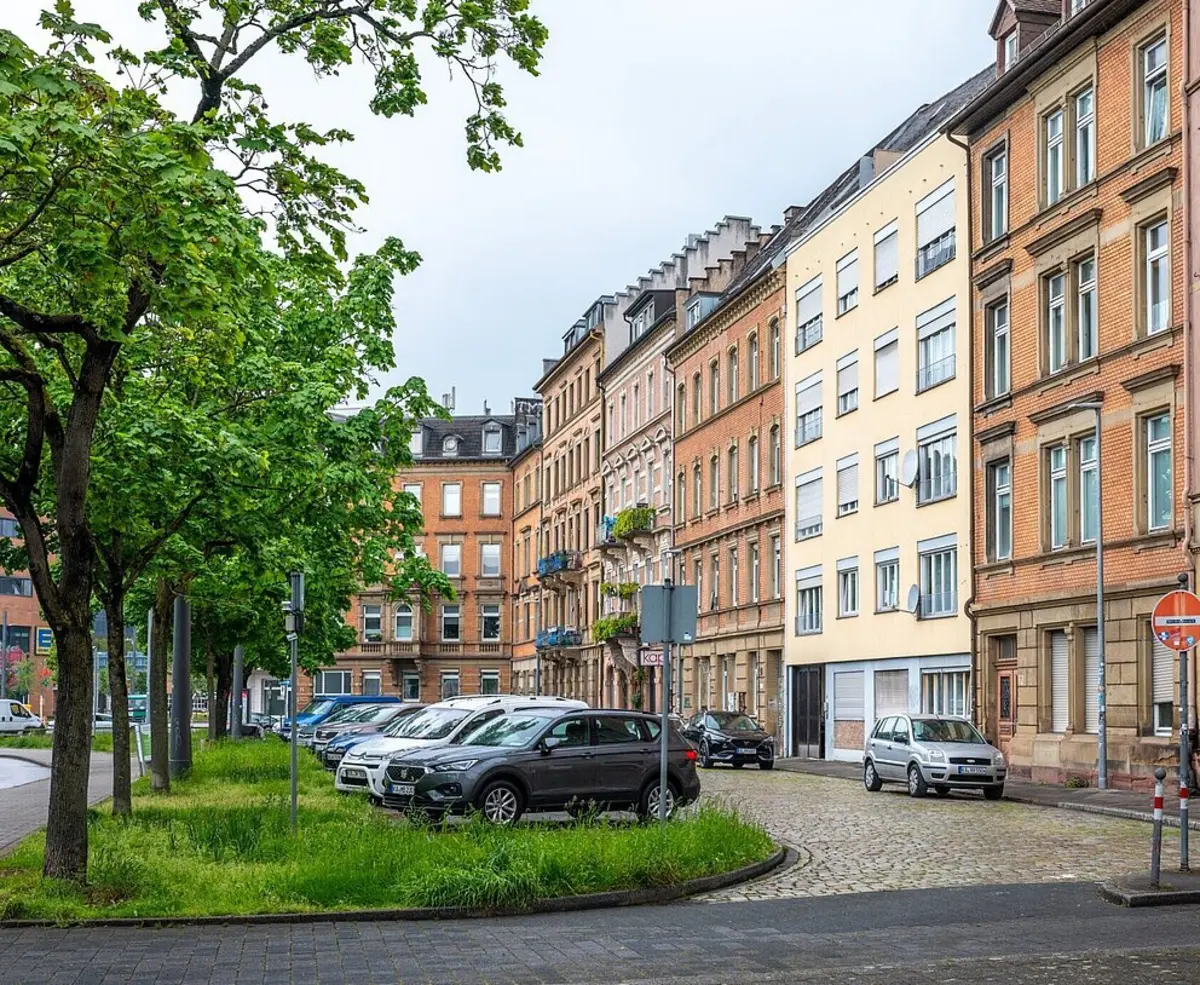
The Karlsruhe city council has named a square near Kapellenstraße as Familie-Reinhardt-Platz to honor the Sinti and Roma victims of the Nazis. There was consensus on the need for a memorial, but disagreement on the location, with some council members finding the chosen site inadequate.

The proposal was supported by multiple political parties, while the CDU suggested an alternative name and location for the memorial.

Roma History

Published by:

Roma History

Višnja Višnjić Milić won an award for her ethical reporting on Roma history and Holocaust remembrance, focusing on the suffering of Roma during World War II.

Her program “Građanin” highlighted the experiences of Roma in two concentration camps, showcasing journalistic integrity and high ethical standards. Milić emphasized the importance of creating understanding and dialogue about marginalized communities, viewing the award as motivation to continue her work against discrimination.

Slovakia and the Genocide

Published by:

Slovakia and the Genocide

Martina Znamenáčková, a Slovak actress, discusses her role in the series “Dunaj” and her experiences as an actress. She reflects on the tragic historical context of her character’s storyline, which relates to the Roma Genocide during the Holocaust, emphasizing the importance of remembering such events to prevent future atrocities.

Znamenáčková also addresses issues of racial stereotyping in casting and the need for sensitivity in how questions about her ethnicity are posed, while sharing her ongoing projects in theater and television.

Slovenia and WWII Victims

Published by:

Slovenia and WWII Victims

The Slovene National Assembly has passed a law regarding the burial of victims of post-war killings. According to the article, the left continues to label as an ‘ideological law’ and a source of ‘division’. The article argues that this law is a necessary civilizational duty to address the thousands of unburied victims of communist terror, supported by archival documents.

It recounts historical atrocities committed by communists, including the execution of innocent civilians, emphasizing the need for the law’s implementation as a moral obligation.

Roma were also killed by Partisans in Slovenia. From mid-May 1942, communists partisans forcibly gathered and drove a large group of Roma from below Krim, from Vrblje and Podpeč into the gorge. At Benkov meadow, they shot everyone in a row without a shred of mercy: children, young people, old people, men and women. At that time, 43 innocent victims ended up in a common grave, which turned Iška into one large cemetery.

What the article fails to mention, is that the mayor od Ljbljana, who is not a leftist, denied the burial of these Roma victims in local cemetary for war victims … This all is part of a narrative whereby Roma were not killed by Slovenes, but by partisans only (some of which were indeed slovenes).

Burgenland Roma

Published by:

Burgenland Roma

A lesser-known chapter of Burgenland’s Roma history will be discussed at an event organized by the Roma Adult Education Center in Burgenland. The event titled “Myth of the Reichsautobahn: Forced Labor and Suffering of Romnja and Roma from Burgenland” will feature writer and historian Ludwig Laher.

The event is scheduled for Friday, June 19, at 7 PM at the OHO – Open House Oberwart.

rroma.org
en_GBEN