Tag Archives: Genocide

Exhibition

Published by:

Exhibition

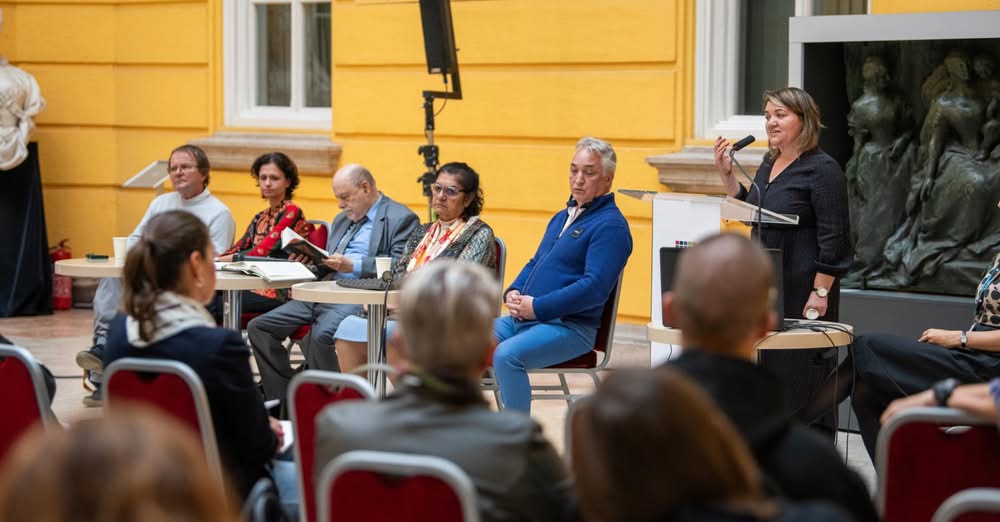
The exhibition “The Thread That Holds” by Romnja artist Luna De Rosa opens on July 22, 2026, at Halle 116, focusing on exclusion, discrimination, and anti-Roma stereotypes.

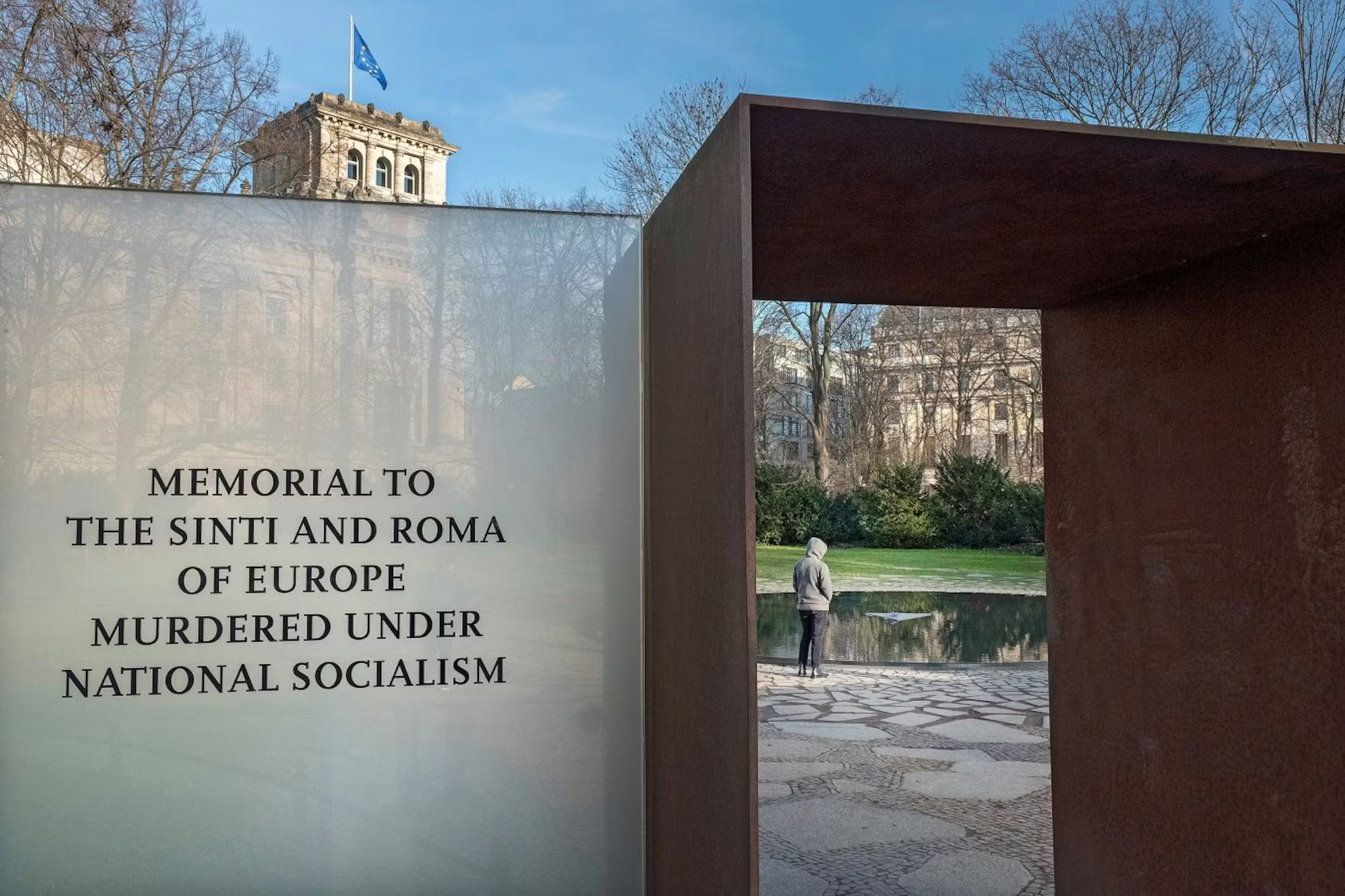
This is the first art exhibition in the newly created space, commemorating the Porajmos, the genocide of Sinti and Roma during the Nazi regime, which remains underrecognized.

The event includes a moderated discussion with the artist and musical accompaniment, and the exhibition runs from July 22 to October 4, 2026, with free admission during regular hours.

Commemoration

Published by:

Commemoration

A joint commemoration for the Roma genocide during the Holocaust is organised by the Józsefváros Municipality and the Roma Municipality, taking place on August 2-3, with events at Teleki László Square and the Roma Municipality theater.

The article details the historical context of the persecution of Roma during the Nazi regime, including the implementation of the Nuremberg laws and mass deportations.

The program includes speeches, music performances, and a flower-laying ceremony to honor the victims of the Roma genocide.

Forced Labour

Published by:

Forced Labour

Historical evidence shows that Roma from Burgenland were forced to work on the Reichsautobahn during the Nazi era, with new research pinpointing specific locations of these labor camps.

Writer Ludwig Laher has been investigating Nazi forced labor and the persecution of Roma and Sinti, utilizing new archival sources to shed light on these historical events.

Events organized by Roma-VHS Burgenland aim to raise awareness about the history of forced labor and keep the memory of the victims alive, highlighting the ongoing relevance of this topic today.

Auschwitz Commemoration

Published by:

Auschwitz Commemoration

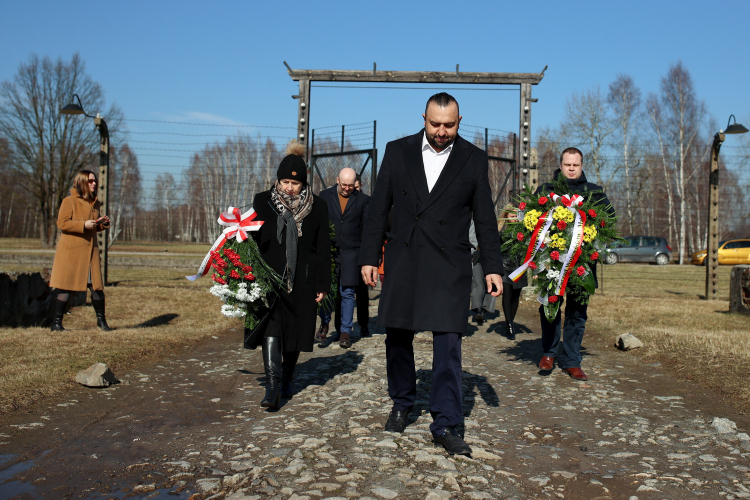
The 82nd anniversary of the liquidation of the so-called Gypsy camp at Auschwitz will be commemorated on August 2, 2024, with events organized by the Center for History and Culture of the Roma in Oświęcim. During World War II, approximately 500,000 Roma and Sinti were murdered by the Nazis, with many being exterminated at Auschwitz.

August 2 is recognized in Poland as the Day of Remembrance for the Roma Genocide and is observed in the EU as the European Day of Remembrance of the Holocaust of Roma and Sinti.

Germany and Post-War Discrimination

Published by:

Germany and Post-War Discrimination

Historian Stefanie Schüler-Springorum discusses the ongoing discrimination and persecution in post-Nazi Germany, highlighting that groups such as Jews, Sinti, Roma, and homosexuals continued to face significant challenges and societal exclusion.

She emphasizes that while the end of the Nazi regime in 1945 marked a liberation for some, it did not equate to freedom for all, as many groups remained marginalized and subjected to ongoing discrimination.

Schüler-Springorum points out that remnants of these prejudices persist in contemporary German society, with issues of antisemitism, racism, and homophobia still prevalent, reflecting a deep-rooted notion of who is considered a “true German.”

In paralle, the German government has established an independent commission to address the injustices faced by Sinti and Roma in Germany and East Germany after 1945, implementing a key recommendation from the Independent Commission on Antiziganism.

The commission aims to comprehensively document the injustices, include unheard perspectives, and integrate the experiences of affected individuals and their descendants into German memory culture.

This initiative is part of a broader European movement towards state-led processes of historical reckoning, acknowledging Germany’s unique historical responsibility regarding the genocide of Sinti and Roma.

Remember

Published by:

Remember

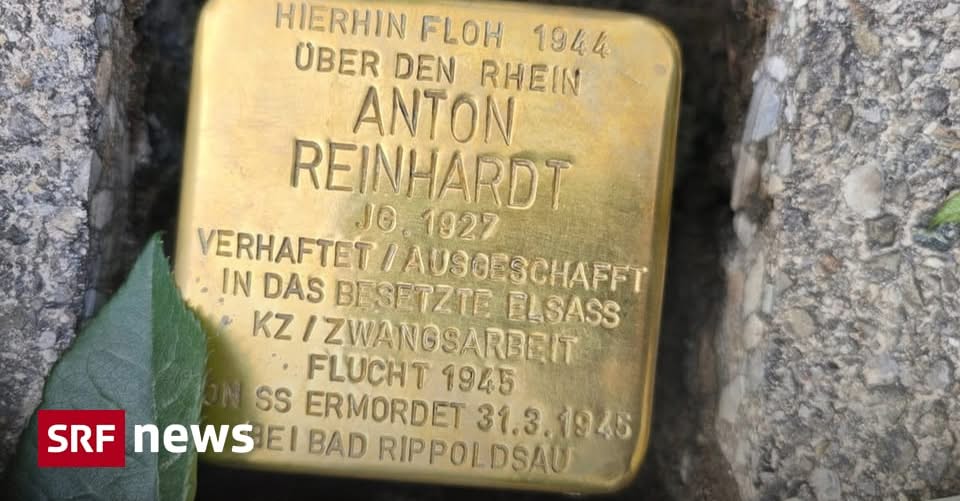
The Karlsruhe city council has named a square near Kapellenstraße as Familie-Reinhardt-Platz to honor the Sinti and Roma victims of the Nazis. There was consensus on the need for a memorial, but disagreement on the location, with some council members finding the chosen site inadequate.

The proposal was supported by multiple political parties, while the CDU suggested an alternative name and location for the memorial.

Roma History

Published by:

Roma History

Višnja Višnjić Milić won an award for her ethical reporting on Roma history and Holocaust remembrance, focusing on the suffering of Roma during World War II.

Her program “Građanin” highlighted the experiences of Roma in two concentration camps, showcasing journalistic integrity and high ethical standards. Milić emphasized the importance of creating understanding and dialogue about marginalized communities, viewing the award as motivation to continue her work against discrimination.

Slovakia and the Genocide

Published by:

Slovakia and the Genocide

Martina Znamenáčková, a Slovak actress, discusses her role in the series “Dunaj” and her experiences as an actress. She reflects on the tragic historical context of her character’s storyline, which relates to the Roma Genocide during the Holocaust, emphasizing the importance of remembering such events to prevent future atrocities.

Znamenáčková also addresses issues of racial stereotyping in casting and the need for sensitivity in how questions about her ethnicity are posed, while sharing her ongoing projects in theater and television.

Slovenia and WWII Victims

Published by:

Slovenia and WWII Victims

The Slovene National Assembly has passed a law regarding the burial of victims of post-war killings. According to the article, the left continues to label as an ‘ideological law’ and a source of ‘division’. The article argues that this law is a necessary civilizational duty to address the thousands of unburied victims of communist terror, supported by archival documents.

It recounts historical atrocities committed by communists, including the execution of innocent civilians, emphasizing the need for the law’s implementation as a moral obligation.

Roma were also killed by Partisans in Slovenia. From mid-May 1942, communists partisans forcibly gathered and drove a large group of Roma from below Krim, from Vrblje and Podpeč into the gorge. At Benkov meadow, they shot everyone in a row without a shred of mercy: children, young people, old people, men and women. At that time, 43 innocent victims ended up in a common grave, which turned Iška into one large cemetery.

What the article fails to mention, is that the mayor od Ljbljana, who is not a leftist, denied the burial of these Roma victims in local cemetary for war victims … This all is part of a narrative whereby Roma were not killed by Slovenes, but by partisans only (some of which were indeed slovenes).

Burgenland Roma

Published by:

Burgenland Roma

A lesser-known chapter of Burgenland’s Roma history will be discussed at an event organized by the Roma Adult Education Center in Burgenland. The event titled “Myth of the Reichsautobahn: Forced Labor and Suffering of Romnja and Roma from Burgenland” will feature writer and historian Ludwig Laher.

The event is scheduled for Friday, June 19, at 7 PM at the OHO – Open House Oberwart.

Concentration Camp

Published by:

Concentration Camp

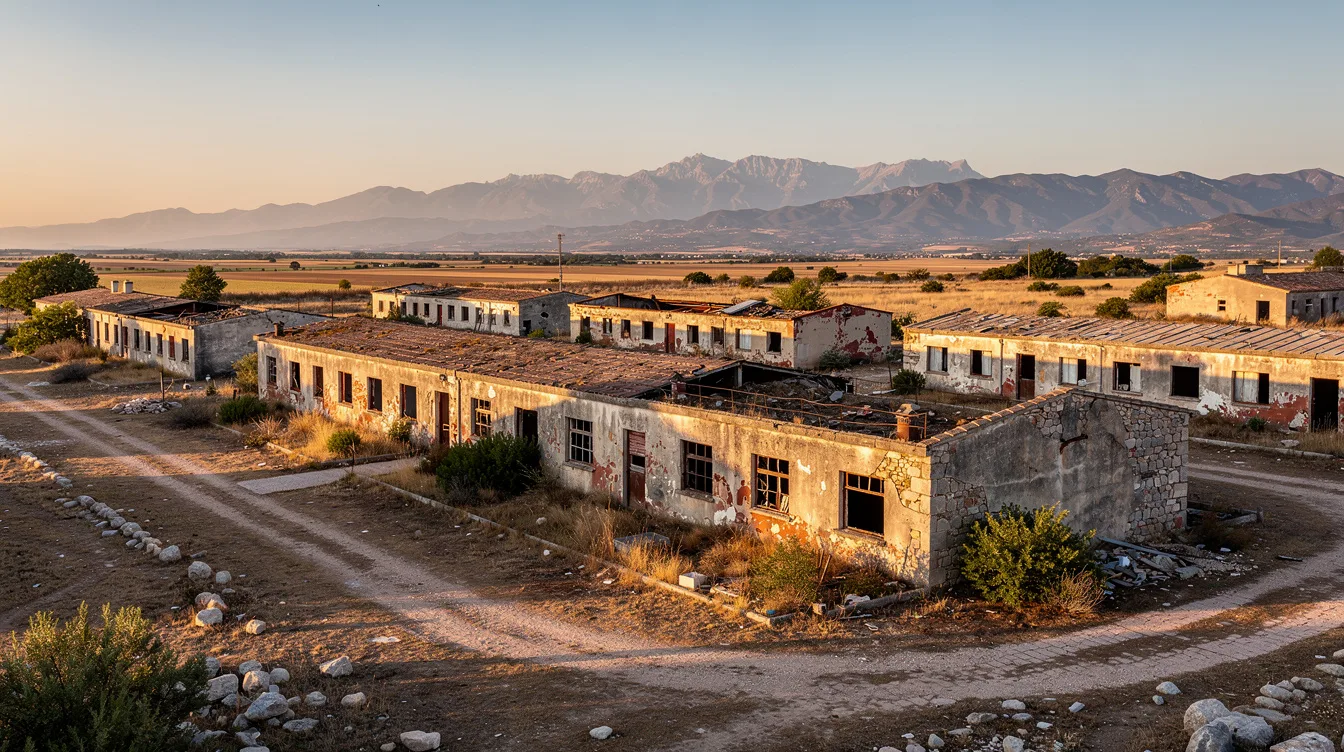
Within the grounds of Coudrecieux castle (Sarthe), the ruins of a World War II internment camp for “nomads” still remain. On My 31st, associations of itinerant citizens called for it to be listed as a historical monument.

Jasenovac and Croatia

Published by:

Jasenovac and Croatia

The Croatian President of the Republic, Zoran Milanović, visited the Roma Memorial Center Uštica, where he planted a Tree of Peace. During his visit, he lit a candle and laid a wreath in front of the Wall of Pain at the Roma Memorial Cemetery. So far, 21 mass graves of Roma victims have been identified in this area and more than 16’000 victims have been identified.

Roma Genocide in Croatia

Published by:

Roma Genocide in Croatia

Eighty years after the deaths of more than 16,000 Roma in the Uštica camp, part of the Jasenovac Ustasha camp, some places of death – such as the one near Jezerin where 38 Roma were killed in 1944 – still have neither a grave nor a memorial, it was pointed out on Tuesday at a forum at the Kali Sara Roma Association.

Dumitru Miclescu

Published by:

Dumitru Miclescu

The statement from the Coalition on Roma Holocaust Education, Remembrance and Recognition on the passing of Dumitru Miclescu, a Romanian survivor of the Genocide of the Roma during the Holocaust.

Dumitru Miclescu

Published by:

Dumitru Miclescu

On May 15th, Dumitru Miclescu passed away at the age of 92.

He was born on March 8th, 1934, and was one of the last Roma Holocaust survivors from Romania who carried within him the living memory of deportation to Transnistria and the suffering endured by Roma families during the genocide of the Roma during the Holocaust.
In 2025, he adressed the world from the the podium of the United Nations General Assembly. Mr. Dumitru Miclescu stood there not only for himself, but for all those who never had the chance to speak. In his testimony, he spoke about the suffering of deportation to Transnistria, to the camps of Vapniarka, Tiraspol, Coronica, and Odessa, and about the way death accompanied Roma families from the very beginning of deportation.
May he rest in peace.

Te avel o drom angla leste puterdo i te avel i phuv lokhi!

Westerbork

Published by:

Westerbork

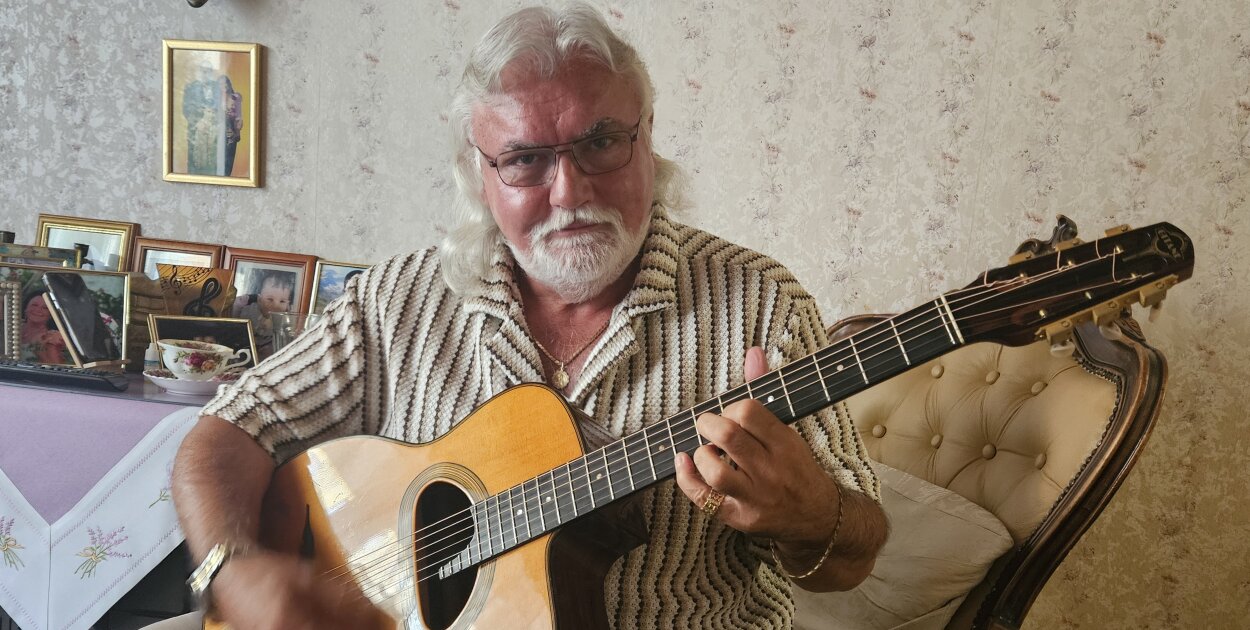
Against the backdrop of the commandant’s residence at Camp Westerbork, Theater Group Komyounit performs an impressive rendition of The Voice of a Guitar. Roma were deported from this camp.

Roma Resistance Day

Published by:

Roma Resistance Day

May 16th marks the 82nd anniversary of Romani Resistance Day. In 1944, Roma and Sinti resisted the Nazis in the Auschwitz-Birkenau concentration camp.

What is not quite correct in the ORF Program is their statement that this uprising “saved thoudans of lives”. We simply do not know, and it did not prevent the destruction of the “Zigeunerlager” on August 2nd, 1944.

Hamburg: Commemoration

Published by:

Hamburg: Commemoration

On May 16, 1940, police officers arrested approximately 1,000 Sinti and Roma in Hamburg and Northern Germany. At the memorial site at Hanoverian Station in Lohsepark in HafenCity, Roma and Sinti will commemorate the fact that their ancestors were deported to concentration camps by the National Socialists 86 years ago on Saturday. A wreath will be laid around 2 p.m. With this annual day of remembrance, they also want to remember the survivors who still have to live with the consequences of this injustice.

Hodonín u Kunštátu Memorial

Published by:

Hodonín u Kunštátu Memorial

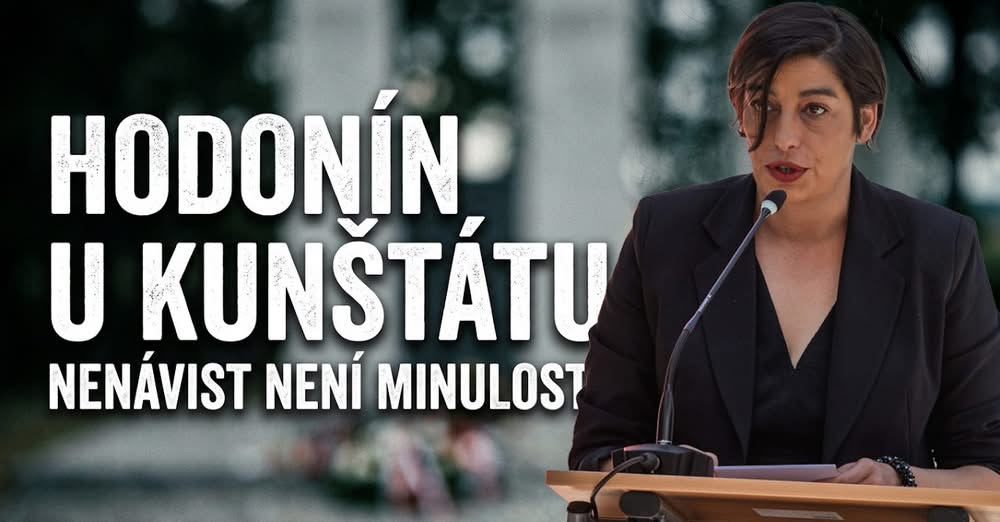
 A meeting of descendants of Roma and Sinti Holocaust survivors took place at the Hodonín u Kunštátu Memorial to the Holocaust of the Roma and Sinti in Moravia on Saturday, 16 May 2026 to honour the memory of the Roma and Sinti victims of Nazism. The event was organized by the Association of Roma and Sinti in the Czech Republic together with the Brno Christian Aid Association.

Khamoro Festival: Ma bistrass! – Against Forgetting!

Published by:

Khamoro Festival: Ma bistrass! – Against Forgetting!

What contribution can art and culture make to remembering the genocide of the Roma and Sinti? This question will be addressed in the discussion in the context of the exhibition of the same name.

This collaborative event between the Foundation Remembrance, Responsibility and Future (EVZ) and the Goethe-Institut brings together German and Czech stakeholders from civil society and the cultural sector, inviting them to reflect, discuss, and develop new perspectives for an inclusive and future-oriented culture of remembrance. The discussion takes place in conjunction with the photography exhibition of the same name, which will be on display on Kampa Island in Prague from May 27 to June 10.

rroma.org
en_GBEN