Tag Archives: Integration

Roma History and Inclusion

Published by:

Roma History and Inclusion

Panagiotis Charitos is a prominent social worker in Greece, dedicated to the education, social inclusion, and empowerment of Roma communities, with a strong academic background and extensive professional experience.

He has initiated various programs and projects aimed at improving educational access for Roma children, including the establishment of a Creative Activity Center and a Football Academy for Roma children.

Charitos has also been active in local politics, serving as a municipal councilor and advocating for Roma rights and social policies that promote equality and inclusion.

He is involved in the first Greek magazine dedicated to the history and culture of the Roma, titled “Unknown Culture of the Roma,” aims to document and preserve Roma heritage and promote positive examples from the community.

The magazine is a collective effort involving Roma scientists, educators, and community members, focusing on the rich traditions, values, and contributions of the Roma people.

It seeks to combat stereotypes and promote understanding between Roma communities and wider society, emphasizing the importance of equal opportunities and respect for Roma culture.

Budapest Walk

Published by:

Budapest Walk

The new Józsefváros walk of the UCCU Foundation takes stock of the obvious and often invisible places of the Roma cultural presence.

This is not the first city walk of the UCCU Roma Informal Foundation, but the first one in Józsefváros – the foundation operates in the district, previously in H13, now in József utca. UCCU is not an average Roma advocacy organization, it is characterized by the self-awareness and independence of the Z generation (20–30 years old). The walk was also led by two young people, Norbert Horváth, who is already beyond his university years, and Csilla Berki, who is still a university student, who were also accompanied by Szilvia Szénási, the head of the foundation.

Slovenia: New Project

Published by:

Slovenia: New Project

A new Slovenian project addresses the prevention of early and forced marriages, gender equality, women’s empowerment, and combating anti-Roma sentiment to enhance the skills of public officials working with the Roma community.

A training session was held online on June 12, 2026, focusing on various aspects of working with Roma youth, emphasizing inter-institutional cooperation and the role of social work centers. The training included presentations from government representatives and educational leaders, highlighting the importance of education in the lives of Roma youth and sharing best practices in inter-institutional collaboration.

Nice, but what is the impact?

Moldovan Mediators

Published by:

Moldovan Mediators

The Moldovan government approved changes to the regulations governing community mediators to enhance their effectiveness in assisting Roma families in accessing public services.

Community mediators will now have expanded responsibilities, including identifying vulnerable individuals and facilitating their contact with relevant public services. The reform includes ongoing professional training for mediators and aims to improve service quality and resource efficiency, promoting social inclusion and educational access for Roma children.

Moldovan National Program

Published by:

Moldovan National Program

The central goal of the Moldovan Roma National 2027-2030 Program is to enhance social inclusion and ensure equitable access for Roma to education, health, employment, social protection, and public participation.

The program includes measures to combat discrimination, develop community mediators, and promote Roma culture, validated by a meeting involving various stakeholders including government representatives and civil society organizations. Emphasis is placed on reducing inequalities and increasing access to quality public services, with active involvement from all stakeholders deemed essential for the program’s success.

Hungary and Roma

Published by:

Hungary and Roma

Under the new leadership of Prime Minister Peter Mađar, Hungary is taking significant steps to address discrimination against the Roma community, marking a historic moment in the country’s political landscape.

The new government includes four Roma parliament members, with Krištijan Kesegi becoming the first Roma vice president, signaling a shift towards greater representation.

Despite the positive gestures, Roma leaders remain cautious and are waiting to see if these symbolic changes will lead to real policy reforms and improvements in their socio-economic conditions.

However, Aba-Horváth István, a Roma minority spokesperson in Hungary, expresses disappointment over the loss of prestige in parliamentary representation for the Roma community, feeling they missed a historic opportunity for a genuine voice in parliament.

He criticizes the lack of cooperation from Debrecen representatives and the prevailing divisive political culture, which he believes undermines collaboration and community building.

Roma Inclusion

Published by:

Roma Inclusion

A ceremony was held to celebrate the 20th anniversary of the Office for the Inclusion of Roma, which has worked to improve the position of the Roma community in Vojvodina for two decades. Key achievements over the past twenty years include better integration of Roma into society, increased access to education, employment, healthcare, and improved living conditions.

Officials emphasized the importance of continued support for the Roma community through various programs aimed at education, economic empowerment, and strengthening institutional support.

Magyar and Roma

Published by:

Magyar and Roma

Under Viktor Orban, the Roma community faced severe discrimination and marginalization, but the new Prime Minister Peter Magyar is making efforts to address antiziganism and include Roma voices in politics.

A significant moment occurred during the inaugural session of the National Assembly when Roma children performed their anthem, symbolizing a shift in political representation for the Roma community.

Magyar’s government has pledged to end discrimination against Roma, improve their living conditions, and reform public works programs, but skepticism remains about the sincerity and effectiveness of these promises.

Roma Minority in Serbia

Published by:

Roma Minority in Serbia

Roma are officially the third largest minority in Serbia, yet they face significant challenges in their daily lives.

In recent decades, there has been a gradual improvement in their social standing, with efforts to move away from marginalization.

Young graphic designer Veselj Saliji exemplifies this progress through his award-winning work, showcasing the potential and talent within the Roma community.

Young Roma in Serbia

Published by:

Young Roma in Serbia

Salih Saitović, president of the Democratic Union of Roma, discussed the challenges faced by young Roma in Vranje, emphasizing the lack of equal opportunities rather than a lack of will or potential among the youth.

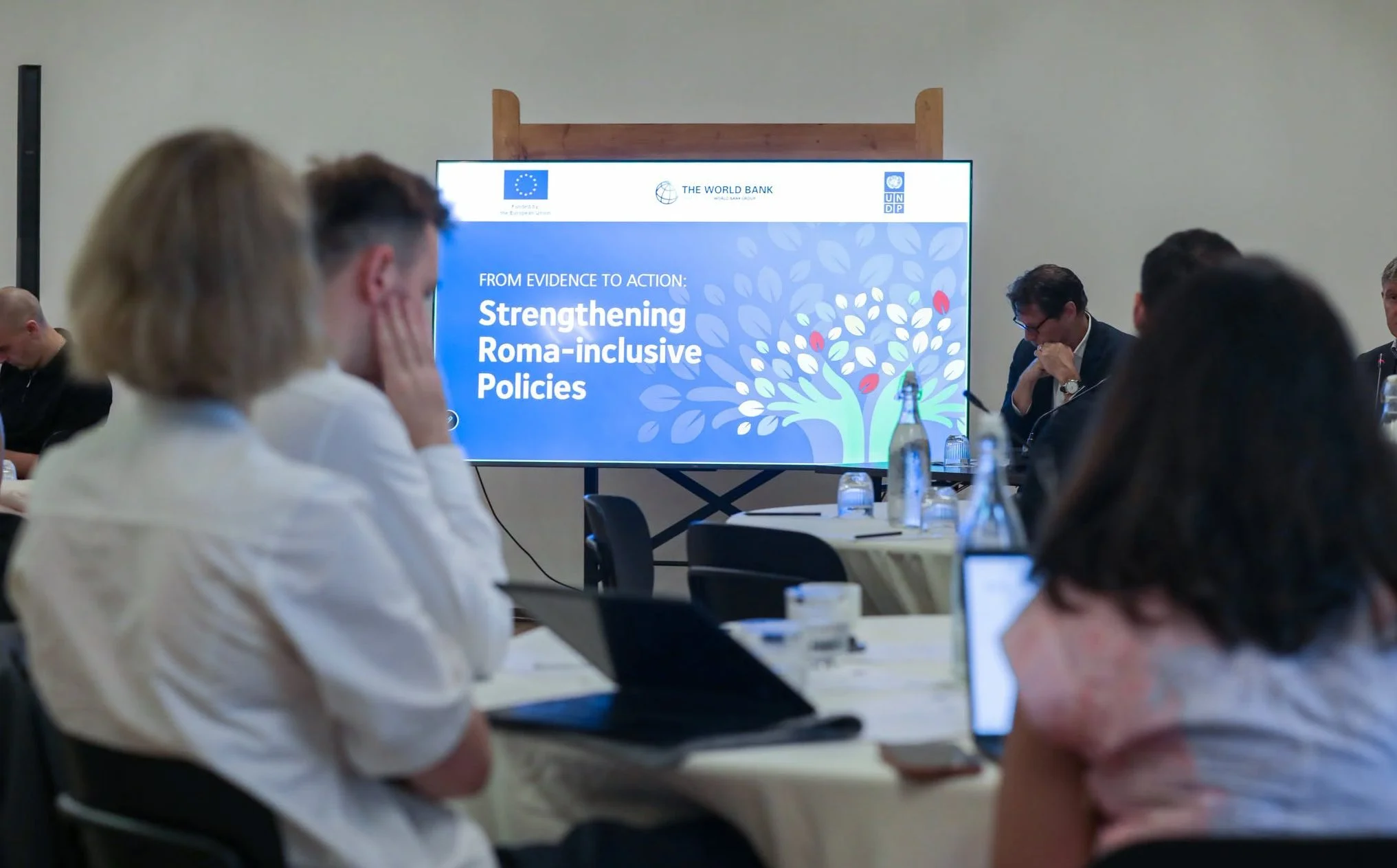
UNDP, World Bank, and European Commission data reveal that only 27% of young Roma aged 18-24 are engaged in education, employment, or training, compared to 58% of their non-Roma peers, with young Romnja facing even greater challenges.

Saitović calls for increased investment in education, training programs, and employment support for young Roma, stressing the importance of providing equal opportunities to prevent losing a generation of potential contributors to society.

Hungary and Roma

Published by:

Hungary and Roma

Two articles concerning Roma in Hungary.

The first one discusses the lack of Roma representation in the Hungarian government, which has disappointed the Roma community, and highlights the need for genuine inclusion in political processes. Activist Horváth Aladár emphasizes the importance of recognizing Roma as equal citizens and the potential for change under the new government led by Magyar Péter. The article also critiques the historical neglect of Roma issues in Hungary and the need for substantial reforms to improve their social and economic conditions.

In the second second one Keno Verseck questions whether the situation for Roma in Hungary will improve under the new government, led by Prime Minister Péter Magyar, who is sending a historical signal against anti-Roma sentiment. Magyar has a knack for symbolic politics, having previously highlighted Roma culture during significant political events, which resonated with the European Roma community. The new Prime Minister aims to go beyond mere gestures and is expected to take more substantial actions regarding Roma issues.

Integration in Bosnia

Published by:

Integration in Bosnia

Although the Roma community in Bosnia and Herzegovina continues to face numerous challenges, examples from Gradiška and Prnjavor show that the position of the Roma has been changing for the better in recent years.

Slovenia, Kindergartens, and Roma

Published by:

Slovenia, Kindergartens, and Roma

The municipalities of Šentjernej, Škocjan and Šmarješke Toplice are facing challenges in integrating Roma children into kindergartens. Despite the large number of Roma families, the enrollment of Roma children in kindergartens is very low, which raises questions about the success of integration efforts. It seems that the problems with the admission of children have been successfully addressed in the aforementioned municipalities, but we still rarely encounter Roma children in kindergartens.

Inclusion Project

Published by:

Inclusion Project

The “Inclusion and Integration of Roma, Sinti, and Caminanti Children and Adolescents (RSC)” project is an institutional initiative aimed at combating school dropout, educational poverty, and social exclusion, funded by the National Inclusion Programme and the European Social Fund Plus (ESF+).

Bulgaria: Petition

Published by:

Bulgaria: Petition

A petition is circulating in Bulgaria requesting that only Bulgarian literature be taught in primary schools. They state that foreign literature can be studied later, once “children already have a solid national foundation”. In the case of Bulgaria, this is somewhat ironical, as Turks, Armenians, Roma, Greeks, and many others are part of the country and its history…

Moldova and Roma

Published by:

Moldova and Roma

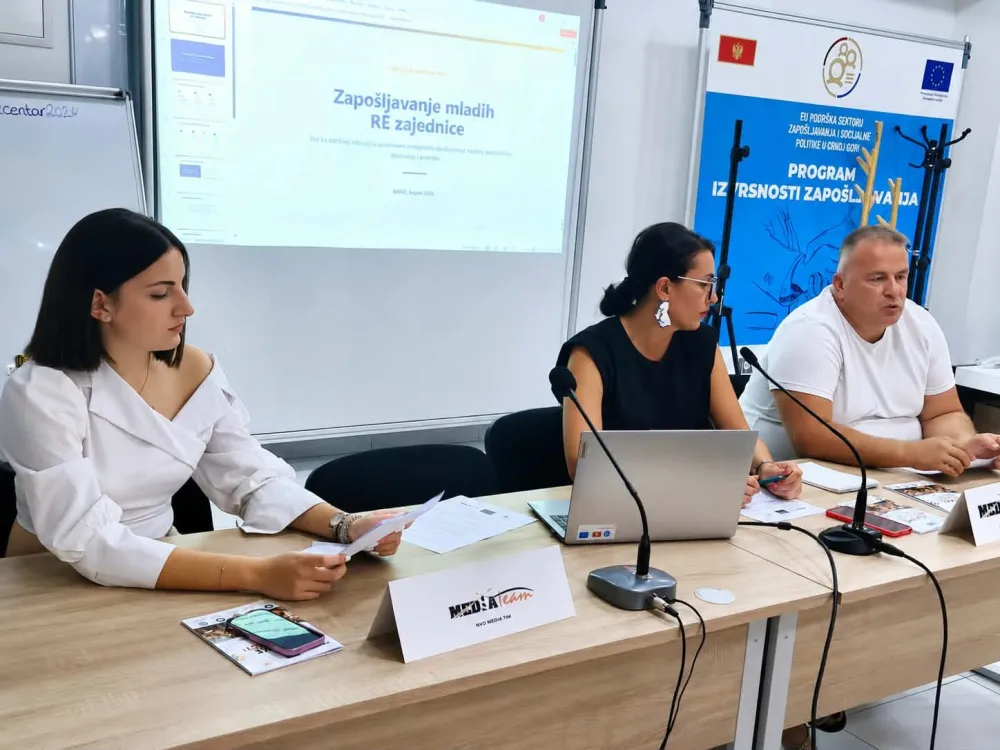
A roundtable discussion at Edinet (Moldova) City Hall brought together representatives of the government, relevant services, and the Roma community. Photo: SP

Why are children from the Roma community in Edinet dropping out of school en masse, while adults are unable to find work? At a roundtable discussion on Roma rights in Moldova, this was addressed directly: with figures, stories, and without the usual excuses. The discussion on Roma community integration quickly expanded beyond the formal agenda to address migration, poverty, and mistrust, which continue to undermine even existing support mechanisms.

Stand Up Comedian

Published by:

Stand Up Comedian

The Vestnik media house once again chose Vestnik’s personality of Pomurje for the past year with the help of its readers. The editorial board has determined ten candidates who, with their actions, are changing the lives of Pomurje residents in their local environment or elsewhere for the better.

Among the ten candidates, the first Roma stand-up comedian Andrej Bajič Šarkezi was the most convincing, drawing ideas for his performances from everyday life. His family also means a lot to him. “I present my point of view in a humorous way,” says Andrej Bajič Šarkezi, the first Roma stand-up comedian in Slovenia and Vestnik’s personality of Pomurje for 2025.

Integration

Published by:

Integration

The Dobrich Municipality (Bulgaria) reported on progress in the integration of Roma communities. During the meeting, the results achieved from the implementation of the ROMACT approach were presented, as well as the main challenges faced by the municipality in the integration process.

rroma.org
en_GBEN