The Roma Community Council of the Republic of Slovenia does not support the proposal to amend the Roma Community Act, they concluded at Friday’s extraordinary session. They believe that the proposal contains numerous shortcomings that must be eliminated in order to be in line with the constitution.
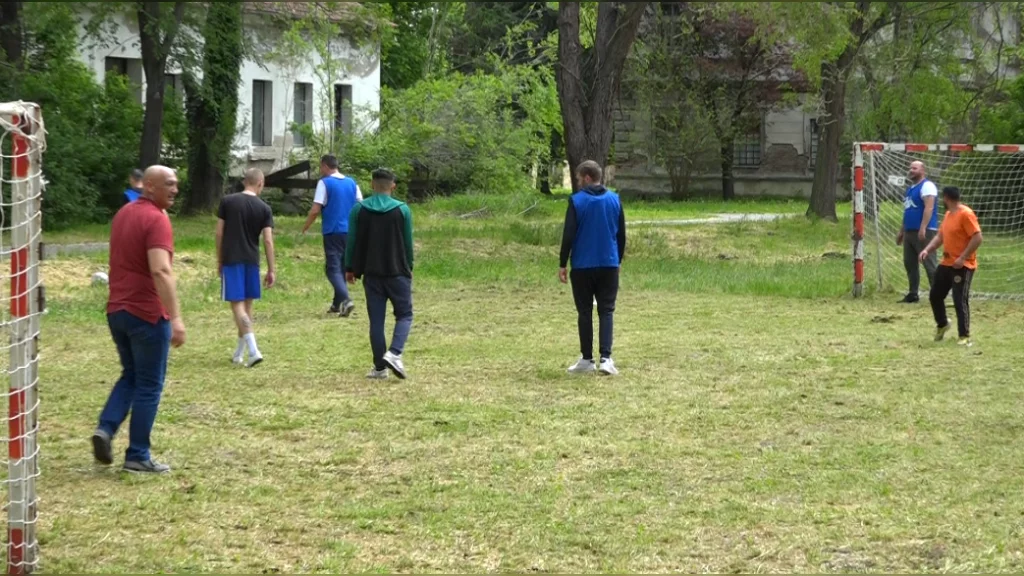
The associations “Roma Cloud of Imagination” and “Ki Rota” organized a football tournament in Kikinda, Serbia , on the occasion of World Roma Day celebrated every year on April 8. This day aims to promote equality, human rights and social inclusion, as well as to highlight the importance of integrating the Roma into all spheres of society.
“The city administration has initiated several important measures to improve the living standards of the Roma. Among these measures is the provision of school supplies for every child from the first to the eighth grade, while last year high school graduates were allowed to use the restroom during the graduation ceremony, and this practice will continue this year. Although it is clear that the Roma face numerous challenges and that the process of their integration and inclusion requires time and effort, the goal of the city administration is to lay a solid foundation for future generations and to do everything in their power to improve the position of the Roma community,” said Željko Radu, member of the City Council responsible for social policy, demographic changes, vulnerable groups and human rights.
Dennik N is making a series of reportages on the situation of Roma in the Spiš region of Slovakia, looking at how mayors cope with the issues of Roma settlements and at how EU funds, which provide the bulk of the help are being used.
Well, some improvements have bene done, but not much…
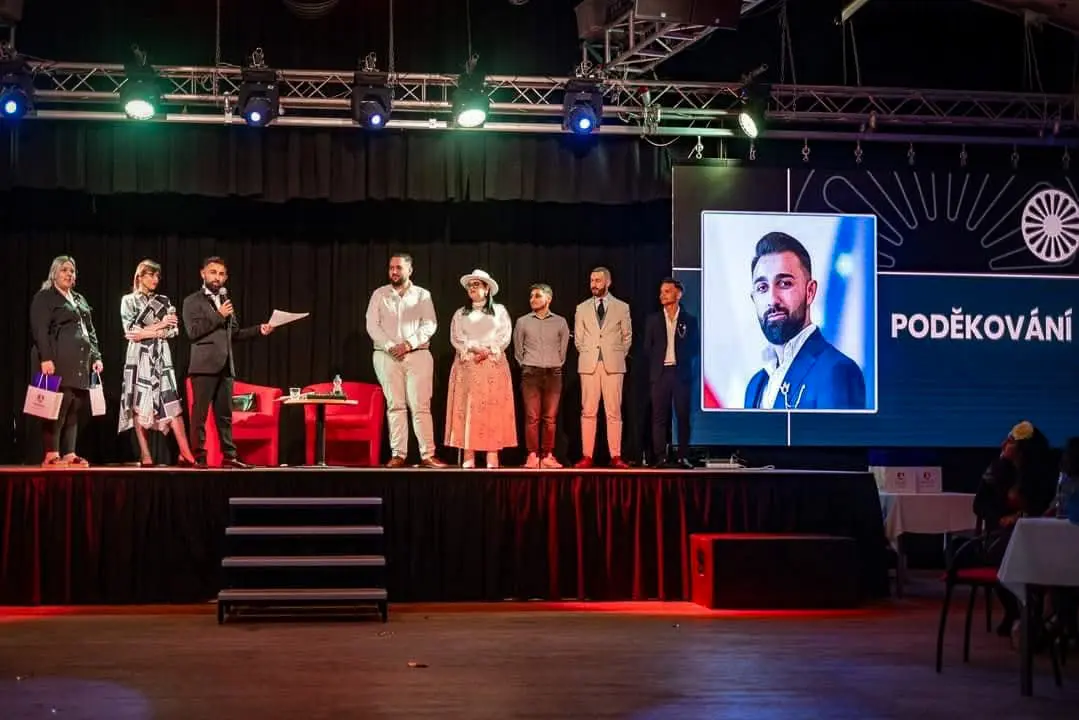
The second year of the Having a Dream project will take place on May 3, 2025 in Pardubice. Nine inspiring Roma personalities, including three ROMEA scholarship holders, will perform on stage. The aim of the event is to support education, personal development and intergenerational dialogue. The event is held under the auspices of the Deputy Governor of the Pardubice Region, Pavel Šotola, and the Government Commissioner for Roma Minority Affairs, Lucie Fuková. Visitors can look forward to panel discussions, workshops, cultural performances and a ceremonial procession through the city centre.
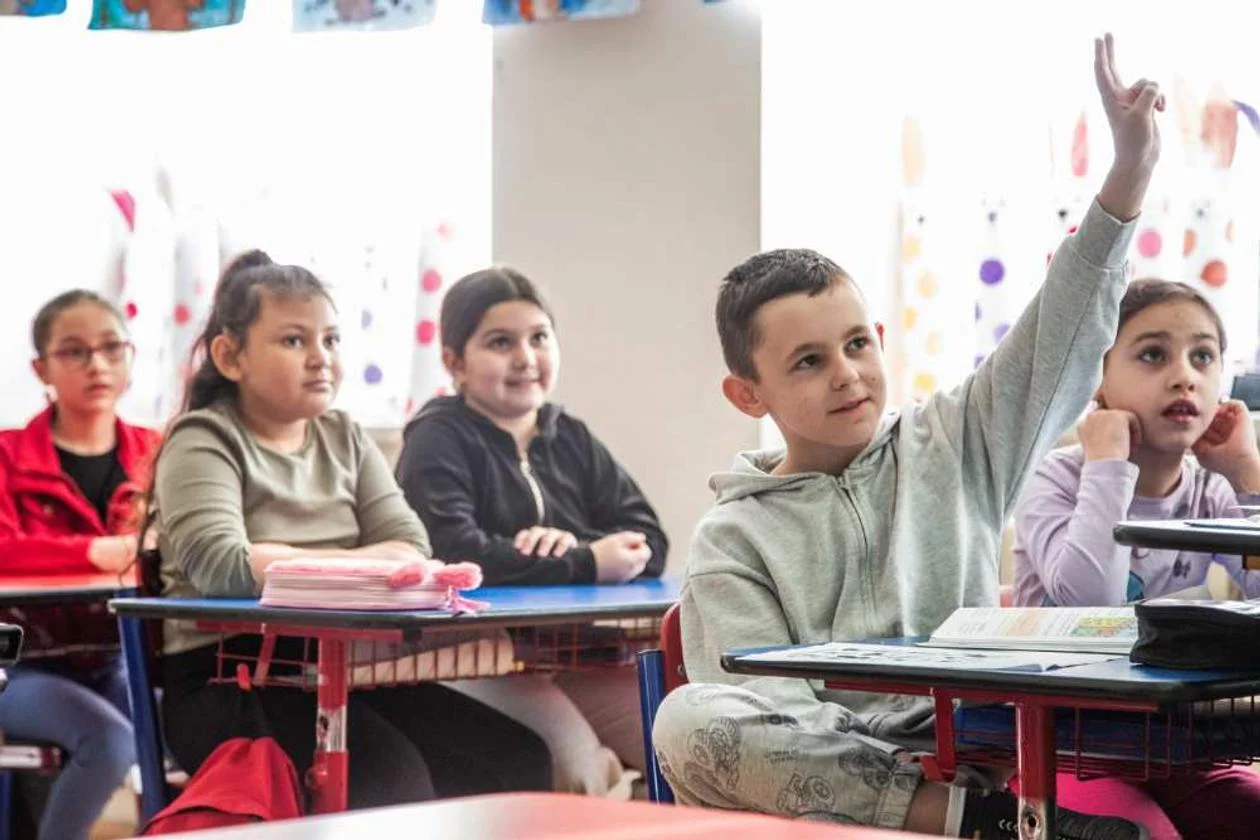
It used to be an elite institution where no Roma students attended. However, after merging with a neighboring elementary school, Merhautova Elementary School became a school where most of the students are Roma and, in recent years, Ukrainian. Does this sound like a recipe for disaster? But that did not happen at the Brno elementary school. Children and parents expressed their opinion in a satisfaction survey that “Merhautka” has the best internal climate of all Brno schools.
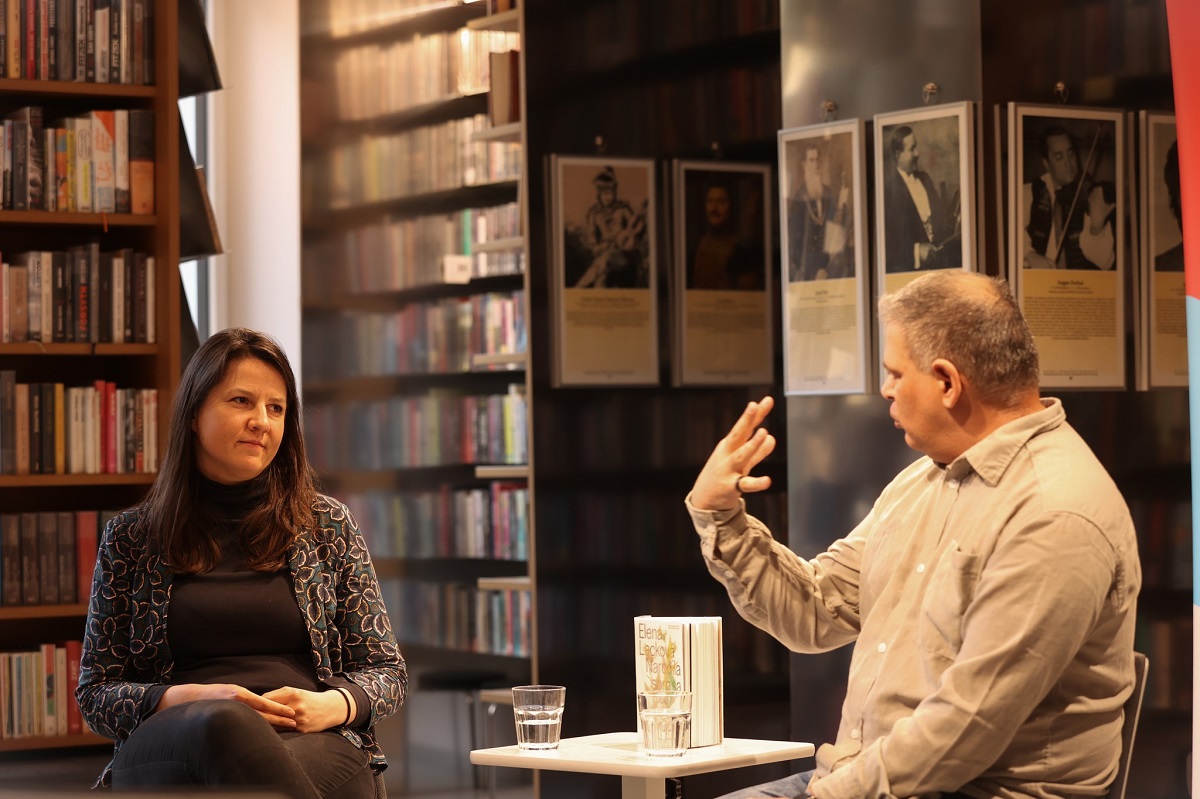
The Old Town Library, in cooperation with the Slovak National Museum in Martin – the Museum of Roma Culture in Slovakia and the Romano Forum magazine, opened the exhibition Gallery of Roma Personalities.
The exhibition presents 24 prominent personalities of Roma origin who, with their talent, work and legacy, contributed to the development of society in Slovakia.
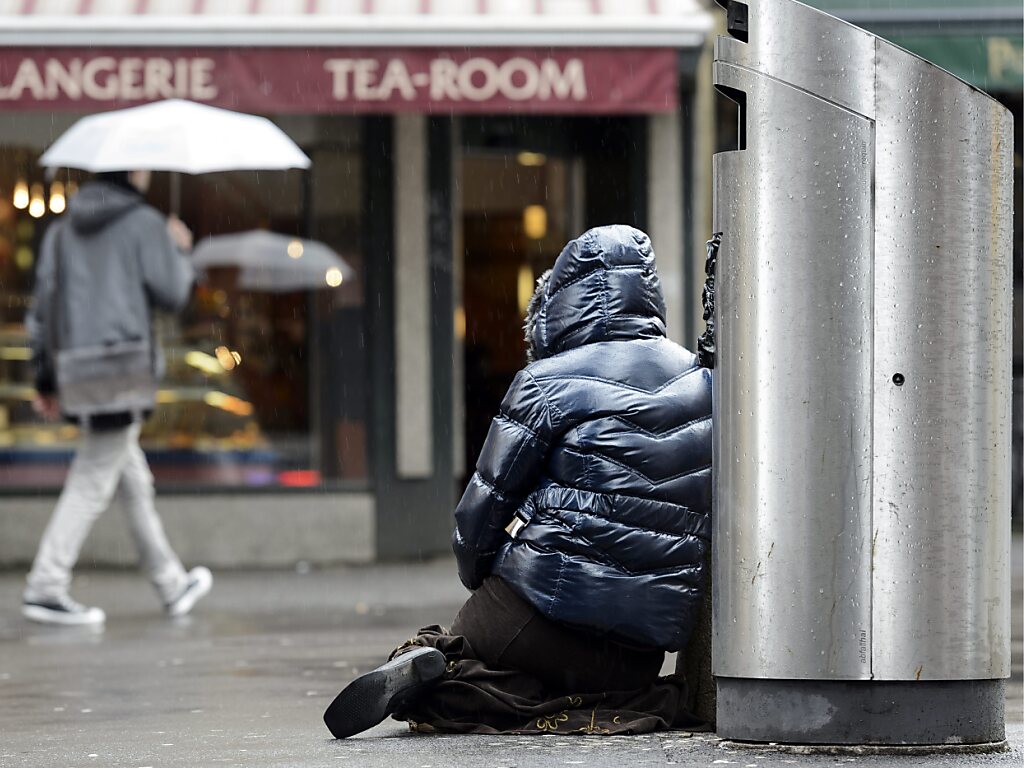
The canton of Vaud will not attempt a pilot experiment for Roma integration, which was supposed to provide housing for a limited period of time to around fifteen families. On Tuesday, members of the Grand Council rejected the proposal to this effect.
A critique at the current Slovenian government’s new plans for Roma inclusion. Basically, they say here that Roma are not interested in working as unemployment benefits are almost equal to the minimum wage, and say that the situation and criminality has deteriorated.
The council of Europe organised a workshop on inclusive education for Roma children in the Czech Republic. Nice, but right now, the issue is more the segregation that still revails in aschools in the country.
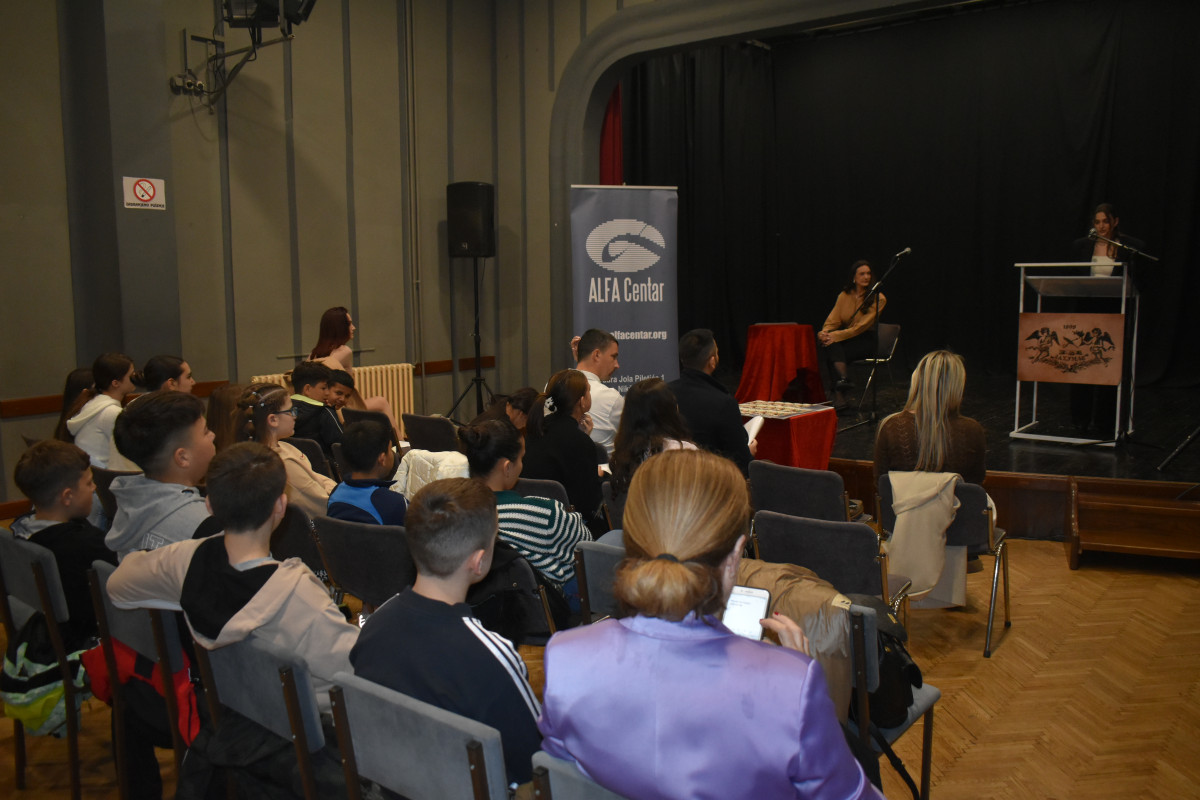
Today, ALFA Center promoted the collection of essays A Word for Coexistence and Tolerance in the hall of the Zahumlje Public Institution in Nikšić, Montenegro.
The collection consists of 11 essays by children of the Roma population from Nikšić. The essays were created at a creative writing workshop led by children’s writers Goran and Milica Radojičić, as a product of the central motif: All PEACE in us. The idea is that through essays, children present the importance and uniqueness of their culture, along with the importance of accepting all the differences in a society.
Following the intervention of Roma activists and the European Roma Rights Center, the Calabria region had to change the plan that envisaged the construction of segregated housing for Roma families with European money. At their instigation, the European Commission began to look into the case and the project was modified – instead of a new ghetto, Roma families are to be integrated into regular municipal housing. However, activists warn that the new version of the plan still has serious shortcomings.
Slovakia has received almost a billion euros from EU funds, which are intended to improve the living conditions of poor Roma. Whether the state is using this money effectively, and whether this aid is at all visible directly in the Roma settlements, will be the topic of today’s TA3 discussion show “Let’s look at it”.
The director of Komunala Novo Mesto Bojan Kekec participated in a recent consultation on the employment of Roma. The Ministry of Labour, Family, Social Affairs and Equal Opportunities presented a new program for the employment of the Roma population to mayors and employers in Novo Mesto.
“We are one of the few companies that also employs members of the Roma community. There are currently three Roma in regular employment at Komunala Novo Mesto,” explained director Bojan Kekec.
The Roma Road Show series of events, with which Government Commissioner for Roma Minority Affairs Lucie Fuková is going to the regions, presents inspiring Roma projects focused on housing, community work, health, education or security. The aim is to support cooperation between Roma organizations, local governments and local leaders. The first meeting took place on March 5 in Šternberk, with further stops in Pardubice and Jihlava.
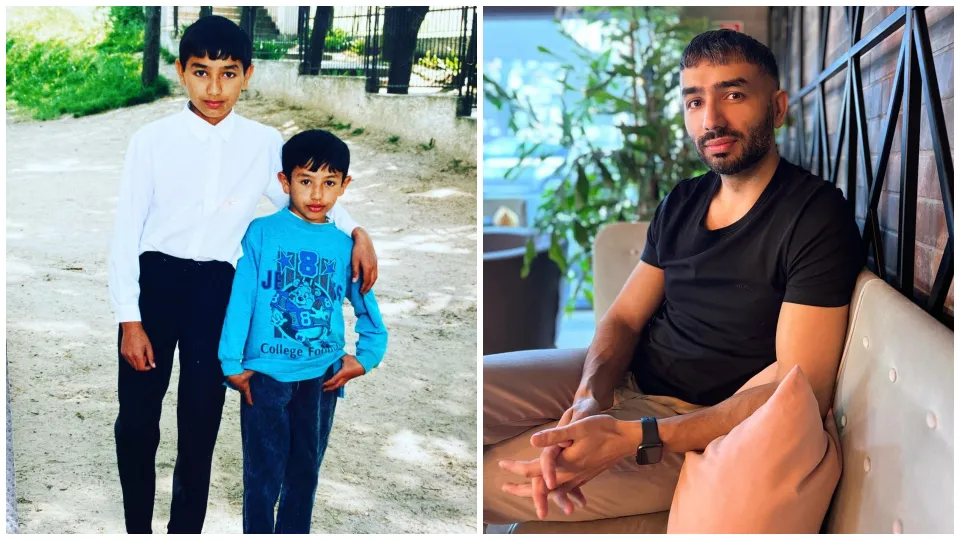
He is a Rom, an engineer, and an activist and influencer followed by thousands of people. At school, he was always reminded that he was just a gypsy. “Don’t go to college, Roma will only be hired for lower jobs anyway.” These are the words that begin one of the videos posted on. On social media, he proves with his story that Roma do not have to end up in factories for the lower grades, but can have big dreams and ambitions, just like he had. He achieved success despite growing up in poverty and encountering those who didn’t wish him well along the way.
The Slovene Minister of Labour, Family and Social Affairs Luka Mesec paid a working visit to Novo Mesto Mayor Gregor Macedoni. His ministry is coordinating the preparation of the legislative package to resolve Roma issues. They will try to complete the coordination on Thursday, he said in a press statement. They will then probably have another “intensive round of coordination” with mayors and others involved, and the package could go into public debate sometime by the end of March.
The package of laws is intended to encourage the inclusion of children in kindergartens and schools and improve living conditions.
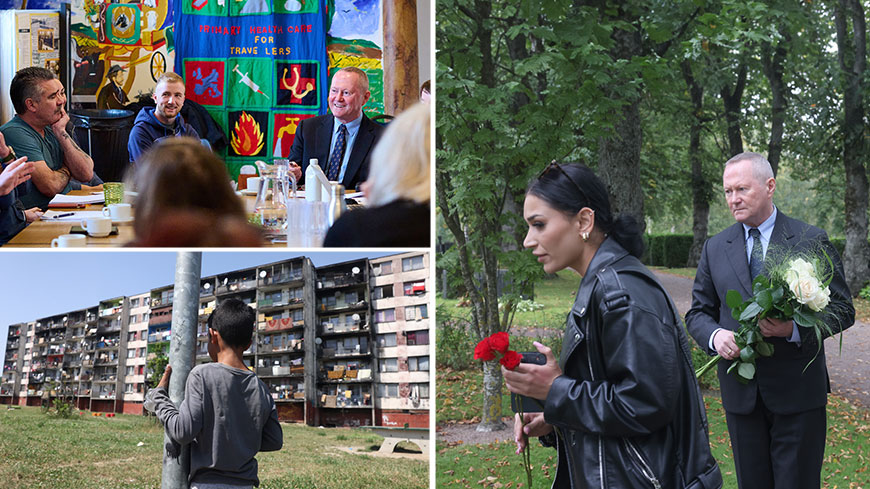
The Council of Europe Commissioner for Human Rights Michael O’Flaherty released today three Memoranda examining the human rights situation of Roma and Traveller communities in Finland, Ireland and Slovakia. Each Memorandum presents country-specific findings and recommendations based on the Commissioner’s visits to these countries, addressing pressing human rights concerns faced by the communities.
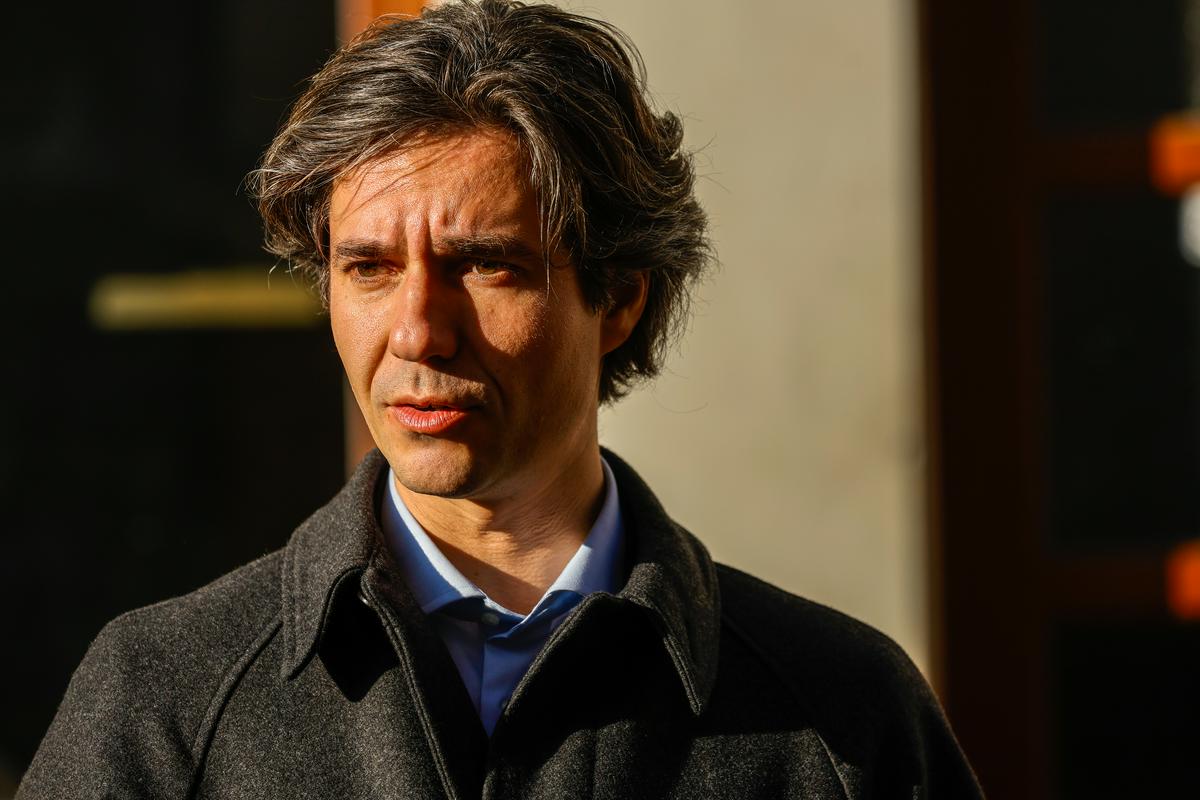
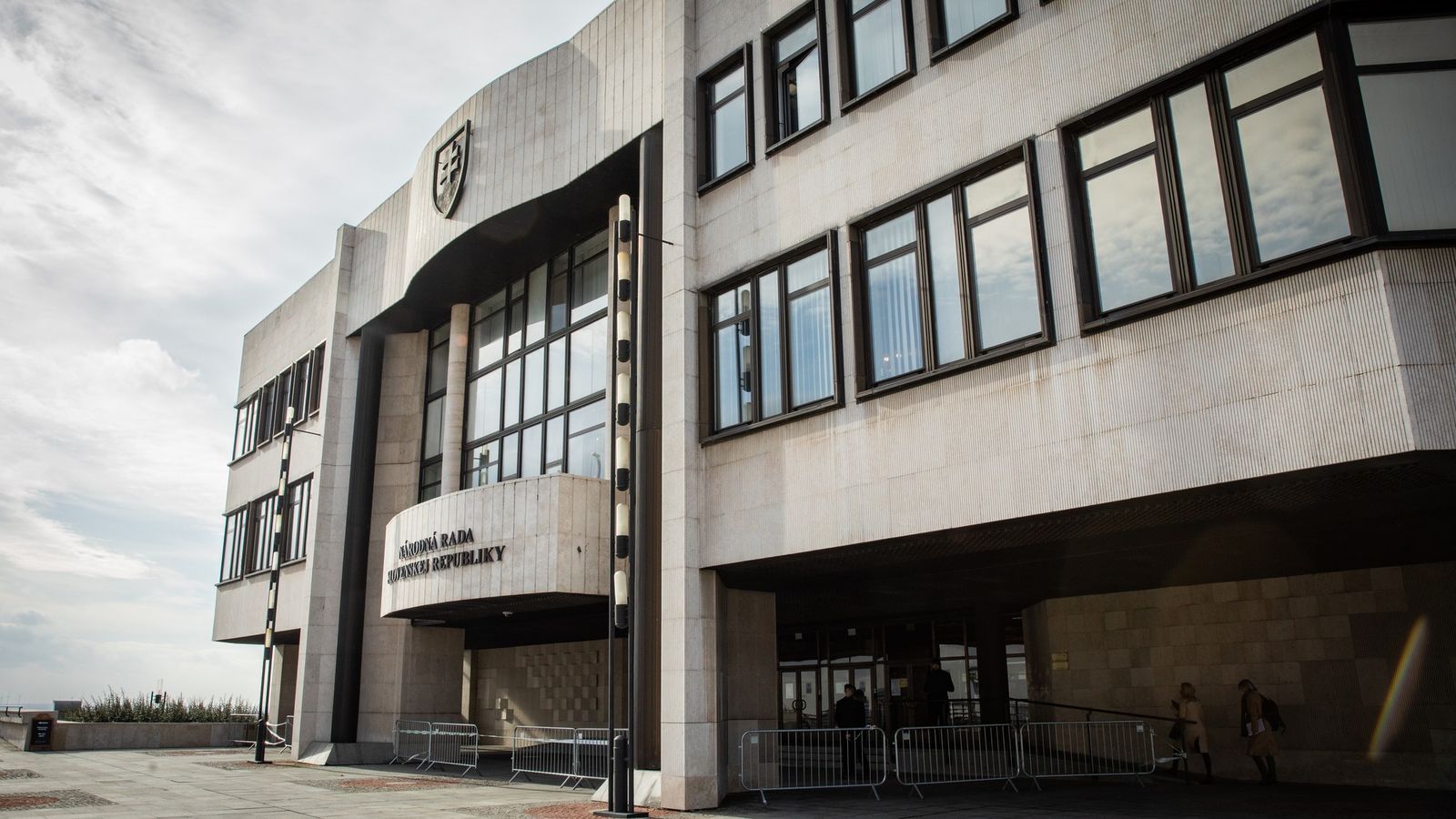
The discussion on the Action Plan for Roma communities is moving to parliament, where SaS is demanding a reassessment of its priorities. The Freedom and Solidarity Party (SaS) points to the government’s failure to address the Roma issue. On Wednesday, at a press conference in the village of Doľany in Spiš, a member of the National Council of the Slovak Republic, Vladimír Ledecký (SaS), pointed out that the government plans to invest 1.1 billion euros over the next three years as part of the Action Plan for the Strategy for Equality and Inclusion and Participation of Roma in projects that, according to him, will not help this population group in any way. He pointed out that these expenditures are not clearly explained or justified. He is therefore submitting a resolution to the National Assembly of the Slovak Republic, which responds to “the passivity of government officials and the inefficient use of resources intended to support the Roma community”.
The Slovenian Ministry of Cohesion and Regional Development has approved European funds for the Public Call for Co-financing of a network of multifunctional Roma centres. The total value of the project is 5.5 million euros, with the European Social Fund Plus contributing 4,427,500 euros. The project’s goal is to improve the socio-economic situation of the Roma community, strengthen their inclusion in society and provide better conditions for a quality life.
It needs more than centres like this to change the situation …







 EN
EN  DE
DE  FR
FR