Tag Archives: Commemoration

Hungary, Roma, and Commemoration

Published by:

Hungary, Roma, and Commemoration

The Hungarian Parliament held a moment of silence to honor the victims of the Roma Holocaust, following a controversial incident where members of the Mi Hazánk (Extreme-Right) party remained seated during a previous commemoration.

Mi Hazánk’s leader, Toroczkai, criticized the political exploitation of the Holocaust remembrance and expressed dissatisfaction with the government’s handling of the upcoming presidential election. He claimed it violated house rules and that the Tisza party was exploiting the situation for political gain. Ábrahám Barnabás, a leader of the Mi Hazánk party, criticized the increasing influence of Roma in Hungary, suggesting that the focus should be on crime rather than the Roma Holocaust

The Prime Minister, other officials, as well as members of the Jewish community condemned Mi Hazánk’s actions, emphasizing the importance of honoring the victims and calling for an apology from the party.

Hungary and the Extreme Right

Published by:

Hungary and the Extreme Right

István Gyöngyösi, a representative from the Tisza Party, commemorated the victims of the Roma Holocaust during a parliamentary session, emphasizing the need to remember the Roma victims who were deported and murdered in Auschwitz.

The Mi Hazánk (our house – an extreme right) party members remained seated during the commemoration, leading to accusations of racism and disrespect from other political figures, including Prime Minister Péter Magyar.

Minister Zoltán Tarr acknowledged ongoing discrimination based on ethnicity and stressed the importance of remembrance and combating hate to prevent future atrocities.

Lackenbach

Published by:

Lackenbach

Commemorative events in Vienna and Lackenbach honored the Roma and Sinti persecuted and murdered during the Nazi regime, with speeches emphasizing the local impact of these historical crimes.

Historian Gerhard Baumgartner highlighted the inhumane treatment of Roma, including wrongful deportations based on misconceptions about them not wanting to work.

The events aimed to preserve the memory of the victims and promote the importance of maintaining the language, culture, and identity of the Roma and Sinti community in Austria.

Silence …

Published by:

Silence …

On August 2, Hungarian Prime Minister Péter Magyar and Speaker Ágnes Forsthoffer remained silent about the Roma Holocaust, which the Roma Press Center criticized, stating that silence is also a stance.

They emphasized the importance of acknowledging the historical tragedy of the Roma community, particularly the extermination of nearly 3,000 Roma individuals at Auschwitz in 1944.

The article highlights the historical responsibility of the Hungarian state in the persecution and deportation of Roma people, calling for public acknowledgment and reflection on this dark chapter of history.

Slovenia Commemoration

Published by:

Slovenia Commemoration

The President of the Roma Community in Slovenia, Jožek Horvat – Muc, emphasized that discussions about the genocide against Roma are crucial for understanding human rights and the current status of the Roma community.

He highlighted the dangers of marginalization and the persistence of anti-Roma sentiment in Europe, which is rooted in historical prejudice and exacerbated by contemporary socio-political issues.

The memorial event served as a reminder of the systematic extermination of Roma during the Nazi regime and underscored the importance of preserving historical memory to combat discrimination and promote social equality today.

Jasenovac / Uštice

Published by:

Jasenovac / Uštice

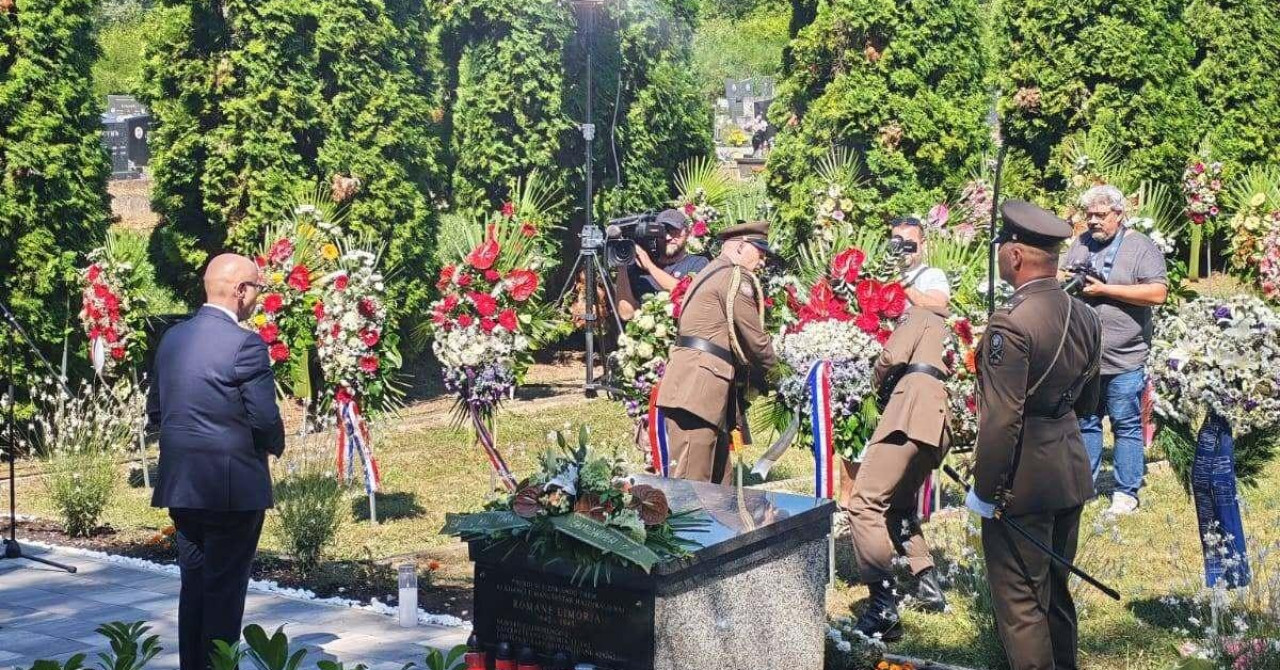
The International Day of Remembrance of the Romani Victims of Genocide (Samudaripen) was commemorated in Uštica near Jasenovac, with the opening of the ‘Amare, amale’ Peace and Friendship Park for Roma.

Minister of Labor Alen Ružić emphasized Croatia’s support for the culture of remembrance, stating that the suffering of the Roma must never be forgotten as it is essential for a society of tolerance and equality.

MP Veljko Kajtazi reminded attendees of the suffering of Roma during World War II and the importance of remembrance as a responsibility of the living.

Lackenbach

Published by:

Lackenbach

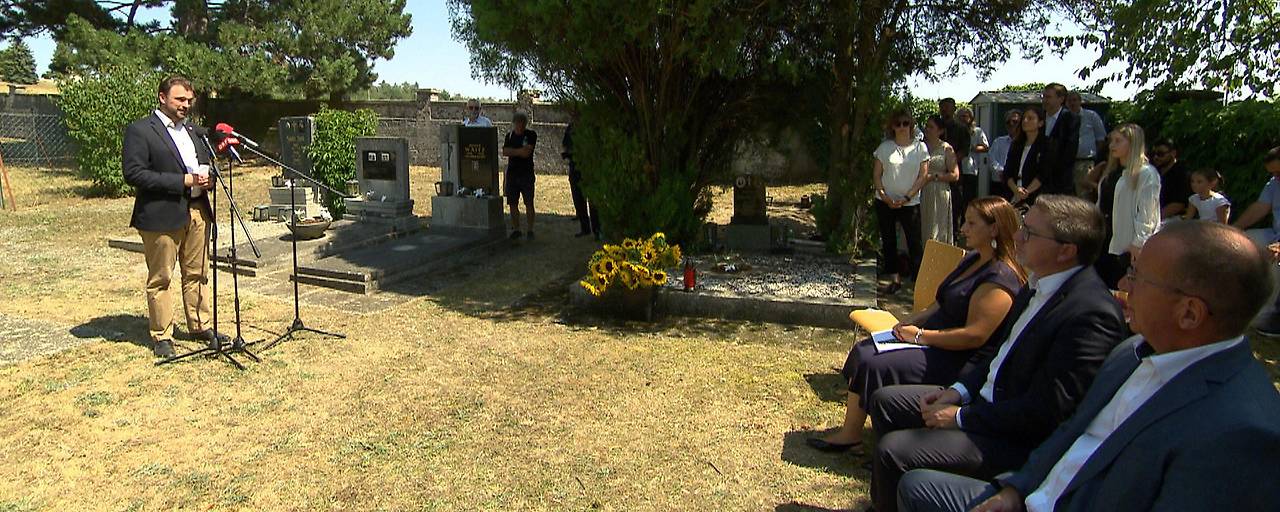
Approximately 4,000 Roma and Sinti were deported from the Lackenbach detention camp during the Nazi era, with only a few hundred surviving, most of whom were murdered.

The commemoration event emphasizes the importance of remembering these atrocities, which occurred within local communities, and the need to confront the past to ensure a peaceful future.

Political leaders stress the necessity of protecting minority rights and combating hate and discrimination as part of honoring the memory of the victims.

Liberec

Published by:

Liberec

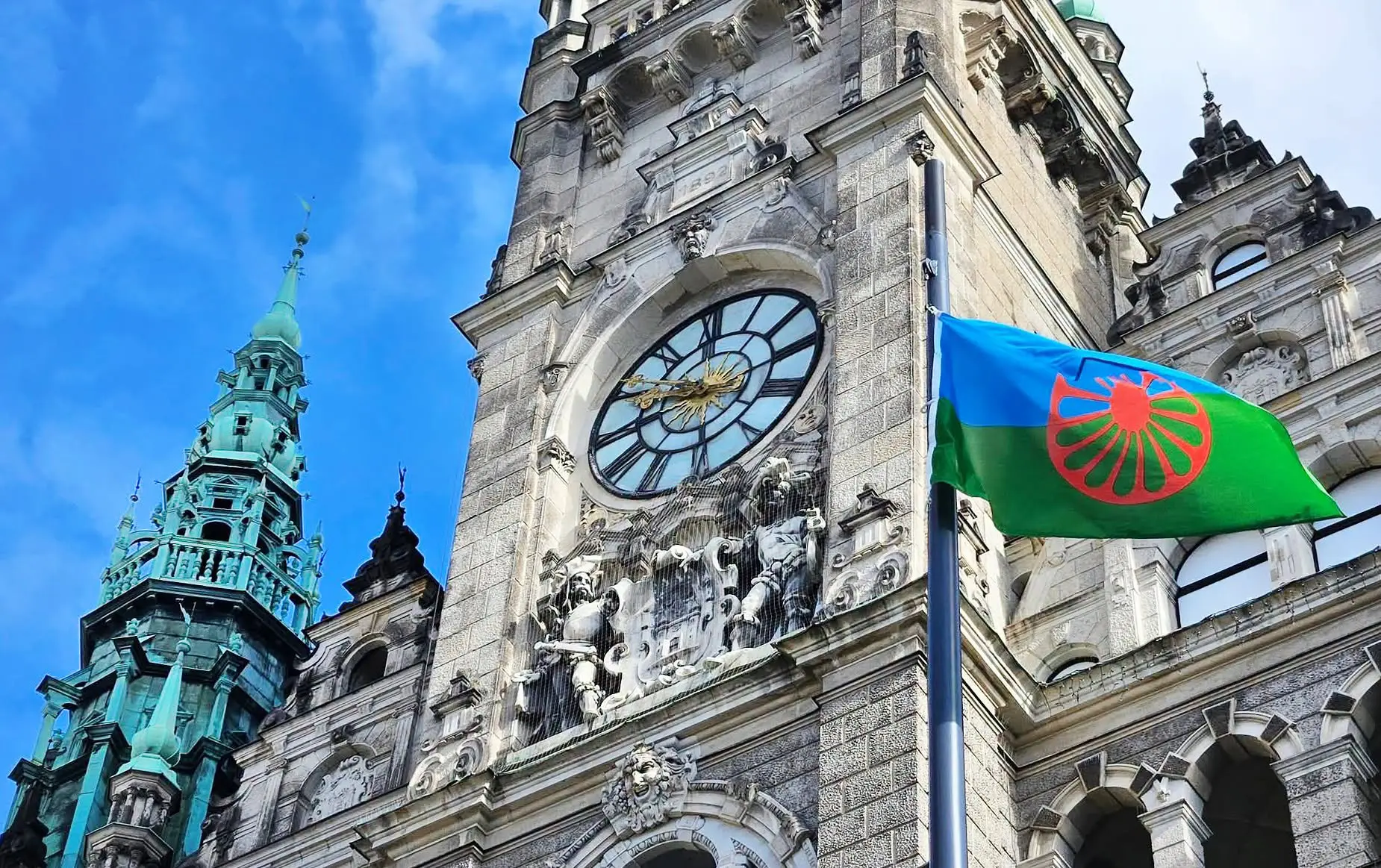
The City of Liberec commemorated Romani and Sinti victims of Nazi persecution by flying the Romani flag and emphasizing the importance of tolerance and respect in society.

The Liberec Regional Authority and local officials met with Romani community representatives to honor historical memory and promote dialogue against hate and racism.

The article highlights the tragic history of the Romani and Sinti during the Holocaust, including their deportation and murder in concentration camps, and calls for ongoing recognition and commemoration of this genocide.

Commemoration in Slovakia

Published by:

Commemoration in Slovakia

The Day of Remembrance for the Victims of the Roma Holocaust emphasizes the importance of remembering historical events that should not be forgotten and should be included in history education.

The Ministry of Education in Slovakia highlighted that remembering the Roma Holocaust is a sign of respect for the victims and contributes to preserving historical memory, promoting a society based on respect and understanding.

The commemoration marks the events of August 2-3, 1944, when nearly 3,000 Roma were murdered at Auschwitz-Birkenau, with an estimated half a million European Roma and Sinti killed during World War II, and around 1,000 Roma victims in Slovakia alone.

Commemoration in Serbia

Published by:

Commemoration in Serbia

The Topovske Šupe camp was the first concentration camp for Jews and Roma in occupied Belgrade during World War II, where 5,000 Jews and 1,500 Roma perished.

Krinka Vidaković Petrov, director of the Staro Sajmište Memorial Center, emphasized the need for an inclusive culture of remembrance, advocating for a memorial plaque for Roma victims alongside the existing one for Jews.

Igor Jovanović, deputy president of the Belgrade City Assembly, highlighted the significance of August 2 as a day to remember the suffering of the Roma people during the war, as recognized by the European Parliament in 2015.

Commemoration in Hungary

Published by:

Commemoration in Hungary

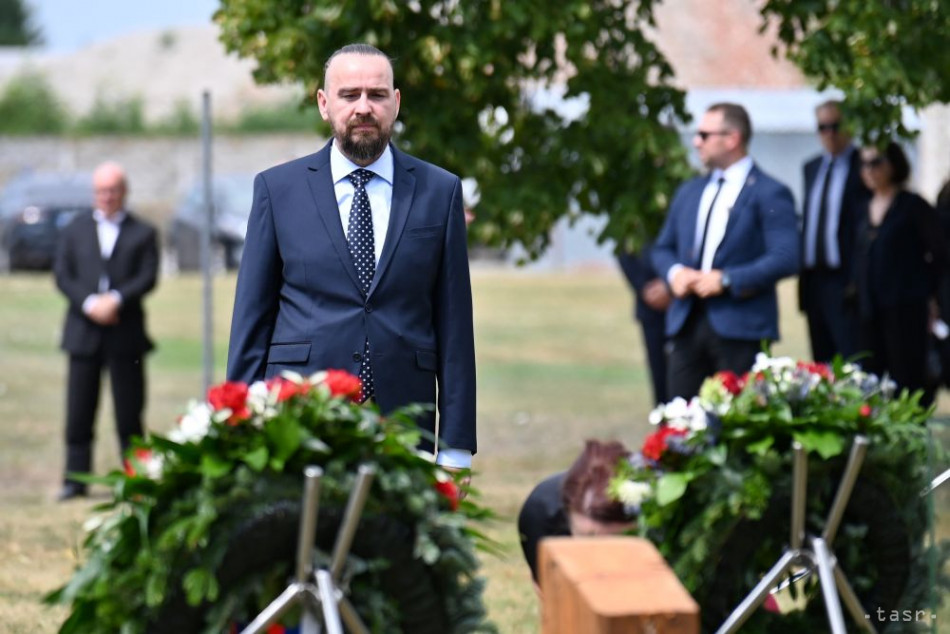
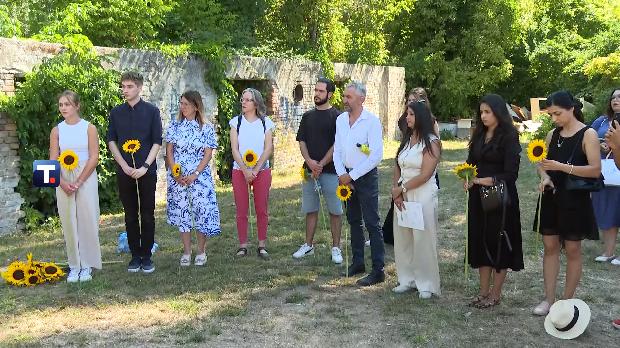
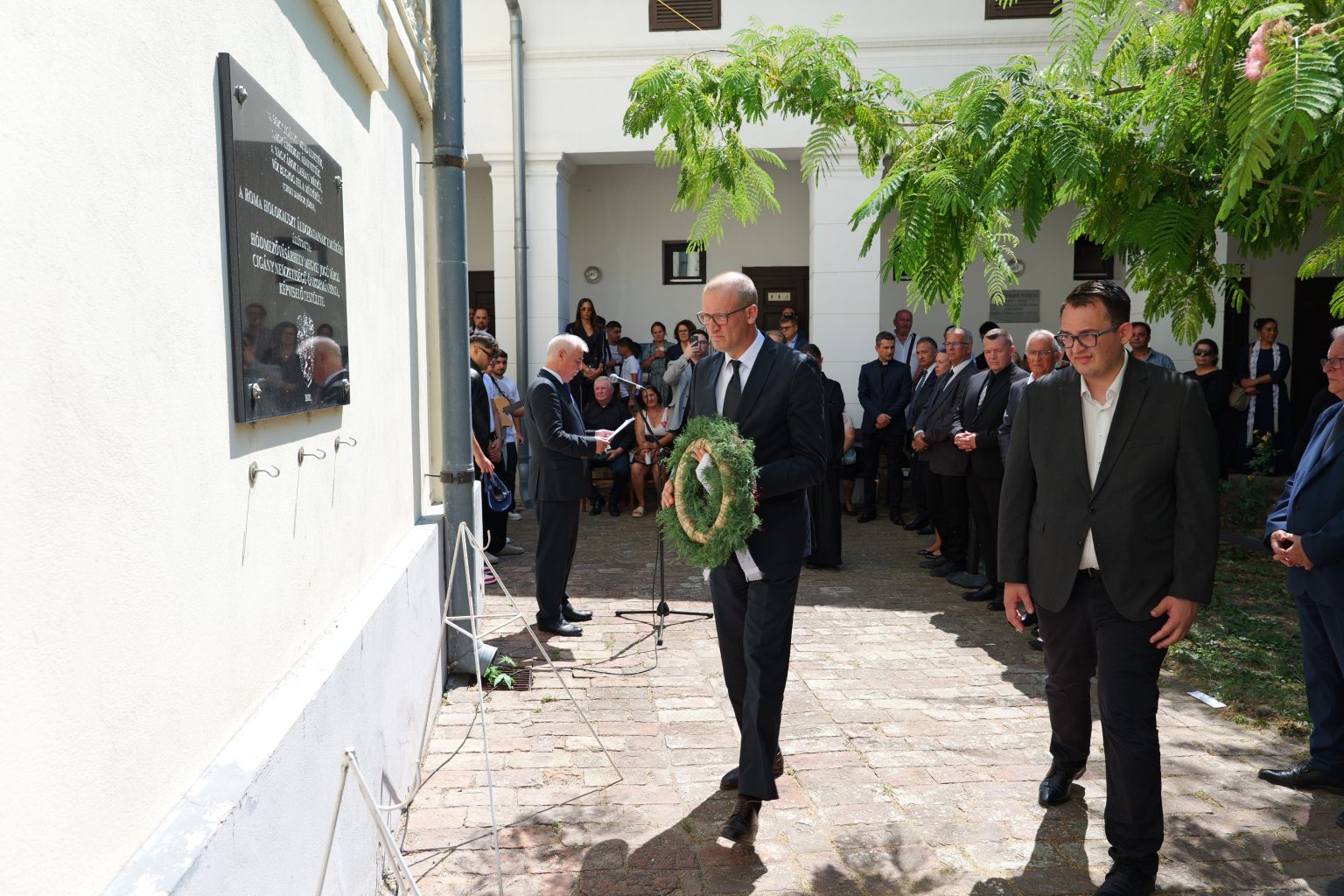
A memorial event for the Roma Holocaust was held in Hódmezővásárhely, attended by government, municipal, religious, and civil representatives, emphasizing the importance of combating hate and exclusion today.

Minister Zoltán Tarr highlighted the need to acknowledge past wrongs and promote social reconciliation during his speech.

Mayor Péter Márki-Zay noted that Hódmezővásárhely was the first city in Hungary to publicly commemorate the victims of the Roma Holocaust, warning that genocides result from long-term exclusionary processes.

August 2nd.

Published by:

August 2nd.

The European Holocaust Memorial Day for Roma and Sinti is officially observed on August 2, recognizing the genocide of approximately 500,000 Roma during the Nazi regime, with various countries in Central and Southeastern Europe participating in memorial events.

Poland, Slovakia, Hungary, and the Czech Republic have established official commemorations, while other countries like Bulgaria and Serbia observe the day informally or do not recognize it officially.

The memorial events often address not only historical atrocities but also contemporary issues of anti-Roma sentiment and discrimination in these regions.

Slovenia Memorial

Published by:

Slovenia Memorial

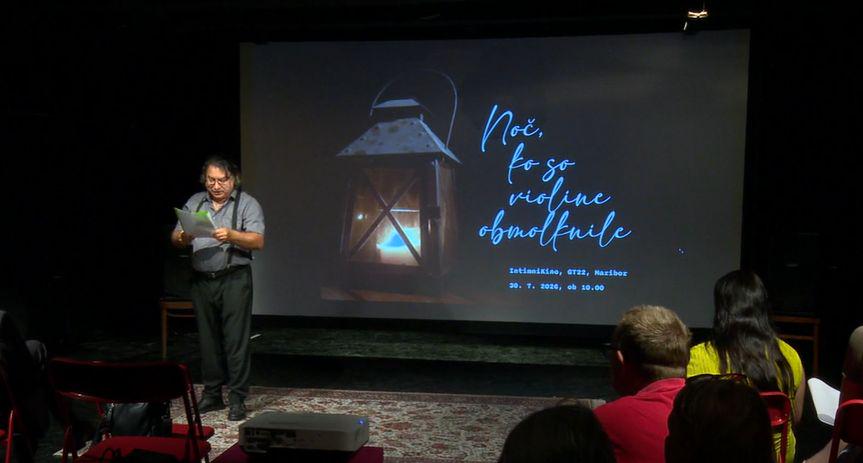
The Maribor synagogue held a memorial event for the International Day of Remembrance of the Roma and Sinti genocide, emphasizing the need to remember and warn against rising intolerance in Europe.

Jožek Horvat Muc highlighted that the genocide, which claimed around half a million Romani lives during WWII, is often overlooked in history, and that current discrimination and hate speech against Roma persist in many European countries.

Slovenian officials acknowledged progress in integrating the Romani community but stressed the need for ongoing dialogue and responsibility to combat prejudice and protect human rights.

Hungary Commemoration

Published by:

Hungary Commemoration

August 2 is recognized as the international memorial day for the Roma Genocide during the Holocaust, marking the liquidation of the Auschwitz-Birkenau Roma camp in 1944, where over 3,000 Roma were killed by the SS.

A remembrance event will take place in Miskolc, Hungary, including a mass for the victims and speeches by notable figures, commemorating the fifth anniversary of the Roma Holocaust Memorial.

The Roma Holocaust remains a lesser-known aspect of World War II, with ongoing efforts to ensure its recognition and remembrance in historical narratives.

Vienna Memorial Service

Published by:

Vienna Memorial Service

A memorial service for Roma and Sinti victims of the Holocaust will take place on August 2 at St. Stephen’s Cathedral in Vienna, led by Auxiliary Bishop Franz Scharl, with a wreath-laying ceremony to follow.

Austria officially recognizes August 2 as a National Holocaust Remembrance Day for Roma and Sinti, commemorating the murder of approximately 4,300 individuals in Auschwitz in 1944.

The 30th Roma Pilgrimage to Mariazell is scheduled for August 9, celebrating faith and culture, with participation from Roma communities across Europe.

Commemoration

Published by:

Commemoration

A joint commemoration for the Roma genocide during the Holocaust is organised by the Józsefváros Municipality and the Roma Municipality, taking place on August 2-3, with events at Teleki László Square and the Roma Municipality theater.

The article details the historical context of the persecution of Roma during the Nazi regime, including the implementation of the Nuremberg laws and mass deportations.

The program includes speeches, music performances, and a flower-laying ceremony to honor the victims of the Roma genocide.

Auschwitz Commemoration

Published by:

Auschwitz Commemoration

The 82nd anniversary of the liquidation of the so-called Gypsy camp at Auschwitz will be commemorated on August 2, 2024, with events organized by the Center for History and Culture of the Roma in Oświęcim. During World War II, approximately 500,000 Roma and Sinti were murdered by the Nazis, with many being exterminated at Auschwitz.

August 2 is recognized in Poland as the Day of Remembrance for the Roma Genocide and is observed in the EU as the European Day of Remembrance of the Holocaust of Roma and Sinti.

Remember

Published by:

Remember

The Karlsruhe city council has named a square near Kapellenstraße as Familie-Reinhardt-Platz to honor the Sinti and Roma victims of the Nazis. There was consensus on the need for a memorial, but disagreement on the location, with some council members finding the chosen site inadequate.

The proposal was supported by multiple political parties, while the CDU suggested an alternative name and location for the memorial.

Jasenovac and Croatia

Published by:

Jasenovac and Croatia

The Croatian President of the Republic, Zoran Milanović, visited the Roma Memorial Center Uštica, where he planted a Tree of Peace. During his visit, he lit a candle and laid a wreath in front of the Wall of Pain at the Roma Memorial Cemetery. So far, 21 mass graves of Roma victims have been identified in this area and more than 16’000 victims have been identified.

French Chronicle …

Published by:

French Chronicle …

Not much this week in France about Roma. An article about the Roma anthem at the inauguration of the new Hungarian prime minister Peter Magyar; two Roma being judged for burglary; and a meeting in Paris to commemorate the genocide of the Roma.

rroma.org
en_GBEN